

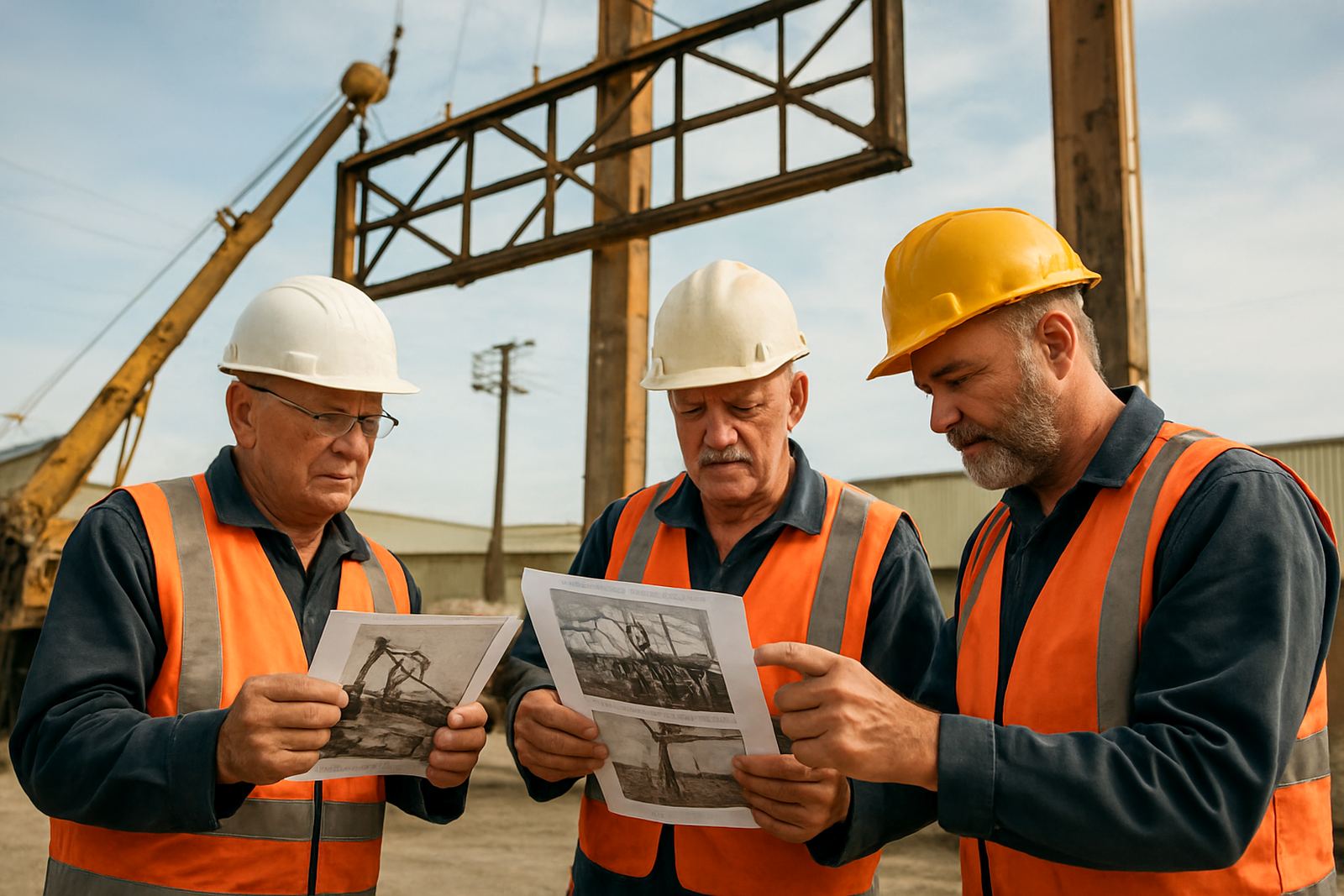


2008: A clear gap in the market
When Gareth van der Merwe started Sign Riggers in 2008, the need was obvious on site. Sign makers were expected to deliver the sign, manage the client, and somehow still find a crew with the right access gear, the right safety paperwork and the right attitude for the job. In Cape Town especially, projects were being held up by poor planning, missed call times and crews that were not set up for height work. Sign Riggers was formed to handle the rigging side only, so sign shops could keep their client relationships and we could focus on the lifting, fitting and access work.
The first jobs were handled from Paarden Eiland, with a small team, basic tools and a lot of long days. Early work included shopfront signs, fascia panels, light box installations and removals that needed to be done around trading hours. It was practical work, not glamorous, and that suited the business. The rule from day one was simple: if it is a sign rigging job, do it properly, leave the site clean, and make the sign maker look good.
2010 to 2012: Building trust one site at a time
By 2010, repeat work started coming in from sign makers who needed a crew they did not have to babysit. The business built its reputation on showing up on time, checking measurements properly and speaking clearly with the client before anyone touched a ladder or platform. That mattered on busy commercial sites where one missed detail can cost a full day.
During these years, the team took on a wider mix of work across the Western Cape, including Bellville, Somerset West and Paarl. Coastal conditions were a regular issue in Cape Town, so fixings, frames and access planning had to account for humidity, salt air and wind exposure. The team also began handling more servicing work, because many signs needed more than a simple install. Lamps failed, mounts loosened, cables needed attention and some faces had to be replaced after storms.
- First recurring sign maker accounts secured in Cape Town.
- Service work expanded from installation only to removals and maintenance visits.
- Site surveys became a standard part of the process before larger jobs.
2013 to 2016: Expanding into Gauteng
As the business matured, the work started stretching beyond the Western Cape. Johannesburg presented a different pace and a different set of site pressures, especially in the CBD, Sandton, Midrand and the East Rand. Traffic timing, building access rules and tighter municipal controls meant the same job needed a different plan. Sign Riggers responded by building a Johannesburg crew that could work to the same standard as the Cape Town team.
That period also brought more lift planning, scaffold access and platform work. Some signs could be reached quickly, others needed a proper access plan with permits, lifting equipment and a sequence that kept the public safe. The team developed a better process for emergency callouts too, because signs do not wait for office hours. If a panel came loose or a light box needed urgent removal, the job had to be sorted before it became a hazard.
- Johannesburg operations added for work across Gauteng.
- Lift planning and scaffold access became part of everyday project delivery.
- Emergency response work grew, especially for urgent removals and unsafe fittings.
2017 to 2019: Stronger systems, steadier crews
Once the Cape Town and Johannesburg operations were both active, the business shifted from simply taking jobs to managing them better. Gareth kept the focus on rigging only, which remained important because the sign maker should never feel that their installer is trying to take the customer away. That clear boundary helped build long-term trust with shops that wanted a reliable partner rather than a competing supplier.
Thandi Mokoena took on operations coordination, helping keep crews aligned, materials tracked and site timing under control. Liam Jacobs strengthened the technical side as senior rigging supervisor, while Sibusiso Dlamini kept safety procedures front and centre. Ayesha Daniels handled client liaison so updates stayed clear, and Pieter Coetzee managed fleet and access planning. The structure meant jobs were handled with less scrambling, fewer delays and better accountability on site.
These were also the years when maintenance visits became more planned and less reactive. Some clients wanted scheduled checks for signs exposed to wind, sun and vibration. Others needed regular face changes on billboards and retail sites. Having a repeatable system made it easier to keep those jobs moving even when the weather turned or load-shedding interrupted normal schedules.
2020 to 2022: Working through tighter conditions
Like many trade businesses, Sign Riggers had to work through tougher operating conditions in the early 2020s. Access planning became more important, timelines got tighter, and clients needed crews who could adapt without cutting corners. Power interruptions added another layer of planning, especially where lighting access and after-hours work were involved. The answer was not to rush, but to schedule properly, communicate early and arrive prepared.
This period sharpened the business’s practical habits. Teams checked site notes more carefully, confirmed vehicle access before leaving, and planned around municipal restrictions where needed. For jobs in busy centres like Johannesburg CBD or high-traffic commercial areas in Cape Town, that meant better coordination with building managers and sign makers before a ladder was even unloaded. It was never about doing more for the sake of it, just doing the basics right and keeping people safe.
Today: A focused rigging partner for sign makers
Today, Sign Riggers operates from Paarden Eiland and Johannesburg with crews serving the Western Cape and Gauteng. The work still centres on installation, removal and servicing for sign makers, and that focus has not changed since 2008. The business handles sign relocations, billboard face changes, maintenance visits, site surveys and access-led jobs where planning matters as much as the final fix. There is no rush to be everything to everyone. The value is in being the right crew for the job, every time.
What has changed is the depth of experience. The team has dealt with coastal sites, inland warehouses, retail centres, office towers and roadside structures. They know how to plan around weather, traffic, building rules and live trading environments. They also know that a good history is not just a list of years, but a habit of doing the same things well, year after year, even when the job is awkward or the deadline is tight.
- Regular work now covers Paarden Eiland, Bellville, Somerset West, Paarl, Johannesburg CBD, Sandton, Midrand and the East Rand.
- Projects include lighting access, scaffold access, platform work and urgent callouts.
- The business remains rigging only, supporting sign shops without competing with them.