What a fabric light box is and why sign makers use it
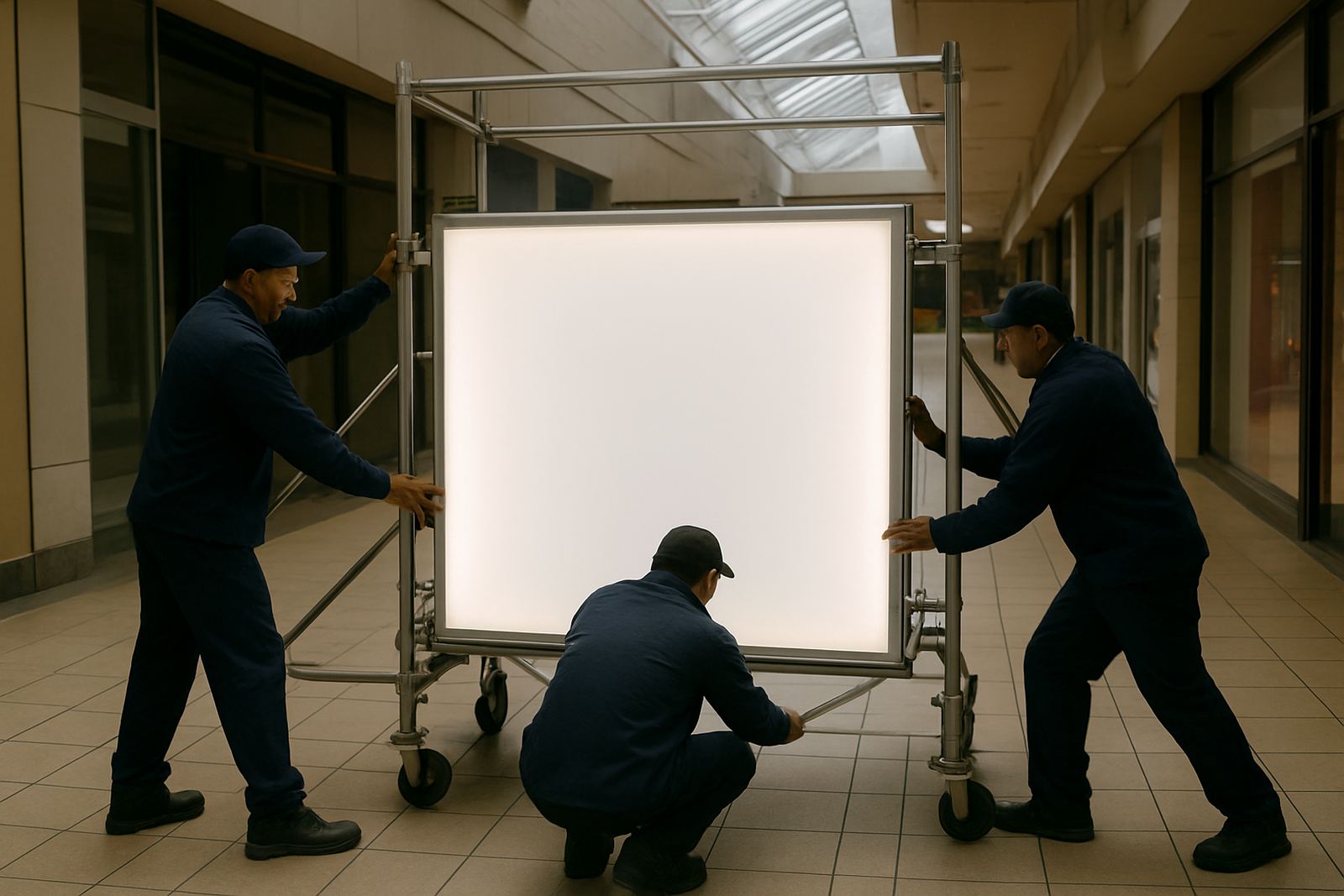
A fabric light box uses a slim aluminium frame, internal LED lighting and a stretch tension fabric face to give even illumination across the whole panel. The fabric is pulled tight into a silicone edge channel, so the face sits smooth with no visible fixings across the front. It suits brands that want a neat, modern finish in malls, forecourts, reception areas and street-facing shopfronts.
For sign makers, the main advantage is that the system is lighter than many rigid illuminated signs and easier to service when the face needs replacing. It also gives a tidy result on sites where the client wants a consistent glow instead of hot spots and shadowing. On a busy retail strip in Sandton or a coastal site in Somerset West, that matters because the sign has to look good in daylight and after dark too.
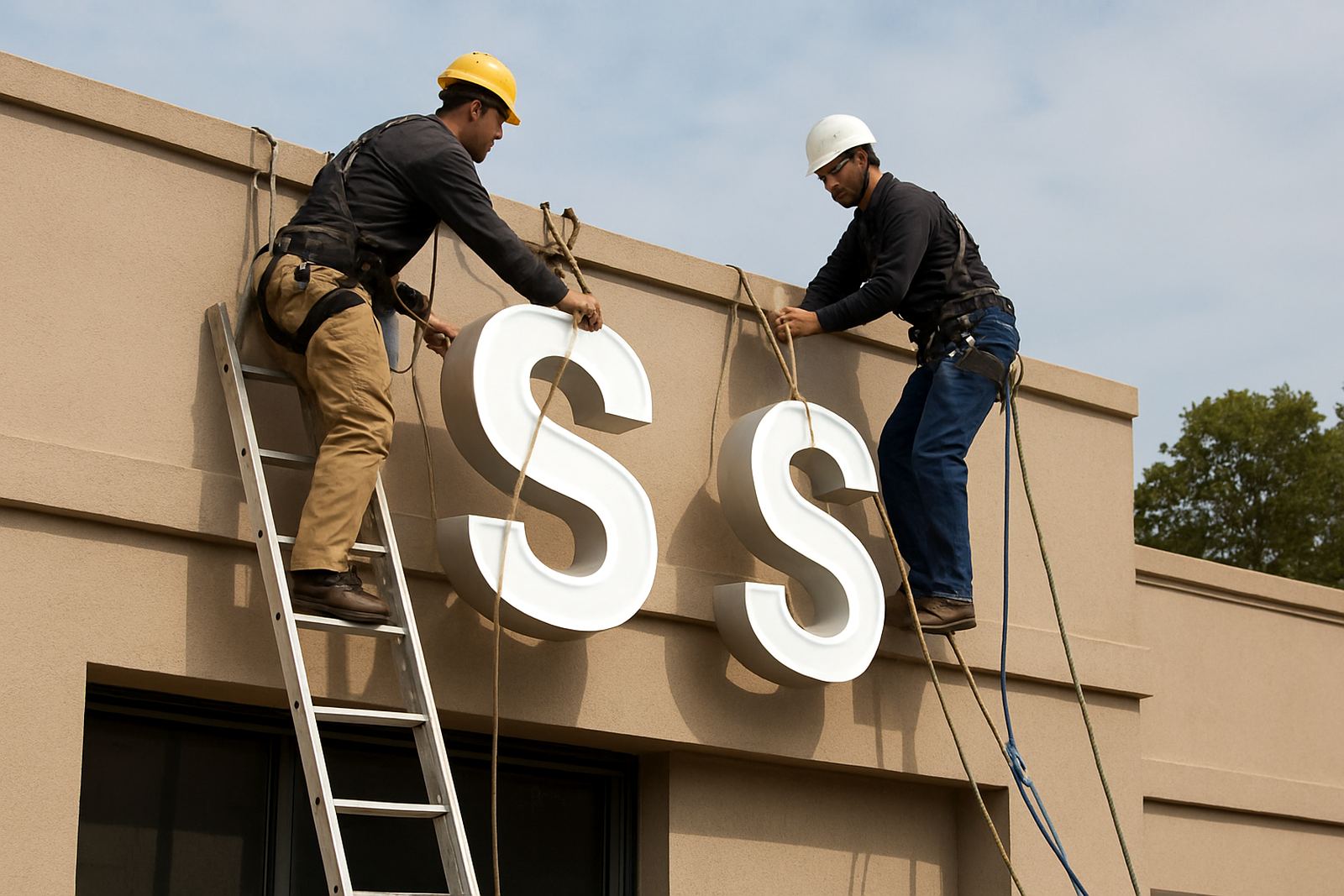
We install and remove fabric light boxes for sign shops that need a rigging team only. That means we focus on access, fixing, handling and servicing, while you stay with the client relationship and the creative work. It keeps the chain simple and avoids stepping on toes.
Sizes, frame depths and layout options
Fabric light boxes can be built in a wide range of sizes, from small interior feature panels to large exterior shopfront signs and long fascia runs. Common depths are 80 mm, 100 mm, 120 mm and 150 mm, depending on the LED layout, the finish required and how much space is available behind the face. Thinner profiles suit interiors and tight storefronts, while deeper frames are better for bigger signs where stronger illumination is needed.
Typical options include wall mounted units, suspended displays, freestanding feature panels and double-sided boxes for pylons or internal wayfinding. We also handle face changes on existing boxes when the fabric has faded, torn or been updated for a new campaign. If the site is exposed to strong sun or salty air, the right frame finish and hardware are important, otherwise corrosion and water staining can creep in a bit quicker than expected.
- Standard frame depths: 80 mm, 100 mm, 120 mm, 150 mm
- Single-sided or double-sided configurations
- Wall mounted, suspended, freestanding or recessed installation
- Aluminium frame with tension fabric face and LED backlighting
- Interior feature walls, shopfronts, reception areas and exterior fascias
Where fabric light boxes work best
These signs suit places that need a sharp visual finish without bulky framing. In retail, they work well for storefront branding, window-facing displays and mall signage where lighting is controlled and the sign needs to hold its colour cleanly. In offices, they are often used for reception branding, directional panels and feature walls in meeting areas or foyers.
They are also a practical choice where a sign must be changed regularly. The fabric face can be replaced faster than many rigid panels, which is useful for promotions, rebrands or tenant changes. That makes them a good fit for sign makers who do recurring work across Paarden Eiland, Bellville, Johannesburg CBD, Midrand and the East Rand.
For outdoor use, the site conditions matter. Coastal humidity, wind load, roof access and water ingress all need to be checked before any installation starts. If the box is above a doorway or near public walkways, we plan the lift and access method so the job can be done safely and without unnecessary downtime for the tenant.
Installation, access and power needs on site
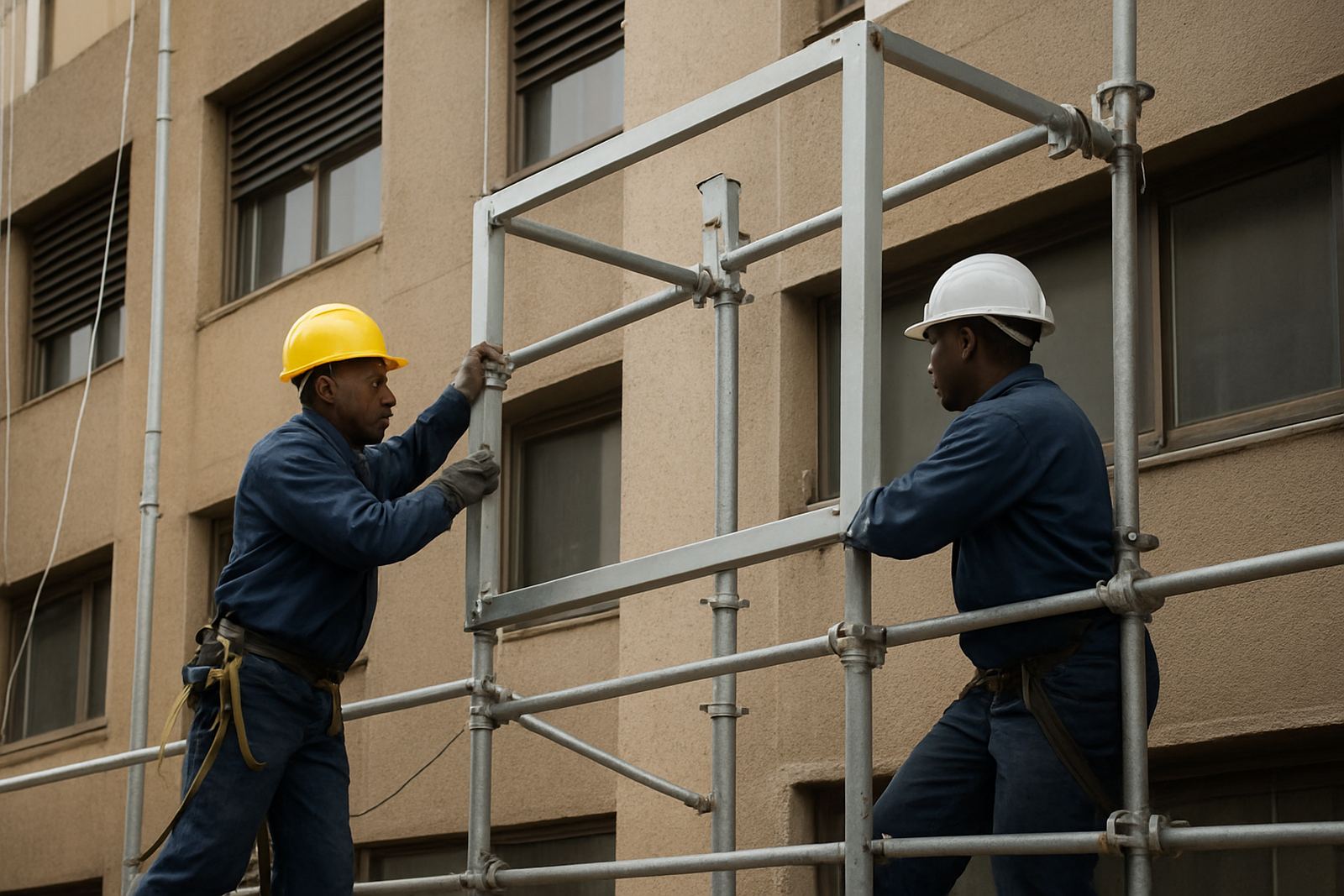
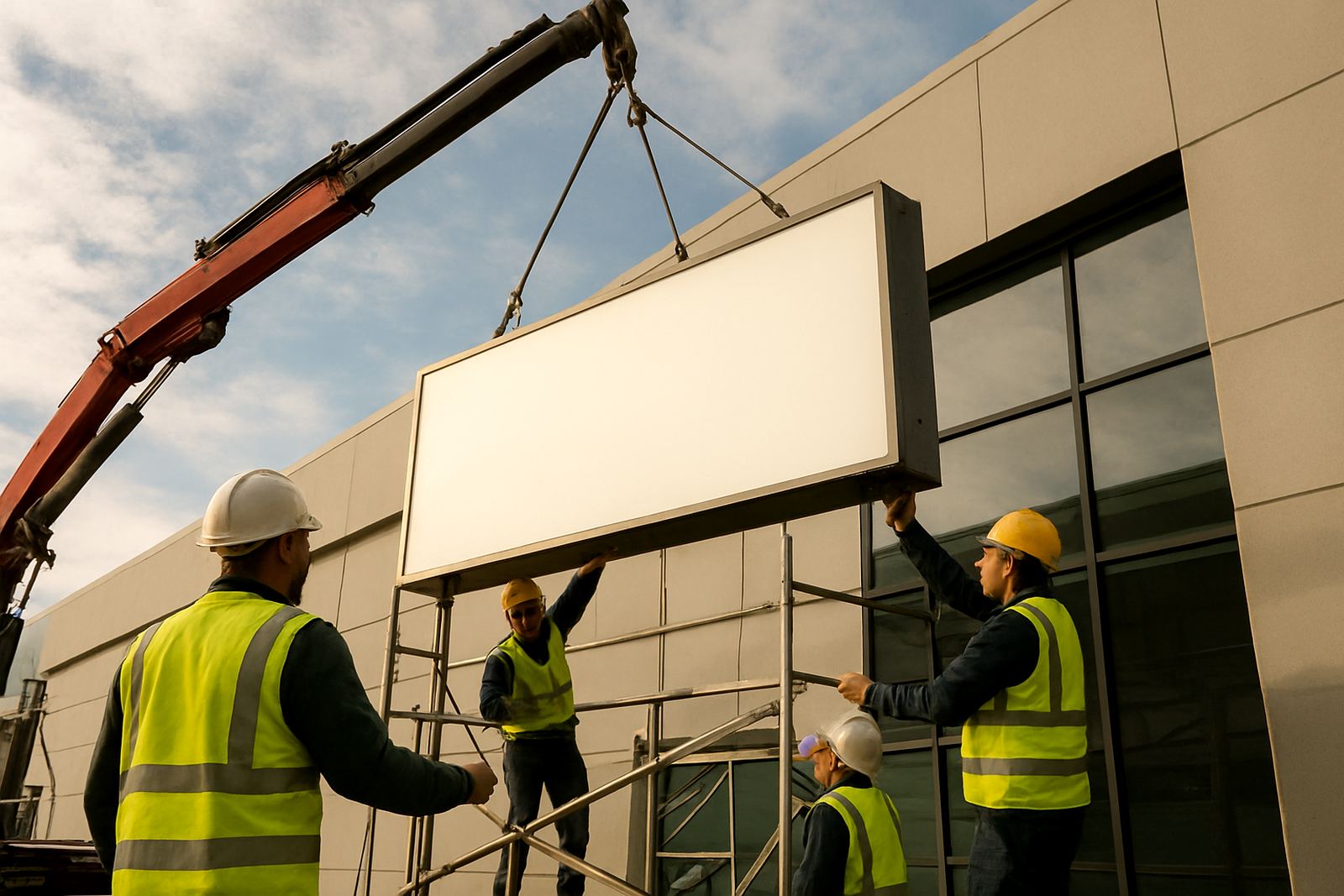
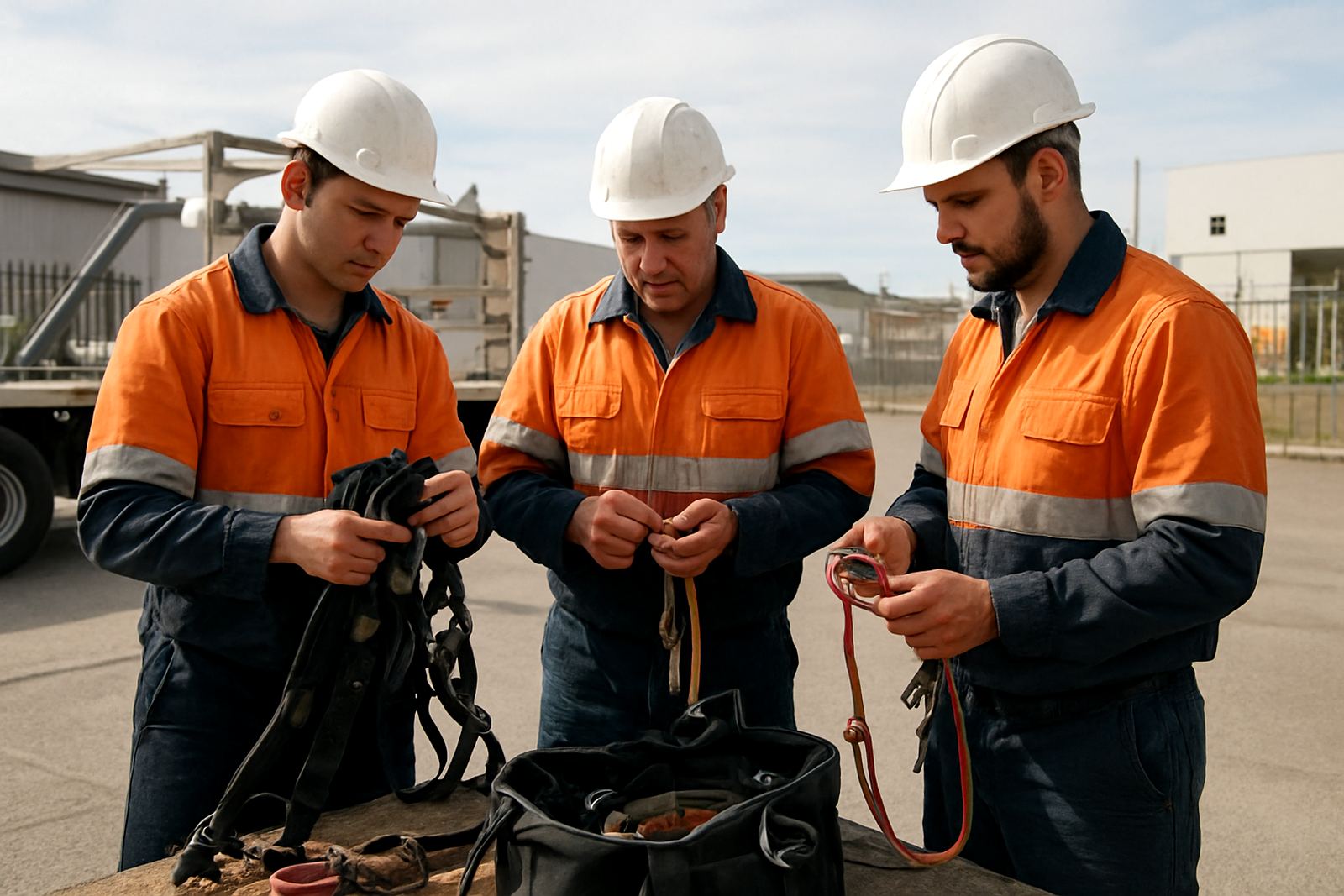
Fabric light box installation starts with a site survey and lift plan. We check the fixing surface, weight, height, access route and any overhead risks before work begins. Depending on the location, that may mean scaffold, a platform, rope access or controlled lifting equipment. On a busy site in the CBD, timing is often arranged around trading hours and loading bay access so the install does not block deliveries.
The lighting is normally LED based and needs a suitable mains power supply brought to the sign by the electrical contractor. We do not run electrical design, but we do work alongside the relevant trades so the frame position, cable entry and service access are all in the right place. Where there is a backup supply or generator on site, we can plan around that as well, though most boxes are designed to run on standard fixed power when available.
- Check safe access for installers and future servicing
- Confirm the wall, fascia or support structure can take the load
- Allow for power entry, driver access and cable routing
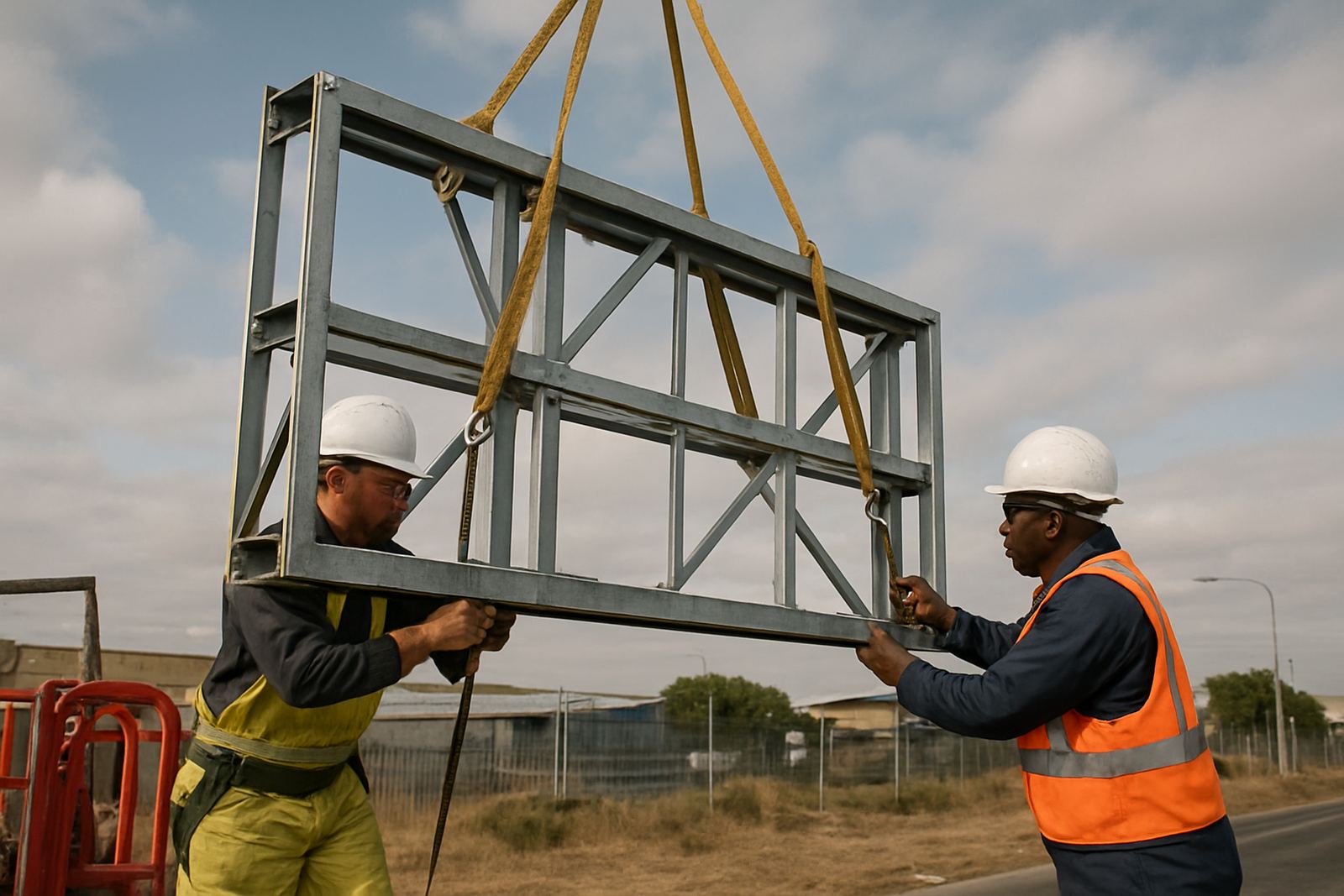
- Plan for crane, scaffold or platform use where required
- Keep enough clearance for face removal and maintenance visits
Care, servicing and face changes
Fabric light boxes need routine checking to keep the face bright and the frame in good condition. Dust, insects and grime can build up on the face, especially on exposed facades and near busy roads. A simple maintenance visit can include cleaning the fabric surface, checking the tension, inspecting the LEDs and confirming that the frame is still secure.
If the box is on a coastal site, the fixings and edge details should be watched carefully because salt air can shorten the life of cheaper hardware. We recommend regular inspections after heavy rain or strong wind, and especially after building work or tenant changes nearby. If the sign has been damaged, we can remove it, store it safely or refit it once the repairs are complete.
Face changes are a common part of the job. The old fabric is removed, the frame is checked and the new printed face is fitted to match the updated artwork. This is usually quicker and cleaner than replacing a whole sign, provided the frame and lighting are still in good working order.
What to check before you order
The more information you have at the start, the easier the installation will be. Sign makers usually send us the size, location and fixing details, and then we confirm the access plan, crew requirements and service method. If the site has limited headroom, a narrow walkway or a difficult roof edge, that needs to be known early so the correct access setup can be arranged.
It also helps to confirm the viewing distance, whether the sign will be seen in daylight or only after dark, and how often the fabric face may need replacing. For larger signs, the print alignment and edge finish are important too, because a stretched face that is slightly off can show at the corners. Small details like these save repeat trips and keep the job moving.
- Exact finished size in millimetres
- Indoor or outdoor location
- Single-sided or double-sided requirement
- Mounting height and access restrictions
- Power position and service access points
- Expected replacement cycle for future face changes
Key facts
| Product type | Tension fabric light box with LED illumination |
|---|---|
| Common depths | 80 mm, 100 mm, 120 mm, 150 mm |
| Face material | Stretch fabric with silicone edge fitting |
| Typical uses | Shopfronts, interiors, reception areas, fascias, feature walls |
| Service areas | Cape Town, Johannesburg, Western Cape and Gauteng |
| Core work | Installation, removal, servicing, face changes and access planning |