What a wrap frame does on site
A wrap frame is the support structure that holds a building wrap or temporary display skin under tension. It keeps the face flat, gives the print a proper fixing line, and helps prevent flutter in wind or movement around the facade. For sign makers, that means the printed skin presents properly on the building and can be removed without damaging the surrounding finishes.
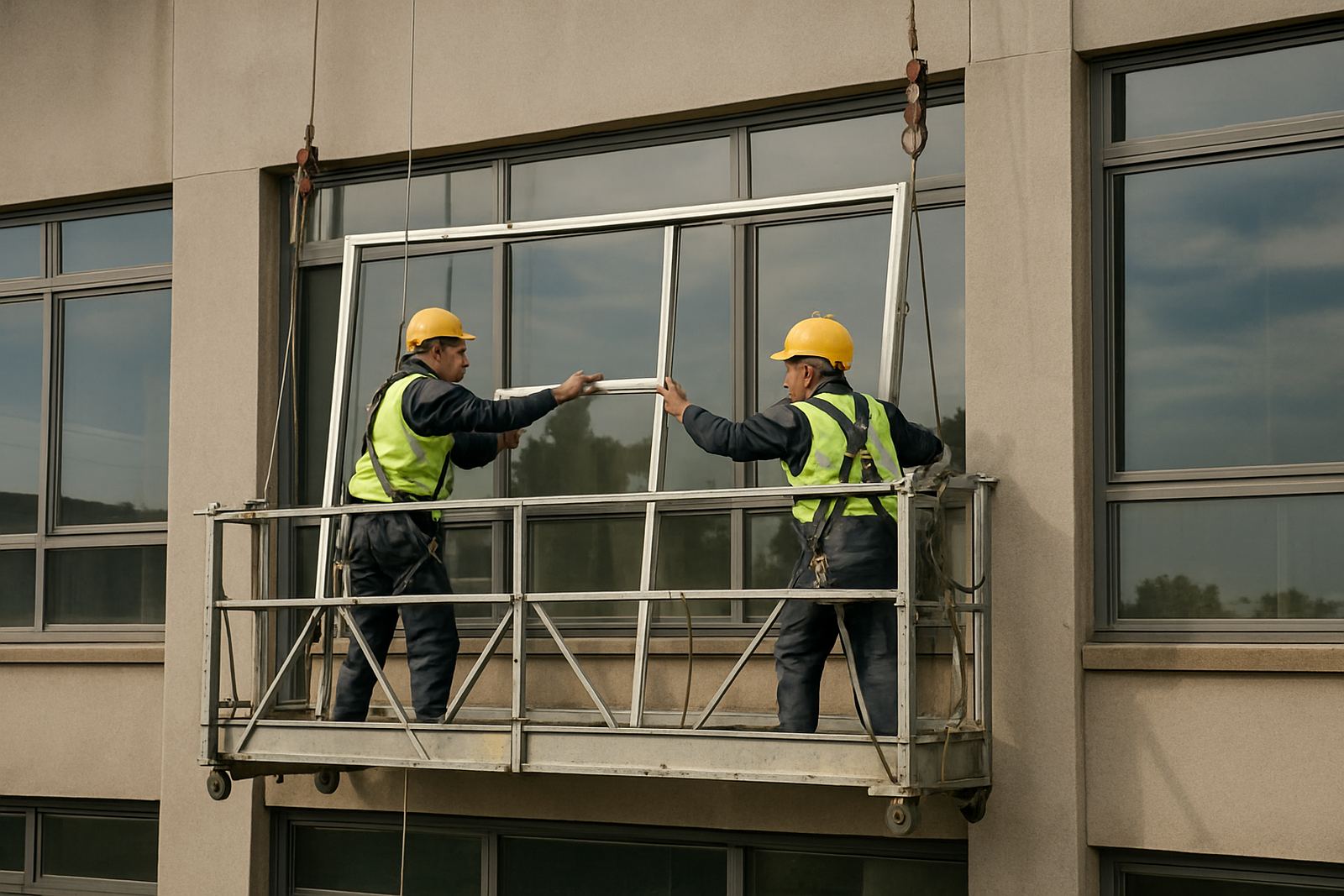
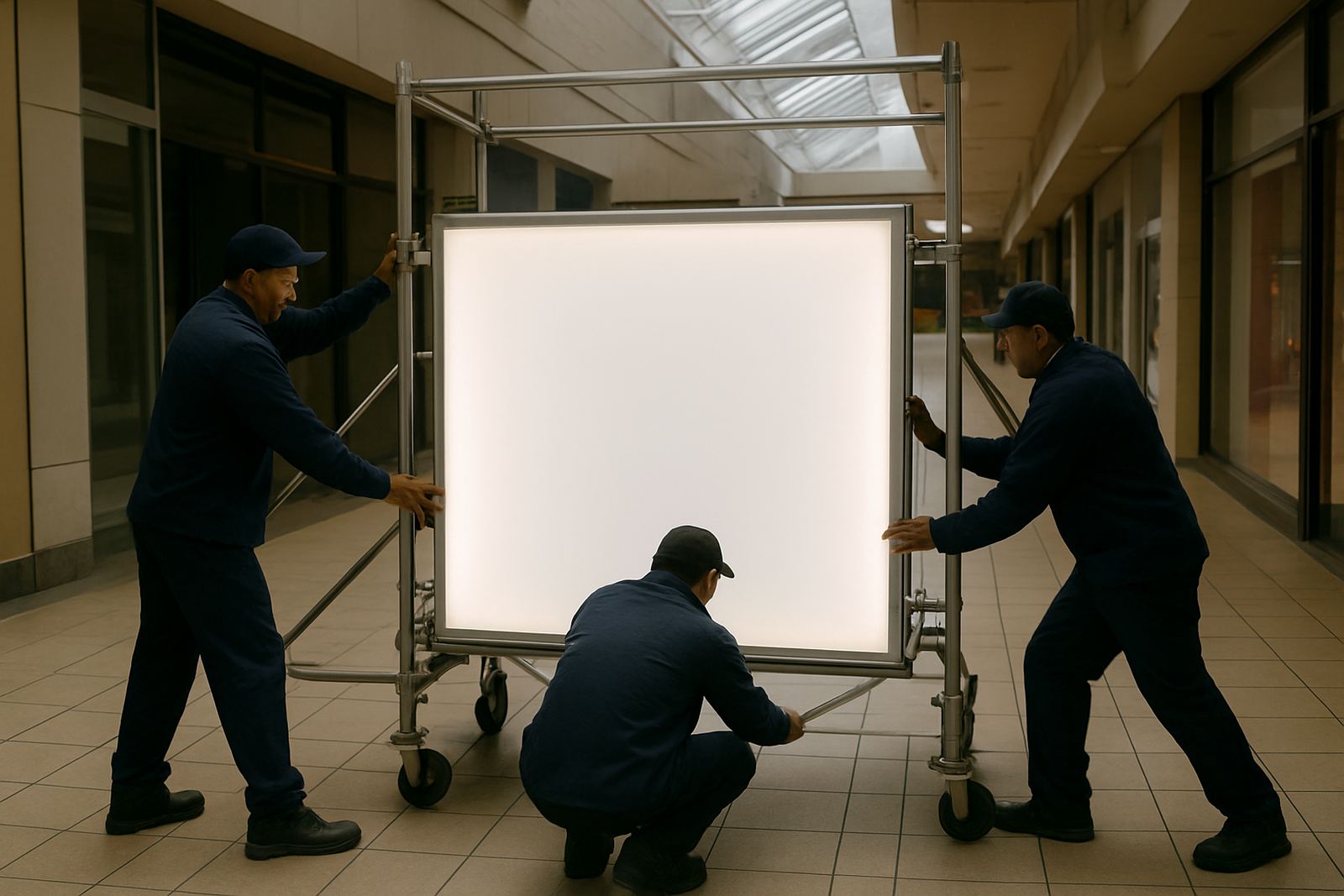
We work on one-off shopfront wraps, multi-storey facade skins, scaffold-mounted display faces and short-term branding on vacant sites. The frame can be fixed to steel, masonry, scaffold or access platforms, depending on the building and the method approved by the site owner. In coastal areas like Paarden Eiland and Somerset West we also factor in salt air, fasteners and corrosion protection from the start.
Frame sizes, spans and fixing options
Wrap frames are built around the size of the print, the wind load on the elevation and the access available for installation. There is no one standard size, because a 3 metre by 6 metre wrap on a low wall is very different from a full-height facade skin on a tower block. We measure, confirm fixing points and plan the lift before any steel or aluminium is set in place.
Typical frame work can suit small frontage panels through to large facade sections of 20 metres or more in length, depending on structure and access. The following options are commonly used:
- Light duty perimeter frames for shopfronts and temporary promotions
- Medium duty frame systems for multi-panel wraps on commercial buildings
- Heavy duty frames for exposed sites, high wind areas and taller elevations
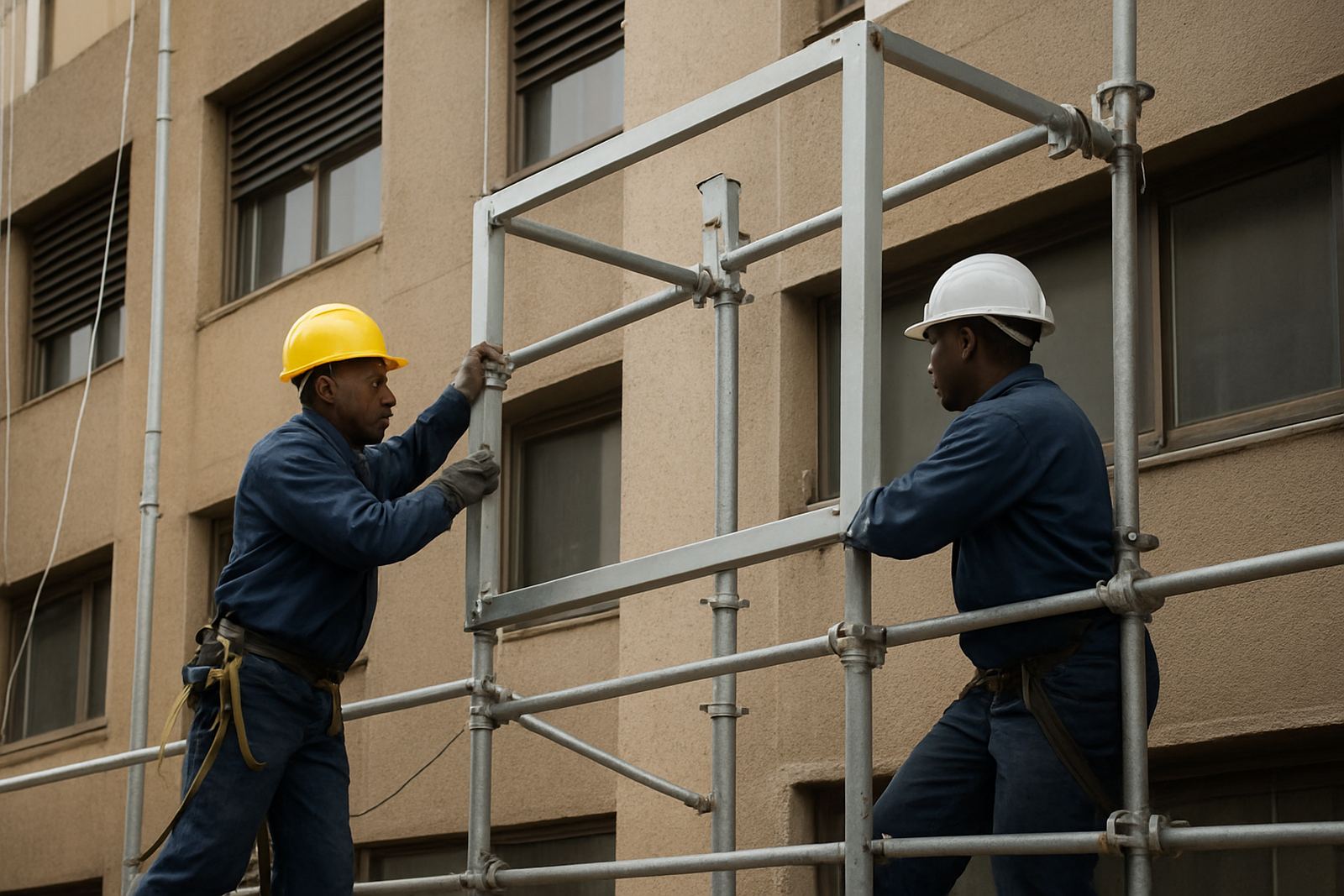
- Scaffold tied frames for controlled access during longer projects
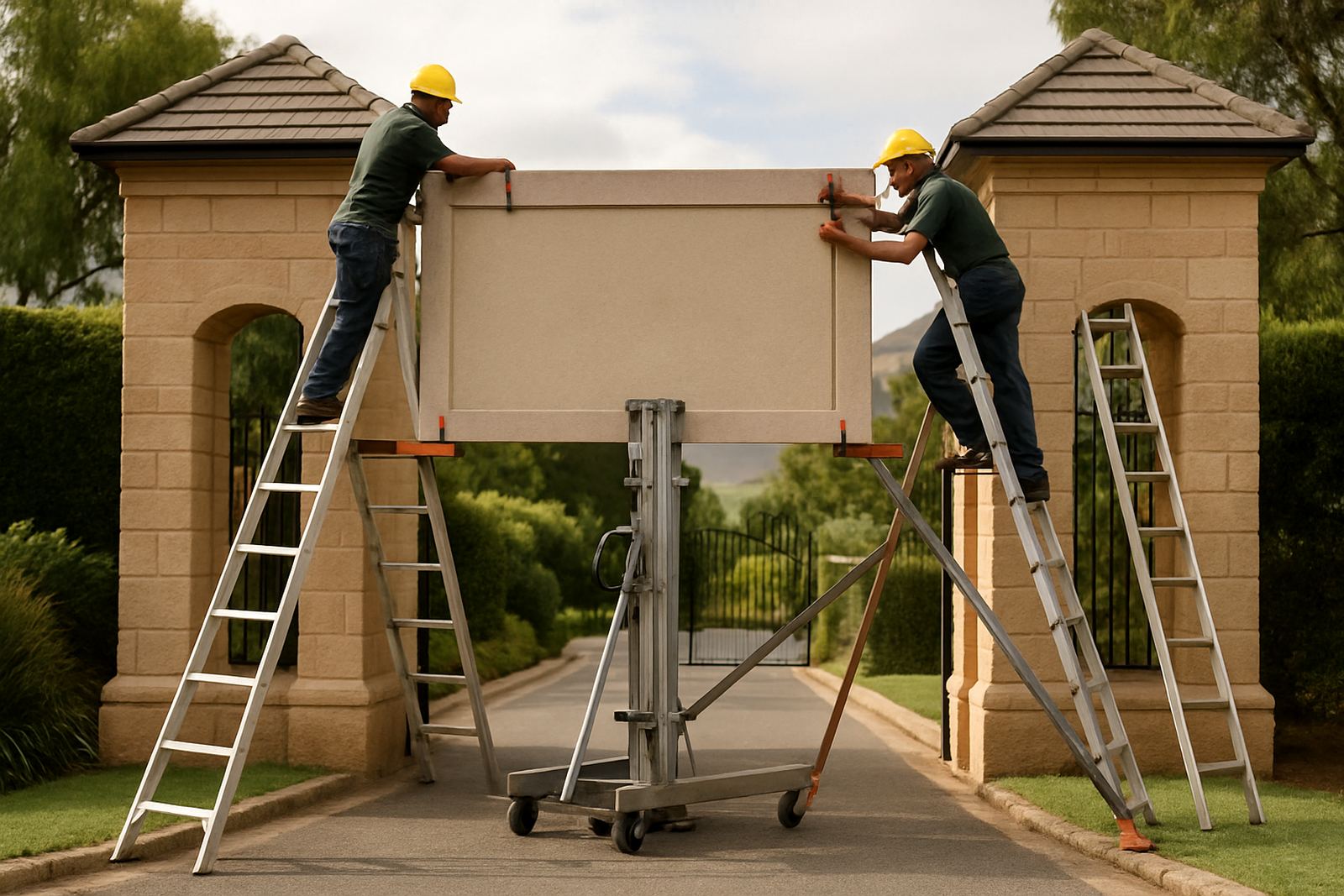
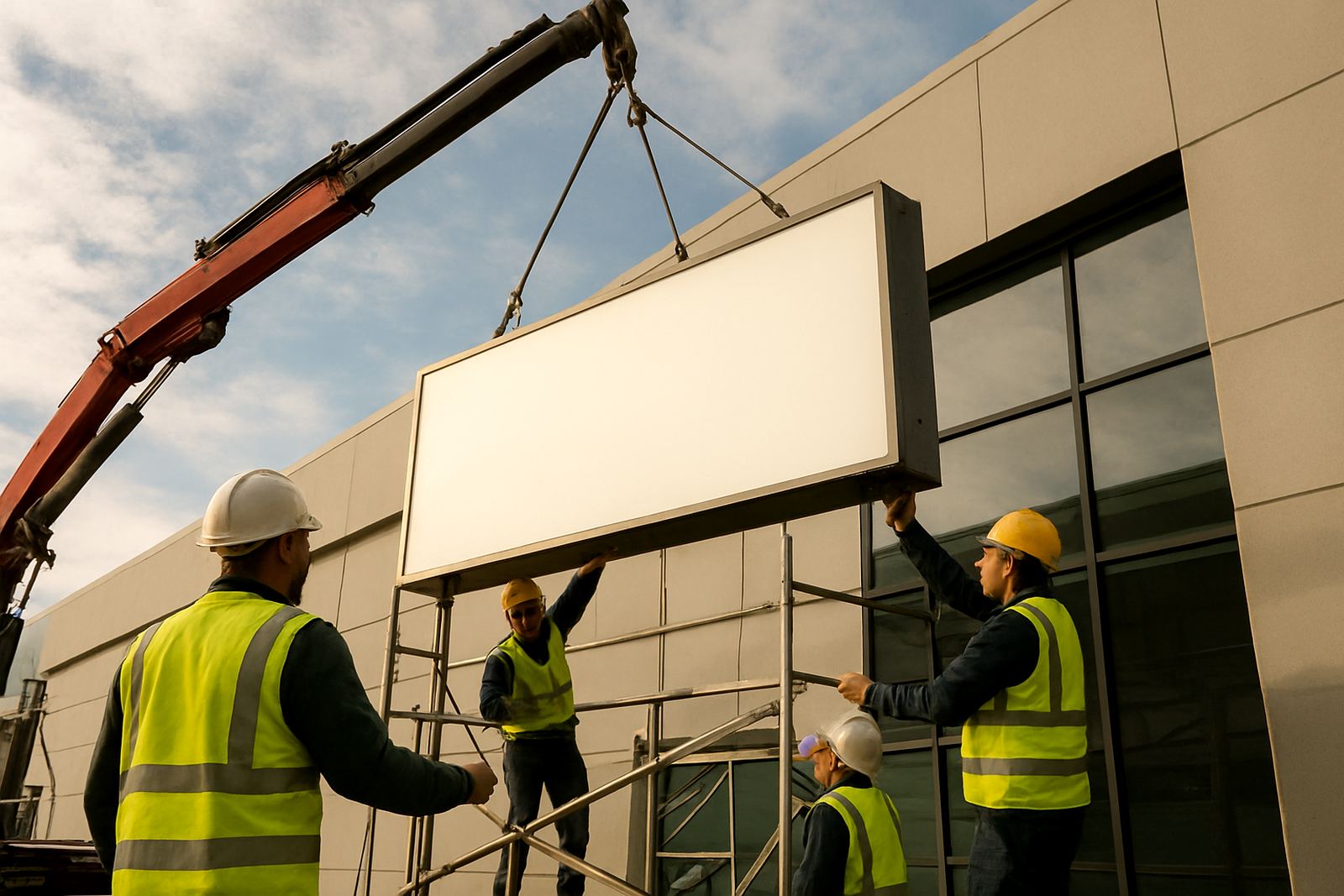
- Lifted frame sections for buildings where ground assembly is safer than working at height
We also allow for return edges, tension bars, cable runs and drainage gaps where the facade needs breathing space behind the skin.
Where wrap frames suit best
Wrap frames are used where a building needs temporary branding, cover over a renovation area or a clean display face while the site remains active. They suit retail strips, office facades, property developments, event venues and hoarding lines where the client wants a straight, neat surface that can be changed later.
They are especially useful when the existing wall is uneven, when the print must hide scaffold or repairs, or when the sign maker needs a fixed system that can be serviced without disturbing the building. In Gauteng we see them used on high-traffic sites in Sandton, Midrand and the Johannesburg CBD. In the Western Cape they are common on exposed coastal buildings, warehouse fronts and temporary development screens in Bellville, Paarl and Somerset West.
- Vacant property wraps and leasing campaigns
- Construction screens and temporary hoarding skins
- Retail frontage branding during upgrades
- Event or seasonal graphics on large facades
- Short-term cover for repair or renovation zones
Installation method, access and site safety
Our crews handle the rigging side only, so the sign maker can stay focused on the print, client approvals and final artwork. We set the frame, secure the access method, check the fixings and then hand over for the wrap or skin to be fitted. If the job needs scaffold, mobile platform work, or controlled lift planning, we plan it before arrival so the site stays safe and the programme holds.
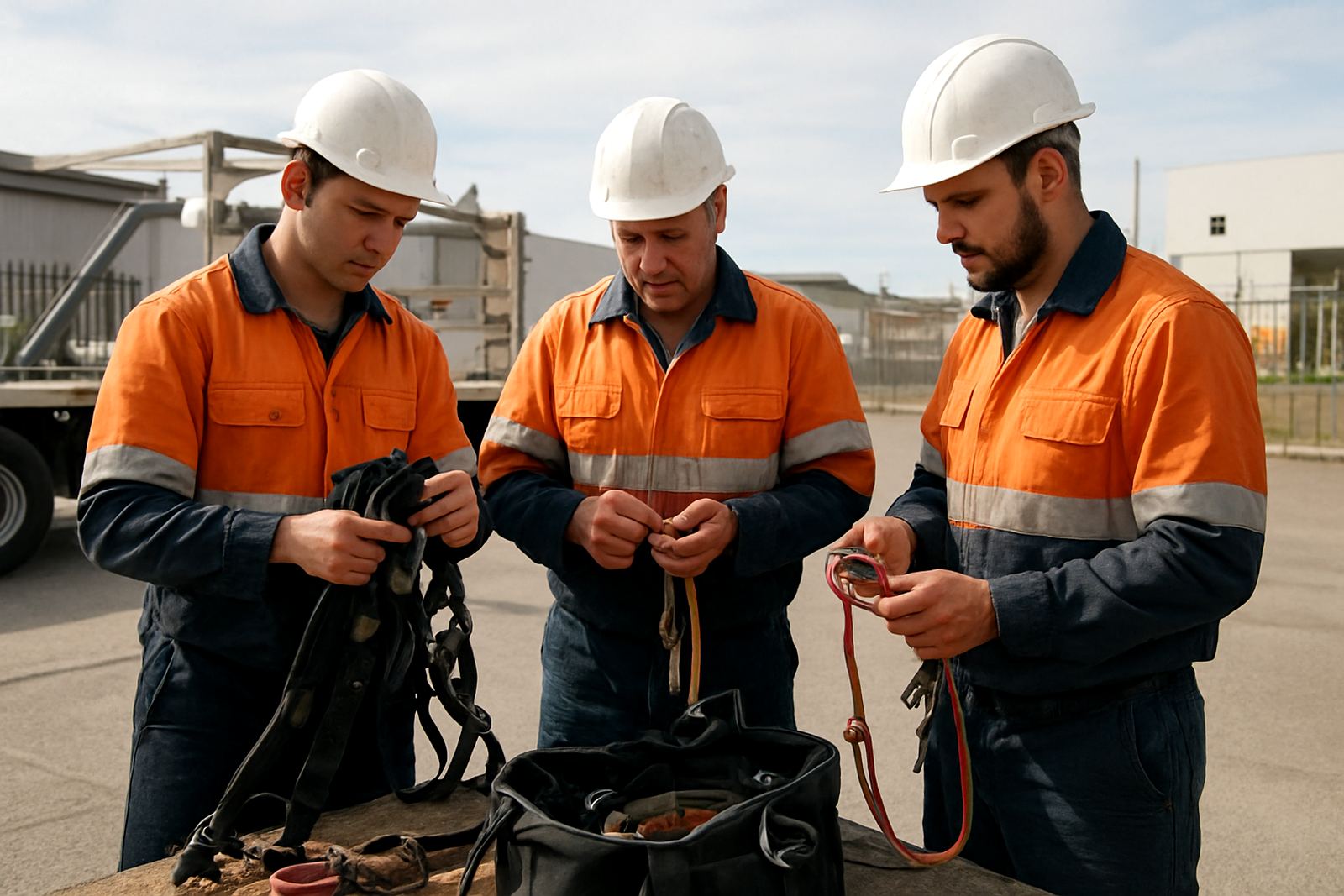
Every project starts with a site survey and a look at access, wind exposure and existing structures. On some jobs we use scaffold access for repeated work, on others we use a platform for a faster install or removal. Power is only needed if the project includes lighting, temporary site illumination or powered access equipment on site. Gas is not normally required for wrap frames, unless site conditions call for cutting or specialist works agreed in advance. We do not improvise on busy pavements or near live pedestrian routes, because the local authority rules and the site owner’s requirements come first.
- Site survey and fixing check before work begins
- Lift plan where there is height, traffic or restricted access
- Safe exclusion zone for pedestrians and vehicles
- Tool and fastener selection matched to the substrate
- Final inspection before the print goes on or comes off
Care, servicing and weather checks
Wrap frames need checking, especially after strong wind, heavy rain or any site disturbance. A frame that stays in place for months can loosen at the fixings, collect dirt at the base, or move slightly if the building settles. We carry out maintenance visits, emergency callouts and seasonal inspections to keep the structure ready for reuse or safe removal.
In coastal humidity, fixings and brackets need proper corrosion control. In hotter inland areas, the frame can expand and contract through the day, so tension and alignment should be checked rather than assumed. If a wrap is being reused on a new campaign, we inspect the edges, trim points and support line before refitting. Regular care helps avoid torn graphics, bowed sections and unnecessary replacement costs.
- Check all fixings after storms or high wind
- Look for rust, lifting edges or loose tension points
- Clean drainage and debris from the base line
- Inspect any lighting or powered accessories separately
- Book removal before the frame starts marking the wall
What to confirm before ordering a wrap frame
Before you order, it helps to know the exact size of the print, the substrate, the access route and whether the frame is temporary or intended for longer use. A proper brief saves time on site and stops the wrong steel section being quoted for the job. If the building is in a windy position or close to the coast, say so early, because the fixing design may change.
We usually ask sign makers to confirm the following:
- Overall width and height of the wrap area
- Type of wall, scaffold or structure available for fixing
- Whether the frame must be removed and re-used later
- Any height restrictions, traffic issues or municipal controls
- Whether lighting, platform work or night access is required
If the site is in Paarden Eiland, Bellville, Johannesburg CBD, Sandton or Midrand, we also plan around traffic flow, loading access and working hours. That keeps the install efficient and reduces disruption for the client and the public.
Key facts
| Typical wrap sizes | From small shopfront panels to large facade sections of 20 metres plus, subject to site conditions |
|---|---|
| Frame materials | Galvanised steel, aluminium sections or mixed support systems depending on exposure and load |
| Access methods | Scaffold, platform work, rope and rigging support, or ground assembly with lifted sections |
| Use cases | Building wraps, temporary display skins, hoarding faces, renovation cover and short-term branding |
| Installation services | Site surveys, lift planning, installation, removal, servicing and maintenance visits |
| Environmental factors | Wind load, coastal humidity, corrosion risk, traffic control and municipal working constraints |