

What a safety sign board is and when rigging is needed
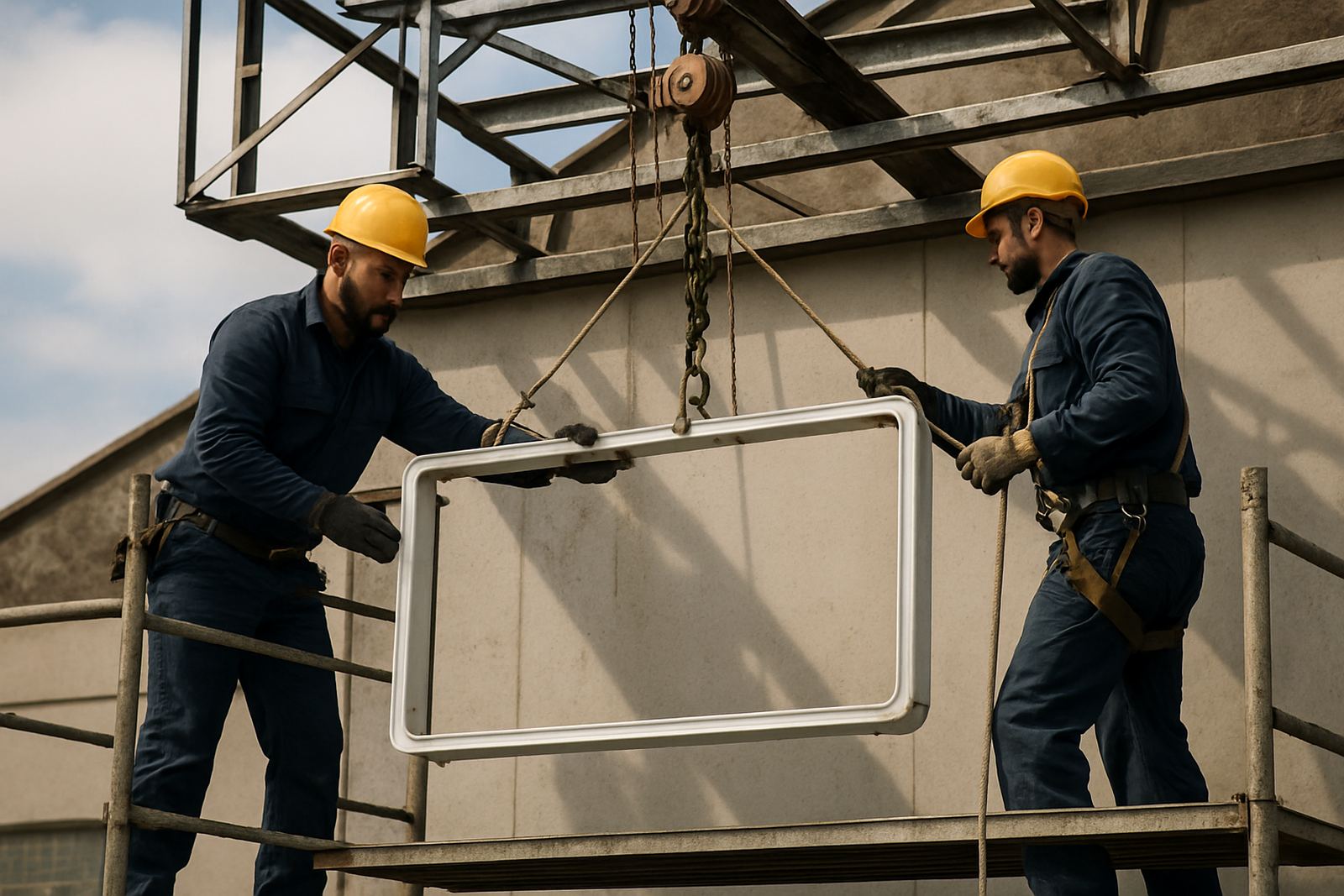
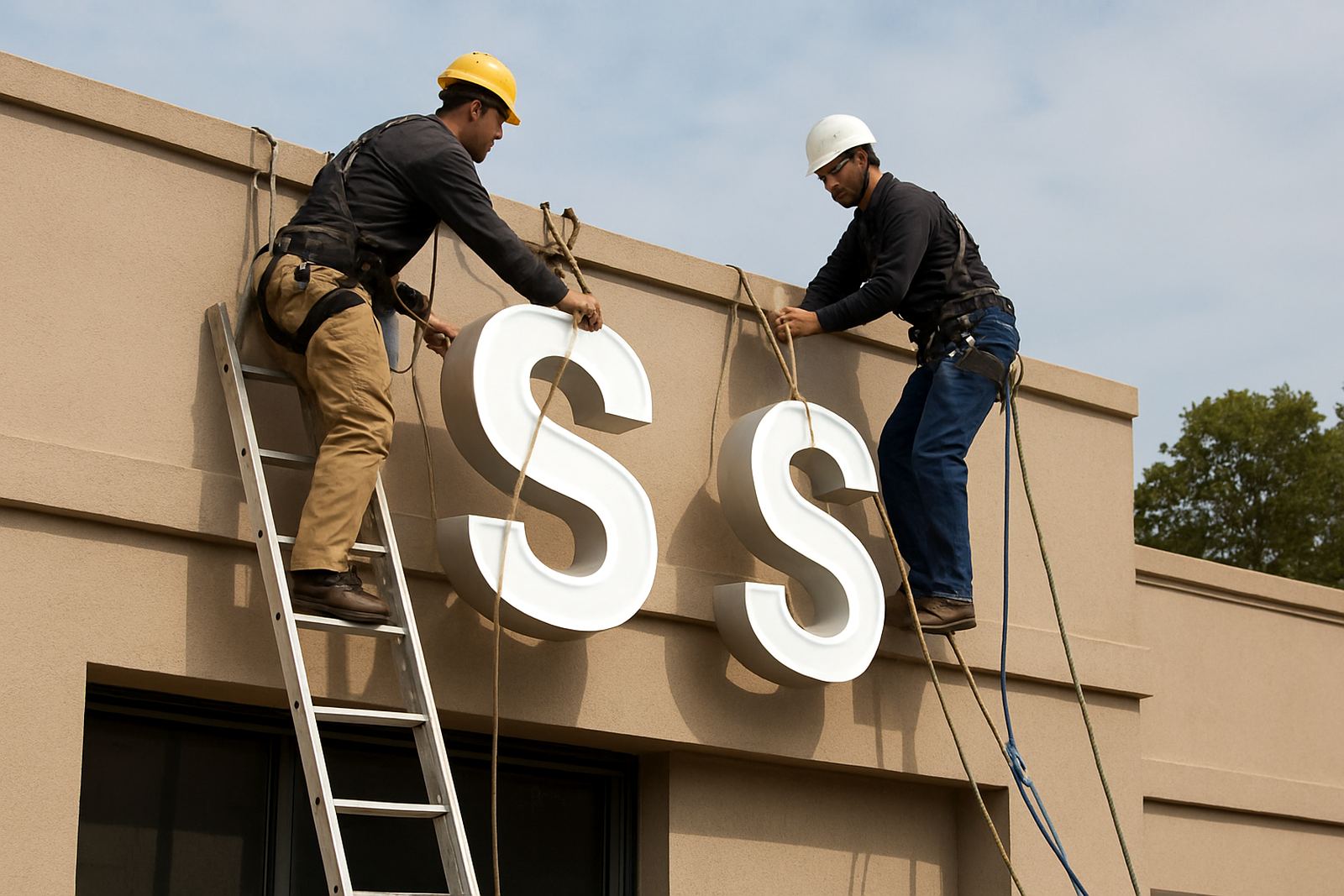
Safety sign boards are larger warning or instruction signs used on factories, construction sites, depots, loading areas, parking facilities and public access points. They may be fixed to walls, poles, gantries, hoardings, fences or freestanding frames, depending on the site and the message needed. When the board is too high, too wide or placed over live operations, it usually needs proper rigging rather than a simple ladder fit.
We work for sign makers who need a crew to get the board into place without stepping into their own client relationship. That means we handle the physical install, removal or servicing, while the sign shop keeps ownership of the job and the finish. It suits repeat work too, such as estate rules boards, site warning panels, fire route notices and large directional signs where access is tight or the building is active.
In Cape Town, wind exposure and coastal humidity can affect the fixings and the face material. In Johannesburg, dust, heat and rooftop access are often the bigger issue. We plan the rigging around the site, not around a one-size-fits-all approach.
Common sizes, materials and mounting options
Safety sign boards come in a range of practical sizes. Smaller boards may be 600 x 900 mm, while larger site boards often run to 1200 x 1800 mm, 1500 x 3000 mm or custom sizes made to suit a specific wall bay or frame. We also handle oversize boards that need split handling, temporary lifting points or more than one crew member guiding the face into place.
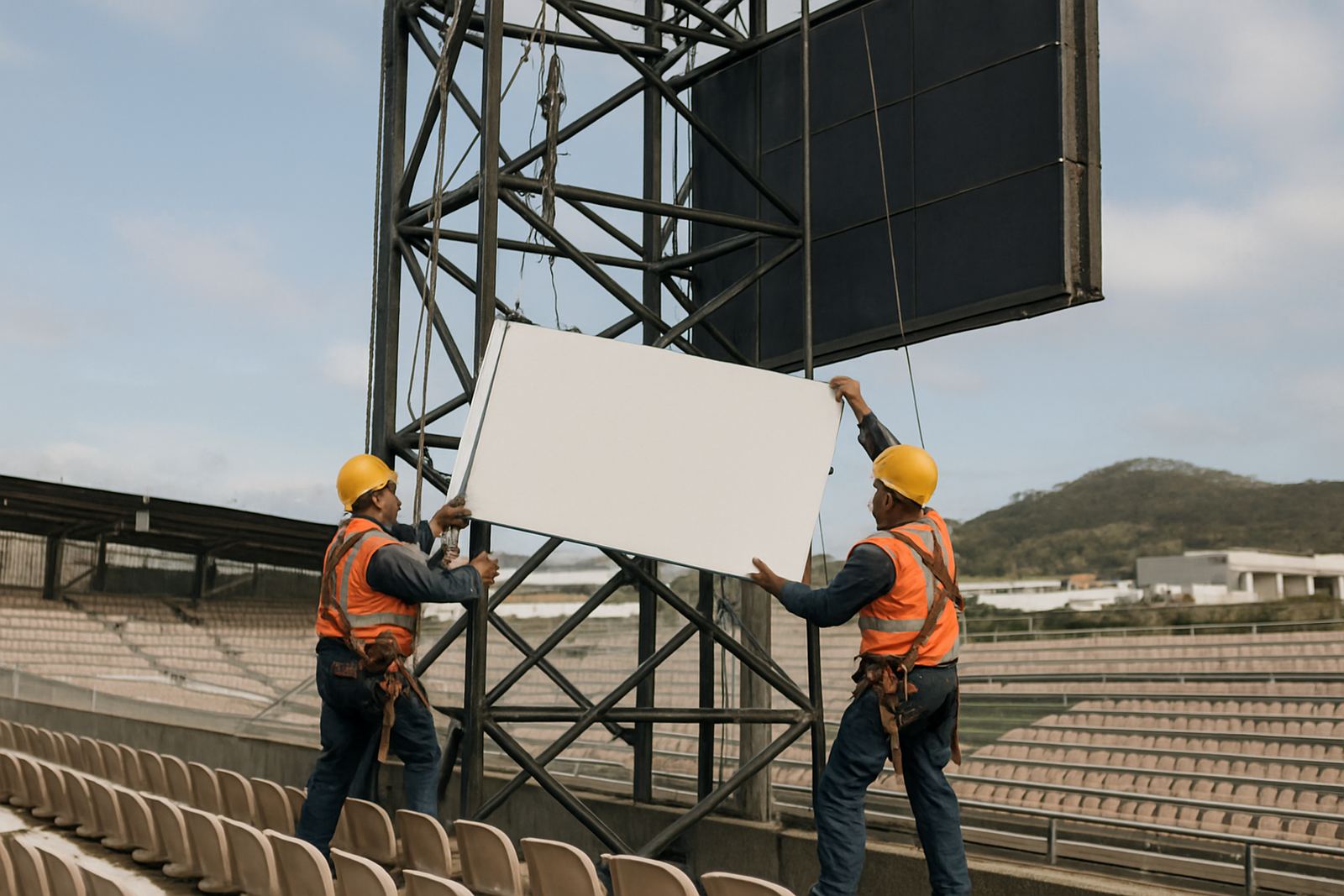
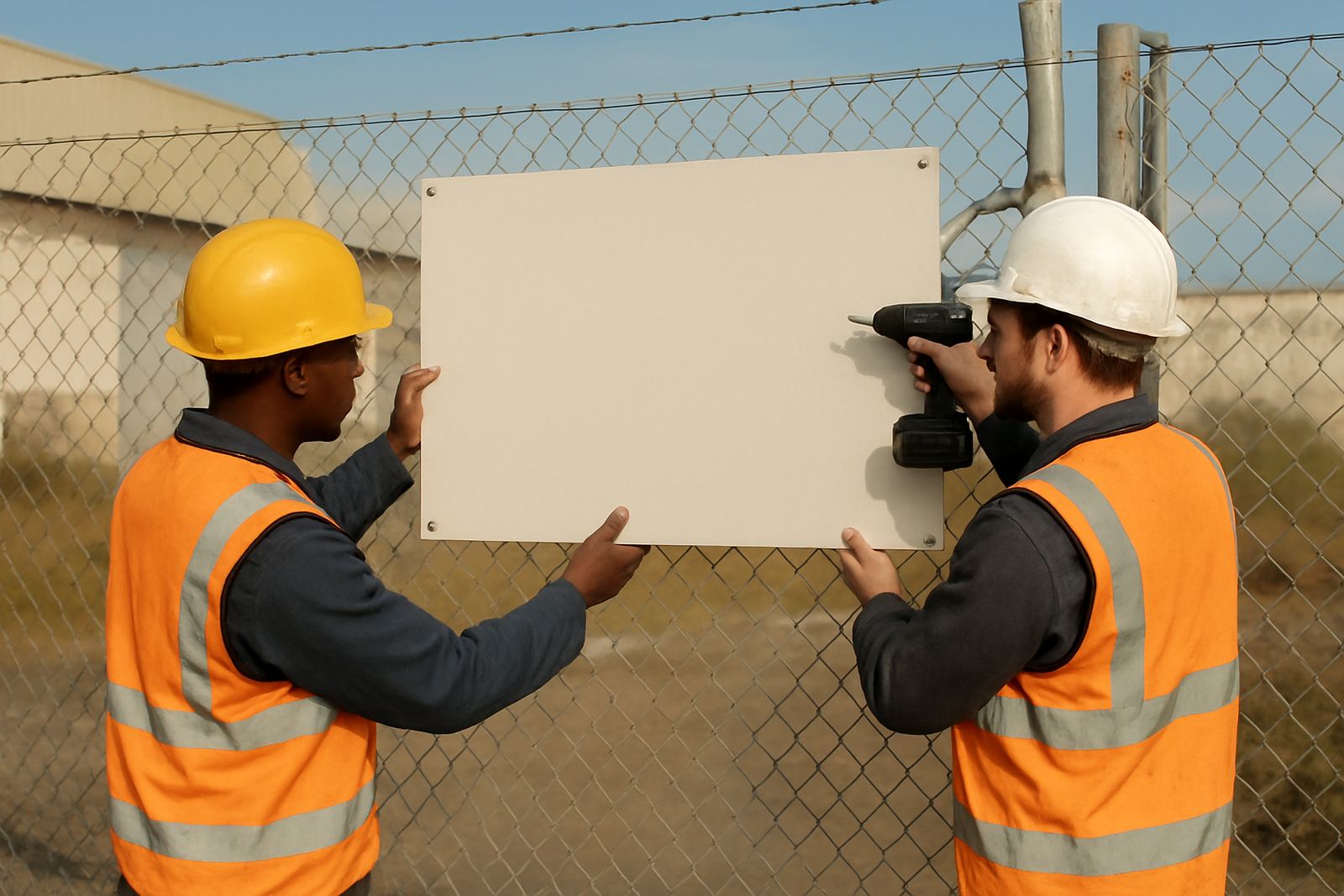
The board itself may be aluminium composite, flat aluminium, steel, rigid PVC or another sign face supplied by your shop. Mounting methods depend on weight, wind load and where the sign sits. For example, a light board on a fence may need standoff brackets and stainless fasteners, while a large face on a frame might need crane or platform access and a proper lift plan.
- Flat wall mount with drilled anchors and spacers
- Frame mount on posts, rails or a fabricated support
- Fence or hoarding mount with brackets and anti-vibration fixings
- Pole mount for roadside or yard warnings
- Temporary fix for short term events or project phases
We check the board weight, wind exposure and the fixing surface before work starts. That helps avoid loose corners, cracked panels or a face that drums in the wind after the first heavy southerly or summer storm.
Where these boards suit best in the Western Cape and Gauteng
These boards are used wherever safety messaging needs to be clearly seen from a distance or above active work areas. In Paarden Eiland, Bellville and Somerset West, we often see warehouse yards, roller shutter fronts, loading bays and service entrances. In Paarl, many sites need roadside visibility and secure fixings for wind. In Johannesburg CBD, Sandton, Midrand and the East Rand, access planning and working around traffic, tenants or live operations is usually the main concern.
Safety sign boards suit:
- Construction sites and temporary works areas
- Warehouses, factories and storage yards
- Retail parks and parking control points
- Schools, clinics and public facilities
- Industrial entrances, loading docks and fire exits
Some boards only need a simple wall fit. Others need scaffold access, platform work or a lift plan because the install point is over a roofline, above a roller door, or across a busy service lane. We can also assist with emergency callouts when a board has come loose or been damaged by wind, impact or vandalism.
Installation, access and site requirements
Before installation we confirm the board size, fixing method and access route. If the site needs scaffold, a cherry picker, a telescopic platform or another access system, we factor that into the plan before anyone arrives. That keeps the job moving and helps reduce downtime for the sign maker and the client site.
Our crews are first-aid trained and safety focused, with experience in scaffold access, platform work and lift planning. Where needed, we coordinate around municipal rules, tenant hours, loading bay windows and live site activity. If the job is in a busy CBD street or in an industrial park with strict entry controls, we organise the sequence so the board is in and secured with as little disruption as possible.
- Check that the fixing surface is sound and level
- Confirm access height, reach and any overhead obstructions
- Allow for wind and weather during the lift
- Make sure the board artwork is correct before fitting
- Provide any site-specific permits or access notes needed
For larger boards, we recommend allowing time for a proper site survey. A quick photo can help, but a site visit is better when the board is oversized, the access is awkward or the finish has to line up with existing signage.
Power, lighting and other site services
Some safety sign boards are plain printed panels, while others include lighting or reflective features. If the board has illuminated elements, we need to know the power point location, cable route and whether the site already has a suitable electrical supply. Where lighting is part of the job, we can work around existing conduits or coordinate with the relevant trades so the sign is fitted correctly and safely.
Not every board needs power, but it is important to check before production and install. A board with internal lighting, external floodlights or a timing system may need an electrician on site, or at least a clear plan for how power will be brought to the position. Coastal sites also need extra care with fixings and electrical components because salt air can shorten service life if the wrong materials are used.
We also handle related services such as sign servicing, sign relocations and maintenance visits. If a board has faded, loosened or been damaged, we can remove it, store it safely and return to reinstall after repairs or replacement. That is often more cost effective than trying to patch a board in place on a windy afternoon.
Care, servicing and what to check when ordering
A safety sign board should stay legible, straight and secure. Over time, sun, moisture, dust and vibration can affect the face and the fixings. We recommend periodic checks, especially after strong wind, heavy rain, construction work nearby or any impact from vehicles or loading equipment.
Basic care includes keeping the face clean, checking bolts and brackets, and looking for cracks, corrosion or faded print. If the board is outdoors near the coast, stainless or corrosion-resistant fixings are worth specifying from the start. On inland industrial sites, dust and vibration often mean fixings need a routine retighten during maintenance visits.
When ordering, it helps to confirm the following:
- Exact size, orientation and viewing distance
- Mounting surface and access height
- Whether the board is illuminated or reflective
- Indoor or outdoor use, plus coastal exposure if relevant
- Any deadline tied to an inspection, handover or opening
- Whether the board is a new fit, removal or replacement
If you are supplying the face and need rigging only, we can work from your site notes and artwork dimensions. If you are not sure what the site allows, Gareth van der Merwe and the team can help assess the access and suggest the safest fitting method before the job is booked.
Key facts
| Typical sizes | 600 x 900 mm up to 1500 x 3000 mm and custom |
|---|---|
| Materials handled | Aluminium composite, aluminium, steel, rigid PVC |
| Mounting methods | Wall brackets, frame mounts, fence mounts, pole mounts |
| Access options | Scaffold, platform work, lift planning, rooftop access |
| Site types | Factories, warehouses, construction sites, public facilities |
| Service areas | Cape Town, Western Cape, Johannesburg and Gauteng |