

What a Neon Replacement Covers
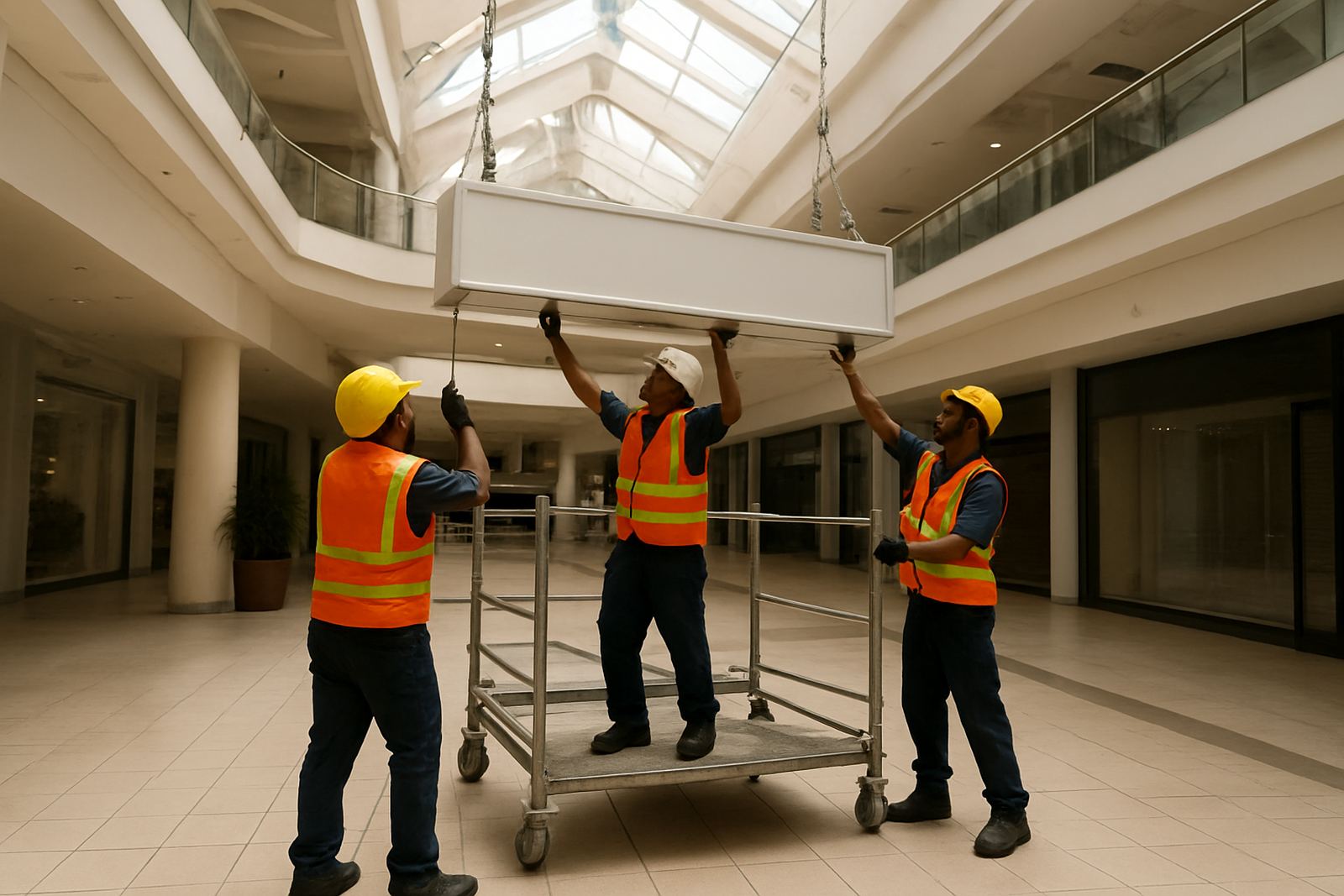
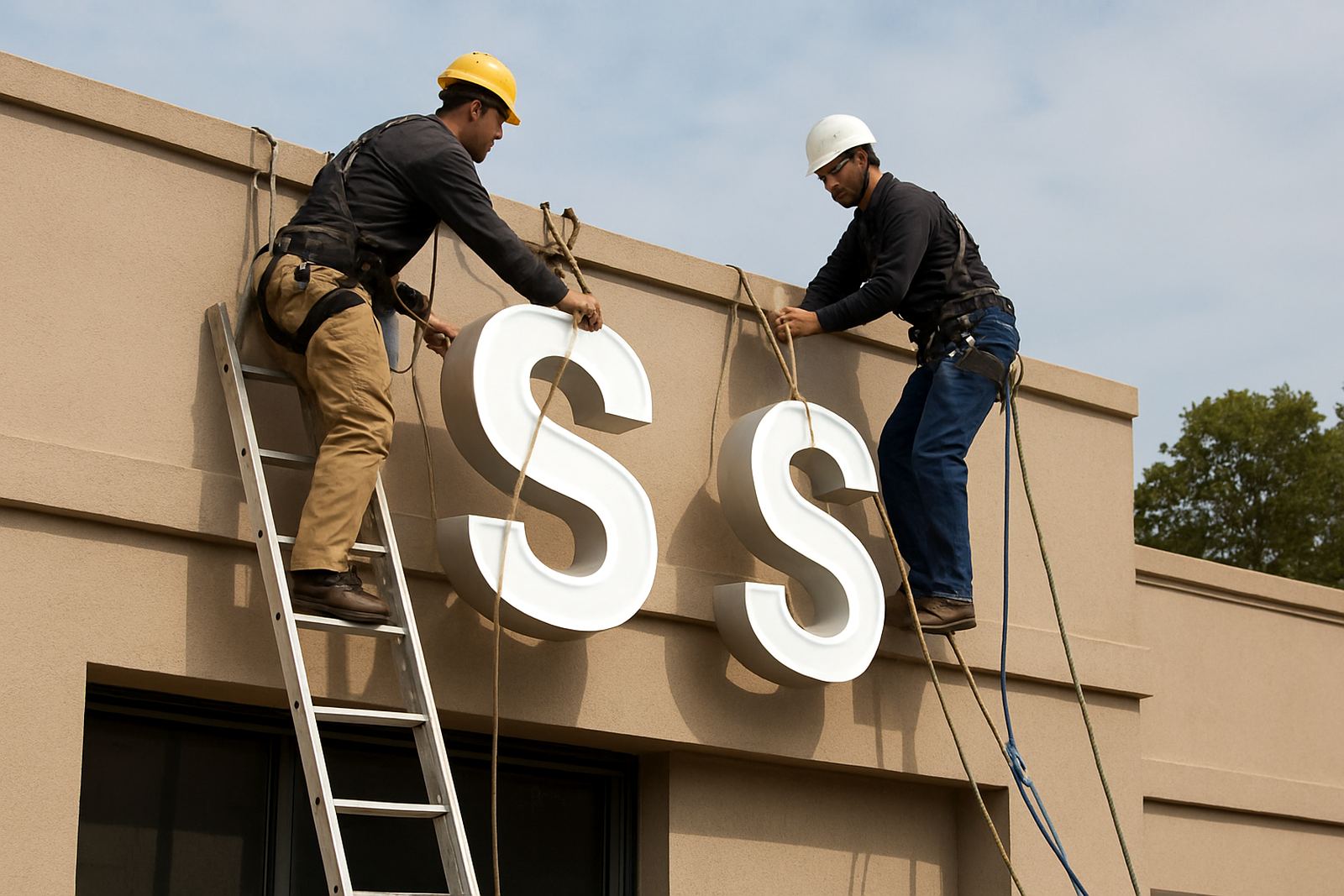
A neon replacement is the removal of an existing neon style sign unit and the fitting of a new illuminated alternative on the same face, frame or mount. In practice, that can mean swapping out ageing glass tubes, damaged transformers, cracked housings or water affected wiring for a cleaner lighting setup that is easier to maintain. We work as riggers only, so the sign maker stays in control of the branding and client relationship while we handle the access, lift and installation side.
These jobs are common when a sign is still sound but the lighting is failing, drawing too much power, or becoming difficult to keep going after repeated faults. We also see replacement work after storm damage, coastal corrosion, vibration from traffic, or simple wear from years of heat and load-shedding. In Cape Town and Johannesburg, that often means planning around wind, height restrictions, live traffic and building access rules.
- Old neon style units removed carefully to protect the sign face and frame
- Updated illuminated replacement fitted to existing fixing points where possible
- Access planned for rooftops, facades, pylons and canopy signs
- Work coordinated with sign makers for final branding and commissioning
Sizes, Mounting Styles and Typical Applications
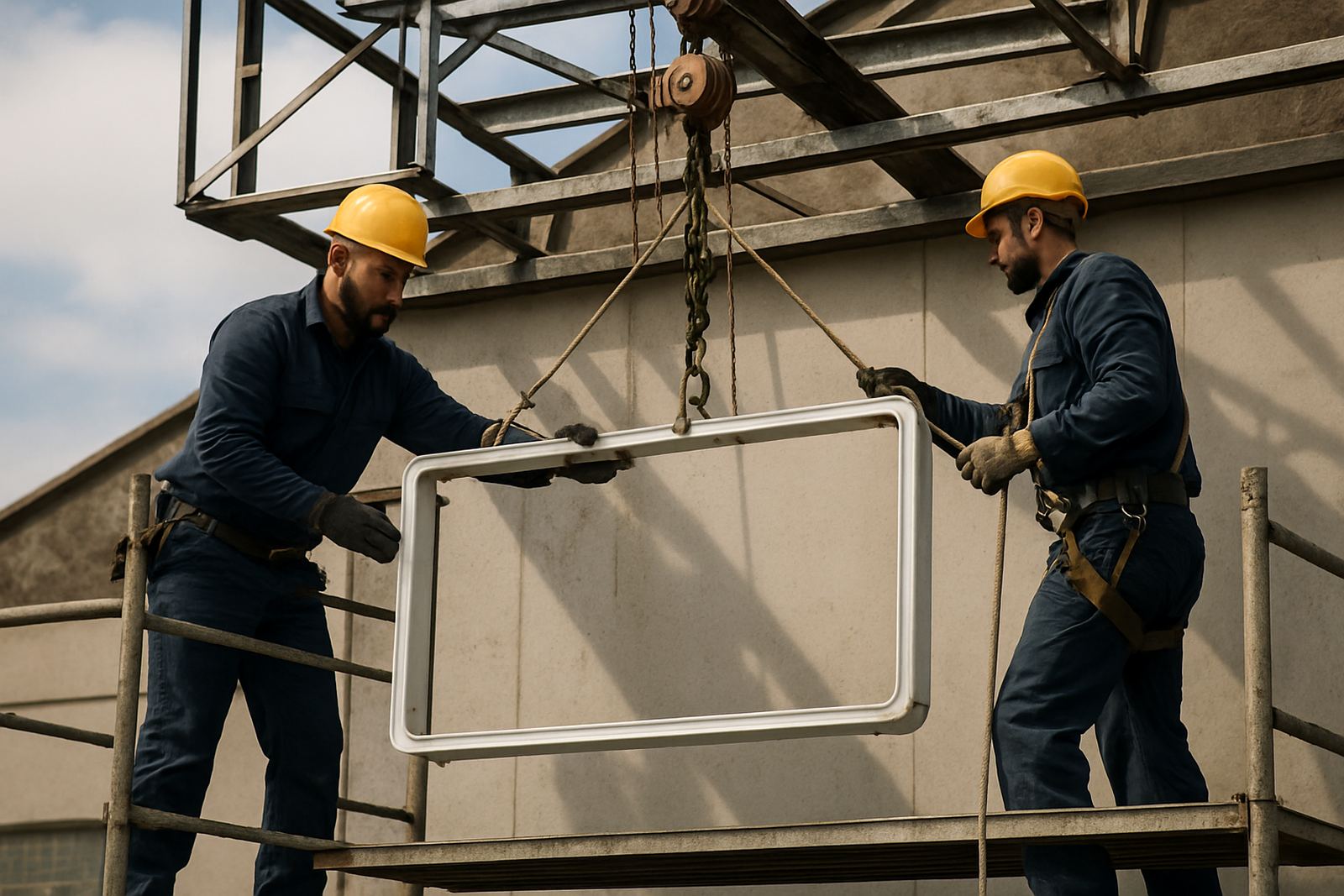
Neon replacement work can range from a small shopfront feature to a large roadside or multi-storey sign face. The size of the sign does not change the basic process, but it does affect access, lifting gear and how the power is brought in. We regularly handle replacement units from compact indoor wall signs to outdoor signs several metres long, including split sections that have to be lifted separately and joined on site.
Common applications include retail fascias, forecourt price areas, entertainment venues, office reception signs, warehouse fronts and tower or pylon signs. Replacement is often the best option where the existing framework is still serviceable but the light output is patchy, yellowed or failing in sections. Coastal sites in Paarden Eiland, Milnerton and Somerset West need extra attention because salt air can attack fixings and housings. Inland sites in Sandton, Midrand and the East Rand often need sturdier weather sealing and dust protection.
- Small format signs: roughly 300 mm to 1,200 mm high
- Medium shopfront units: about 1,2 metres to 4 metres wide
- Large external signs: 4 metres plus, often in sections
- Indoor and outdoor mounting on walls, frames, pylons and canopies
How We Remove Old Neon and Fit the New Unit
Before anything is lifted, our team checks the site, the access route and the condition of the existing sign. We confirm whether scaffold, a platform, a cherry picker or rope access support is the safest way to get to the working position. Where needed we arrange lift planning and a method statement so the job can go ahead without delays. On busy streets or in a mall loading zone, timing matters and there is no room for guess work.
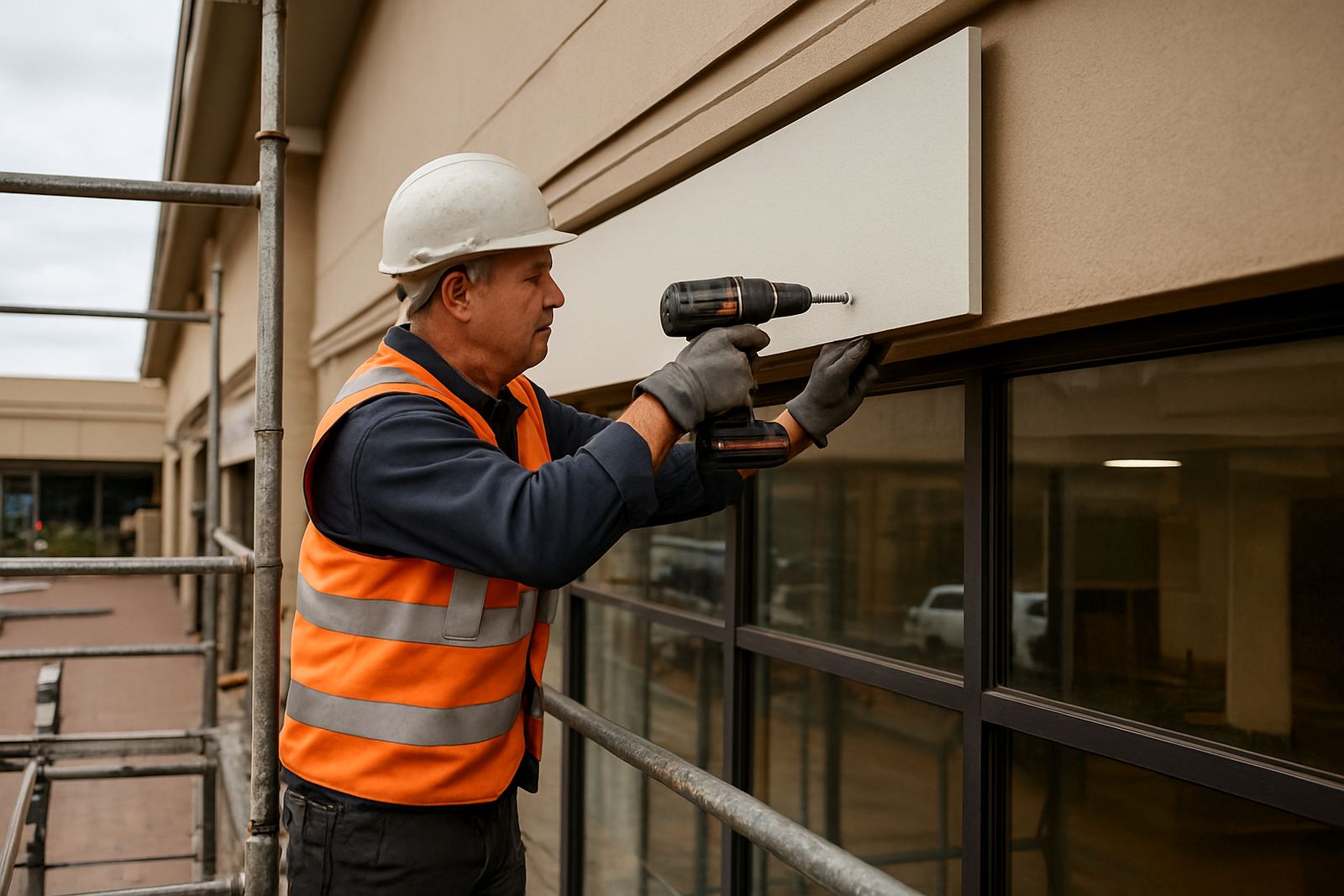
The removal process starts with isolating the power, testing the circuit and stripping the old unit with care. Fragile glass, hot ballasts or tired wiring can be awkward, so the crew works slowly and keeps the area controlled. Once the old components are out, we fit the updated illuminated replacement, secure all fixings, check alignment and hand over for electrical connection by the relevant trades on site. If the sign is on a high facade or awkward corner, we will sequence the work so the sign maker does not lose a full trading day.
- Site survey and access check before the booking is confirmed
- Isolation and safe removal of old lighting components
- New unit lifted, positioned and fixed to the existing structure or a revised frame
- Final inspection for alignment, access points and safe clearance around the sign
Power, Controls and Outdoor Conditions
Not every neon replacement is the same from an electrical point of view. Some jobs need a like for like fit within an existing power supply, while others need updated control gear, revised wiring routes or better weather protection. We look at where the cable enters, whether the supply is stable during load-shedding, and whether the sign is exposed to rain, mist or heavy coastal humidity. A neat installation can still give trouble later if the power feed is poorly protected or the housing allows moisture in.
For outdoor signs, we check for sealed entry points, sound fixings and enough clearance for servicing later on. If the site has regular voltage issues or generator changeovers, we flag that early so the sign maker can plan the electrical side properly. In high wind areas, fixings and brackets need proper inspection. On older buildings, we also watch for friable surfaces, corroded steel and previous patch repairs that may not hold a new load for long.
- Power supply condition and circuit isolation checked on arrival
- Weather sealing reviewed for rain, salt air and dust exposure
- Load-shedding or backup supply impacts noted before commissioning
- Fixings and bracket strength assessed for the new unit weight
Care, Servicing and Long-Term Reliability
Even when the replacement is modernised, it still needs periodic care. Outdoor illuminated signs pick up dust, insect build-up, water staining and general wear from vibration. A maintenance visit can catch a loose fitting, failing connection or damaged seal before the whole unit goes dark. For sign makers who service clients across Gauteng and the Western Cape, planned visits are often better than emergency callouts because they keep the brand looking consistent.
We can return for sign servicing, lighting access, small adjustments, sign relocations and emergency callouts where access is the main problem. For coastal sites, we suggest more frequent checks because corrosion develops faster around fasteners and housings. For roadside sites in Johannesburg CBD, Sandton or Bellville, it is often traffic vibration and pollution that cause the early issues. A replacement done well should give good service, but only if someone keeps an eye on it.
- Regular inspection of seals, brackets and visible cable runs
- Cleaning schedule matched to dust, salt air and traffic exposure
- Prompt attention to flicker, dark sections or moisture ingress
- Maintenance visits arranged around trading hours where possible
What to Confirm Before Ordering a Replacement
To keep the job moving, we need clear information before the crew arrives. Measure the visible sign area and note the mounting height, ground access and whether there is a safe landing zone for equipment. Tell us if the old unit is still live, whether the site has a working isolation point, and if there are any building rules for after-hours work, rooftop access or municipal permission. If the sign is over a pavement, roadway or loading bay, that changes the method and the timing.
It also helps to know whether the replacement must match an existing frame or if there is room to upgrade the layout. Photos from ground level and from the access point are useful, especially for signs above canopies or on angled facades. If you are in Paarden Eiland, Johannesburg CBD, Midrand, Paarl or Somerset West, the same basic checklist applies, but the access route and municipal requirements can differ quite a bit. The more accurate the detail, the smoother the installation and the less chance of last-minute changes.
- Overall sign size, mounting height and access route
- Power position, isolation method and any site restrictions
- Photo of the existing sign from a few angles
- Whether the replacement must fit the old frame or can be revised
Key facts
| Service type | Removal and installation rigging for illuminated sign replacements |
|---|---|
| Typical sizes | Small shopfront units to large facade and pylon signs, from about 300 mm to 4 metres plus |
| Access methods | Scaffold, platform work, lift planning, lighting access and controlled rigging |
| Regions covered | Paarden Eiland, Bellville, Somerset West, Paarl, Johannesburg CBD, Sandton, Midrand and East Rand |
| Site conditions | Indoor, outdoor, coastal humidity, high wind, dust and live trading environments |
| Support work | Site surveys, sign removal, servicing, relocations, maintenance visits and emergency callouts |