

Retail strip upgrade in Paarden Eiland
The client was a retail property manager in Paarden Eiland, Cape Town, handling a row of shopfront upgrades for a mixed retail strip. Their brief was straightforward on paper: fit new fascia letters to the upgraded frontages, remove outdated sign panels, and leave the elevations ready for final finishing. In practice, the work needed careful planning because the site stayed active during the day, with pedestrian movement, deliveries, and other trades working on the same line of shops.
We were brought in as the rigging contractor only. That meant we handled the access, lifting, fixings, removal, and safe handover, while the sign shop retained full control of the branding and fabrication scope. That separation matters on retail jobs, especially where the tenant mix is still trading and each fascia needs to be treated as its own small operation.
Brief, constraints and site conditions
The main constraint was keeping disruption low while working at height along a narrow retail strip. Paarden Eiland can be busy with loading activity through the day, and the site had limited laydown space for tools, barriers and removed material. The existing sign panels also varied slightly from bay to bay, so we had to confirm fixing points and face sizes before any lifting started.
- Working area kept clear for pedestrian movement and tenant access
- Removal sequence planned around the live retail frontage
- Fixing positions checked against each fascia before installation
- Old panels removed without damaging the upgraded cladding below
- Access method selected to suit height, clearance and ground conditions
Coastal humidity in Cape Town was another practical factor. We checked existing fixings for corrosion and made sure exposed edges, brackets and fasteners were treated properly so the new lettering would not be compromised by early rust or water ingress. Small details like that save repeat callouts later.
What we supplied and how we worked
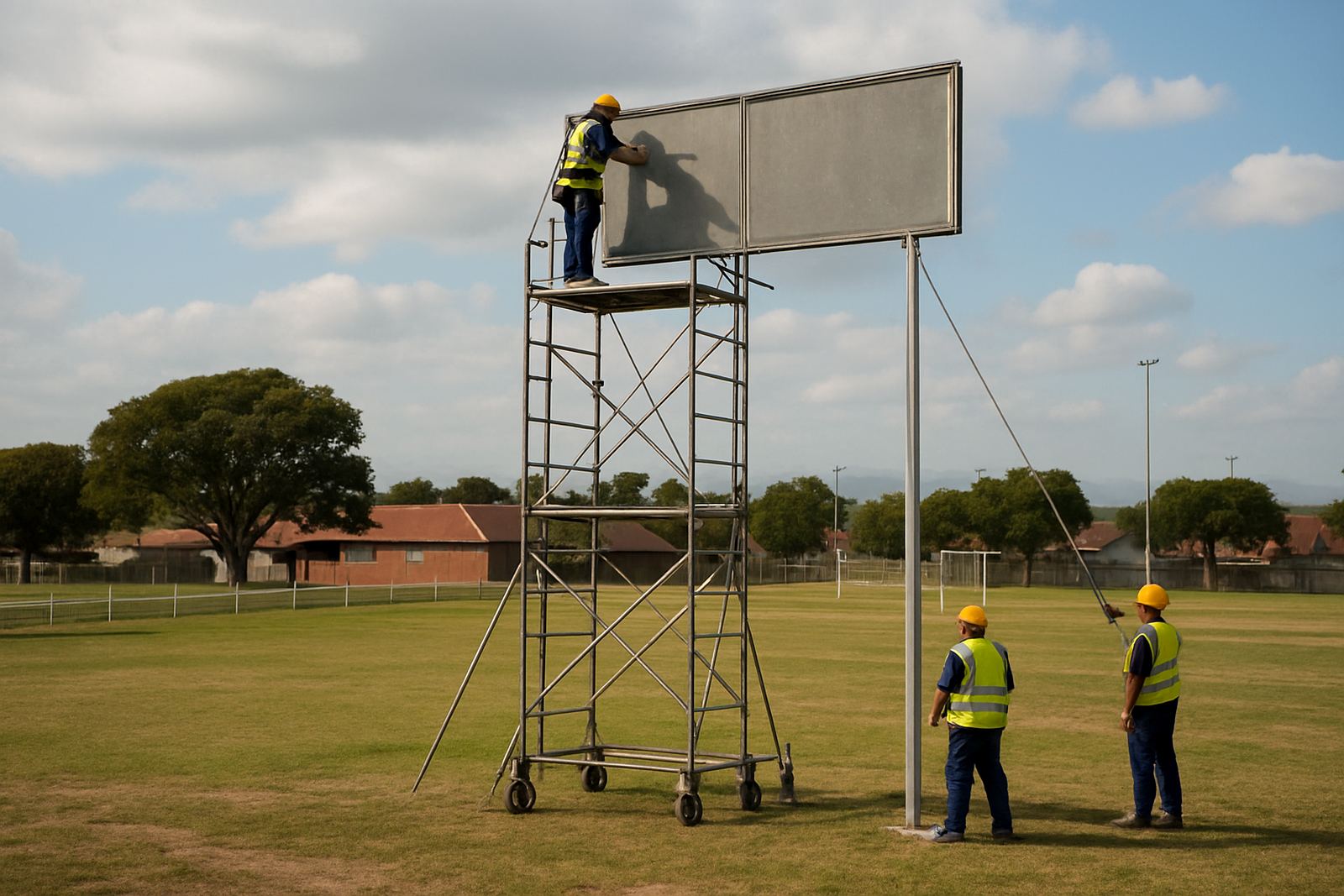
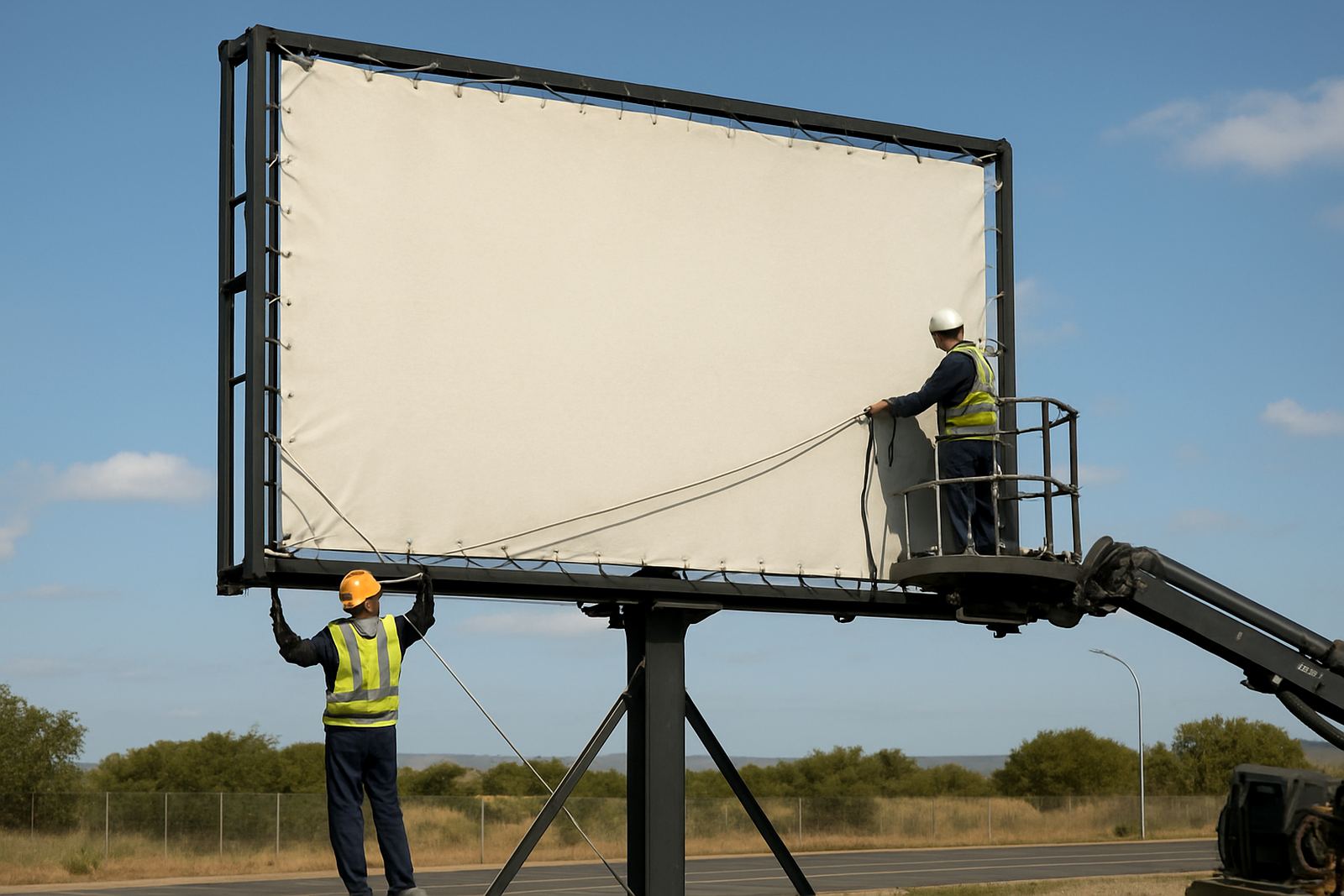
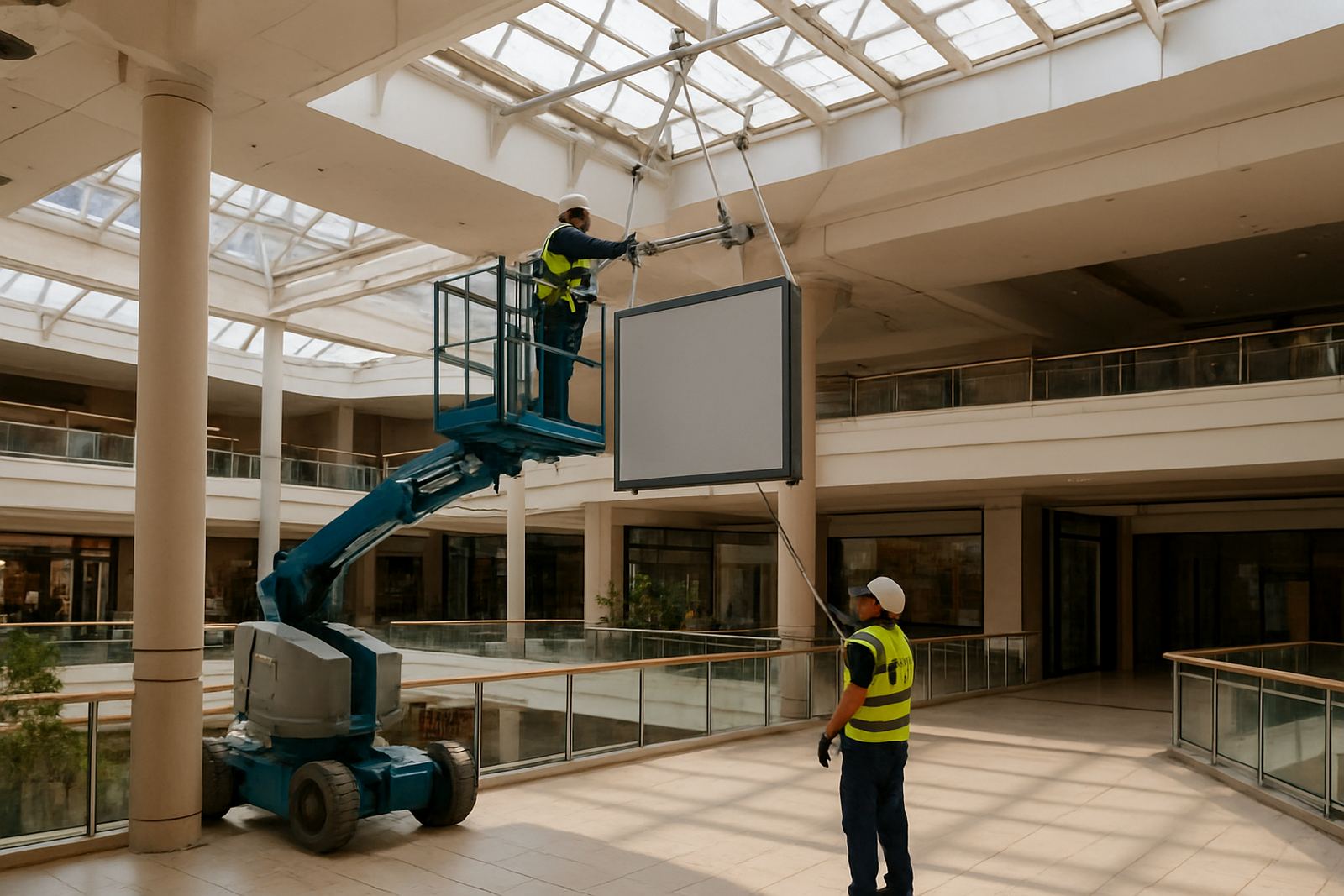
We supplied a rigging crew with scaffold and first aid training, along with the access equipment needed for a controlled install and removal. The work included safe isolation checks where needed, removal of redundant panels, positioning of the new fascia letters, and final alignment so the faces sat level and true across the strip. Because the site had a mix of ground floor shopfronts and overhead services, we kept the lifts measured and the handling deliberate rather than rushed.
The new letters were fixed to suit the existing fascia build-up and the exposed conditions common in Cape Town retail centres. We also managed the clean-up of removed sign components, which is often the part people forget until the last hour of the job. Leaving a neat finish matters, because the client still has painters, fitout teams and sometimes mall or landlord inspections to deal with after we leave.
- Fascia letter install to the upgraded shopfront line
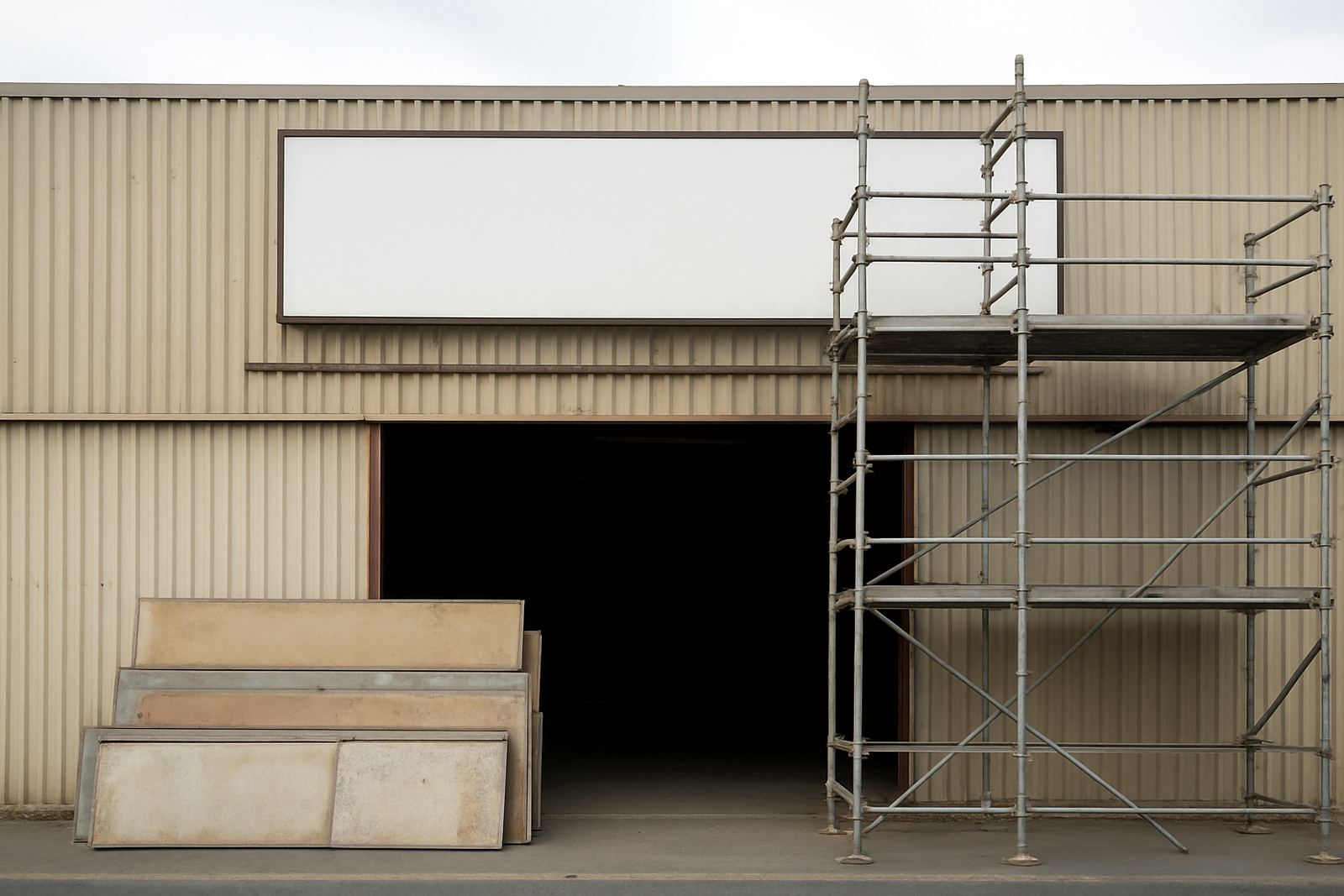
- Redundant sign panel removal and disposal from site
- Safe access setup for upper frontage work
- Alignment checks across each unit for a consistent look
- Final walk-through with the client before handover
Timeline from survey to handover
The project ran over two weeks from initial site survey to final handover. Week one covered the inspection, measurements, fixing checks and lift planning. We also reviewed the frontages with the client so everyone knew which panels were coming off first and where the new fascia letters would sit. Week two covered the on-site works, starting with removal of the old panels before the new lettering was installed and checked.
That two week window gave enough space to avoid clashes with other trades, but it was still tight enough to keep the retail upgrade moving. On sites like this, the biggest delay is usually not the installation itself, but the knock-on effect of other teams needing access to the same frontage. Careful sequencing kept the job moving and reduced the chance of rework.
Results for the retailer and property team
The finished frontage gave the strip a cleaner retail look and removed the clutter of redundant signage from the older layout. The new fascia letters were installed in line with the upgraded shopfront finish, so the property team could continue with final touches without old panels or unsafe brackets getting in the way. The client was also left with a tidier maintenance position, since the old sign elements were properly removed instead of being left for later.
For a retail property manager, that means fewer loose ends after the main upgrade. It also makes future maintenance simpler because the remaining sign positions are clearer, the access requirements are known, and any follow-up work can be planned without guessing what is hidden behind the cladding.
- Cleaner street-facing presentation for the strip
- Less clutter from outdated signage hardware
- Safer access position for future servicing
- Minimal interference with ongoing tenant works
What we would do again on a similar job
If we were called to a similar Paarden Eiland retail job again, we would follow the same approach: survey first, confirm the exact fixing arrangement, and sequence removals before any final install work starts. That order saves time and avoids having fresh letters on site while old panels are still in the way. We would also keep the same focus on access planning, because retail strips are rarely generous with parking, storage or staging space.
Jobs like this suit a rigging-only team that understands how to work around sign makers, property managers and other contractors without stepping into their scope. That is how we keep the job clean, safe and practical from the first visit to the final handover.
Key facts
| Project type | Retail strip fascia letter installation and redundant sign panel removal |
|---|---|
| Area | Paarden Eiland, Cape Town |
| Duration | 2 weeks from survey to handover |
| Crew | Rigging team with scaffold and first aid training |
| Services used | Sign Installation, Sign Removal, Site Surveys, Lift Planning, Scaffold Access |
| Conditions | Live retail frontage, limited laydown space, coastal humidity |