Pretoria billboard brief and site conditions
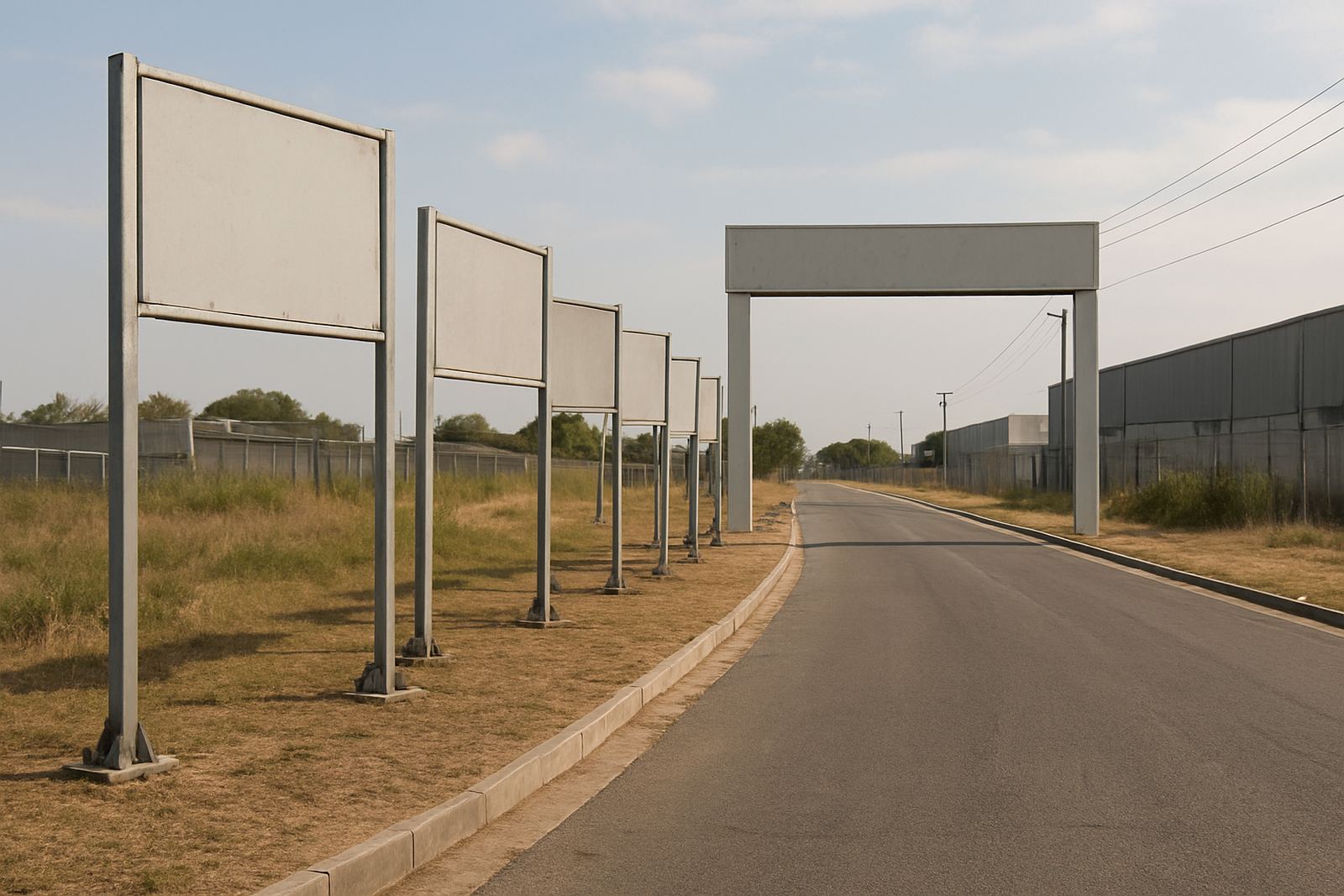
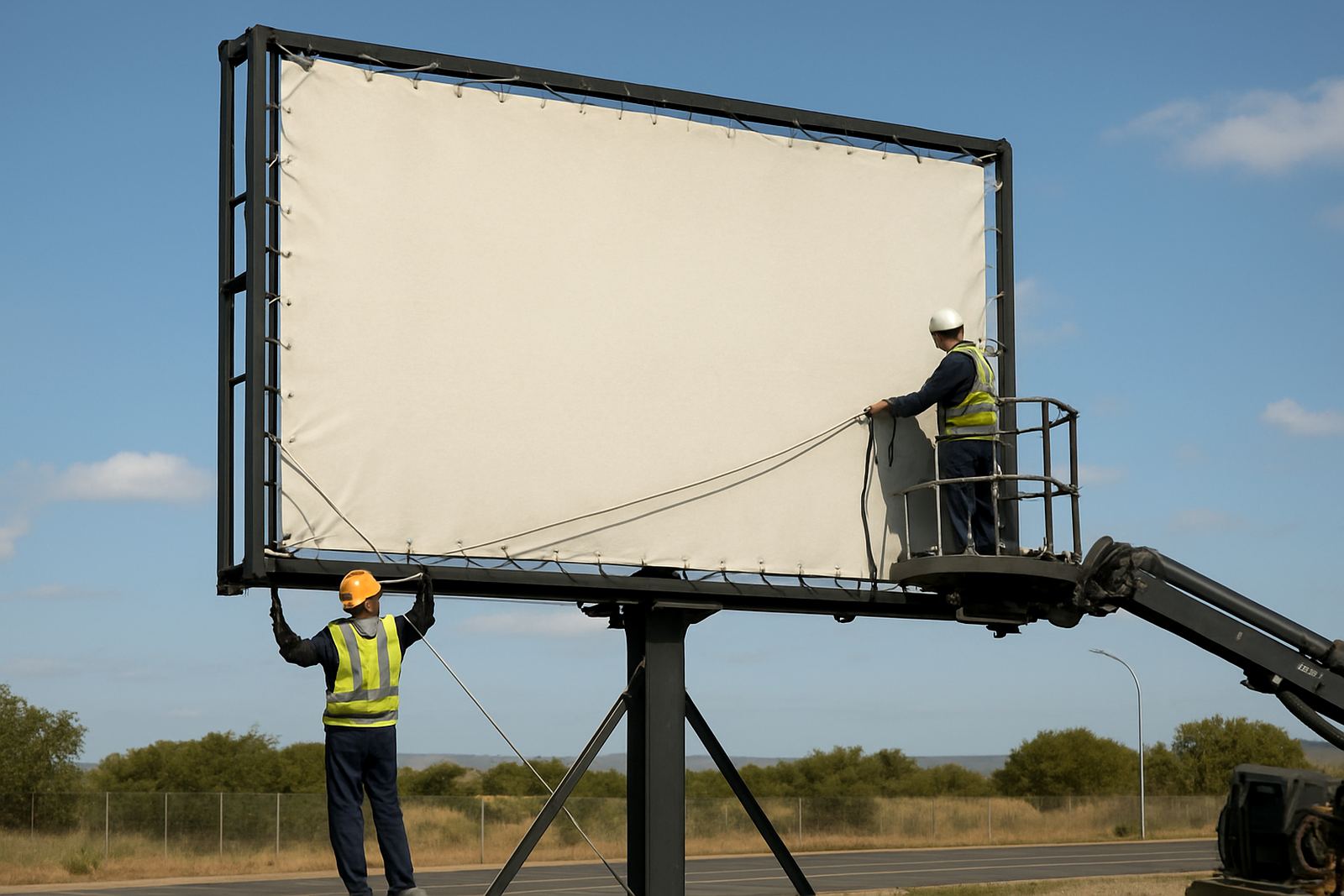
The project was for an outdoor media contractor managing a roadside billboard in Pretoria, with the work scheduled between advertising cycles so the face could be changed without delaying the next campaign. The structure sat in a busy corridor with commuter traffic, overhead lines nearby and a narrow laydown area, so the access plan had to be exact from the start. We were asked to complete the skin change and also carry out a practical structural check while the scaffold and lifting gear were in place.
The client needed a crew that understands rigging only, not a sign shop trying to compete for the print or fabrication side. That matters on jobs like this because the scope is clear: arrive with the correct access method, work safely at height, handle the sign face carefully and leave the site ready for the next installer. The site also had wind exposure in the afternoons, so we planned the changeover for the calmer early part of the day and kept the lift movements short and controlled.
Access planning before the face change
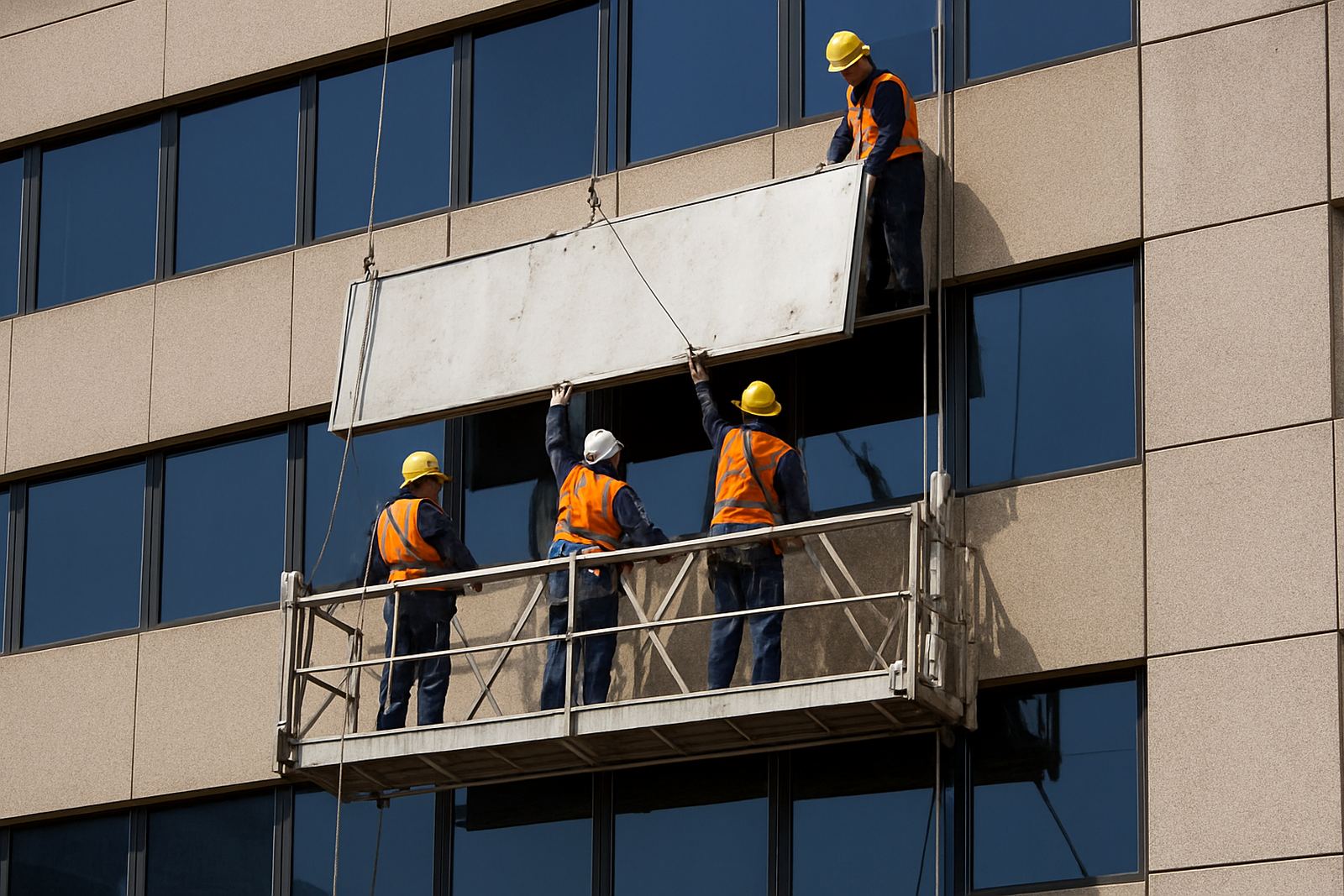
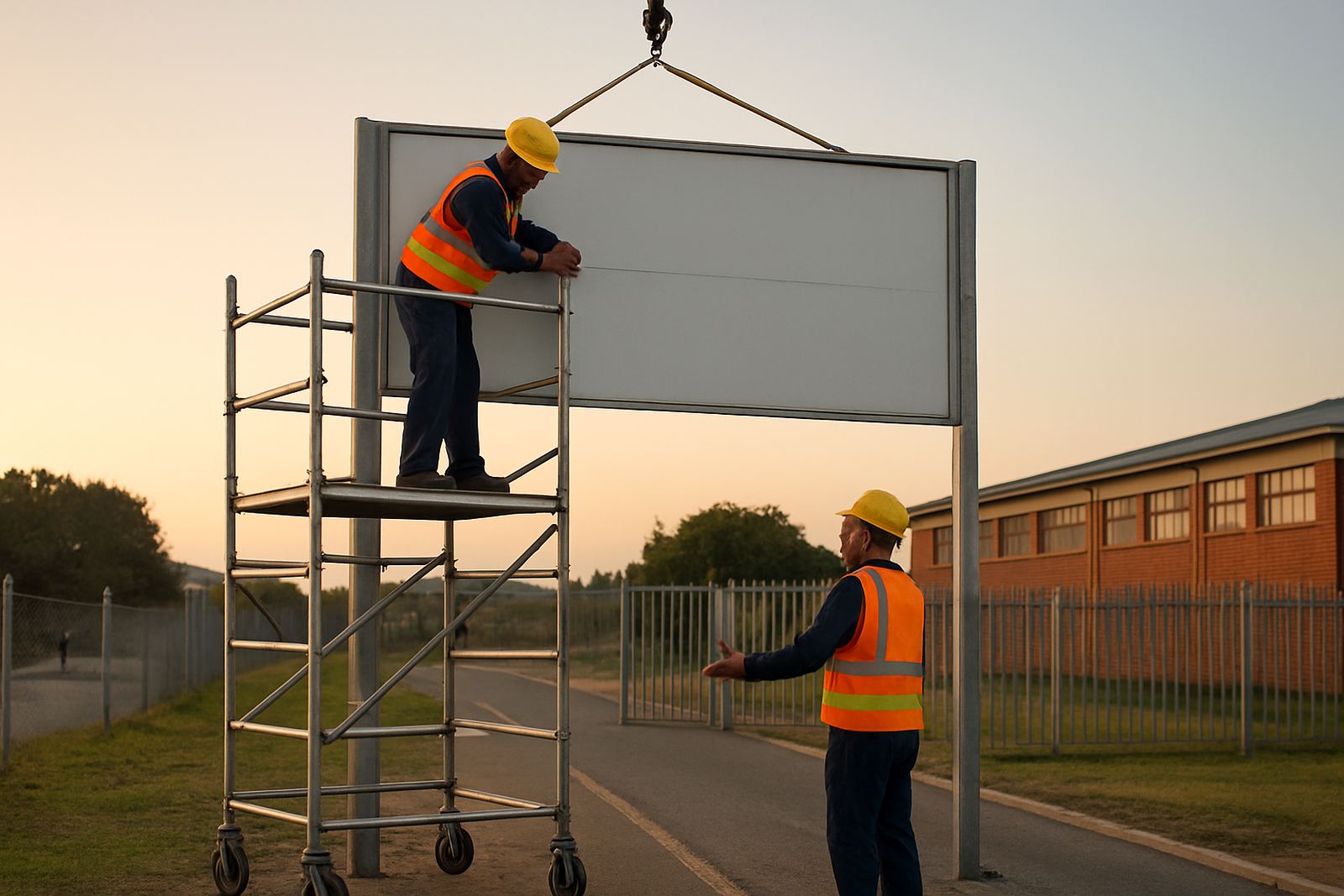
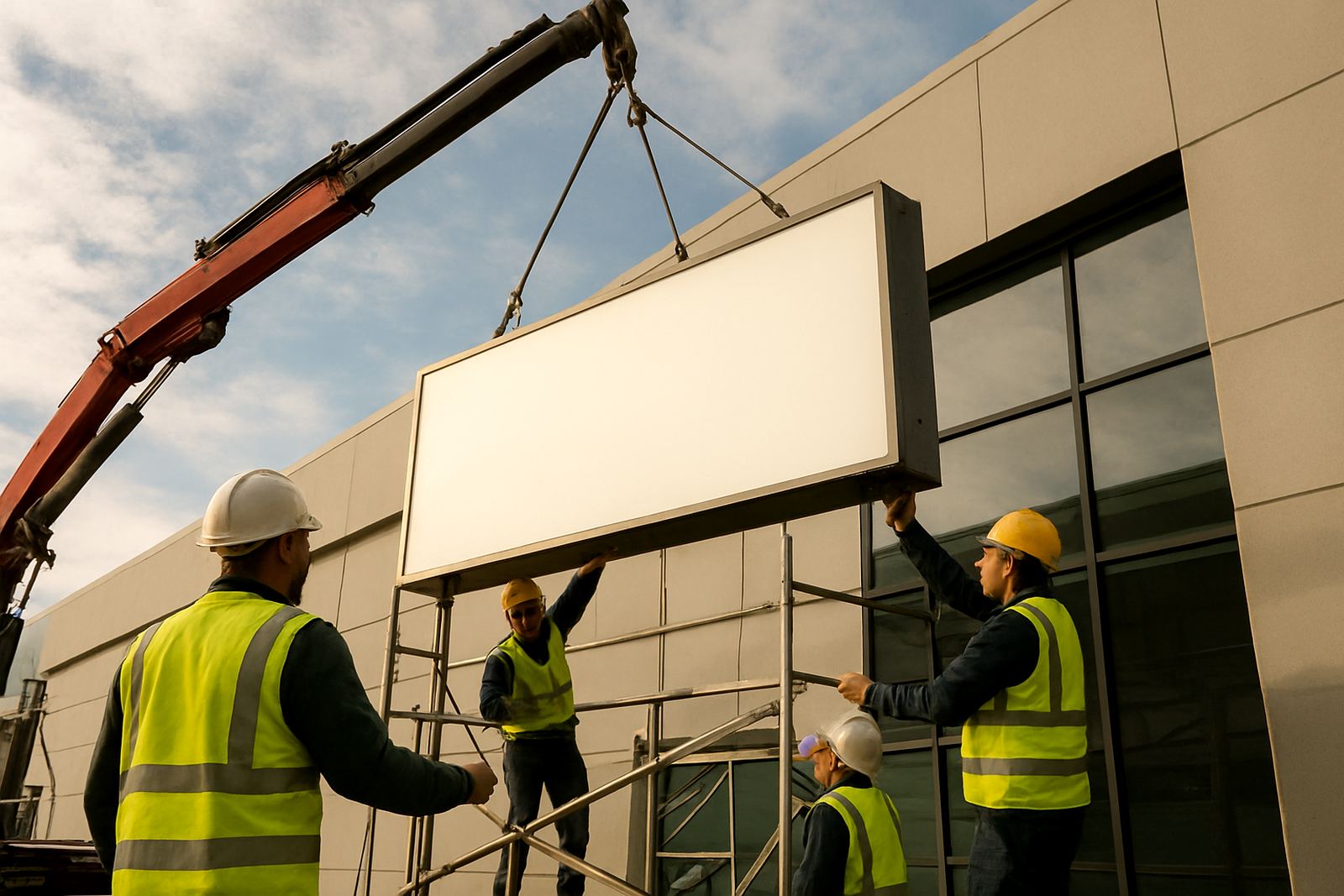
We started with a site survey and lift plan, then mapped the exact sequence for removal, inspection and refit. The billboard measured 18 metres by 6 metres, with a top edge well above roadside vehicle height, so the team used scaffold access for the working faces and platform work for the higher reaches where a direct lift was safer. Because the structure needed to stay live for the next ad cycle, we organised the job in stages and kept the hardware check separate from the skin handling.
- Site survey and access route check
- Lift planning for the skin change and inspection
- Scaffold and platform allocation for each work zone
- Traffic and pedestrian awareness around the base
- Weather watch for wind, rain and visibility
The planning also covered storage for the removed skin, tie-off points, fixings, and the sequence for tightening the new face once it was on frame. On tall roadside signs, a rushed fit can leave wrinkles or loose corners and that shows immediately from the road, so the crew took time to tension the material evenly.
What we supplied on the day
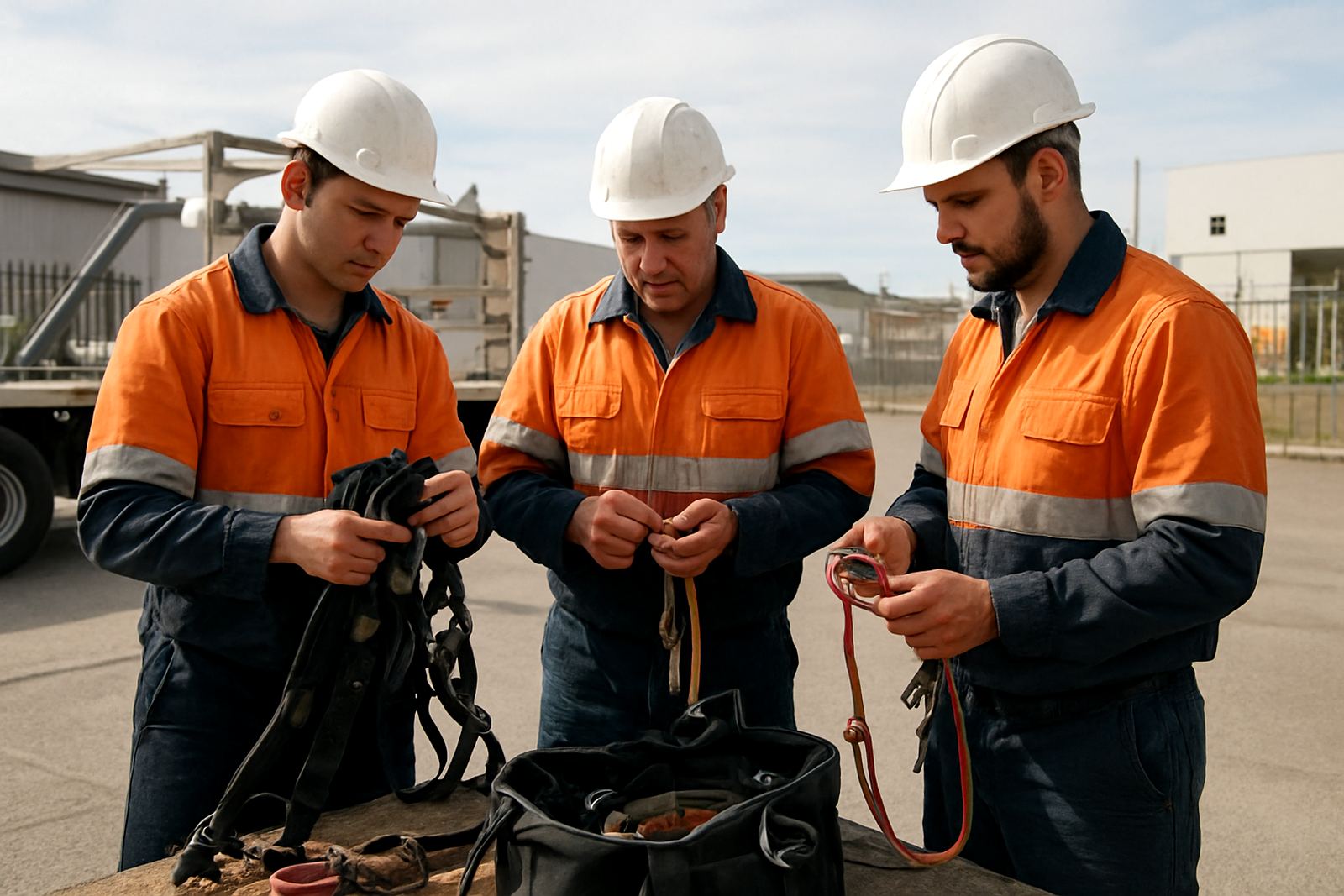
Our crew arrived with a senior rigging supervisor, a safety officer, access support and the fleet lead coordinating the lifts. Everyone on site had first-aid and safety training, and the job was run with a proper toolbox talk before any work began. We also brought the lifting gear, fall protection equipment, scaffold components and hand tools needed for both the skin change and the structural check.
- Rigging crew for removal, handling and refit
- Safety officer for site control and compliance checks
- Access equipment for working at height
- Lighting access tools for checking the sign frame and fittings
- Inspection kit for bolts, brackets and visible weld points
The old skin was removed carefully so the frame could be inspected for movement, corrosion and any fatigue at the mounting points. We checked the visible fasteners, return edges and face supports before the new skin went up. The billboard had some weather wear on a few fixings, which is normal for an exposed site in Gauteng, and we flagged those items for the media contractor to follow up before the next cycle. Nothing was left loose and the site was swept down before we stood off.
Structural check and safety points that mattered
The structural check was a key part of the brief. We were not there to engineer the full structure, but we did carry out a practical site-level inspection and noted the parts that needed attention. That included checking for corrosion on the frame members, wear on the attachment points and signs of movement after weather exposure. The billboard had been through a fair amount of sun and wind, so it was important to verify the face would sit properly and not pull unevenly once tensioned.
Safety was managed throughout. The area below the billboard stayed controlled, with the crew keeping tools tethered where needed and the access zones marked clearly. Because the site was close to traffic, any dropped item would have been a serious problem, so the team worked with strict handover points and one person controlling the sequence at each stage. We also watched the wind speed closely and would have paused if conditions shifted, but the morning window held and the change went through as planned.
Timeline from call to completion
The whole project took one week from confirmation to completion, with the actual on-site work finished in a single day once the access arrangements were set. Day one was the site survey and lift plan. Day two covered access confirmation and crew allocation. Day three to five were the scheduled installation window, and the skin change itself was completed inside the agreed slot without overrunning the contractor’s programme.
- Week 1, survey and planning
- Midweek, access and safety checks
- Scheduled changeover, remove old face and fit new skin
- Same day, inspect structure and sign off visible defects
- End of job, clean-up and client handover
That pace worked because the brief was clear and the site was prepared properly. There was no confusion about who was doing the print or the structure, and no time lost waiting for the wrong crew to arrive. For media contractors, that saves real money because billboard slots are tied to campaign dates and missed timing affects everyone down the chain.
Result for the outdoor media contractor
The billboard was handed back with a clean new skin, secure fixings and a clear note of the visible maintenance points found during the check. The client could move straight into the next campaign knowing the face was tight and the structure had been reviewed by a rigging team that understands roadside work. The main outcome was simple: the job was finished safely, on time and without the contractor needing to bring in separate crews for access and removal.
If we were asked to do the same type of job again, we would keep the same approach. Start with a site survey, agree the lift plan early, check the weather window and stage the work so the sign face, access gear and safety controls all line up. For billboards in Pretoria, Johannesburg or the other busy Gauteng corridors, that discipline is what keeps the job moving and keeps the site compliant.
Key facts
| Project type | Billboard skin change and structural check |
|---|---|
| Town | Pretoria |
| Structure size | 18 metres by 6 metres |
| Timeline | 1 week from survey to completion |
| Access methods | Scaffold access and platform work |
| Scope | Removal, refit, inspection and handover |