

Safe access for sign lighting work
Lighting access is the part of the job that gets a technician to the sign face, trough, cabinet or halo section without putting people, property or the sign itself at risk. We work for sign makers, not as a sign shop, so the job stays where it should be, with the people who built or manage the sign and need a crew that can get in, do the access work, and get out cleanly.
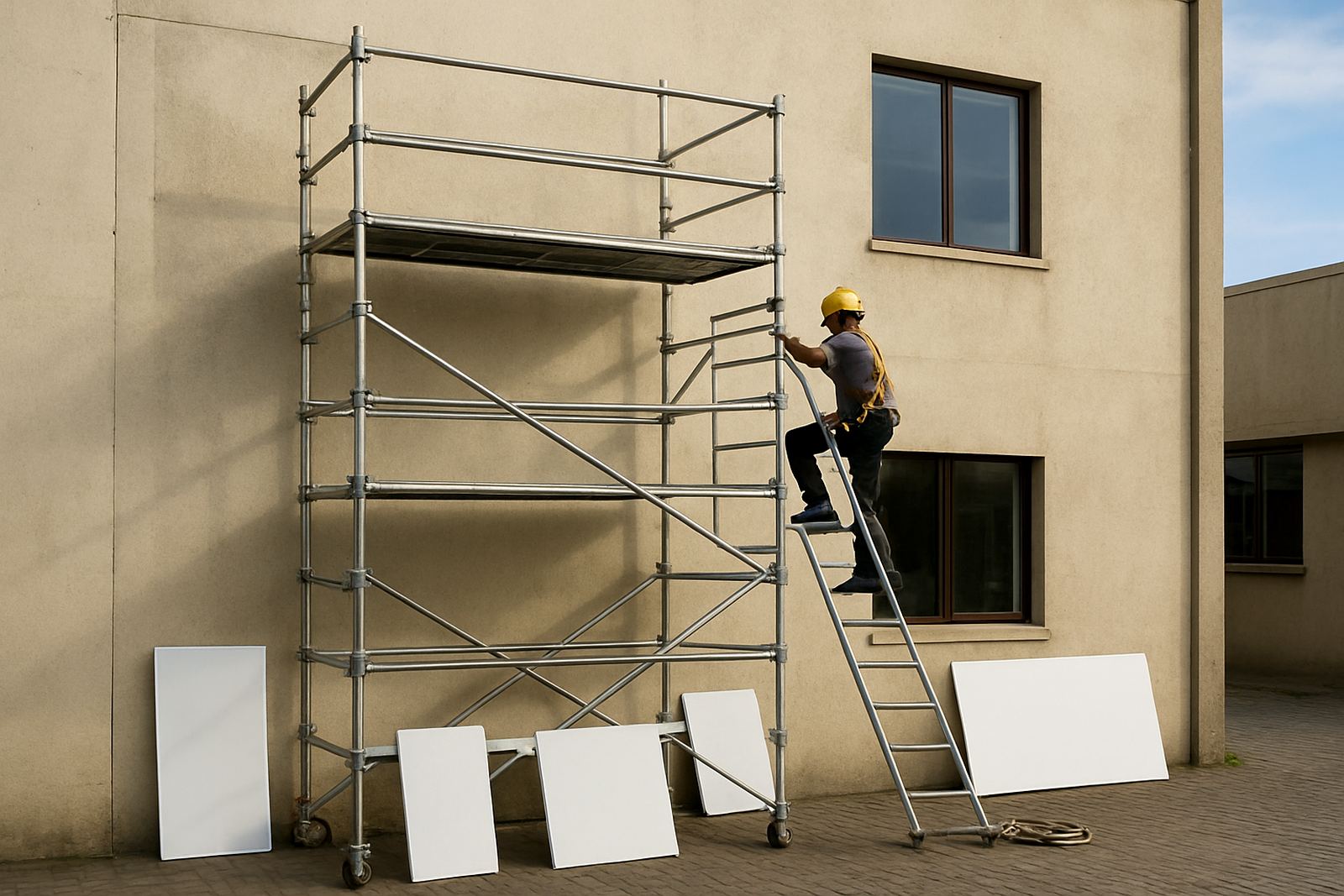
Our teams handle access for lamp changes, LED module checks, driver replacement, cleaning around fittings, fault finding and general maintenance visits. Depending on the site, that can mean scaffold access, platform work, ladder access where suitable, or a lift plan for higher and more awkward positions. In Paarden Eiland, Bellville, Somerset West, Paarl, Johannesburg CBD, Sandton, Midrand and the East Rand, we see a lot of signs mounted above shopfronts, on pylons, along warehouses and on busy roadside fascias where traffic, paving and parking all need to be considered.
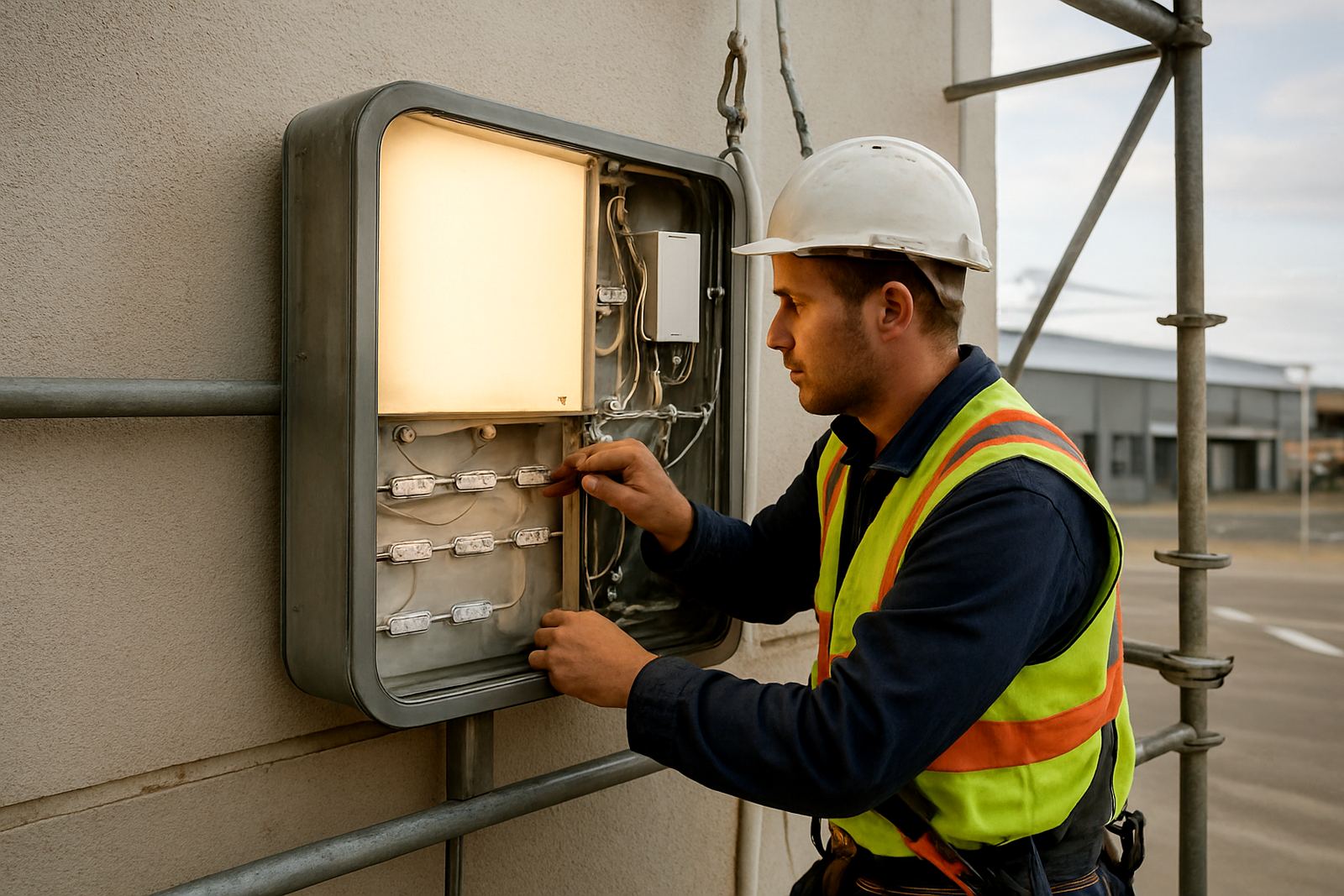
- Access for lamp and LED servicing
- Working space for electrical inspection by the sign team
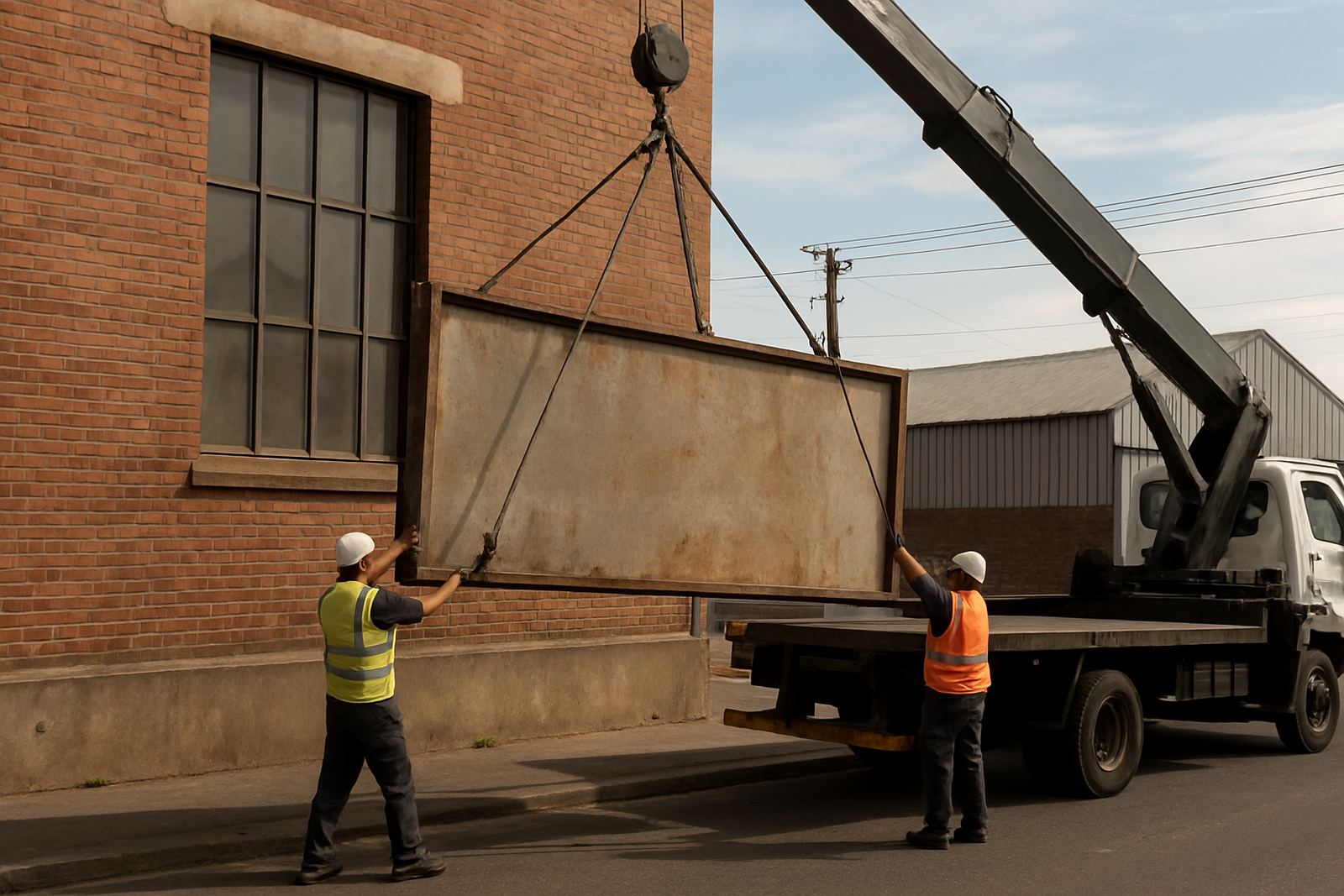
- Controlled removal and refit of sign faces where needed
- Safe reach to high or awkward sign positions
- Short maintenance visits for recurring faults
What is included in a lighting access call
Each callout is scoped around the sign, the mounting height and the route to the work area. We do not arrive and improvise. A proper lighting access job normally includes a site check, a lift or scaffold requirement, traffic and pedestrian considerations, and the actual access needed for the sign specialist to work on the lighting components.
Where the sign is in a coastal area such as Paarden Eiland, Blouberg or Somerset West, we also look at corrosion around brackets, fixings and access points. Salt air can seize hardware and make simple maintenance more time consuming if it has been left too long. In Johannesburg, dust and rooftop heat can affect fittings, seals and cable runs. We plan for the conditions on site, not just the sign on paper.
- Initial site survey and access assessment
- Scaffold or platform positioning where required
- Barrier setup around footpaths, entrances or loading zones
- Controlled access for maintenance by the appointed sign technician
- Clean-down of work area before handover
How we plan access at height
Good lighting access starts before anyone leaves the yard. We confirm the sign height, face size, mounting type, available ground space, nearby power lines, traffic movement and whether the job sits over a pavement, driveway, parapet or service yard. From there we decide on scaffold, cherry picker style platform work, a ladder setup for lower fascia signs, or a combination of methods. If a municipal permit or site approval is needed, that is factored in early so the job does not stall on the day.
Our crews are scaffold and first-aid trained, with safety procedures that match the site risk. That matters on busy roads, in retail centres and at industrial premises where trucks are moving and access can change with little notice. We also prepare for load-shedding related lighting issues, because many lighting faults show up after a power interruption. The access crew must be ready to get the sign open, checked and handed back to the sign specialist without delays.
- Measure the working height and reach
- Check ground bearing and access for equipment
- Confirm safe exclusion zones and fall risk controls
- Coordinate timing with the sign specialist doing the electrical work
- Plan for power interruptions and after-hours access if needed
Maintenance intervals that make sense
Lighting access is usually best done as part of a planned maintenance cycle rather than after a complete failure. For standard retail fascia signs, a six to twelve month interval is common. For sites near the coast, busy roads or dusty industrial areas, three to six month checks can save money over time because faults are caught before they spread through the sign face or power gear. A single failed lamp or LED section can turn into water ingress, burnt connectors or extra labour if it is left too long.
We often recommend closer intervals for signs that are difficult to reach, because access costs are lower when the crew returns on a planned basis. That keeps the work predictable and helps the sign owner stay ahead of breakdowns. If the sign is on a warehouse road in Midrand or a retail frontage in Sandton, timing can also be arranged around trading hours so the site does not lose foot traffic or truck movement more than needed.
Turnaround and working method
Typical turnaround depends on the access method, the number of signs on site and whether permits or approvals are needed. Simple ground-level lighting access can sometimes be handled the same day or within 24 to 48 hours. Larger jobs involving scaffold erection, platform hire or after-hours work usually need a longer lead time. We give sign makers a proper timeline up front so they can schedule their own technicians around it.
Our process is straightforward: assess the site, confirm the access method, prepare the crew and equipment, then carry out the work in a controlled sequence. The sign specialist handles the lighting service while our team manages the access, safety barriers and site close-out. That split keeps everyone in their lane, and it is the cleanest way to work on commercial signs that sit above customers, vehicles or public walkways.
- Quote request and site details received through the enquiry form
- Site survey if needed for height, access and safety planning
- Access method confirmed with the sign specialist
- Crew dispatched with the right equipment
- Work completed and site handed back neatly
Pricing built around access, not guesswork
We price lighting access according to the real work involved. Height, ground conditions, the need for scaffold or platform work, after-hours timing, travel between branches and whether the site is in Cape Town or Gauteng all affect the cost. A sign above a plain shopfront in Bellville will not cost the same as a roadside pylon in Johannesburg CBD or a high-level fascia over a busy entrance in Sandton.
Because we work only on access and rigging, the pricing stays focused. There is no bundled sign manufacture and no awkward overlap with the sign company that owns the job. For sign makers this usually means clearer control over margins and less friction on site. If the maintenance visit is routine, pricing is often better when it is combined with other work on the same site, such as a face change, sign removal or relocation. That saves return trips and keeps the crew time tighter. Sometimes the cheapest quote is the one that skips safety, and that is not a bargain at all.
When to call for emergency lighting access
Some lighting faults need fast attention. If a sign face is flickering over a public entrance, a cabinet is hanging loose after wind damage, or water has got into a light box, the access crew may need to respond before the issue gets worse. Emergency callouts are especially common after storms, power dips, strong coastal wind or when a sign has been hit during loading activity.
We keep emergency access practical rather than dramatic. The aim is to make the area safe, give the sign specialist room to work, and complete a sensible temporary or permanent fix depending on what the site needs. In most cases, the quickest solution is a controlled visit with proper access gear, not a rushed ladder job and hope. That approach protects the sign, the people on site and the business below it.
Key facts
| Access methods | Scaffold, platform work, ladder access where suitable, and planned lift access |
|---|---|
| Typical sign heights | Low level fascia signs to higher mounted signs above 6 metres and up |
| Crew training | Safety trained, scaffold trained and first-aid trained crews |
| Service areas | Paarden Eiland, Bellville, Somerset West, Paarl, Johannesburg CBD, Sandton, Midrand and East Rand |
| Maintenance intervals | 6 to 12 months standard, 3 to 6 months for coastal or dusty sites |
| Response timing | Same day or 24 to 48 hours for simple access, longer for scaffold or permits |