

Clean takedowns for replacement, refurb and handover
We remove signs for sign shops, property managers and contractors who need a site cleared without damage to the structure or surrounding finishes. That includes wall signs, pylon panels, fascia signs, light boxes, internal feature signs and billboard faces. Our crews work across Paarden Eiland, Bellville, Somerset West, Paarl, Johannesburg CBD, Sandton, Midrand and the East Rand, with local teams based in Cape Town and Johannesburg.
The aim is simple: remove the sign cleanly, make the opening safe, and leave the site ready for the next phase. Where a sign is being replaced, we can remove fixings in a way that protects cladding, brickwork, colour coated steel, glass or aluminium panels. If the removal is part of a lease exit or municipal compliance issue, we work to the agreed handover standard and keep records of what was taken down.
- Safe removal of fixed signs, faces, frames and loose components
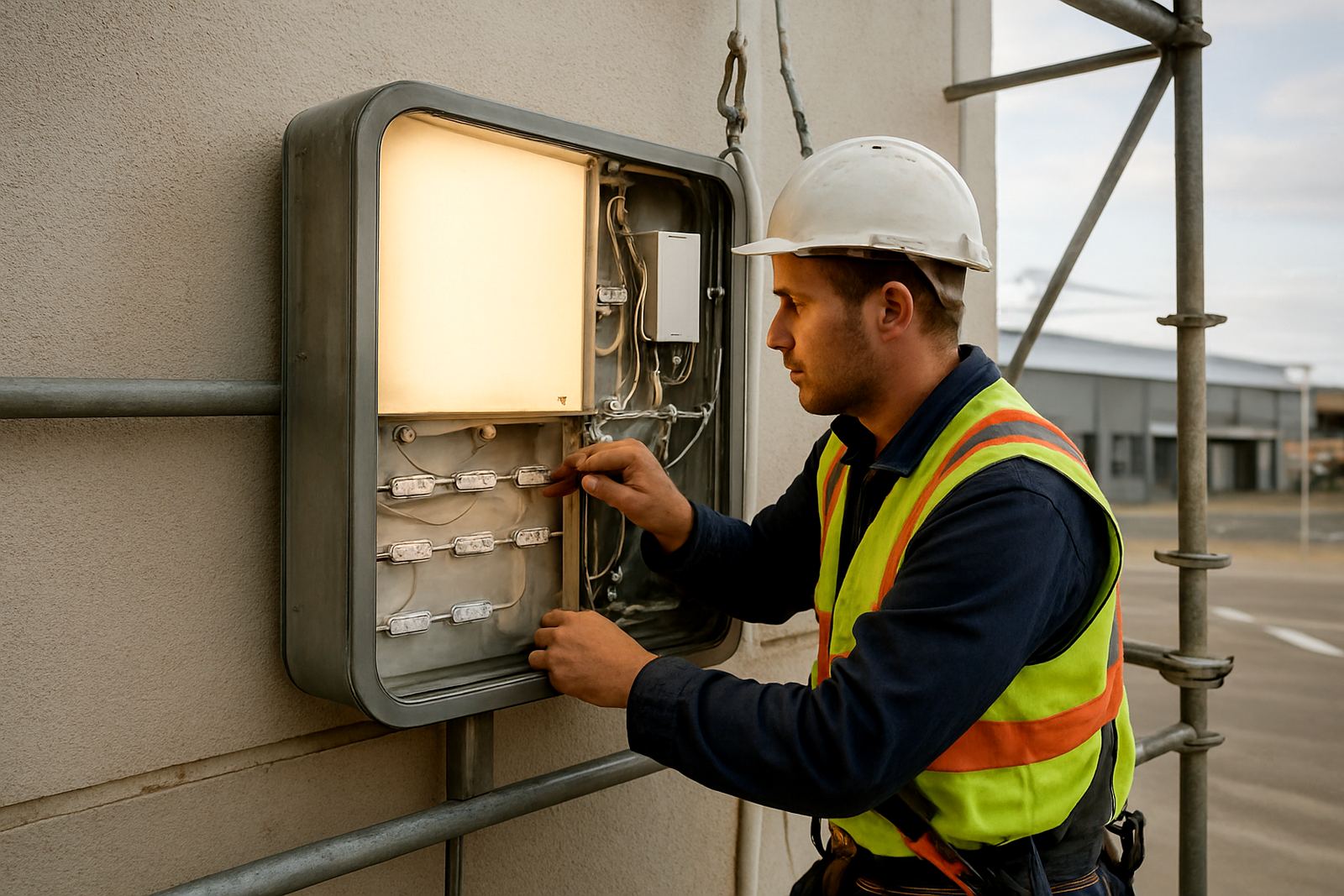
- Isolation of electrical feeds before any dismantling begins
- Protection of nearby finishes, glazing and paving
- Removal of old sealants, brackets and exposed fixings where requested
What is included in a sign removal job
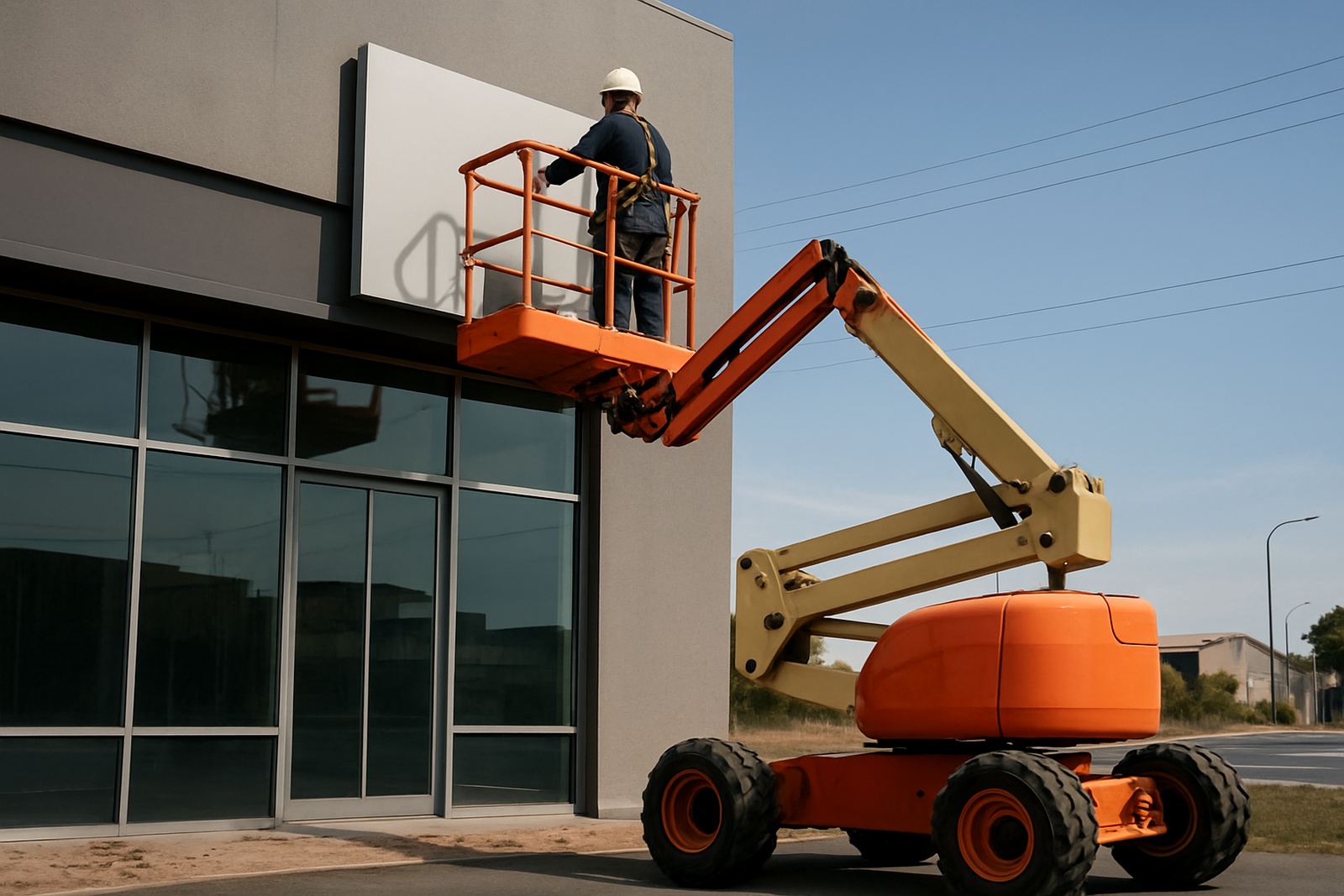
Every removal starts with a site check. We confirm access, height, fixings, power isolation points and whether scaffold, platform access or lift planning is needed. For higher work we bring scaffold access or a platform where required, and our crews are trained in working at height, first aid and site safety. If the sign is in a tight courtyard, along a busy road or above customer parking, we plan traffic control and exclusion zones before tools come out.
We do not compete with sign shops. We are the rigging crew they call when the work needs height access, controlled dismantling and a safe handover. That means we can remove a sign and stage it for refurbishment, pack it for transport, or dispose of it as agreed. On coastal sites in Cape Town, we also look for corrosion around brackets and fasteners because salt air can make old fixings brittle and harder to release cleanly.
- Pre-job site survey and access plan
- Power isolation and lighting disconnection
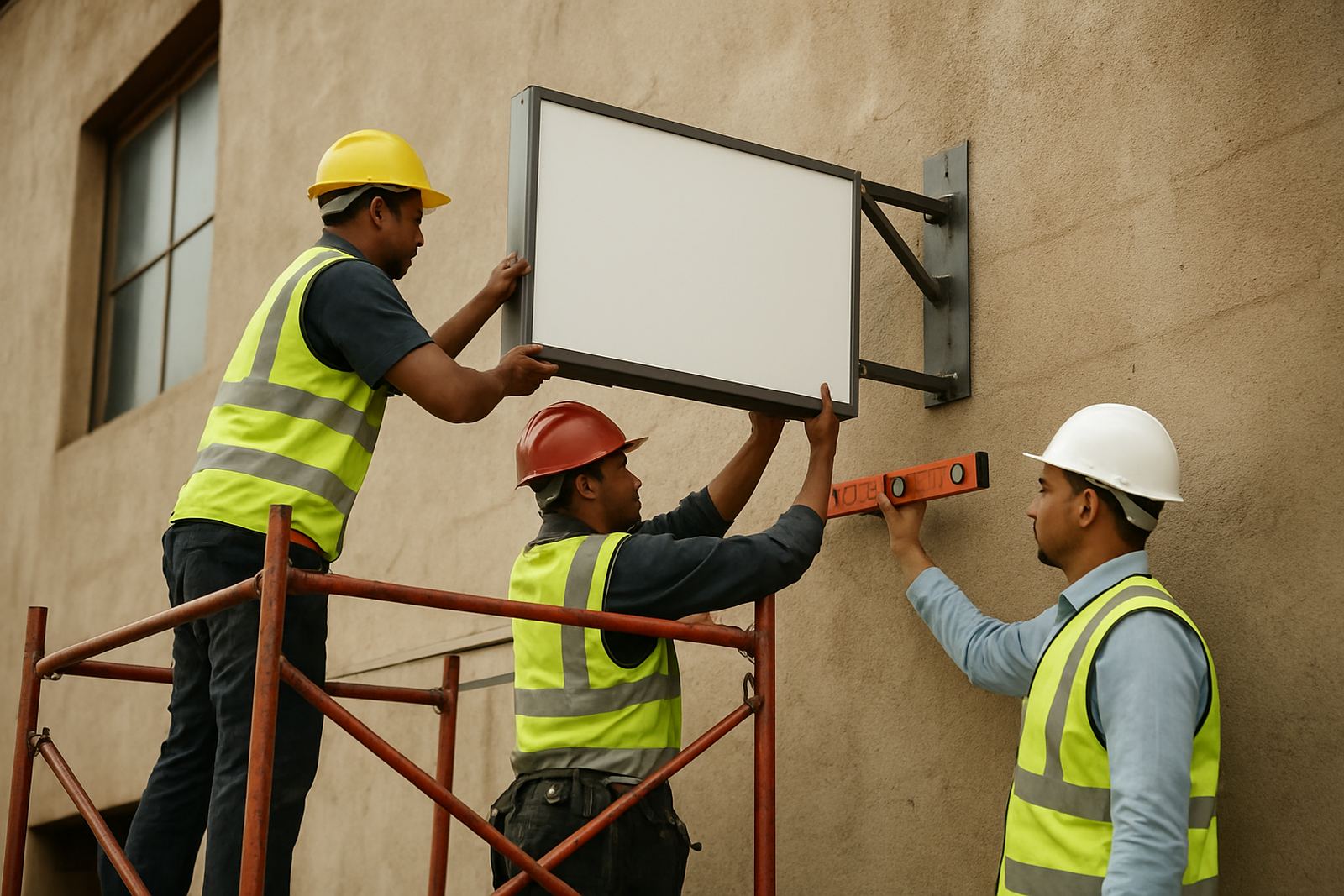
- Controlled dismantling of sign sections and faces
- Lowering, stacking and loading for transport or disposal
- Basic site making-safe, including exposed bolt ends and open penetrations
Removal method, sequence and safety controls
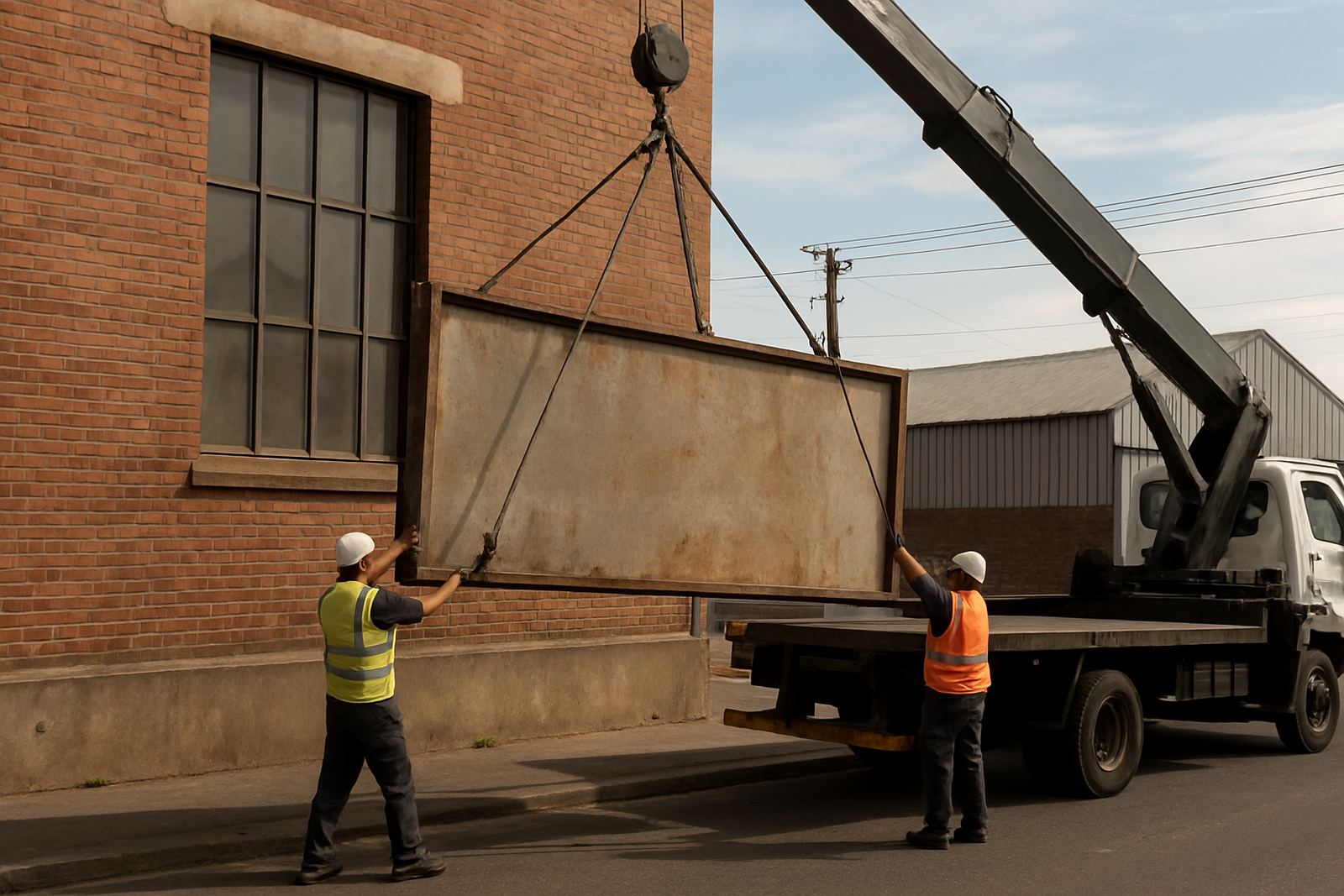
We remove signs in the right order for the structure and the site below. Smaller signs may come off in one piece, while larger items are broken down into manageable sections. For billboard face changes, the printed face is stripped, rolled and secured, then the frame is checked for damage, worn clips or sharp edges. For heavier items we use tag lines, controlled lowering and rigging points that suit the load and the wind conditions on the day.
Safety controls are kept practical and visible. Our teams use barricade tape, cones, exclusion zones and spotters where needed. If there is a risk of falling debris, we set drop control measures before the first fastener is touched. On load-shedding affected jobs, especially where powered access or temporary lighting is required, we plan around the available site conditions and can schedule early morning or after-hours work to limit disruption.
- Tool and fixings check before dismantling starts
- Exclusion zone set-up for staff, tenants and pedestrians
- Safe isolation of power and any stored electrical supply
- Controlled lowering of panels, housings and loose parts
- Final inspection for sharp edges, open holes and site debris
Turnaround times and when urgent removal is possible
Turnaround depends on sign size, height, access and whether the unit is live, corroded or structurally awkward. Simple removals can often be done within a day once access is confirmed. Larger or higher jobs may need a site survey first, especially when scaffold or platform work is involved. We also handle emergency callouts for damaged signs after wind, vehicle impact or sudden failure, provided the site is safe enough to work on.
For planned changes, we recommend booking the removal before the replacement sign is manufactured. That helps the sign maker control programme dates and avoid a site sitting open longer than needed. In Gauteng, we often coordinate removals around building access rules, security windows and tenant move-out times. In the Western Cape, we also work around coastal wind and municipal restrictions on pavement occupancy where applicable.
Pricing approach and what affects the quote
We price sign removal based on the job, not a one-size-fits-all rate. The main factors are height, access method, size of the sign, whether electrical disconnection is required, the number of crew needed and whether debris must be carted away. A straightforward low-level fascia removal will cost less than a multi-level pylon or billboard face change that needs scaffold and a lift plan.
Where possible, we quote from photos, measurements and the site address. If the job looks complex, we will do a physical survey first. That keeps pricing accurate and avoids surprises on the day. For sign shops managing several sites, we can also provide scheduled pricing for repeat removals across branches or regions, which helps with budgeting when a client is replacing multiple signs at once.
Maintenance intervals after removal and site care
After a sign is removed, the opening and surrounding area should be checked again once the new sign or patching work is complete. For active retail and commercial sites, we suggest a visual maintenance check every 6 to 12 months on remaining brackets, frames and fixings, especially near the coast where rust can spread faster. In industrial and roadside settings, a 3 to 6 month interval is often better if the site is exposed to dust, vibration or strong winds.
If a sign has been removed because it was unstable, damaged or waterlogged, we can return for a follow-up check once the replacement is installed. That helps catch loose anchors, cracked sealant, hidden corrosion or movement in the backing board before it becomes a bigger repair. It is a small step that saves time later, and it keeps the site in better shape for the next sign maker on the job.
- 6 to 12 month visual checks for standard retail and office sites
- 3 to 6 month checks for coastal, industrial or high-wind locations
- Follow-up inspection after replacement or patching work
Key facts
| Typical sign types | Fascia signs, light boxes, pylon panels, internal signs, billboard faces |
|---|---|
| Access methods | Ladders, scaffold access, platform work and planned lift support |
| Crew training | Working at height, scaffold awareness, first aid and site safety |
| Service area | Cape Town, Western Cape, Johannesburg and Gauteng |
| Turnaround | Same week for simple removals, subject to access and weather |
| Base locations | Paarden Eiland, Cape Town and Johannesburg |