

What we need before site work is booked
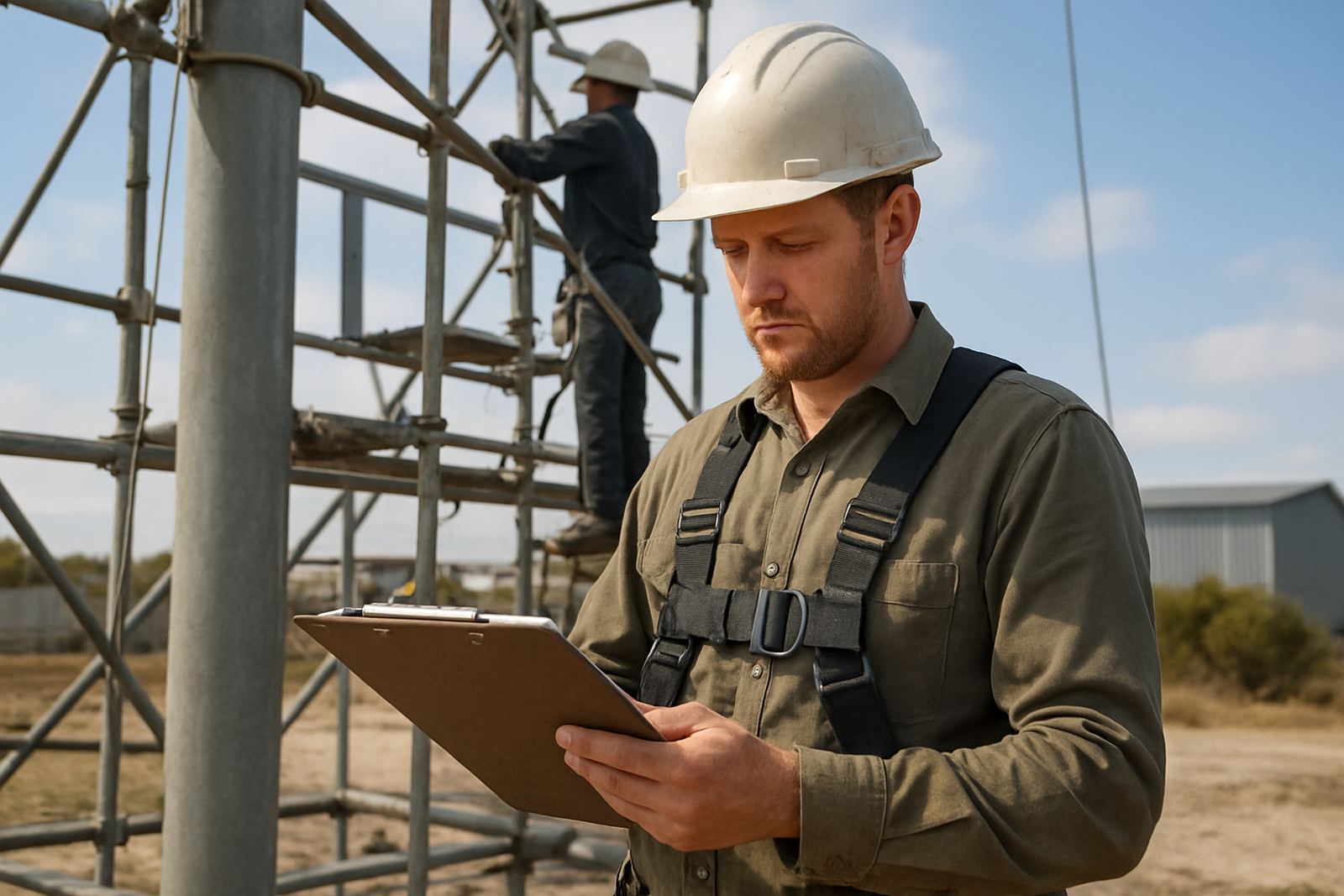
For planned site work, we ask for the usual safety file information early so we can confirm access, check the work area and line up the right crew. This is standard for sign contractors on commercial sites, malls, warehouses, roadside locations and building facades across the Western Cape and Gauteng. It also helps when the site manager needs proof that our rigging crew is cleared for the work and trained for the conditions on site.
Please send the documents your site requires, along with the basic job details. That usually includes the site address, proposed date, scope of work, height involved, whether scaffold or platform access is needed, and any special site rules. If the work is in Paarden Eiland, Bellville, Somerset West, Paarl, Johannesburg CBD, Sandton, Midrand or the East Rand, we can factor in local access limits, traffic movement and after-hours restrictions from the start.
Standard safety file items for contractor onboarding
Different sites ask for slightly different packs, but most onboarding requests follow the same core items. If your client, main contractor or building manager has a checklist, send it through and we will work to it. Where a site needs formal approval, we prefer to receive the documents before the booking is confirmed, not on the day.
- Company registration details and tax number
- Letter of good standing if required by the site
- Proof of insurance cover for the planned work
- Risk assessment for sign installation, removal or servicing
- Method statement for access, rigging and lifting
- Emergency contact details for the job
- Names of crew members attending site
- Training records where the site asks for them
If the site has its own induction form or contractor pack, send that too. We work with those requirements regularly, including retail centres, office parks and industrial yards where access control is strict and security staff want everything in order before entry.
How we use your documents to plan the job
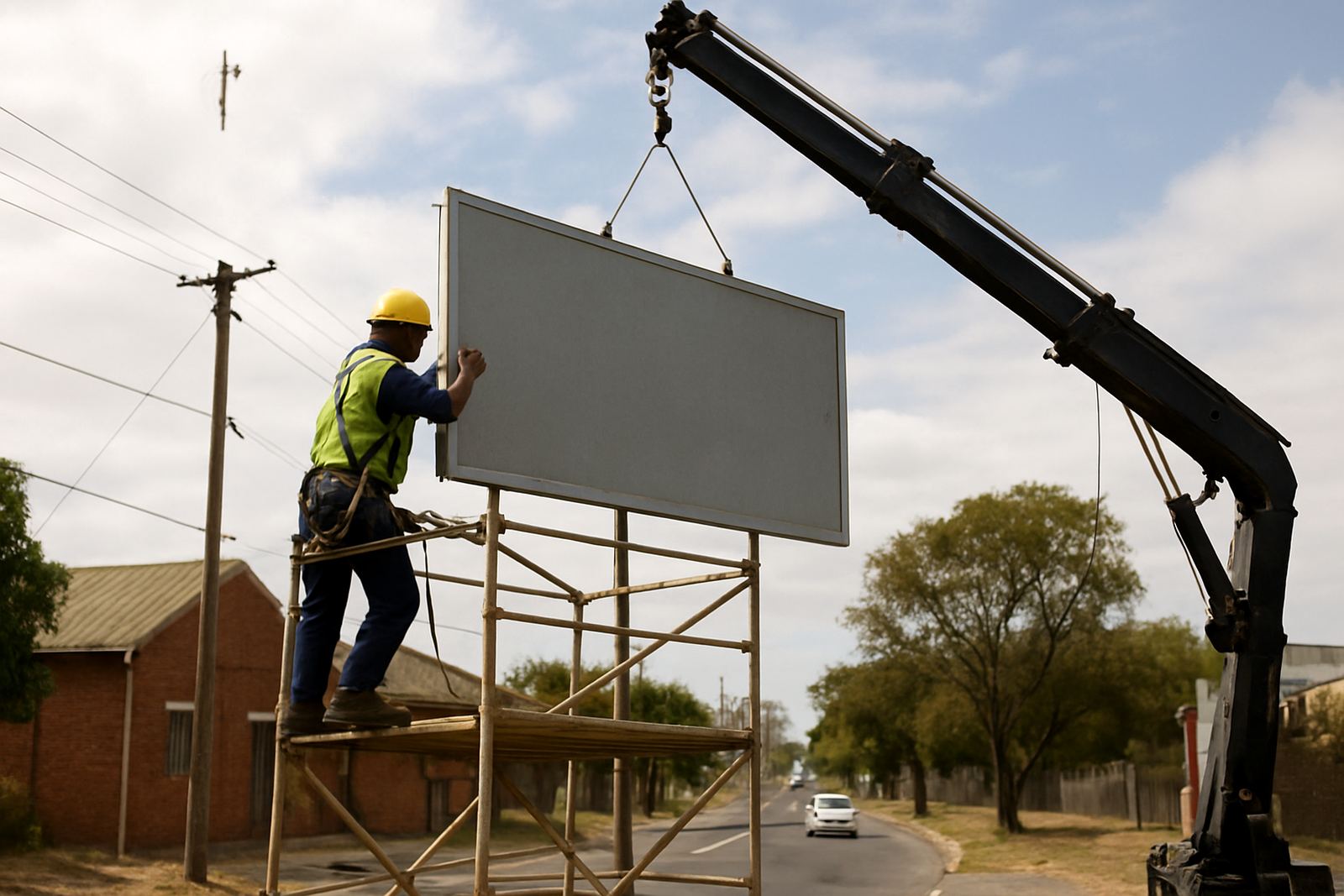
Once we have the site file, we review the likely access method, the ground conditions, the height of the sign, and any hazards around the work zone. That can include power lines, parked vehicles, loading bays, glass fronts, rooftop access, or public walkways below the sign. If the site calls for scaffold access or a platform, we match the plan to the actual job so there is no waste of time on site.
This step matters for lighting access and billboard face changes as well. A clean plan means the crew arrives with the right equipment, the right exclusions and the right sequence for the work. On some jobs we will recommend an early morning start, after-hours attendance or a short shutdown window to keep staff, tenants and pedestrians clear. We also check whether the municipality or property owner has any special rules for working at height, lifting equipment or pavement use.
What to expect from our safety and access checks
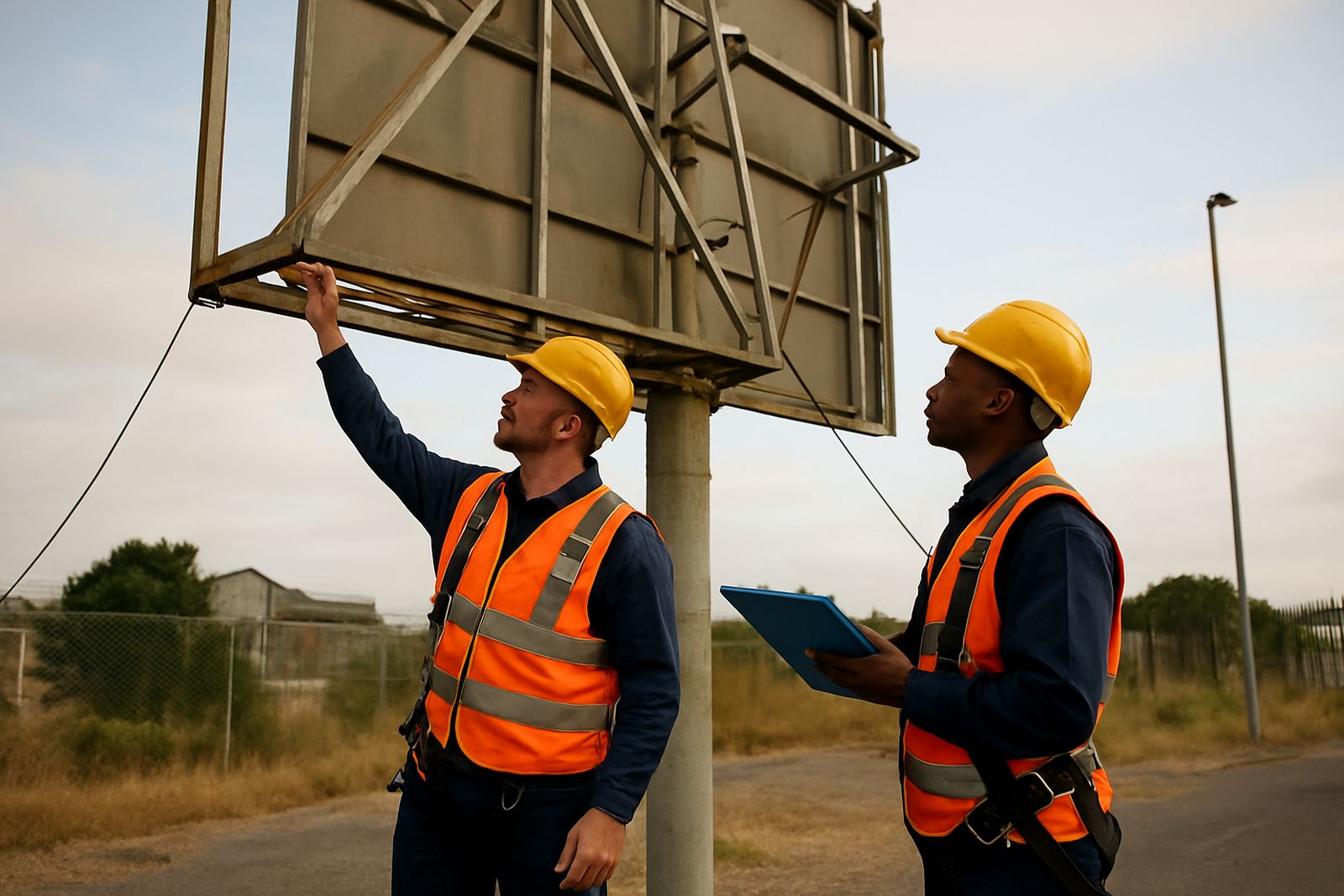
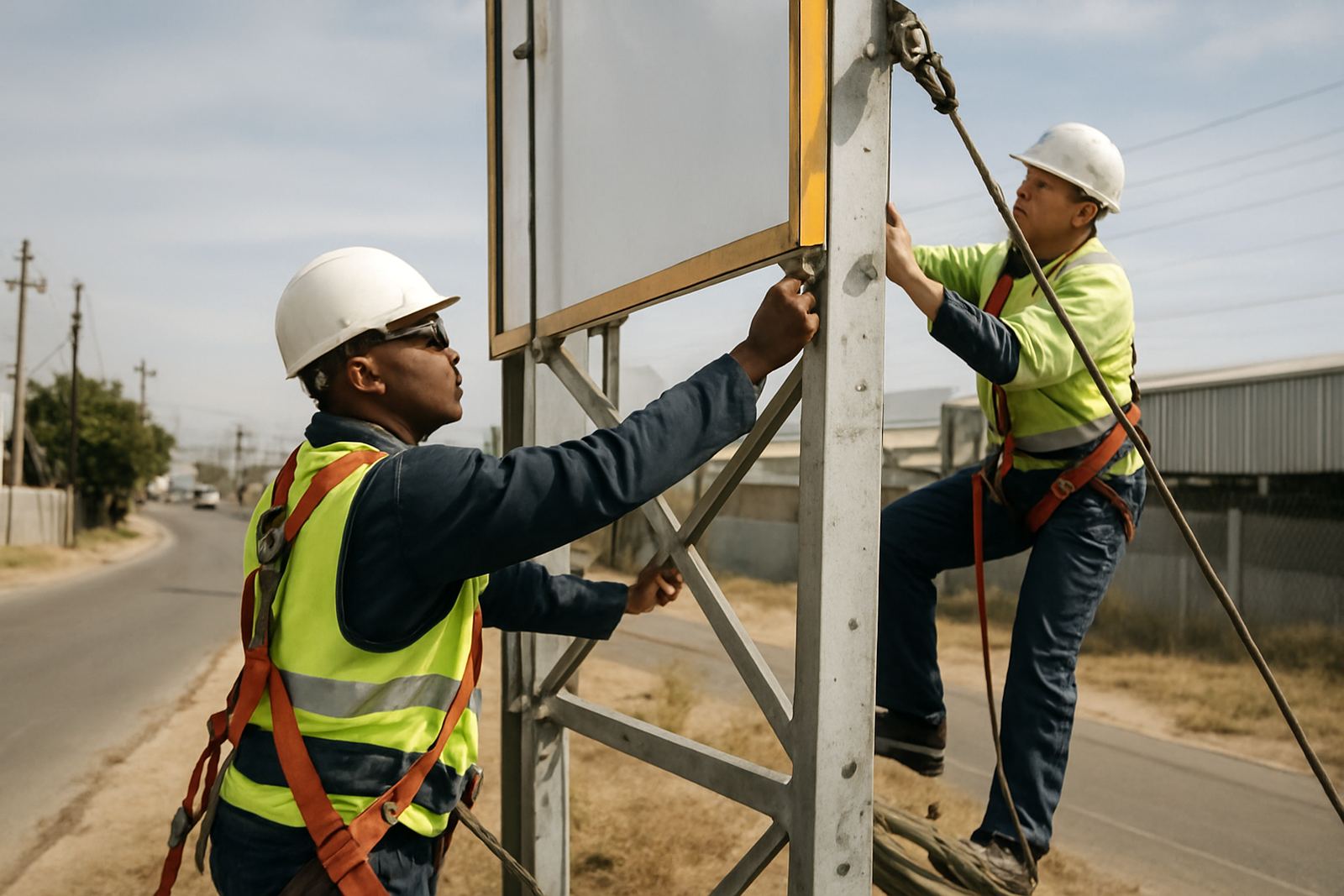
Our rigging teams are safety trained, scaffold aware and first-aid trained, so we keep the process practical and site focused. We do not overcomplicate matters. We look at what is needed to get the sign up, down or serviced safely and then prepare the access plan around that. If the job involves a sign relocation, an emergency callout or a maintenance visit, the same checks still apply.
- Site access and induction requirements
- Work at height controls and fall protection needs
- Safe exclusion area below the sign
- Lifting or hoisting points and equipment
- Weather exposure, especially coastal wind in Cape Town
- Load shedding or power availability where lighting is involved
For coastal sites in Paarden Eiland or along the Helderberg side, humidity and salt air can affect brackets, fixings and electrical access. In Gauteng, we often see tighter access windows in busy commercial areas, so we plan around traffic and tenant movement. That kind of detail helps avoid hold-ups and keeps the job safe from the start.
If the site asks for urgent updates or missing paperwork
Sometimes a client approval comes through late, or a main contractor asks for one more document before the crew can enter site. That happens. If you already have the job scope and date, send what you have and we will advise on the gaps. In many cases we can start with the core file and fill in the remaining items as the site confirms its own format. Communication is best kept direct and simple, especially where there are multiple contractors on the same premises.
For urgent work, the main thing is to tell us what is changing: access time, height, lift method, or whether the sign needs to be removed before a new face goes on. The earlier we know, the better we can keep the crew, equipment and site manager aligned. That avoids last minute scrambles and it usually saves the client money too.
Sending the request through the contact page
Clients reach us through the enquiry form on our contact page. Use that route for safety documents requests, contractor onboarding packs and planned site work details. Include the site location, the type of sign work needed, the date range, and any documents the site has already asked for. If there is a specific approval process, mention that as well so we can respond in the right format.
We support sign makers who need a rigging-only crew and do not want a competing shop handling the sign supply. That keeps roles clear. You make and sell the sign, we handle the installation, removal, servicing or access work on site. Simple, neat and properly documented.
- Planned work for new signs and replacements
- Removal of old signs before fitment
- Access plans for lighting and maintenance
- Emergency callouts with site controls in place