

What facade logos are and where they fit
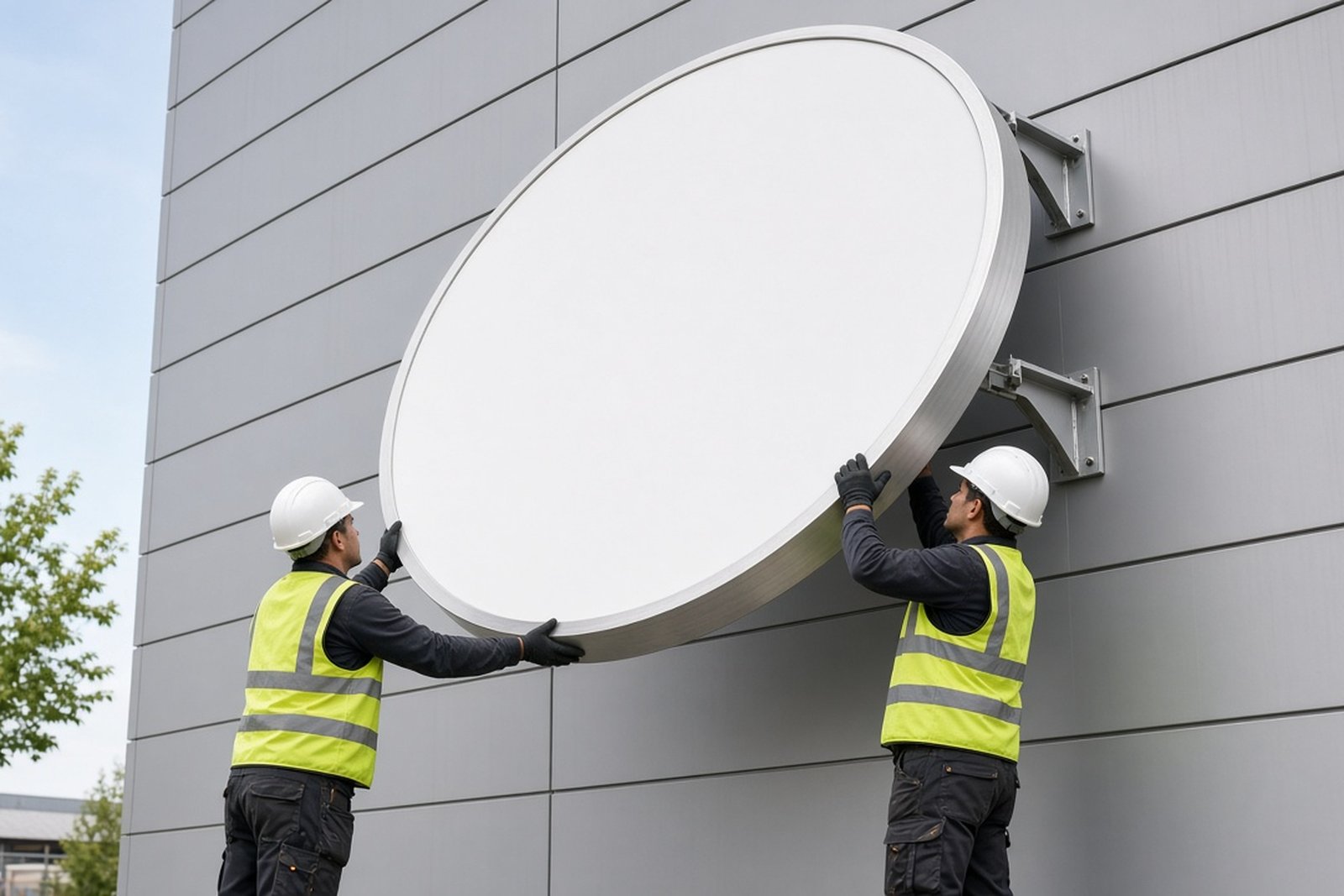
Facade logos are cut or built-up logo elements mounted directly to a building face, usually on metal cladding, rendered walls, composite panels or around glass entrances. They are common on offices, retail parks, dealerships, warehouses and mixed-use buildings where the branding must read clearly from the street but still suit the architecture.
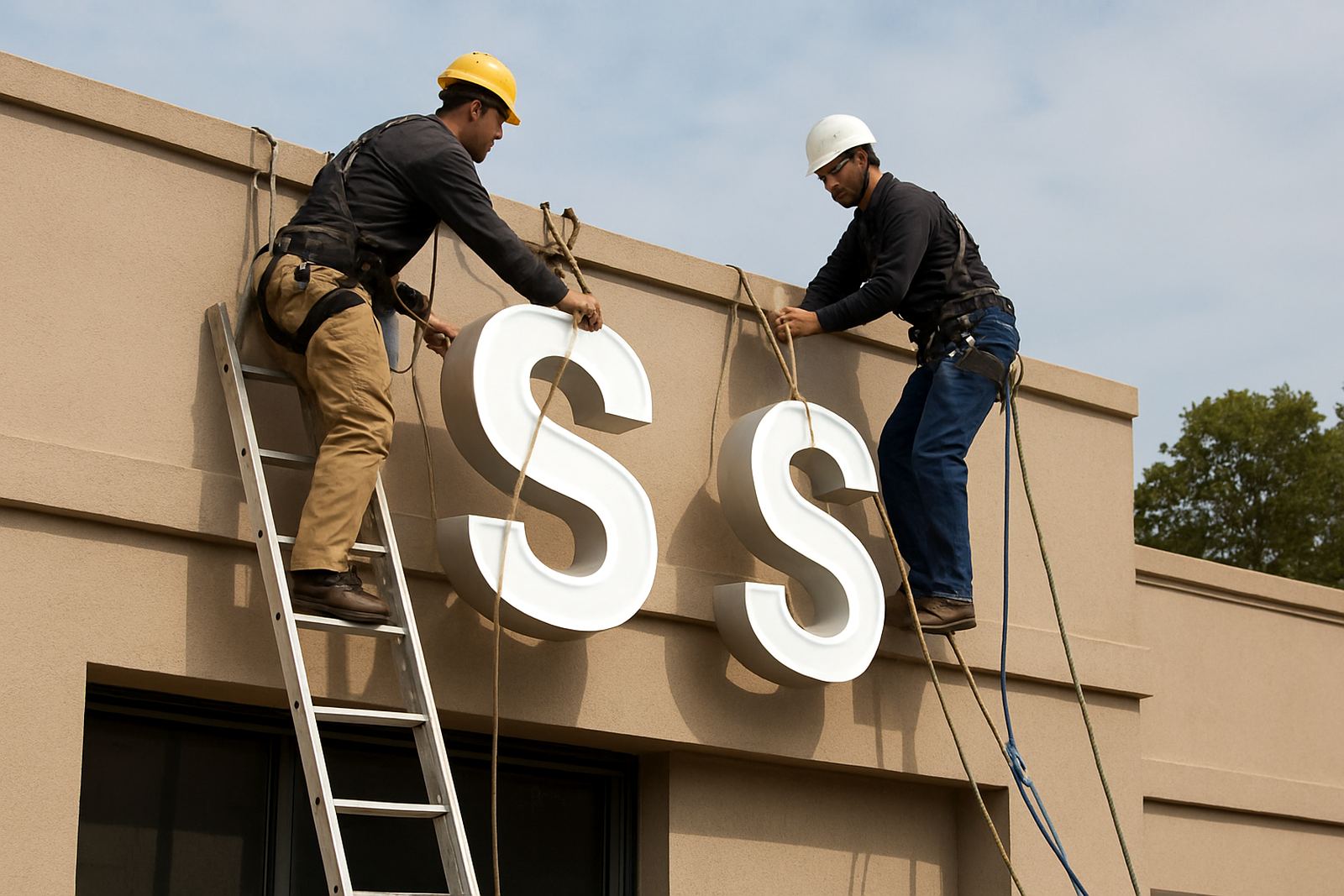
Our role is rigging only. We work for sign makers who have already designed and manufactured the logo, then need a crew to get it onto the building safely. That can mean small 600 mm logo marks over a shopfront, or larger 4 m to 8 m branded elements on upper facades. On taller sites in Sandton or the Cape Town CBD, we plan the access, coordinate the lift and make sure the fixings land where they should, not just where it is easiest.
- Front lit, halo lit or non-illuminated logo elements
- Single-piece panels or separate letters and icon marks
- Ground floor, mezzanine and upper facade positions
- Suitable for new developments and rebrands
Size ranges, materials and fixing options
There is no single standard size for facade logos, but most projects fall between 300 mm high for small detail marks and 1 200 mm plus for main identity pieces. Width can range from a few hundred millimetres for a compact logo to several metres for fascia spanning branding. The final size depends on viewing distance, wall width and how much clear space the facade gives you.
We commonly rig lightweight aluminium, acrylic-faced elements, flat cut letters, box sections, composite panels and framed logo assemblies. Fixing methods vary with the substrate and the sign shop's spec: stand-off mounts, chemical anchors, mechanical anchors, standoff rods or concealed brackets. If the face is tiled or has insulation, we check what is behind it before any hole is drilled. That saves a lot of trouble later, especially on coastal jobs where corrosion and water ingress can show up fast.
- Typical logo height: 300 mm to 1 200 mm
- Large facade identities: 1 500 mm to 4 000 mm or more
- Common substrates: cladding, masonry, concrete, glass surrounds and steel frames
- Fixings selected to suit wind load, surface type and access method
Where facade logos work best
Facade logos suit buildings where the brand needs to be visible before a customer reaches the door. They work well on corporate offices, showrooms, logistics depots, healthcare facilities, schools, hospitality venues and retail frontages. In places like Paarden Eiland, Bellville, Somerset West and the East Rand, we also see them used on industrial parks and trade counters where clear identification matters for deliveries and visitors.
These jobs are often about balance. The logo must be big enough to read from the road, but not so large that it fights the building lines or blocks windows, access doors or service panels. We help with site checks before the install so the sign maker can confirm the final positioning and the client does not end up moving a logo after it has gone up. On busy sites, that kind of change costs time, and time costs Rand.
- Office towers and business parks
- Retail entrances and shopping centres
- Warehouses, factories and trade counters
- Hospitality, education and healthcare buildings
How we install facade logos safely
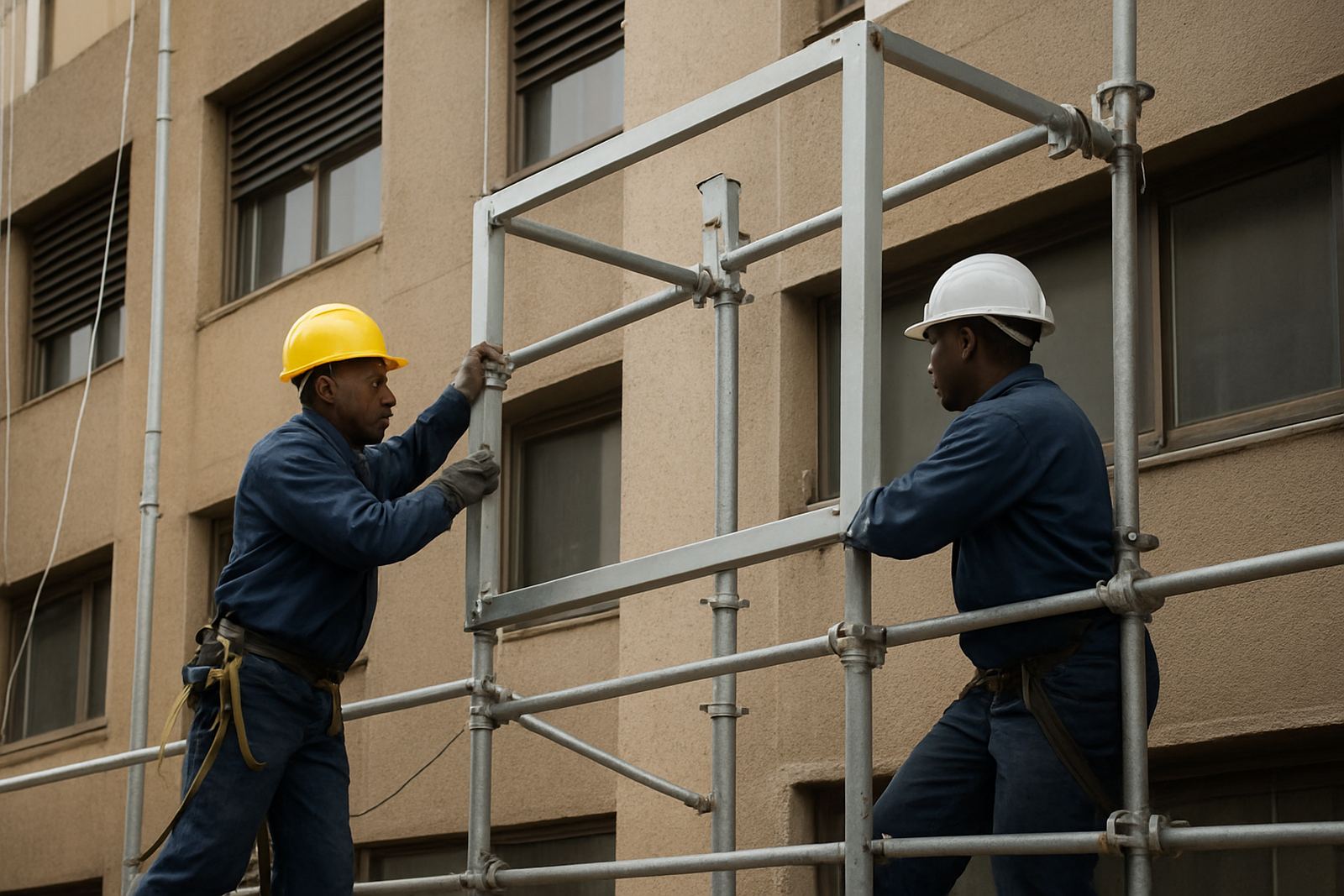
Installation starts with a site survey and access plan. We check the building height, surrounding traffic, overhead services, ground conditions and the likely lifting method. For lower facades we may use platform work or scaffold access. For higher or awkward positions, we plan a crane lift, truck-mounted access or another approved method depending on the site rules and municipal requirements.
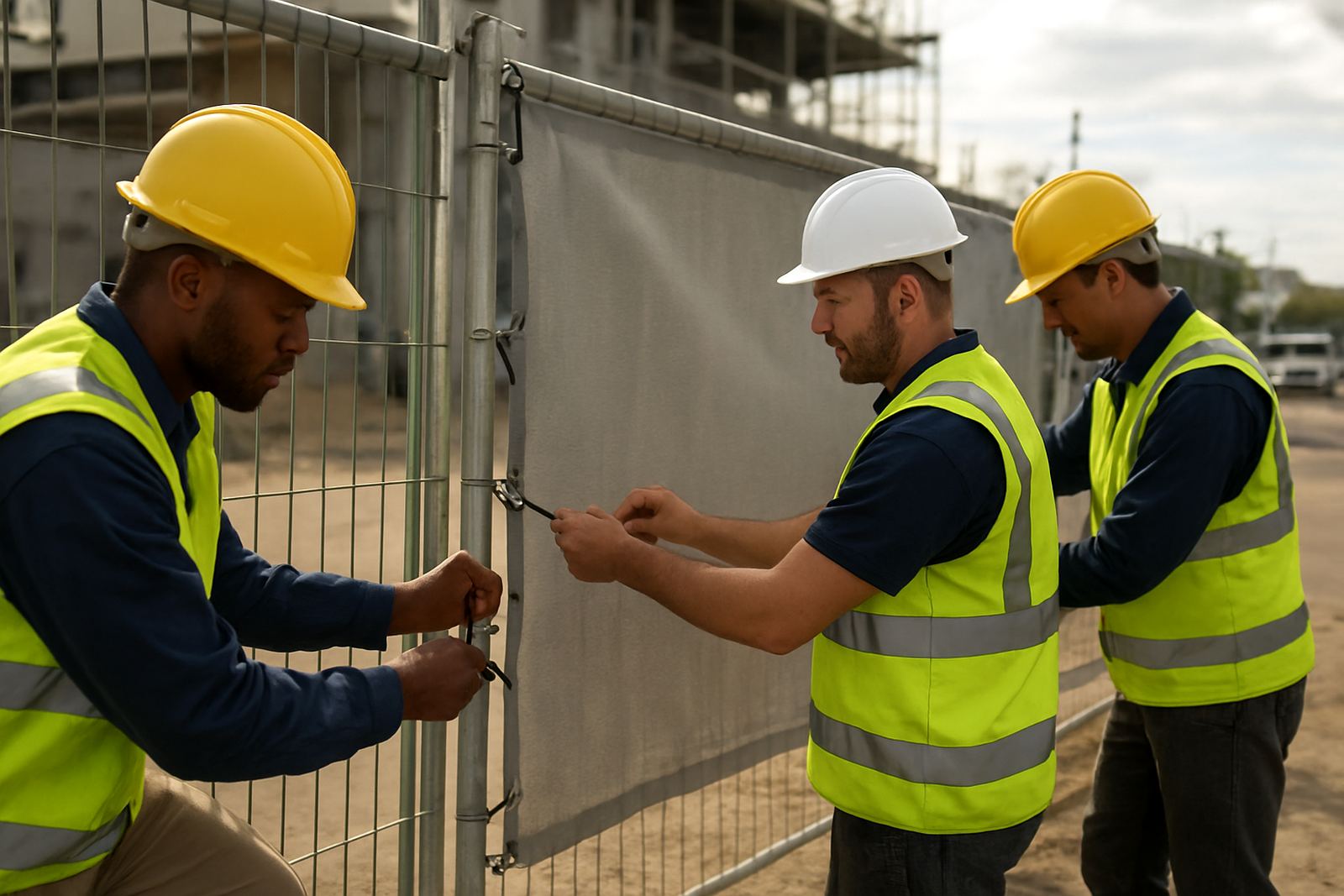
Our teams are scaffold trained, first-aid trained and used to working around live businesses, tenants and pedestrians. We can also organise lift planning when the logo is too heavy or the access point is too tight for a simple hand install. On coastal jobs in Cape Town, especially around the harbour side and exposed streets, we allow for wind and corrosion protection. In Gauteng, many jobs are affected by power interruptions, so if lighting needs testing we plan for that too. Safety is not a tick box, it is the job.
- Site survey and risk check before installation
- Access method matched to facade height and ground space
- Lift planning for larger or heavier logo sections
- Fixings torqued and checked after positioning
Power, lighting and any special site needs
Some facade logos are simple fixed signs with no power at all. Others include internal lighting, halo lighting or external feature lighting. If there is illumination involved, we need to know where the power point is, whether the supply is live, and if the client has a qualified electrician lined up for final connections where required. We do not alter electrical systems unless the job has been arranged that way by the sign maker and the site team.
For lit logos we also check for access to drivers, transformers or service panels. If the sign sits on a facade with limited maintenance space, we plan how it can be reached again later for lamp or module replacement. A sign that cannot be serviced properly becomes a problem later, so a bit of thought now avoids a scramble later. On some sites we recommend a small access allowance or removable panel so future work is simpler.
- Confirm whether the logo is lit or non-lit
- Check power source, switching point and maintenance access
- Allow for electrician attendance where required
- Plan for future lamp, module or driver replacement
Care, servicing and when to call us back
Facade logos collect dust, pollution and coastal salt over time. In Johannesburg, grime from traffic and dry weather can dull the finish. In Cape Town, windblown salt and moisture can affect fixings and seams. We carry out maintenance visits for sign makers who need a crew to resecure loosened elements, inspect brackets, replace damaged trims or remove a sign for refurbishment.
After installation, it is sensible to check the logo after the first strong wind, after heavy rain and again a few months later if the facade is exposed. Look for movement, water staining, loose caps, flickering lighting or a change in the alignment. If the sign has been hit by a truck, scaffold or construction debris, call for an inspection straight away. Small movement can turn into bigger damage if it is left alone too long.
- Routine checks after wind, rain and seasonal changes
- Cleaning with non-abrasive products only
- Inspection of fixings, lighting and sealant lines
- Call for prompt service if there is movement or damage
What to send when ordering a facade logo install
To quote and plan the work properly, we need the sign maker's drawings, final dimensions, approximate weight and a clear photo of the facade. If possible, include the substrate type, the install height, whether there is power on site, and any access limits such as restricted parking, security rules or loading bay times. That lets us send the right crew and gear first time.
The more detail you give, the fewer surprises on the day. A logo that looks simple on paper can become tricky if the wall is uneven, the glass surround is fragile or the route for access is narrow. We are happy to work from supplied specs, site photos and a marked-up elevation. If there is a lift involved, we will need timing, weight and reach details before the crew arrives.
- Final drawing with dimensions and fixing points
- Estimated weight and material list
- Facade photos and install height
- Site access notes, power notes and any permit requirements
Key facts
| Typical logo height | 300 mm to 1 200 mm, larger on request |
|---|---|
| Typical width | 600 mm to 4 000 mm plus |
| Fixing methods | Stand-offs, mechanical anchors, chemical anchors, concealed brackets |
| Access options | Scaffold, platform work, crane planning, truck-mounted access |
| Service area | Paarden Eiland, Bellville, Somerset West, Paarl, Johannesburg CBD, Sandton, Midrand, East Rand |
| Work type | Installation, removal, servicing and maintenance for sign makers only |