

Drive-thru boards built for quick reads and tight turning lanes
Drive-thru boards are the signs customers use while moving slowly past a service point, so the message has to be visible at a glance. That usually means a mix of menu panels, speaker housings, order point signs, lane direction boards and height markers, all positioned so vehicles can stop, read and move on without confusion. We handle the rigging side only, so sign makers can focus on the design, print and client brief while our crew gets the structure into place.
These installations are common at quick-service restaurants, fuel station food stops, coffee lanes, pharmacy collection points and retail collection bays. In Cape Town, salt air near Paarden Eiland or Somerset West can affect fixings and finishes faster than inland sites, so we check fasteners, brackets and housing condition before and after install. In Johannesburg and the East Rand, dust, vibration and heavy traffic exposure can loosen fixings over time, especially on busy arterials and sites with night trading.
Sizes, layouts and mounting options
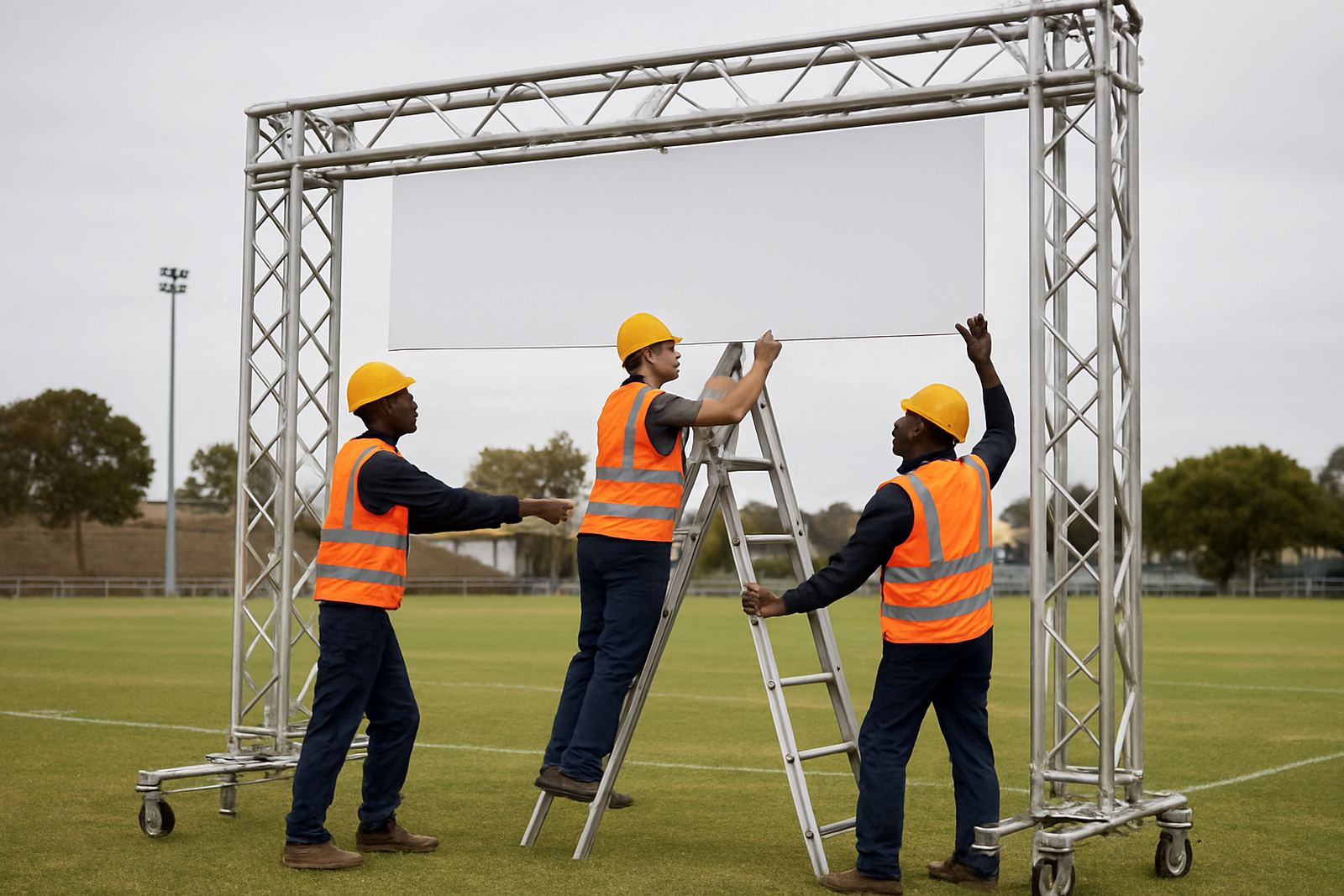
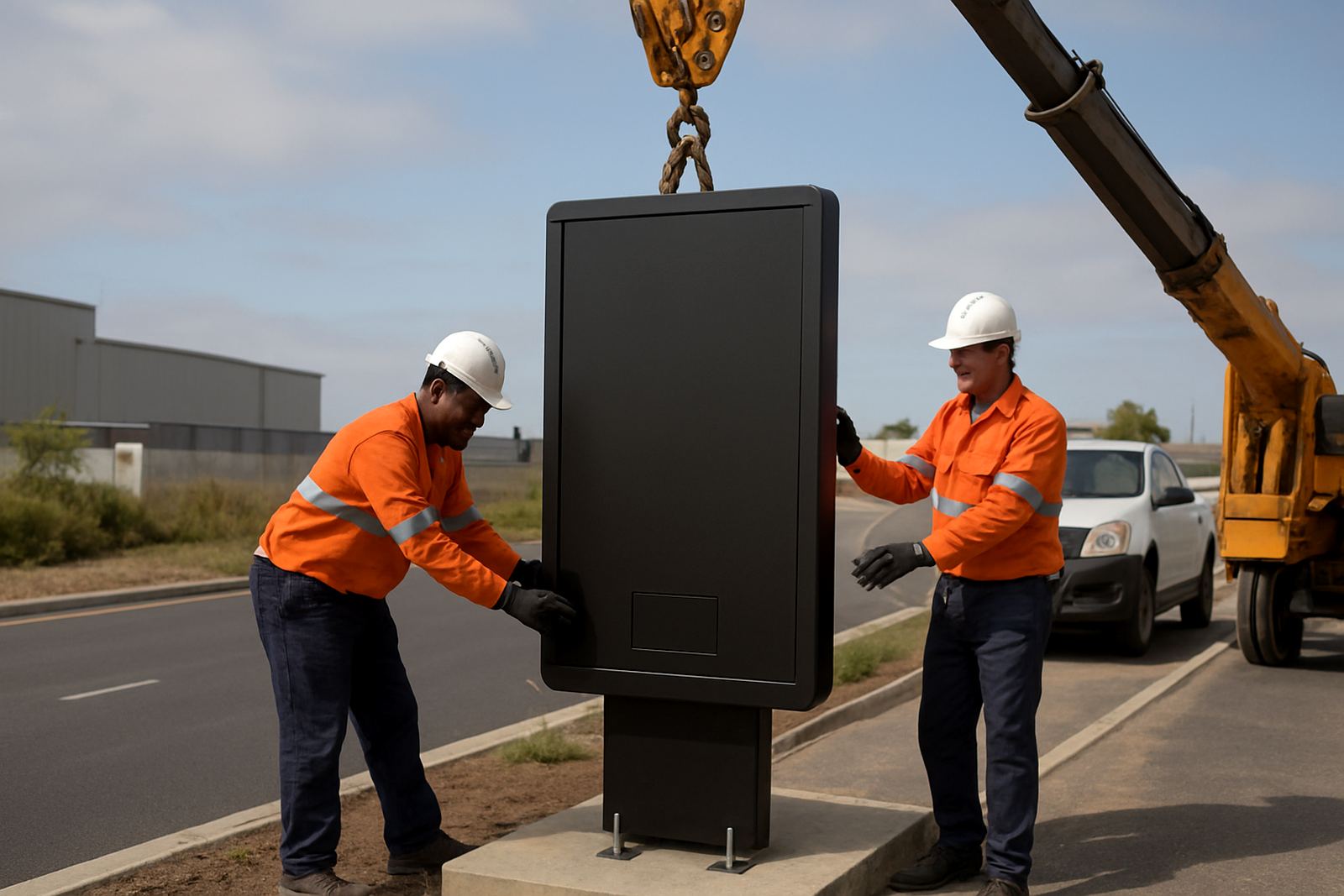
Drive-thru boards are not one standard size. The right format depends on lane width, stopping distance, vehicle height and how much information must be shown at once. We work with freestanding posts, wall mounted frames, overhead lane arms and gantry type supports where access and site layout allow it. If the site has a tight driveway or a cornered approach, we plan the board angle carefully so drivers see the menu without leaning or turning too early.
- Single panel menu boards for compact sites
- Multi-panel menu boards with changeable sections
- Speaker surrounds and order point housings
- Lane direction signs and entry or exit markers
- Height clearance signs for low canopies and tight bays
- Illuminated or non-illuminated board frames
Typical face sizes range from about 600 x 900 mm for smaller lane signs up to 1200 x 2400 mm or more for main menu boards. Larger custom assemblies can be built for stacked menu panels, pricing strips and brand headers. We also assist with sign relocations when a lane is altered during a store refurb or site expansion.
Where drive-thru boards suit best
Drive-thru boards suit sites that need controlled traffic flow and repeatable customer stopping points. They work well where vehicles queue in a single lane, split into two ordering points or pass through a narrow service corridor with clear signage from the entrance to the collection window. The boards must be set at the right height and angle, otherwise drivers can miss the menu, clip the base or stop too far back.
We are often called to sites in Bellville, Paarl, Sandton, Midrand and Johannesburg CBD where access around the board has to stay open for deliveries and trade. On some municipal sites a permit or approval may be needed for scaffolding, platform work or any lift positioned near public walkways. We plan for that early, because a missed approval can hold up the whole job and cost the client time on site.
- Fast-food drive-thrus
- Forecourt food and coffee lanes
- Pharmacy and collection bays
- Retail click-and-collect lanes
- Hospitality and school tuckshop service points
Installation work, power supply and access planning
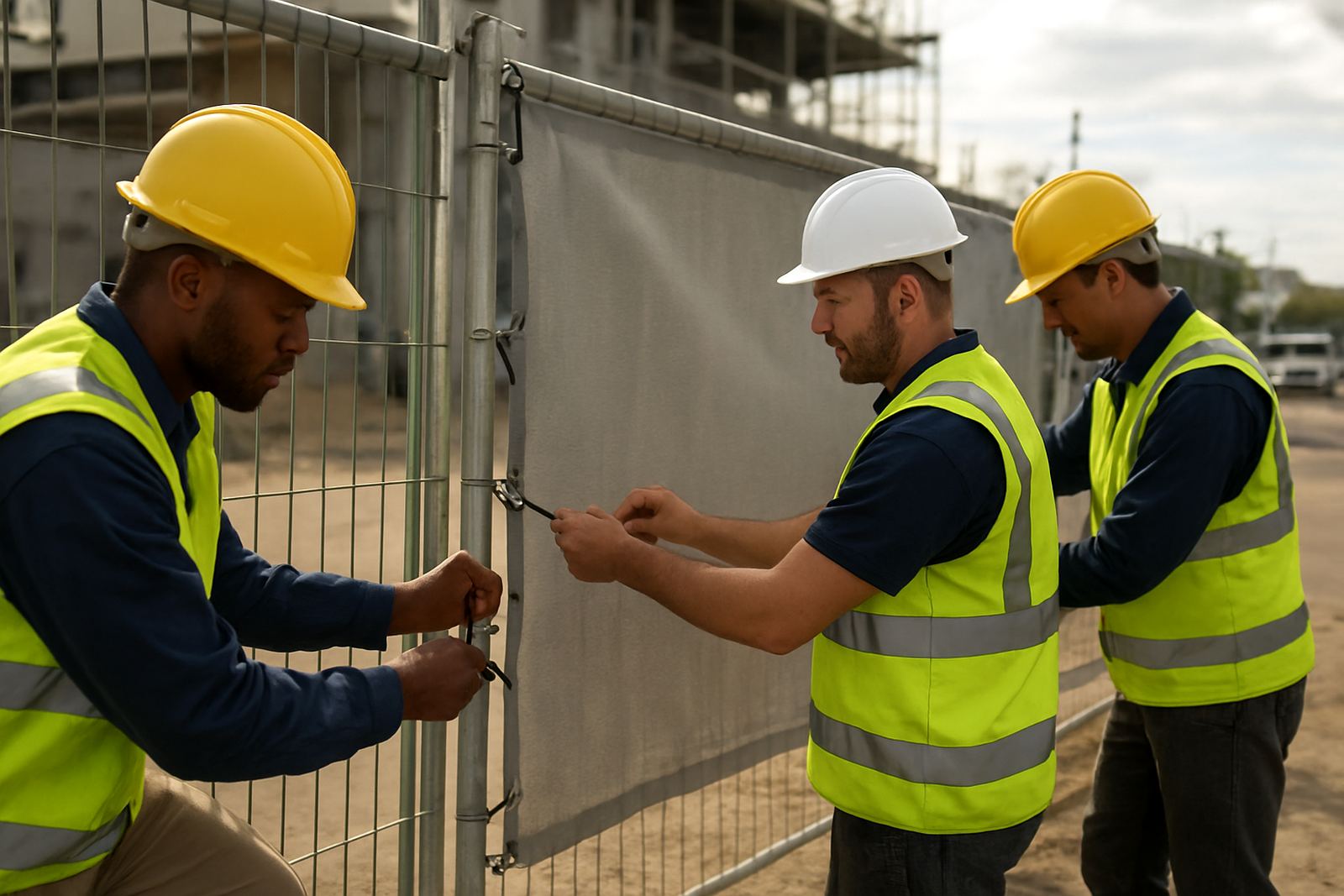
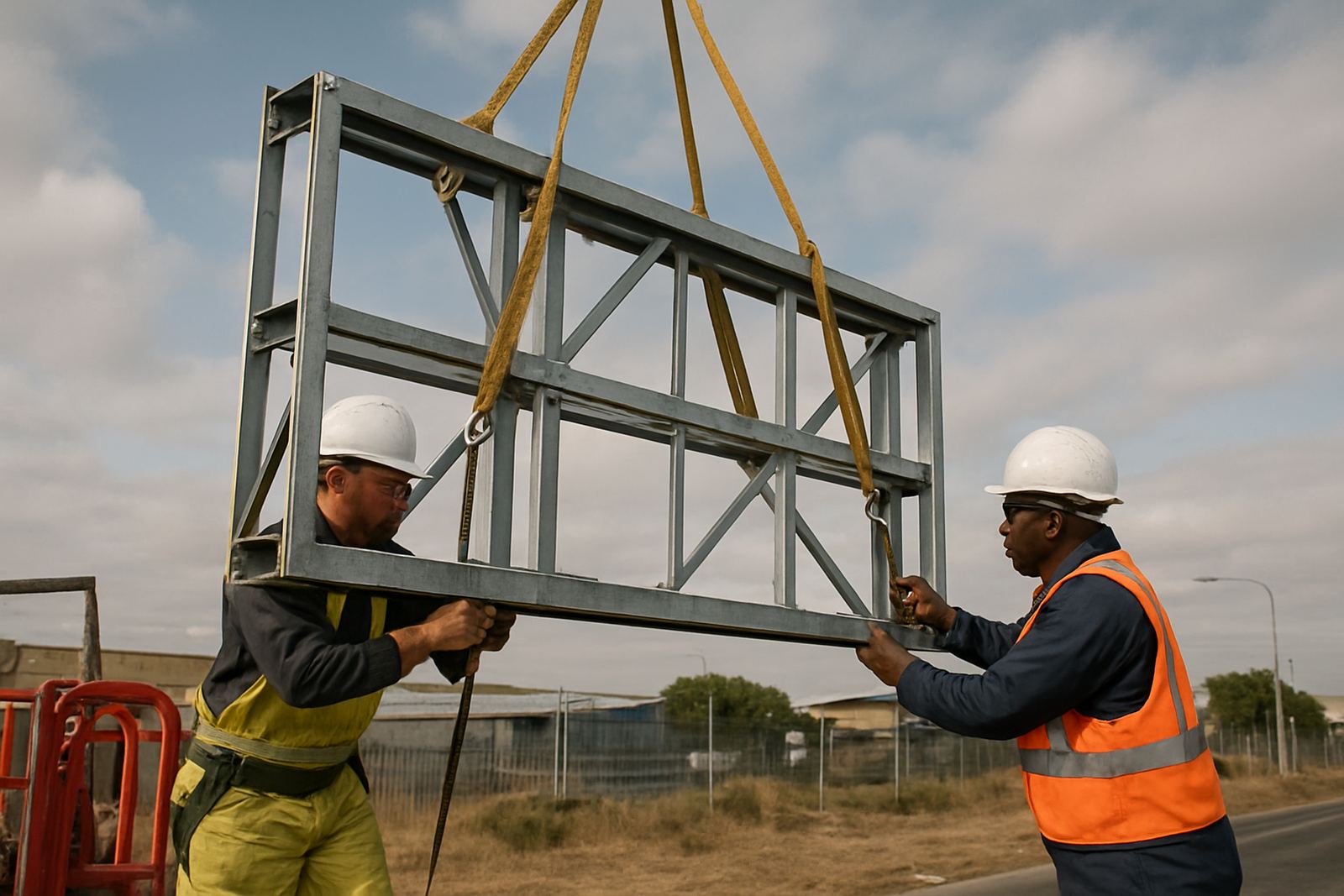
We install drive-thru boards with the right access method for the height, reach and site conditions. That may mean scaffold access, a platform, a small lift or a planned hand install from ground level where the structure allows it. Before any work starts we assess the base, anchor points, wind exposure and the traffic path around the lane so the crew can work safely without blocking the site longer than needed.
For illuminated boards, lighting access and power feeds need to be confirmed before install day. The sign maker or site contractor should confirm whether mains power is available, where the isolator sits, and whether the lighting is low voltage or standard line voltage. If the board includes speaker equipment or service hardware, those feeds must be routed neatly and kept clear of moving parts and water run-off. We do not handle gas plumbing, but where a site has heating or cooking equipment nearby, we account for heat, moisture and service clearances when planning the sign position. That matters on coastal sites where salt and humidity can shorten the life of exposed fittings.
Servicing, cleaning and wear checks
Drive-thru boards take regular punishment from weather, vehicle exhaust, dust and the occasional knock from a high roofline or delivery vehicle. We offer maintenance visits, emergency callouts and sign servicing for boards that have shifted, faded, lost a lamp or picked up damage after a storm. On older installs, we check for loose fixings, cracked housings, rust stains, failed seals and peeling vinyl so the sign maker can advise the client on repairs or replacement parts.
Care is straightforward if it is done on a schedule. Keep the faces clean, check that the order point is still aligned and make sure any illumination is working across all sections. In load-shedding areas, backup lighting and control gear should be checked as part of the maintenance round, especially if the client expects late trading. A board that is dim or partly out makes ordering slower and can frustrate drivers quickly.
- Wipe faces with a soft cloth and mild cleaner
- Inspect brackets after strong wind or heavy rain
- Test lights, timers and isolators regularly
- Check for water ingress around seams and housings
- Book a service if the board moves or rattles
What to check before you place the order
Before ordering a drive-thru board, it helps to confirm the site measurements, traffic direction and fixing method. We always ask for the finished board size, mounting height, whether the unit is wall mounted or free standing, and how much clear space is available for lifts or scaffold. If the site has a slope or tight turning radius, say so early. That can change the angle of the frame and the position of the speaker surround.
It also helps to know whether the board must be lit, whether there is a conduit path ready, and whether the site will stay open while work happens. For busy trading sites in Paarden Eiland or the Johannesburg CBD, we often plan early morning or after-hours access to avoid disrupting vehicles and customers. The more detail we get up front, the cleaner the install.
- Finished artwork size and panel count
- Mounting method and structural details
- Exact site address and access restrictions
- Power availability and lighting requirements
- Any municipal or landlord approval needed
- Desired install window and trading hours
Cape Town and Johannesburg crews for sign makers
Sign Riggers has been working since 2008, with crews based in Paarden Eiland and Johannesburg for work across the Western Cape and Gauteng. Gareth van der Merwe oversees the business with Thandi Mokoena coordinating operations, Liam Jacobs supervising rigging crews, Sibusiso Dlamini handling safety, Ayesha Daniels managing client liaison and Pieter Coetzee leading fleet and access planning. Our role is straightforward: install, remove and service signs safely, on schedule and without stepping into the sign shop's client relationship.
For drive-thru boards, that means practical planning, proper access equipment and a crew that knows how to work around trading hours, weather and site constraints. If the board has to go up in Bellville, come down in Midrand or be serviced on a windy coastal site, we plan the job to fit the place and the work that needs doing.
Key facts
| Product type | Drive-thru boards for menu, speaker and lane signage |
|---|---|
| Typical face sizes | 600 x 900 mm to 1200 x 2400 mm and custom larger formats |
| Mounting methods | Wall mounted, freestanding posts, overhead arms and gantry style supports |
| Access methods | Ground install, scaffold access, platform work and lift planning |
| Power needs | Mains or low voltage feed where illumination is included, with isolator confirmation required |
| Service coverage | Cape Town, Western Cape, Johannesburg and Gauteng |