

Why fit-out contractors bring in a rigging crew
On a fit-out job, the sign work is often one of the last items to go in, but it can slow everything down if the access plan is weak or the ceiling coordination is not right. That is where our team fits in. We install, remove and service signs for sign makers and fit-out contractors, with the right access gear, lift planning and safety paperwork for occupied buildings, malls and corporate floors.
In Cape Town we are often working in Paarden Eiland, Bellville, Somerset West and Paarl, where deliveries, loading bays and after-hours access need careful timing. In Johannesburg, the same applies in the CBD, Sandton, Midrand and the East Rand, where lift bookings, tenant rules and busy service corridors can make a simple job run late if it is not planned properly. We help keep the schedule tight without stepping into the sign shop’s role or the fit-out contractor’s management of the overall project.
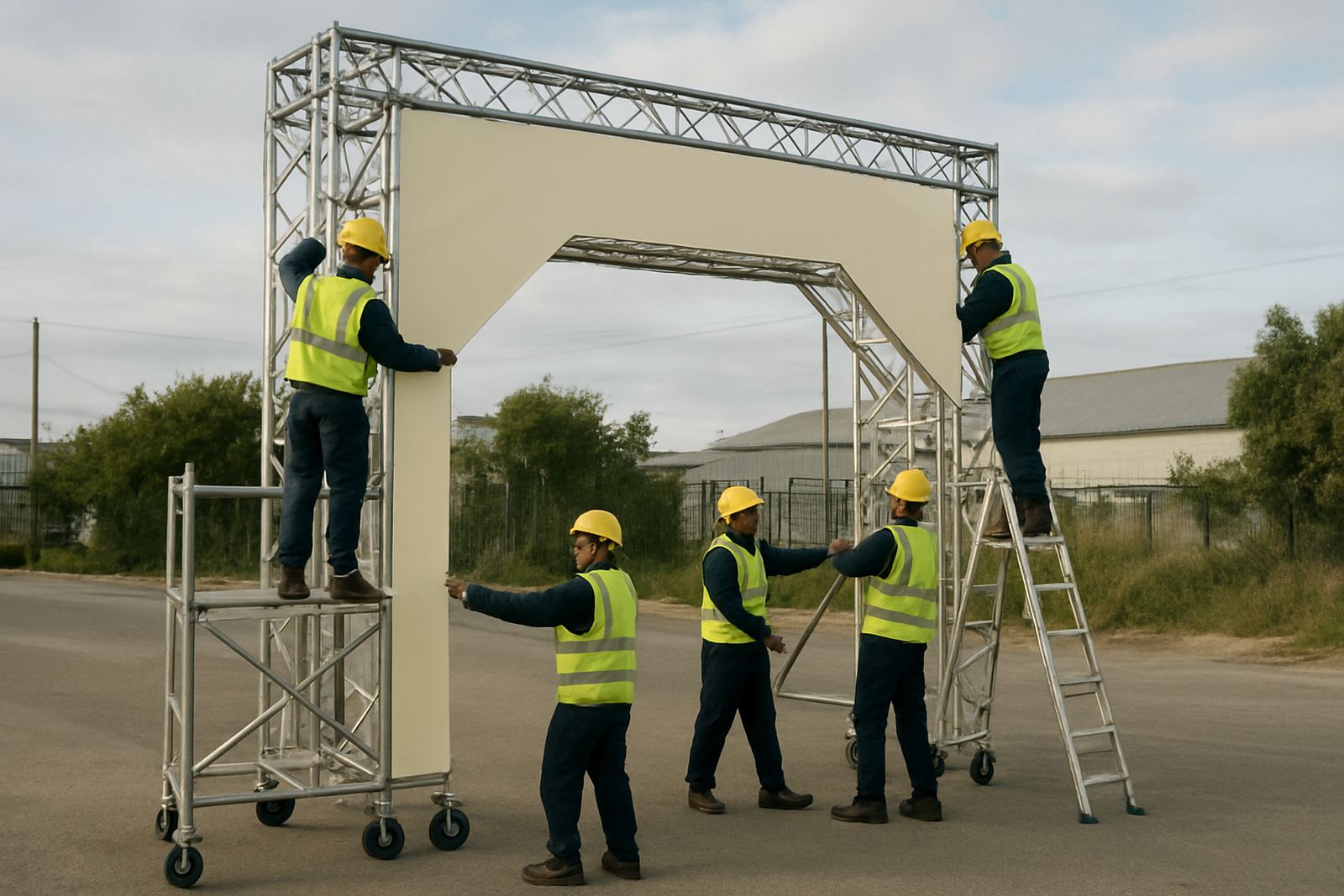
Typical jobs include suspended directional signs, logo blades, wall-mounted branding, illuminated features and wayfinding elements that need to sit straight and safe in a new space. If the site is still being handed over, we can stage the work around ceiling close-up, final cleaning and access restrictions so you do not end up with last-minute rework.
What we bring to a fit-out site
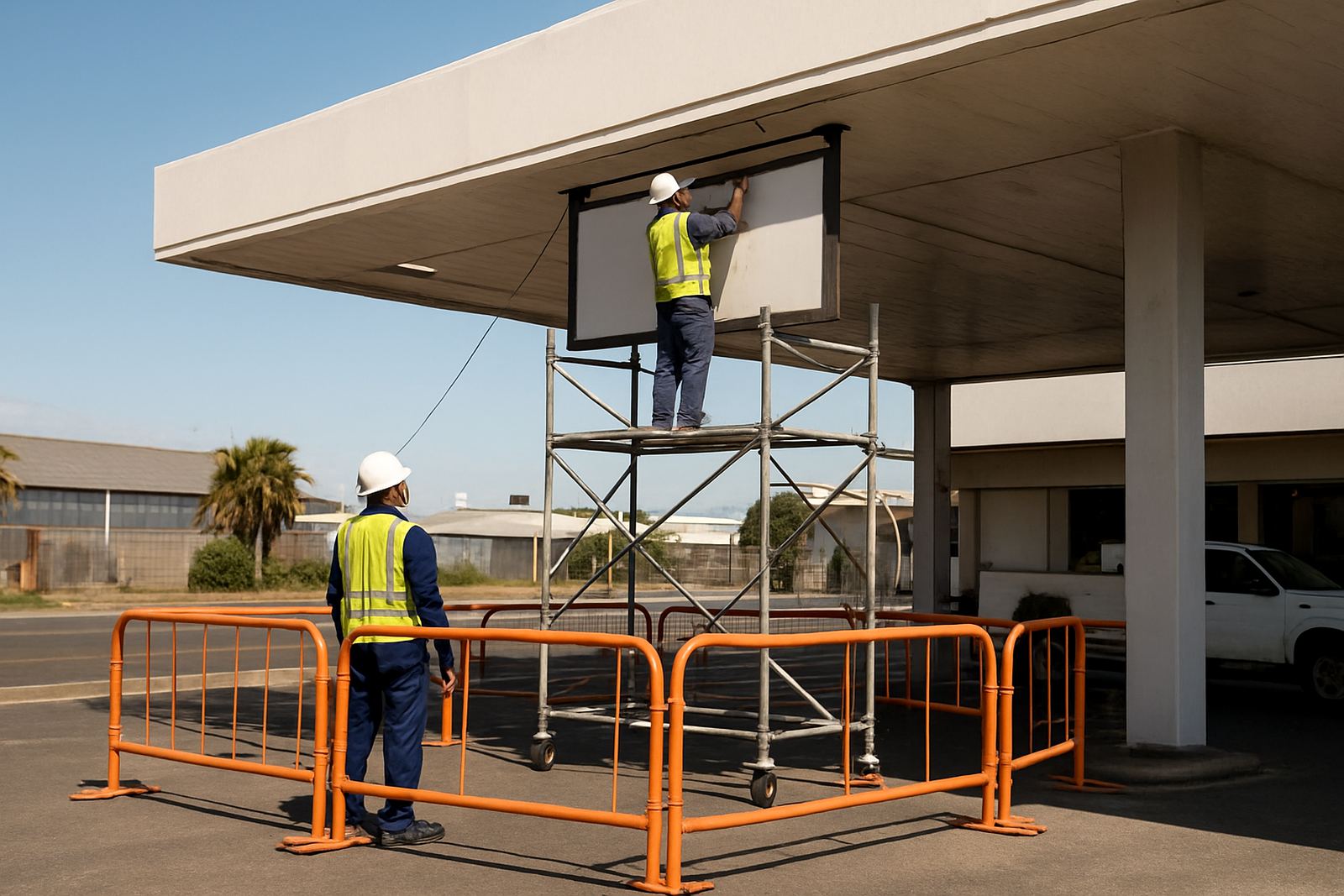
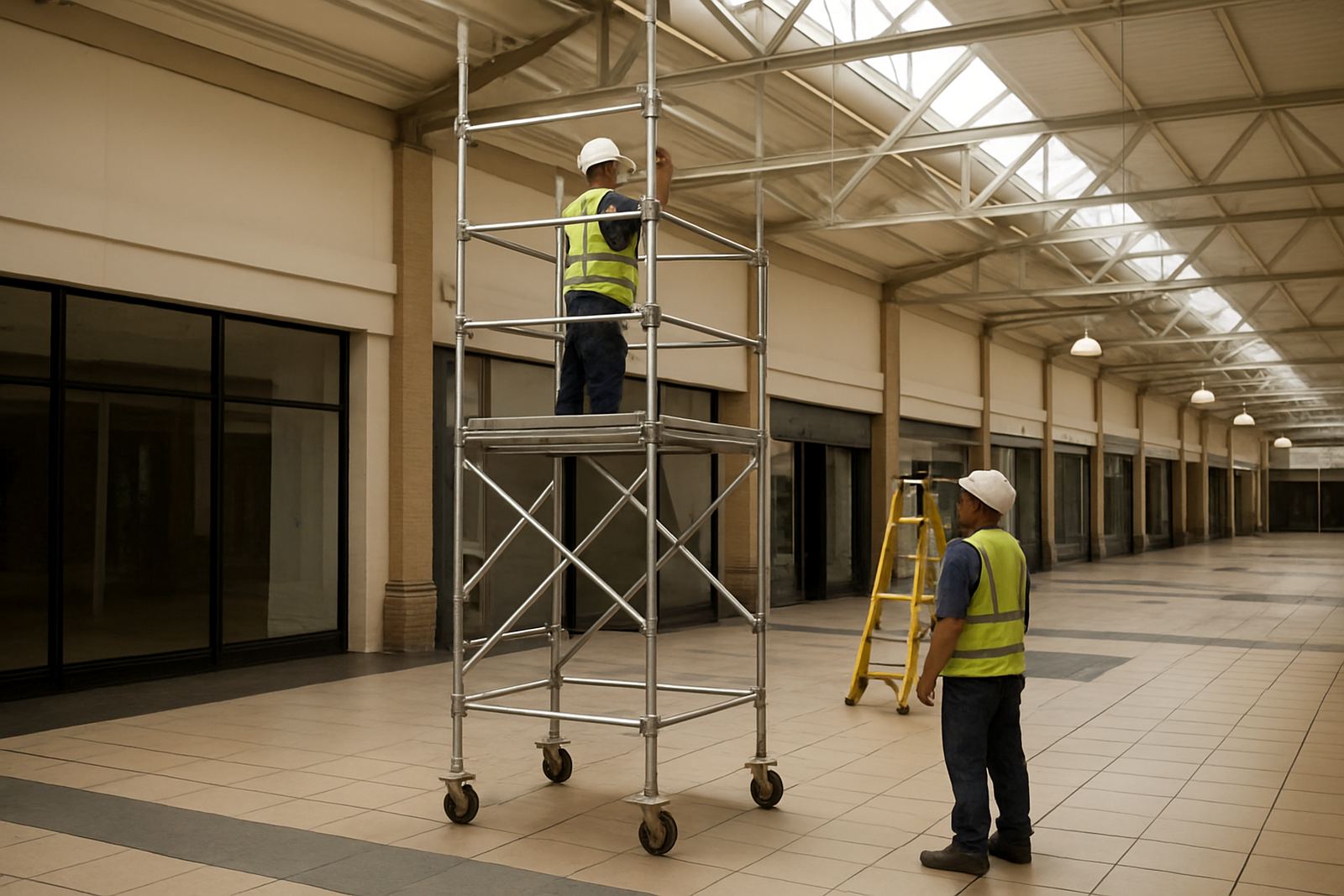
Every project starts with the access method. Some interiors need a small platform, others need scaffold access or a planned lift. On high atriums or double-volume reception areas, the right choice saves both time and money, especially where the floor finish is still vulnerable. Our crews are scaffold trained, first-aid trained and used to working around other contractors on active sites.
- Sign installation for suspended, wall-mounted and feature branding elements
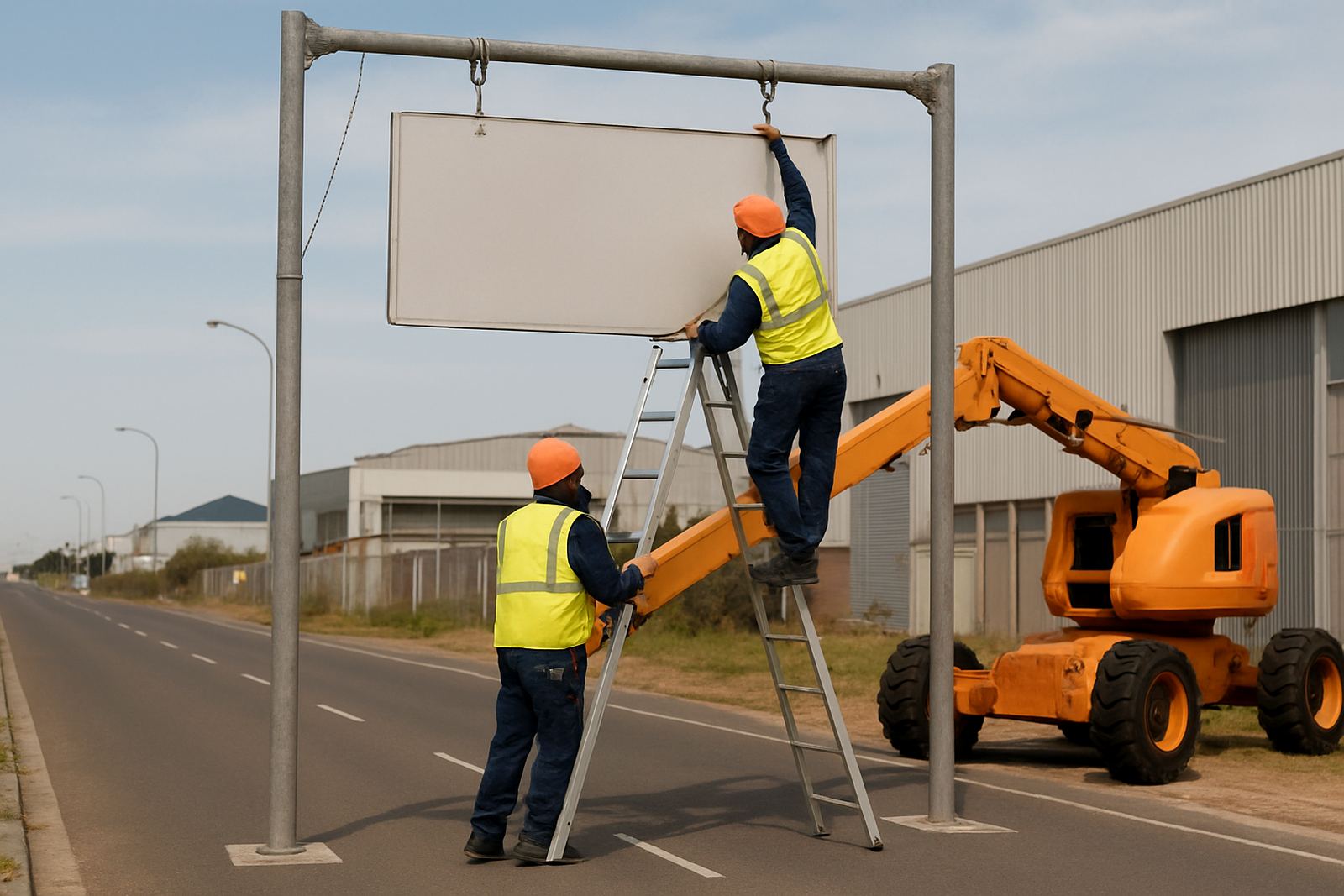
- Sign removal and sign relocations during tenant changes or refurbishments
- Lighting access for servicing illuminated signs and related fittings
- Site surveys and lift planning before the installation date
- Scaffold access, platform work and controlled working at height
- Maintenance visits and emergency callouts for damage or faults
We also work with the practical side of the job, like checking fixings, reach distances and how the sign will be serviced later. If a light box is tucked above a reception feature with no safe access plan, somebody will struggle when the lamps or drivers need attention. It is better to sort that on the first visit than to return with extra labour and disrupted tenants later.
Planning the layout before the ceiling is closed
Most fit-out issues around signs start long before installation day. If the ceiling is closed too early, or the final sign positions are not marked against the actual set-out, you can end up drilling twice, shifting centre lines or fighting with concealed services. We advise fit-out teams to lock in sign locations early, even if the graphics are still being signed off.
A clean handover starts with a proper site survey. We look at ceiling heights, access points, anchor positions, lift size, loading options and whether there is enough clearance for the sign shape once it is in place. In older buildings in the Johannesburg CBD or coastal sites in Cape Town, corrosion, uneven slabs and moisture can affect fixings and the type of hardware used. Near the coast, stainless fixings and sensible protection matter more than people often think.
For larger interiors, the layout should also consider maintenance. A sign that looks neat on opening day but cannot be reached safely six months later is a future problem. We help fit-out contractors and sign makers choose positions that can be installed and serviced without disrupting the tenant every time a light fails or a panel needs replacement.
Common mistakes that cost time and Rand
Fit-out programmes are tight, so the same errors keep showing up. The biggest one is leaving sign rigging until the last week, then discovering that the access method needs permits, a different lift, or after-hours work. Another common mistake is assuming a ceiling void or wall structure will take the load without checking it first. That can turn a small install into a delay and a call-back.
- No early site survey, so measurements do not match the final build
- Wrong access gear booked for the height or floor condition
- Sign positions set without checking services, sprinklers or ceiling grids
- No plan for future maintenance or lamp changes
- Allowing the sign scope to drift into the fit-out contractor’s other trades
We keep the scope clear. The sign shop handles the sign fabrication and client design decisions, while we handle the rigging, access and installation side. That way there is no confusion on site about who is responsible for the lift, the scaffold, the final fixing or the safe removal of an old sign before the new one goes up.
Budget ranges for interior sign rigging
Interior sign rigging budgets depend on access, height, site controls and whether the work is a simple wall mount or a suspended piece over a busy public area. For smaller fit-out jobs, a straightforward sign installation might start from around R2,500 to R6,000, depending on access and time on site. If the job needs a platform, scaffold or out-of-hours labour, the cost can move into the R7,500 to R18,000 range fairly quickly.
More complex work, such as high-level feature branding, multiple directory signs or several returns to a site for phased tenant handover, can sit higher still. Emergency callouts, weekend access or work in sites with strict induction requirements also affect the final cost. In practice, it is usually cheaper to plan properly than to rush a second visit after the ceiling is closed or the tenant has moved in.
We are happy to quote from drawings, photos and a short site brief, but a proper survey is the safest way to keep the budget honest. On a good project, the sign is installed once, the finish is clean and the client does not pay for unnecessary revisits.
How we support sign makers on fit-out programmes
We are not here to compete with the sign shop. Our role is to support the sign maker and the fit-out contractor by getting the physical install done safely and on time. That includes removals during refurbishments, relocations when a tenant layout changes, and servicing when a finished space needs attention after opening.
Our team in Paarden Eiland and Johannesburg can handle jobs across the Western Cape and Gauteng, including recurring work for contractors who need a reliable crew on call. Gareth van der Merwe leads the business, with Thandi Mokoena coordinating operations, Liam Jacobs supervising rigging, Sibusiso Dlamini on safety, Ayesha Daniels managing client communication, and Pieter Coetzee handling fleet and access planning. That structure matters on busy sites, because the person who books the job is not the same person climbing the ladder.
For fit-out contractors, that means less chasing, fewer surprises and a cleaner handover. If you have a new interior, a tenant change or a branded reception that needs rigging, we can help keep the sign side of the programme moving without adding noise to the rest of the project.