

Start with the sign, not the ladder
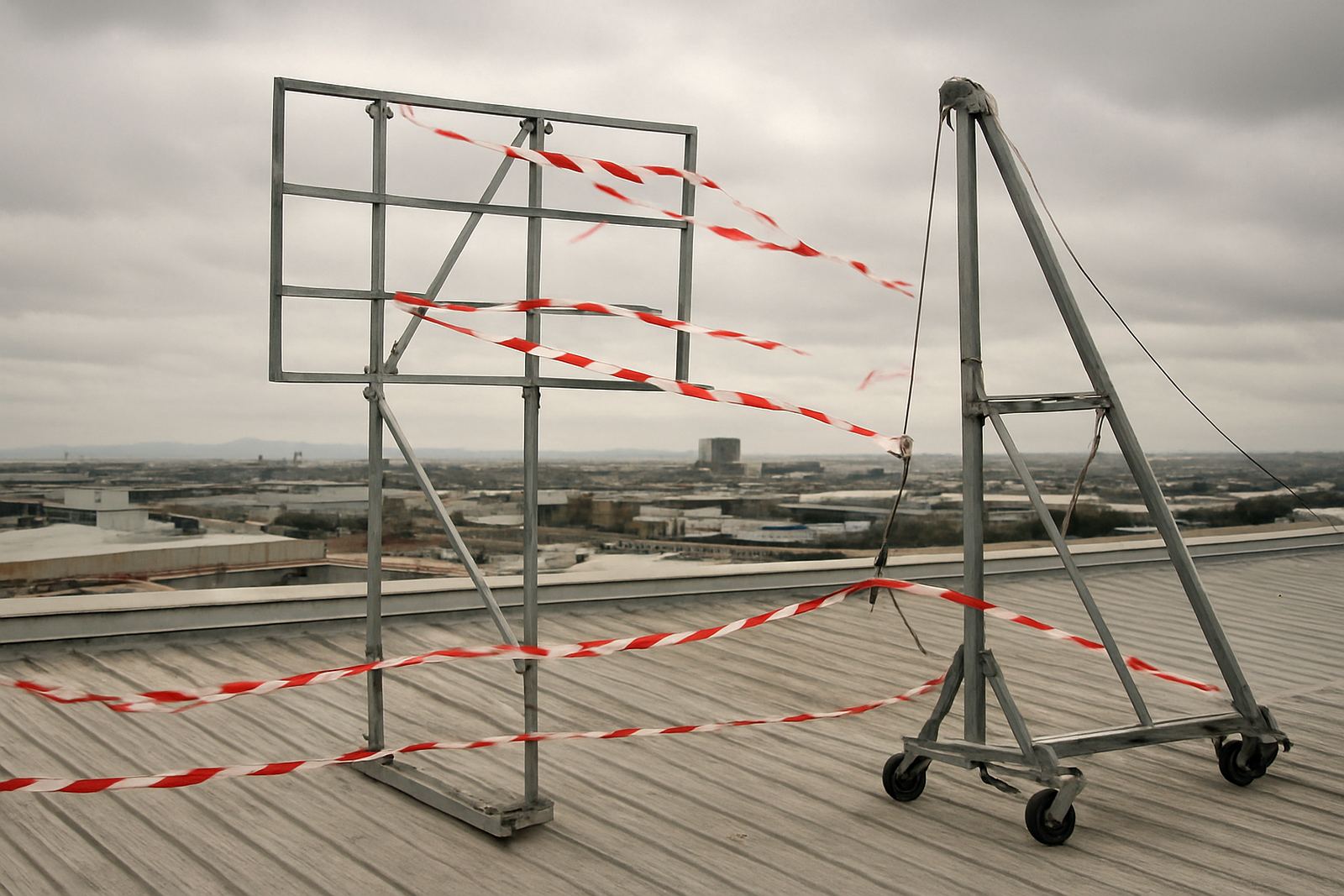
In sign rigging, the access method should match the work at hand. A small fascia panel on a single storey shopfront in Bellville is a very different job from a 6 metre pylon repair in Sandton or a billboard face change along the N2 corridor. The size, weight, height and fixing points all matter, along with the condition of the building and the space around it.
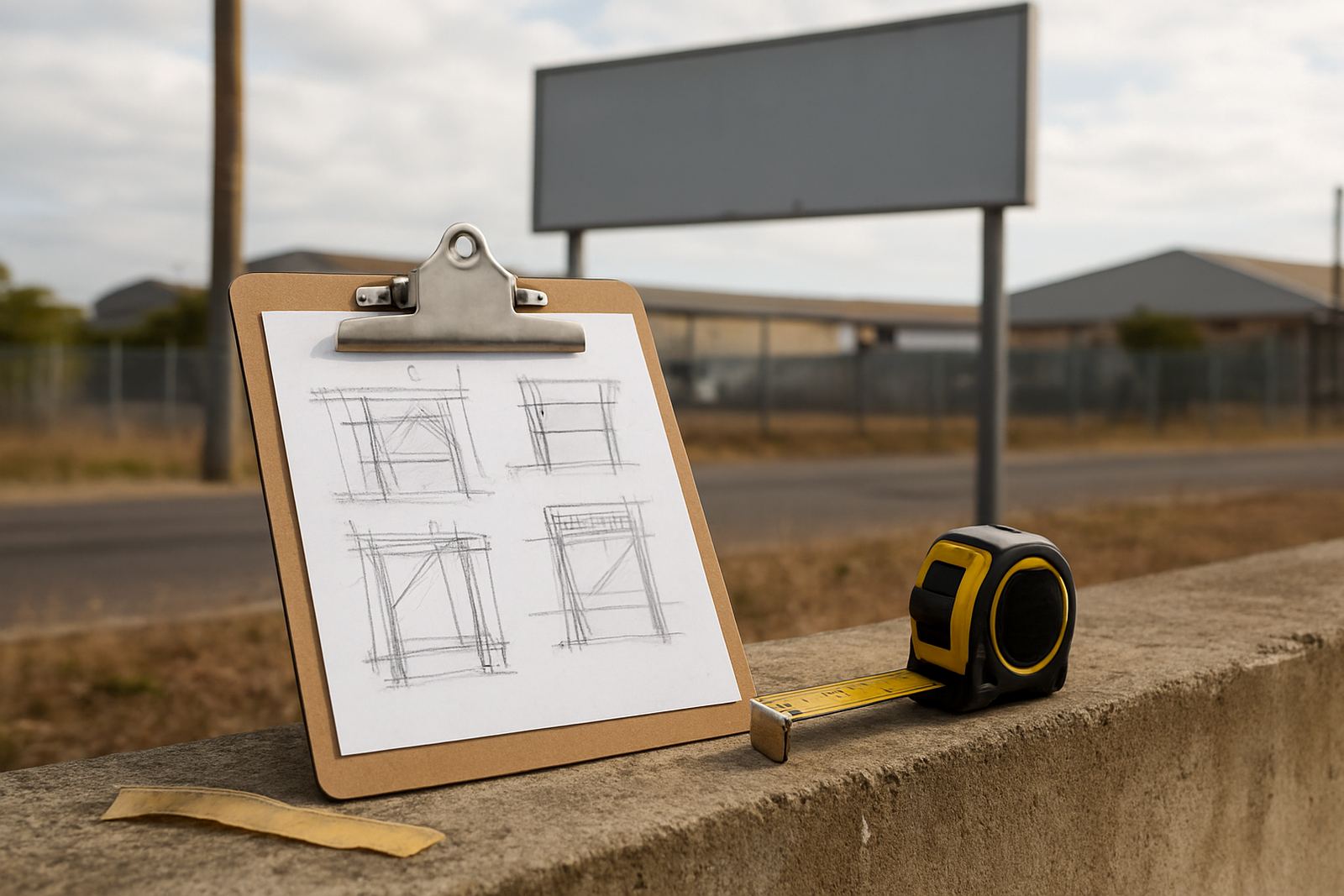
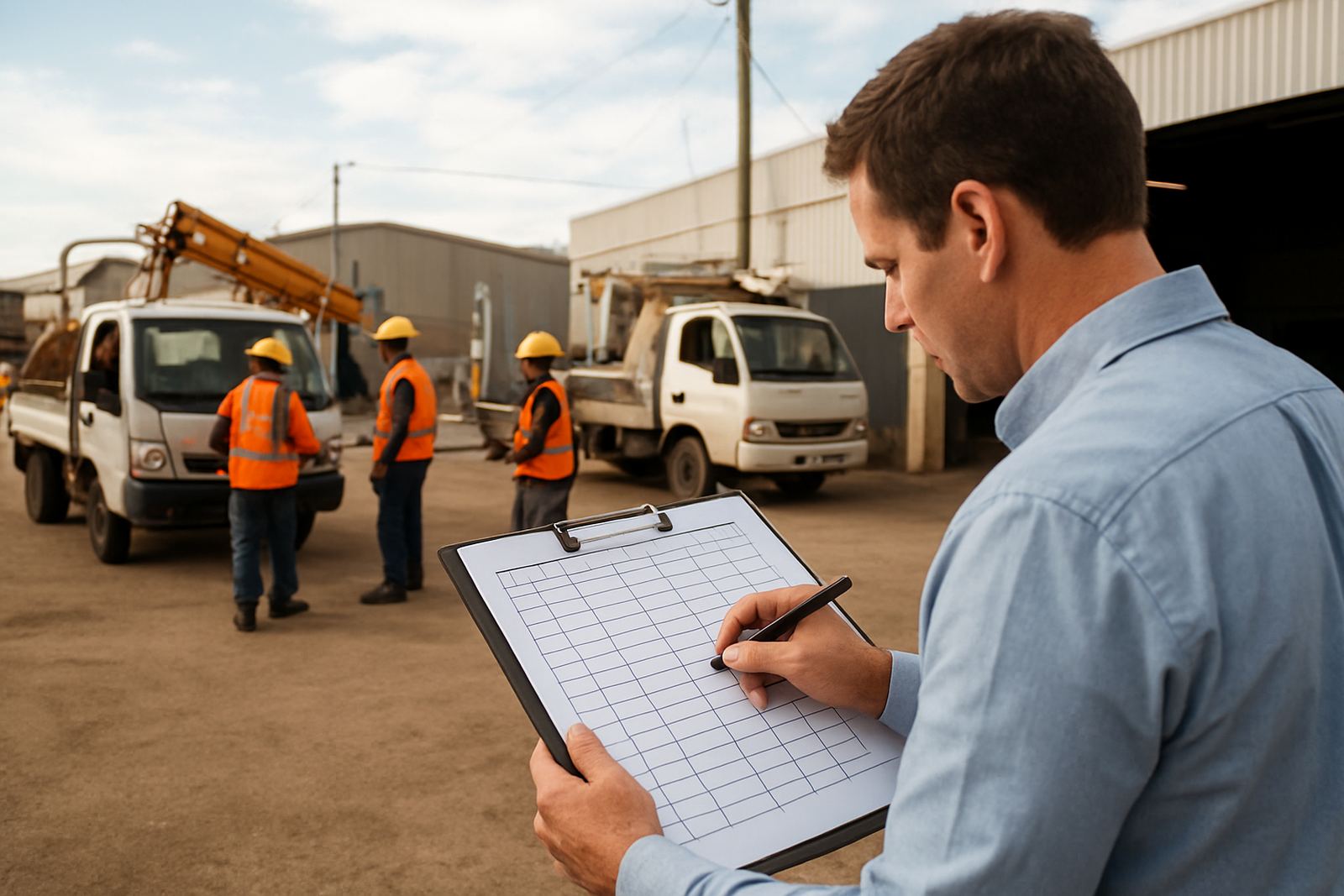
Before anyone reaches for a ladder, the crew should look at the sign type, the surface it is fixed to, and the ground below. Is there a pedestrian flow, parked vehicles, trees, power lines or a tight loading bay? Is the building older and brittle in parts, or is there enough hard standing for a platform? A proper site survey saves trouble later and often changes the whole plan.
When ladders still make sense
Ladders are useful for light, short duration work where the height is limited and the reach is safe. Think of replacing a small internal light box component, checking a cable entry point, or doing a quick visual inspection on a low mounted sign. In the right setting, ladders can be fast and cost effective. In the wrong setting, they become a risk very quickly.
They are best used where the surface is level, the footing is firm, and the task does not need heavy tools or two hands free for long periods. On windy days in coastal areas like Paarden Eiland or Somerset West, even a simple ladder job can become awkward because gusts push the crew and the sign face. For that reason, ladder work is often limited to the smaller, lower risk jobs, not the bigger installs or removals.
- Short duration inspections on low level signs
- Minor servicing where tools and parts are light
- Access inside shopfronts or enclosed yards
- Quick checks after a load-shedding related lighting issue
Why scaffold helps on bigger or slower jobs
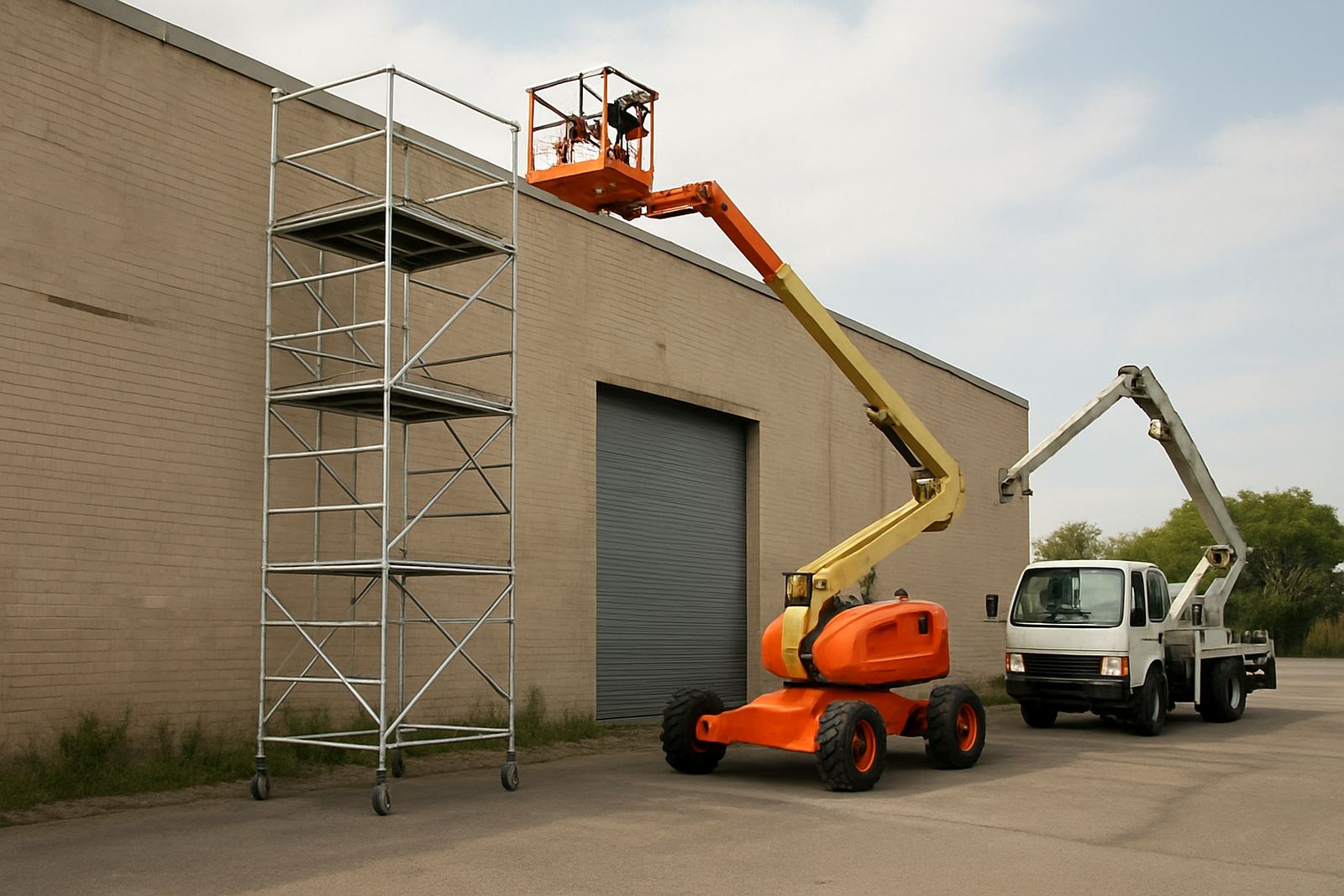
Scaffold is often the better choice when the work takes longer, needs two or more people, or involves repeated movement across the sign face. It gives a stable platform for installation, removal and servicing, especially where the team needs to work carefully around multiple fixings, cables or lighting components. For sign shops that want a clean result and a tidy site, scaffold can be the sensible option.
It is also useful where access is awkward and a vehicle platform cannot get close enough. In parts of Paarl or the Johannesburg CBD, narrow streets, high foot traffic and limited parking can rule out some mobile access options. Scaffold allows the crew to build a safe working area that suits the building, though it does take more setup time and must be planned around municipal rules, pavements and public access. If the ground is uneven or the façade is fragile, extra checks are needed before any tubes go up.
There is a trade off, of course. Scaffold needs space, time and proper control. But when the job is a detailed sign removal or a full face replacement, it can be the safer and neater way to work, and that matters to the client standing below. It also helps when the weather turns mid-job and the team needs a stable place to pause and secure the site.
Mobile platforms for height, reach and speed
Mobile platforms are often the first choice for higher level signs, rooftop work and jobs that need a quick set up. They allow the crew to move into position, gain height, and complete the task without erecting a full scaffold. For sign installation in Midrand or maintenance visits in Sandton, that mobility can save time and reduce disruption for nearby tenants or shoppers.
They are especially useful for sign servicing where the access point changes slightly from one visit to the next. A platform can reach over landscaping, awnings or loading docks where a ladder would be too limited. On industrial sites in the East Rand, they are also practical for regular maintenance visits, because the crew can get in, work efficiently and clear the area before production or deliveries are affected.
- Good for higher elevations and awkward reach points
- Useful where the job must be finished quickly
- Helps reduce repeated climbing and manual handling
- Better control for lighting access and sign relocations
What the weather and site conditions can change
Access planning in South Africa is never only about the equipment. Coastal humidity in Cape Town can affect fixings and exposed metal, while strong afternoon winds can stop a platform job or make a scaffold check more important. In Gauteng, summer rain and lightning can interrupt outdoor work, and dusty sites can make footing less predictable. A good crew reads the day as well as the drawing.
Load-shedding also changes the picture. If lighting access is part of the task, the team may need to schedule around available power, temporary lighting or daylight hours. That is one reason sign riggers are often called for after-hours or early morning work, especially where the sign shop wants the site kept open during the business day. A small delay can be the difference between a clean handover and a stressed client.
There is also the matter of people on the ground. In busy retail areas like Sandton or the Johannesburg CBD, the safest access method is often the one that keeps the work zone tight and controlled. Fewer loose materials, less time overhead and a clear pedestrian route all help. Even a simple sign removal can become complicated if the access plan ignores taxis, security access or council walkways.
A local example from Paarden Eiland to the CBD
Consider a sign maker with a fascia sign in Paarden Eiland that needs removal one week and reinstallation in the Johannesburg CBD the next. The Cape Town side may be best handled with scaffold if the sign is wide and the road space is tight. The Johannesburg side might need a platform because the building frontage is higher, the pavement is busier, and the turnaround time is short. Same sign, different access plan.
That is why experienced rigging crews start with a site survey and lift planning, then choose the method that fits the building, the load and the schedule. The goal is not to use the biggest machine available. It is to use the least disruptive method that still keeps the team safe and the sign shop in control of the job. And yes, a clean handover matters just as much as the install itself.
For sign makers across the Western Cape and Gauteng, that approach protects client relationships. The riggers stay in their lane, the sign shop stays front of house, and the work gets done properly without anyone stepping on each other’s toes.
How to choose the right access method
The best choice is usually the one that balances safety, speed and access to the fixing points. A simple rule is this: if the work is low, brief and light, ladders may do the job. If the work is slower, wider or needs steady movement, scaffold is often better. If the work is high, time sensitive or spread across a larger face, a mobile platform may be the smarter option.
Before the crew arrives, the sign shop should have the dimensions, site photos and any known restrictions ready. That allows the team to plan for barriers, permits, access windows and any extra hands needed for removal or lifting. A bit of preparation avoids a lot of back and forth later, and it helps the rigging crew arrive with the right kit the first time.
- Match the method to height, duration and site space
- Check ground conditions, wind exposure and overhead risks
- Plan for municipal rules, pedestrian flow and vehicle access
- Choose the option that keeps the site tidy and the team safe