

Why Wind Changes the Job Before the First Lift
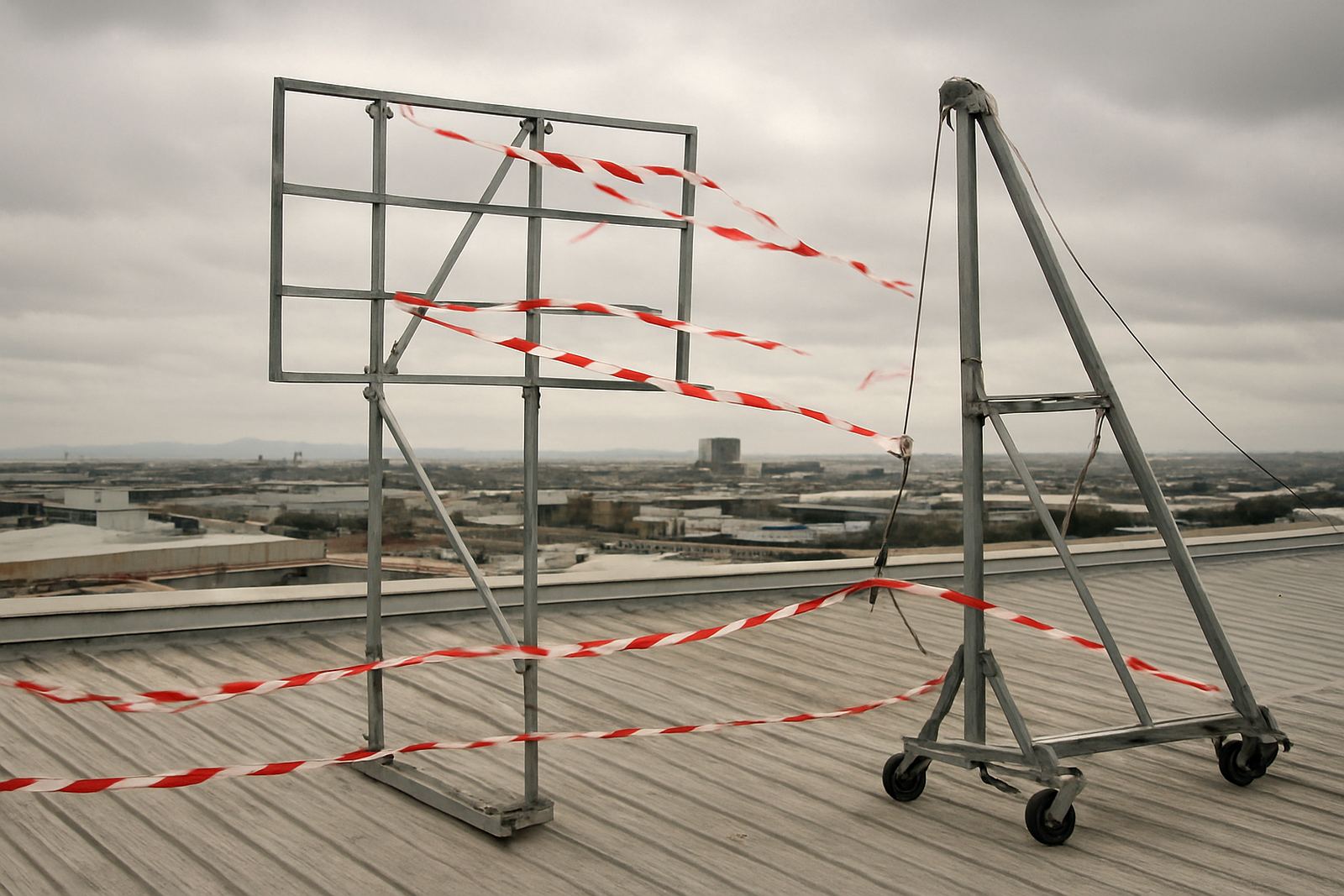
Wind is not just a comfort issue for crews on a roof or in a cherry picker. It changes how a panel swings, how a frame catches, and how easy it is to hold a sign on line while the fixings are tightened. A light wind can still push a large fascia panel off centre, especially where there are wide face areas and open corners. On taller buildings, the movement at roof level is often stronger than what you feel at ground level.
For sign shops, the main issue is that a perfectly planned install can become a longer, more expensive job if the wind picks up after arrival. That is why weather checks, site surveys and lift planning matter before the truck rolls. In Cape Town, the afternoon south easter can turn a tidy rooftop job into a stop start exercise. In Johannesburg, gusty conditions around high rise corners and open parking areas can do the same, even on a clear day.
Our crews plan for that from the start. We look at the sign size, mounting height, access method and the likely wind exposure on the exact face of the building, not just the suburb. That helps avoid rushed decisions and keeps the sign shop in control of its own client relationship.
What Wind Loading Means for Rooftop and Fascia Signs
Wind loading is the force wind places on a sign structure. The bigger the sign face, the more surface area the wind can catch. Rooftop signs, box signs and projecting signs all need proper support, but the fixing method changes depending on the frame, the cladding, the height and the building construction. A sign that looks light from the ground can still carry enough sail area to need extra restraint during lifting and final alignment.
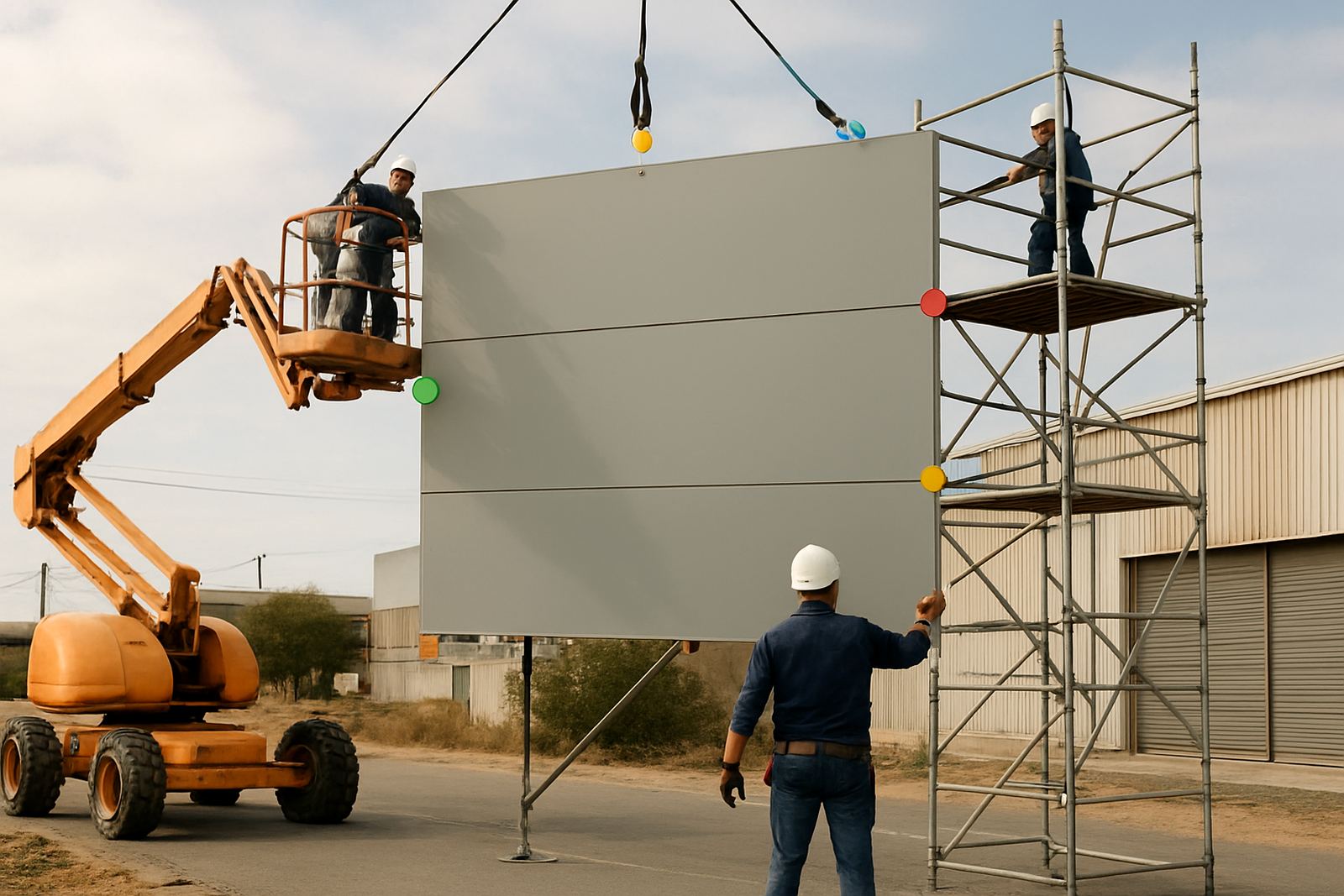
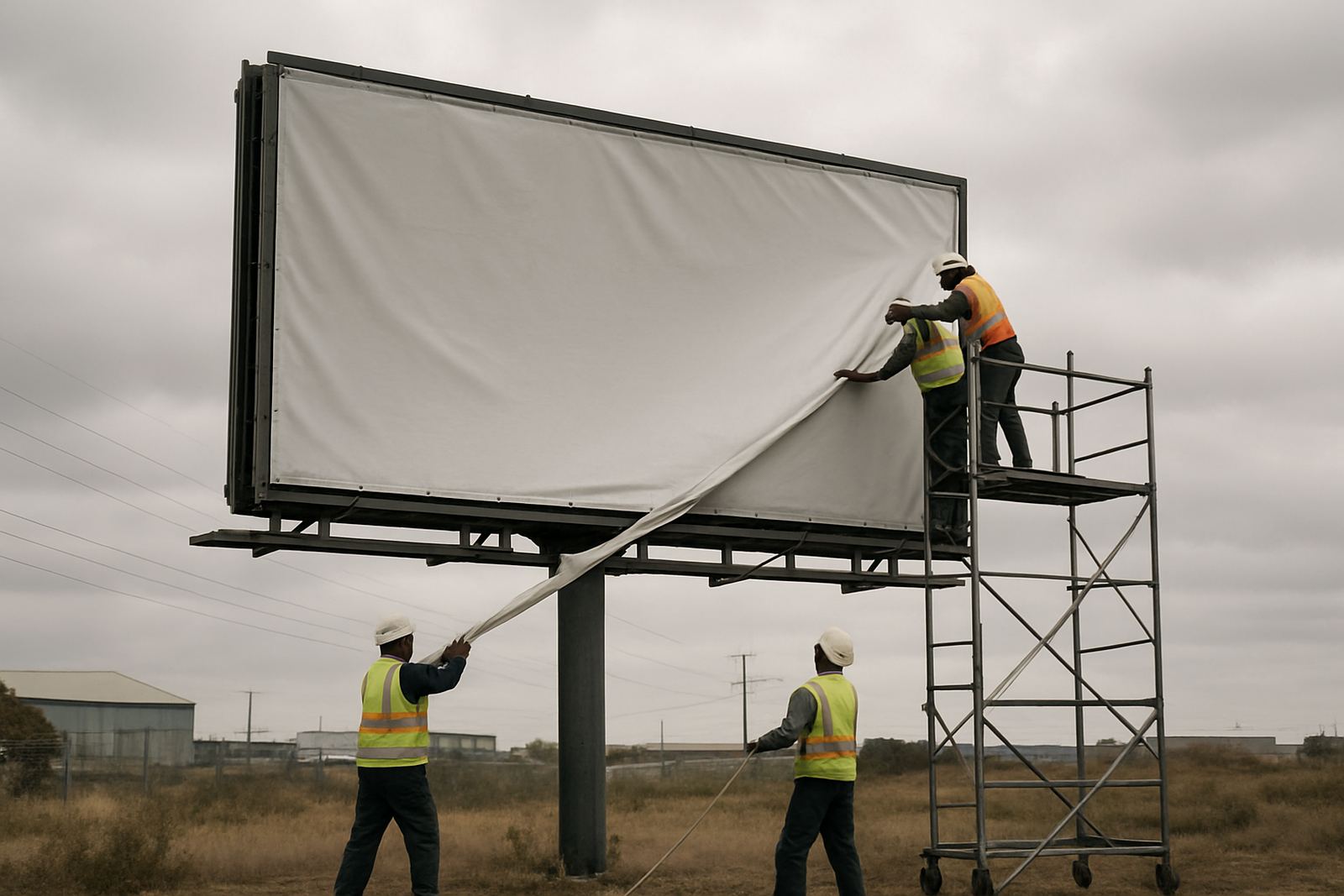
For rooftop work, the fixing points have to suit both the permanent load and the temporary load during install. Temporary loading is often where problems happen. A sign can behave very differently while it is hanging from slings than when it is fully bolted down. That is why scaffold access, platform work and careful rigging matter, especially when the roofline has limited safe standing space.
There is also the matter of ageing fixings. Coastal humidity in places like Paarden Eiland, Bellville and Somerset West can corrode brackets and fasteners faster than clients expect. On older installations, a servicing visit may show rust, loose brackets or moisture damage around the entry points. If the wind has been doing more work than the structure was designed for, the signs of wear show up early.
- Check the sign face size against the exposed height and building shape.
- Inspect brackets, anchor points and any rust before a lift starts.
- Allow for stronger gusts at roof level than at street level.
- Use the right access method so the crew can hold the sign steady.
How Crews Adjust Alignment in Windy Conditions
Alignment is one of the first things to suffer when the wind is active. A sign can be level on the ground, then shift a few millimetres once it is lifted against a wall or rooftop frame. Those few millimetres matter because they show up in the final sight line, especially on long building fronts in Johannesburg CBD or Sandton where straight lines are easy to see from the road.
The practical answer is not to rush. Crews stage the sign, check the lift path, and hold it in position before final tightening. On some jobs that means waiting for a calmer window, on others it means changing the order of work so the heaviest section goes up first. If a sign is being serviced, the team may also need to open access panels, replace lamps or adjust the brackets while keeping the face stable. That takes patience and good communication on site.
For sign makers, it helps when the rigging team speaks in plain terms. If the wind is likely to move the face, the installer should know before the artwork is printed and before the client is promised a same-day finish. A site that starts with a clear handover is less likely to end with rework or a frustrated customer. Sometimes the difference is just one extra support strap or a delayed lift by an hour.
When Weather Means Rescheduling Instead of Forcing the Job
Not every sign job should proceed once the weather turns. Heavy gusts, rain on slippery roofs, poor visibility and lightning all create risks that are hard to manage safely. A rooftop install in wet conditions can be hazardous even if the sign itself is small, because ladders, scaffold boards and platforms become harder to control. At street level, sudden wind can still affect loading and unloading, especially with long panels and framed faces.
There are times when a short delay is the correct call. That is part of good maintenance and not a sign of weak planning. For emergency callouts, the priority may shift from a full repair to making the sign safe, securing loose sections, and returning once conditions improve. That approach protects the building, the crew and the sign shop’s reputation.
- Stop work if wind makes the sign hard to control by hand.
- Do not lift where wet surfaces or poor footing increase the risk.
- Secure loose faces, fittings or covers before leaving site.
- Record the issue so the follow up visit is quicker and clearer.
Across Gauteng and the Western Cape, this is often the difference between a tidy job and a costly problem. Load shedding can already compress the working window for illuminated signs, so adding wind pressure to the schedule needs careful judgement. Better to pause than to guess.
A Cape Town Example: Rooftop Sign Work in Paarden Eiland
A recent rooftop job in Paarden Eiland needed a large sign face lifted onto a building close to the harbour side. The site had tight access, a narrow roof edge and the usual coastal wind that can change quickly during the afternoon. The sign shop had already prepared the face and the frame, but the final fitting still depended on the weather at the time of the lift.
We started with a site survey and lift plan that allowed for a shorter lifting window and a platform work method instead of trying to wrestle the sign by hand from the edge. The wind was manageable early on, then picked up as planned. Because the crew had the fixings, access gear and sequence sorted in advance, the team was able to set the sign, check the alignment and secure the structure before conditions got worse.
That job showed the value of working with a rigging crew that knows the area and the weather pattern. It also showed why sign makers prefer a team that only does rigging. The installer was not competing for the client, just getting the sign in place and keeping the handover clean.
What Sign Makers Can Do to Keep Wind From Delaying the Job
The best way to manage wind is to prepare for it before the install date. A solid site survey, correct measurements and early checks on access all help. So does giving the rigging crew accurate details about the sign size, weight, mounting points and whether the building is in a sheltered or exposed position. In many cases, the difference between a simple install and a difficult one is found in the planning stage.
It also helps to keep the service schedule realistic. If a sign needs maintenance visits, lighting access or a face change, do not leave it until the weather is already against you. Coastal jobs in Somerset West and business park sites in Midrand both benefit from a planned approach, because the crew can work around wind, traffic, and site rules without wasting time.
- Send full sign dimensions and mounting details before the visit.
- Share any building access rules or permit needs early.
- Allow a flexible time window for windy days.
- Use maintenance visits to catch loose fixings before they fail.
For sign shops across Cape Town and Johannesburg, wind is just part of the job. The aim is to plan for it, work around it when needed, and keep the sign safe and square once it is up. That is what good rigging looks like.