
Why trade partners judge you on response time
Sign makers do not need long speeches, they need a crew that answers clearly and gives a realistic slot. If a fascia is damaged by wind, a light box is flickering before a retail opening, or a billboard face change has a tight handover window, delays cost everyone time and money.
That is why service levels start before the crew arrives on site. Fast feedback on the enquiry form, a proper read on access requirements, and an honest view of what can be done in one shift all help the sign shop keep their client informed. In our line of work, a missed ETA can mean a crane standing by or a shop opening with a panel still off. Neither is a good look.
At Sign Riggers, the job is rigging only. That means sign shops can hand over installation, removal, servicing or a relocation knowing we are there to support their work, not compete with it. It sounds simple, but it is the part that keeps repeat work moving.
Timing has to match the site, not just the diary
Good timing is not about squeezing every task into the day. It is about matching the job to the site conditions, the building access and the weather. In Cape Town, a morning plan can change quickly when the wind picks up in Paarden Eiland or along the coast. In Johannesburg, a lift plan may look fine on paper until security access, traffic on the N1, or a busy loading bay pushes the start back.
Practical scheduling helps everyone. A sign removal in Bellville may need an early start before the trading rush. A servicing call in Sandton may only work after office hours. A face change in the Johannesburg CBD may need a parking plan, a permit check and a crew that knows how to work neatly in a tight public area.
- Confirm the site address and access point before the crew departs.
- Set a realistic arrival window, not just a hopeful time.
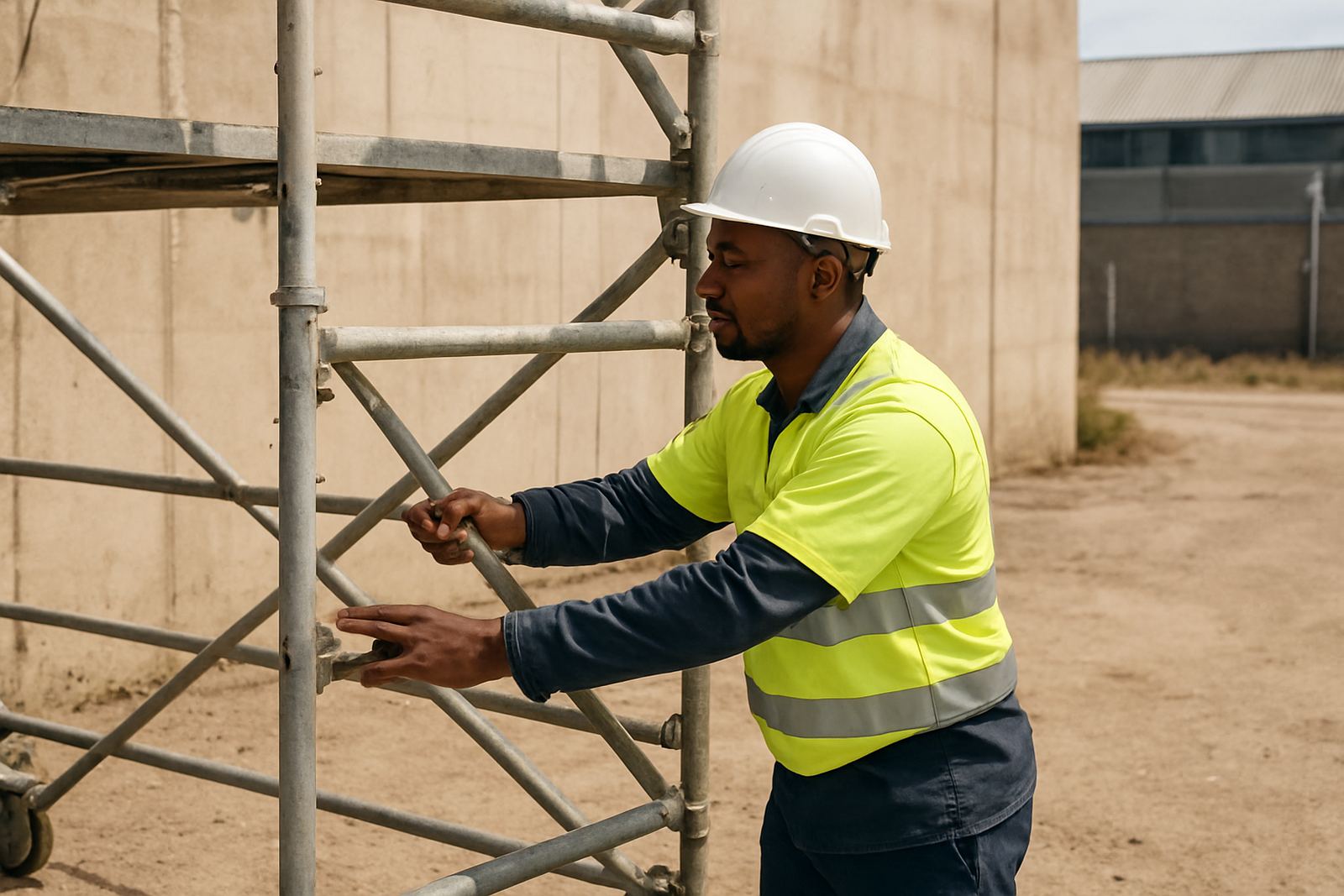
- Check whether the job needs scaffold access, platform work or lift planning.
- Allow for weather, traffic and load-shedding where lighting is involved.
When those basics are handled upfront, the rest of the job tends to run smoother, even on a packed week.
Safety is part of the service, not an extra
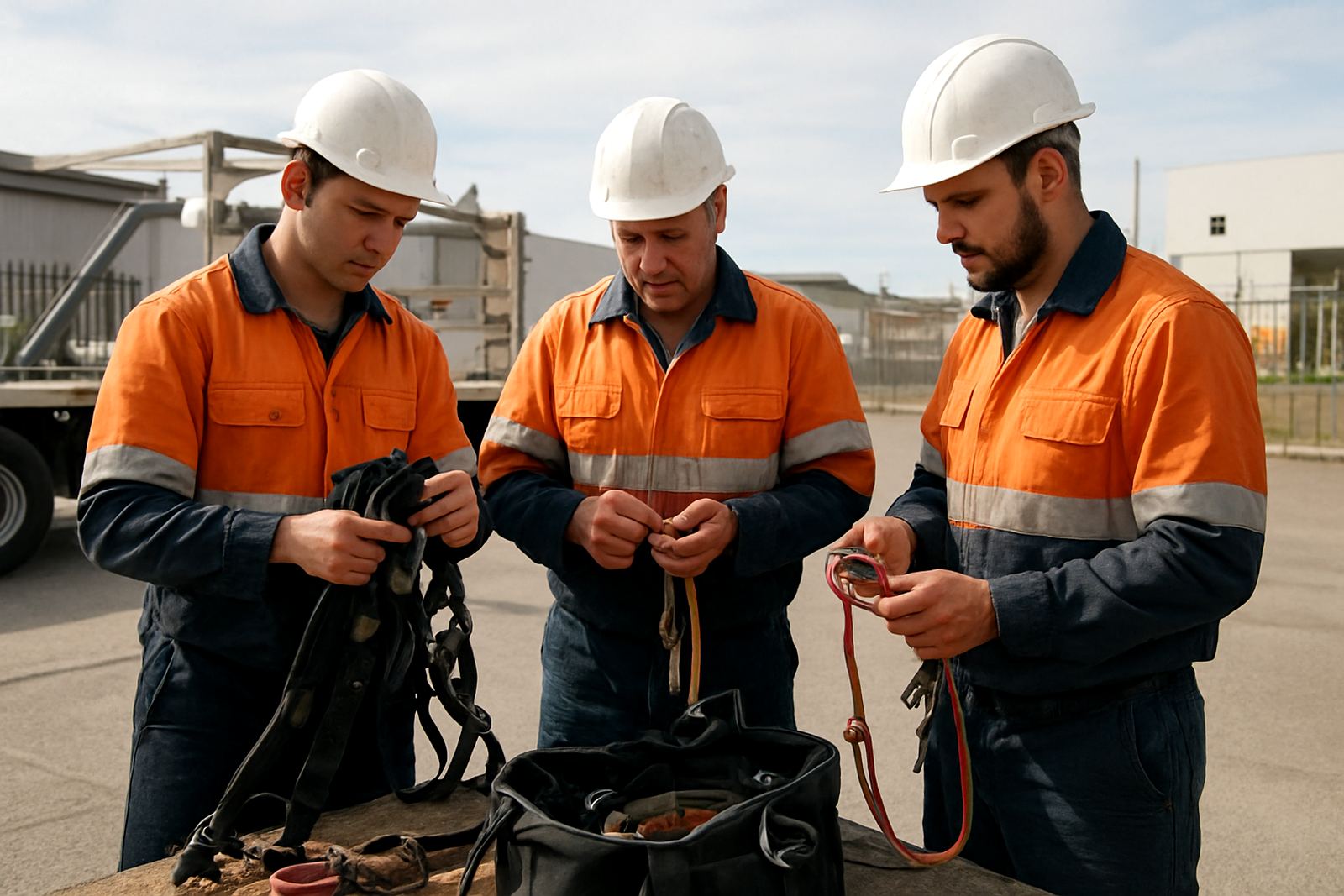
Clients often notice the result first, but the work behind the result is what protects the site and the people on it. A sign rigging team should arrive with scaffold awareness, first-aid training and a clear safety mindset. That is especially important when working above pedestrian areas, around live electrical connections, or on older structures that have been patched a few times over the years.
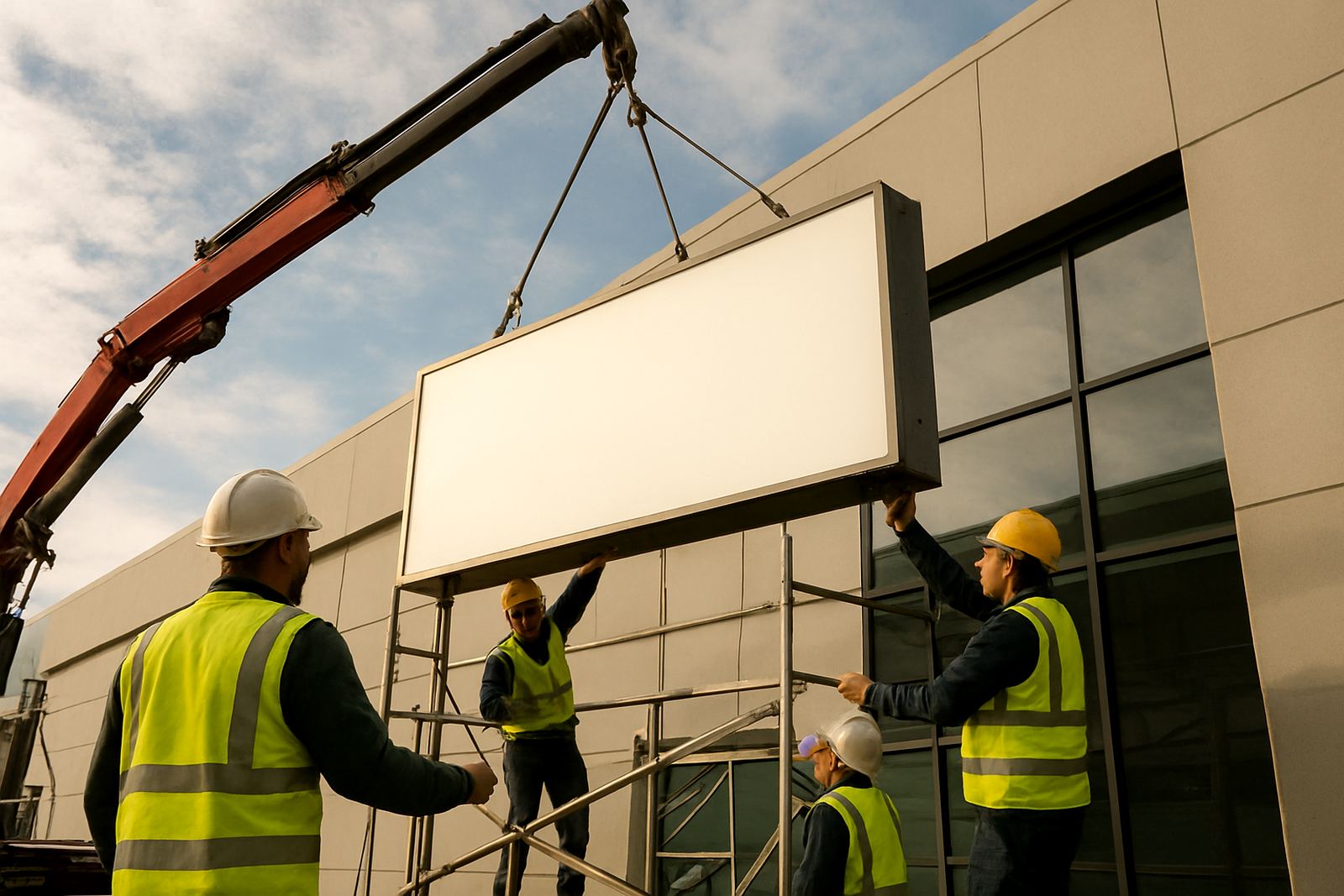
Service levels are stronger when the crew can explain how the job will be done before anyone starts lifting. A proper approach includes site surveys, access checks, fall protection where needed and a plan for emergencies. It also means knowing when to stop and reschedule if conditions are unsafe. A hurried job is not a good job, and it can turn into a costly one very quickly.
For sign makers, this matters because the client waiting on the sign usually does not care who was on the roof. They just want the work completed safely and on time. That is why the rigging partner has to hold the line on standards, even when the pressure is on.
What a dependable rigging crew should be able to handle
Not every job is a full installation. Sometimes the work is as small as a maintenance visit, and sometimes it is a full sign relocation across town. A solid crew should be able to handle a range of service levels without changing the standard of care.
- Sign Installation for new or replacement signage.
- Sign Removal for refurbishments, tenant changes or building works.
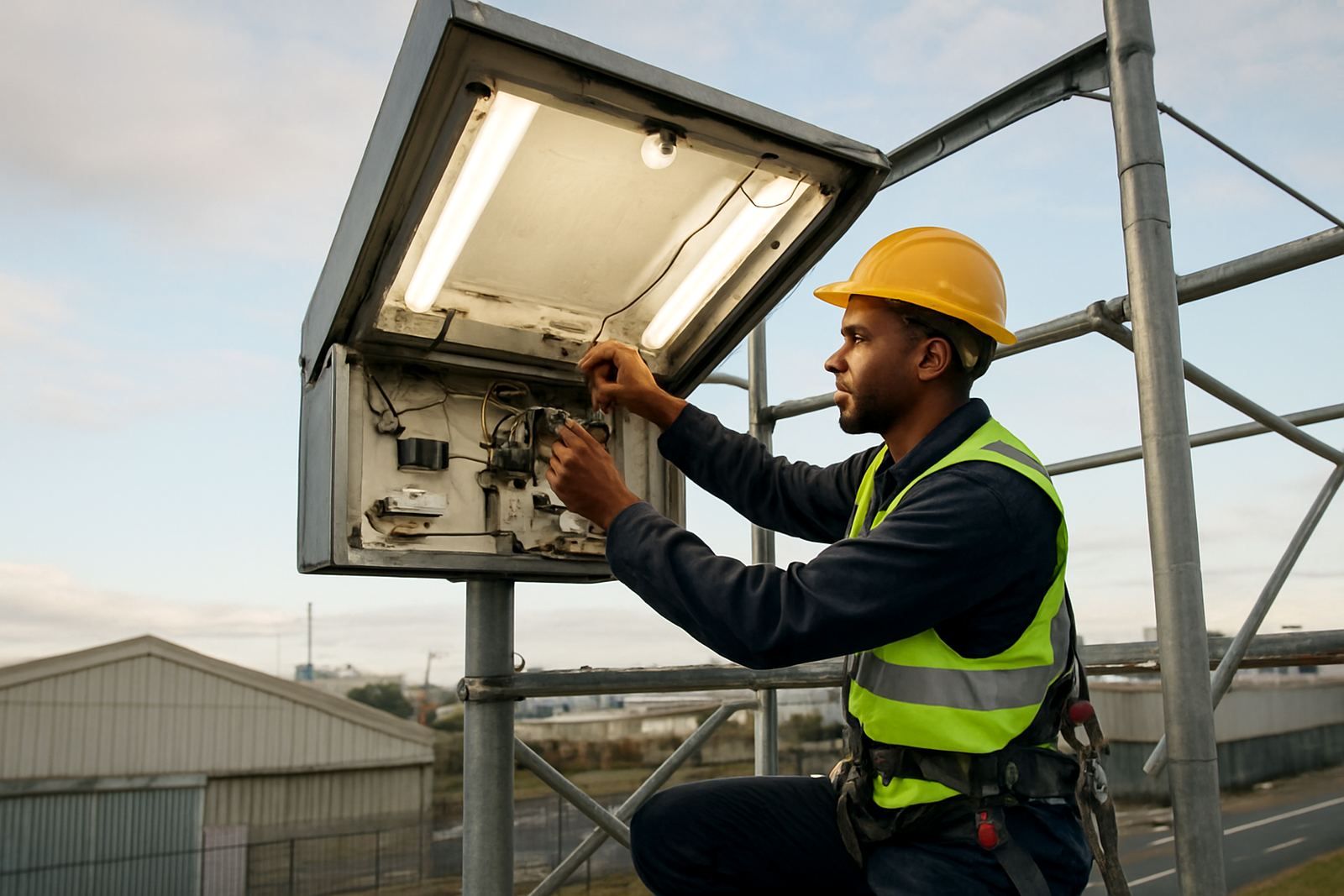
- Sign Servicing for faults, fittings and access to lighting components.
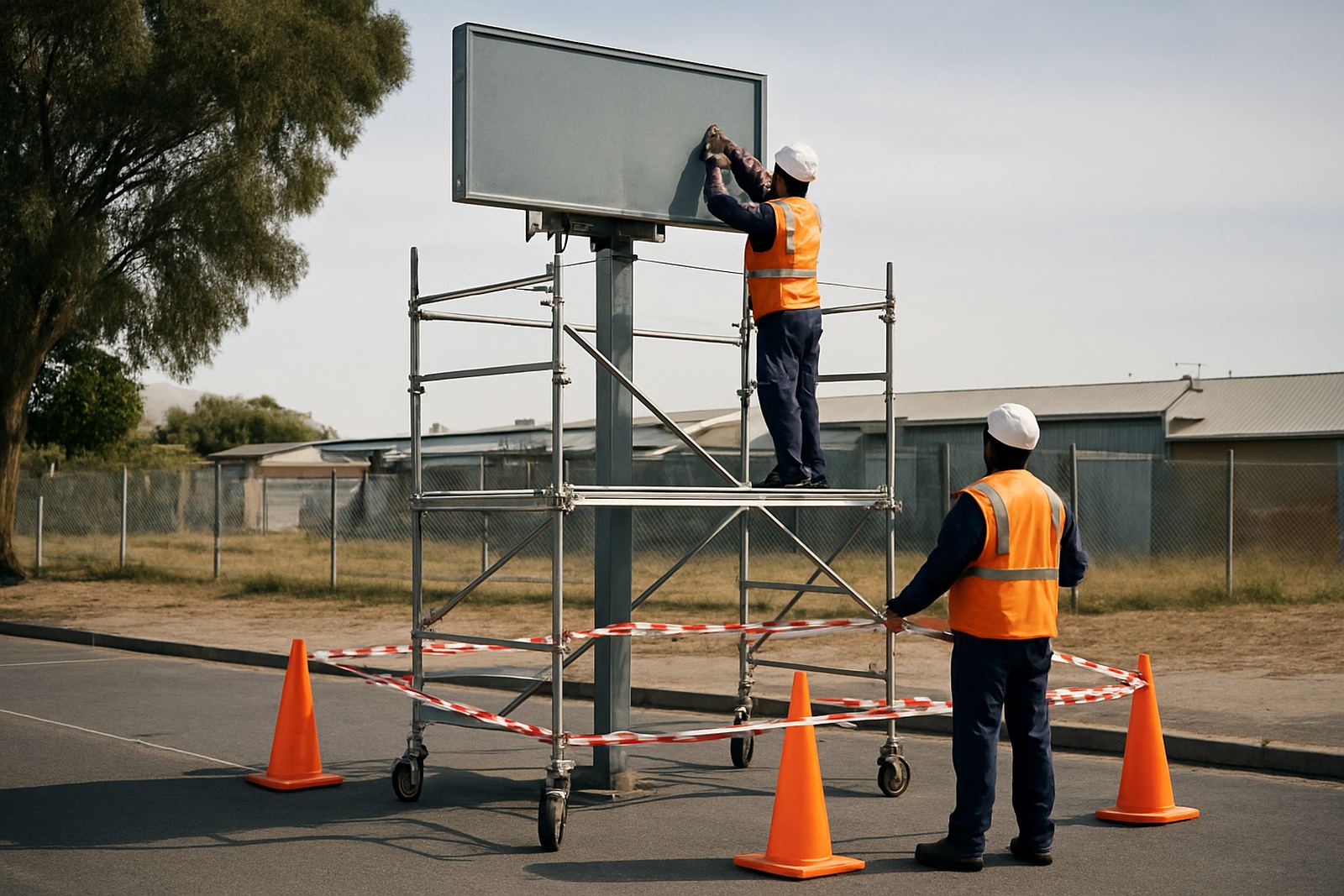
- Billboard Face Changes when timing is tight and the site needs a clean handover.
- Emergency Callouts after storm damage, failed fixings or sudden faults.
It also helps when the same team can work across Paarden Eiland, Somerset West, Paarl, Johannesburg CBD, Sandton, Midrand and the East Rand. Local knowledge saves time. The crew knows which areas need extra parking time, which buildings have tighter access, and where a lift plan is worth the extra hour of prep.
Cape Town and Johannesburg need different site habits
Both cities have busy trade schedules, but the work rhythm is not identical. Cape Town jobs often need more attention to wind exposure, salt air near the coast and access around older industrial buildings. Paarden Eiland can be straightforward one week and awkward the next, depending on delivery traffic and site congestion.
Johannesburg jobs often lean harder on access planning, security clearance and timing around office parks, malls and inner-city sites. A crew working in Midrand or Sandton may need to fit into strict loading windows, while a job in the CBD may need extra coordination just to get equipment close enough to the structure.
Service levels matter because the crew is not just there to lift and leave. They need to fit into the site routine without causing hold-ups. That means phoning back when promised, arriving with the right gear, and knowing when a job needs a second visit rather than a rushed finish.
A local example: one sign, two cities, one plan
A sign shop in Somerset West may call for a light box to be removed from a retail unit before a refit starts on Monday morning. At the same time, a branch in Johannesburg CBD needs a billboard face change on the same artwork cycle. The sign maker does not want two separate problems. They want two jobs handled in the same way, with the same level of feedback and the same standard of finish.
That is where a practical rigging partner earns trust. The team confirms the survey, checks whether scaffold or platform work is needed, plans for lighting access, and gives a proper window for the site team. If load-shedding affects the electrical testing, that gets mentioned before anyone arrives. If the weather threatens the Cape job, the timing gets adjusted early enough for the client to manage the schedule.
When service levels are clear, the sign shop can focus on design, fabrication and client management while the rigging crew handles the physical work. It saves phone calls, cuts confusion and makes it easier to keep the next job in the diary, not just this one.
The real value is repeat work without drama
Strong service levels are not about being flashy. They are about being steady. Sign makers remember the crew that arrives when they said they would, keeps the site safe and leaves the job neat. They also remember the crew that goes quiet, turns up late or treats every site like a new puzzle.
For a rigging-only company, that consistency is the business. It keeps relationships clean between the sign shop and the end client, and it makes it easier to handle the next installation, removal or maintenance visit. In this trade, the best compliment is often a simple one: send them again.
That is the standard we work to from Paarden Eiland and Johannesburg, across the Western Cape and Gauteng. Clear communication, realistic timing and proper site discipline are not extras. They are the service.