

Why forecourt access needs a different plan
A forecourt is one of the busiest working environments a sign crew can enter. Cars move through tight lanes, delivery vehicles arrive without much warning and staff are managing customers at the same time as fuel operations. That means the sign team must plan entry, loading and working space before a tool comes off the truck.
We work for sign makers who need installation, removal and servicing carried out without putting the site under pressure. The job may be a price sign, canopy fascia, pylon face, illuminated header or directional sign at the pump area. Whatever the scope, the access plan has to protect the public first and keep the site trading.
In practical terms, that starts with knowing where the vehicle can stand, what height is needed for the lift, and whether the work can be done during trading hours or after the site closes. On some sites there is enough room for a controlled daytime change. On others, a night shift or early morning slot is the only sensible option.
How we control access on active fuel sites
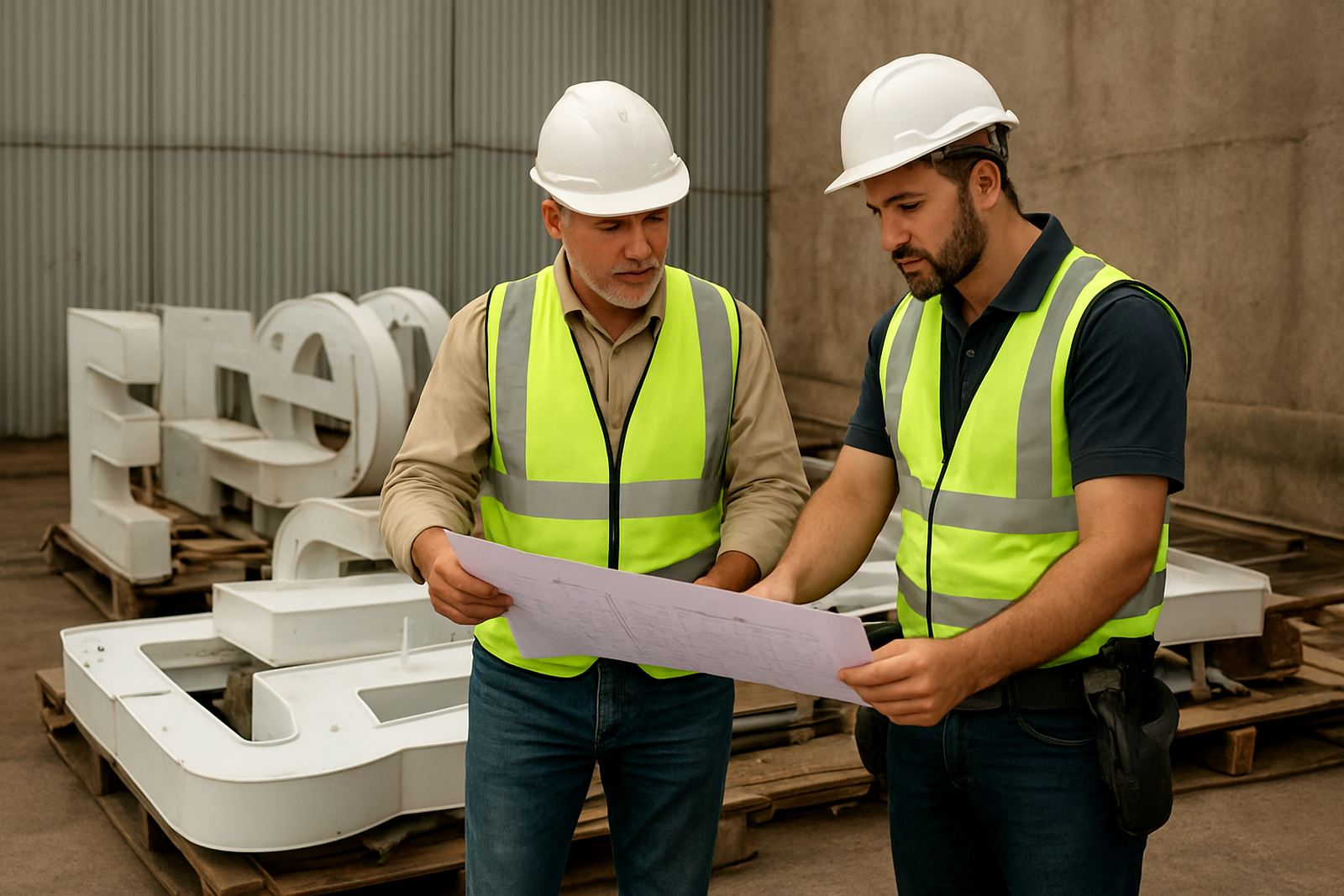
Forecourt access works best when everyone knows the route in, the route out and where the equipment will sit. Our crews plan for barricading, traffic movement, exclusion zones and clear communication with site management. This reduces delays and keeps the public away from the work area.
Before a forecourt job starts, we normally confirm the following:
- Vehicle access and turning space for the truck or access plant
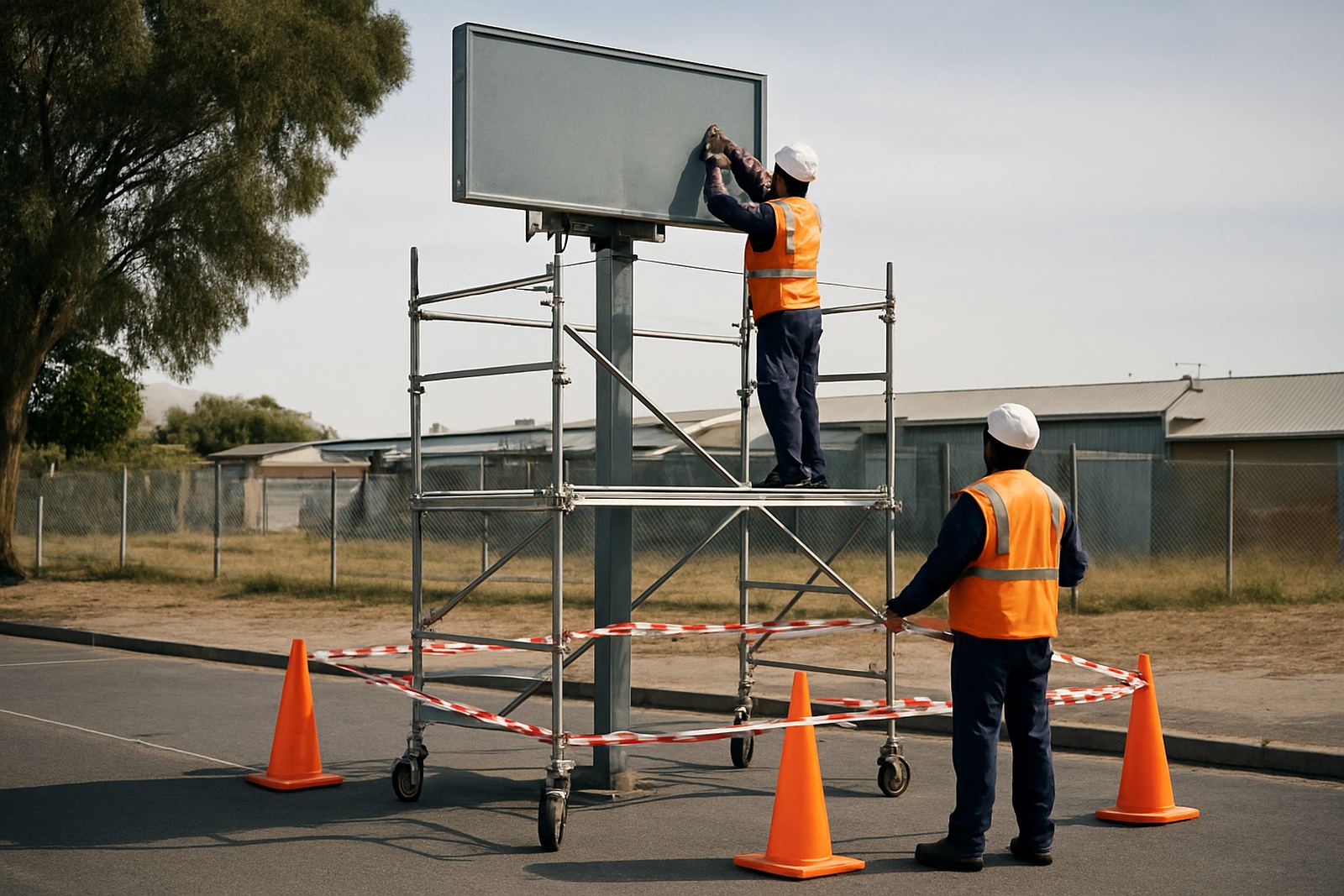
- Where cones, barriers and warning tape will be placed
- Which pumps, bays or lanes must stay open
- Whether fuel deliveries or tanker access will overlap with the work
- If lighting isolation or a shut down window is needed
- Who is signing off the area on site before and after the job
That planning matters just as much in Paarden Eiland or Bellville as it does at a forecourt in Sandton or Midrand. A tight site in the Cape Flats can be just as demanding as a busy service station off a main Gauteng road, especially when delivery trucks, pedestrians and customer vehicles all move through the same space.
Safety steps that protect the site and the crew
Fuel sites carry their own risks, so the crew has to arrive ready for them. Our teams are safety trained, scaffold trained and first aid trained, with access planning built into the way we work. We do not treat a forecourt like a normal retail frontage because it is not one.
The main risks usually include moving vehicles, slippery surfaces, limited overhead clearance, weather exposure and restricted working zones near dispensers or canopy edges. Coastal humidity in Cape Town can also affect fixings and electrical points, while Johannesburg sites often deal with dust, heat and fast turnaround pressure. The right method changes from site to site.
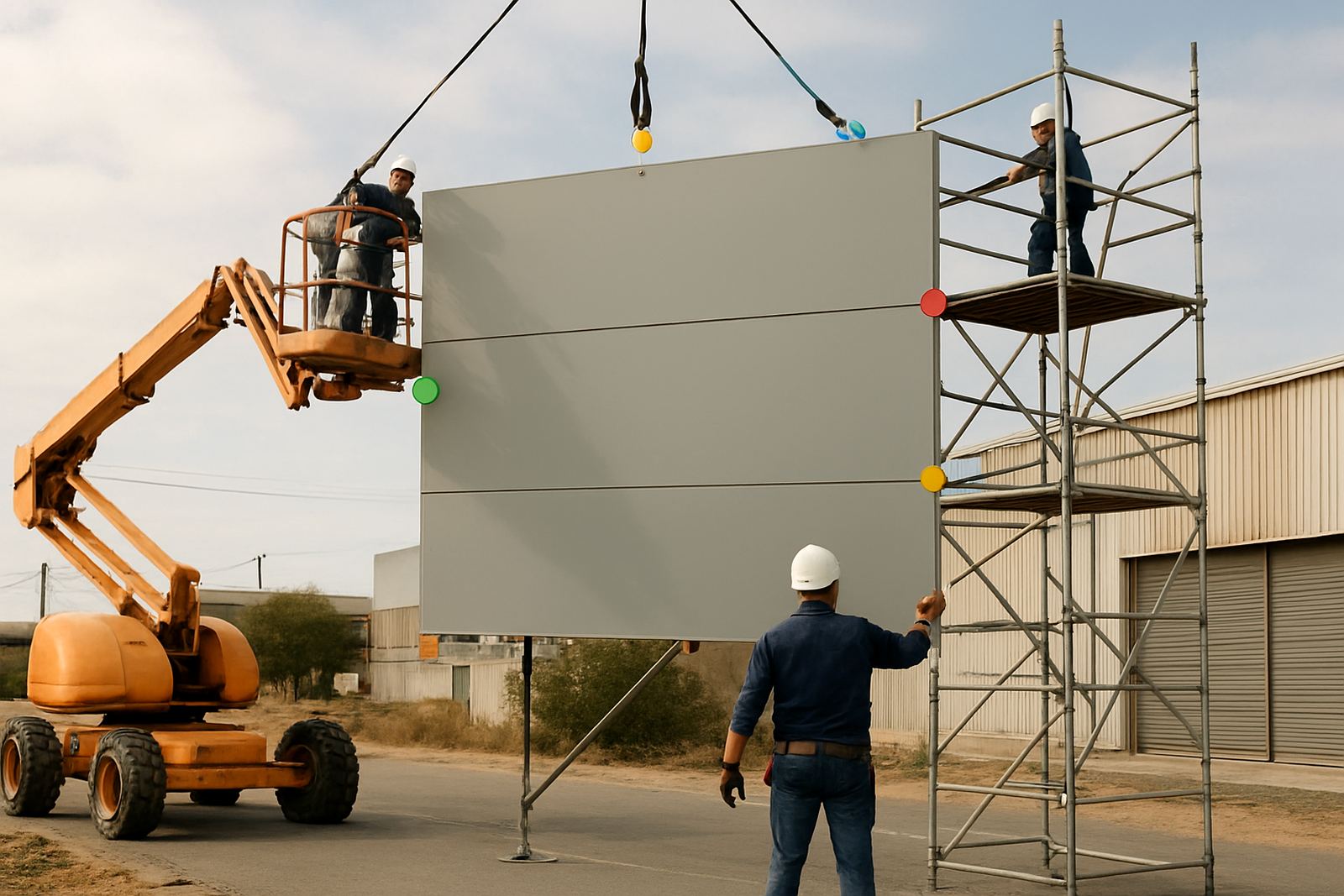
Where necessary we use platform work, scaffold access or planned lift equipment to keep the job controlled. If the sign is above a canopy edge or near lighting runs we check the access route carefully, because a rushed approach can create avoidable damage to the panel, the wiring or the site surface below.
Common forecourt sign jobs we handle
Forecourt work is often urgent. A damaged face, failed light or bent structure can affect the way the site looks from the road, and a missing panel can leave an entire branding line looking tired. We support sign shops with rigging only, so they can keep their client relationships while we handle the physical site work.
The most common jobs include:
- Sign installation on canopies, pylons and roadside frames
- Sign removal for replacement, refurbishment or site upgrades
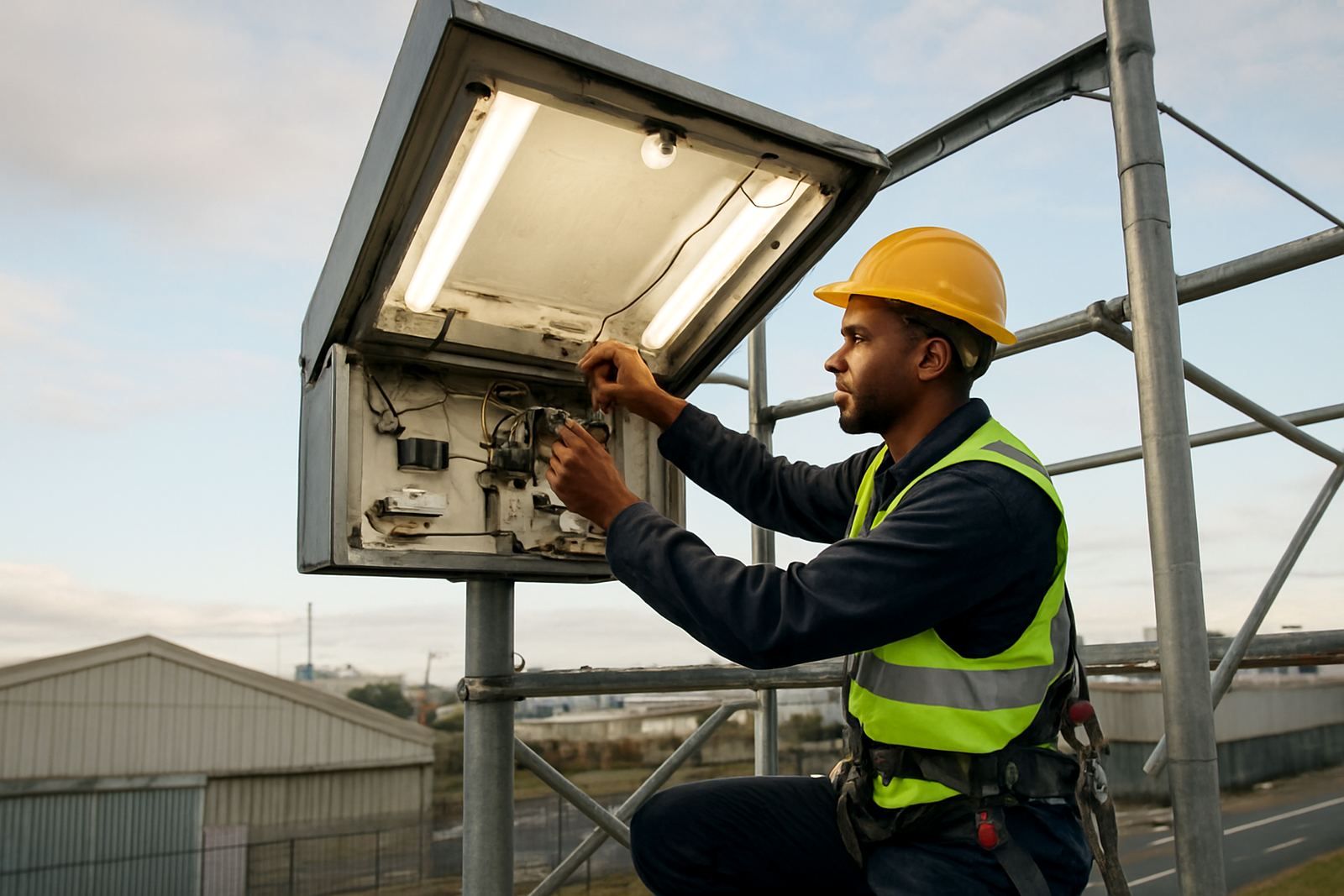
- Sign servicing for panels, fixings and lighting access
- Billboard face changes where the site includes roadside advertising
- Sign relocations when a forecourt is being reconfigured
- Maintenance visits for loose fittings, damaged trims or worn components
We also handle emergency callouts where a sign has come loose after wind, a vehicle strike or a failed bracket. On a forecourt, that kind of issue cannot wait until the next routine maintenance slot.
A local example from the Cape to Gauteng route
A typical case might start with a sign maker in Somerset West needing a canopy fascia changed at a service station that stays busy from early morning to late evening. The forecourt has limited standing space, the customer wants no disruption and the sign panel sits above an active pump lane. In that case we would do a site survey first, map the access route, confirm the work window and arrange the correct plant for the height.
If the same type of job comes through Johannesburg CBD or Sandton, the pressure shifts slightly. There may be stronger pedestrian traffic, tighter loading rules and more coordination with site security. In Midrand or the East Rand, the challenge is often traffic flow and getting the access equipment in without blocking deliveries. The method changes, but the principle stays the same: plan the route, control the area and keep the forecourt trading where possible.
That is why sign makers across the Western Cape and Gauteng use crews who understand site control. The forecourt manager needs a team that arrives on time, works cleanly and leaves the area ready for normal use again.
What sign makers should brief before a forecourt callout
A clear brief saves time on site. It helps us arrive with the right access plan, right plant and the right crew size for the job. If the brief is vague, the site can lose valuable trading time while decisions are made on the pavement.
When arranging forecourt access, it helps to confirm the following:
- Exact site address and nearest landmark
- Type of sign and approximate size or height
- Whether the work is installation, removal, servicing or a face change
- Preferred working times and any site restrictions
- If the forecourt will remain open during the visit
- Any known access issues, height limits or live electrical points
For sign shops, this also protects the client relationship. We keep the rigging side practical and professional so the sign maker can stay focused on the branding, the customer and the follow up.
Why controlled access keeps forecourts trading
Forecourt sign work should make the site look better without getting in the way of business. When access is planned properly, the team can work around customers, protect vehicles and complete the task with less stress for everyone involved. That is especially important on active sites where a short delay can affect queues, deliveries and sales.
Sign Riggers was founded in 2008 and works from Paarden Eiland in Cape Town and Johannesburg, with crews covering Bellville, Somerset West, Paarl, Johannesburg CBD, Sandton, Midrand and the East Rand. Our role is to support sign makers with installation, removal, servicing and access work, never to compete with them. If your forecourt job needs a careful route, a controlled lift or a safety minded crew, that is the kind of work we do every day.