Why trade-only rigging keeps your shop focused
When a sign shop takes on every part of a job, the pressure builds quickly. The fabrication team is trying to keep production moving while someone else is chasing access equipment, checking wall conditions, sorting permits, or standing around waiting for a tenant to hand over keys. Trade-only rigging takes that load off your workshop so your people can stay on what they do best: making signs.
That matters because site work is its own discipline. Installing, removing and servicing signs needs a crew that understands structure, height safety, traffic flow, landlord rules and the realities of live sites. A sign maker does not need a rigging team trying to sell design changes or fabrication extras. They need a partner that protects the client relationship and works under instruction.
At Sign Riggers, that is the model. We work for sign makers only. We install, remove, service and relocate signs, but we do not compete for fabrication. That keeps trust clean between workshop and site crew, and it allows sign shops to take on more work without stretching their own teams too thin.
What your crew gets when the rigging is handled properly
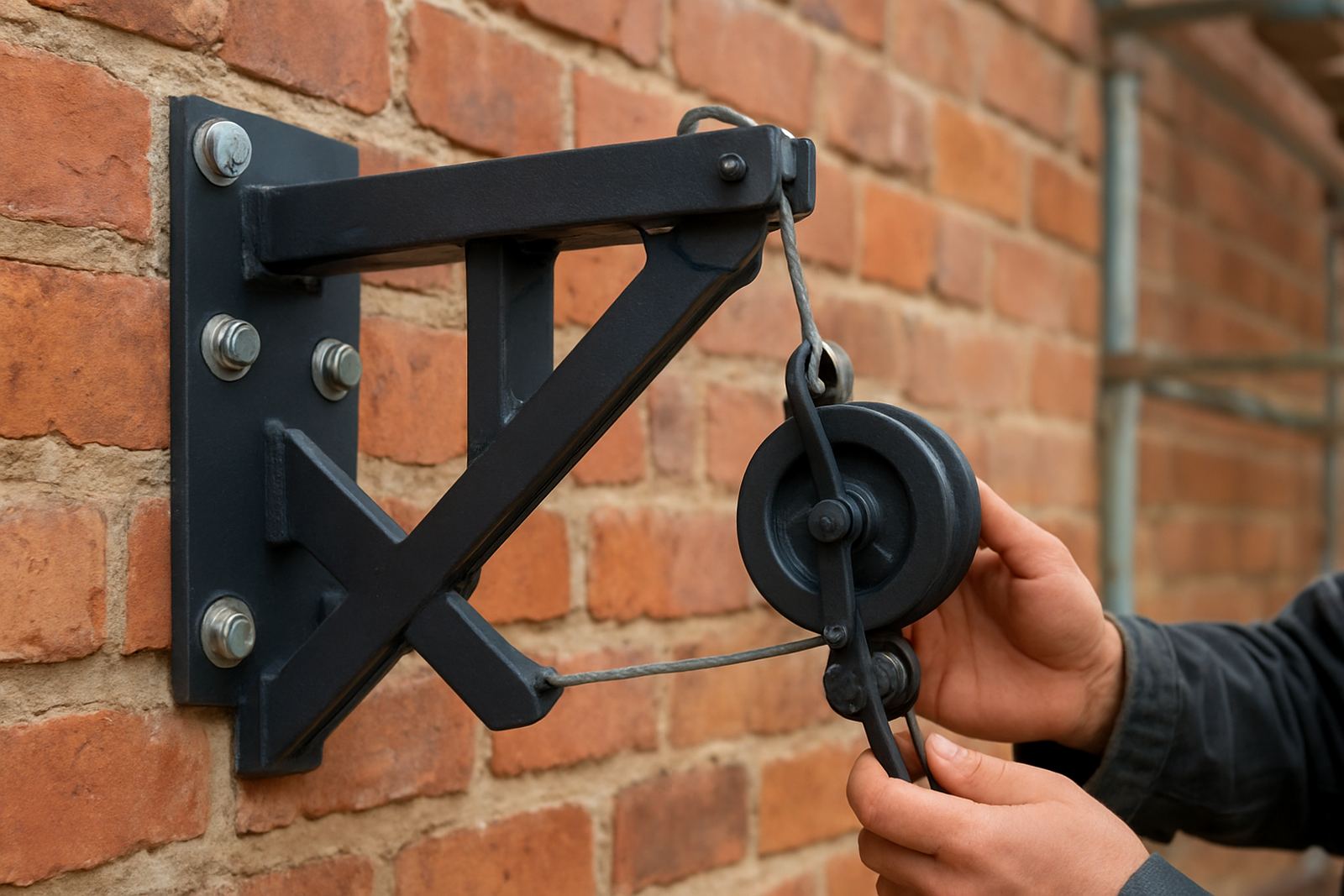
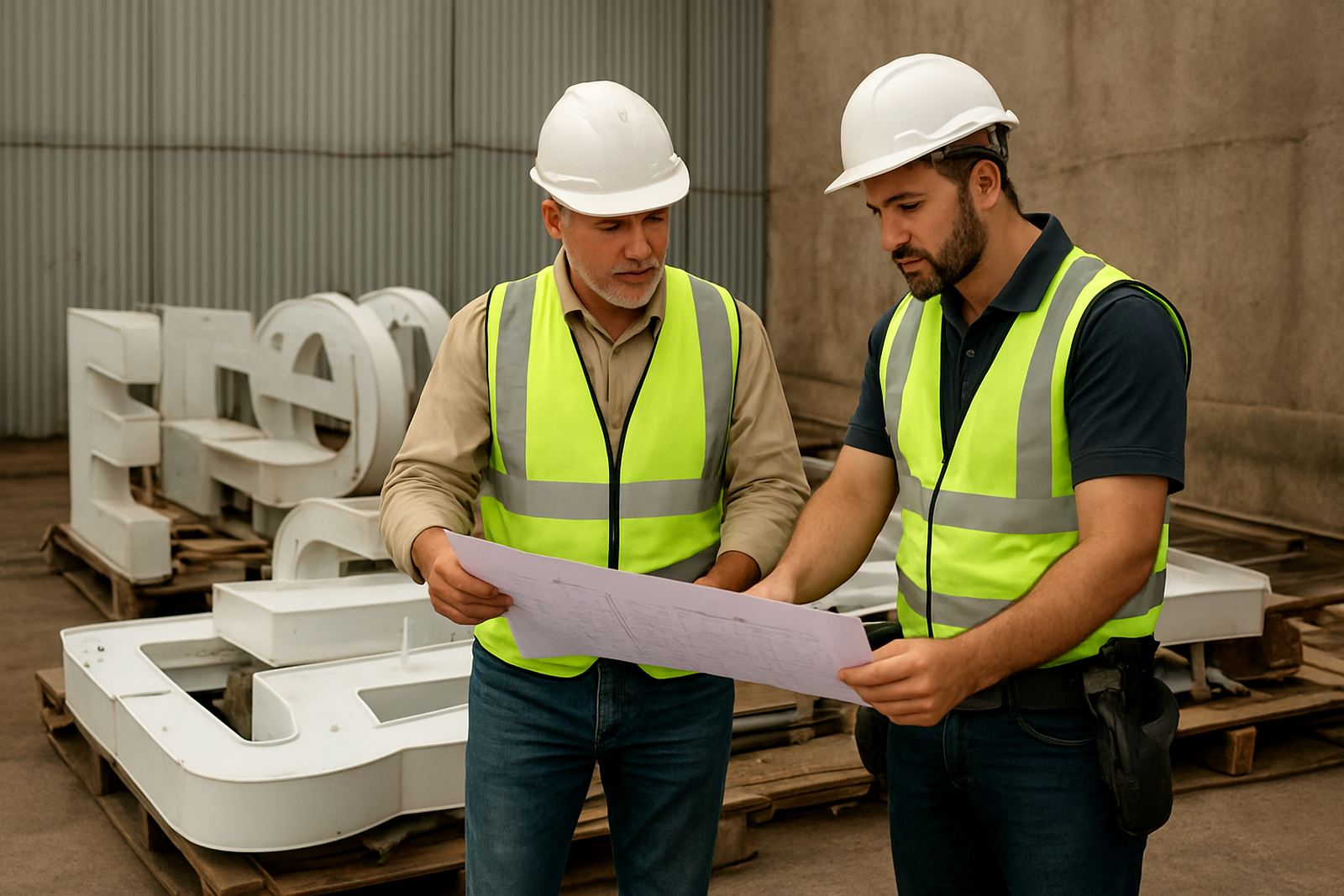
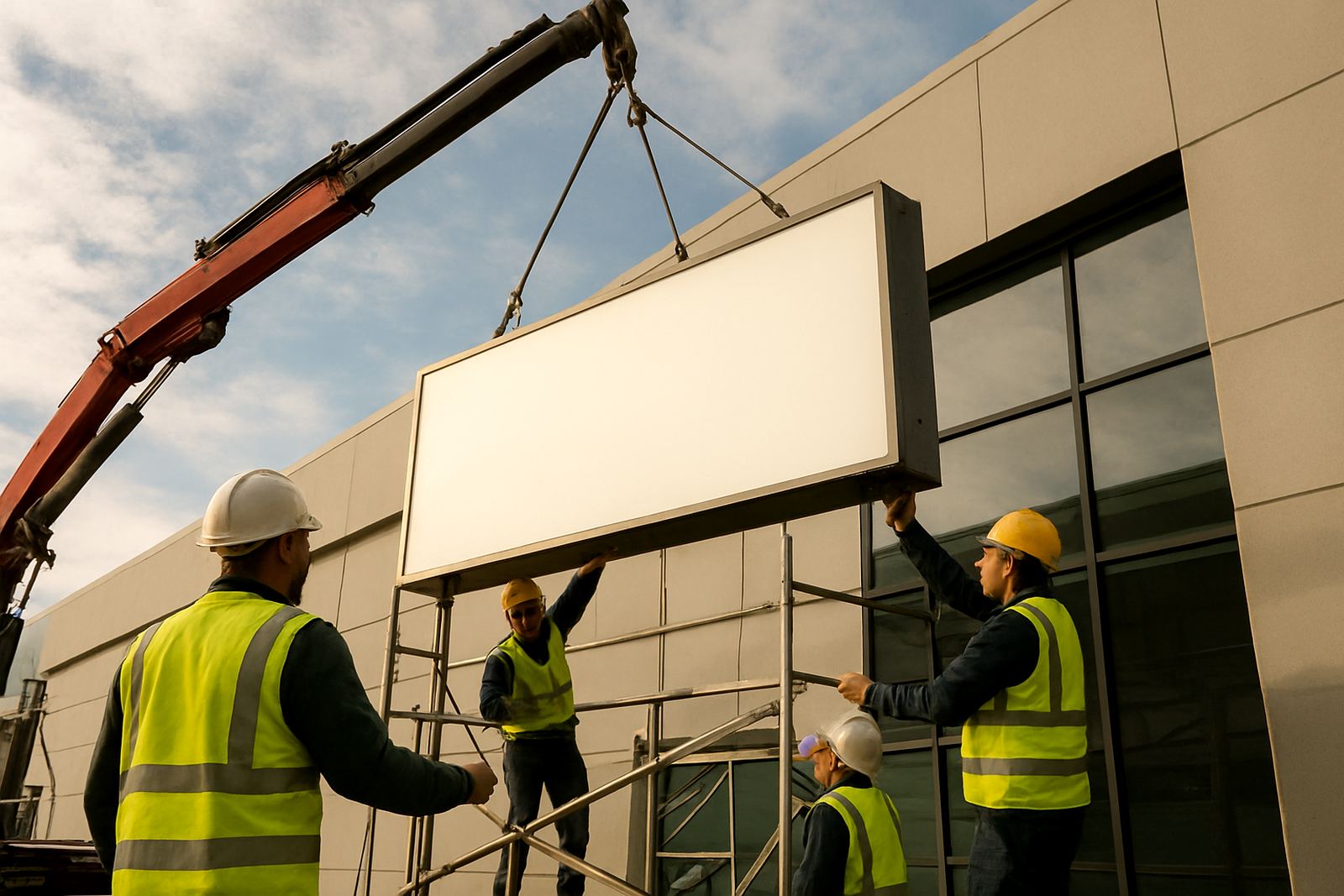
A good rigging partner reduces admin, not just labour. Before the first bolt goes in, there should be a proper site look, lift plan where needed, access check and a clear idea of what the building will allow. That includes wall finish, mounting points, power access for illuminated signs, and whether scaffold, platform work or a mobile lift is the safest option.
For sign shops, the benefit is simple. You can quote the fabrication with confidence, then hand over the install side knowing the site crew will keep to the brief. That means fewer call-backs, less damage risk and less time spent managing last-minute issues. It also helps when the site is awkward, like an occupied retail centre, a commercial tower in Sandton, or a coastal property in Paarden Eiland where wind and salt air can affect the fixings.
- Site surveys before installation or removal work
- Lift planning for awkward or restricted access
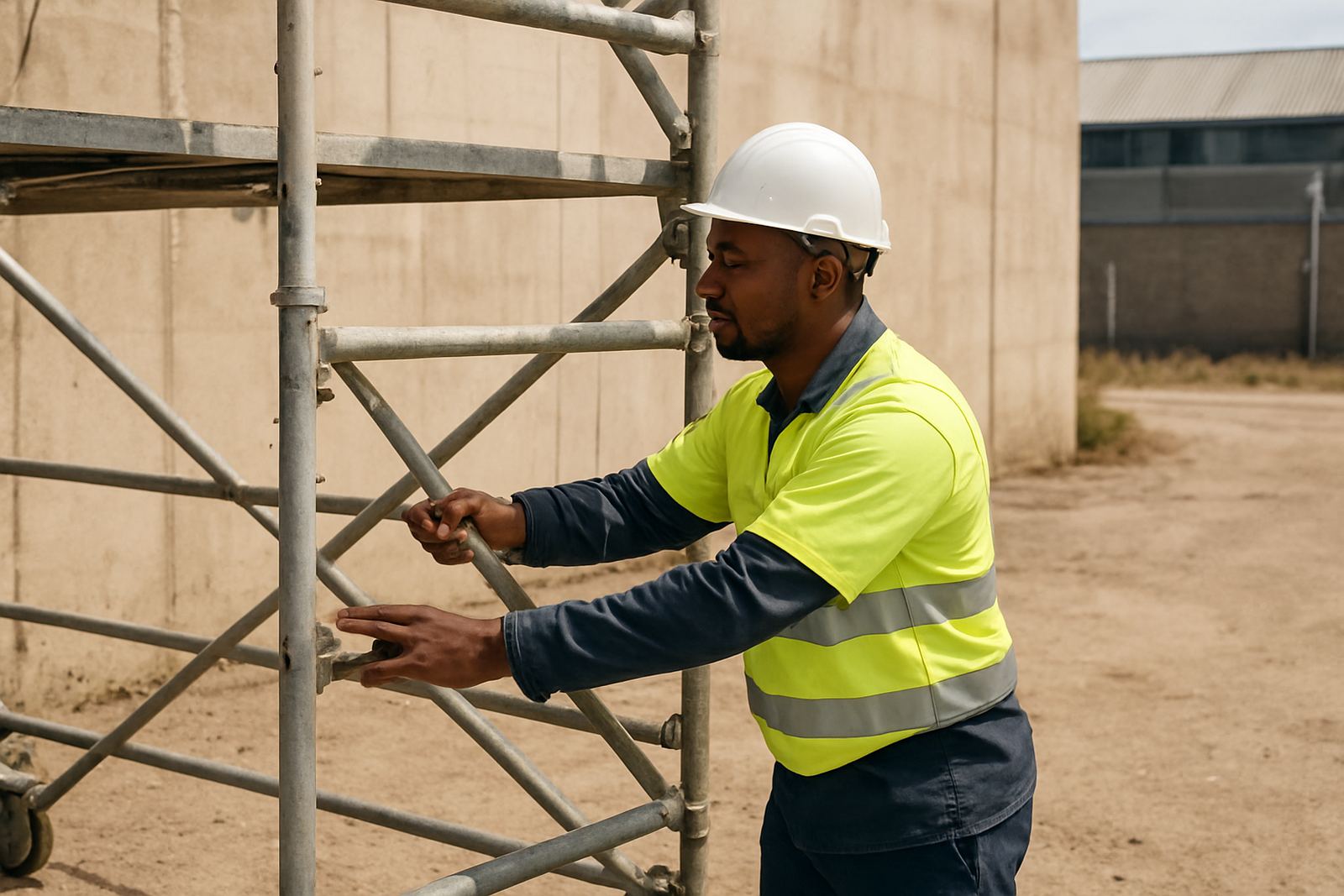
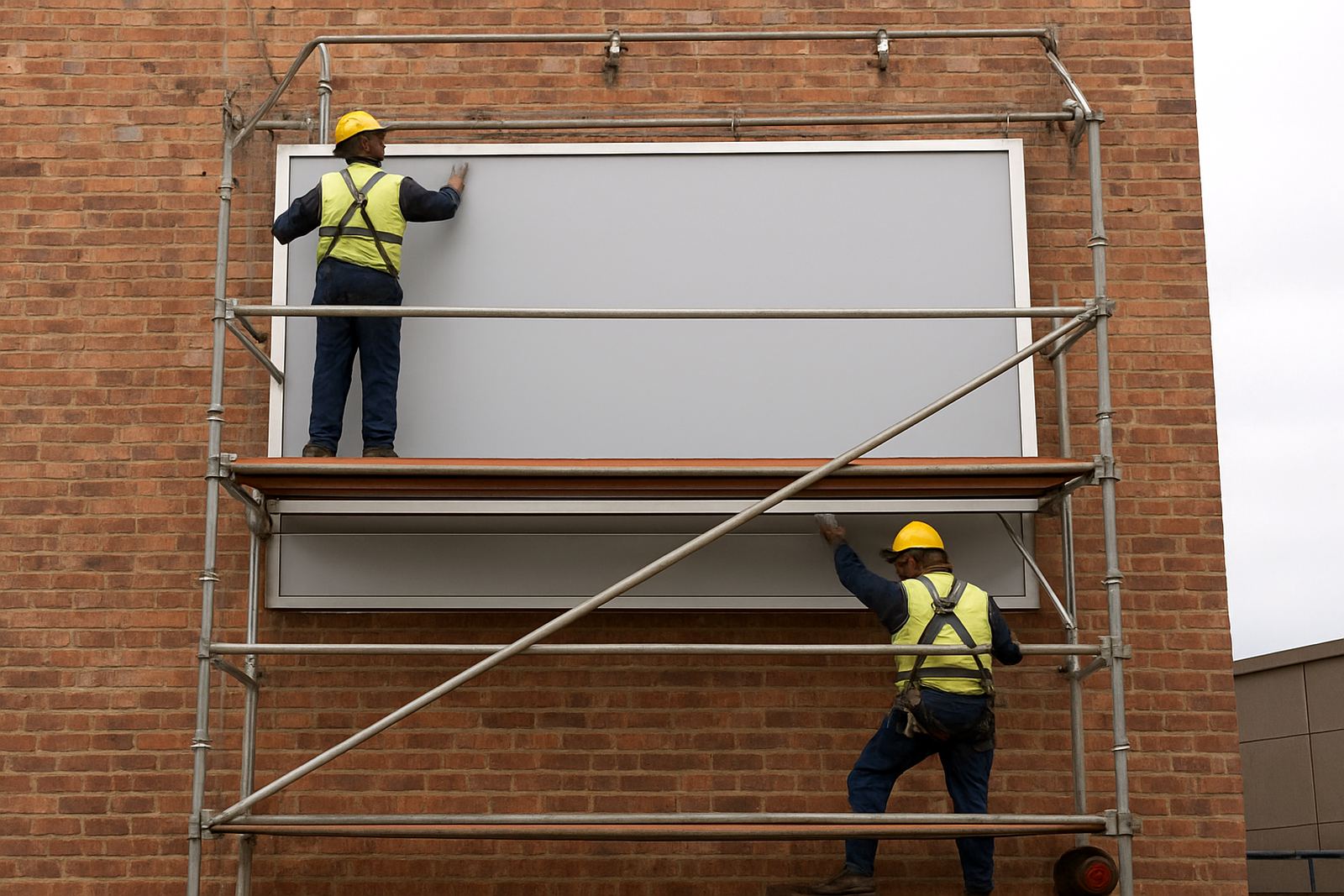
- Scaffold access and platform work where height conditions demand it
- Lighting access for illuminated signs and maintenance visits
- Emergency callouts when a sign has shifted, failed or become unsafe
Keeping fabrication and site work separate protects margins
One of the biggest mistakes sign shops make is trying to carry too much themselves. A fabrication team may be brilliant at producing channel letters, fascia signs or billboard panels, but that does not mean they should be tied up on roof access, boom platforms or late-night removals. Every hour spent away from the workshop is time lost on the next job.
Trade-only rigging helps you protect margin in two ways. First, it keeps your workshop productive. Second, it prevents the kind of site problems that eat profit, like re-visits because the wrong access was booked, or damage caused by a crew that was not set up for the job. A good rigging team arrives prepared, with the right tools, the correct access plan and a safety officer mindset built in.
It also helps with reputation. Your client sees one clear line of responsibility: the sign shop owns the product, and the rigging team handles the site work. That is cleaner for everyone and it usually leads to better repeat business. In our experience, clients in Gauteng and the Western Cape value that separation because it keeps jobs moving even when conditions change on the day.
The practical parts sign makers should expect on site
Good site work is not guesswork. It starts with a conversation about access, timing and the building rules. Some sites allow work only outside trading hours. Others need induction, parking control or a tenant escort. Municipal environments can add more steps, especially for signs near roads, pedestrian areas or shared structures. A rigging crew should be used to that sort of thing, and should be able to work with the sign shop instead of creating extra admin.
For sign makers, this means asking the right questions early:
- Can the sign be reached safely with the available access equipment?
- Will the building need scaffold, a platform or a lift plan?
- Is the sign being installed, removed, relocated or serviced?
- Does the illuminated side need electrical isolation before work starts?
- Are there weather or wind limits that could affect the schedule?
In Cape Town, coastal humidity can affect fixings and brackets over time. In Johannesburg, height work often means tighter access planning in busy commercial districts. Either way, the crew on site needs to be methodical, first-aid trained and ready to work around real building conditions, not ideal ones.
A local example: from Paarden Eiland to Midrand without the drama
A sign shop in Paarden Eiland may fabricate a set of shopfront signs for a client opening a new branch in Midrand. The fabrication is one part of the job, but the rest of the chain is where delays often creep in. The building may require a night install, the new tenant may not have full site control yet, and the sign positions may need to line up with existing service points. If the workshop has to send its own team, production slows down and the job can start to pull on the whole week.
With a trade rigging partner, the sign maker stays focused on manufacture and client communication while the install crew handles site measures, access and fitting. If the sign needs to come down from a previous tenant, that can be handled too. If there is a lighting fault later, a maintenance visit can be booked without the workshop having to stop what it is doing.
That kind of split works across the Western Cape and Gauteng because the process stays clear. The sign shop owns the relationship and the product. The rigging crew handles the site risk. No overlap, no tug of war, just a cleaner job from start to finish.
How sign shops can build a better working rhythm with riggers
The easiest jobs are the ones where both sides know what to expect. A sign maker does not need to over-explain every detail, but a good handover should include dimensions, fixing details, site photos, any special access notes and the preferred install date. The more complete the brief, the less time is lost on site.
Good working rhythm also comes from consistency. Use the same rigging partner for regular maintenance visits, billboard face changes, removals and emergency callouts and you will spend less time rebriefing every new crew. Over time, the riggers learn your client sites, your preferred methods and the small details that matter on repeat work.
- Share clear drawings and photo references before site work starts
- Flag height, access and power issues early
- Keep install windows realistic, especially in live retail or office sites
- Book maintenance visits before small faults become costly damage
- Use the same trade partner across branches in Cape Town and Johannesburg for better continuity
That rhythm is what helps sign shops scale. You can take on more work across Bellville, Somerset West, Paarl, Sandton, Johannesburg CBD and Midrand without building a bigger in-house site team for every job. The work still gets done, but your workshop stays productive.
Why the safest crews are often the most useful ones
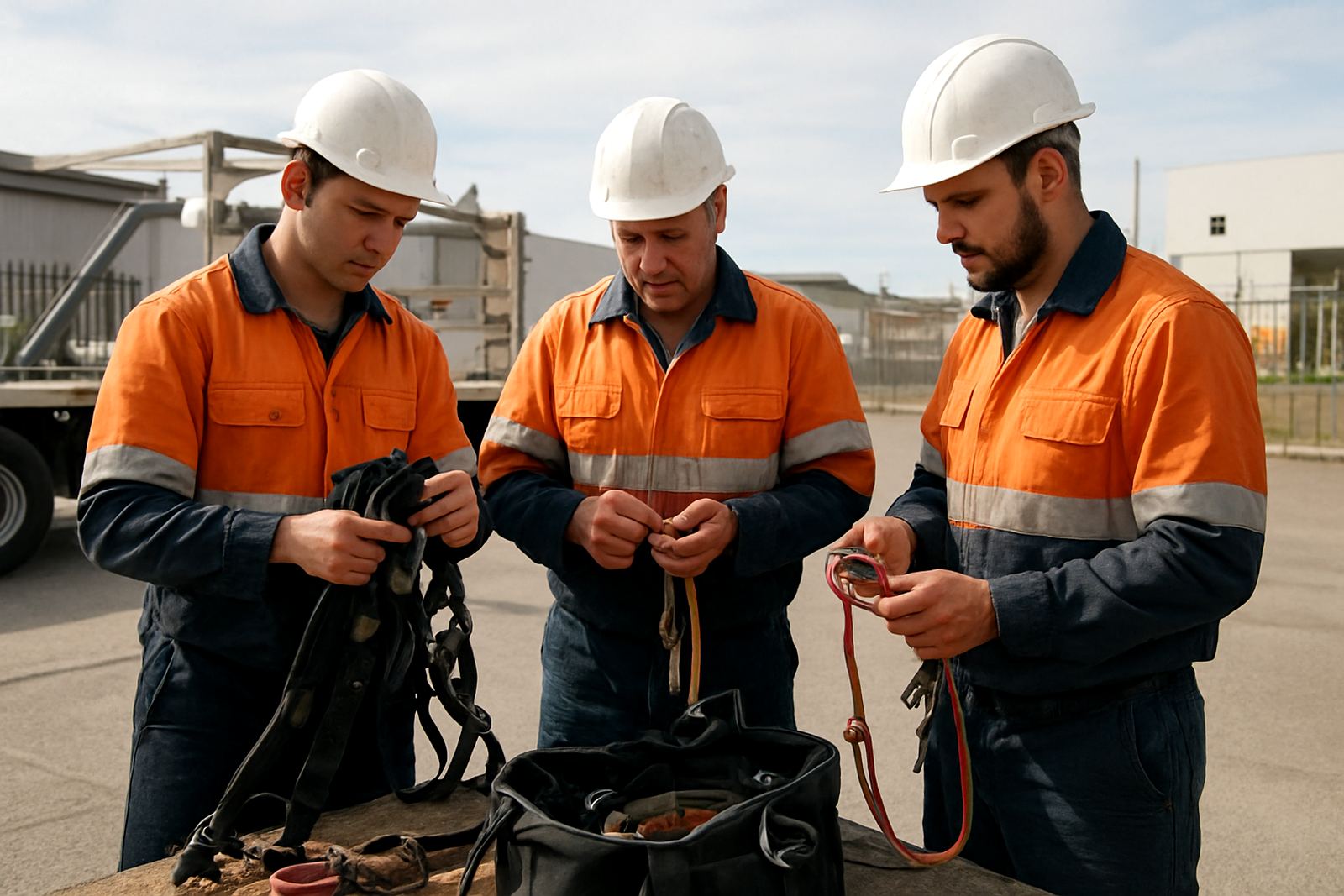
Safety is not a slogan on site. It is the difference between a job that finishes neatly and one that creates problems for everyone involved. For sign makers, a rigging partner should arrive with scaffold training, first-aid training and a proper safety culture. That includes knowing when not to lift, when to stop for wind, and when the access method needs to change.
It is easy to underestimate how much that matters until a site is awkward. A sign may be mounted above a busy entrance, beside a moving roadway, or on a building with limited safe working space. In those moments, experience saves time and keeps the client calm. It also protects the sign shop, because a badly handled install can undo weeks of good fabrication work.
Working with a trade-only rigging crew means you are not handing your client to a competitor. You are extending your service in a controlled way. That is the point. Sign makers keep the fabrication, keep the relationship and keep the standard. The rigging partner simply helps the work reach the wall, the roofline or the billboard face safely and on schedule.