Why the handover matters after the last bolt is tightened
Once a sign is in place, the job is not finished until the handover is complete. For sign makers, this is the point where workmanship gets confirmed on site, and any small issues are picked up before they become a return visit. A careful handover protects the install, the client relationship and the crew’s safety record.
In Cape Town and Johannesburg, conditions change from one site to the next. A coastal job in Paarden Eiland may need extra attention for salt air and fasteners, while a tower job in Sandton may need strict access control and a managed lift-down. The handover gives everyone a clear picture of what was installed, how it was secured, and whether the site has been left in proper condition.
What our crews check before signing off a site
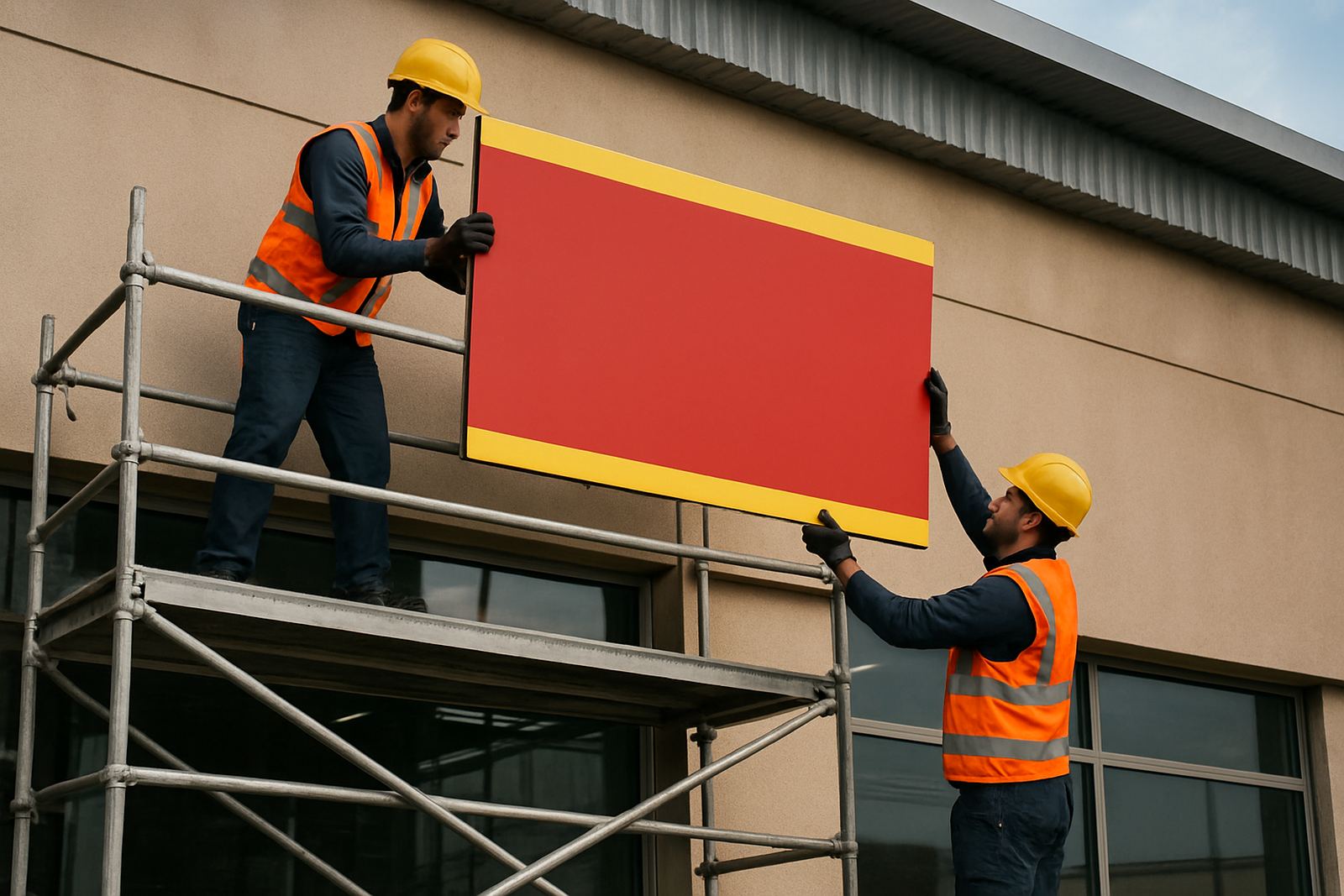
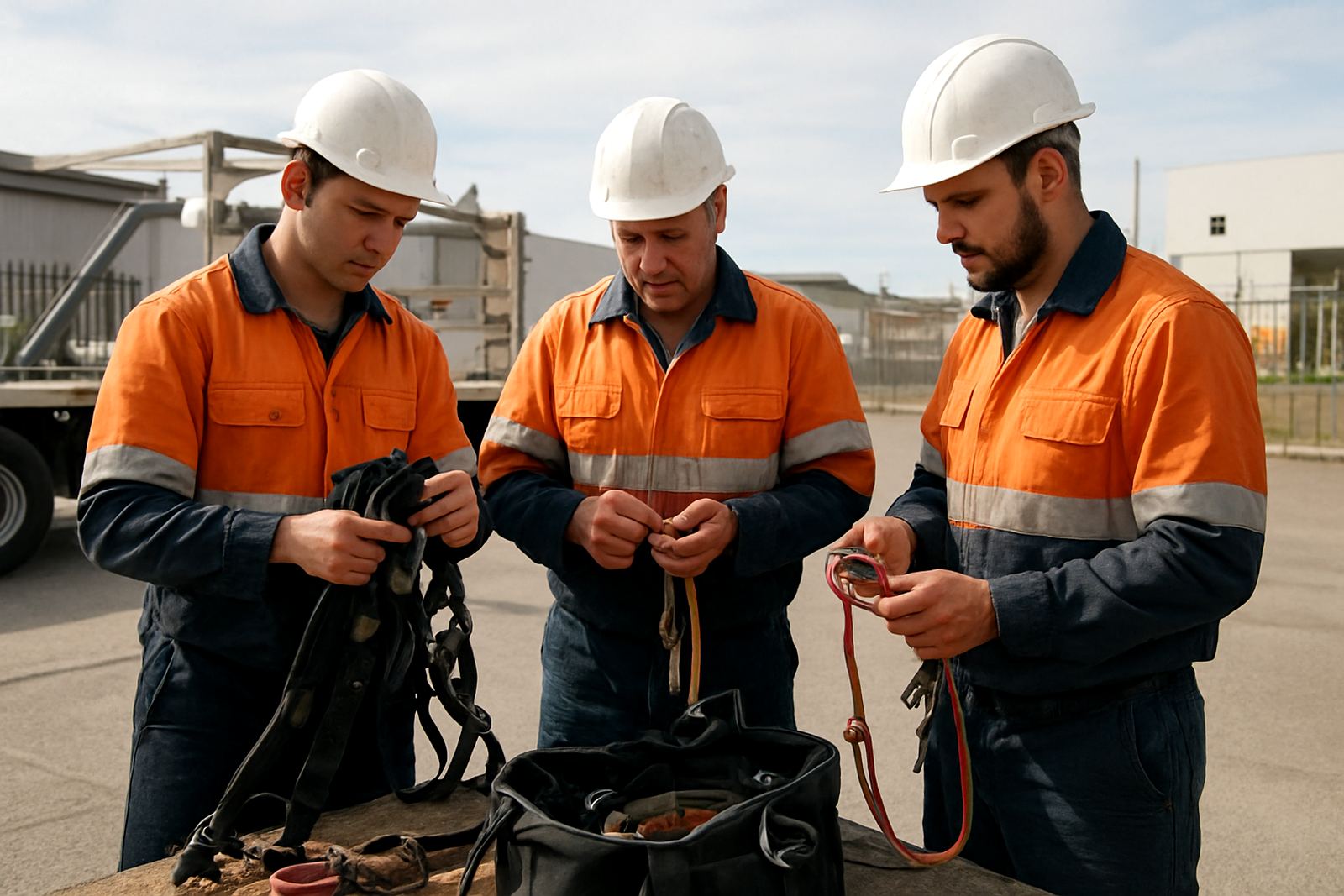
The final check should be practical, not rushed. Our crews look at the sign from the ground and from access level where needed, then confirm that the install meets the agreed scope. That includes alignment, fixings, electrical access points where relevant, and any protective measures around the structure.
The sign maker should get plain feedback, not vague comments. If a mounting point needed adjustment or a bracket was replaced on site, that is noted. If the sign sits slightly differently than planned because of a wall condition or an obstruction, the sign maker needs that detail so they can explain it to their client if necessary.
- Fixings, brackets and anchors checked for tightness and visible movement
- Panels, faces and frames checked for level, spacing and finish
- Access points, cabling routes and lighting positions reviewed
- Any site restrictions or changes recorded for the sign maker
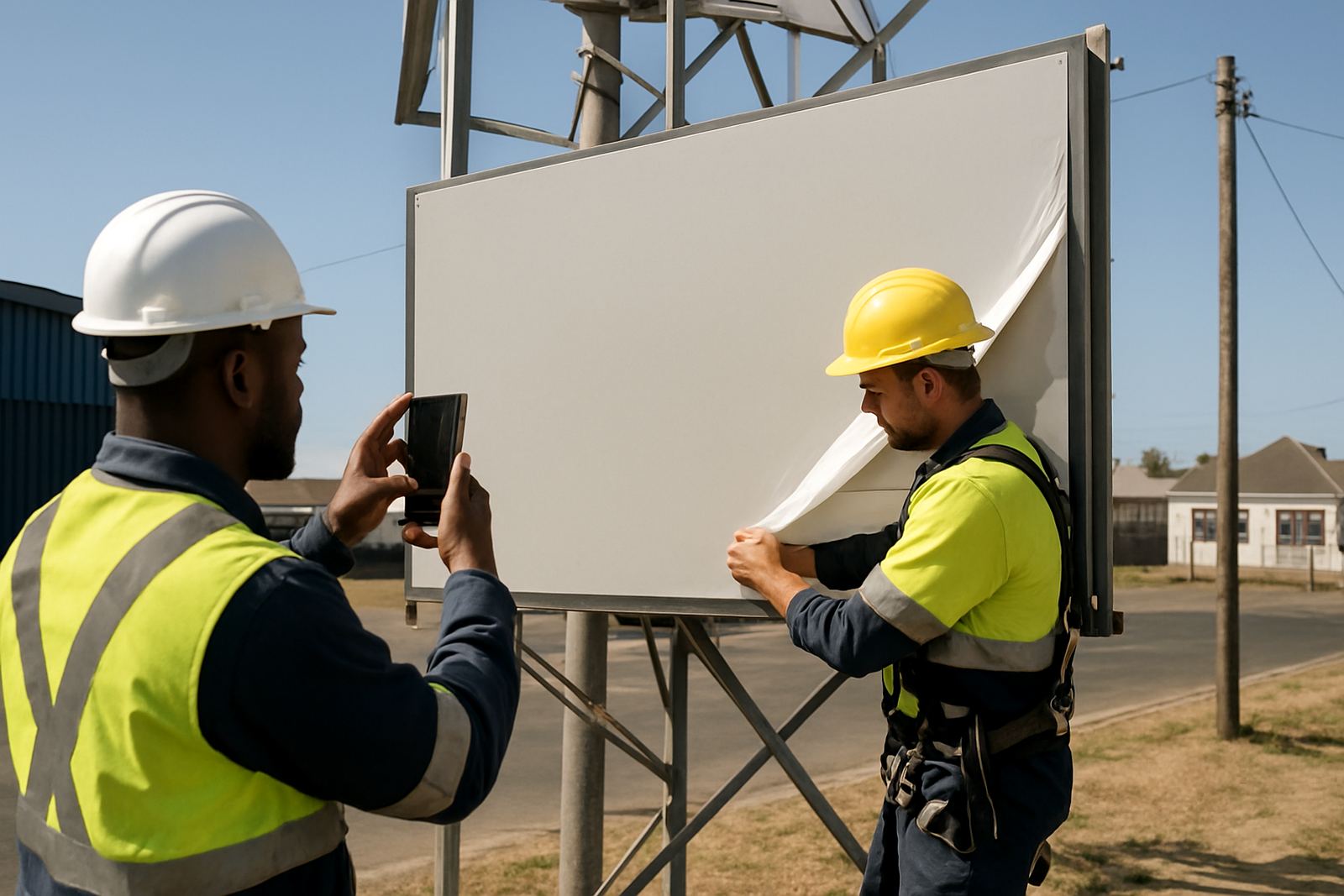
- Photos taken as proof of final condition and placement
Cleanup is part of the job, not an extra
A proper handover includes cleanup on site. Offcuts, packaging, old fasteners, drill dust and removed materials should never be left for the client to deal with. On commercial sites, especially where customers or tenants are moving through the area, a tidy finish is just as important as the install itself.
In wet weather or coastal conditions, cleanup also means making sure surfaces are not left slippery and that loose material is removed from walkways, loading bays and public access areas. On a Paarl industrial site, that may mean sweeping out a service yard before opening time. On a busy Johannesburg CBD frontage, it may mean clearing barriers early enough for foot traffic and deliveries to resume without delays.
- Packaging and scrap removed from the work zone
- Walkways, entrances and loading areas cleared
- Temporary barriers and cones packed away only when safe
- Any removed sign parts handed over or stored as agreed
Feedback for the sign maker should be specific and useful
The best handover leaves the sign maker with information they can use on the next job. If a structure was harder to access than expected, if a face change needed extra lifting, or if a lighting check showed a weak point, that detail helps with planning, pricing and client advice later on.
Good feedback also helps with repeat work. Sign makers who know what went well and what caused delay can plan better site visits, order the right access equipment and give more accurate timelines to their own clients. That is especially useful for chains, property managers and industrial customers who expect the next visit to run on schedule.
We keep the feedback practical and direct:
- What was completed on the day and what remains for later
- Any access issue, height restriction or loading challenge
- Any condition on site that could affect the next maintenance visit
- Any safety concern that needs follow-up before future works
Safety details that should never be skipped
Handovers are not only about appearance. Safety items must be confirmed before the crew leaves. That includes making sure any open wiring, unsecured fittings or access hardware is dealt with properly. If there is an issue that needs a return visit, the site must be left in a safe condition and the sign maker informed straight away.
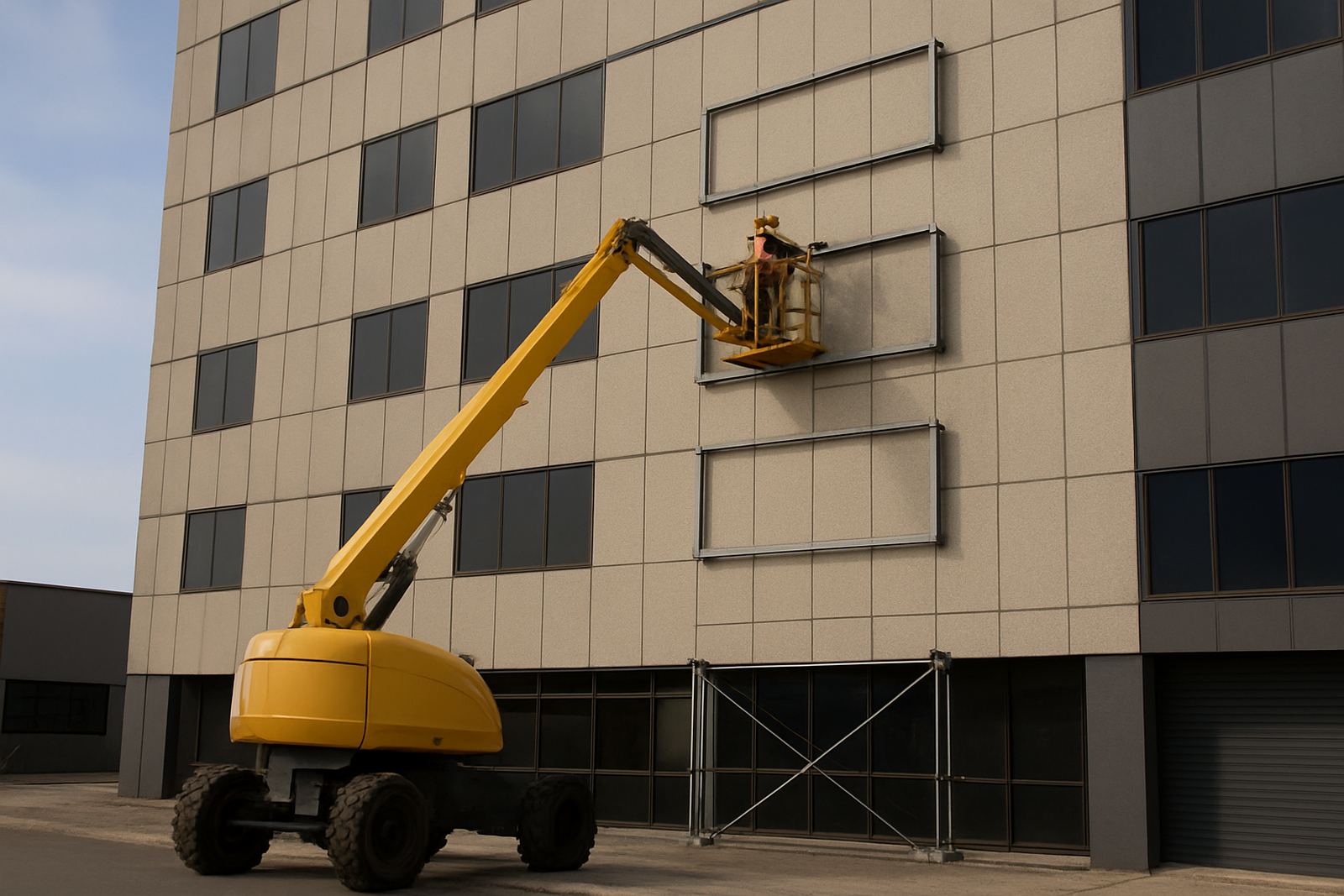
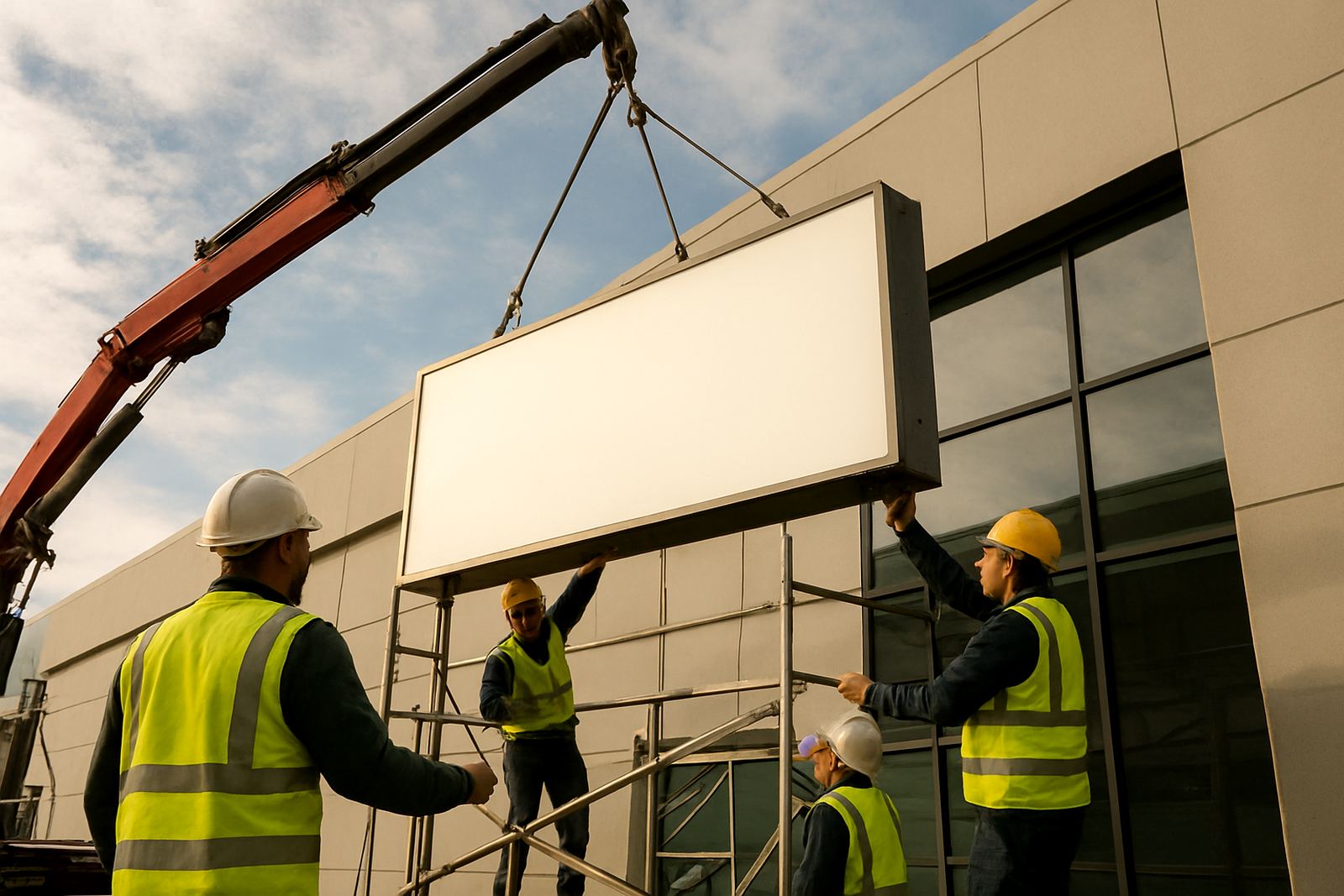
Our teams work with scaffold access, platform work and lift planning where the site calls for it, so handover includes checking that access equipment has been removed correctly and that no public risk remains. On a high sign in Midrand or a roadside pylon in the East Rand, that final safety sweep matters because one missed item can create a problem after hours or during load-shedding when visibility is poor.
A proper safety close-out should cover:
- Loose tools, fixings and cords removed from the area
- Temporary power or lighting arrangements switched off and secured
- Any temporary openings, panels or covers closed properly
- Site left without trip hazards, sharp edges or falling debris risk
A local example from a busy commercial frontage
Take a retail frontage in Bellville, where a sign maker needs a face change and lighting access before trading hours. The crew arrives early, coordinates with site security, completes the lift, checks the fixings, clears the work area and hands back clear notes on the fittings used and the condition of the existing structure. The store manager gets a clean entrance before doors open, and the sign maker gets a record they can file with the job notes.
That same approach works on larger jobs too, from billboard face changes to emergency callouts after wind damage. The detail changes from site to site, but the principle stays the same: finish the work, leave the site clean and give the sign maker useful information they can stand behind.
What a sign maker should expect from a proper handover
Sign makers should expect a handover that is calm, documented and easy to act on. There should be no guesswork about what was installed, what was removed and what needs follow-up. If a client later queries the job, the sign maker should be able to rely on the handover notes and photos instead of trying to reconstruct the day from memory.
A good handover gives the sign maker confidence to close out the work on their side. It also helps keep the relationship between the rigging crew and the sign shop clear. We do the rigging, removal and servicing, and we hand back a site that is safe, tidy and ready for the next part of the project. That is how you keep repeat work running smoothly across Cape Town, Johannesburg and the surrounding areas.