

When a temporary removal makes better business sense
Temporary sign removals are usually booked when a shopfront is being repainted, a tenant is changing, a fascia is being repaired, or a campaign needs the face cleared for new artwork. In practice, the removal window is often short and the reinstatement has to happen just as quickly, especially where trading hours are tight or the premises sit in a busy centre with security rules and loading bay limits.
For sign makers, the main concern is not only getting the sign down safely, but keeping the hardware, fixings, brackets and lighting components in a condition that allows clean refitting. That means controlled handling, careful labelling and proper storage, not a rushed pull-off that leaves damaged lettering or bent frames behind.
In Paarden Eiland, where many sites are close to traffic, wind and truck movement, removals often need to be scheduled early in the day. In Sandton or Johannesburg CBD the issue is more often access, parking, building management and lift timing. Different towns, same principle: remove it properly once, then put it back without drama.
What our crews check before the sign comes down
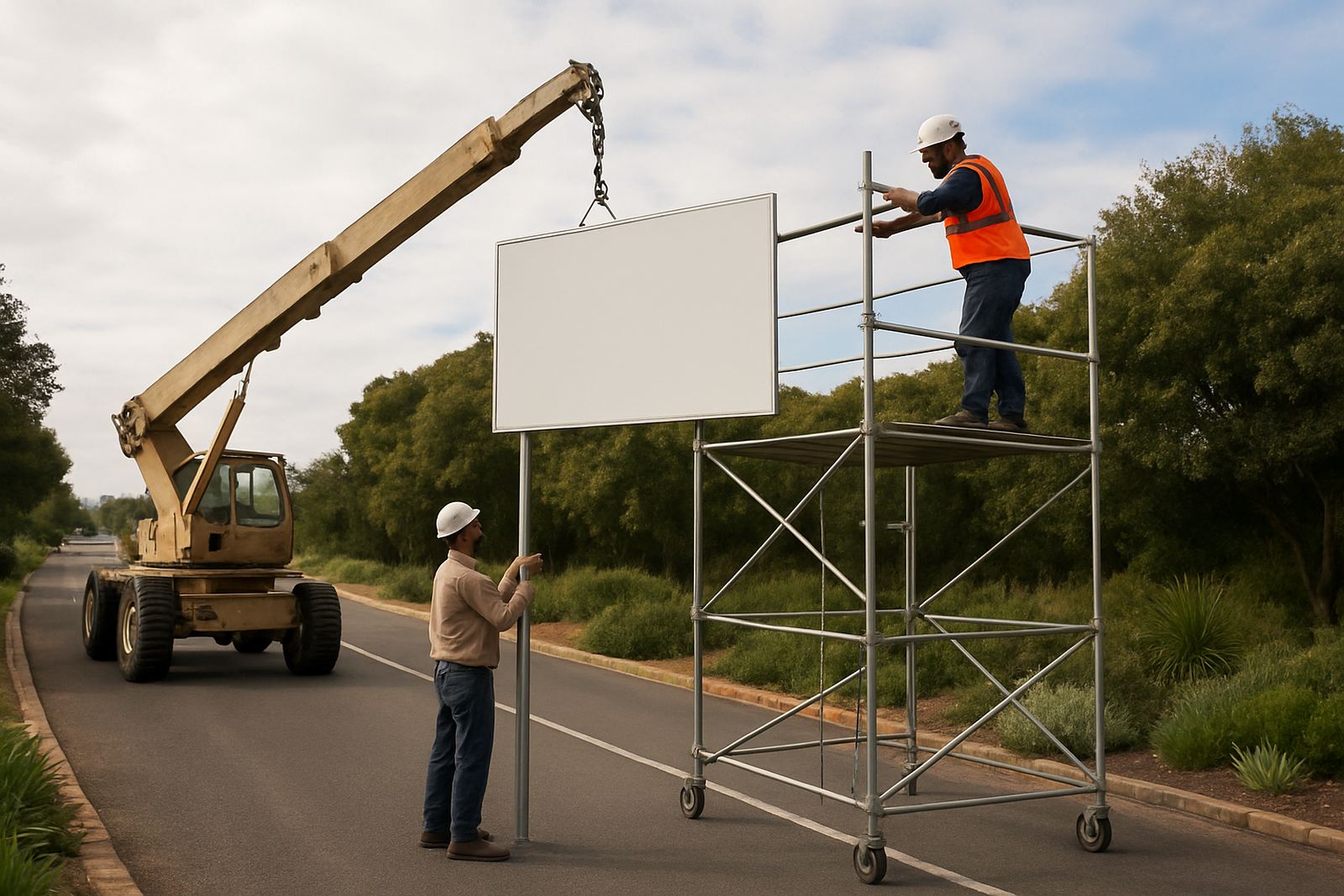
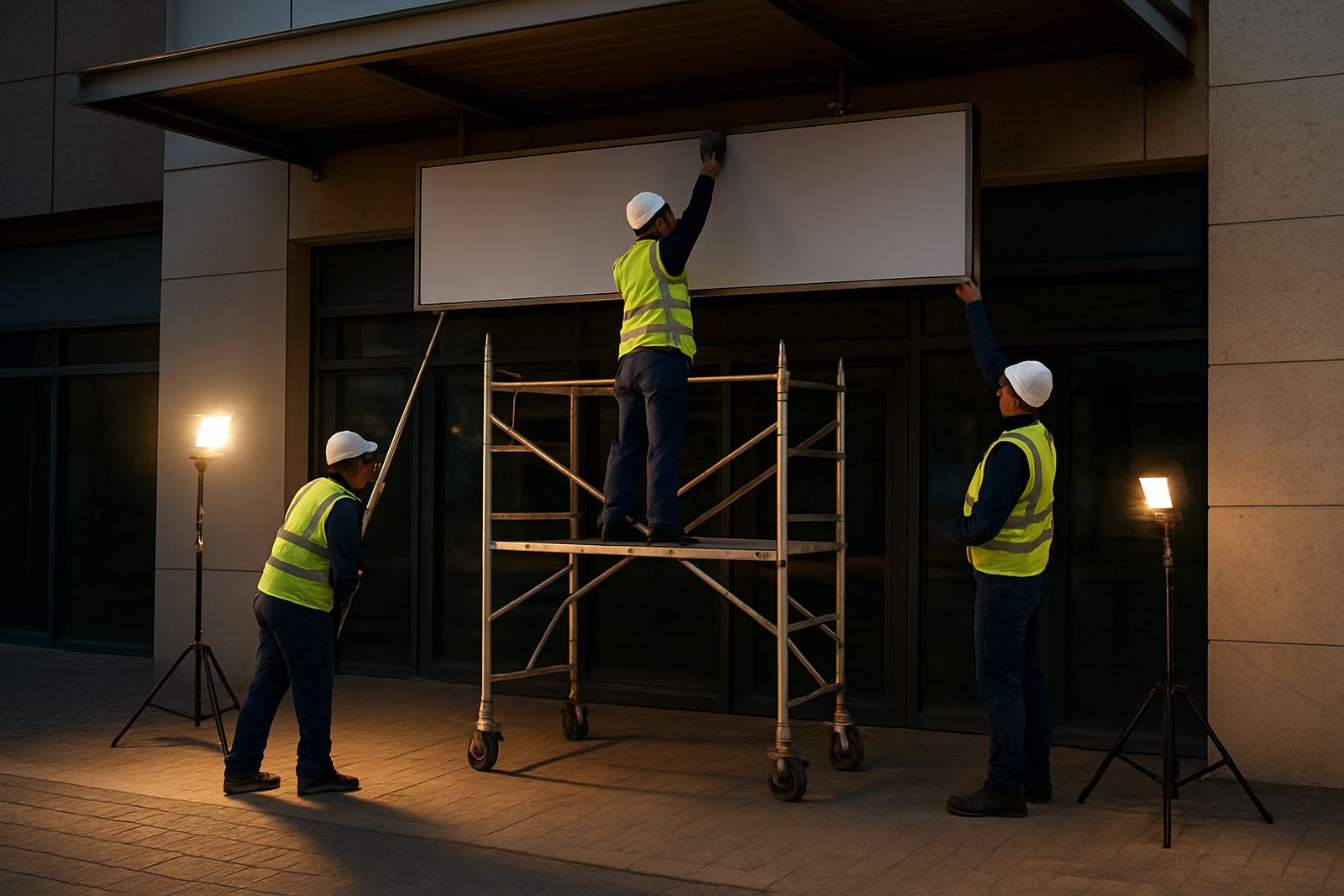
A temporary removal should start with a site survey, even if the sign is small. The crew needs to see how the sign is fixed, whether there is live power, how high the working position sits, and whether scaffold, platform work or a lift is the safest option. A clean removal is planned, not improvised on the pavement.
- Fixing type and access points
- Electrical isolation and lighting connections
- Weight, dimensions and handling method
- Wind exposure, especially on coastal sites
- Ground conditions, parking and loading access
- Reinstatement method and timing
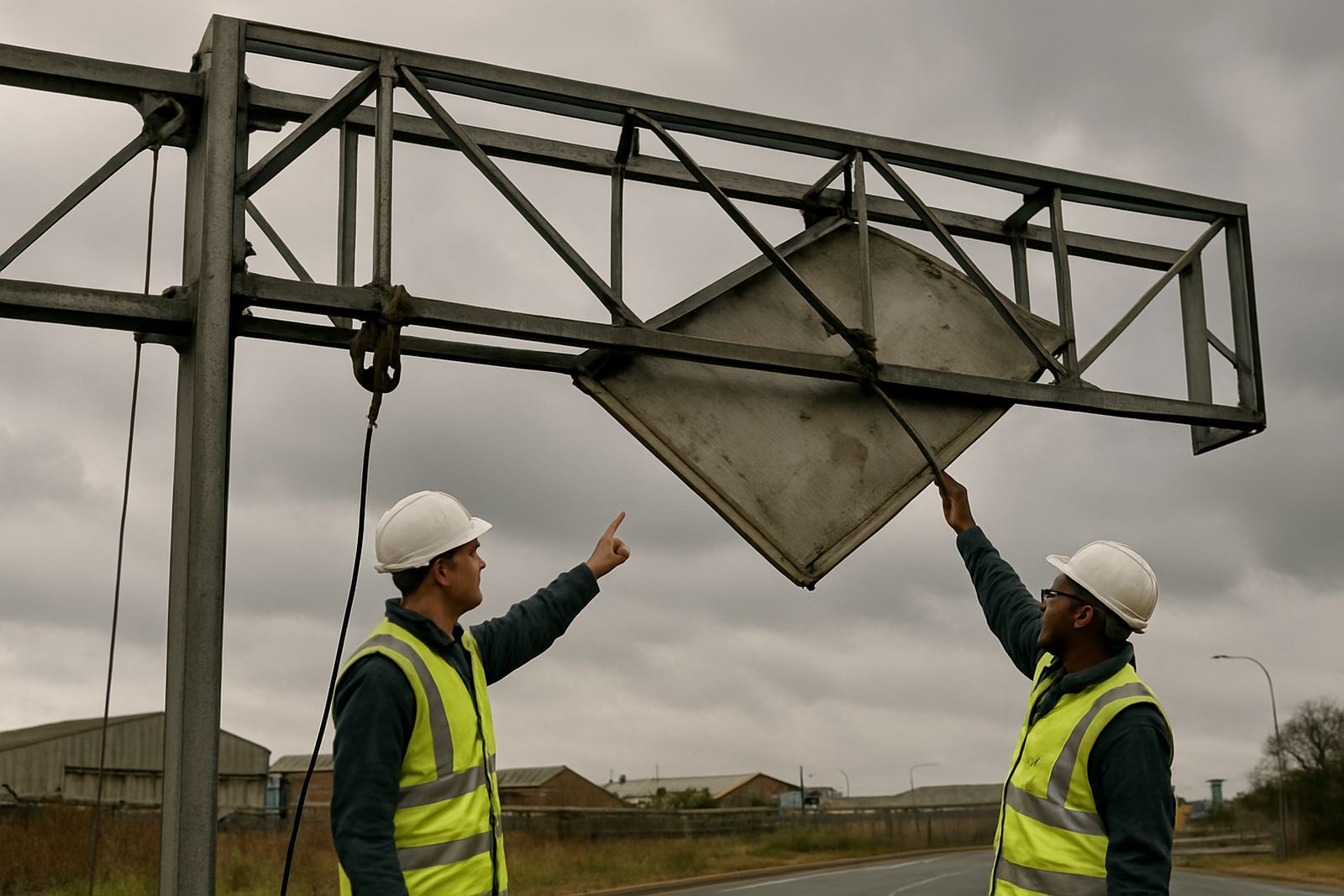
That inspection also helps avoid surprises like hidden cable runs, corroded bolts or brittle backboards. On the coast, salt air can seize fasteners far more quickly than most clients expect, and the first sign of trouble is often a stripped head or a bracket that does not want to move. We see that a lot around Bellville and Somerset West where signs can sit exposed for years without much attention.
Keeping the sign, the fixings and the fascia in good order
Temporary removal is not only about lifting a sign off a wall. The surrounding structure matters just as much. If the fascia board, cladding or masonry is already tired, a careless removal can turn a small campaign change into an expensive repair. Good crews work around the substrate and leave the opening tidy, with no torn sealant, broken clips or exposed wires left hanging around.
Where lighting is involved, the goal is to isolate and protect the electrical components so they can be refitted later without rewiring the whole job. On some sites the sign can come down as a complete assembly. On others, individual sections are safer to remove separately. The right call depends on access, weight and the condition of the frame.
Our maintenance crews also look out for the smaller details that cause trouble on reinstatement day: missing screws, corroded washers, damaged seals and weathered brackets. Those parts are easy to ignore in the moment, but they are exactly what determines whether the sign goes back up straight and stays there.
Reinstatement after campaigns, refurbishments or tenant changes
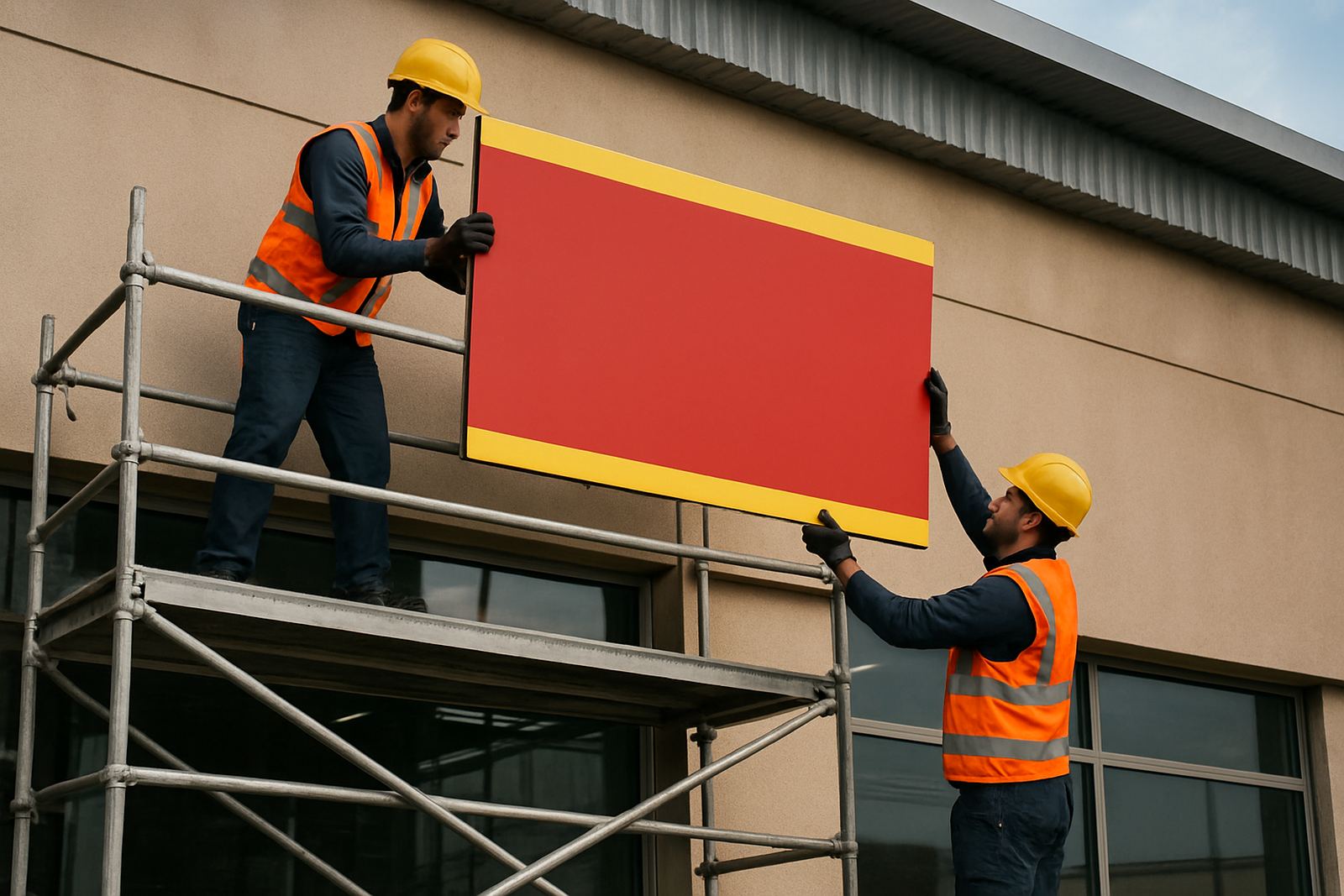
Once the campaign is over or the building work is complete, reinstatement needs to be neat and quick. Clients often need the sign back on the same mounting points, in the same position and with the same alignment, because even a few millimetres off can show in daylight or at night. That is why we record the original setup before removal and keep the components organised for return.
For sign makers serving retail parks, office buildings and roadside premises, a proper reinstatement protects the client relationship too. The customer sees one team handle the removal and refit without finger pointing, and the sign maker can stay focused on production, artwork and approvals instead of sending staff onto a ladder during load-shedding or a windy afternoon.
- Original fixings checked before any refit
- Face panels and trims returned in sequence
- Lighting reconnected and tested where required
- Alignment checked from ground level and at height
- Site left clean so trading can continue
In Johannesburg the challenge can be speed, especially where a landlord wants the wall clear before a new lease handover. In Cape Town, weather can interrupt a perfectly planned day if the wind picks up along the Atlantic side. Either way, the reinstatement has to respect the site conditions rather than force the pace.
Local example: a short campaign in Midrand with a tight handover
A typical call might come from a sign maker handling a temporary promotion at a Midrand shopping centre. The brand needed the existing face removed on Friday evening, the wall kept clear over the weekend, then the original sign refitted after the tenant finished painting on Monday morning. The challenge was not the size of the sign but the timing, because deliveries, security and visitor traffic all had to be worked around.
We would plan the access, isolate any lighting, remove the sign in sequence and store the fixings for refit. If the wall had fresh paint, the crew would check that the mounting points were ready before any lifting started. Small delays matter here, because a late return can upset trading, and a rushed refit can leave a crooked panel that everyone notices.
That is the kind of job where experience counts more than speed alone. A good temporary removal is quiet, tidy and predictable. The sign is off when it should be, the site is left safe, and the reinstatement goes back as expected without extra damage or rework.
Why sign makers use a dedicated rigging crew
Sign shops should not have to choose between production work and sending their own installers into risky conditions. A dedicated rigging crew handles the access, lifting, scaffold work and safety controls while the sign maker stays with the client relationship and the creative work. That separation matters on busy projects, and it keeps everyone focused on what they do best.
Sign Riggers has been working this way since 2008 from Paarden Eiland and Johannesburg, with crews serving the Western Cape and Gauteng. Our teams are trained for scaffold access, first aid and safe sign handling, and we work only on rigging. That means no competition with the sign shops that call us in, just dependable support when a sign must be removed and returned without fuss.
Whether the job is a billboard face change, a shopfront sign taking a break for renovations, or a simple emergency callout, the aim is the same: remove it cleanly, protect the components and put it back properly. It sounds basic, but that is exactly where the value sits.
Planning a temporary removal without disrupting trade
If a sign needs to come down for a short period, planning should start before the painter arrives or the campaign date is confirmed. The earlier the site is checked, the easier it is to choose the right access method and avoid delays. That is especially useful where the premises sit in a busy industrial strip, a gated office park or a retail centre with limited working hours.
- Confirm the removal date and refit date together
- Check whether power isolation is needed
- Allow for scaffold, platform work or lift access
- Keep all parts labelled and bagged by section
- Make sure the reinstatement point is ready before the crew returns
Temporary removals are usually short jobs, but they are not small jobs. A good plan avoids damage, reduces downtime and keeps the client out of trouble with landlords, centre management or municipal rules. That is the standard we work to on every removal and reinstatement.