

Why high sign jobs go over budget
Most elevated sign work does not run over because the crew cannot do the job. It runs over because something simple was missed before anyone arrived on site. That can be a blocked loading area, the wrong lift height, a permit that was not sorted, or a sign that was measured from the wrong fix point. On a 12 metre fascia or a billboard face change, those mistakes become expensive quickly.
For sign makers, the pressure is usually on the handover. The client wants the new sign up, the site manager wants the disruption kept down, and the access provider needs clear ground conditions and a proper lift plan. When those pieces are handled before the truck rolls, the work is faster and safer. When they are not, there is often a second visit, extra hire time, and more people standing around waiting.
In Cape Town, wind can change the day before a lift. In Johannesburg, some sites have tight loading rules and controlled access times. Good planning takes those local conditions into account, so the crew arrives with the right equipment, the right paperwork and the right sequence for the job.
Start with the site, not the sign
A proper high sign plan starts with the site survey. The team needs to know where the sign is going, how it will be fixed, what is already on the building, and what access is available from street level. A clear survey reduces guesswork and helps avoid awkward surprises once the scaffold or platform is in place.
For sign makers, it helps to share the following before the visit:
- Final sign dimensions, weight and fixing method
- Photos of the building face, roof edge or pylon structure
- Access hours, parking limits and loading bay rules
- Any known power isolation points for illuminated signs
- Municipal or landlord requirements that apply to the site
If the sign is going into a shopping centre in Sandton, the access route may be different from a roadside fascia in Bellville. A pylon sign in Midrand may need a different lift than a sign above a warehouse entrance in Paarden Eiland. The earlier those details are checked, the less likely the job is to stall on the day.
Plan the lift before the crew arrives
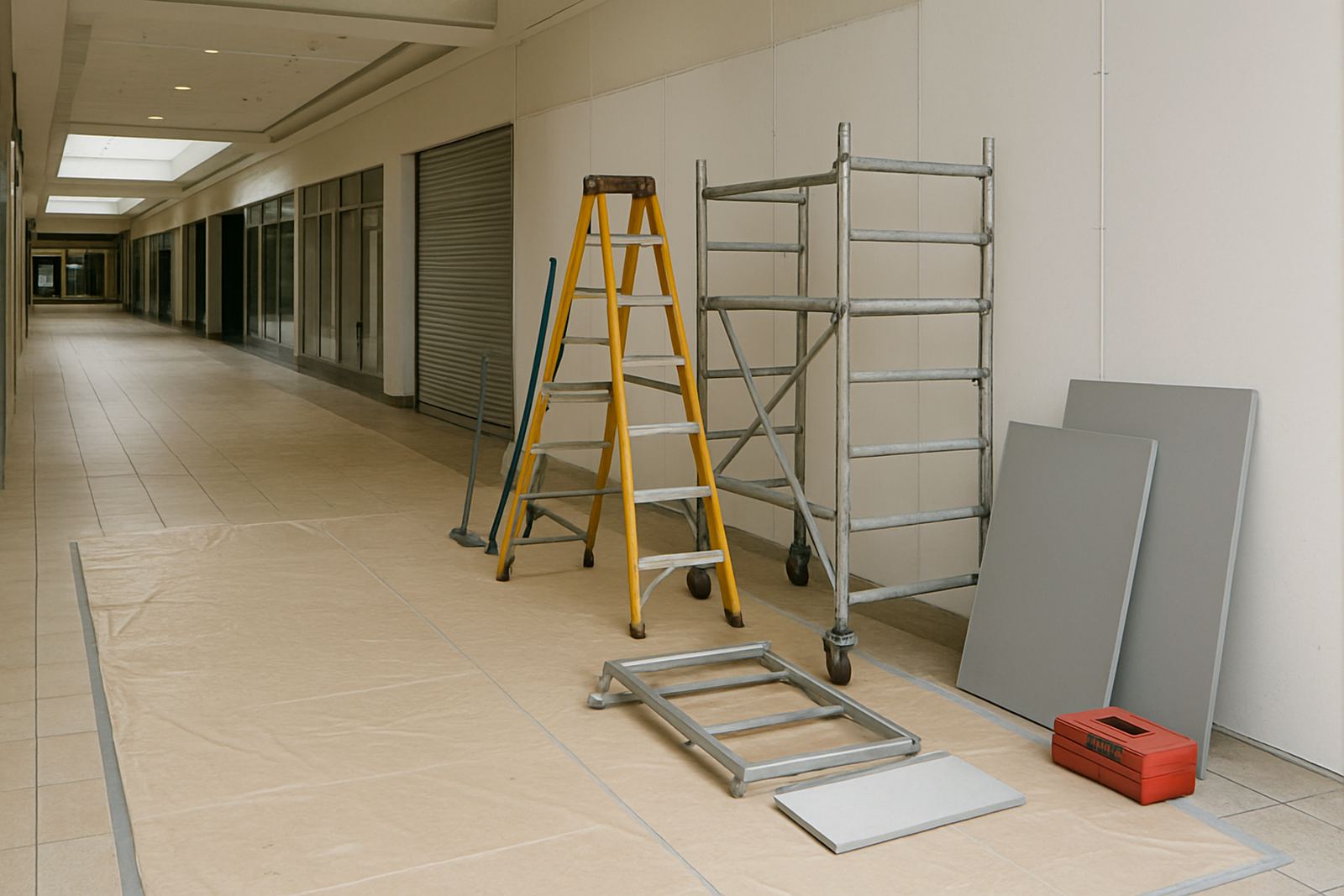
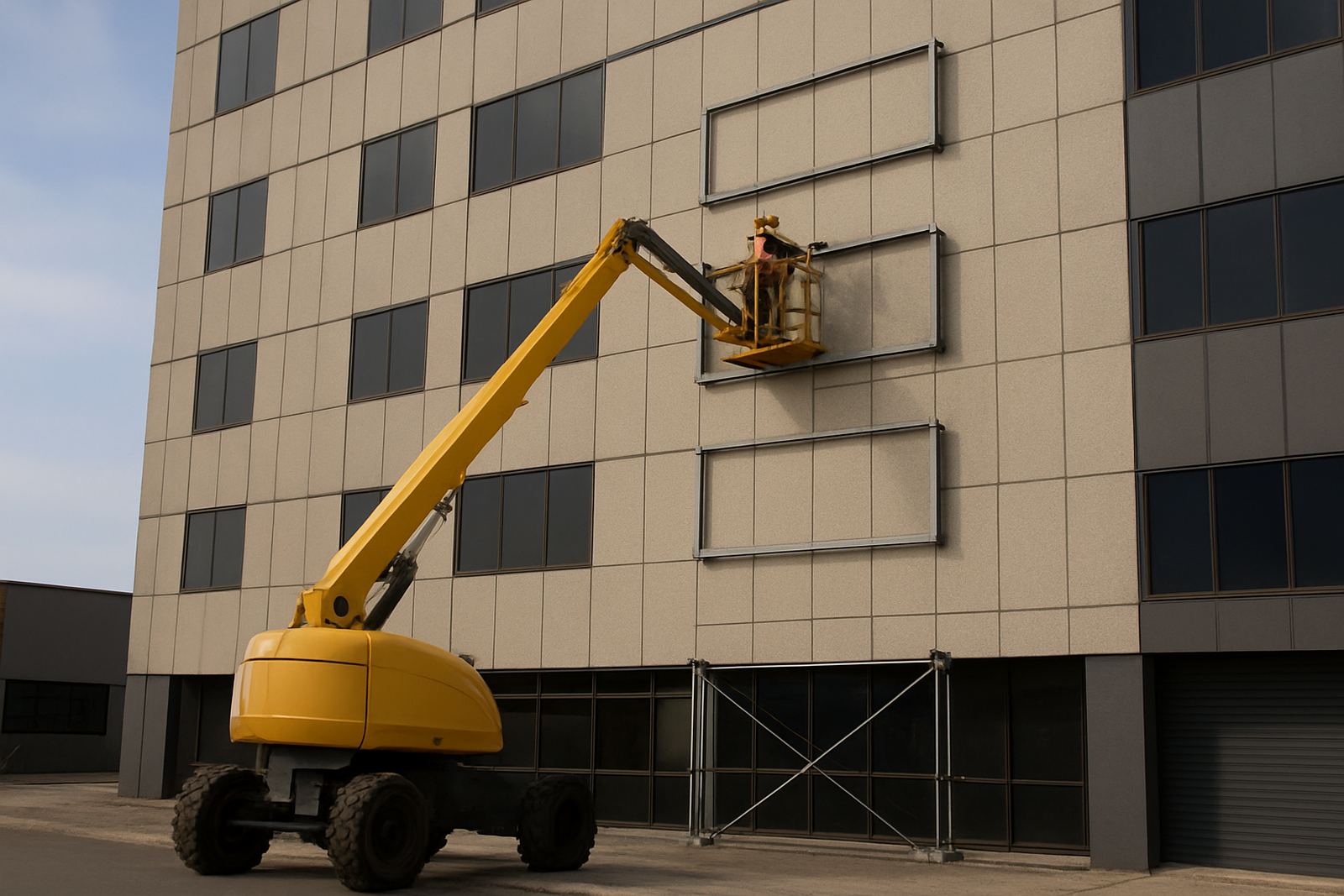
Lift planning is not only for large cranes. It matters for platform work, scaffold access and simple high fascia installs too. The aim is to match the access method to the actual job, not force the job to fit the equipment. That means checking reach, ground bearing, overhead obstacles, weather exposure and the time needed to set up and pack down.
For elevated sign work, a good lift plan should cover:
- Equipment size and reach for the required height
- Ground conditions, slope and surface type
- Overhead cables, tree growth or awnings that may interfere
- Traffic control needs for pavement or roadside work
- Emergency exit paths for the crew if conditions change
When the lift plan is done properly, the crew does not waste the first hour deciding whether the access will work. They already know where the machine parks, where the tools go, and which order the old sign comes down and the new one goes up. That saves time and keeps the site cleaner too.
Make removals and servicing part of the same conversation
Many high sign jobs are not straight installs. A sign may need to come down before a new one goes up, or an illuminated face may need servicing while the structure is still live with other tenants trading below. If removal and servicing are planned separately, the client often pays twice for access that could have been handled in one visit.
That is why sign rigging crews should be involved early when the scope includes any of the following:
- Sign removal before refurbishing or rebranding
- Sign relocations between nearby sites
- Lighting access for repairs or lamp changes
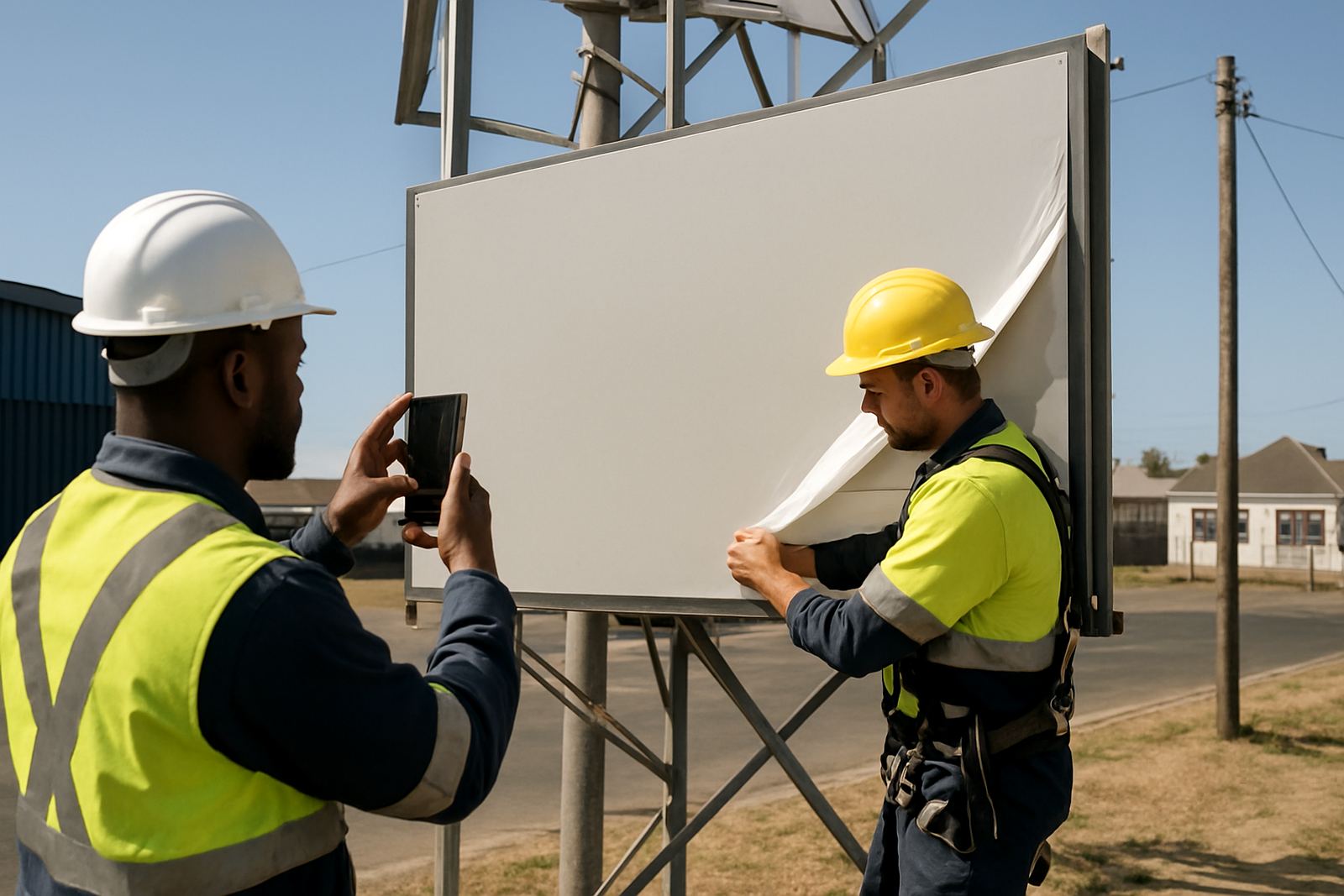
- Billboard face changes with short window periods
- Emergency callouts after wind damage or impact damage
On a busy site in Johannesburg CBD, for example, a broken illuminated sign above a tenant entrance may need a short night or early morning window. If the team knows that the face also needs cleaning and a wiring check, they can bring the correct access gear and avoid a return trip. That is the difference between a neat one-call solution and a half-finished job that drags on for days.
Safety paperwork should be done before the truck rolls
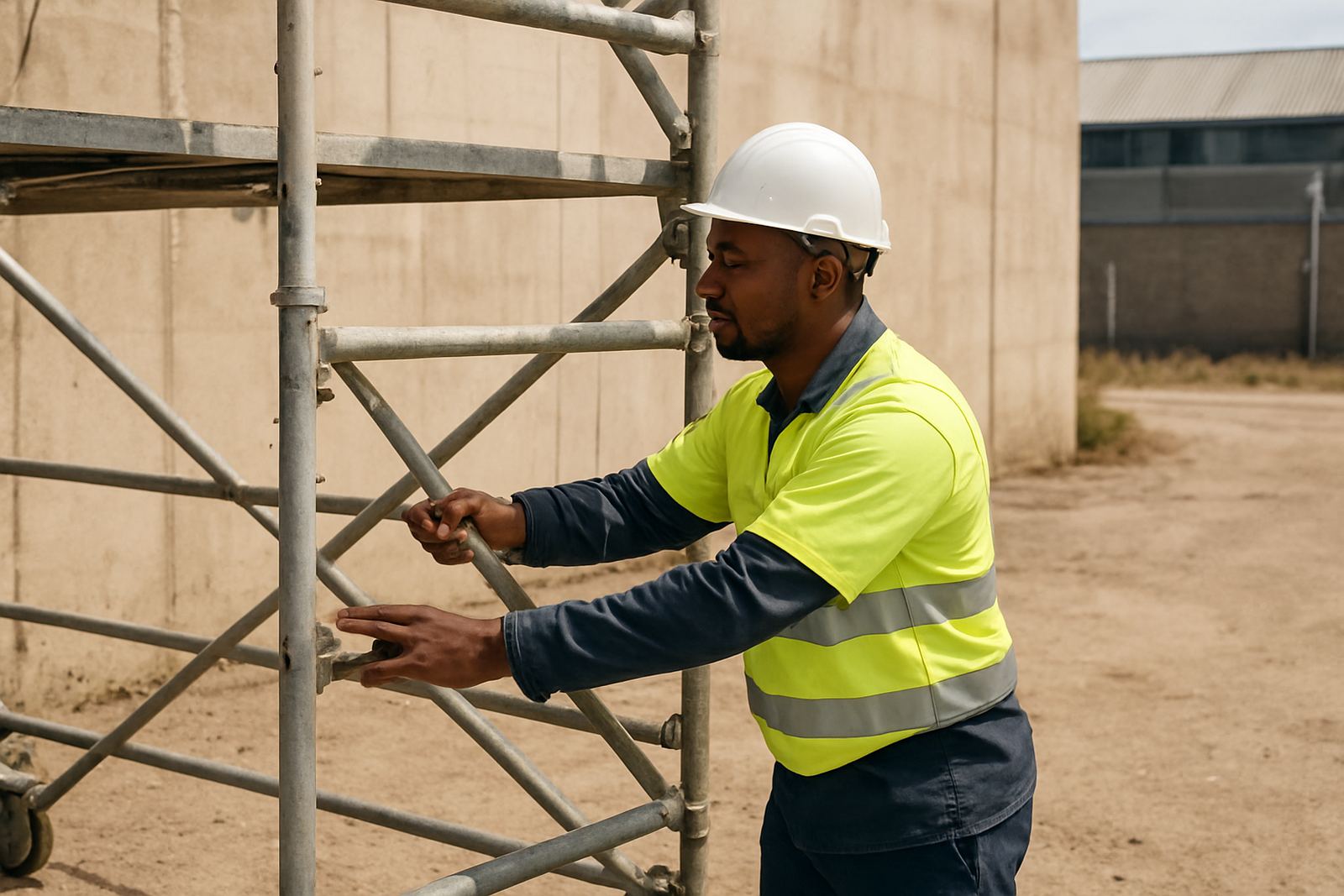
High sign work is only efficient when the safety basics are in place. The crew should arrive with the correct training, the right PPE and a clear method for working at height. First-aid trained staff, scaffold competency, and a practical understanding of fall protection are not extras. They are what keeps the job moving when conditions change.
Before any elevated job, the planning should cover:
- Risk assessment and method statement for the site
- Sign-off from the building owner, site manager or centre management
- Emergency procedures and contact points on site
- Tool and material checks for working at height
- Weather watch for wind, rain or poor visibility
In coastal areas like Somerset West and Paarden Eiland, salt air can also mean more corrosion on fittings and brackets. That needs to be considered during maintenance visits and replacement planning, otherwise a small issue can become a bigger one when the crew opens up the sign. Planning ahead helps the team work cleaner and the client gets better value from each visit.
A practical Cape Town example
A sign maker in Bellville may have a 9 metre illuminated pylon face that needs replacement before a retail launch. The old face is cracked, the site has limited parking, and the centre wants the work done before trading hours. If the access plan is not sorted early, the crew may arrive and find the lift cannot fit where expected, or the work area is still blocked by deliveries.
With proper planning, the process is much simpler. The site survey confirms the reach needed, the lift plan is approved, the removal and installation are scheduled in one window, and the crew arrives with the correct equipment, fixings and traffic control setup. The old face comes down, the new face goes in, and the site is handed back without a second visit. That saves the sign maker time and keeps the client happy without the drama.
That is the real value of high sign planning. It protects the schedule, cuts wasted access costs and gives everyone a clearer job from the start. For sign makers working across Cape Town and Johannesburg, it is usually cheaper to plan properly than to fix avoidable mistakes later.
How sign makers can brief a rigging crew better
Most delays can be avoided with a sharper brief. A good brief does not need to be long, but it does need the facts that matter. When the crew understands the structure, the timing and the access limits, they can prepare once and get on with the work.
A useful briefing pack should include:
- Site address, contact person and access instructions
- Clear photos of the install position from ground level
- Sign size, weight and whether it is single or double sided
- Power location for illuminated signs or lighting access
- Any deadline tied to opening dates, inspections or branding launches
If the sign maker and rigging crew work as one team, the client sees fewer delays and fewer excuses. The sign shop keeps control of the customer relationship, while the rigging crew handles the elevated work, safely and on time. That is how good planning should work.