Why grouped runs make sense in the Western Cape
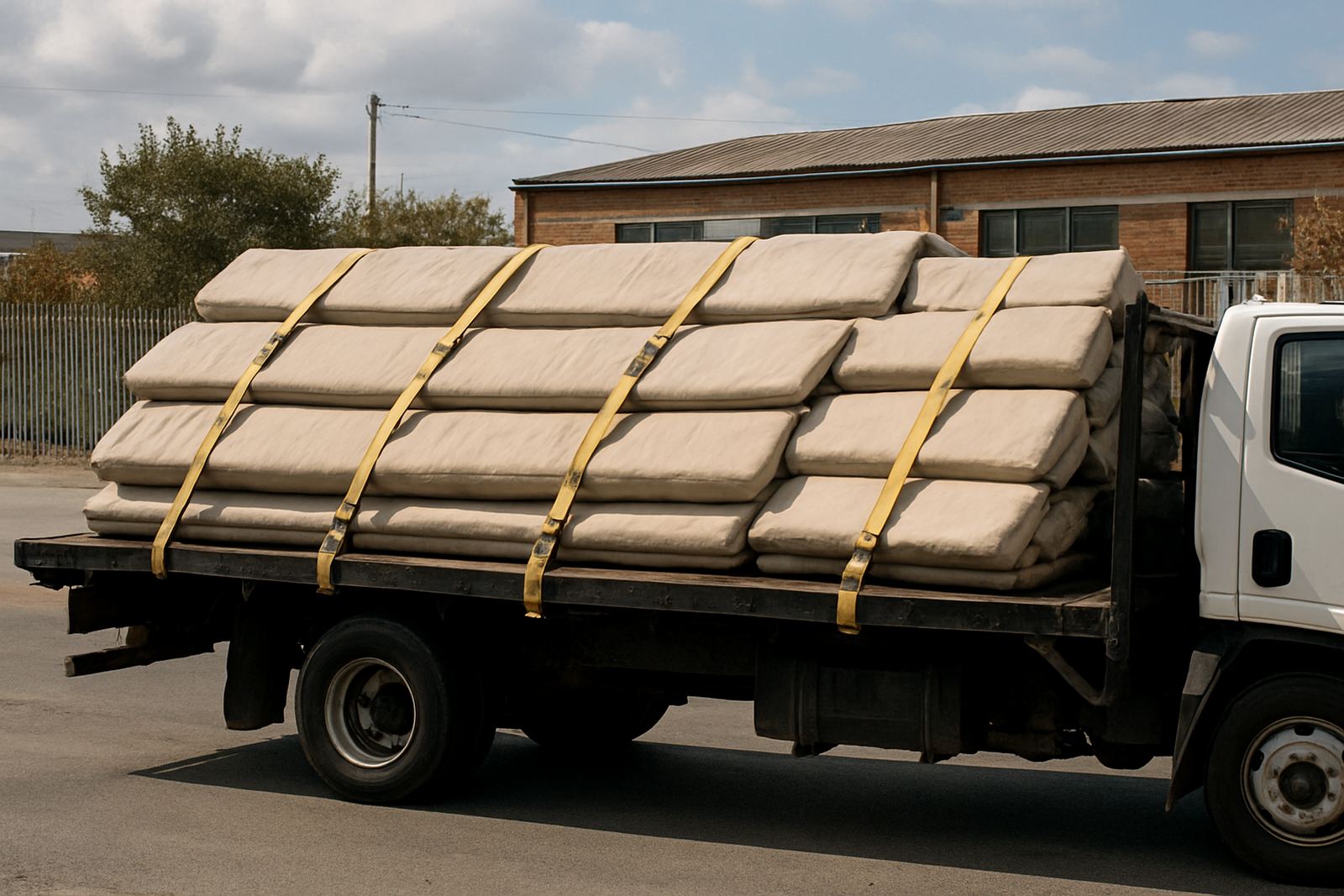
The Western Cape has a habit of turning one simple job into three small trips if the route is not planned properly. A fabrication shop may have a fascia sign in Bellville, a pylon panel in Somerset West, and a maintenance visit in Paarl all due in the same week. If those are handled as separate callouts, the truck, crew and access gear spend more time on the road than on site.
Grouped runs solve that by putting nearby jobs together into one route. That helps with labour planning, fuel use, scaffold booking and traffic around the N1, N2 and the industrial areas where access windows can be tight. It also gives sign makers more certainty when they are handing over work to a rigging crew who only handles installation, removal and servicing.
How a sensible route is put together
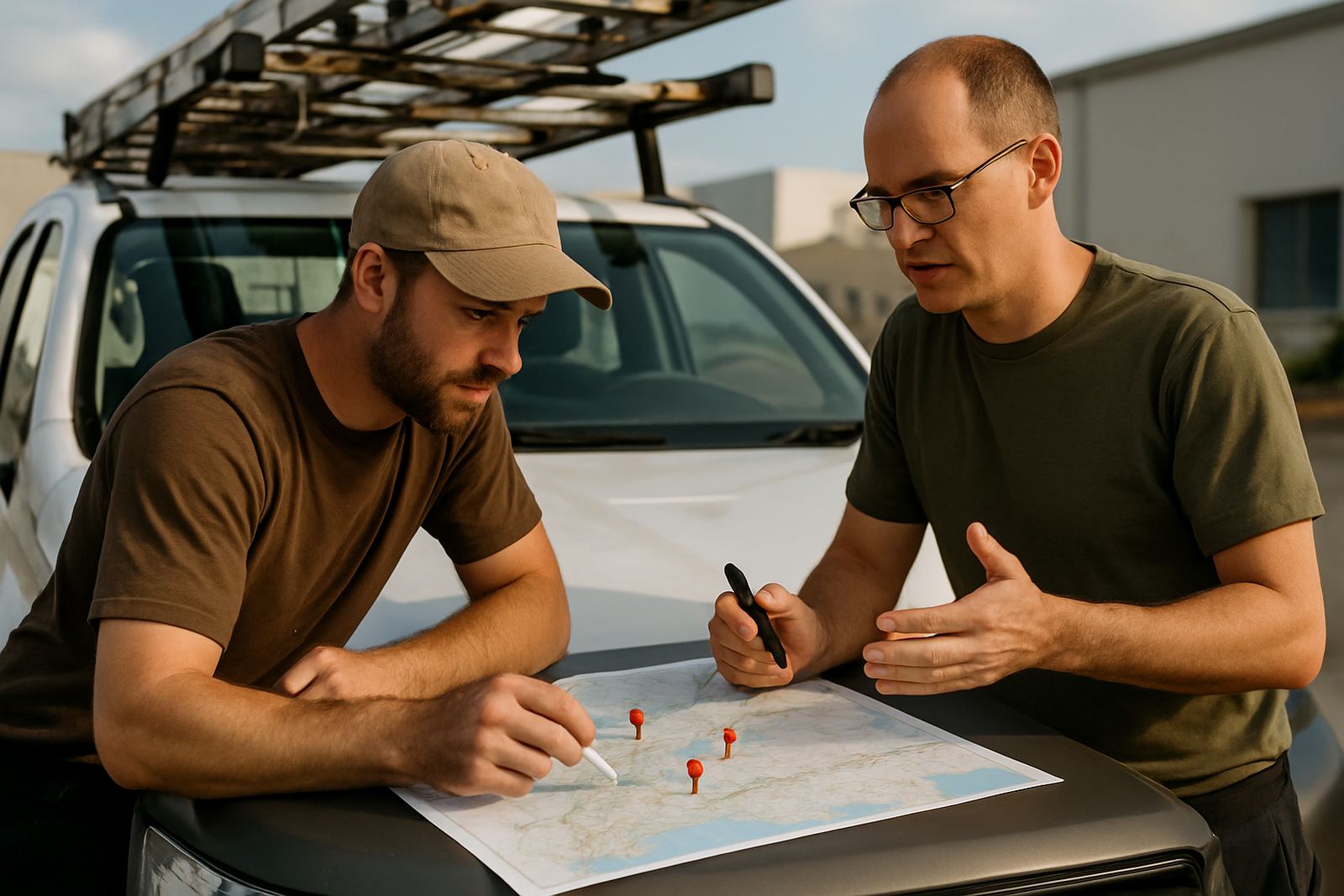
Good route planning starts with the site list, not the truck. The crew needs to know the sign type, height, access method, parking space, nearby services and whether the site is in a windy or coastal area where equipment needs extra care. In places like Paarden Eiland and the Atlantic seaboard, salt air can affect fixings and lighting connections faster than people expect.
A practical route usually groups areas by direction and access conditions. Cape Town city sites might be planned with early starts to avoid traffic and permit delays, while Bellville, Brackenfell and Paarl can be handled in a separate northbound run. Somerset West and Strand often work better as a single eastern route, especially when the same crew can do a removal, reinstall and a lighting check in one day.
- Start with the heaviest or most access dependent job first
- Keep scaffold or platform work on the same route where possible
- Allow time for load-shedding related lighting checks
- Leave a weather buffer for coastal wind or rain
- Confirm site contact details before the crew leaves the yard
What sign makers gain from grouped travel
For sign makers, grouped runs are really about protecting margin and keeping promises. A crew that can complete three West Coast or Winelands sites in one managed circuit gives the workshop room to schedule fabrication and handover more cleanly. It also reduces the risk of a half-finished project sitting on a truck because a second visit was not budgeted properly.
There is also less friction with clients. When installation dates are planned together, the sign maker can give one clear update instead of a stream of changing times. That matters with retail openings, office parks and municipal sites where access can change at short notice. In our experience, clients prefer one well managed plan over several rushed ones, even if the first option means waiting an extra day.
- Fewer repeat callouts for the same job
- Better control over access equipment costs
- Cleaner scheduling for removals and replacement signs
- Less downtime when a site needs weather or power checks
A local example from Cape Town to Paarl
Take a week where one client needs a sign removed in Bellville, a replacement fascia installed in Paarden Eiland and a maintenance visit in Paarl. Without grouping, each site can become its own booking with its own travel, set-up and sign-off. With grouped planning, the crew can start in Bellville, move back through Cape Town for the Paarden Eiland install and finish inland before traffic becomes a problem.
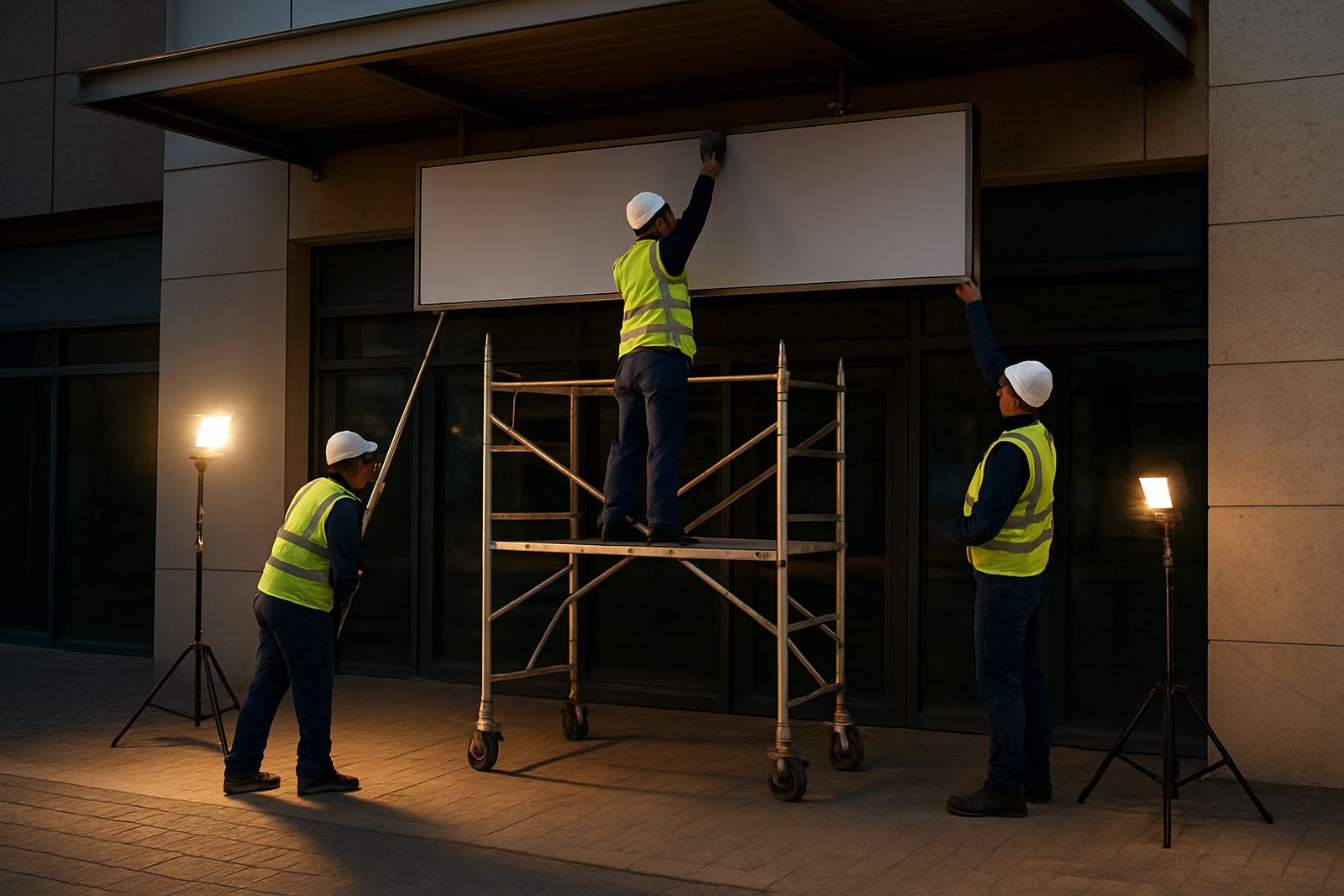
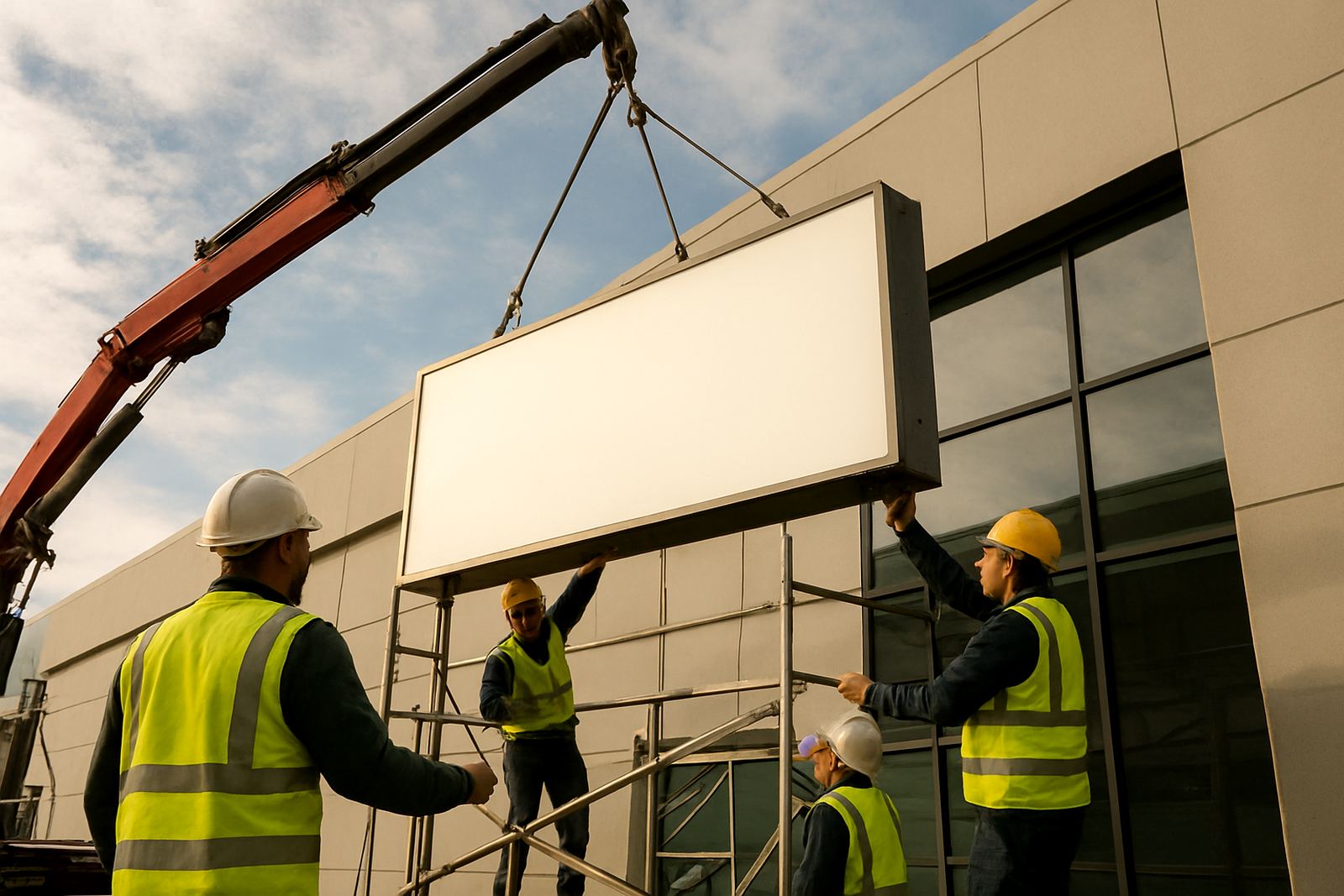
That approach also helps when the work includes lighting access or a small lift plan. If the same crew is carrying out the site survey and the installation, they already know whether the wall is sound, whether the brackets are reusable and whether the client needs a scaffold bay or platform work. It saves time, and it gives the sign maker better information before the final go ahead.
The practical checks that keep a run on track
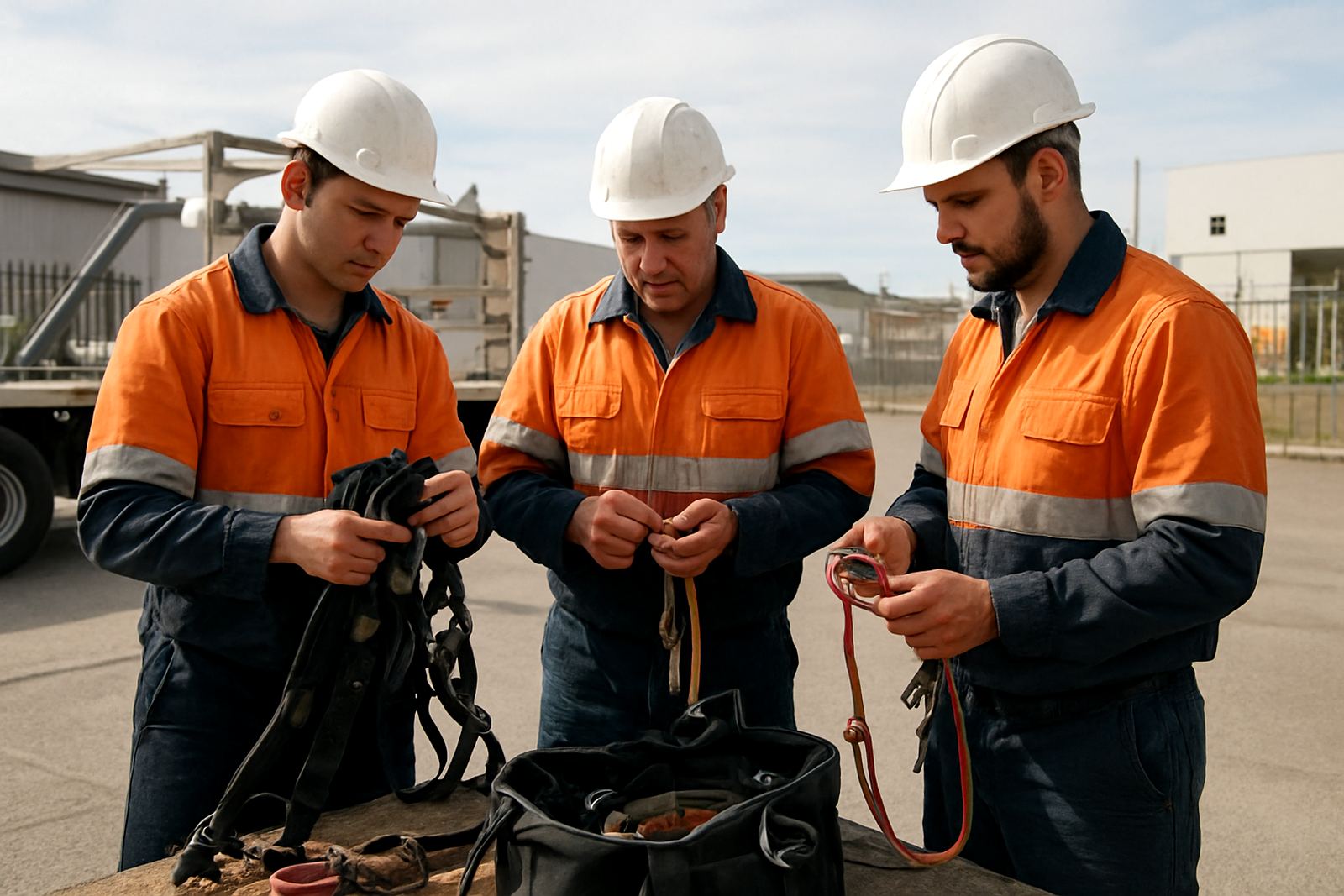
Grouped runs only work when the basics are checked properly. A rushed list can turn into delays if one site has no parking, another needs off-hours access, or a third has a sign that was fixed with old hardware and now needs a careful removal. The safest jobs are usually the ones that were planned with enough detail from the start.
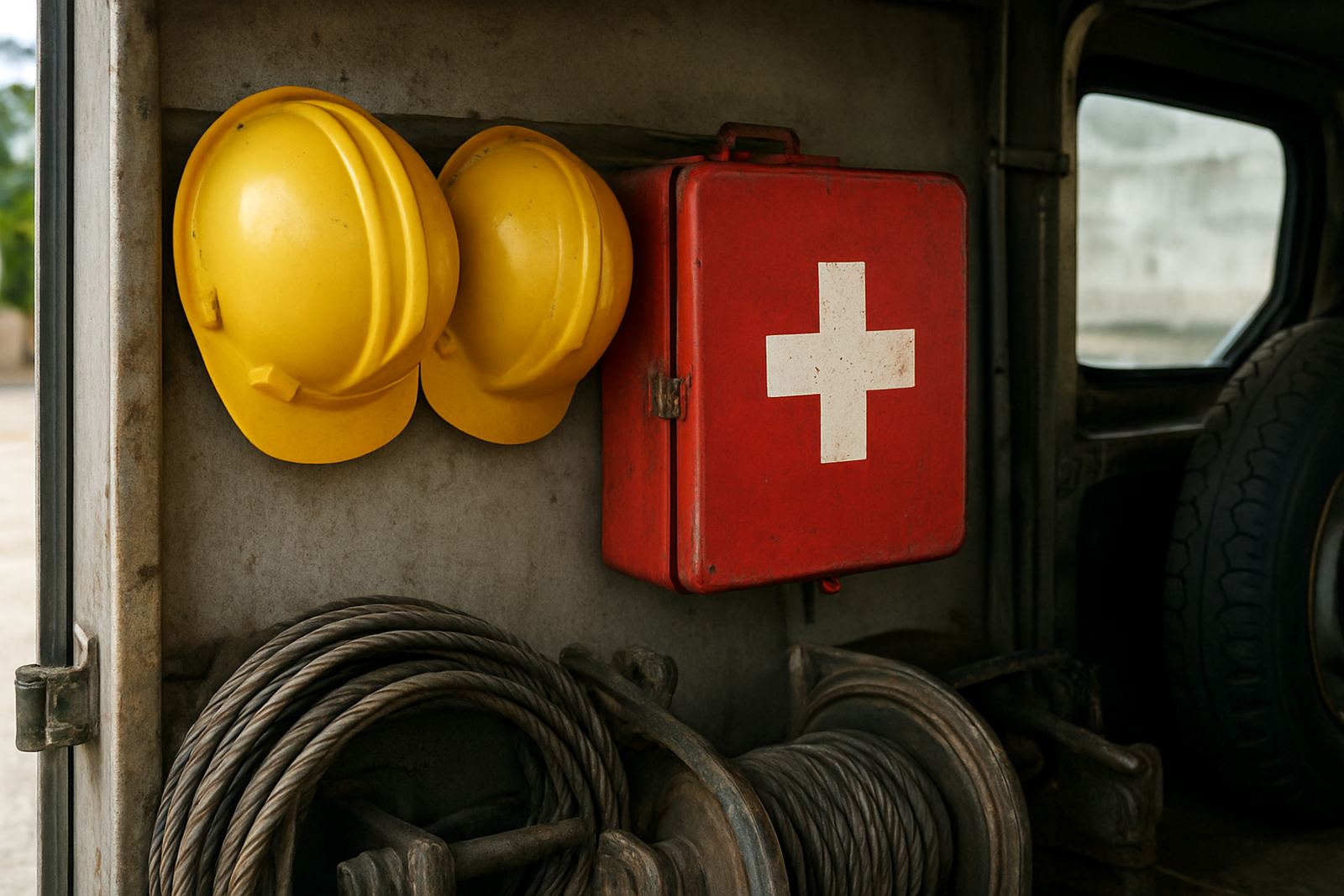
Our crews are built for rigging only, so the focus stays on installation, removal, servicing and access work for sign makers. That means the crew arrives with the right thinking around scaffold, first-aid, site safety and lifting order, but does not compete with the sign shop that designed and sold the work. In a tight run that difference matters, because the sign maker keeps the client relationship while the rigging team gets the physical job done.
- Check whether the site needs municipal permission or after-hours access
- Confirm if a face change, relocation or full removal is required
- Review wind exposure for tall signs and billboards
- Plan for emergency callouts if a sign is damaged before trading hours
Keeping the Western Cape moving without wasted trips
The best Western Cape runs are the ones that feel organised before the truck even leaves Paarden Eiland. A sign maker with work spread across the province can save real time by grouping nearby sites, matching access needs and building in enough margin for weather, traffic and power interruptions. That is especially useful in winter, when a missed slot can push a job back by days.
For businesses handling multiple installs each month, this kind of planning becomes a proper service advantage. It helps with maintenance visits, emergency callouts and larger changeovers like billboard face changes or sign relocations. The route may look simple on paper, but when the same crew can safely cover Cape Town, Bellville, Somerset West and Paarl in one organised sequence, the difference shows in fewer delays and steadier delivery.