

Why city sign work starts before the truck arrives
In a busy street, a sign job is never just a matter of getting on site and fitting a panel. You have to think about where the vehicle can stop, whether the pavement is clear, how pedestrians will move past the area and what the building manager or landlord expects on the day. In Cape Town and Johannesburg, those small details decide whether the job finishes on time or turns into an all-day delay.
For sign makers, the best support crew is one that treats the site like a moving target. Parking may be limited, a loading bay may be shared, and a lift or hoist might need to be booked around tenant traffic. When the work involves a mall frontage, a CBD tower or a roadside pylon, the plan should be clear before anyone loads a ladder.
Permits, timing and public movement control
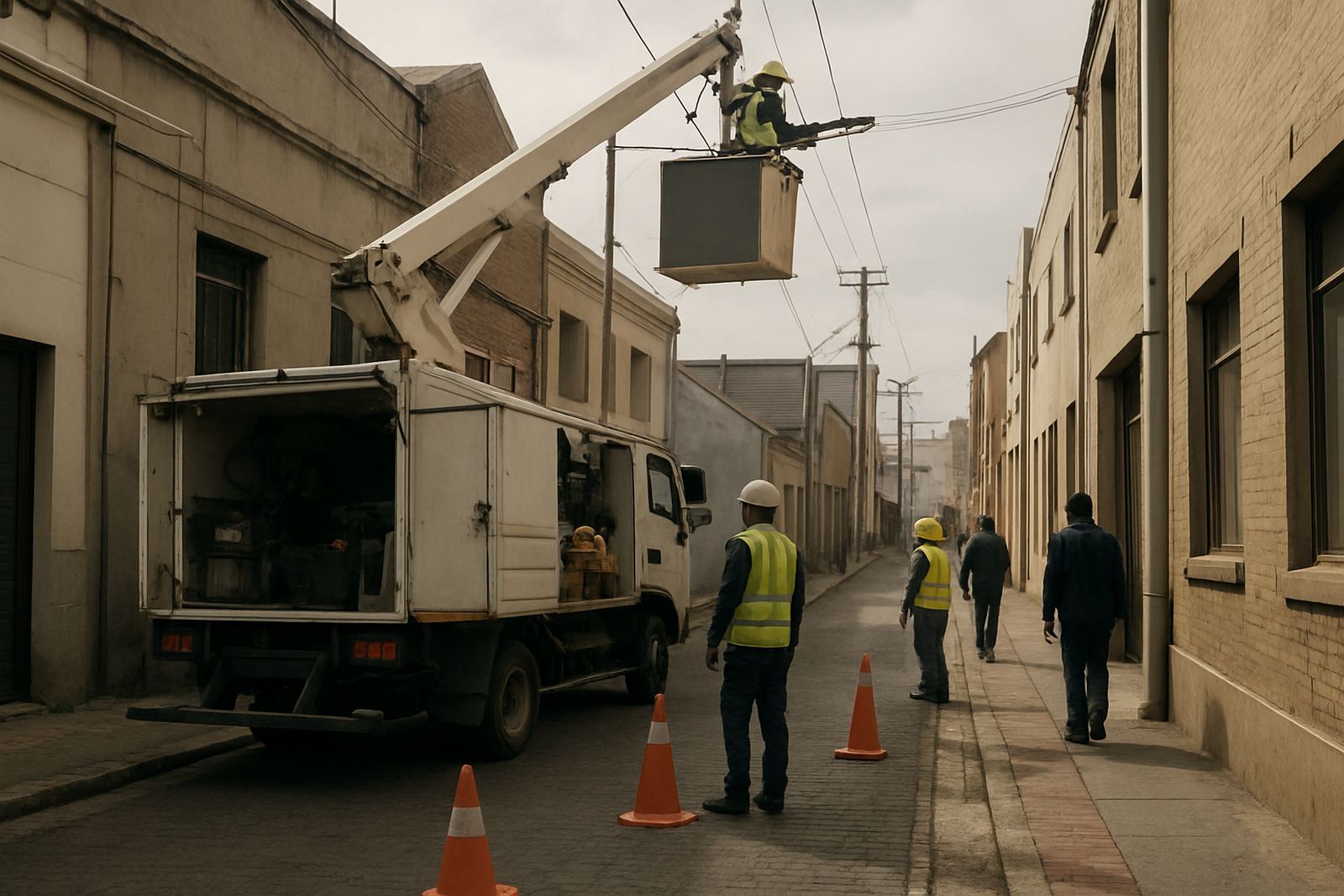
City centres come with rules, and most of them are sensible if you understand the pressure on the street. A sign removal on a narrow pavement may need barriers, a manned section of walkway or work done after hours. In some areas, the building rules are stricter than the municipal ones. That means access times, noise limits and delivery windows all need checking first.
Good planning reduces conflict with security, tenants and the public. It also keeps the sign shop in good standing with its client, because no one wants a job that blocks an entrance or leaves debris where customers are walking. In our experience, the sites that run smoothly are the ones where the crew arrives with a proper lift plan and a clear sequence for the day.
- Confirm the access point and parking space before dispatch
- Check whether the pavement, driveway or loading bay needs control
- Allow for security sign-in, contractor rules and working hours
- Plan for after-hours work if daytime foot traffic is too heavy
Cape Town city access: wind, coastal air and narrow streets
Paarden Eiland, Bellville and Somerset West all present different access problems, even before you get to the actual fixing. Near the coast, wind can affect safe lifting and make a face change or sign servicing more difficult. Salt air also shortens the life of fittings, so maintenance visits matter more than people sometimes think. A loose bracket can become a bigger problem very quickly if the site is exposed.
In older parts of Cape Town, parking and turning space can be tight. That means the crew may need to stage equipment in more than one trip, or use scaffold access rather than blocking a lane with a vehicle. We plan jobs so the public can pass safely and the building remains open where it needs to stay open.
Johannesburg jobs need fast control and clear sequencing
Johannesburg sites often move faster than people expect. Business parks, CBD buildings and retail fronts can all have strict time windows, and once the access window opens, the crew has to work methodically. Midrand and Sandton can have strong security control, while the East Rand may involve longer travel between sites and service calls. That makes route planning just as important as the rigging itself.
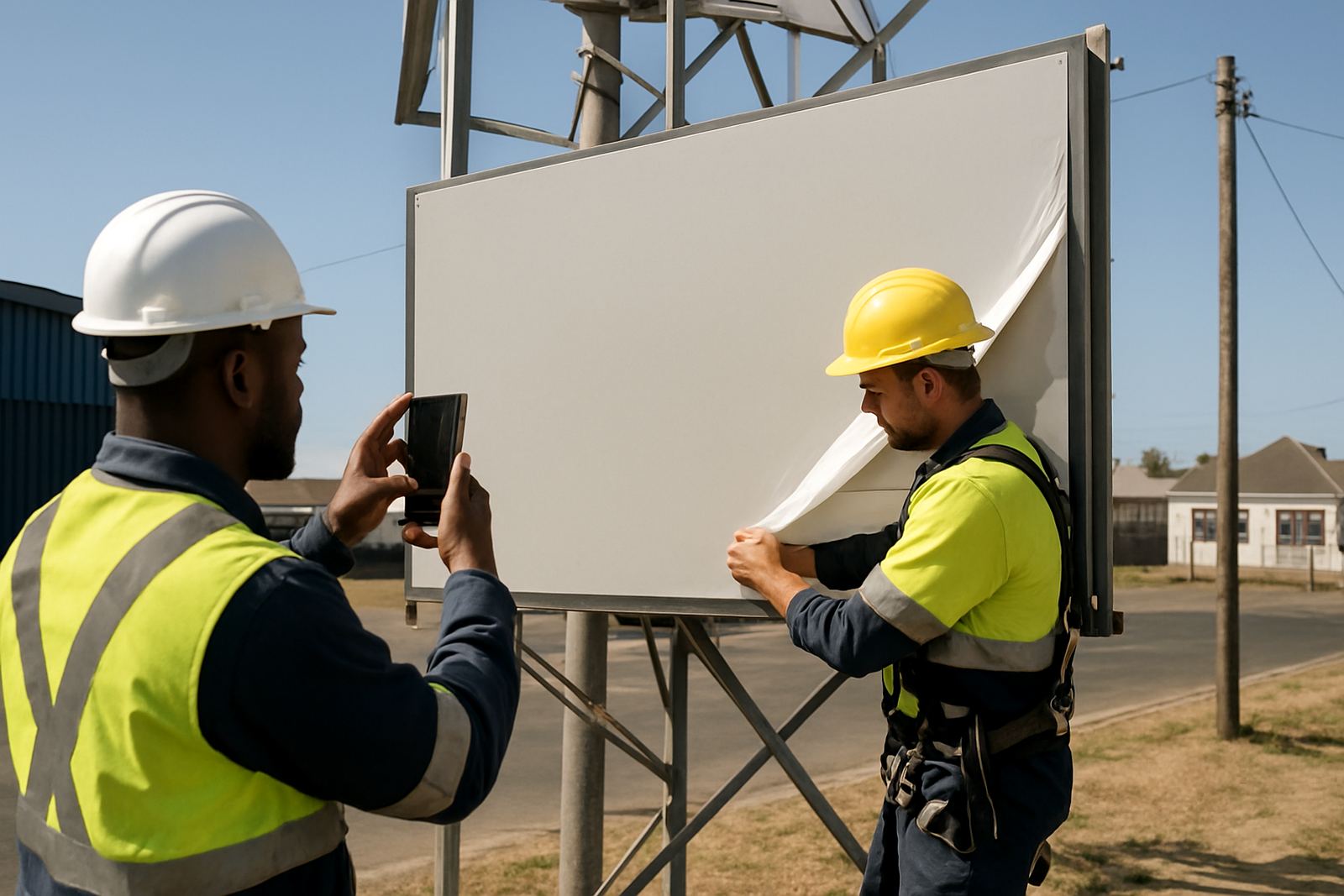
For sign makers, this means the installation crew should arrive with the right tools, the correct access method and a clear understanding of what has to happen first. If a billboard face change is booked, there should be no confusion about who is controlling traffic, who is handling barriers and who is checking the anchor points. One delay can put the rest of the day behind, so the sequence must be tight.
What a proper lift and scaffold plan should cover
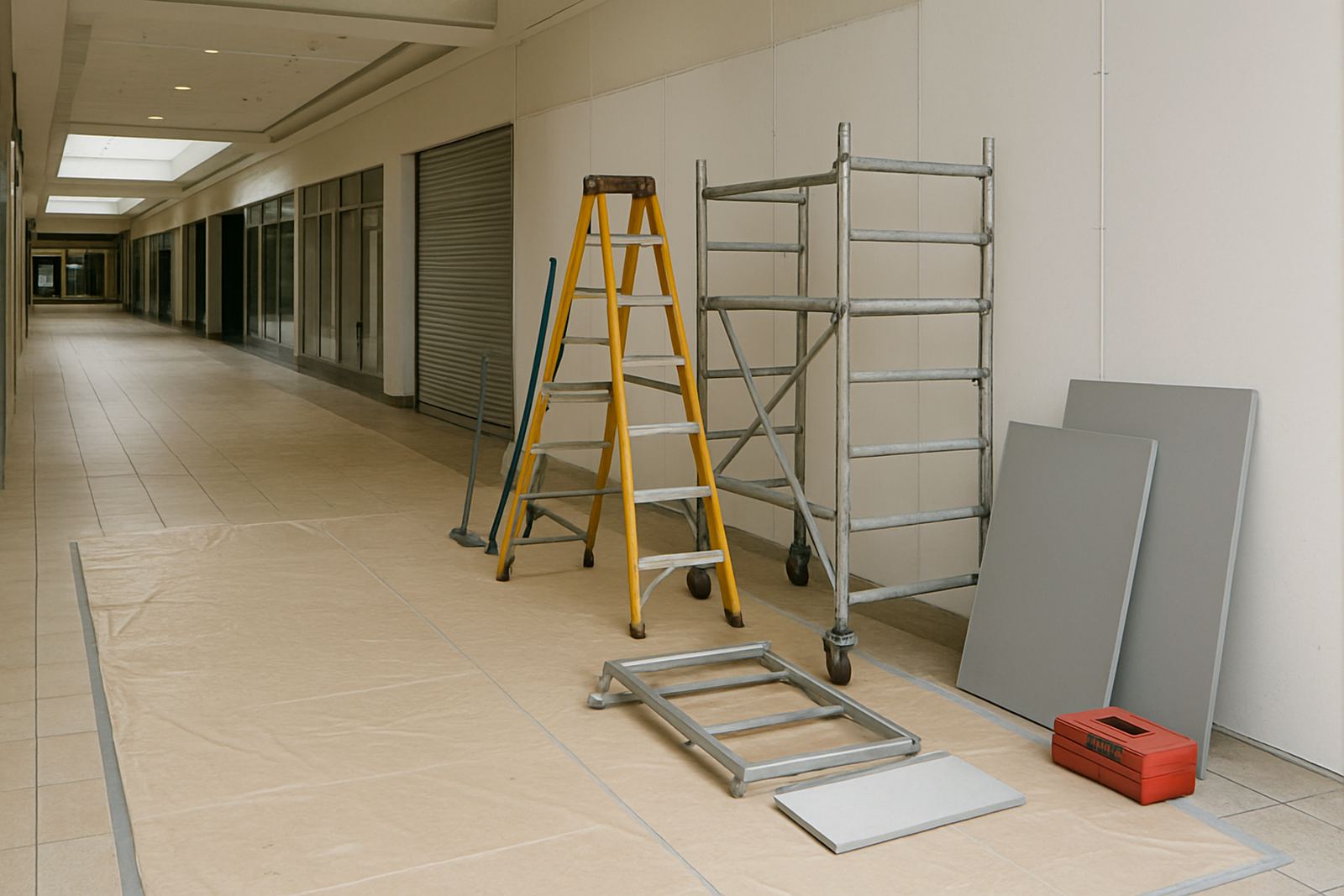
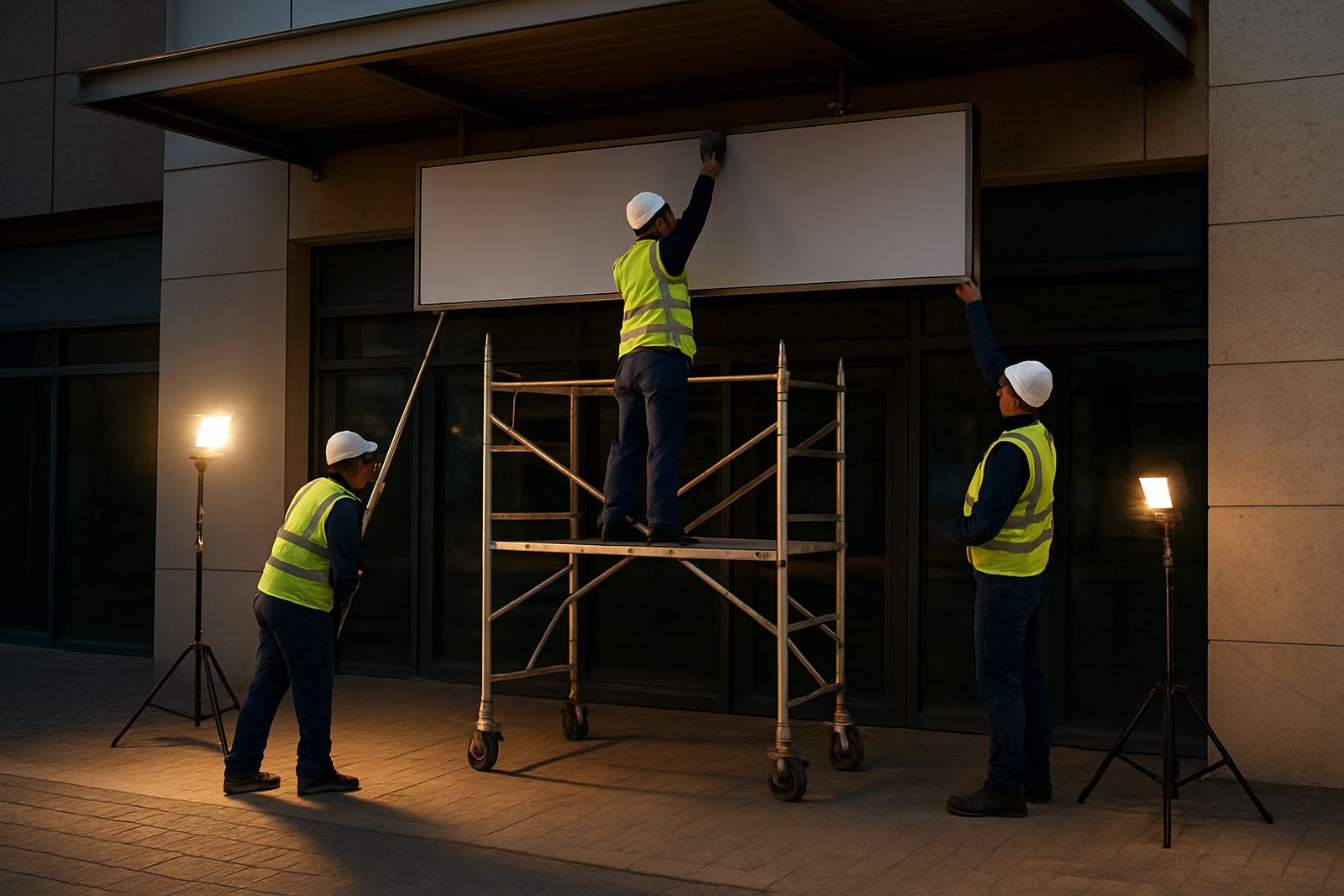
Safe city work depends on more than a harness and a ladder. A proper lift plan helps the team understand weight, reach, ground conditions, overhead hazards and the way the equipment will be positioned. Scaffold access is useful where a face needs a longer working window or where a lift truck cannot get the right angle. Platform work is often the cleaner choice when the site is awkward or the sign sits above an entrance.
Before any installation or removal, we check the site and decide what access method will suit the building and the street. That may include lighting access for service work, a platform for height, or a stepped approach where one part of the job is done from inside and the other from outside. It sounds simple, but it saves time and reduces the chance of a rushed repair later on.
- Ground condition and vehicle access
- Heights, reach and fixing points
- Power isolation and lighting access
- Pedestrian barriers and public safety
- Weather, especially wind on exposed elevations
When maintenance beats a last minute replacement
Many signs do not fail all at once. A light goes out, a bracket starts to move, or a face lifts after a storm. If the crew is already on a maintenance round, those issues can be sorted before they become an emergency callout. For sign shops, regular servicing helps protect the client relationship because the site stays presentable and safe without waiting for a complaint.
Maintenance visits are especially useful on busy roads, in shopping nodes and on high traffic facades where a failed sign becomes visible very quickly. In coastal areas, we often see extra wear on fixings and lighting parts, while inland sites are more likely to need checks after wind or construction nearby. The point is simple: a short service now can save a much bigger job later.
A local example from Paarden Eiland to the CBD
Take a retail frontage in Cape Town with a sign change scheduled before opening time. The client wants the old sign removed, the new one installed and the lights checked before morning trade. Parking is limited, the street is busy and the building manager wants the pavement kept clear. That job needs a precise arrival time, a safe access plan and enough room to work without blocking the shop entrance.
Now compare that with a Johannesburg CBD face change where the building has strict security and a narrow loading bay. The crew may need to wait for a controlled access slot, then work quickly once the lane is clear. In both cases, the sign maker needs a rigging partner who can manage the practical side without overcomplicating the day. That is where a focused rigging team earns its keep, and it keeps the sign shop free to do what it does best.
At Sign Riggers, we work with sign makers across the Western Cape and Gauteng on installations, removals, servicing, relocations and emergency work. The job is not to compete with the sign shop. It is to help them deliver the site safely, on time and without a mess left behind.