Working in live retail centres without disrupting trading
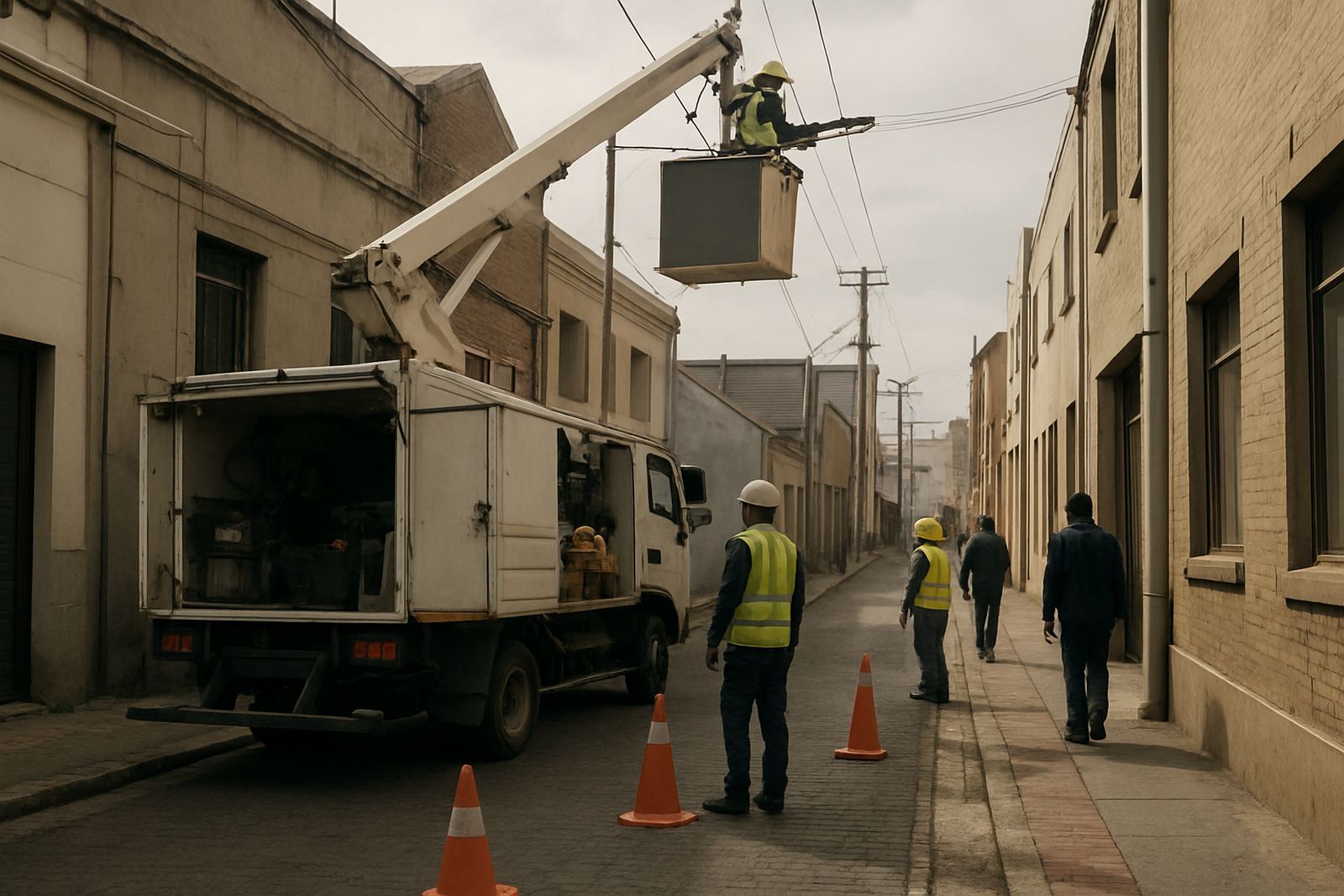
Retail centre work is different from a standalone shopfront or an industrial yard. There are people walking past all day, loading bays with strict booking times, shared access roads, and often limited space for ladders, lifts and scaffold. In Paarden Eiland, Bellville, Sandton or Johannesburg CBD, the job is not just getting a sign up. It is getting it up at the right time, in the right order, with the right protection in place.
That is why sign makers call us in when they need rigging only. We work on behalf of the sign shop, not in competition with it. The client keeps control of the sign supply and branding, while we manage the physical access, lifting, fixing and site discipline needed to do the work properly. It keeps the handover clean and avoids confusion on site.
In shopping centres, timing matters as much as the fixings. Late-night access, early morning starts, quiet trading hours and security sign-in procedures all need to be planned before anyone arrives. If a centre requires a permit or a specific contractor induction, we make sure it is in place before the vehicle rolls in.
What retail centre rigging actually covers
Retail centre work usually involves more than one task in a single visit. A sign may need to be removed first, the substrate checked, then the new face installed and tested. In some cases the work also includes lighting access or a return visit after trading hours to complete finishing touches.
- Sign installation on shopfronts, pylons and fascia areas
- Sign removal before tenant changeovers or refurbishments
- Sign servicing for failed lights, loose fixings or weather damage
- Lighting access for maintenance inside tight ceiling spaces
- Site surveys and lift planning before the first crew arrives
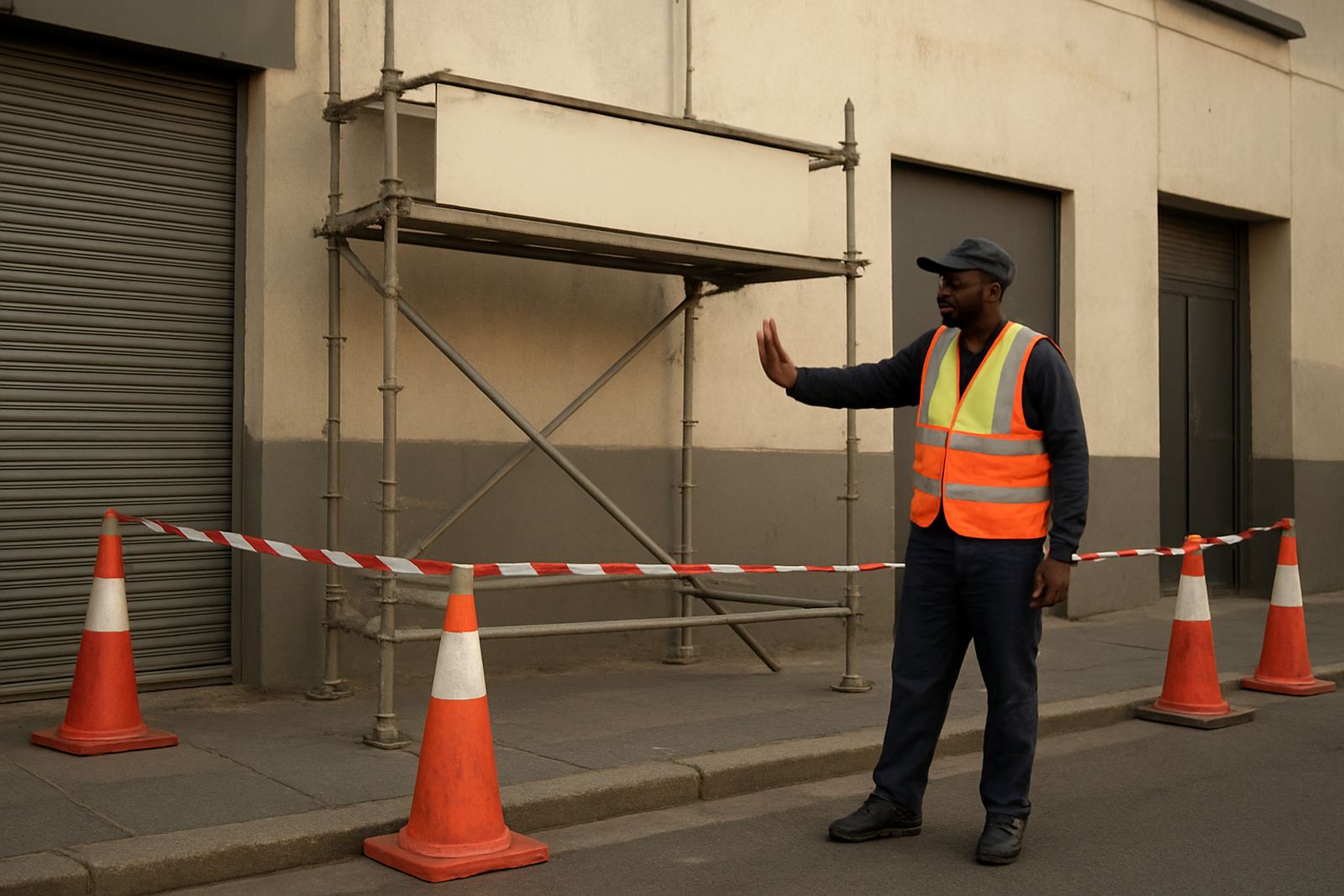
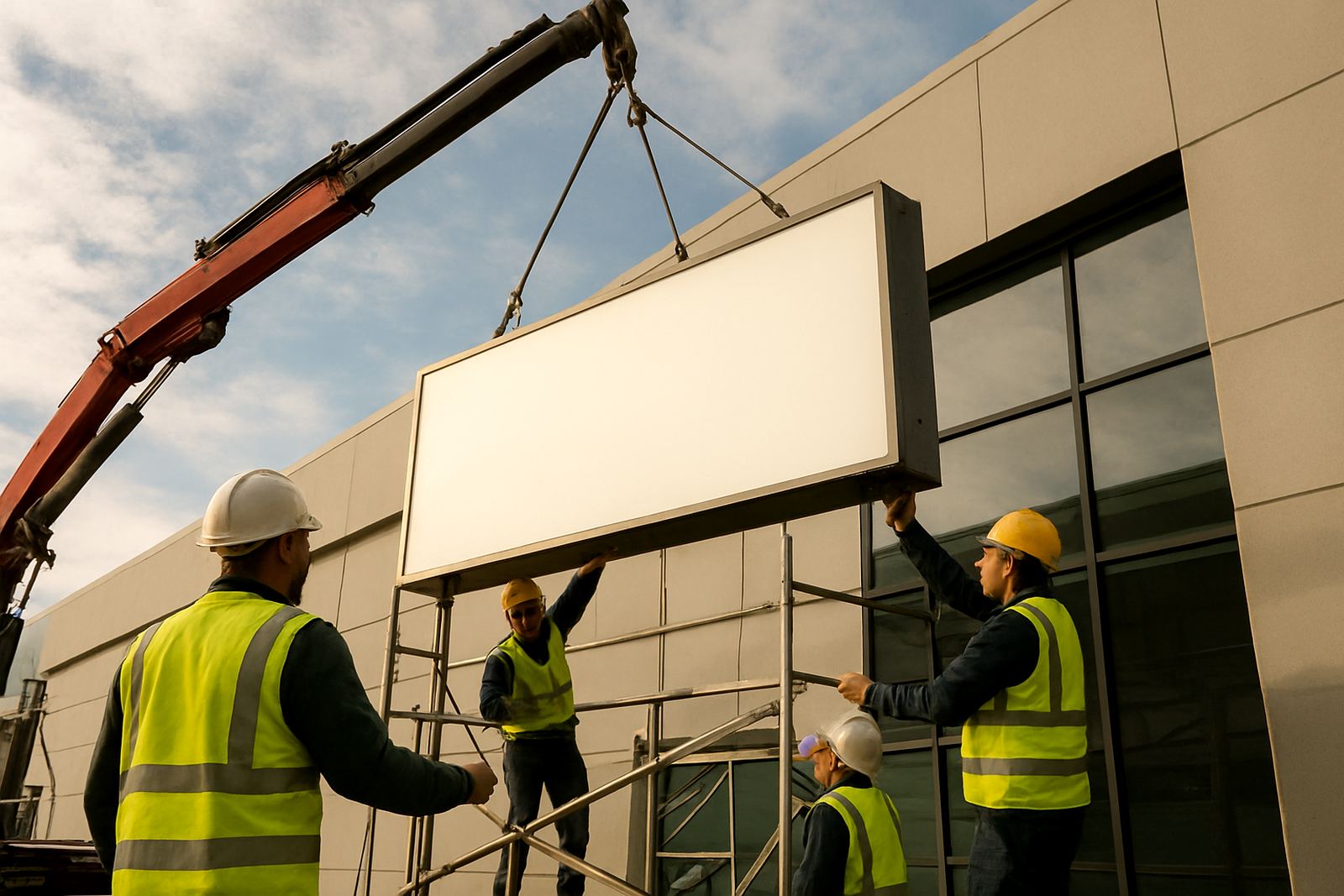
- Scaffold access and platform work where ladders are not suitable
- Emergency callouts for damaged signs after wind or impact
Retail landlords and tenants want the same thing: a neat result with as little interruption as possible. We keep tools, packaging and removed parts under control and we leave the common areas as we found them, which sounds simple but is often where things go wrong on busy sites.
Protection measures that keep shoppers, staff and finishes safe
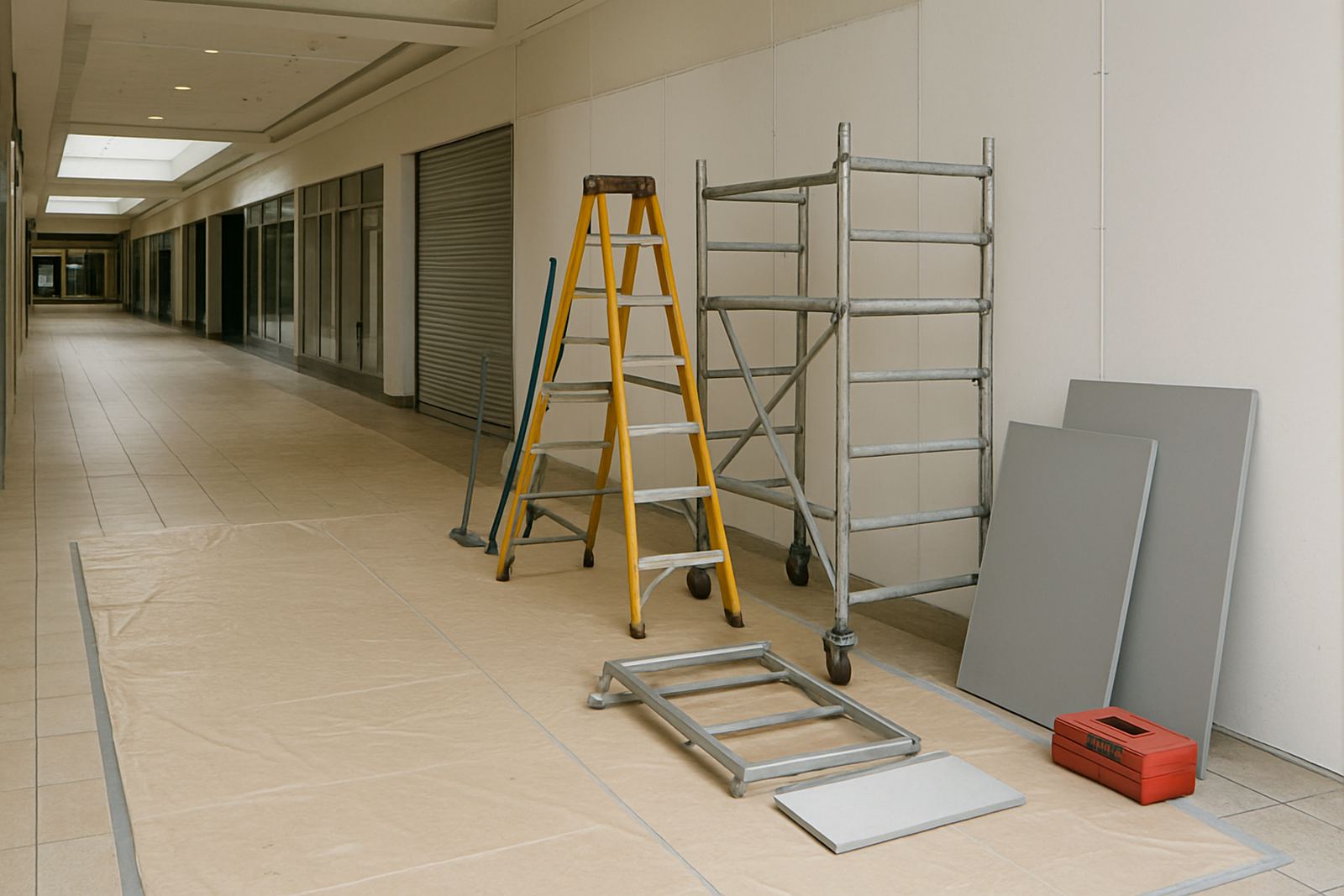
Shopping centres have finished floors, glass fronts, polished tiles and branded displays that can be damaged by careless handling. One dropped fastener or a bit of sealant in the wrong place can cause a complaint that costs more than the job itself. For that reason, protection is part of the method, not an afterthought.
Our crews use floor protection, barricading where needed, tool lanyards where suitable, and controlled material staging so that nothing is left lying around for shoppers or cleaning staff to trip over. On narrow concourses or under covered walkways, we also plan overhead work carefully so the area below stays managed from start to finish.
In coastal areas like Somerset West or along parts of Cape Town, humidity and salt air can also affect fittings, seals and older sign structures. That means we look closely at corrosion, water ingress and fixings that may have loosened over time. A tidy appearance is important but so is making sure the sign remains secure after the crews leave.
How we plan access, lifts and scaffold in tight retail spaces
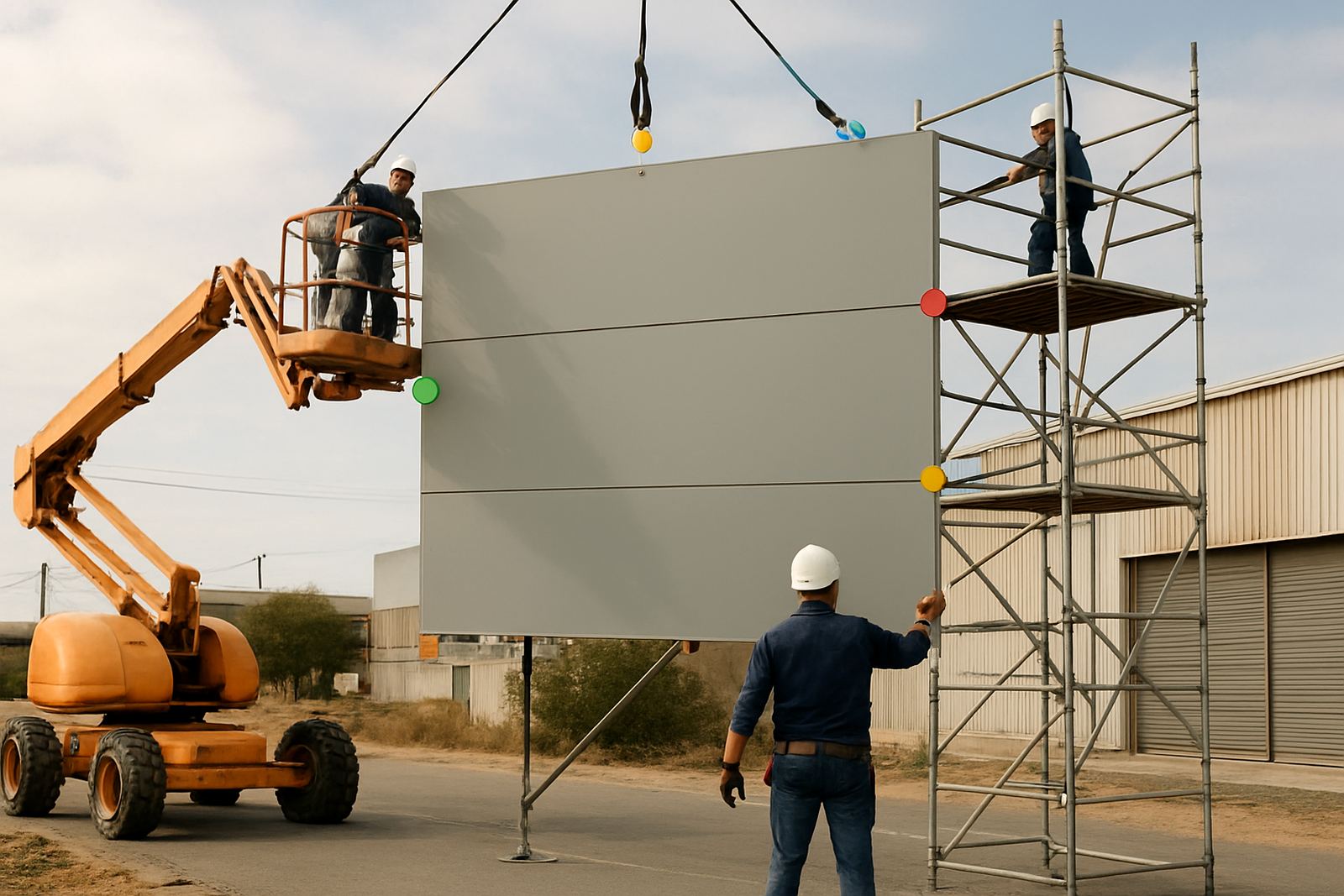
Not every retail centre allows the same kind of access. Some sites have low ceilings, busy delivery windows or overhead obstructions that make a platform the better choice. Others need scaffold because the sign position is awkward, high or set back from the edge of the building. Planning the access method early saves time and avoids surprises on the day.
Before work starts, we assess the height, reach, ground conditions and the route in and out. If a lift is needed, we check floor loading and turning space. If scaffold is needed, we look at the footprint, the duration of the job and the impact on tenants and foot traffic. In load-shedding conditions, we also plan for reduced lighting and limited power for tools or temporary lighting at the work area.
- Check centre access times and security procedures before booking crews
- Confirm the exact sign position, height and fixing method
- Identify nearby tenants, doors and walkways that need protection
- Choose the safest access method for the space available
- Allow for weather, delivery trucks and after-hours rules
Local examples from Cape Town and Gauteng retail sites
A typical Cape Town job might involve a fascia sign in Bellville where the tenant needs removal on a Sunday evening and the replacement fitted before Monday opening. The centre manager wants the passage clear, the loading bay open on time and no residue left behind on the tiles. In that setting, a well-planned crew with the right access equipment makes all the difference.
In Johannesburg CBD or Sandton, the pressure often comes from multiple stakeholders. The sign maker, the centre management, the tenant and security may all have slightly different instructions. We keep the scope tight and practical so the job moves forward without crossed wires. In Midrand and the East Rand, retail parks and large centres often have wide open access, but the heights can be bigger and weather exposure stronger, so lift planning and fixings need careful attention.
Retail centre rigging is also about courtesy. A crew that arrives prepared, stays organised and finishes on schedule makes life easier for everyone on site, from cleaners to security officers to the tenant waiting to open the next morning.
Why sign makers keep the rigging separate
Sign shops need a rigging partner they can trust because their own reputation is tied to the final result. If the installation is late, untidy or unsafe, the blame does not stay with the rigging crew. It affects the sign maker’s client relationship. That is why separation matters.
We work as a support crew for sign makers across the Western Cape and Gauteng. The sign shop keeps ownership of the product, the design and the client relationship. We handle the physical site work, the access planning and the safe completion of the install or removal. That arrangement helps keep the job efficient and avoids competing interests on site.
For retail centre work, that approach is especially useful when there are removals, relocations or phased refits across several units. One team can be responsible for signage production while another handles the rigging and service visits, which keeps everyone focused on their own part of the job.
What a clean retail handover should look like
When the job is done properly, the centre should not be left with scraps, dust or unanswered questions. The sign should be straight, secure and checked. The surrounding area should be clear. Any removed fittings, old faces or packaging should be taken away. If a follow-up visit is needed for servicing, that should be scheduled clearly before everyone leaves the site.
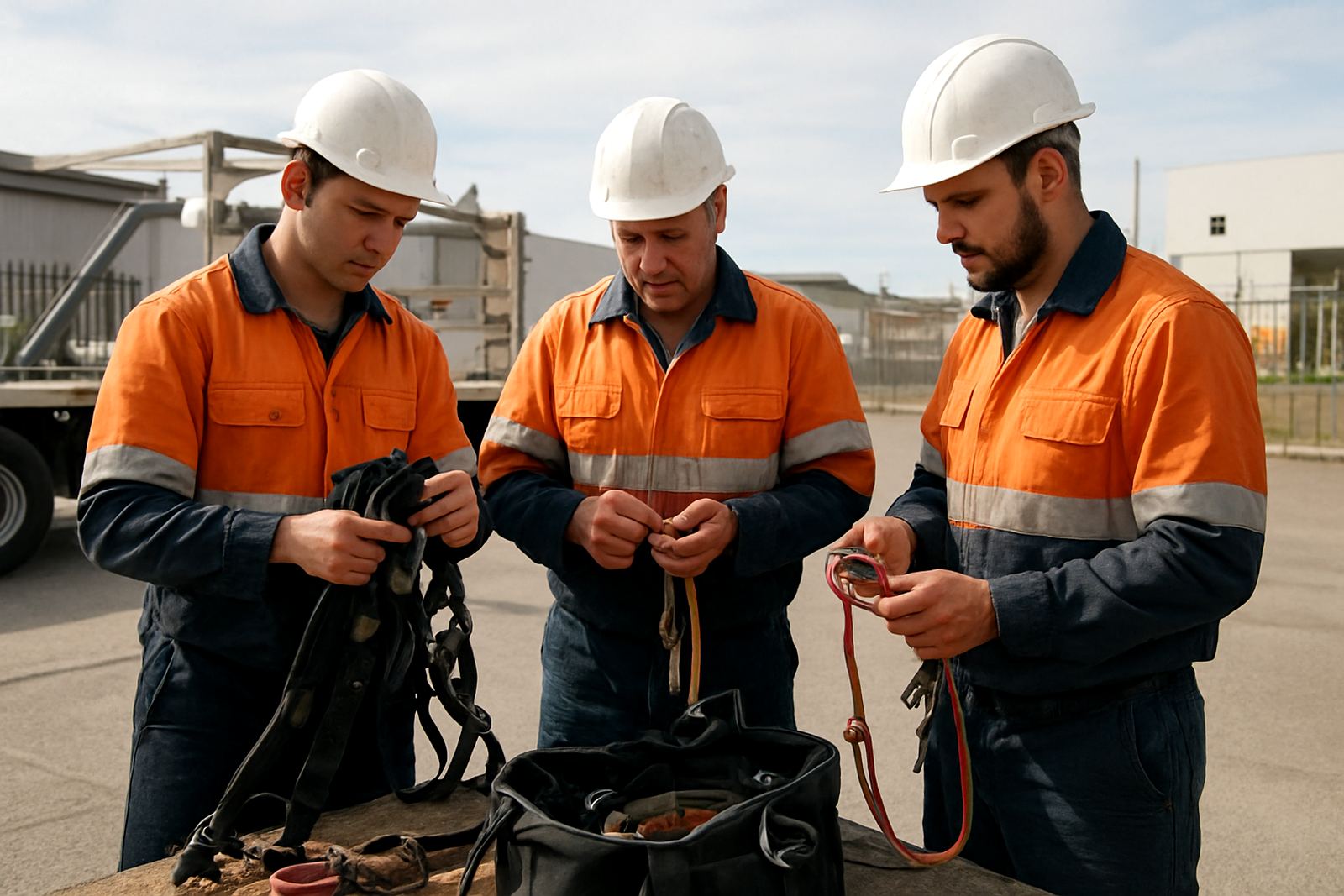
Our crews are scaffold and first-aid trained, and our safety officer keeps the site approach practical. That does not mean overcomplicating the job. It means the basics are handled properly so the job can be signed off with confidence. On retail sites, discipline matters as much as speed, and sometimes more.
If you are a sign maker needing retail centre rigging in Cape Town, Johannesburg or the surrounding areas, the safest route is a crew that knows how to work around trading hours, centre rules and the need for a neat finish. That is the kind of work we do every week, and we do it without getting in the way of the people who supplied the sign.