

Why the load matters before the truck even moves
When a sign leaves the workshop, it is already carrying the client’s confidence. If a panel arrives bent, scratched or missing fittings, the crew loses time and the sign maker takes the hit. That is why loading has to be planned with the same care as the install itself.
At Sign Riggers, we treat transport prep as part of the job, not an afterthought. A clean load makes the install faster, safer and less stressful for everyone on the project. It also helps when the day runs long, which happens often in Cape Town wind or a Johannesburg afternoon thunderstorm.
Start with the sign type, size and fixings
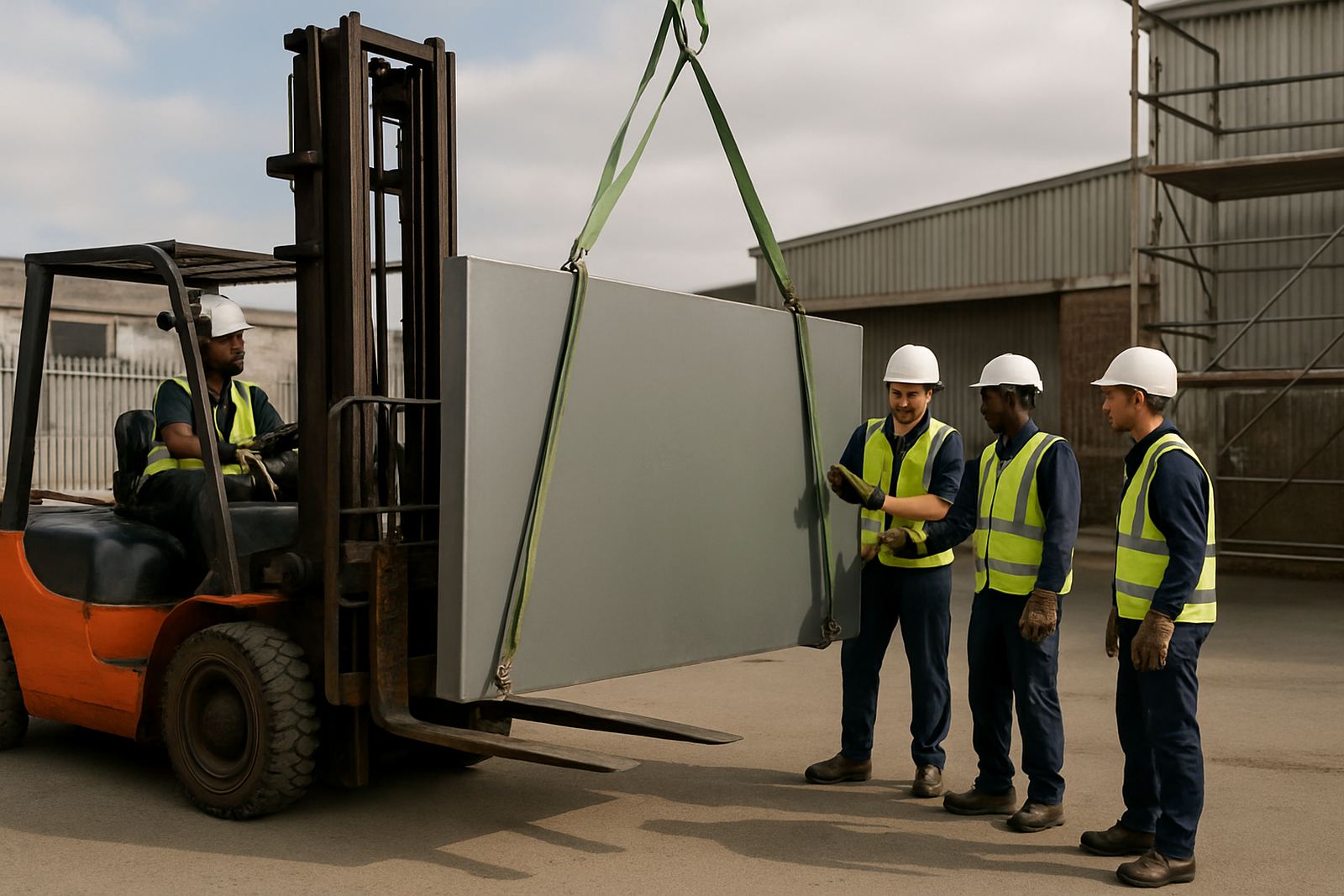
Every sign loads differently. A small aluminium tray sign can travel upright with basic edge protection, while a long fascia, pylon face or illuminated cabinet may need custom bracing, wrapped corners and separate storage for transformers, brackets and caps.
- Measure the overall length, width and thickness before loading
- Check if the sign can travel flat, upright or on edge
- Separate loose fittings, brackets, screws and access gear
- Mark fragile faces, polished edges and glass sections clearly
- Keep install drawings and site notes with the load
That simple check saves time at delivery and cuts the chance of missing parts. It also helps when several signs are going out to different sites in Bellville, Sandton or Midrand on the same run.
Use protection that suits South African conditions
Transport prep has to deal with heat, dust, rain and coastal humidity. In Paarden Eiland, salt air can work into exposed steel and fixings if items sit open on a truck too long. In Gauteng, dust and road vibration can loosen lightly packed components.
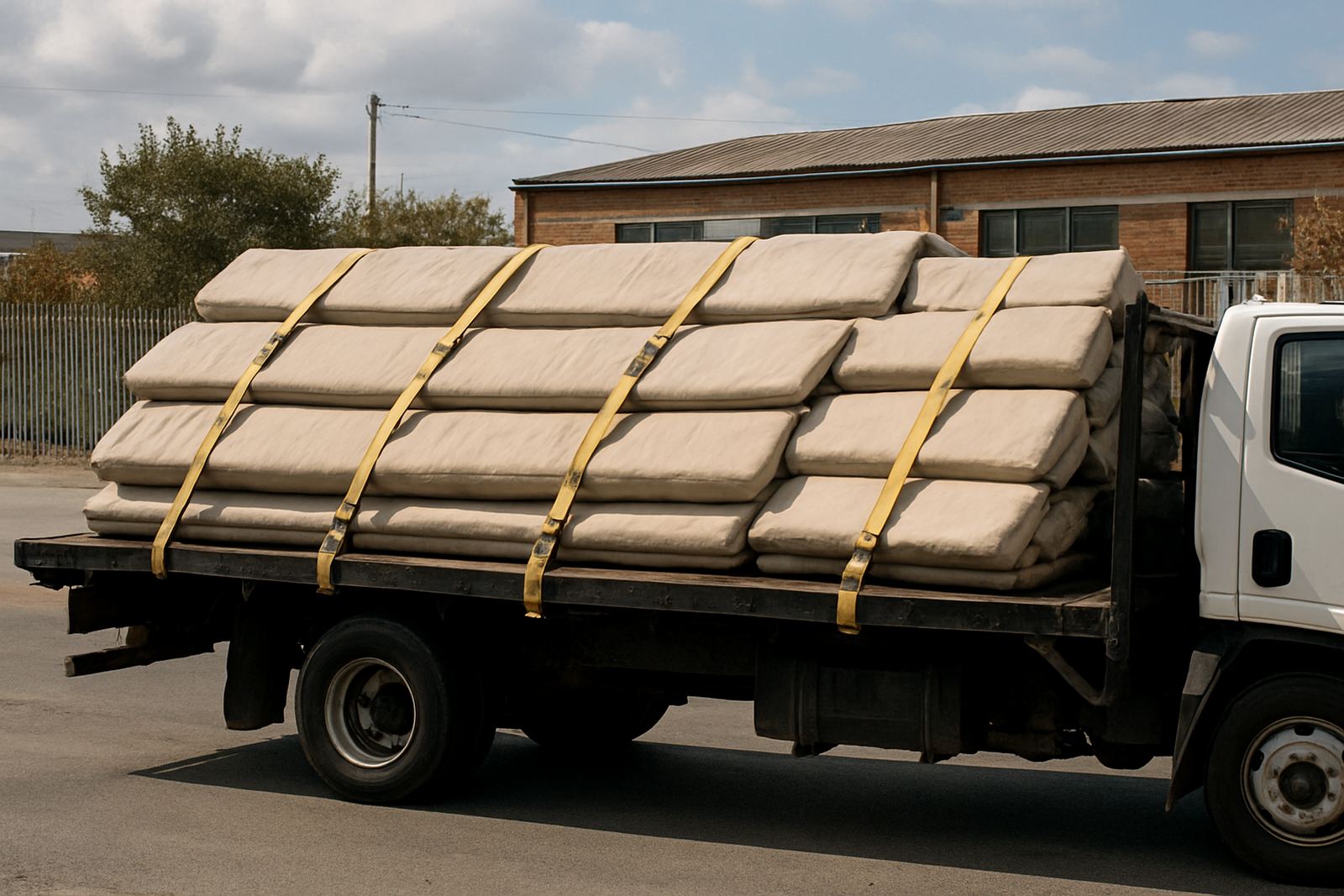
Good loading practice means edge protectors, blankets, straps placed away from finished faces and waterproof wrapping where needed. Do not let metal-on-metal contact happen on the tray. One loose bracket can mark a powder-coated frame or chip a printed face in a single trip, and that kind of damage is costly to fix.
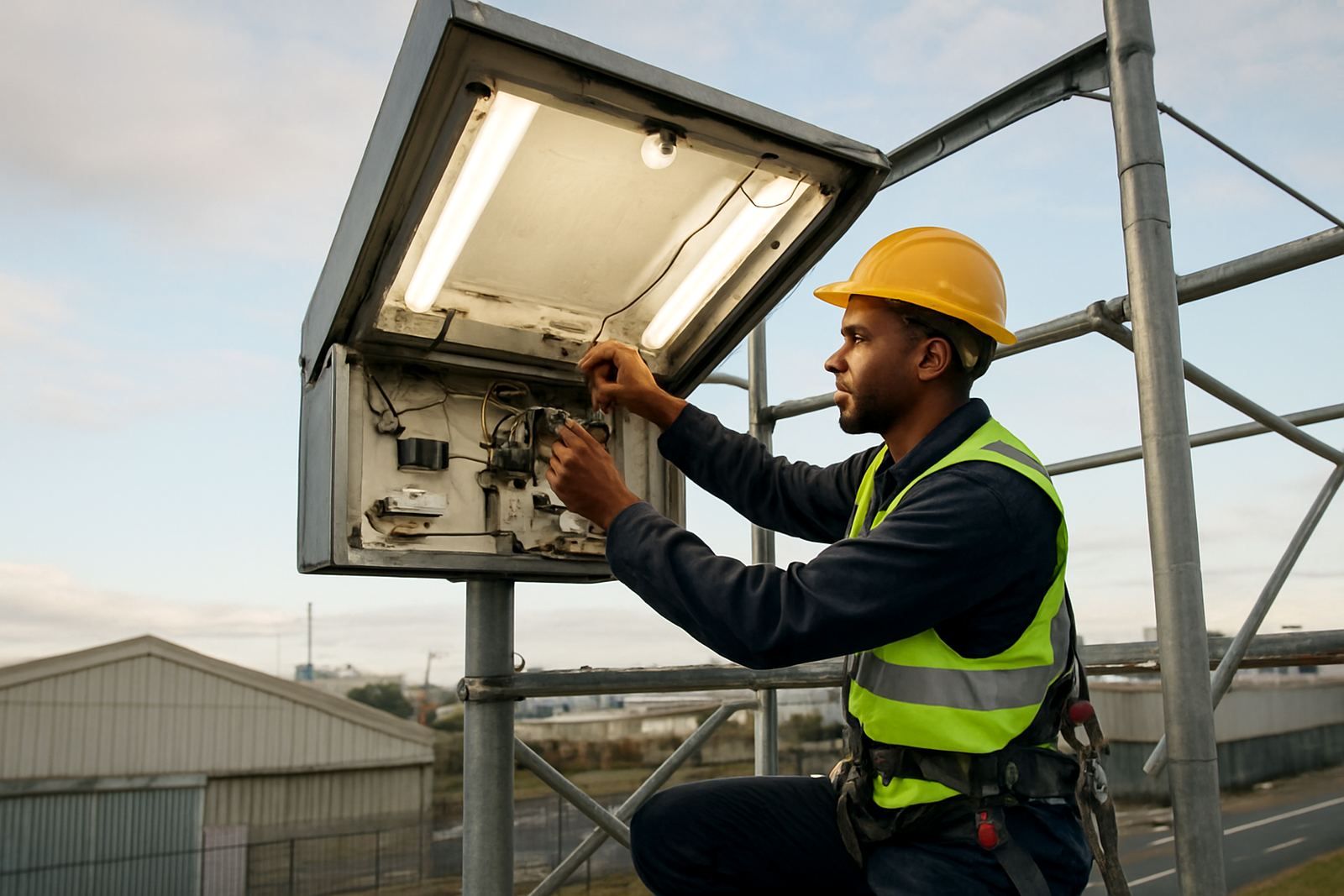
We also check that lighting units, access equipment and fragile covers are packed so they cannot shift under braking. If there is a load-shedding delay or a late callout, the truck may stand a bit longer than planned so the packing has to cope with that too.
Load sequence saves time on site
The order you load things in should match the order you will need them. The first sign off the truck should not be buried under scaffold sections, cones or spare fixings. If the crew has to unpack half the vehicle at a busy retail centre in Sandton or outside a municipal building in Cape Town, the site starts off poorly.
- Load the last item needed first, so it sits deeper in the truck
- Keep access gear separate from finished sign faces
- Store tools and consumables in labelled containers
- Place the heaviest items low and close to the bulkhead
- Check the route from the truck to the mount point before arrival
A good load sequence also helps the team work faster during short site windows. Many malls and office parks only allow access early morning or after trading hours, so every extra minute matters.
Safety checks before the truck leaves Paarden Eiland or Johannesburg
Before departure, the crew should check straps, tie-down points, wheel condition, mirrors, lights and load balance. If the sign is top-heavy or awkwardly shaped, the driver needs to know exactly how it behaves under braking and cornering. That is basic road safety, but it matters even more when the cargo is valuable and fragile.
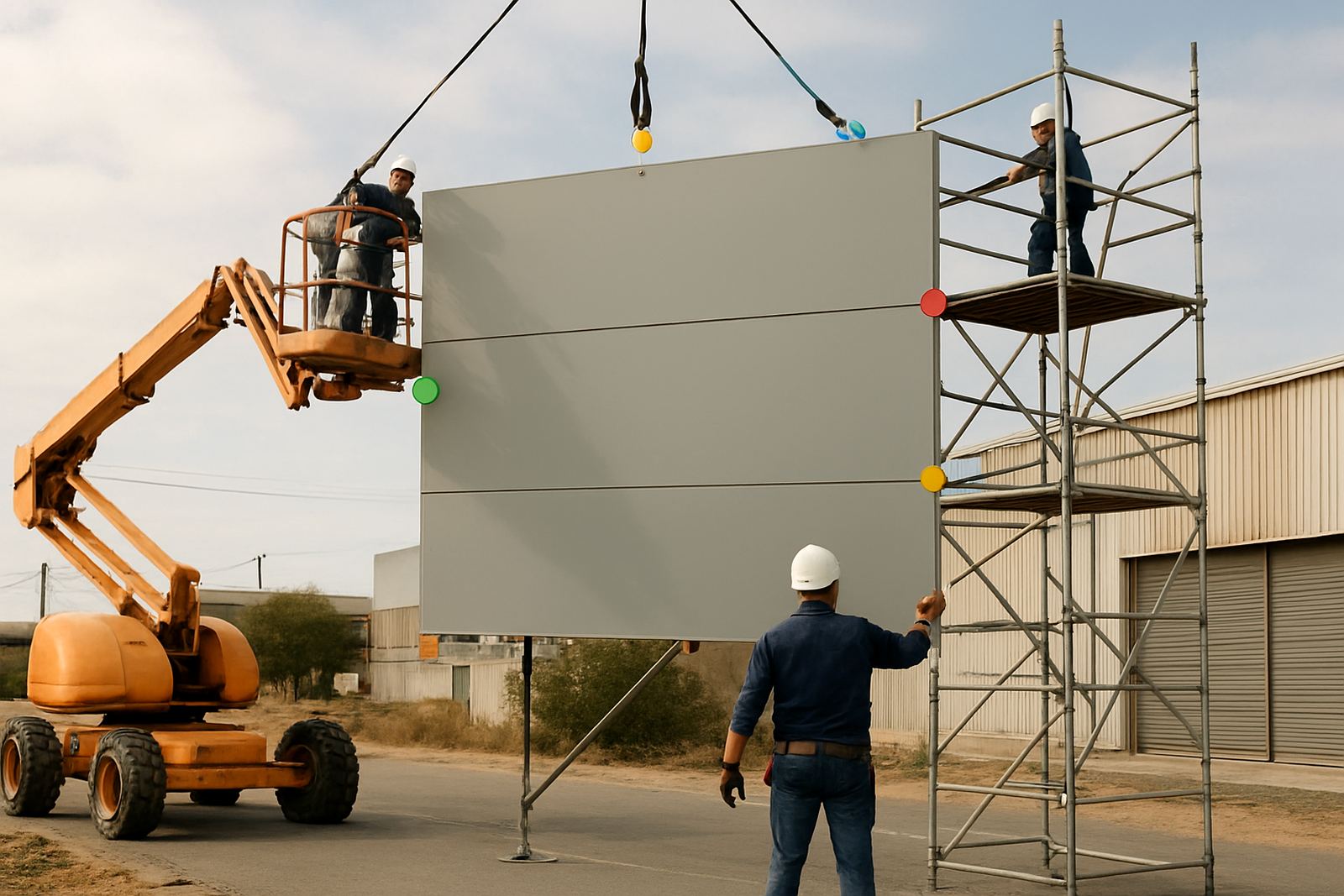
We also make sure the right people are assigned to the job. A truck carrying a billboard face change, for example, may need a different crew mix from a small shopfront repair. Safety gear, first aid kits and site documentation should be on board, not left behind at the yard.
On busy days, a quick walk around the truck before it pulls out can prevent a long delay later. A loose strap or missing pin is easy to fix in the yard, but a problem on the N1 or N3 slows the whole programme.
Local example: one face change, two cities, no damage
We recently handled a face change with one set of panels leaving Paarden Eiland and another going into the East Rand the same morning. The signs were similar in size but not in weight, so each one needed its own load position and strap plan. The lighter face went upright with full edge protection, while the heavier cabinet section travelled lower and closer to the truck bed.
Because the team packed the gear in install order, the crew reached site and lifted each item without rehandling it three or four times. That meant less chance of scuffing, less fatigue and a quicker handover to the sign maker’s client. It sounds simple, but careful loading is often what keeps a job on time.
That is the part many people dont see. The install may get the credit, but the load preparation is what makes the install possible in the first place.
What sign makers should expect from a rigging crew
Sign makers need a crew that understands their product, respects their client relationship and keeps the job moving without stepping on their toes. Rigging only means we handle the transport support, access planning, removal, servicing and installation work while leaving the sign shop to keep control of the build and the client relationship.
That approach matters across the Western Cape and Gauteng, especially on commercial sites where coordination is tight. A good rigging crew should arrive with a clean truck, the right access plan and a clear idea of how the load will come off and go up. If that is sorted early, the site runs better and the sign arrives looking the way it left the workshop.
For sign makers working in Bellville, Somerset West, Paarl, Johannesburg CBD or Sandton, loading discipline is part of professional service. It protects the product, protects the timeline and protects the confidence that keeps clients coming back.