

When the job is above ground level
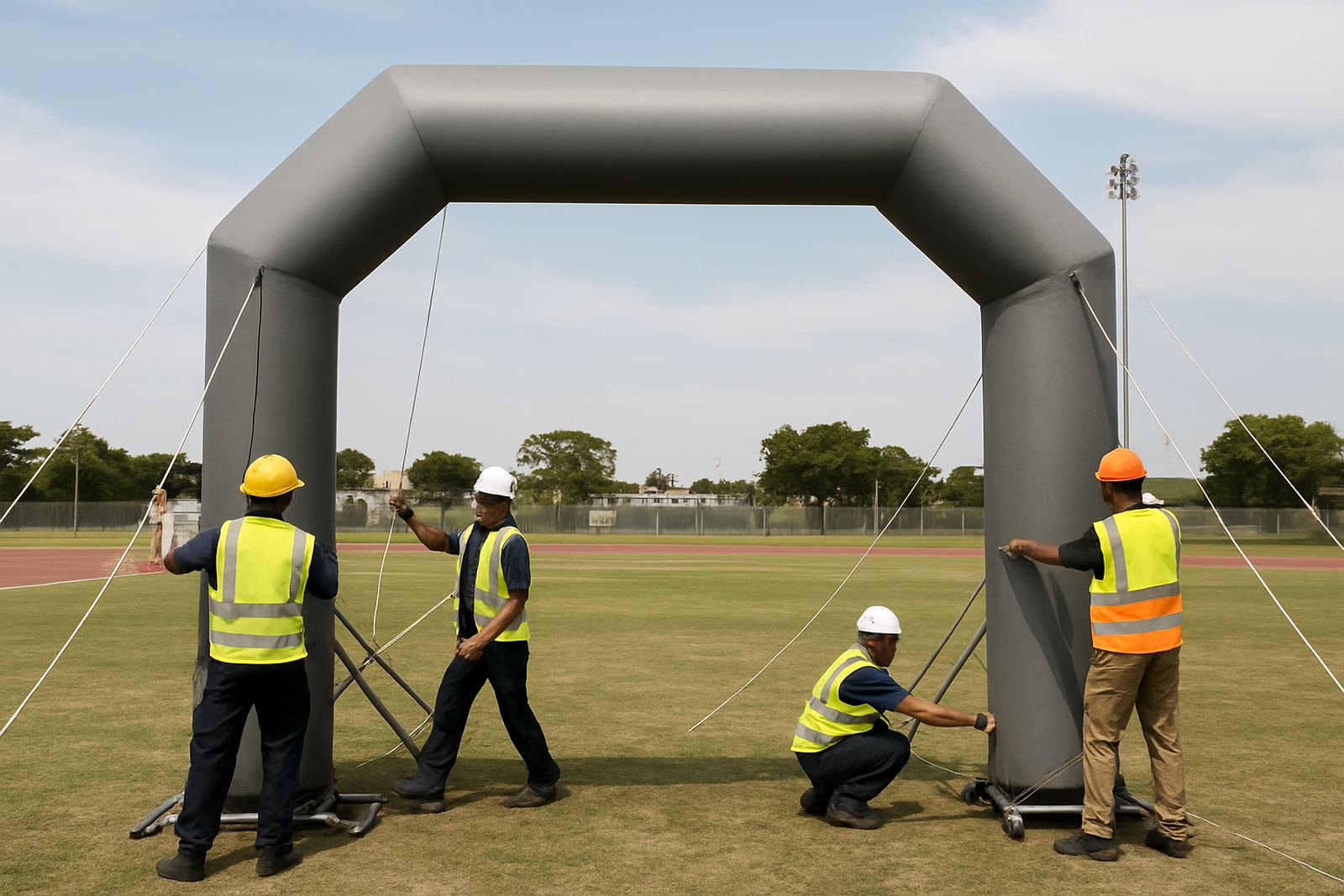
If a sign sits at height, the question is not only whether it can be fixed, but how it can be reached safely. Shopfront fascia signs, pylon work, canopy lettering, roof edge signs and billboard face changes all need proper access planning. A ladder might be fine for a small task, but once the work moves higher or the surface gets awkward, a trained rigging crew should take over.
We often see calls where the sign itself is sound, but the access is not. Narrow pavements in the CBD, busy forecourts in Sandton, or a windy roofline in Paarden Eiland can turn a simple job into a risk. The right crew brings scaffold access, platform work, lift planning and the right method for the site, so the sign maker can focus on the sign work without taking on unsafe conditions.
- Signs mounted above shopfront level
- Jobs over walkways, parking bays or loading areas
- Sites with restricted ground access or traffic movement
- Work on uneven ground, roofs or parapets
Signs that are too heavy or awkward to handle manually
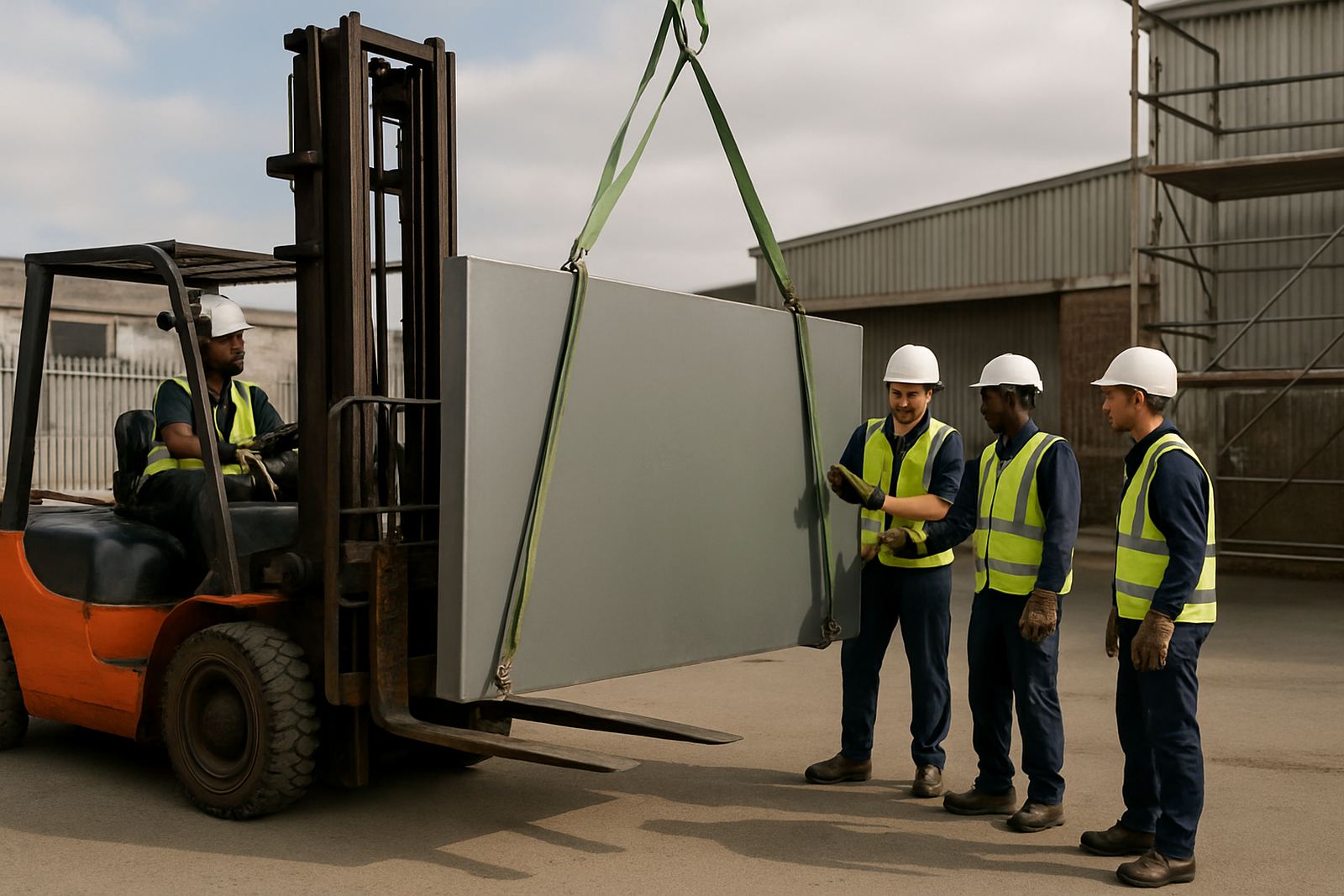
Some signs are not especially high, but they are simply too heavy, bulky or awkward for manual handling. Large aluminium frames, box signs with internal components, long blade signs and full panel replacements often need controlled lifting and a clear rigging plan. One slip can damage the sign, the building facade or the team handling it.
On these jobs, the detail matters. You need to know the weight, fixing points, wind exposure and the path from ground to final position. In coastal areas like Somerset West and Paarden Eiland, salt air can also affect fixings and brackets over time, so servicing and reinstallation need a careful eye. In Gauteng, heat and storm season can loosen old mounts too, so it is wise to check before you lift.
- Large signs with awkward centre of gravity
- Old signs being taken down for replacement
- Panels needing safe lifting onto a scaffold or platform
- Relocations where the sign must be moved without distortion
When the site has difficult access or live activity
Access problems are one of the clearest signs that rigging support is needed. Working over a live driveway, a trading entrance, or a busy road means the job has to be staged correctly. In places like Johannesburg CBD or Midrand, the timing may need to work around deliveries, tenant traffic or building security. In Bellville or Paarl, the challenge may be overhead power lines, tight yard space or a narrow service lane.
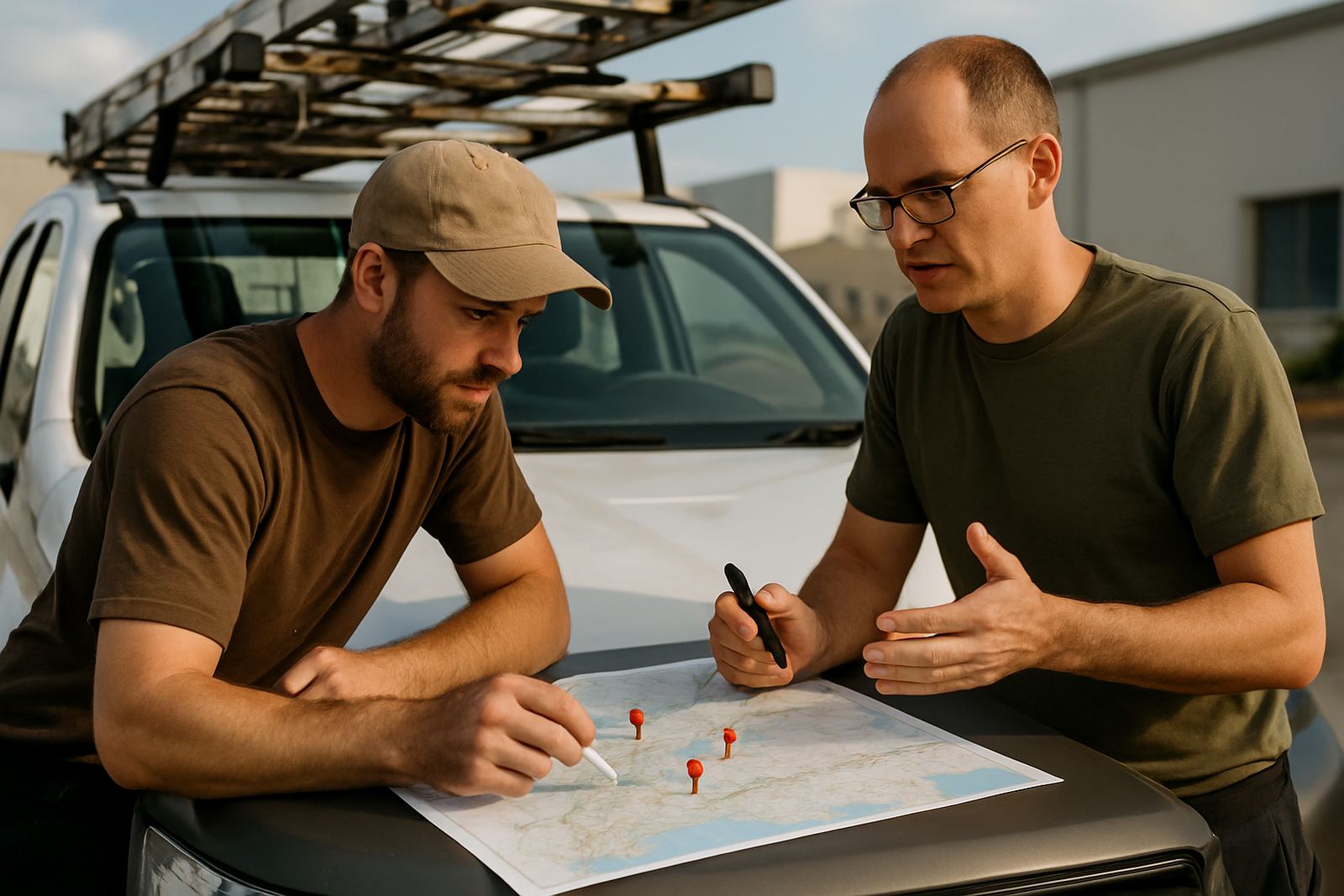
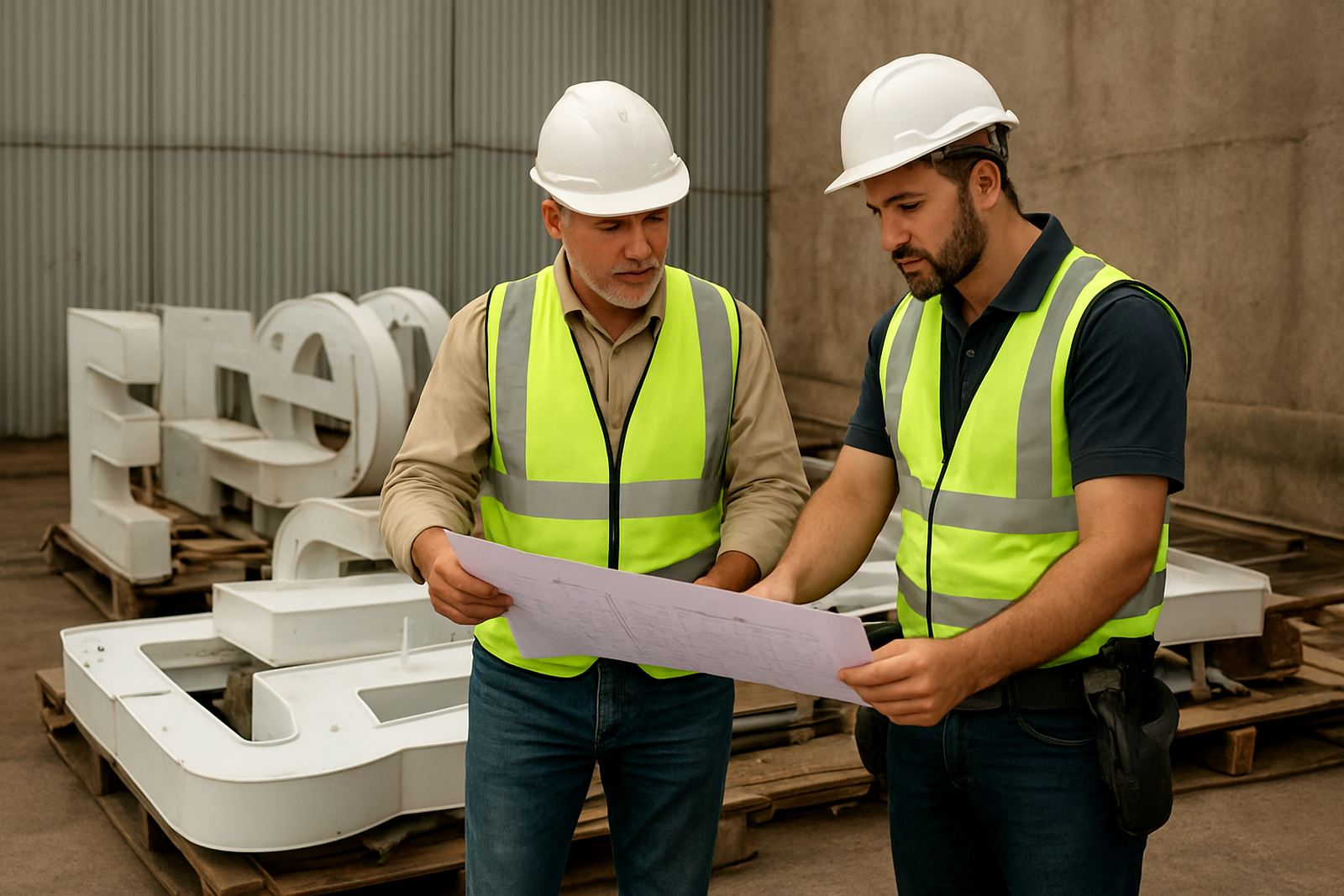
A good rigging team looks at the site before the job starts. Site surveys help identify access points, lift direction, weather exposure and any municipal or property rules that could affect the work. If the team has to work near pedestrian flow, public parking or a loading bay, the method should be planned in advance and the area controlled properly, not figured out on the day.
- Busy retail centres with constant foot traffic
- Commercial buildings with loading bay schedules
- Sites needing road or pavement protection
- Jobs close to glass, vehicles or other vulnerable surfaces
Why servicing should not wait for a complete failure
Many sign owners wait until a light fails, a panel sags or a fixing starts moving before they call for help. That approach usually makes the job bigger and more expensive. Regular sign servicing can catch worn brackets, damaged wiring covers, loose fasteners and faded or water affected parts before they become a safety issue.
For sign makers, this matters because your reputation sits on the finished job. If your client sees a flickering sign, a leaning face or a failed mounting after installation, they will expect action. Maintenance visits keep those sites in order, and emergency callouts can help when a sign has been damaged by wind, impact or power issues. In coastal areas, corrosion can show up faster than many clients expect, so a service schedule is worth putting in place.
- Flickering or failed sign lighting
- Loose panels or rattling faces in wind
- Corrosion, rust or water ingress around fixings
- Damage after storms, vehicle contact or building work
When removal or relocation needs more than a standard crew
Sign removal is often treated as a quick job, but it can be more complicated than installation. Old signs may have concealed fixings, brittle materials, live wiring or weathered brackets that give way without warning. If the sign has to be taken down from height, lifted through a tight area or stored for future use, you want a crew that does rigging all the time, not as a sideline.
Relocations need the same care. Moving a sign from one building to another means checking its condition, choosing the right lifting method and planning the reverse installation at the new site. In Johannesburg and Cape Town alike, a poorly handled removal can lead to cracked panels, damaged cladding or unsafe remaining fixings. That is why specialist crews are often called in by sign makers when the job is outside the normal install route.
- End-of-lease removals
- Upgrades where the old sign must come down first
- Relocations to another branch or tenant space
- Removal of damaged signs after weather events
A practical example from a busy site
Imagine a sign maker in Paarden Eiland who has to replace a large illuminated fascia on a building fronting a busy road. There is limited ground space, passing vehicles, and the client wants the job completed before trading starts the next morning. This is not a case for improvised lifting. It needs a lift plan, a clear exclusion area, scaffold or platform access, and a crew that understands how to work quickly without cutting corners.
Now compare that with a Sandton office block where a sign has to be serviced after lighting failure. The building may have security rules, restricted parking and specific time windows for access. A trained rigging team can work within those limits, coordinate with the sign maker and keep the site orderly. That is the difference specialist support makes. It reduces delay, protects the sign and keeps the client confident that the work is being handled properly.
For sign makers across the Western Cape and Gauteng, calling riggers at the right stage can save a lot of trouble. If the job involves height, weight or complex access, bring in the people who deal with those conditions every day. It is a cleaner way to work, and it keeps everyone safer.