Why small faults become expensive fast
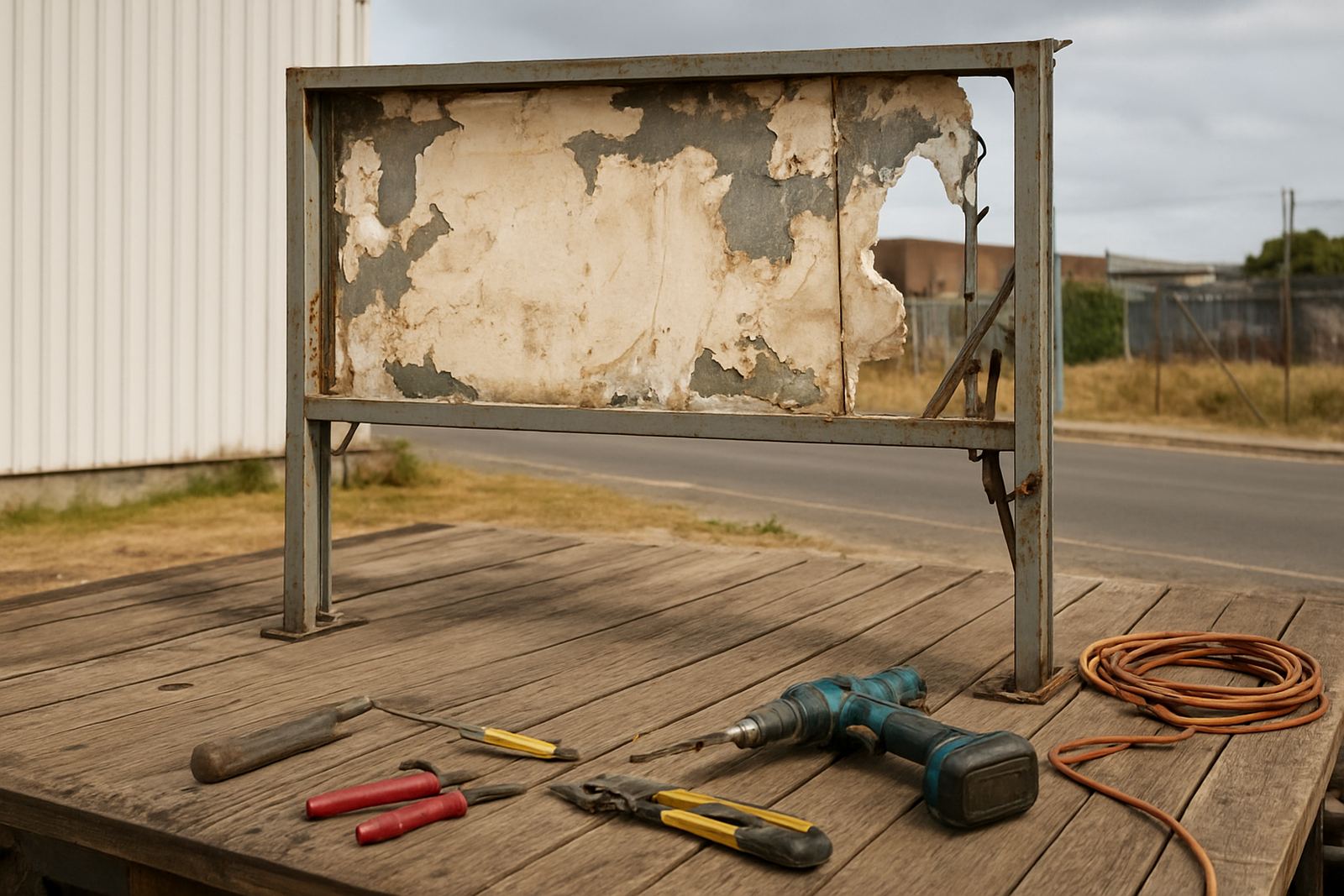
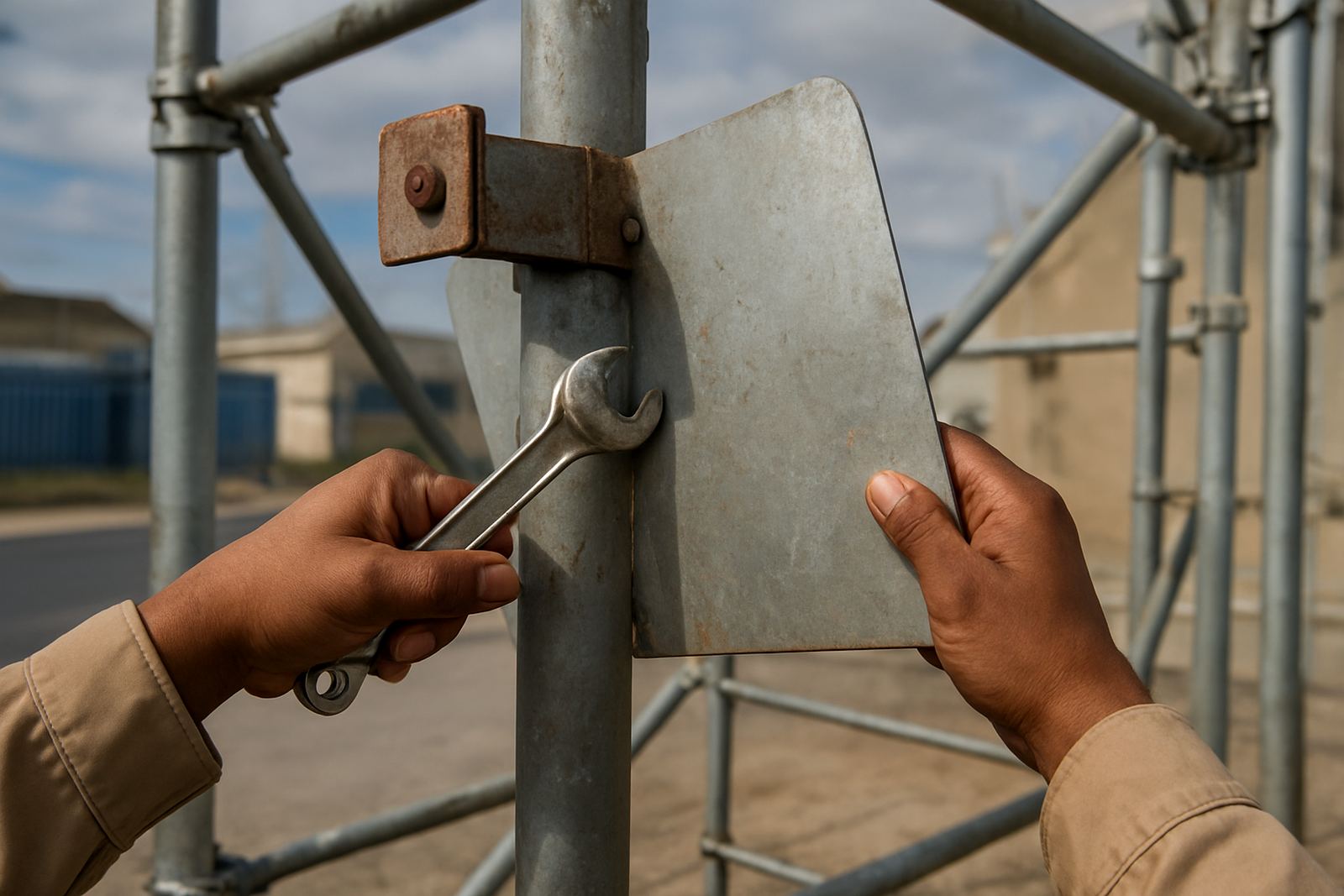
Most sign problems do not begin with a dramatic collapse. They start with rust at a bracket, a loose bolt, water inside a fitting, or a cable that has gone brittle after years of heat and movement. Once that happens, the repair often costs more because it needs access equipment, traffic control, after-hours work, and sometimes emergency make-safe measures. In Cape Town, coastal humidity can speed up corrosion on coastal sites, while Johannesburg sees plenty of vibration, dust, and storm damage that puts added stress on fixings.
For sign makers, the real cost is not only the repair invoice. It is also the call from a client saying a pylon is flickering, a box sign is leaning, or a face has started to lift before a major trading weekend. A planned visit can pick up these issues early, before they become a public risk or force a rushed shut-down.
What a proper maintenance visit should cover
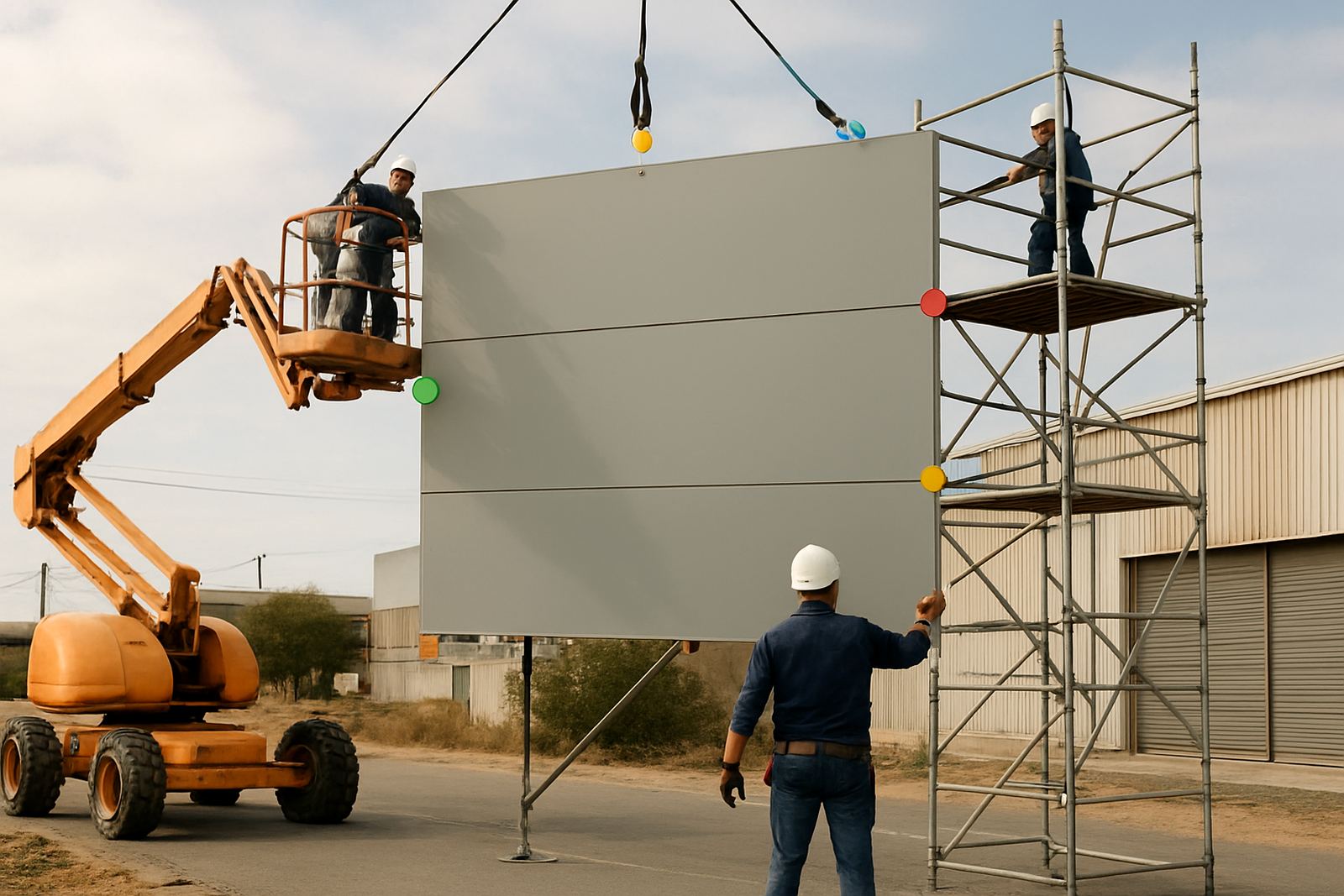
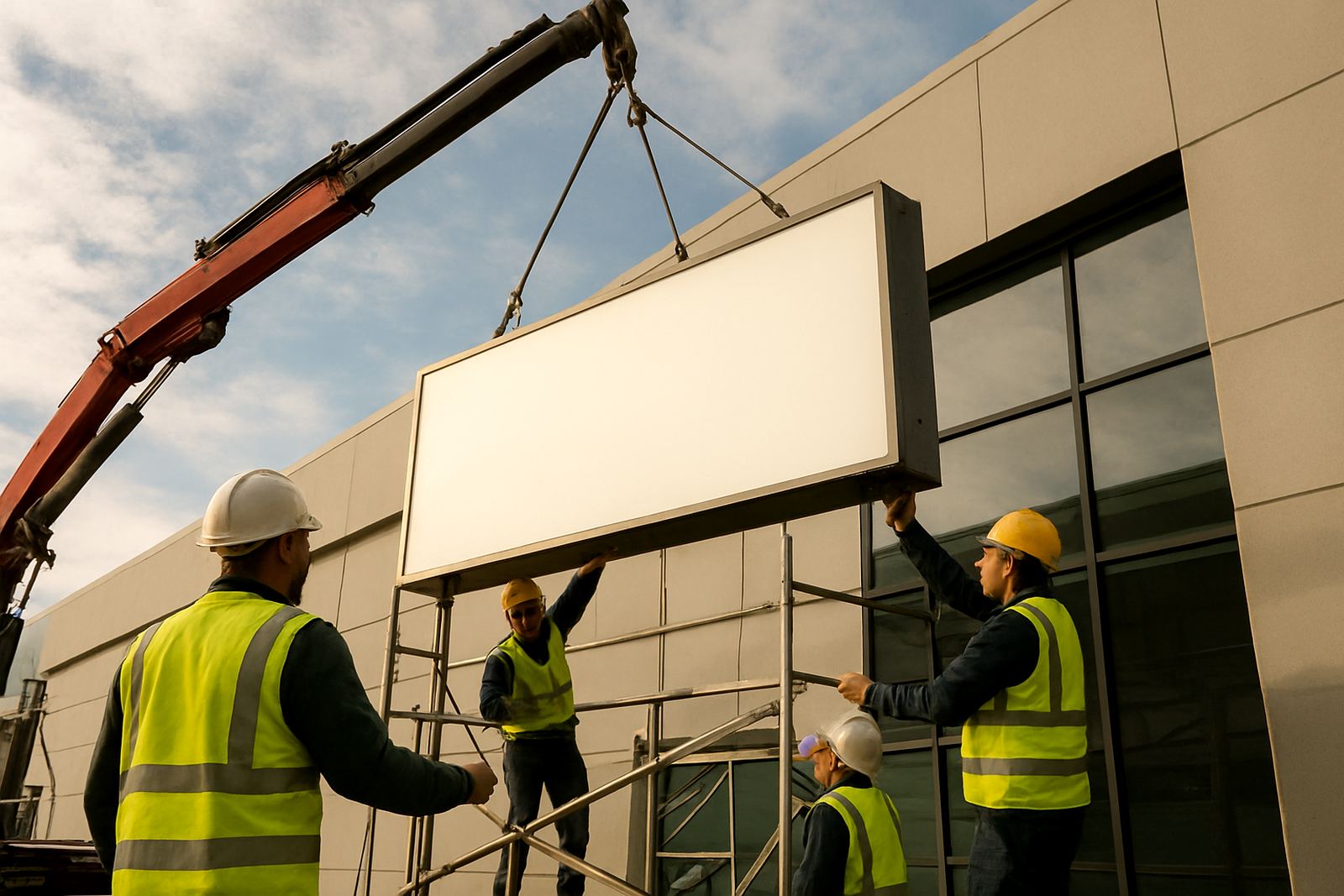
A maintenance visit should be more than a quick look from the ground. Our crews check condition, access, fixings, alignment, lighting access and any signs of wear that could lead to a failure. Where needed, we arrange scaffold access, platform work or lift planning so the inspection is done properly and safely. If a sign needs servicing, we can isolate the problem, remove a face for repair, or replace damaged parts without interfering with the sign shop’s own client relationship.
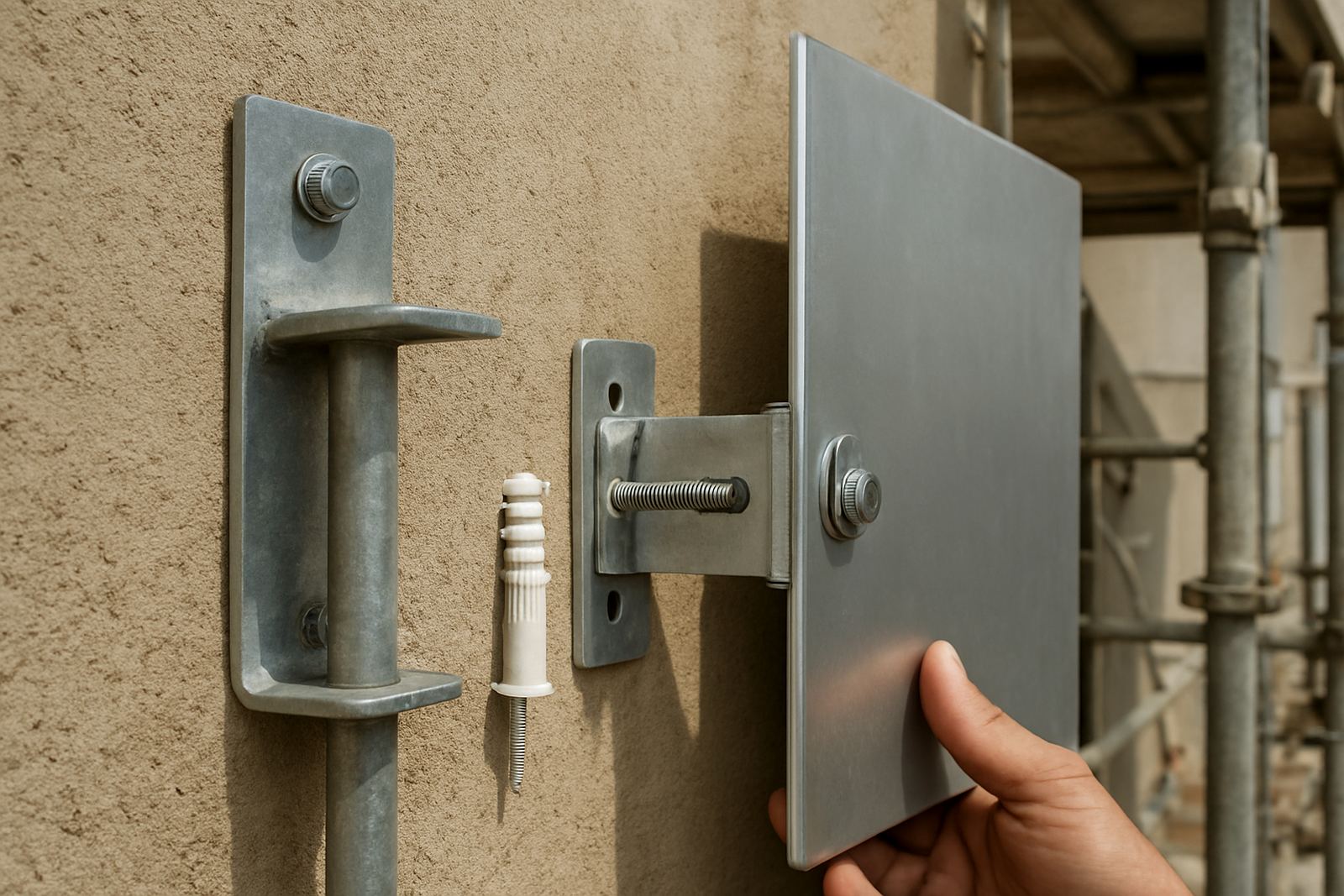
- Check brackets, anchors and structural fixings for movement or rust
- Inspect faces, trims and panels for lifting, cracking or wind damage
- Test lighting access points and note failed lamps or wiring faults
- Look for water ingress, dust build-up and corrosion inside housings
- Confirm clearance, alignment and safe access for future servicing
A good visit leaves the site with a written list of risks, recommended actions and any access needs for the next callout. That way the sign maker can quote with confidence, not guess from a photo.
Local weather, load-shedding and municipal pressure
Signs in Paarden Eiland, Bellville and Somerset West face different conditions from signs in Sandton or Midrand, but the maintenance principle is the same: prevent failure before it becomes visible to the public. Near the coast, salt and moisture can work into fasteners and electrical enclosures. In inland business districts, dust, heat and power interruptions can leave lighting systems under strain. Load-shedding means many illuminated signs cycle on and off more often, which can expose weak connections and ageing components.
Municipal rules and site conditions also matter. A sign over a pavement, close to a roadway or mounted high on a building may need access planning, timing controls or traffic awareness. If the structure is on a busy corner in Johannesburg CBD or a trading strip in Paarl, the work must be planned so pedestrians, vehicles and nearby tenants stay clear. That is why preventative visits save time: they allow the job to be scheduled calmly instead of under pressure.
A practical schedule for sign makers
There is no single maintenance interval that suits every sign. A high-profile roadside sign in Gauteng needs closer attention than a small indoor fascia, and a sign exposed to salty air needs more frequent checks than one in a sheltered mall loading area. Still, many problems can be reduced with a simple routine.
- Quarterly checks for illuminated signs, roadside signs and high-access installs
- Six-monthly checks for shopfront signs in busy pedestrian areas
- Annual full inspections for lower-risk interior or sheltered signage
- After-storm or after-power-failure callouts for any sign that shows movement, noise or flicker
For sign shops, it helps to bundle maintenance with other work. A planned site survey can identify future removals, relocations or billboard face changes while the crew is already on site. That reduces repeat visits and keeps the client’s maintenance budget easier to manage.
When removal is safer than a patch-up
Not every sign should be repaired in place. If a face is badly cracked, a frame is twisted, or access is unsafe, removal may be the safer first step. Our rigging crews are set up for sign removal, sign relocations and emergency callouts, so the work can be done without putting the public or the site team at risk. In some cases, a temporary make-safe is enough to allow the sign maker to return with the correct parts later.
That approach is especially useful for older signs where the original fixings have seen years of weather. A quick patch can buy a few more days, but a proper removal and servicing plan often saves more than a series of reactive callouts. It also helps protect the sign maker’s reputation because the client sees a controlled process, not a scramble.
If a sign is starting to fail, the question is not whether it can be reached. The question is whether it can be reached safely and whether the repair will last.
How we work with sign makers, not against them
Sign Riggers was set up as a rigging-only service for sign makers who need trusted crews in Cape Town and Johannesburg. That means we handle installation, removal, servicing, lift planning, scaffold access and maintenance visits, while the sign shop keeps the client relationship and the creative work. It is a clean division of labour, which suits shops that need reliable access support without handing the whole job away.
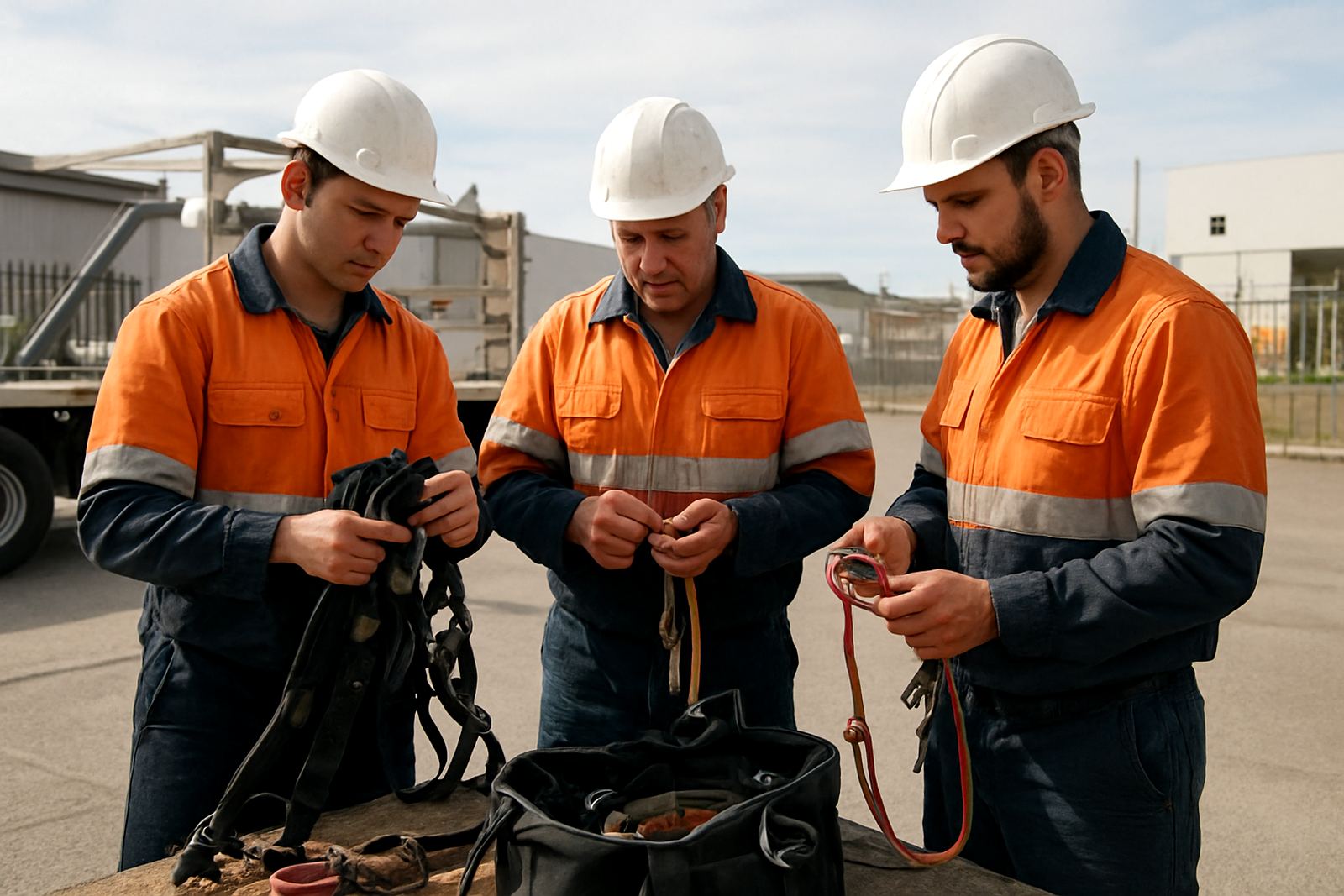
Our teams are trained for safety, first aid and access work, and the fleet is arranged for local response in Paarden Eiland, Bellville, Somerset West, Paarl, Johannesburg CBD, Sandton, Midrand and the East Rand. When a client calls because a sign is rattling or a face is loose, we look at the site, plan the safest method and complete the work with as little disruption as possible. That kind of support is worth far more than waiting for a failure and dealing with the fallout later.