Why sign removal gets difficult once materials age
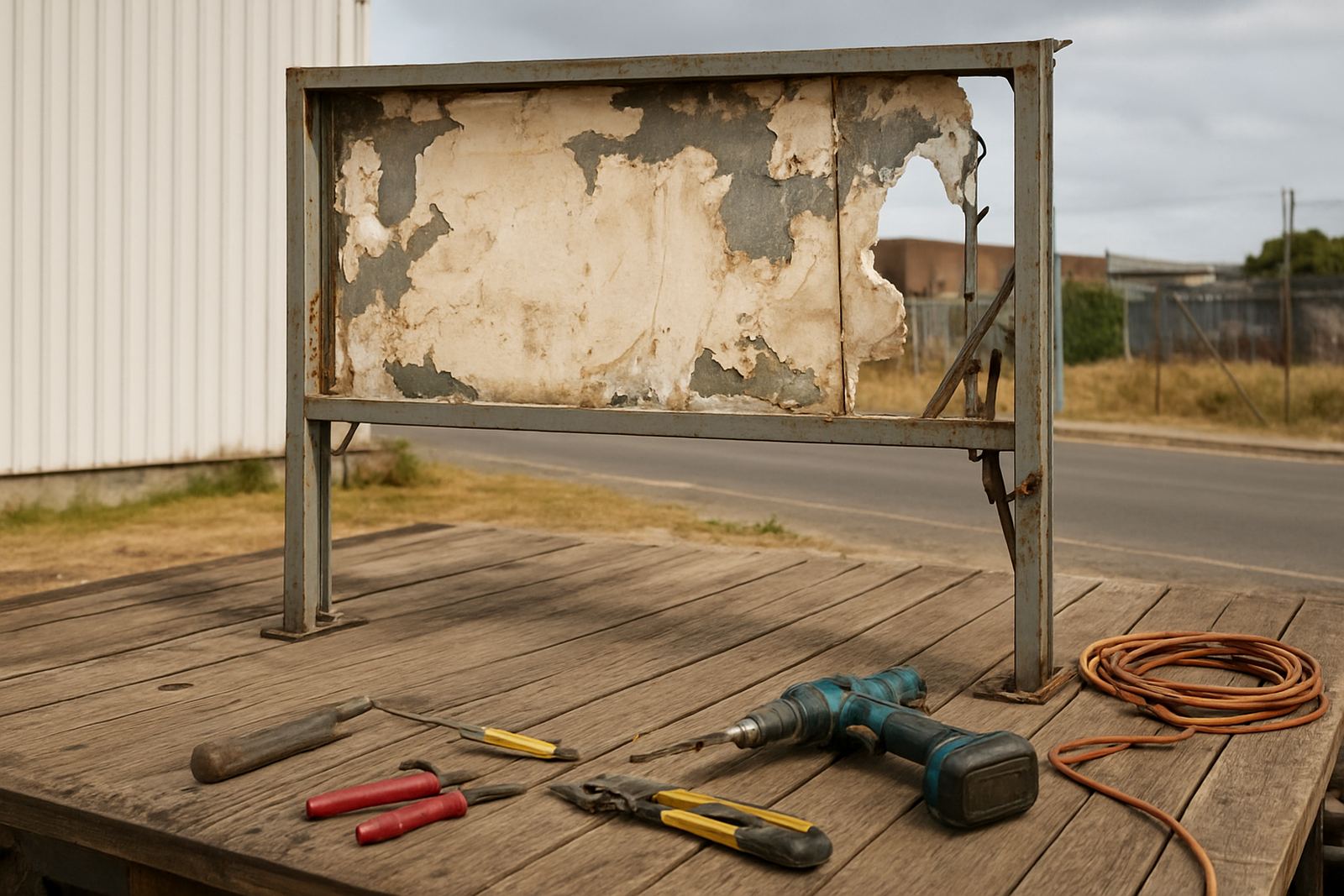
Vinyl, metal frames and backing boards do not age at the same pace. Sun, coastal moisture, vibration and previous patch jobs can leave one part still holding firm while another has started to fail. That is why a simple pull-down can turn into a controlled dismantle very quickly.
In Paarden Eiland, for example, we often see older shopfront signage where the vinyl has shrunk, the adhesive has hardened and the frame fixings have seized into the wall. In Johannesburg, the issue is often heat, dust and repeated maintenance over the years. Either way, a crew needs to know what is coming off first, what is holding the load, and what can be removed without damaging the facade.
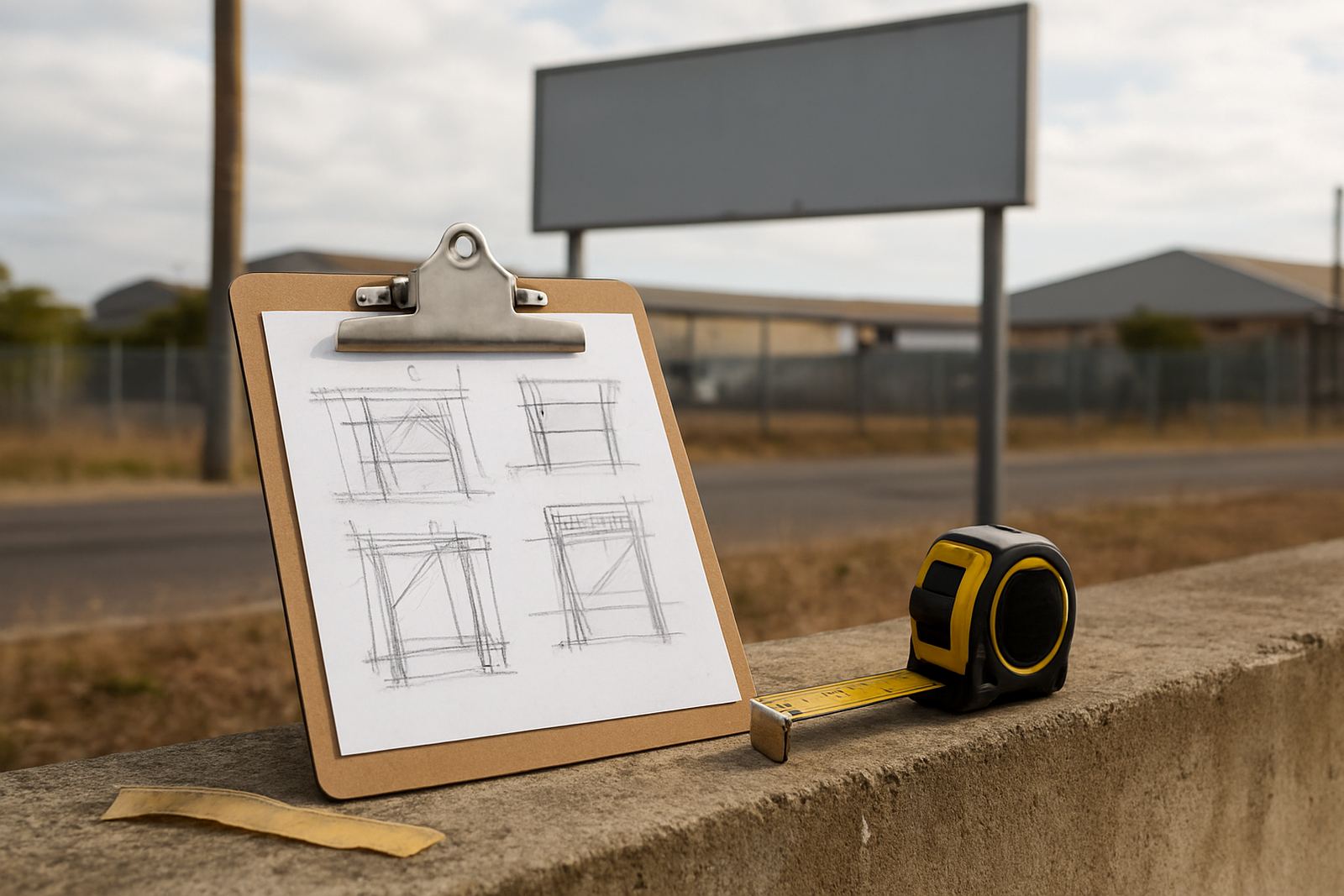
We treat removal as its own job, not just the reverse of installation. That means checking access, isolating any lighting, confirming the condition of the substrate and planning the sequence before a tool touches the sign.
What a proper removal plan should cover
A good plan starts with the site itself. Is the sign above a public walkway, on a loading bay, or fixed over a glass frontage where falling debris would be a problem? Is there room for a platform, scaffold or a safe lift approach? Can the work happen during trading hours, or does it need after-hours access to keep the public clear?
For sign makers, the removal plan should also protect the next step. If the client wants the frame reused, relocated or measured for replacement, the crew must strip it carefully and record what comes off. If the sign is being handed over for disposal, the team still needs to separate vinyl, metal, lamps, cables and fixings where practical.
- Check the fixing type, rust levels and wall condition before starting
- Confirm whether lighting circuits need isolation
- Plan the access method for height, reach and ground conditions
- Protect paving, glazing and vehicles below the work area
- Agree what must be salvaged and what can be disposed of
This sort of planning is what keeps the job clean. It also helps avoid extra damage to the building, which matters when a sign is coming off a leased premises or a managed centre.
Removing vinyl without tearing the face behind it
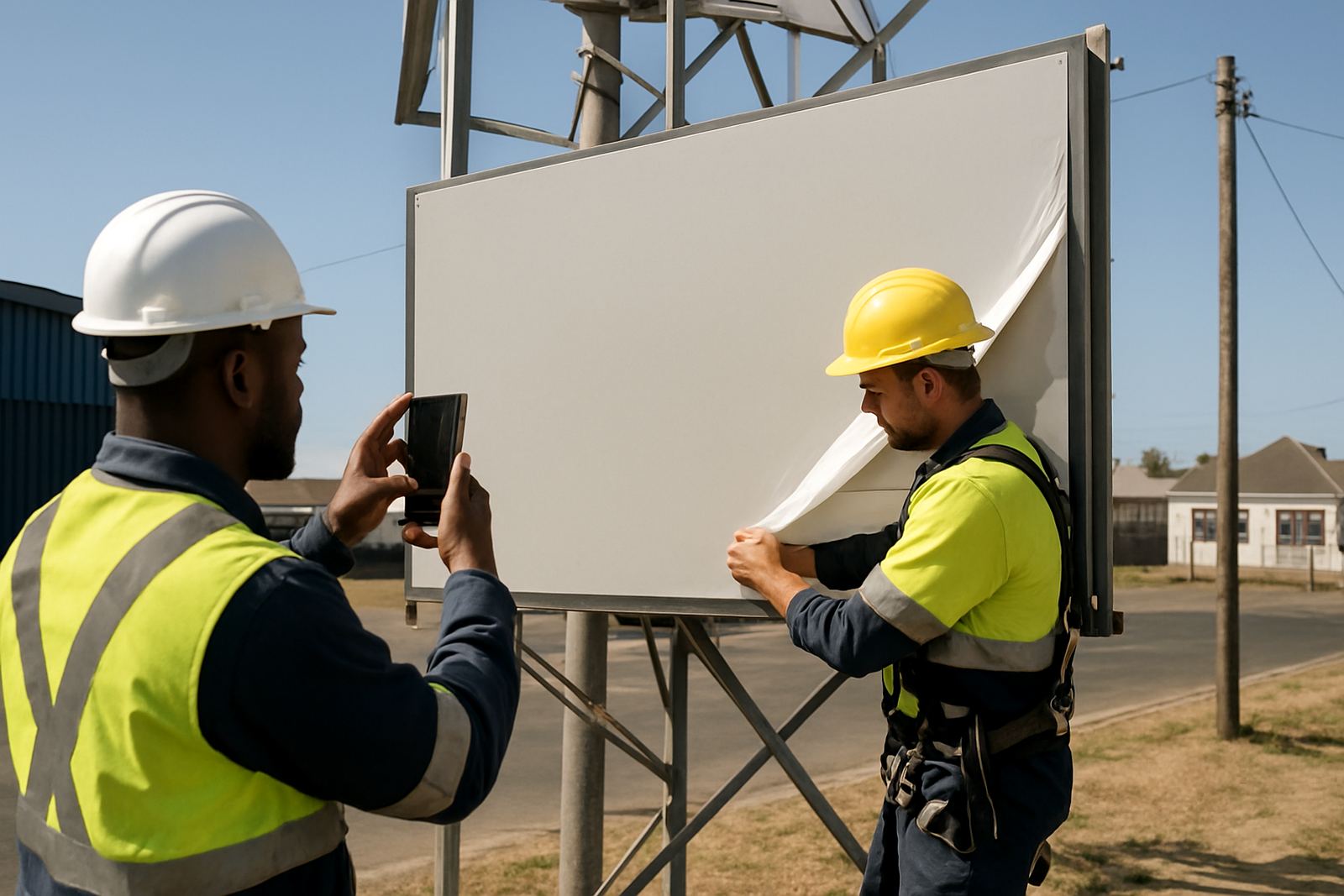
Vinyl removal is often judged too quickly. Fresh film may lift neatly, but older graphics can break into small pieces, especially in direct sun or where the adhesive has baked on over years. On painted walls, the bigger risk is not the vinyl itself but what happens to the finish underneath.
Our crews work methodically, section by section, so the removal does not pull paint or leave sharp adhesive ridges that are hard to clean later. Where the vinyl sits over a panel or aluminium face, we take care around edges and joints, because those are the places most likely to lift or scratch.
For sign makers, this matters when a client wants a replacement graphic installed soon after. A careful removal means the next crew is not dealing with extra prep work, patching or cleaning delays.
- Test a small section first when the age of the vinyl is unknown
- Use controlled heat only where the substrate can handle it
- Watch for brittle paint, cracked panels and loose trims
- Remove residue without gouging the surface
- Leave the site tidy so new graphics can go up without delay
Frames, brackets and fixings need the same attention
Frames are often the part people underestimate. A sign may look light from the ground, but once the cladding comes off you can find heavy steel, awkward brackets or fixings that have been weakened by weather. In coastal areas like Somerset West and the wider Cape side, corrosion can lock bolts in place and make removal slower than expected. In Gauteng, vibration and age can leave fixings loose in one section and stubborn in another.
That is why we do not rush a frame off a wall. We isolate the load, support it properly and work from the strongest point of access. If the frame is to be reused, the goal is to keep it straight and undamaged. If it is going for scrap, the goal is safe dismantling with no surprises for the crew or the site owner.
We also check for hidden issues behind the sign, such as old anchor holes, cracked render or water ingress around the mounting points. If the surface needs repair after removal, the client gets a clear picture of what remains behind.
Access, lifts and safety on busy commercial sites
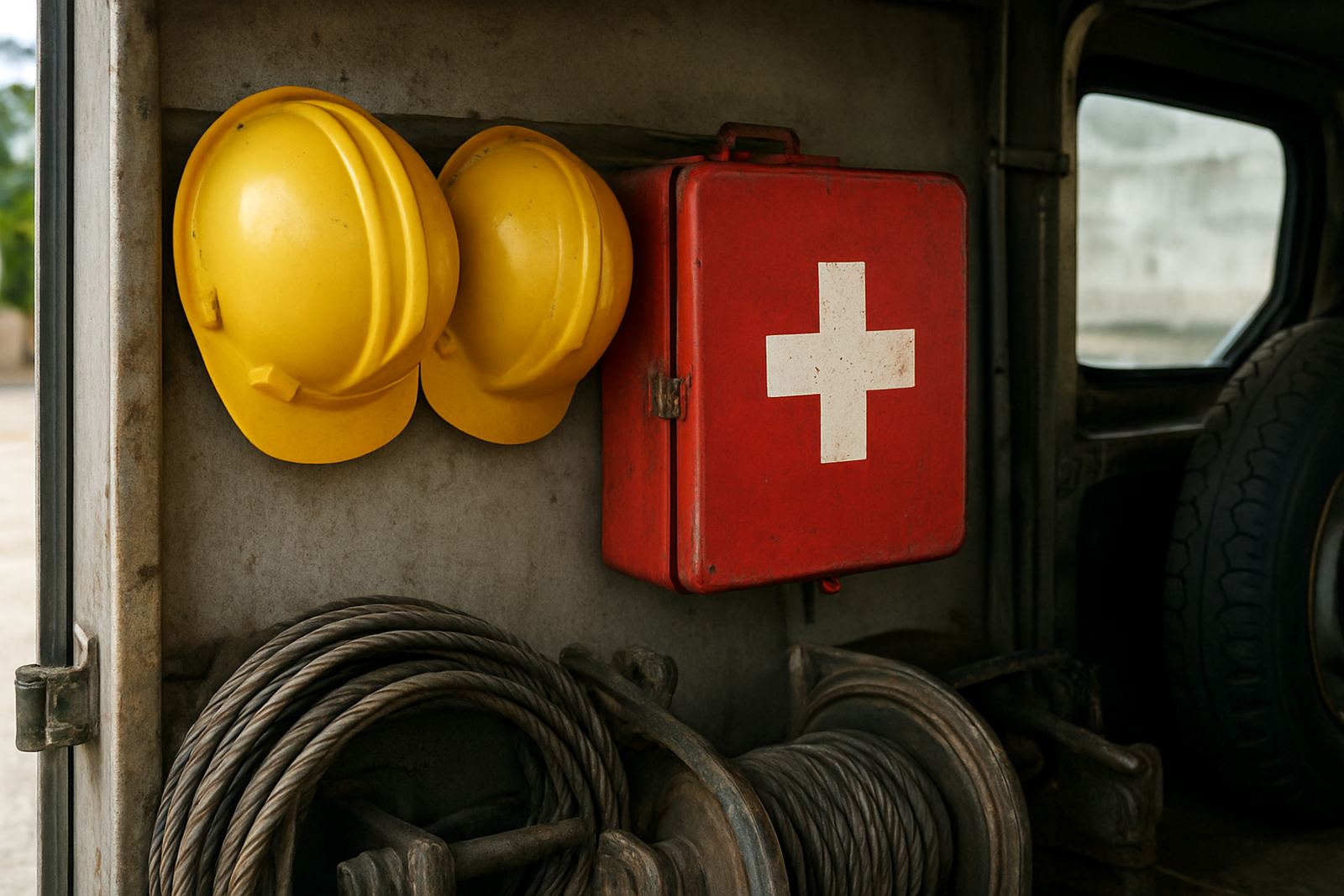
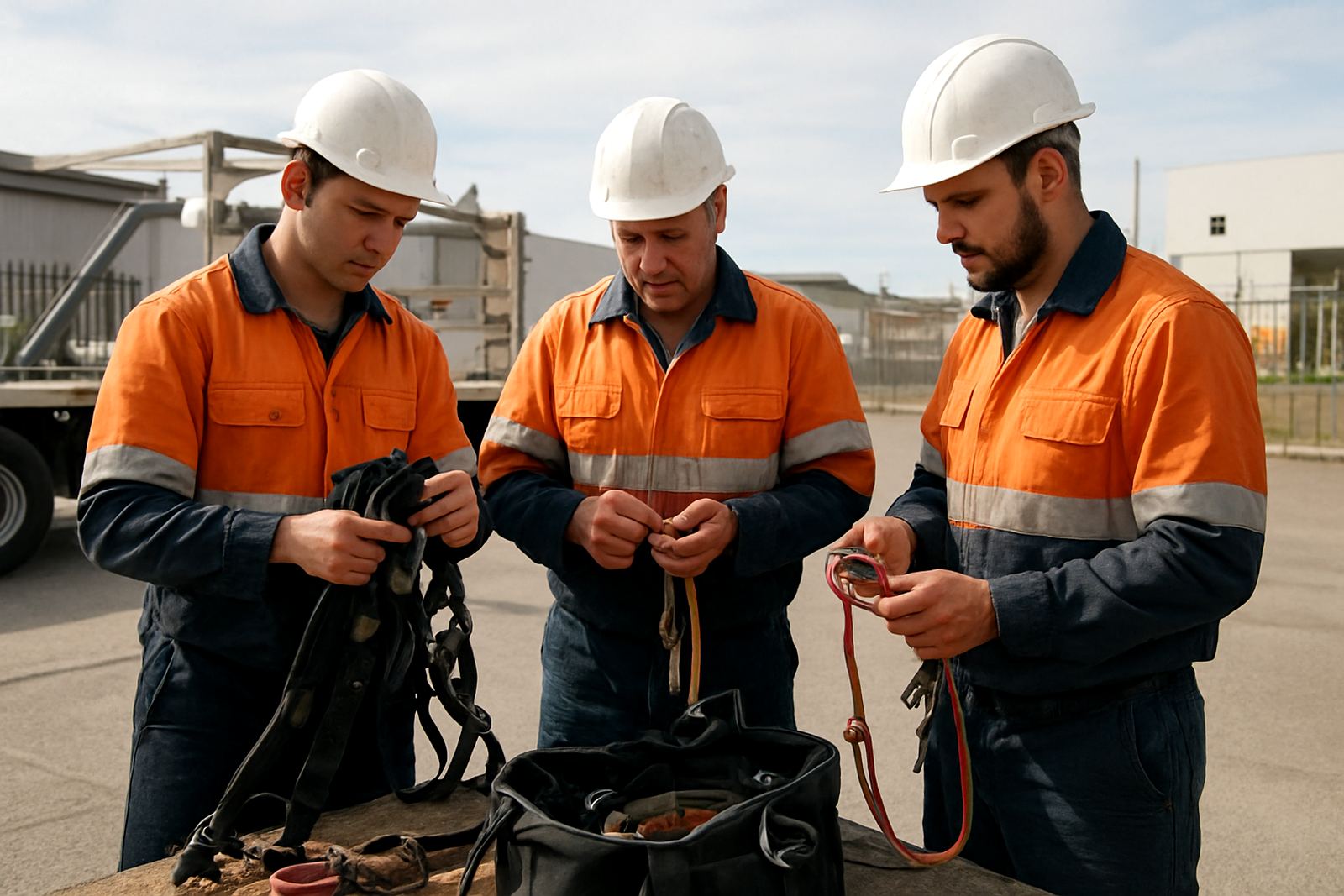
Removal work can be more hazardous than installation because the structure has already aged and may no longer behave the way it did when it was new. A corroded bracket can fail suddenly, and a face panel can shift while fixings are being backed out. That is why our teams are scaffold and first-aid trained, with safety control built into the job from the start.
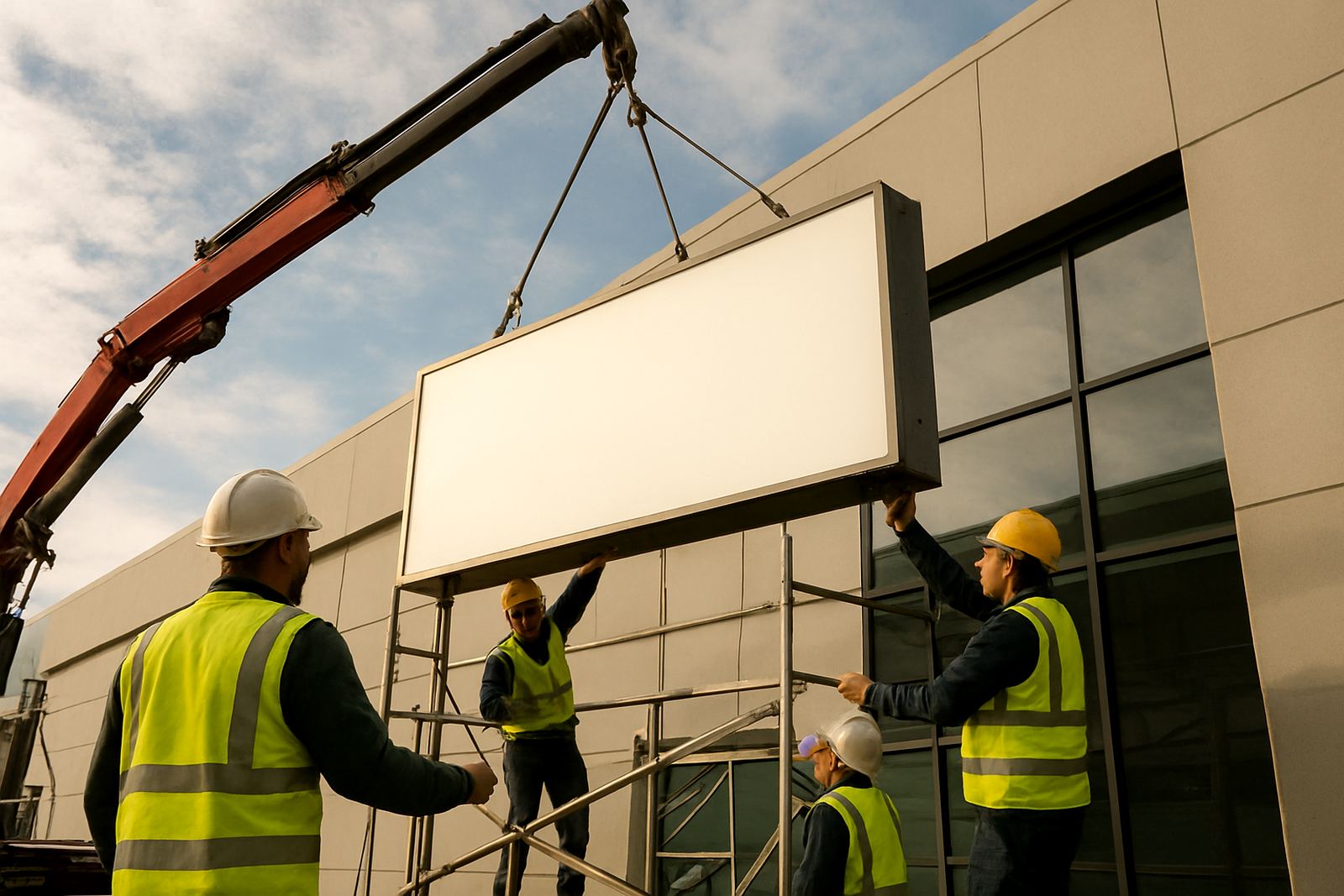
Depending on the site, we may use scaffold access, platform work or a planned lift approach. The right method depends on height, room for equipment, pedestrian flow and what the sign is attached to. In places like Sandton or Johannesburg CBD, coordination with site management is often just as important as the physical work. In Bellville or Paarl, loading bays, parking control and trading hours can shape the method too.
We also keep an eye on weather. Strong wind can make a large panel difficult to handle, especially on open facades or billboard faces. If the conditions are not right, it is better to pause and reschedule than to force the issue.
A Cape Town example: old vinyl over a weathered facade
A recent job in Paarden Eiland involved taking down older vinyl from a frontage that had seen several rounds of branding changes. The sign maker needed the face cleared so a replacement could be installed soon after. The problem was the age of the surface. The vinyl had hardened in the sun, the paint underneath was already patchy, and the frame was tied into a mix of old and newer fixings.
We started with a site survey and lift plan, then isolated the lighting and removed the outer sections in stages. A few fixings came out cleanly, but others had corroded enough to require slower hand work. Because the team planned for that possibility, the removal stayed controlled and the facade was left in a condition the sign maker could work with the next day.
That is the point of using a crew that only does rigging and sign servicing. We do not compete with the sign shop. We support it, so the shop can focus on design and fabrication while we handle the awkward part on site.
What sign makers should ask before they book a removal crew
Before a removal starts, the sign maker should know exactly what is being taken down, what must be retained and how the site will be handed back. Clear instructions save time on the day and reduce the chance of a missed detail.
Good questions to ask include:
- Is the vinyl being removed from a painted wall, panel or glazed surface?
- Will the frame be reused, relocated or disposed of?
- Are there lights, cables or power supplies still connected?
- What access is available at the site, and who controls it?
- Does the building owner require patching, a sign-off or after-hours work?
In our line of work, the smallest detail can change the whole job. A hidden cable, a seized bolt or a cracked panel can add time, so the crew needs the right brief before arrival. That is how removals stay neat, predictable and safe for everyone involved.