Why scaffold awareness matters on sign jobs
Sign rigging often happens above traffic, over shopfronts, or next to active construction. A crew may be installing a fascia sign in Bellville one day and removing a light box in Sandton the next, but the same basic question applies each time: can the team reach the work area safely and keep everyone else clear while they do it?
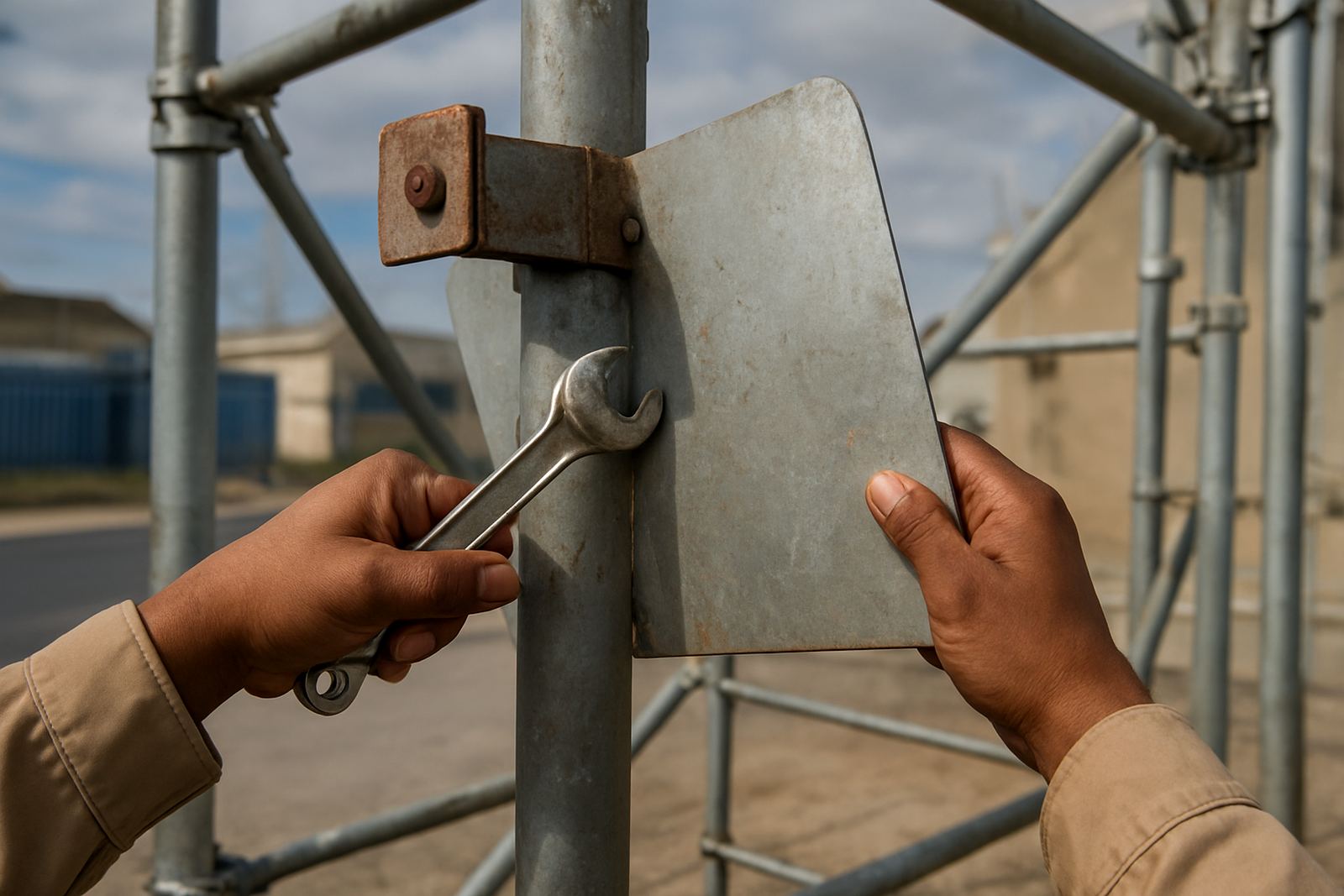
Competent scaffold awareness helps crews understand how scaffold towers, mobile platforms and temporary decks should be used, and where they should not be used. It also helps a rigging team spot unsafe access before the first tool comes out of the truck. That saves time, but more importantly it reduces the chance of a fall, dropped tools or damage to the building facade.
When crews know the limits of scaffold access they are better at planning the job properly. They can check the height, the reach, the load capacity and the ground conditions before signing off the method.
What trained crews look for before the first lift
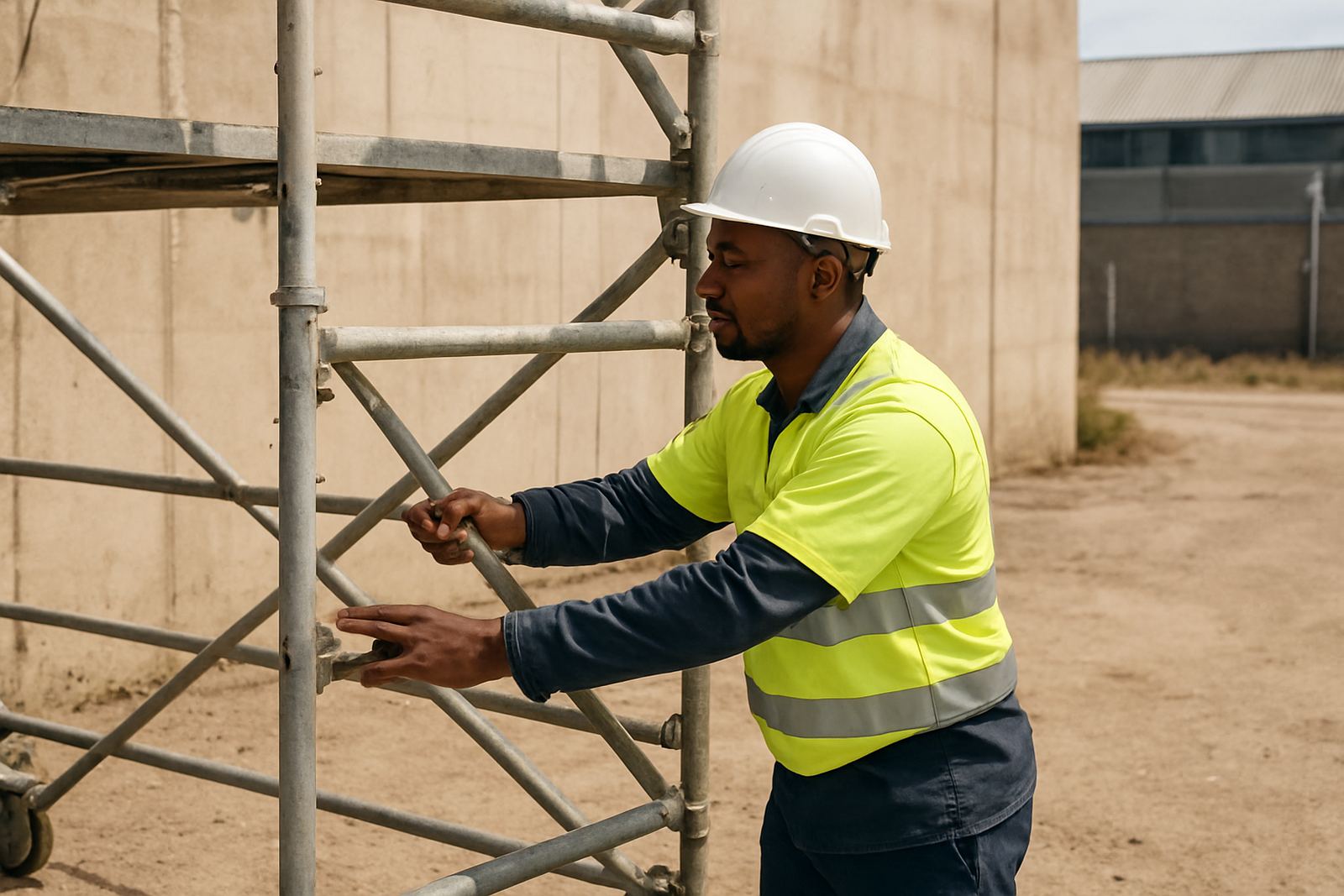
A trained sign rigging team does not assume a scaffold is ready because it has been assembled. They check the basics first, then decide whether the structure suits the work. That habit is what separates a tidy site from a risky one.
- Base stability on paving, gravel, or uneven concrete
- Wheel locks, outriggers, guardrails and toe boards
- Clear access around the scaffold for pedestrians and vehicles
- Overhead hazards such as cables, awnings, tree branches and signage brackets
- Weather exposure, especially wind on taller coastal sites
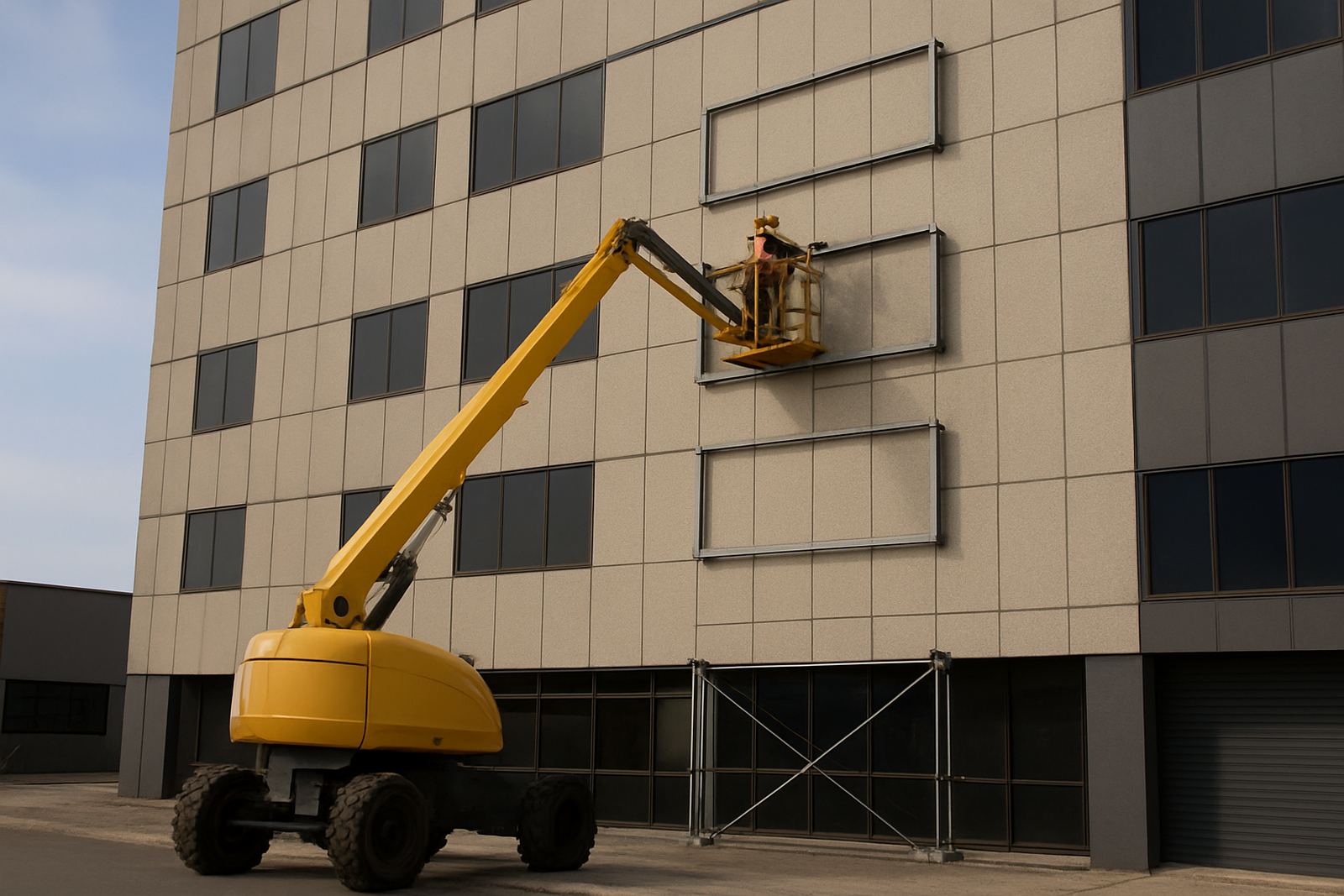
- Whether the platform height matches the fixing points on the sign
In Paarden Eiland, for example, a crew may be working near salt air, busy loading bays and narrow driveways. If the scaffold is placed badly, a simple sign replacement can become a delay that affects the whole street. A proper check at the start avoids that.
How scaffold planning protects the sign itself
Safe access is not only about people. It also helps protect the sign face, the frame and the electrical components. When a crew has to stretch, overreach or improvise access, the risk of bending brackets or cracking panels goes up fast.
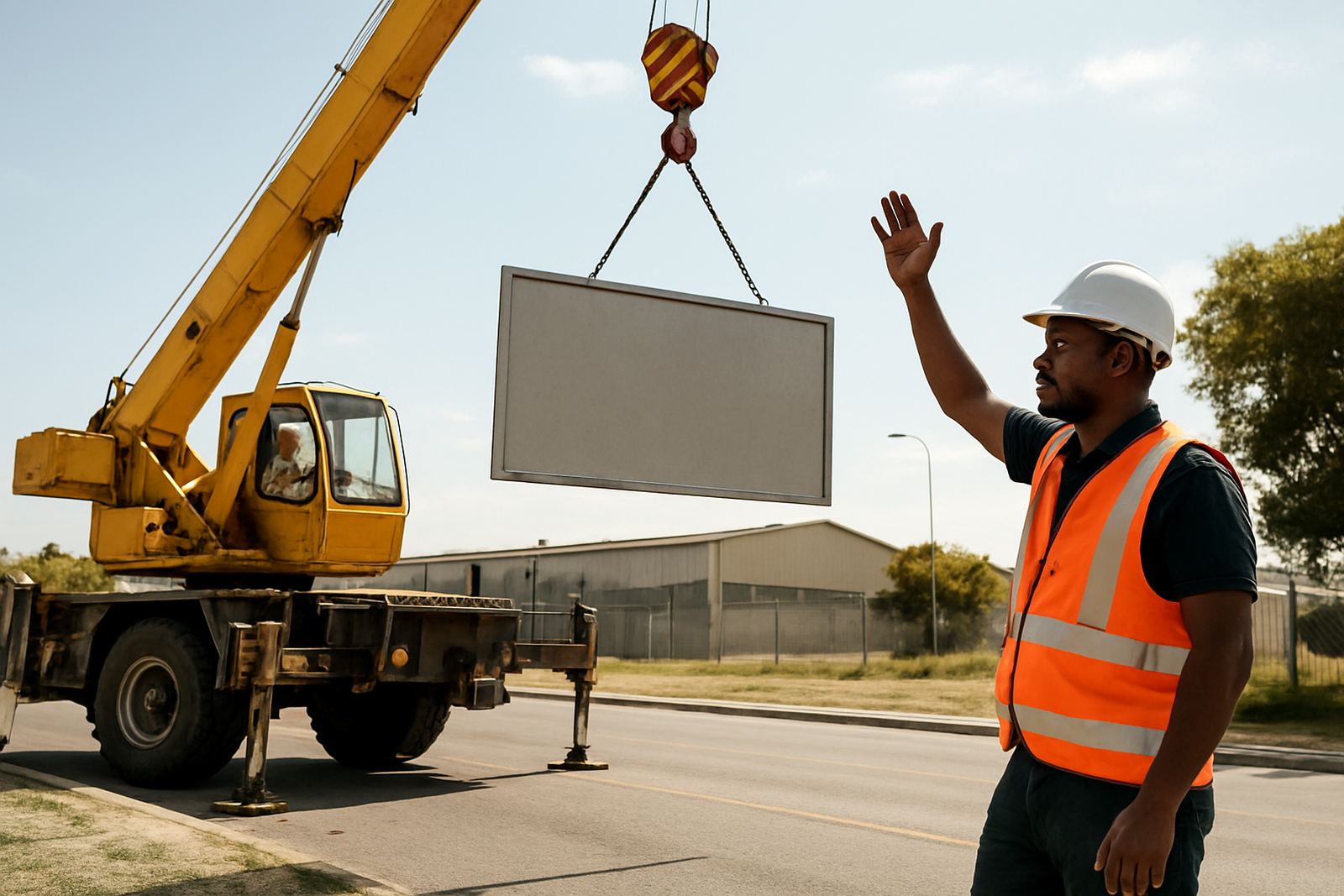
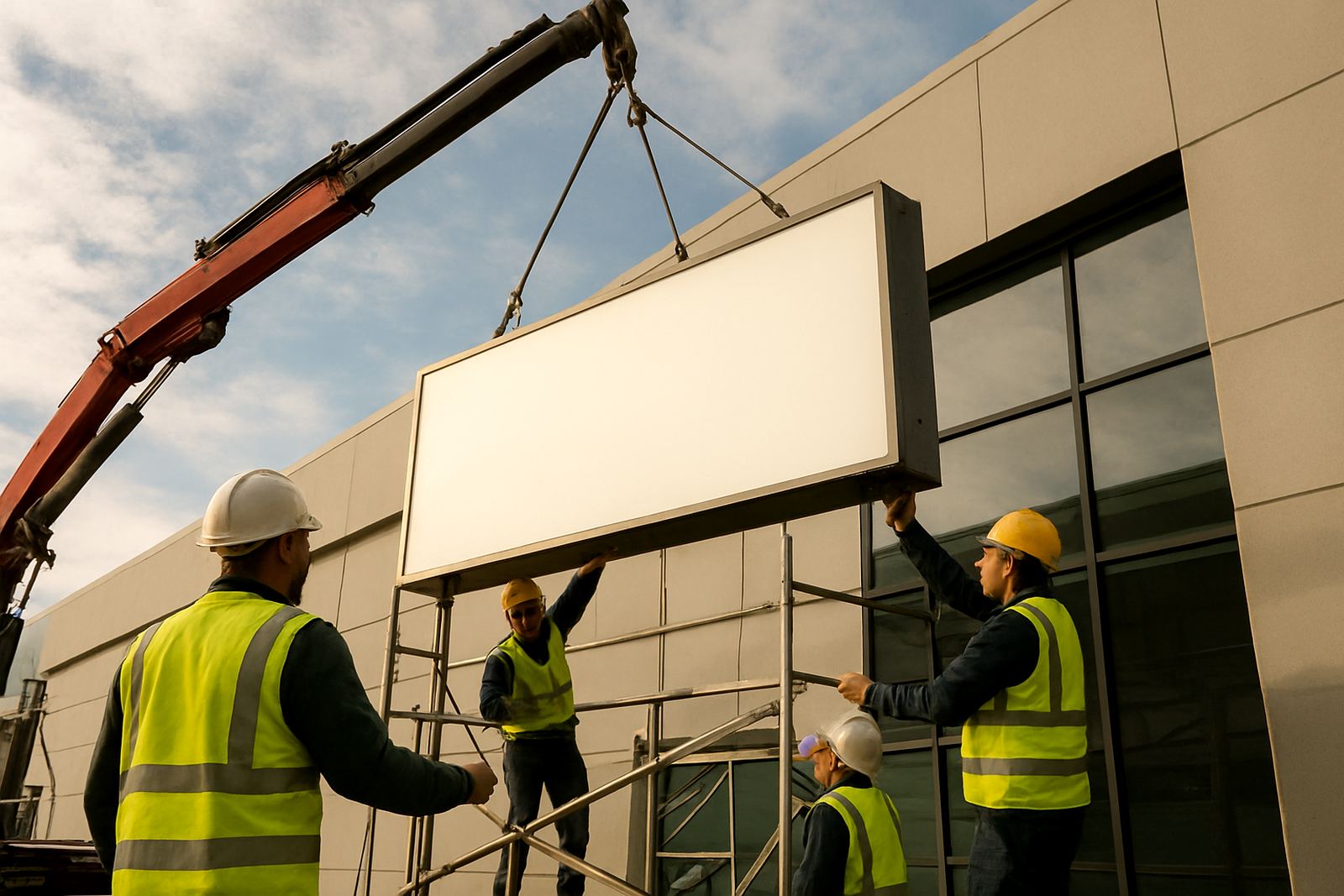
With the right scaffold or platform plan, the rigging team can line up the sign correctly, hold it steady and fasten it without rushing. That matters on heavier installations such as illuminated shopfront signs or billboard face changes. It also matters when the sign must be removed in one piece for reuse at another site.
Good scaffold awareness also helps with clean handovers between trades. Electricians, builders and property managers can see what the access plan is and where they should stay clear. Fewer misunderstandings means fewer hold ups.
Local conditions in Cape Town and Gauteng change the access plan
Scaffold training has real value because South African sites are not all the same. A job in Somerset West can be affected by wind off the mountains, while a roadside site in Midrand may need extra attention around traffic and pedestrian flow. In Johannesburg CBD, the challenge might be tight access, older buildings and live trading below the work area.
In coastal areas, corrosion and slippery surfaces can affect scaffold parts and footings. In inland areas, dust, heat and uneven ground can be the bigger issue. Then there is load-shedding, which changes lighting conditions and can make early starts or late finishes more difficult to manage safely. A crew that understands scaffold access will plan for these realities instead of hoping for the best.
This is why experienced sign crews treat scaffold awareness as part of the job, not an extra. It helps them choose the right access method for the site, the weather and the size of the sign.
What scaffold-trained riggers bring to a site
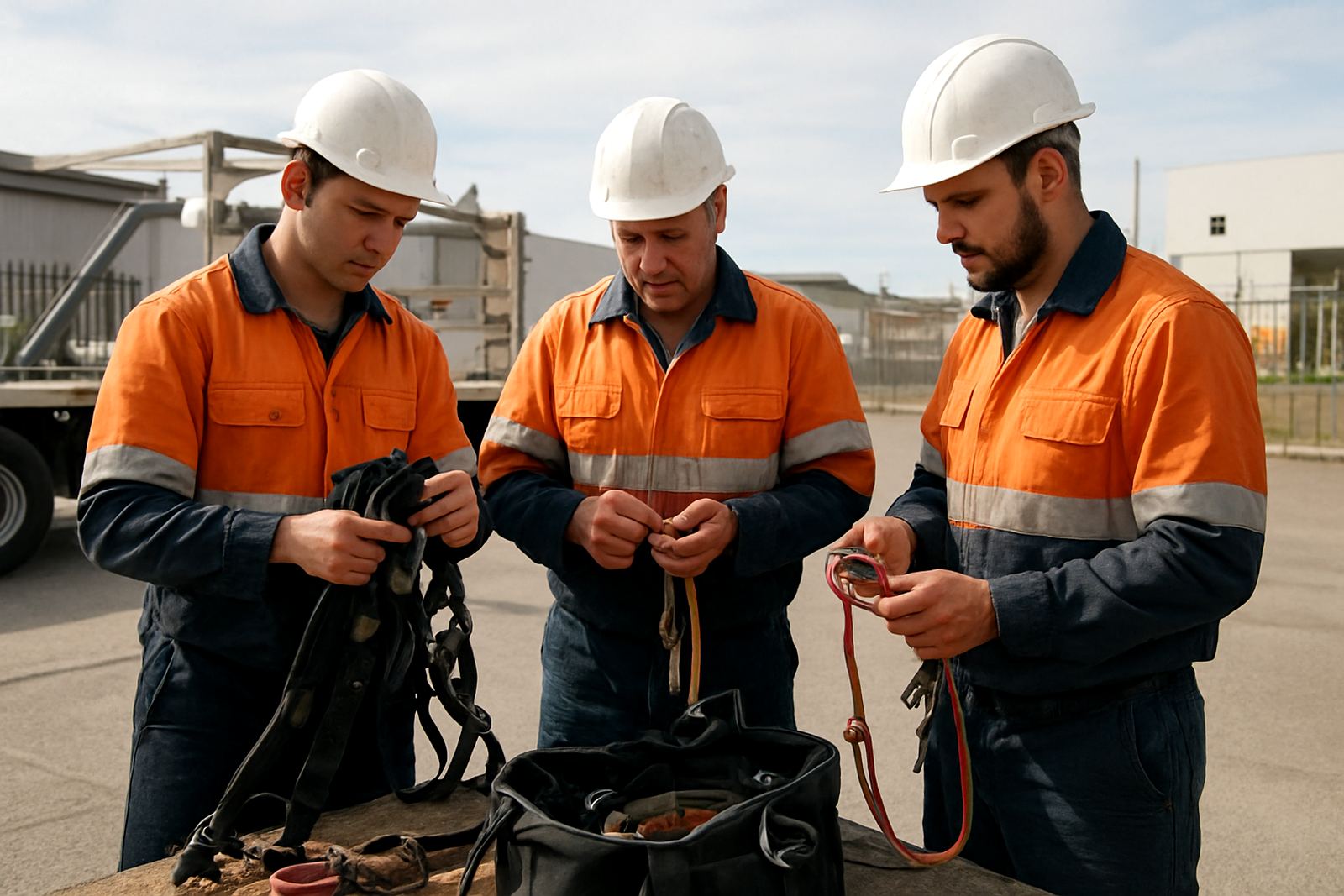
For sign makers, the value of scaffold training is simple: fewer surprises, better communication and safer work at height. It gives the rigging crew a stronger eye for detail and a more practical approach to the site setup.
- They can assess whether scaffold access is suitable for installation, removal or servicing
- They understand how to work around temporary access without crowding other trades
- They are better prepared for emergency callouts and after-hours work
- They can help with lift planning and platform work on awkward sites
- They know when to pause and request a safer setup instead of pushing on
That judgement matters when a sign shop sends a crew to a site they did not build themselves. The riggers must protect the client’s reputation and the safety of everyone on site, even when the space is cramped and the schedule is tight.
A practical example from a busy retail site
Picture a retail park in Bellville with a sign removal scheduled before trading starts. The access area is narrow, the delivery bay is active and the building manager wants the work done quickly. A scaffold is needed for the upper fixing points, but the crew also has to keep the pavement open for shoppers and staff.
A trained rigging team will check the scaffold position, make sure the wheels are locked, confirm the working height and plan how tools and panels will be moved without blocking the entrance. If the wind picks up, they may adjust the plan or delay the lift. That sounds small, but it is exactly how accidents are avoided and how the sign shop keeps its client happy.
Without scaffold awareness the team might rush, overreach or place the structure too close to foot traffic. With it, the job gets done neatly and the site stays under control.
Why sign shops benefit from trained rigging partners
Most sign makers do not want to manage access structures themselves, and they should not have to. Their focus is fabrication, branding and client work. A specialist rigging crew that understands scaffold safety gives them a partner who can handle the site side properly.
For businesses working across the Western Cape and Gauteng, that means one call can cover installation, removal, servicing, lighting access, sign relocations and maintenance visits. It also means the same crew can look at the site, advise on access, and work safely around scaffold or platform equipment already in place.
At Sign Riggers, that kind of awareness is part of how the work is done. It helps keep sign jobs moving, even when the access is awkward, the weather is unreliable or the schedule is tight.