

Why sign faces get damaged before they reach site
Most damage happens during the ordinary parts of a job, not during the final lift. A sign face can pick up scratches when it is slid across a floor, chip at a corner when it is stacked against another panel, or warp when it sits in the back of a bakkie in the heat. In Cape Town, coastal air and grit can mark a fresh acrylic or aluminium face quickly, while in Gauteng the bigger risk is dust, vibration and rushed loading between sites.
For sign makers, the problem is not only appearance. A bent frame, a stressed acrylic panel or a scuffed print can slow down handover and lead to extra calls after installation. That is why rigging teams need a handling method that starts at collection and follows through to the final fix. It is simple work, but it has to be done the same way every time.
- Use edge protection on every flat panel.
- Keep faces separate with clean spacers or foam.
- Load panels upright where possible, never loose on a metal deck.
- Check the route from truck to site before unloading.
Packing methods that keep faces clean and straight
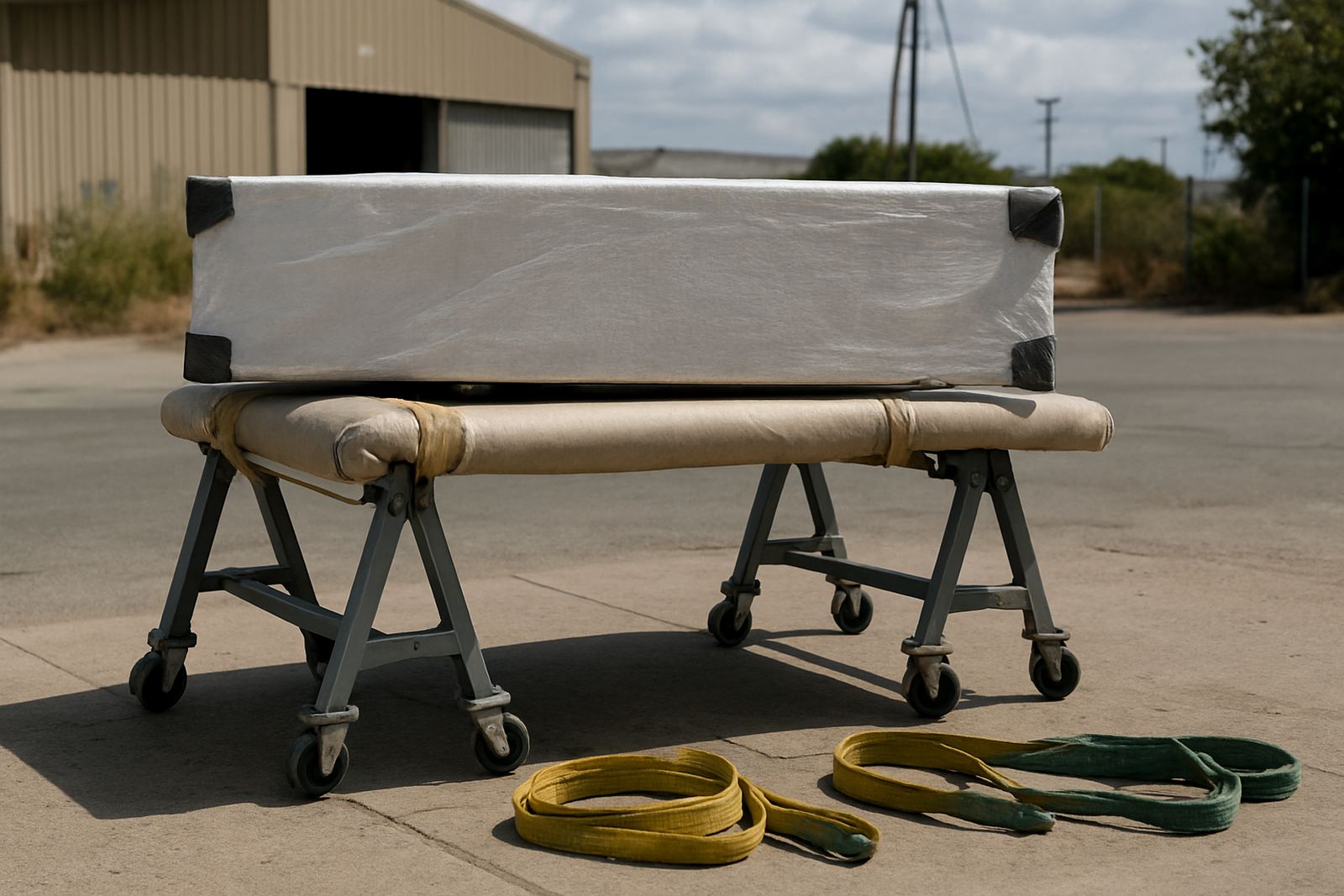
The best protection starts with the way the sign face is packed. Large faces should be wrapped in clean materials that will not mark print or transparent sections. Corners need proper support, especially on longer panels that can flex under their own weight. If a sign face is going from Paarden Eiland to Somerset West or from Johannesburg CBD to Sandton, the journey may be short, but each stop, brake and pothole can shift the load enough to bruise an edge.
We often advise sign makers to separate each face by size and material type. Acrylic, aluminium composite, vinyl over foam board and illuminated box panels all behave differently. Do not stack a rigid face on top of a softer one, and never allow straps to sit directly on printed surfaces. On windy days at the coast, even a light panel can catch air while being carried, so two people should take long pieces rather than one person trying to balance it alone.
- Mark each packed face with the install order.
- Keep fittings in a separate bag, not loose against the panel.
- Use corner guards on every exposed edge.
- Store panels out of direct sun before loading to reduce heat stress.
Loading and transport choices that cut transit damage
Transport is where many avoidable marks happen. A face that was clean in the workshop can arrive with rail marks, rubbed print or a chipped corner if the load is not restrained properly. For sign makers serving Bellville, Paarl, Midrand or the East Rand, this matters because multiple jobs may be loaded in one run. If the first panel shifts, the rest can suffer too.
Flat loading is not always the answer. Some large faces travel better on edge with soft separators, provided the frame and packing are designed for it. For illuminated signs and billboard face changes, the safest method is often a protected frame or purpose made rack that stops movement and keeps the panel vertical. On rough roads or in delivery traffic, straps should be checked again after the first few kilometres, not just at departure.
Good crews also think about weather. High humidity near the Cape coast can affect certain materials if they are left wrapped too long, while hot sun in Gauteng can make adhesive surfaces tacky or soft. Small things like this matter when the handover has a deadline and the client expects a clean install on the same day.
Site handling that protects the finish
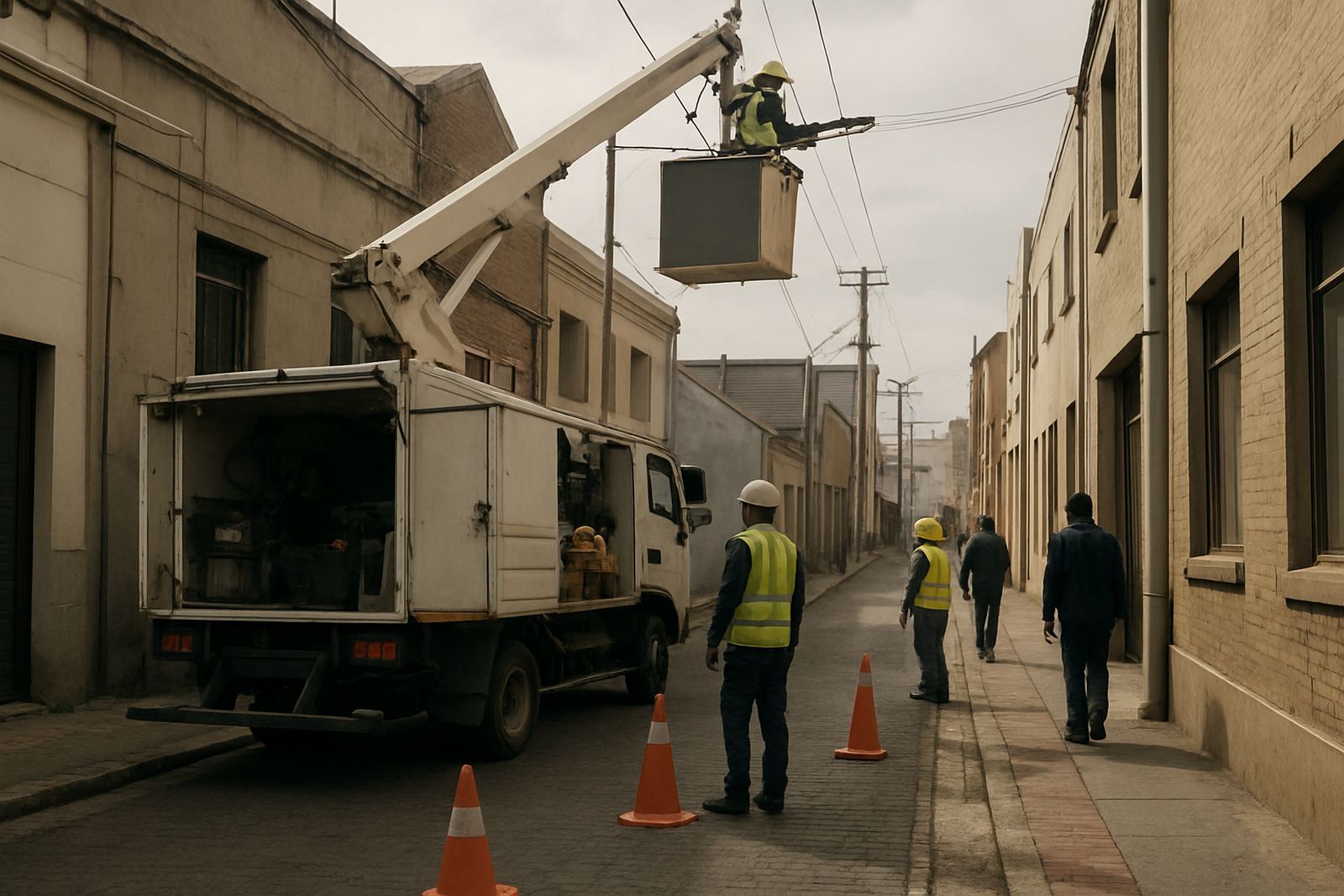
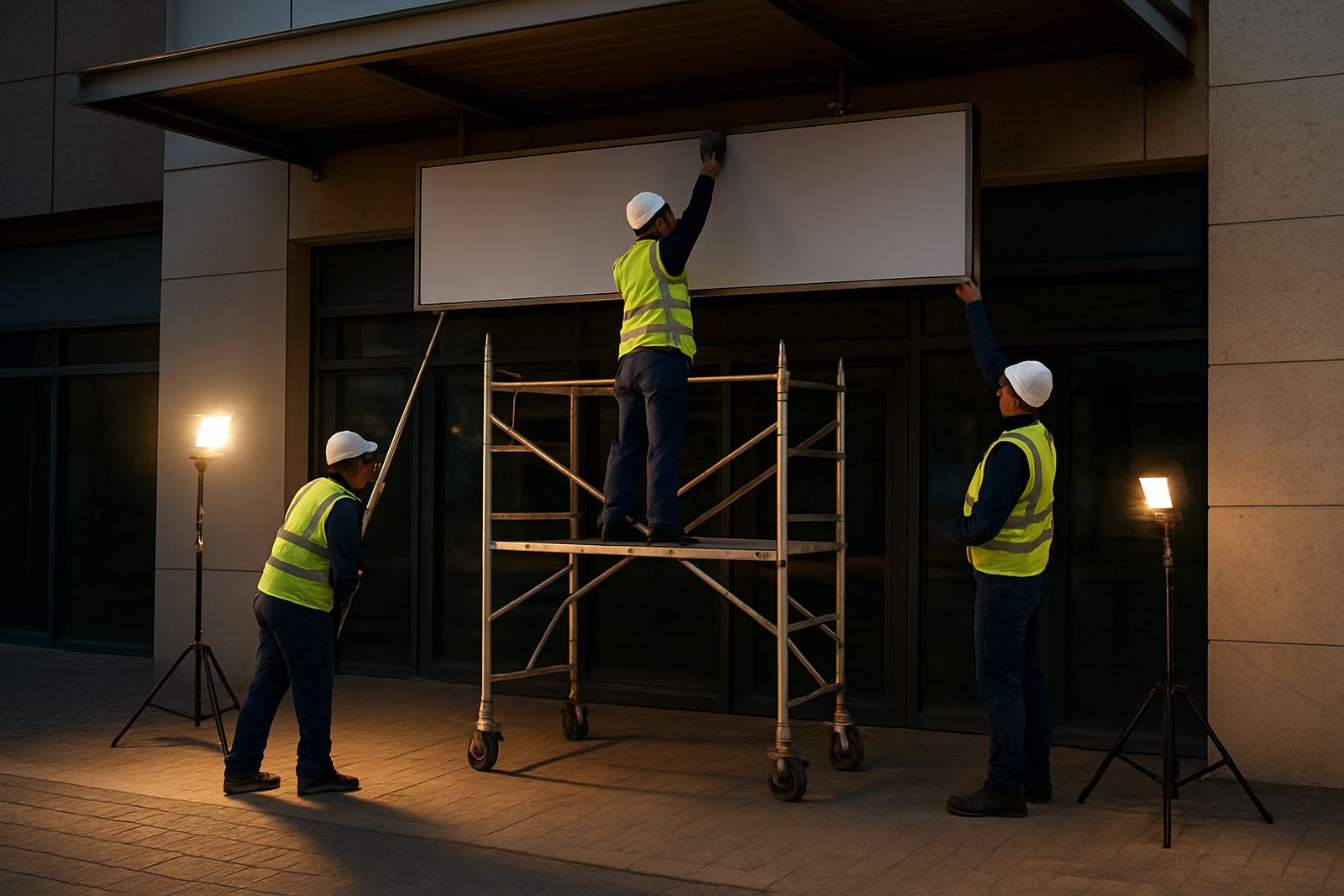
Once the face reaches site, the handling risk does not stop. A panel can be scratched while being passed over a parapet, placed against a rough wall or rested on dusty paving. A careful crew prepares the site first, then moves the face into position only when the fixing team is ready. That means the lift plan, scaffold access or platform work must be sorted before anyone opens the load.
For higher installs, we prefer a clear sequence: inspect the access point, check the wind, stage the fixings, then move the face. If the sign needs to wait on site, it should sit on clean supports away from foot traffic, building debris and wet surfaces. In coastal areas, sea spray can leave a film on exposed surfaces very quickly, so a quick wipe before fixing is often worth the extra few minutes.
- Lay down clean blankets or foam where the panel will rest.
- Keep tools away from the finished surface.
- Never drag a face across brick, concrete or corrugated steel.
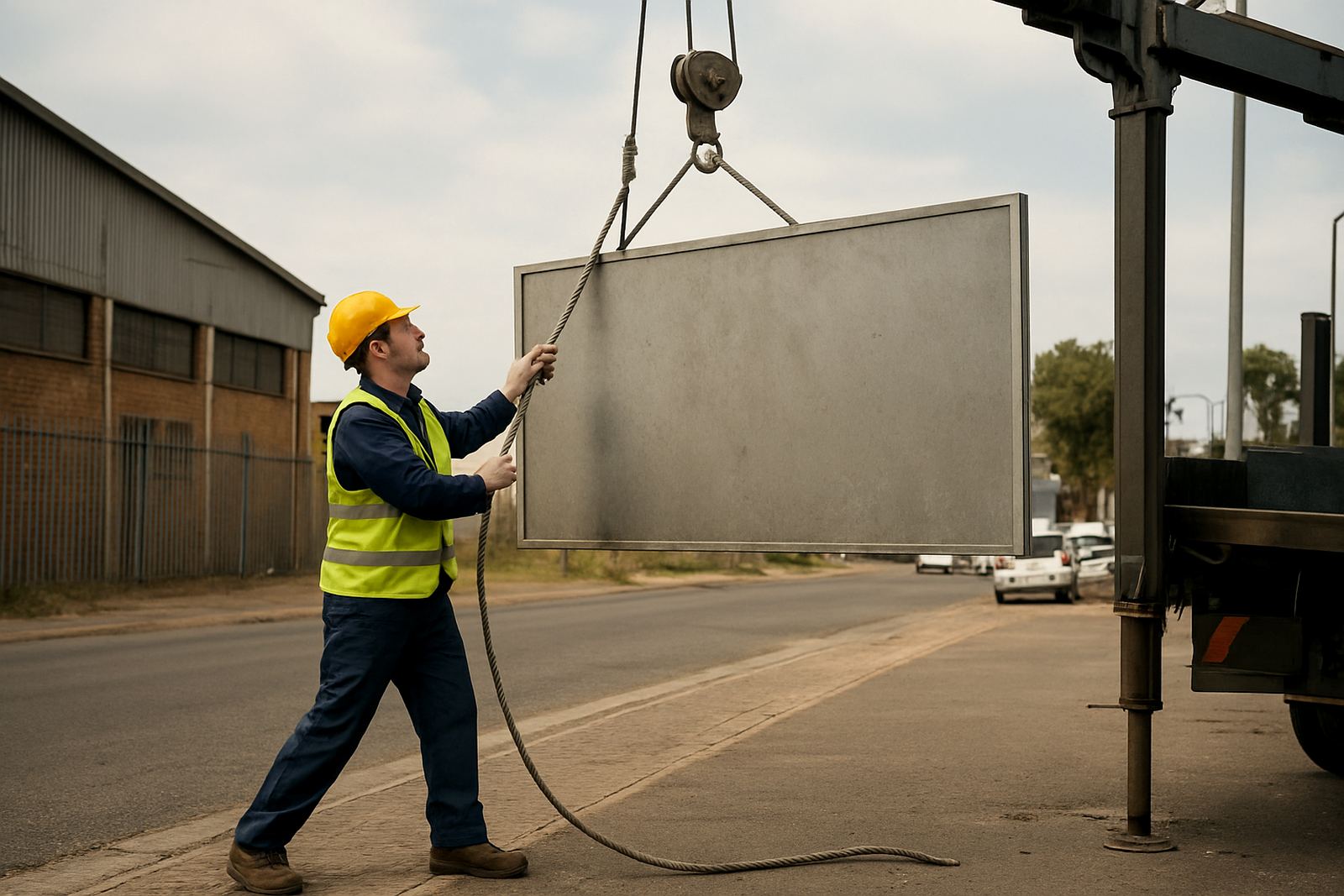
- Lift by the frame or approved handling points, not by the printed skin.
How coordinated rigging saves sign makers time and reputation
Sign makers do not want a rigging crew that arrives late, damages the product and then leaves the client with a complaint. They want people who understand that the installation job reflects on the maker even when the sign face was fine at dispatch. That is why sign-only rigging matters. It protects the maker’s work and keeps the roles clear.
At Sign Riggers, the crews in Cape Town and Johannesburg work as a support team for sign makers, not as competitors. That means the focus stays on safe movement, clean handling and reliable turnaround. From emergency callouts in Johannesburg CBD to maintenance visits in Paarden Eiland, the same habits apply: protect the finish, keep the schedule, and hand over a sign that still looks like the one approved in the workshop. It sounds simple but the margin for error is small.
Where needed, we also coordinate with site surveys and lift planning so the face does not spend longer than necessary in transit or on site. Less waiting means less chance of dust, impact and weather damage.
A local example: a coastal install with tight timing
A recent coastal job near Somerset West needed a large illuminated face to be replaced before a retail opening. The panel had travelled from the sign maker’s workshop in a mixed load with other finished items, so the first step was to recheck the wrapping and separate it from heavier hardware. The route into site was narrow, with a breeze off the bay and limited loading space, so the crew staged the lift to avoid carrying the face twice.
Because the sign was going up near the sea, the team kept the face covered until the fixings were ready and the access platform was in place. The panel was wiped down, checked for edge marks and lifted straight into position. No scraping against walls, no resting on wet paving and no last minute scrambling for tools. The result was a clean install on time, with the sign maker able to hand over confidently.
That is the real value of good handling. It saves material, saves labour and keeps the finished sign looking the way it should when the client sees it for the first time.