Why first-aid matters on sign sites
On sign work, the first few minutes count. A cut from sheet metal, a slip on wet paving, a knock from a loaded component, or a strain while moving equipment can happen on any site, from Paarden Eiland to Sandton. First-aid training does not replace proper rigging, lifting plans or PPE, but it gives the crew a practical way to respond while the rest of the team secures the area and gets help moving.
A trained team member is more likely to stay steady, check the situation in the right order and avoid making things worse. That matters when there is a live electrical point near a sign, traffic moving below a billboard, or a tight access route in a shopping centre loading bay. Calm decisions save time and reduce panic, which is useful on busy sites where everyone is already under pressure.
What a trained crew does in the first minutes
First-aid training supports fast, organised action. It helps crews decide whether to stop the task, isolate the area, call for medical help, or keep the injured person still until assistance arrives. In sign work, that could mean shutting down access equipment, clearing the drop zone, or switching off power before anyone moves closer to the incident.
- Assess the scene for electrical, height, traffic and falling-object risks.
- Keep the injured person calm and still where possible.
- Apply basic treatment within the limits of training.
- Send one person to guide paramedics or site security to the correct point.
- Record what happened so the incident can be reviewed later.
It is simple in theory, but on a real site there is often wind, noise, forklifts, clients asking questions and a deadline hanging over the work. Training helps the crew keep their thinking in order.
Common incidents on sign installation and maintenance jobs
Sign teams work with ladders, scaffold access, platforms, tools, glass, metal sections and lighting gear. Those conditions bring a few repeat risks. In Cape Town, coastal humidity can make metal surfaces slick by morning, especially close to the harbour or along exposed façades in Bellville and Somerset West. In Johannesburg, dust and heat can leave crews tired and less alert by mid afternoon.
Typical incidents include small lacerations, pinch injuries, sprains, eye irritation from dust, and minor burns from electrical work. A trained team knows that even a small injury can become a bigger problem if it is ignored and the job carries on as if nothing happened.
- Cuts from sharp metal edges and brackets.
- Minor falls from low access steps or platforms.
- Strains while carrying signs or moving rigging gear.
- Eye contact with dust, sealant or debris.
- Knocks and bruising during removal and reinstatement work.
The aim is not to dramatise normal site risks. It is to handle them properly before they escalate.
How first-aid training supports safer planning
A good first-aid foundation starts before the crew arrives. During a site survey or lift planning discussion, the team can identify where the nearest medical point is, how ambulances will access the property, and who on site will unlock gates or escort responders. That preparation is useful on complex jobs in Johannesburg CBD or at a retail park where access roads are tight and security procedures can slow a response.
First-aid awareness also influences how the work is organised. For example, a supervisor may split the crew so that one person can keep an eye on the emergency kit while others handle the task. It can also shape the sequence of work, especially where night shifts, load-shedding, or short weather windows put extra pressure on the team.
- Confirm emergency access points before the crew starts.
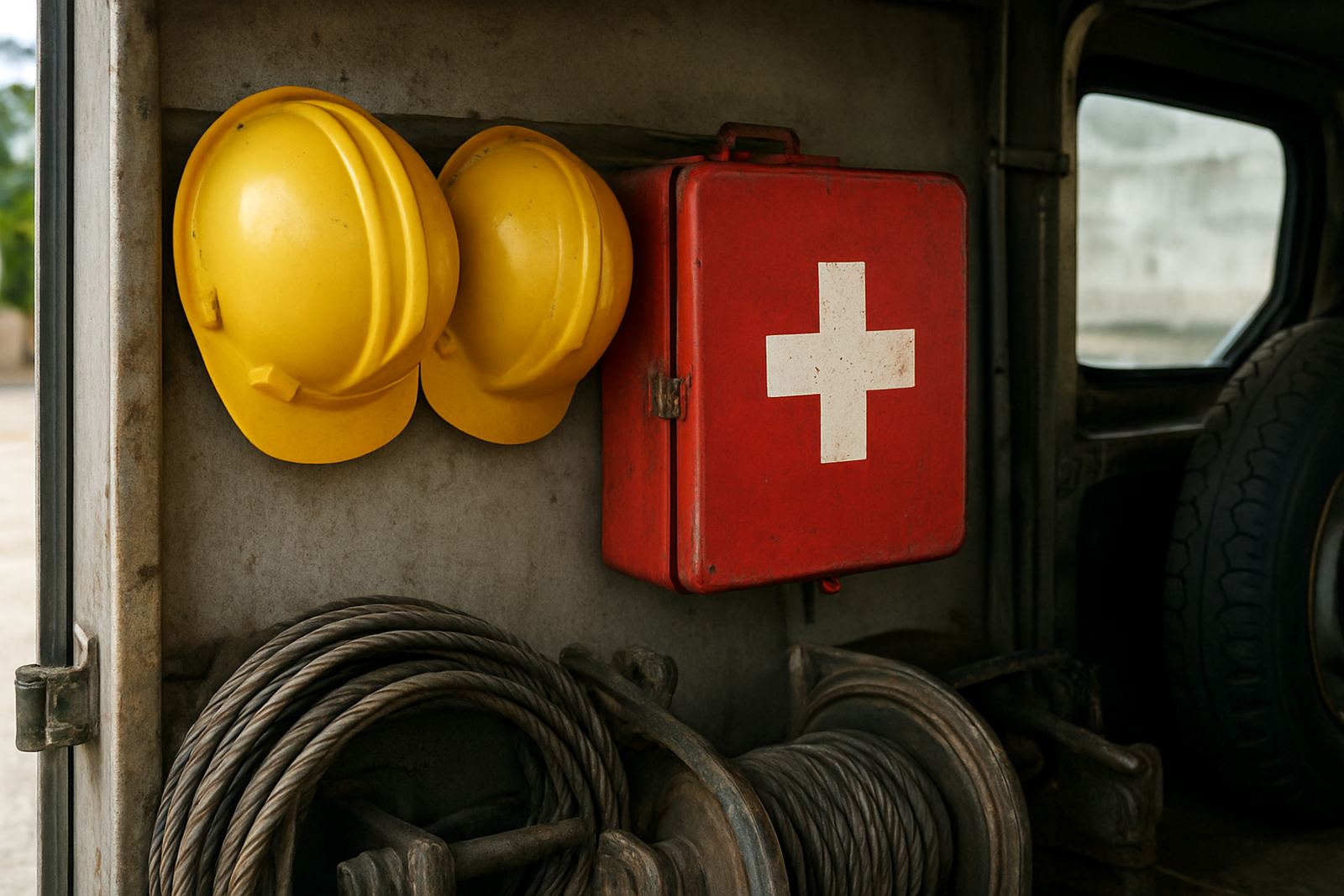
- Keep first-aid kits clean, stocked and easy to reach.
- Make sure a responsible person knows where the site register and emergency contacts are kept.
- Review access risks for night work, rain and power interruptions.
A local example from the Cape Town side
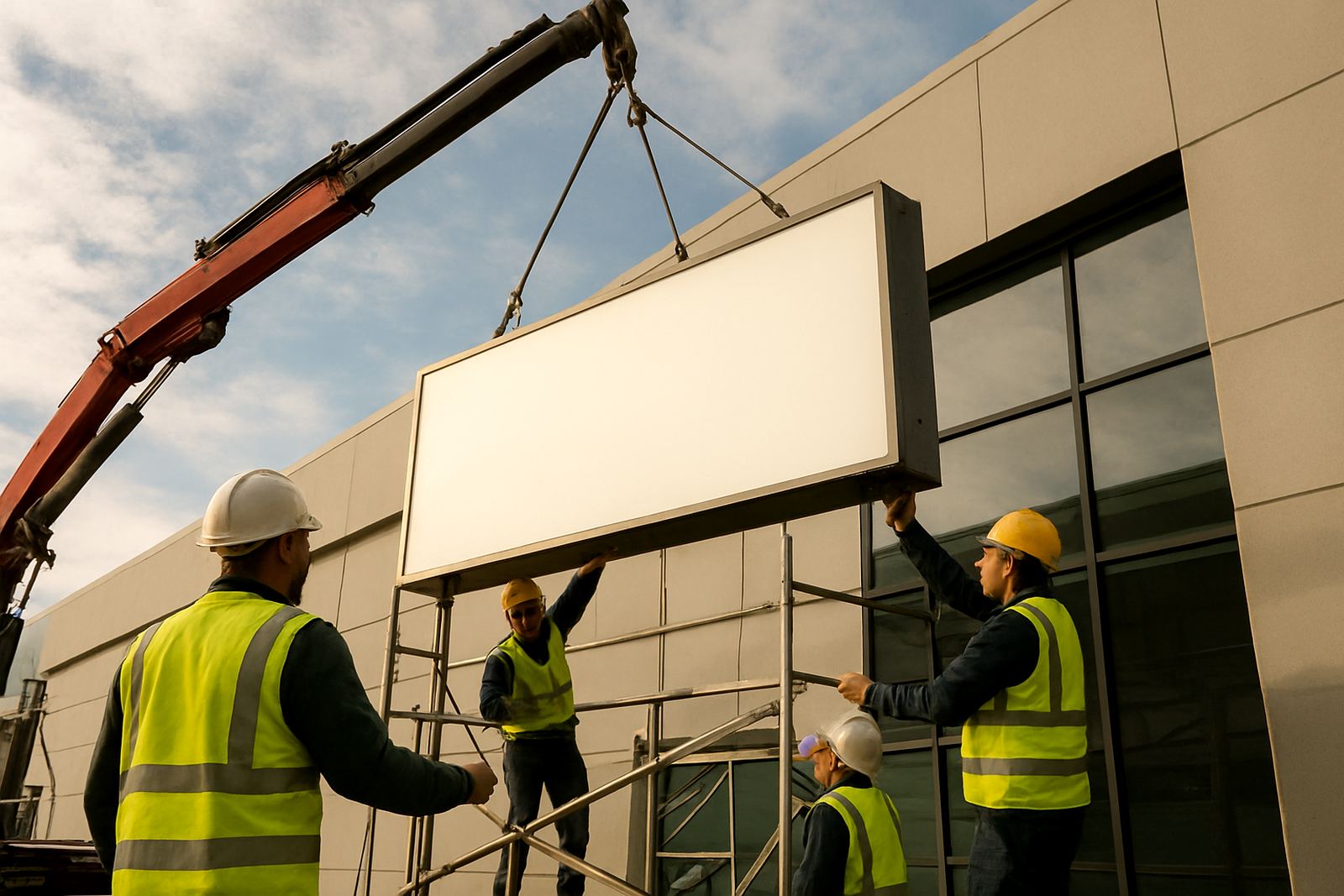
Picture a removal job in Paarden Eiland on a windy afternoon. A crew is taking down a fascia sign for a sign shop client, and the site is close to a service road with vans reversing all day. One team member gets a hand nick from a sharp edge while unbolting a section. It is not a major injury, but it bleeds and needs attention right away.
Because the crew is trained, the supervisor stops the lift, secures the area, and gets the injured person to sit down out of the wind. The wound is cleaned, pressure is applied, and the rest of the team keeps the site clear while the client is updated. Nobody rushes the job back into motion before the area is safe. That small, calm response avoids extra damage and keeps the day under control.
That kind of response is often what clients notice most. Not just that the team knows the work, but that it handles pressure without turning a small incident into a bigger one.
What clients should expect from a first-aid ready crew
Clients are not usually looking for a lecture on safety. They want the job done cleanly, with as little disruption as possible. A first-aid ready crew brings that confidence to the site. It means the people on the lift, scaffold or ground team are not guessing what to do if something goes wrong.
For sign makers, this is especially useful because the rigging team often works on behalf of the shop, not in competition with it. The client can focus on design, production and handover, while the rigging crew keeps installation, removal and servicing moving in a controlled way. The result is a better site experience for the end customer and fewer delays due to preventable incidents.
- Clear communication before the crew arrives.
- Prepared access plans for lifts, platforms or scaffold work.
- Calm handling of minor injuries or site disturbances.
- Better coordination with security, building management and maintenance staff.
That practical mindset matters whether the job is in Bellville, Midrand, Sandton or the East Rand.
A safety habit, not a box to tick
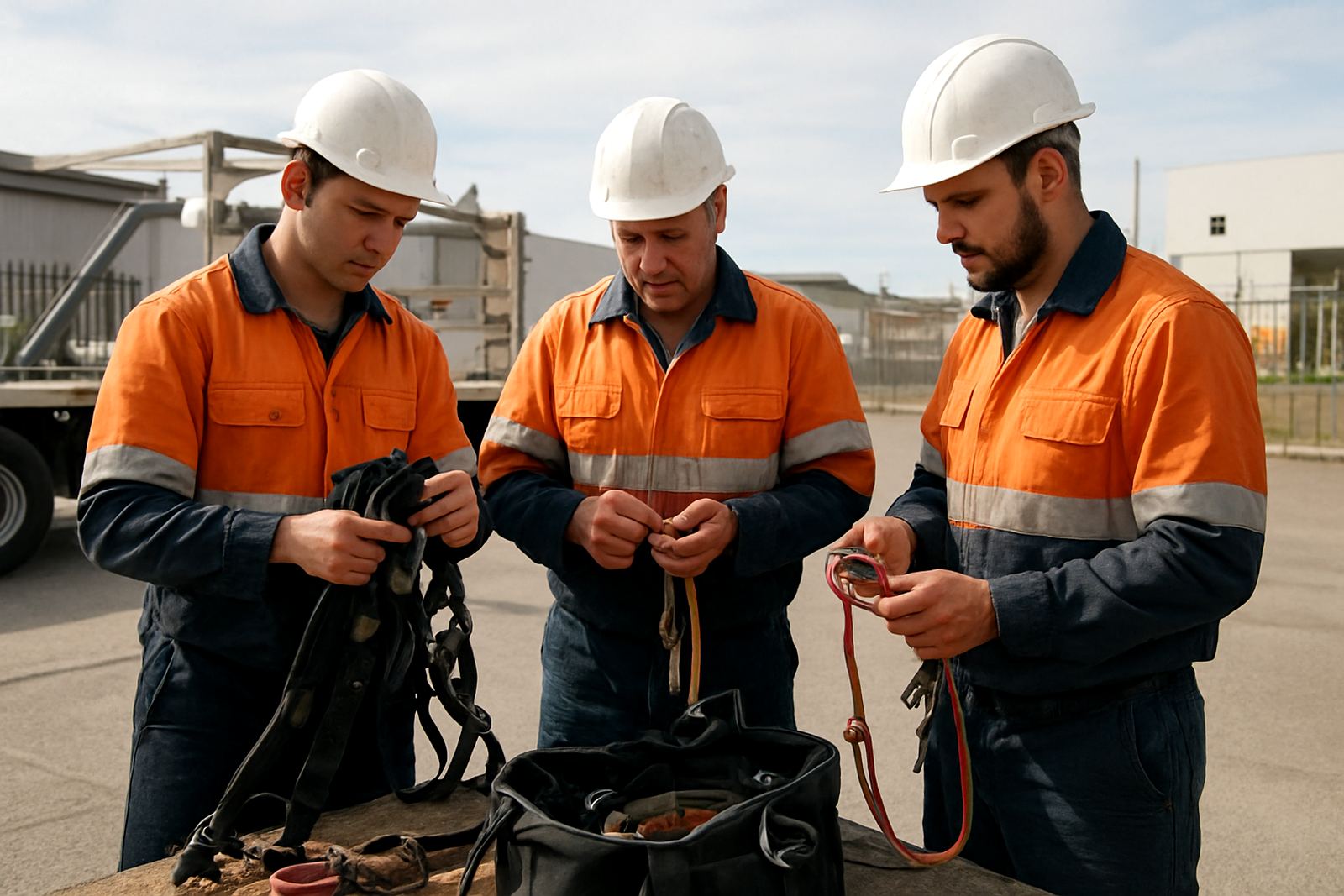
First-aid training is only useful if it is kept current and backed by a crew that takes safety seriously every day. Kits need checking, procedures need rehearsing, and new team members need to know who takes charge in an incident. On sign jobs, where height, traffic and electrical components can all be part of the same site, that habit is worth keeping up.
For us, first-aid readiness sits alongside scaffold access, platform work, lift planning and proper site surveys. It is part of the same practical approach: assess the risk, prepare the crew, work carefully and leave the site in good order. It may sound basic, but basic done well is usually what keeps a job steady.
And when an incident does happen, that steady response is what people remember.