Why roof signs need a different risk check
A roof sign looks simple from the street, but the work starts with the roof structure, the route to the mounting point and the weather on the day. On a clear morning in Paarden Eiland or Sandton the job can still change quickly once wind lifts across the roof edge or the access point turns out to be tighter than expected.
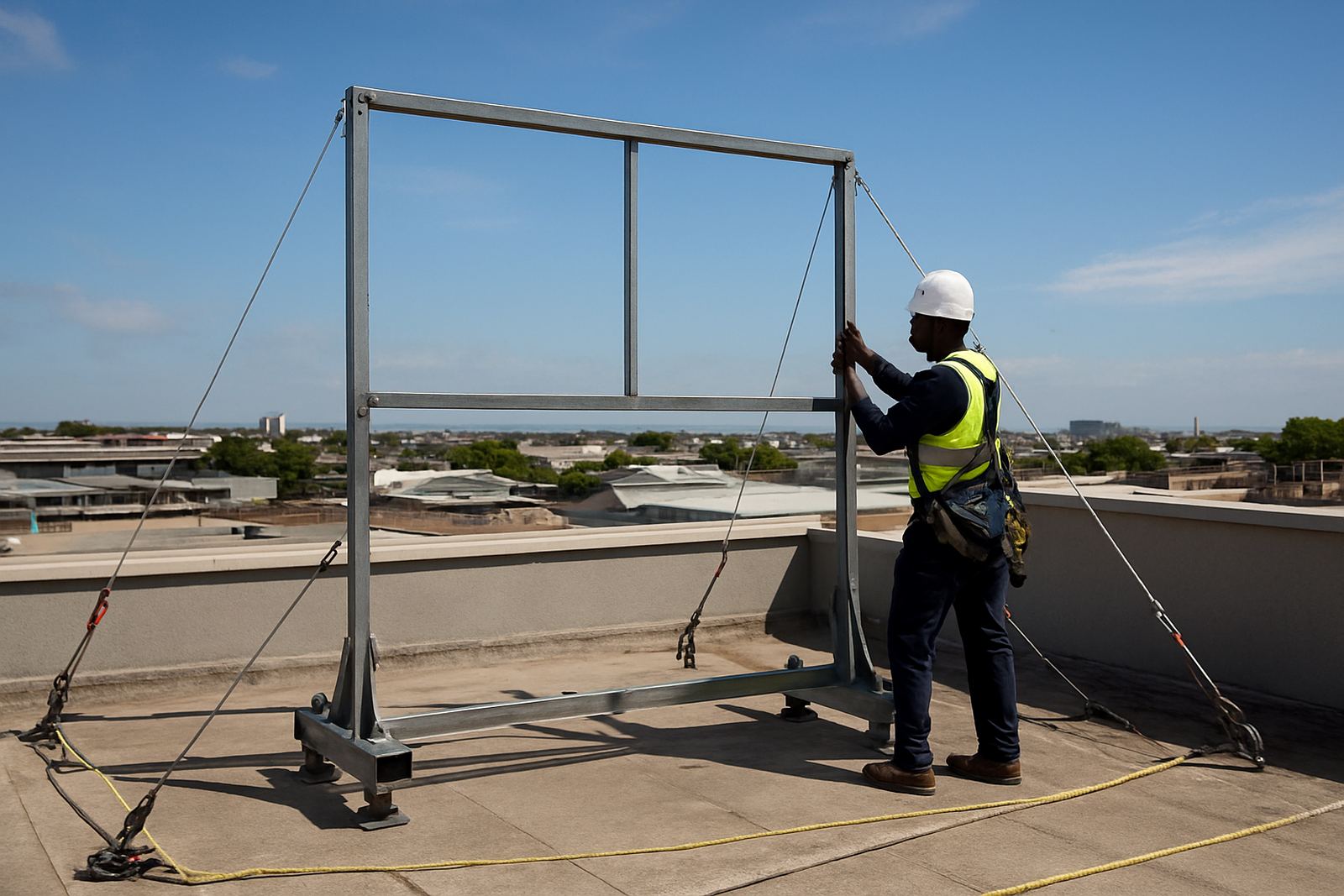
For sign makers, the main risk is not only the sign itself. It is the space around it. Roof sheets can be brittle, waterproofing can be damaged, and older parapets may not provide proper edge protection. If the building has had repairs over the years, the original fixing points may no longer be where the drawings say they are.
Good planning keeps the sign shop in control of the creative side while the rigging crew handles the site risks. That means checking the roof condition, confirming the fixings, allowing for safe lifting and deciding whether scaffold, platform work or a different access method is the better call.
The three hazards that cause most roof sign problems
Most roof sign incidents come back to three things: edges, wind and the condition of the roof. They are easy to underestimate when the sign is waiting on the ground and the installation day is already booked.
- Edges: Even a low roof edge can become a fall hazard where there is no proper guardrail or safe tie-off point. Access paths also matter, especially where ladders cross uneven paving or service yards.
- Wind: A large face panel, box sign or frame can act like a sail. In coastal areas such as Bellville and Somerset West, gusts can shift in minutes and make lifting unsafe even if the ground feels calm.
- Roof condition: Old sheets, cracked waterproofing, loose capping and corroded fixings can fail under load. On industrial roofs, rust around fasteners is a common warning sign.
One weak point is often enough to stop the job. That is not a delay, it is part of doing the work properly.
What a proper site survey should check before installation
A roof sign survey should do more than measure the sign size. It should confirm the full route from the vehicle to the fixing point, look at the roof type and check whether the building can take the load. A good crew will also ask who is on site, what time deliveries can come in and whether there are other contractors working nearby.
Before any roof sign installation, a practical checklist should cover:
- Roof pitch, surface type and condition
- Edge protection and anchor points
- Access route from street level or loading bay
- Wind exposure and likely lift points
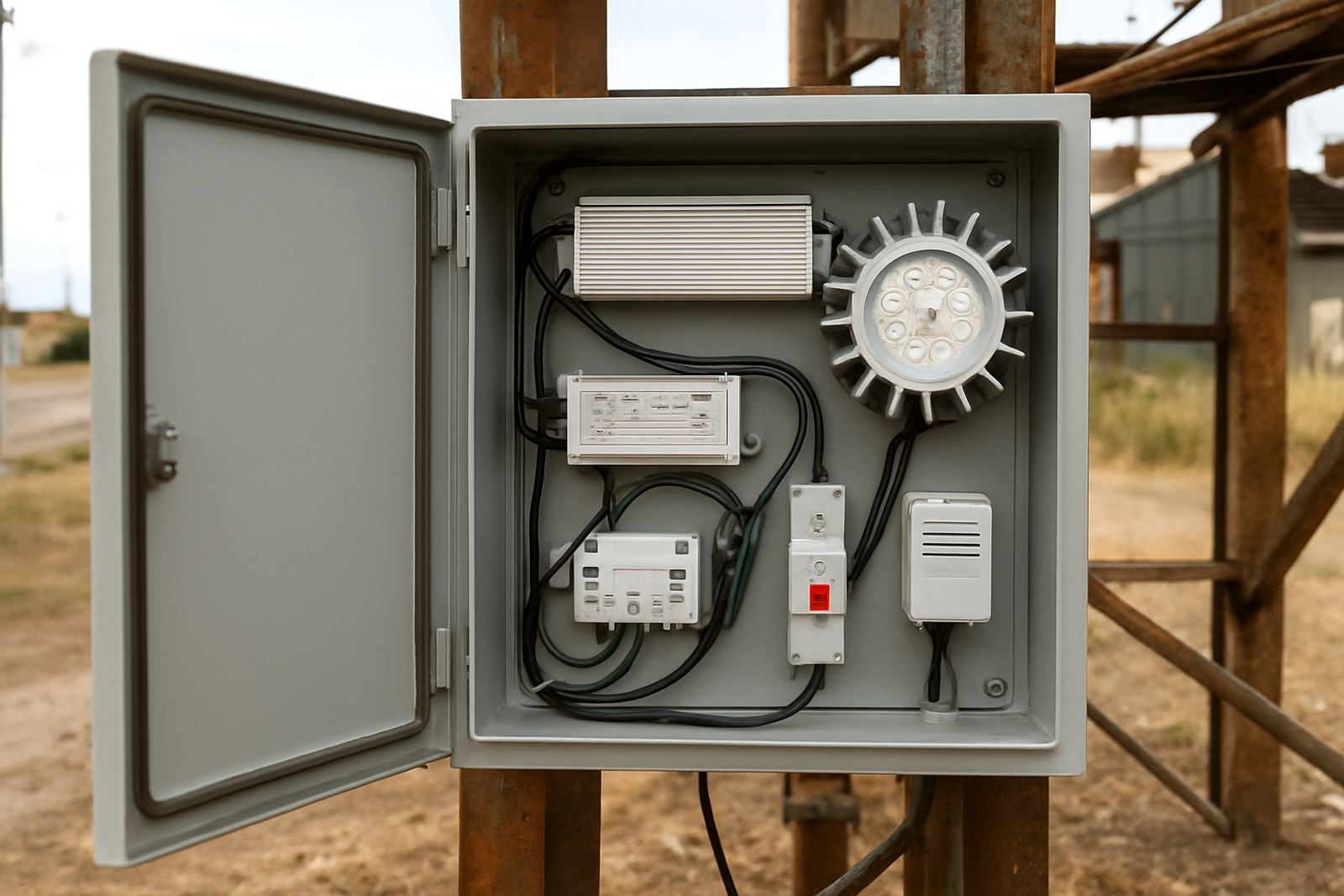
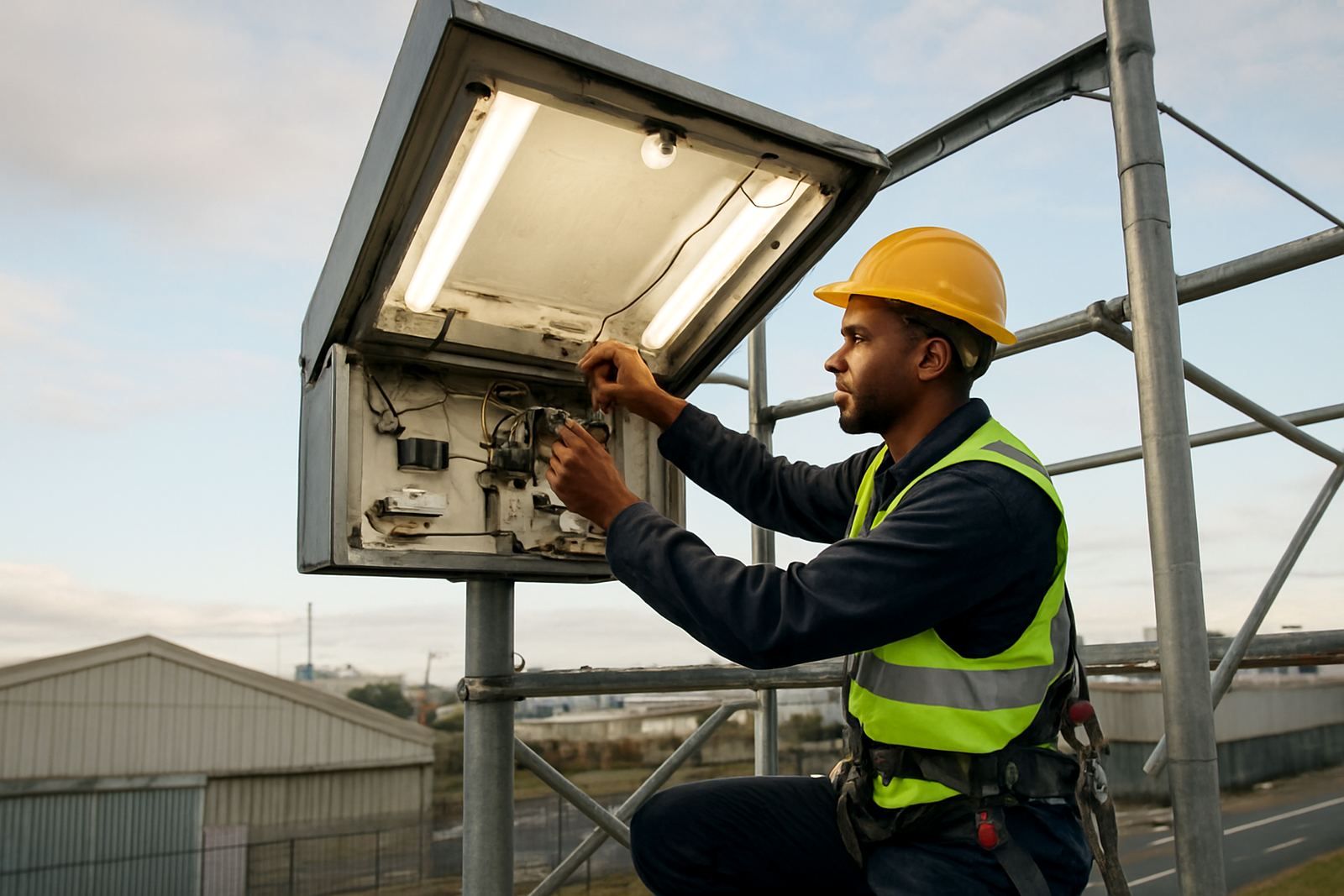
- Electrical access if the sign is lit
- Permit or estate rules, especially in business parks and CBD buildings
In Johannesburg CBD, access rules can be strict and loading windows are often short. In Cape Town coastal areas, salt air and corrosion may also affect fittings, so hardware selection matters as much as the install method.
How weather changes the job on the day
Roof work is often scheduled around the calendar, but it should be managed around the weather. A sign that is manageable at 7 am can become difficult by mid morning if the wind picks up or the sun heats the roof surface. That is one reason lift planning and timing are so important.
Rain brings its own risks. Wet roofing can be slippery, and visibility drops when crews are trying to align brackets or check connections. On some sites, even light rain means the job should pause until conditions improve. Trying to push through usually creates more risk than progress.
For emergency callouts after storm damage, the aim is to make the site safe first. That may mean removing loose panels, securing a frame or isolating a lit sign before any full repair is attempted.
Safe lifting and access: scaffold, platforms and controlled rigging
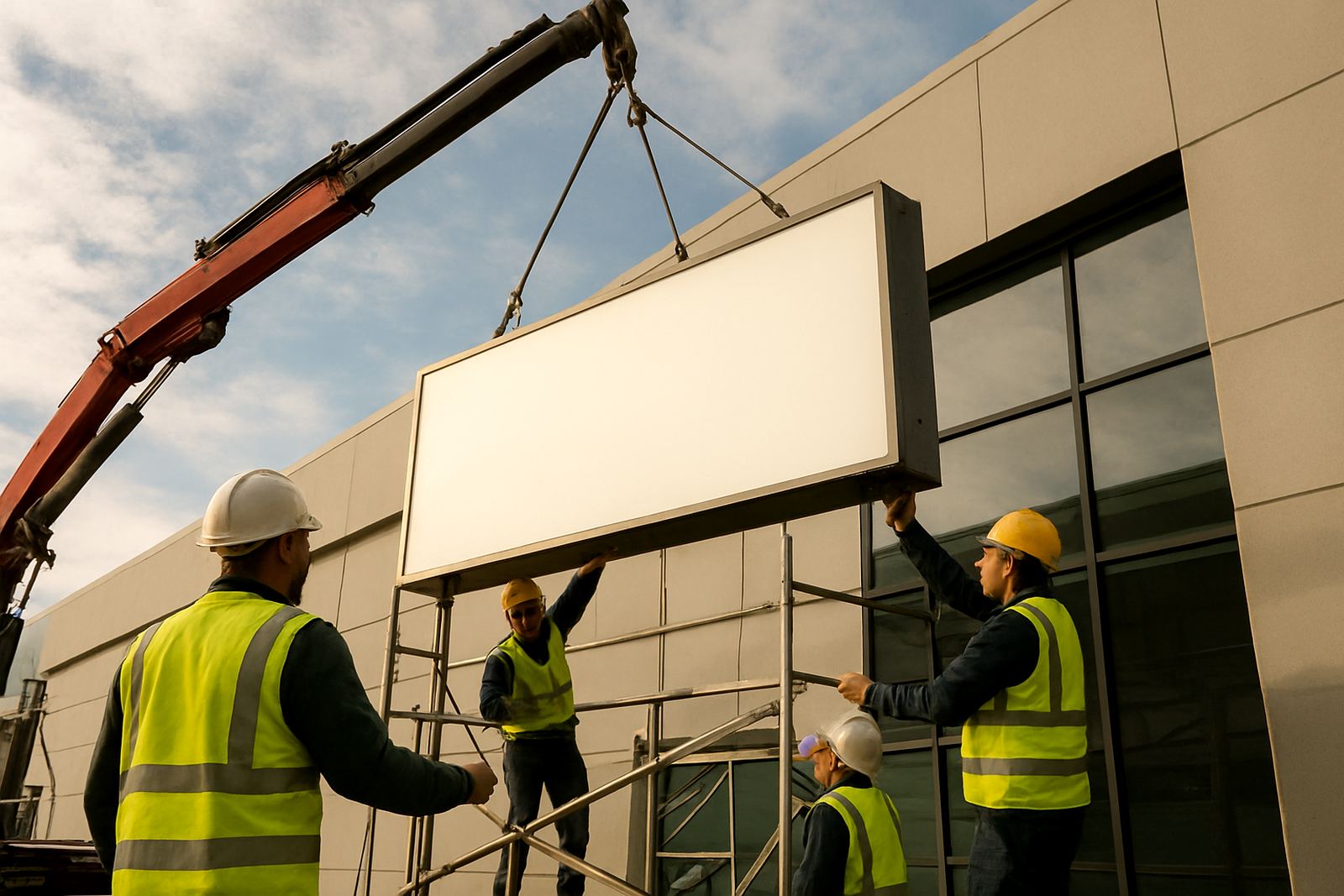
Roof signs are rarely just about climbing up and bolting something down. They often need a proper lifting plan, the right access method and clear control of tools and materials. A small error at roof height can turn into damage below, or a serious injury on the edge.
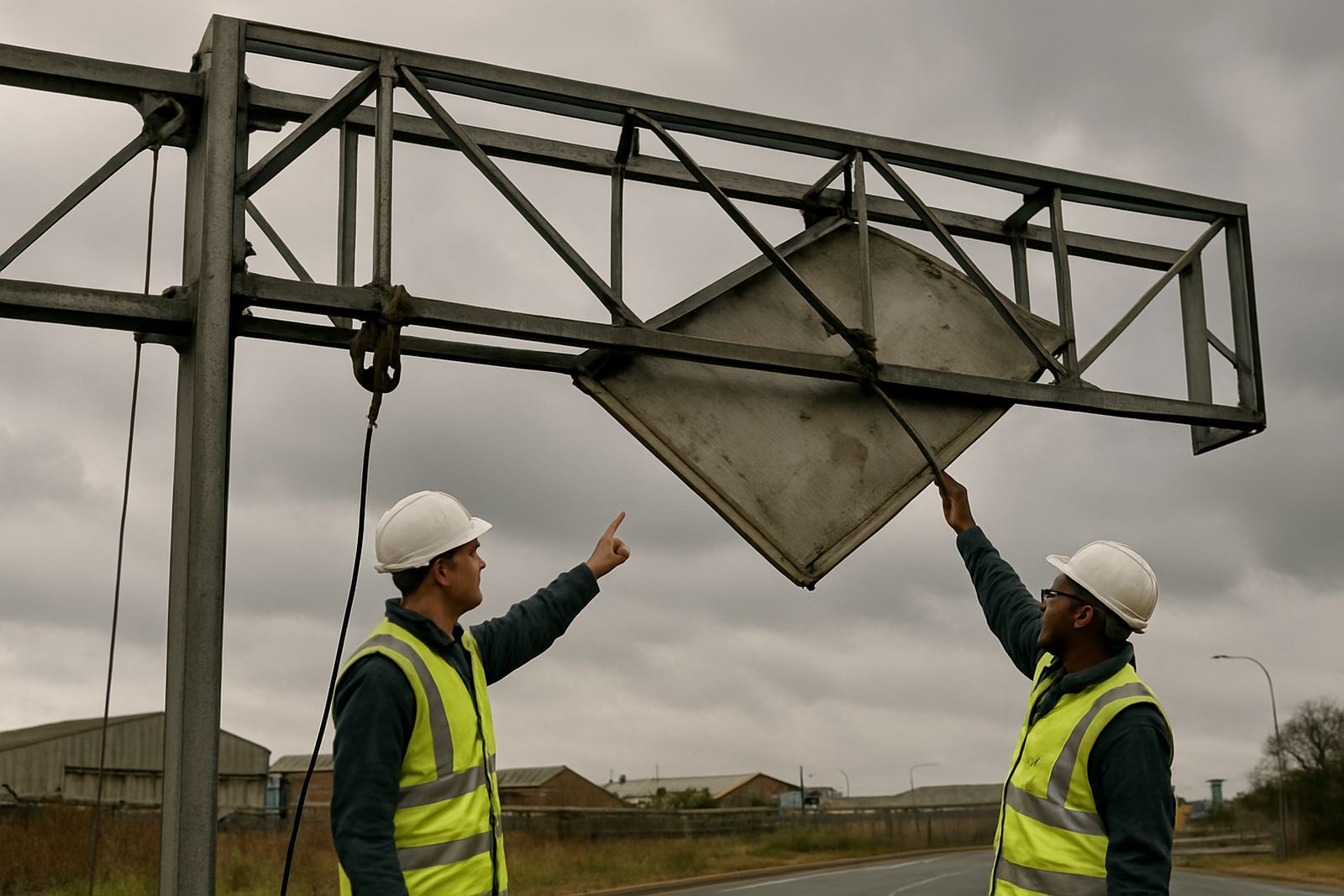
Where the site allows it, scaffold access can give the crew a steadier working platform for long fixes or servicing. Platform work may suit a shorter visit where the sign needs a quick adjustment, lamp replacement or fastening check. For larger pieces, the lift plan should match the weight, centre of gravity and swing path of the sign.
Good practice usually includes:
- Setting a clear exclusion zone below the work area
- Using tag lines where needed to control movement
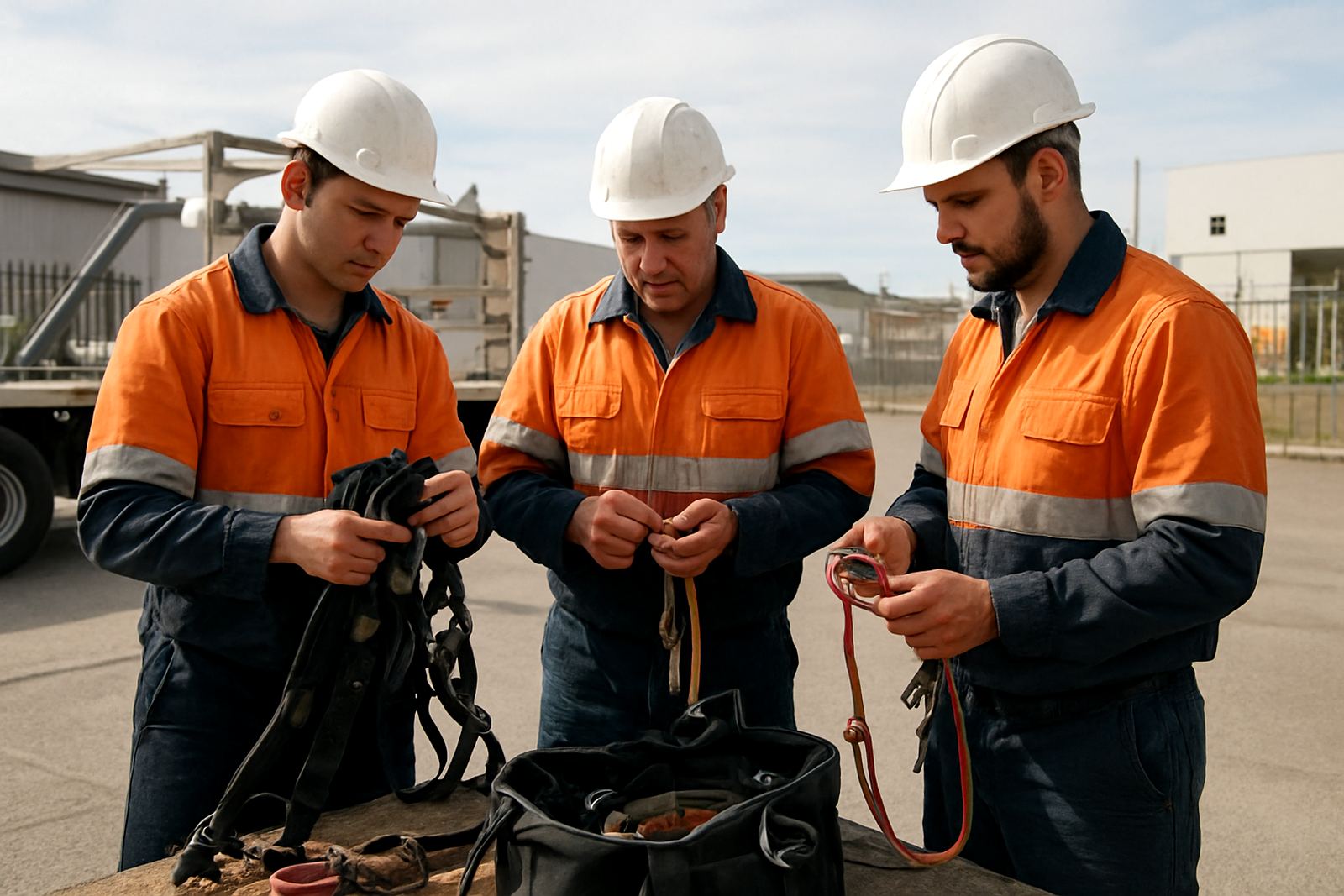
- Keeping fixings, tools and loose parts secured
- Checking communication between the ground crew and the roof team
- Stopping the lift if visibility or wind changes
This is where first-aid trained crews and a safety officer add real value, especially on busy sites with public access nearby.
A local example: a coastal retail centre in Cape Town
A retail centre near the Cape Town coast wanted a rooftop fascia sign replaced after corrosion had started showing on the frame. The sign itself was not overly large, but the roof surface had patch repairs and the access hatch was narrow. Wind off the bay was stronger than the forecast suggested, so the team adjusted the plan before lifting anything.
Instead of forcing a same-day install, the rigging crew completed a site survey, confirmed a safer access route and brought in the right platform work for the final fix. The old fittings were removed cleanly, the new sign was installed without damaging the waterproofing, and the client avoided a bigger repair bill later. That is the kind of outcome sign makers want when they hand over the rigging side to specialists.
Roof signs often fail when people assume the visible part is the only part that matters. In truth the roof, the wind and the access plan are the real job.
What sign makers should ask before they hand over a roof job
When a sign maker is quoting or scheduling a roof sign, a few early questions can save time and avoid site trouble. It also helps keep responsibilities clear between the fabricator and the rigging crew.
- Is the roof suitable for the proposed fixing method?
- Do we need scaffold, platform work or another access method?
- Has the building manager set loading or permit rules?
- Is there enough room for safe lifting and removal?
- What happens if wind or rain interrupts the install?
- Will the sign need maintenance visits later, and how will they be accessed?
These questions matter across Cape Town, Johannesburg, Midrand and the East Rand, because every site has different rules and roof conditions. The earlier they are answered, the smoother the job will run.