

When a sign still has life left in it
Before you authorise a full replacement, it is worth checking what is actually worn out. A sign with a sound frame, workable fixings and a clean mounting point can often be refreshed instead of removed and rebuilt from scratch. That matters for sign shops trying to keep costs down for clients, and it matters for landlords who want the site looking neat without a long closure.
We see this often in Paarden Eiland, Bellville and Johannesburg CBD, where exterior signs have taken years of sun, wind and dust but the structure is still serviceable. The face may be faded, the lamps may be uneven, or the mounting needs a proper re-tighten, yet the sign body itself is still worth keeping in use.
- Faded faces that can be replaced without changing the frame
- Light fittings that need repair, rewiring or access work
- Loose brackets, fixings or weathered sealant
- Signs that need cleaning, resealing or a fresh set of graphics
Face changes that keep the structure and cut waste
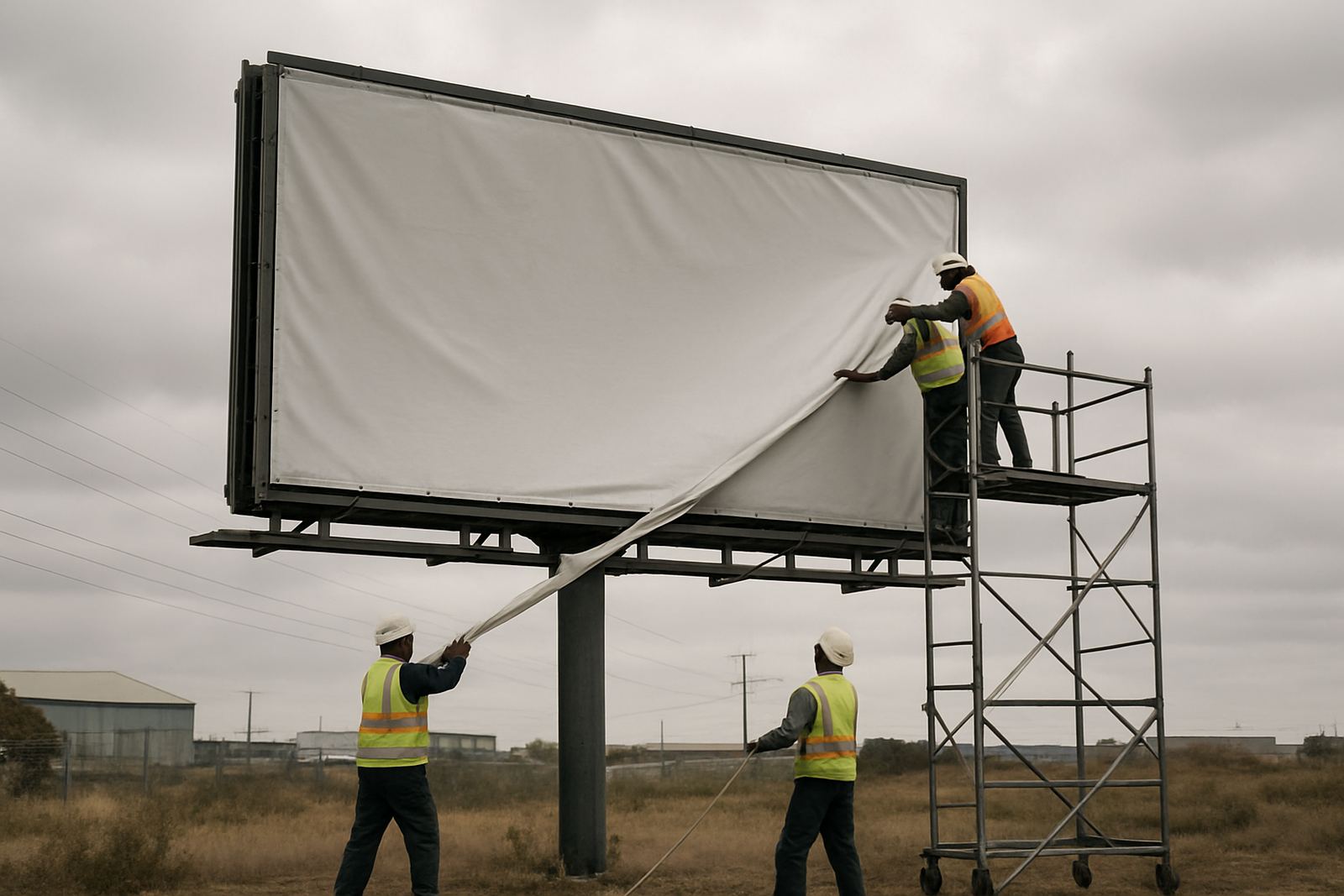
A face change is one of the simplest ways to upgrade without replace. If the box, cabinet or blade frame is still sound, we can remove the old face and fit the new one, then check alignment, fasteners and seals. That keeps the job focused and reduces the need for bigger access equipment or longer site time.
For sign makers, this is a practical option when the client wants a new message, a rebrand or a cleaner finish but does not need a new sign body. It also helps on sites with limited access, such as shopping centre frontages, narrow service roads or buildings with traffic close to the kerb. A shorter rigging job is often easier to coordinate with centre management and municipal rules, especially where there are pedestrian routes or public parking nearby.
- Replace printed or routed faces without rebuilding the frame
- Update branding after tenant changes or leasing renewals
- Reduce waste by keeping sound structural parts in service
- Shorten downtime for active retail and commercial sites
Lighting updates for signs that still have a good shell
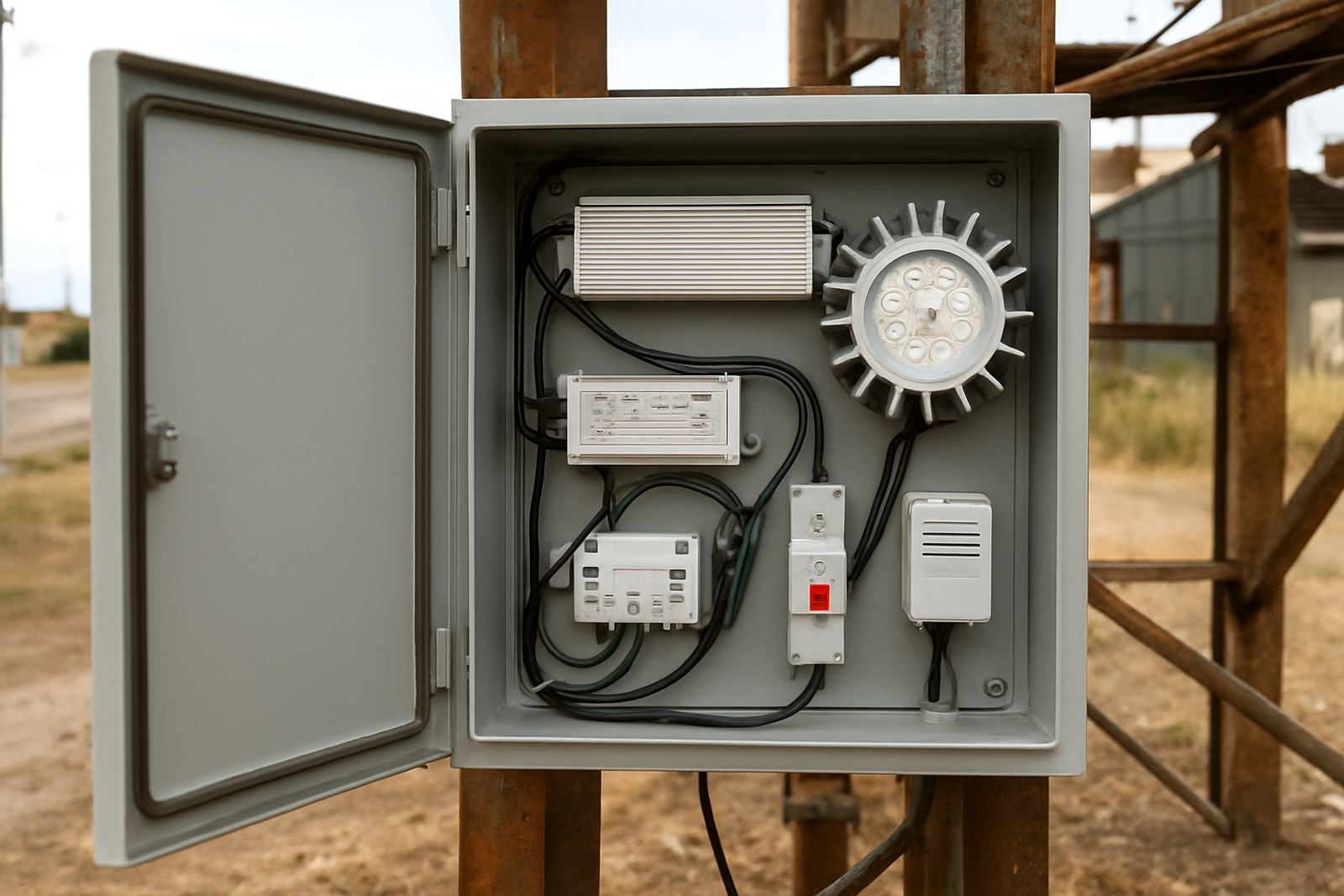
Signs often look older than they are because the lighting has failed or become uneven. In many cases, the answer is not a new sign but a proper lighting update. That can mean replacing failed components, improving access to fittings, or reworking the lighting layout so the sign reads clearly after dark.
This is especially useful in Cape Town winter when early sunsets, wind and load-shedding can expose weak lighting setups. Coastal humidity can also be hard on fittings and electrical connections, so a quick visual fix is not always enough. We look at the access, the fixings and the condition of the light housing before any work starts. If the sign is high or awkwardly positioned, we plan scaffold or platform access and keep the job controlled from start to finish.
- Uneven illumination across letters, faces or cabinet sections
- Fittings affected by moisture, corrosion or dust ingress
- Access planning for upper-storey signs and canopy lettering
- Safer work on night-sensitive sites with limited opening windows
Why sign makers call us instead of replacing everything
We work for sign makers, not against them. Our job is rigging, access and practical site work, so the sign shop can keep control of the design, fabrication and client relationship. When a customer asks whether a sign can be saved, the answer is often yes, if the inspection and access plan are done properly.
That includes removals for repair, servicing visits, lift planning, scaffold access and platform work. It also includes emergency callouts when a sign has been damaged by wind, traffic impact or a failed fixing. The aim is not to oversell the job. The aim is to keep the sign safe, readable and in service for as long as it still makes sense.
- Rigging only, so sign shops keep the client relationship
- Removal and reinstatement for repair work off-site
- Maintenance visits for routine checks and minor fixes
- Emergency callouts when a sign becomes unsafe or loose
Local example: a retail sign in Somerset West
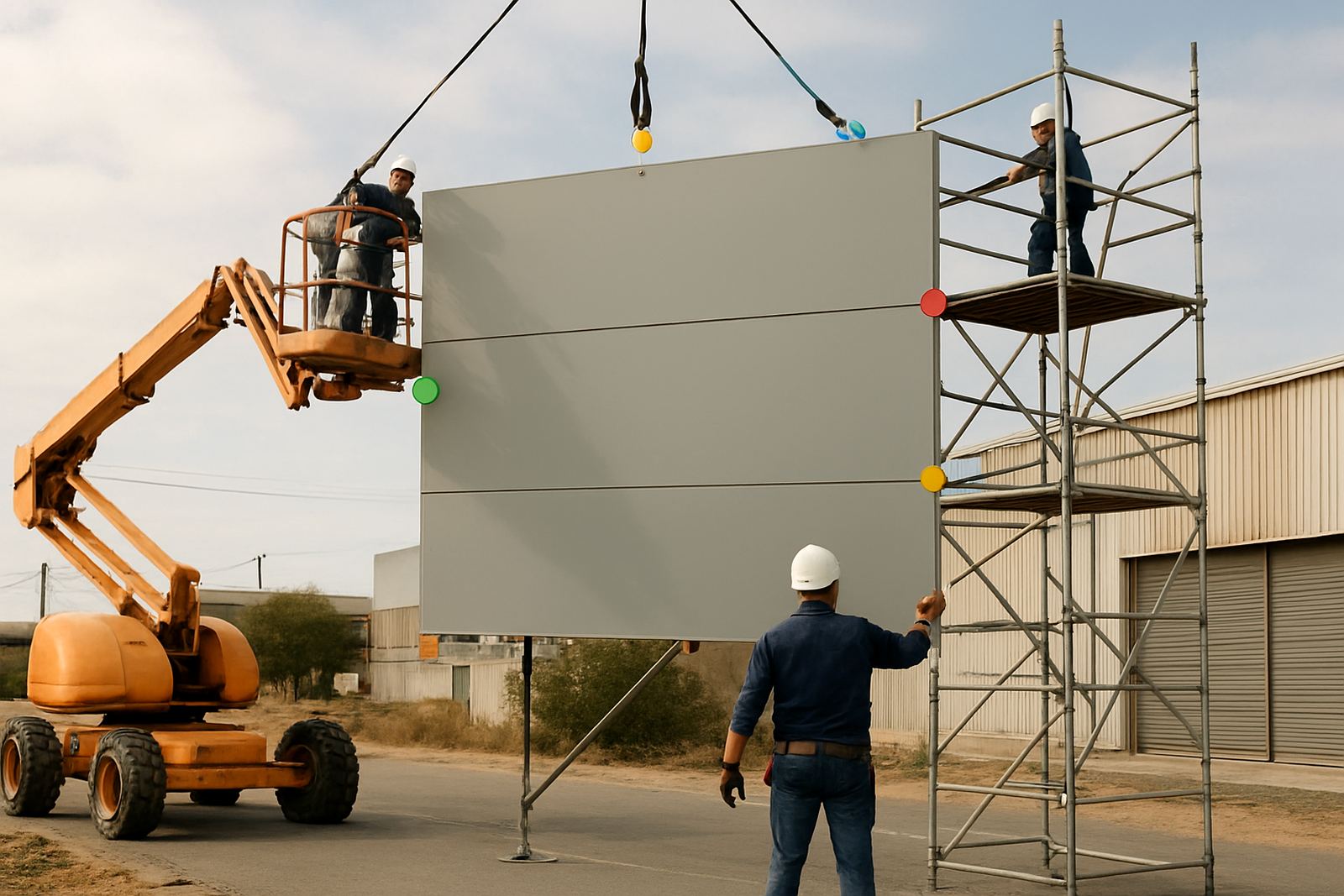
A retail tenant in Somerset West recently wanted to replace a large roadside sign because it looked tired and the lighting was patchy. After a site survey, it became clear the frame was still sound, the mounting points were secure and only the face plus lighting needed attention. We planned scaffold access, removed the old face, checked the internal fittings and assisted with the refit once the new face was ready.
The result was a cleaner sign, lower cost and less disruption to the tenant. The sign maker kept the fabrication work in-house, the client did not pay for a full rebuild, and the site was ready again much faster than a full replacement would have allowed. It is a good example of how a measured repair approach can save money without cutting corners.
On the same sort of job in Sandton or Midrand, the priorities may shift slightly because of building access rules, traffic movement and delivery timing. But the principle stays the same: inspect first, plan access properly, then decide whether servicing or a face change is enough.
What we check before we say upgrade instead of replace
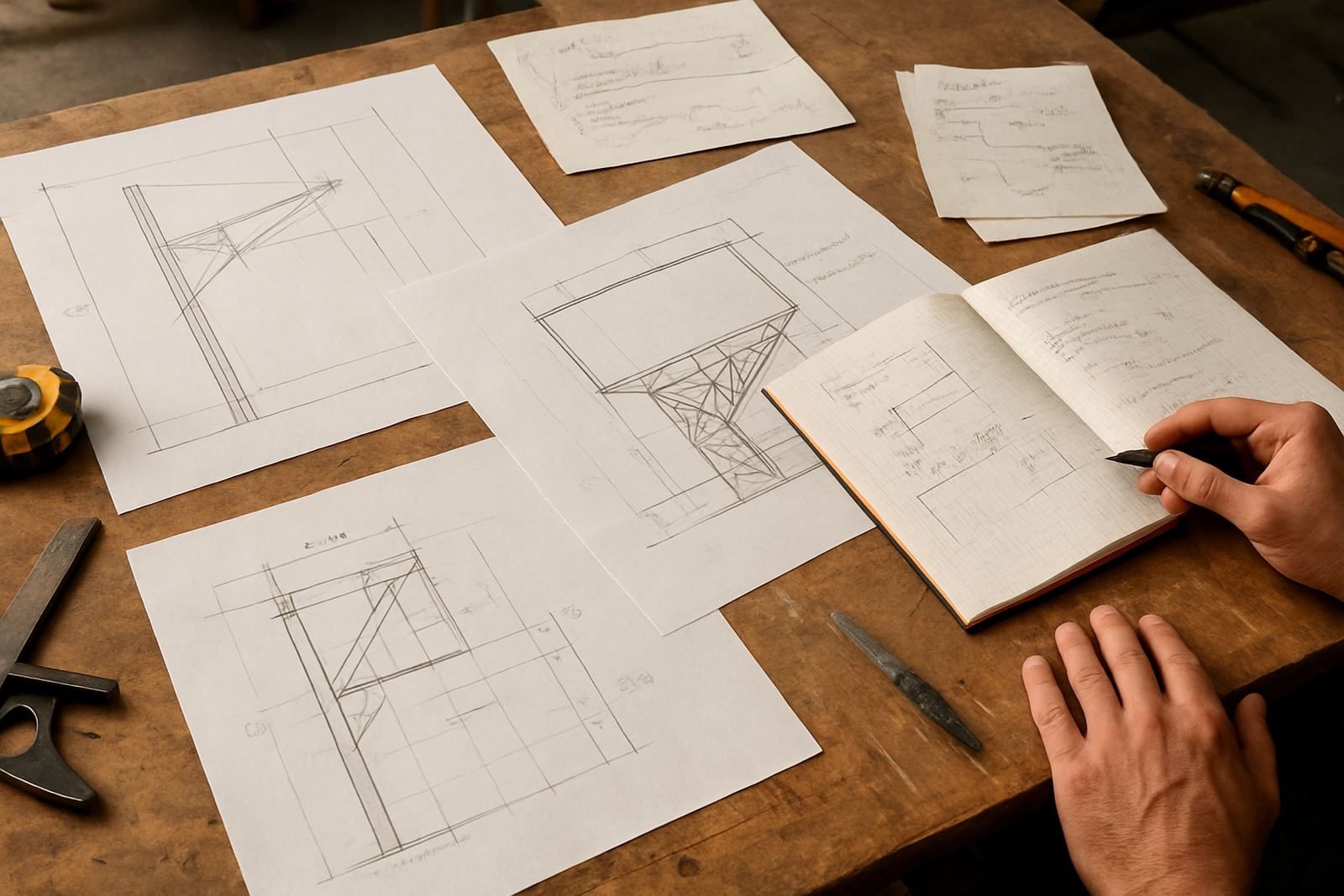
Before any recommendation is made, we look at the site conditions and the sign itself. That includes the frame, fixings, access, electrical condition and how the sign is mounted. If the structure is deteriorated or the fixing points are unsafe, then replacement may be the correct call. But if the body is still serviceable, there is usually a way to extend its life.
This approach suits both coastal and inland sites, from Paarden Eiland and Bellville through to Johannesburg CBD and the East Rand. Salt air, dust, heat and vibration all affect signs differently, so there is no single answer that fits every location. The right call is the one based on what is actually on site, not on a guess from ground level.
- Site survey to assess structure, access and condition
- Lift planning for high or awkward installations
- Scaffold or platform work where needed
- Clear advice on whether servicing, relocaltion or replacement is best
Keeping signs in use longer is often the smarter move
A sign that is still structurally sound should not be thrown away just because it looks old. In many cases, a careful service, a face change or a lighting update is enough to bring it back to a proper standard. That means less waste, less downtime and less pressure on the client budget.
Sign Riggers has been doing this work since 2008 from Paarden Eiland and Johannesburg, with crews set up for installation, removal and servicing across the Western Cape and Gauteng. If your sign maker needs rigging support for a refresh job, the practical answer may be to upgrade what is there rather than start again from scratch.