Why storm damage often hides behind a clean-looking sign
Wind does not need to rip a sign off the wall to cause trouble. On the coast, especially around Paarden Eiland, salt air and driving rain can work into small gaps, then the first hard blow loosens fasteners, shifts brackets or opens up a joint that was already tired. Inland, the issue is often vibration and uplift on tall pylons, shopfront frames and billboard faces. By the time the weather clears, the sign may still be in place, but it may no longer be secure.
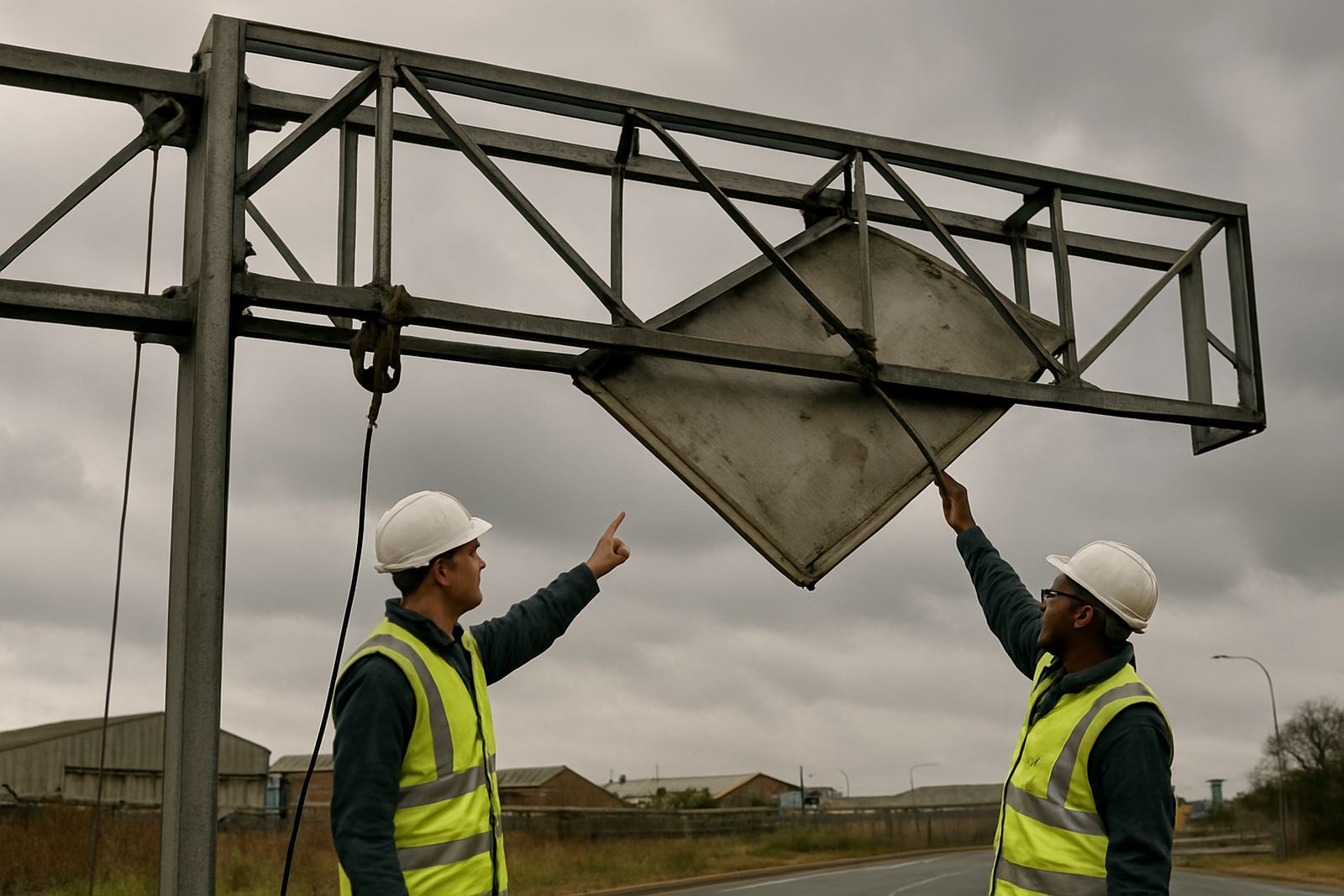
A post-storm inspection is about finding the early warning signs. That includes movement at the frame, cracked sealant, bent supports, rattling panels and damp inside electrical housings. It also means checking the surrounding area, because a falling panel, screws or a damaged light fitting can put staff and customers at risk.
- Loose or missing fixings after strong wind
- Water ingress in illuminated signs and cabinets
- Cracked faces, lifted trims and bent brackets
- Debris, glass or metal parts on the ground below
What a proper after-storm check should cover
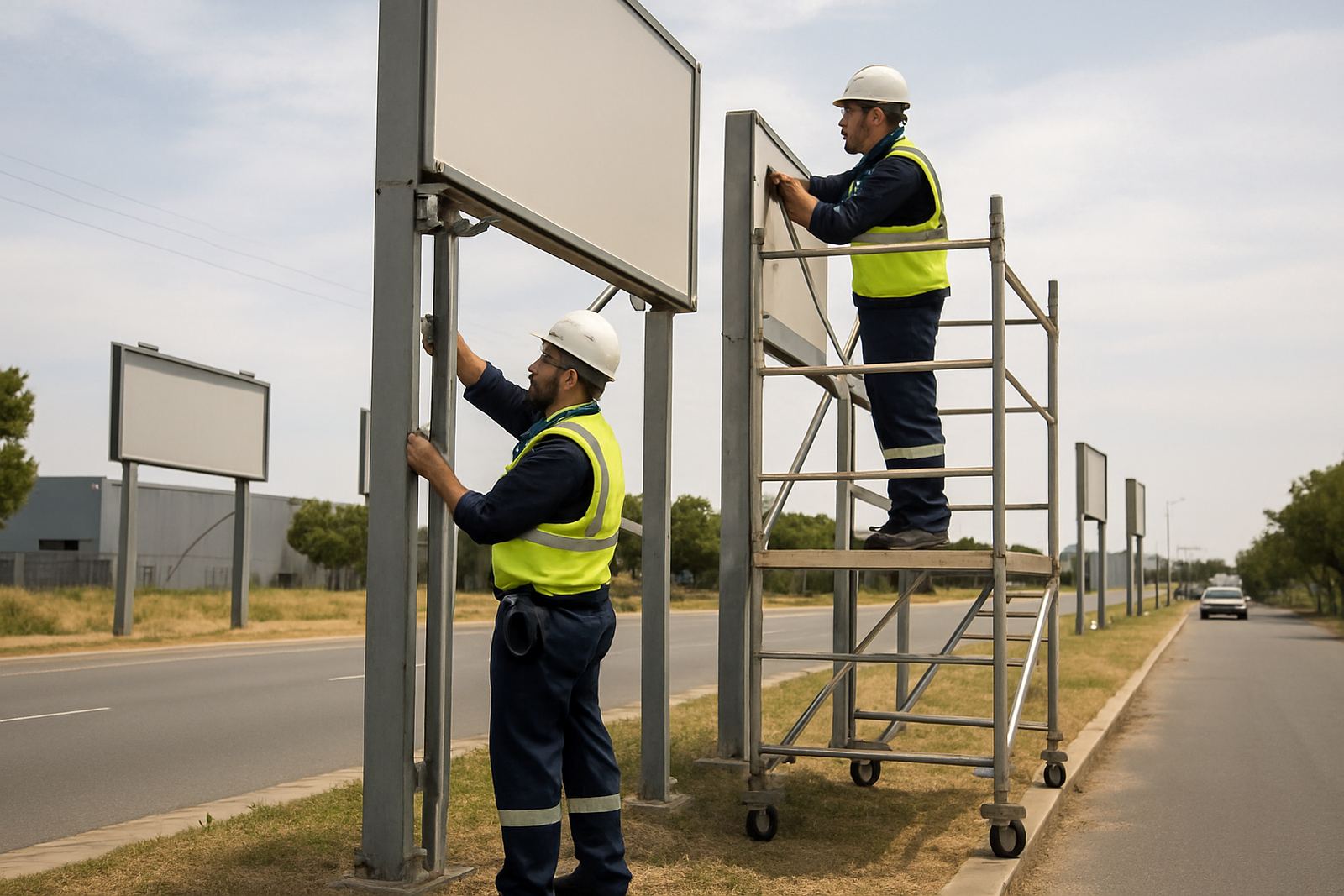
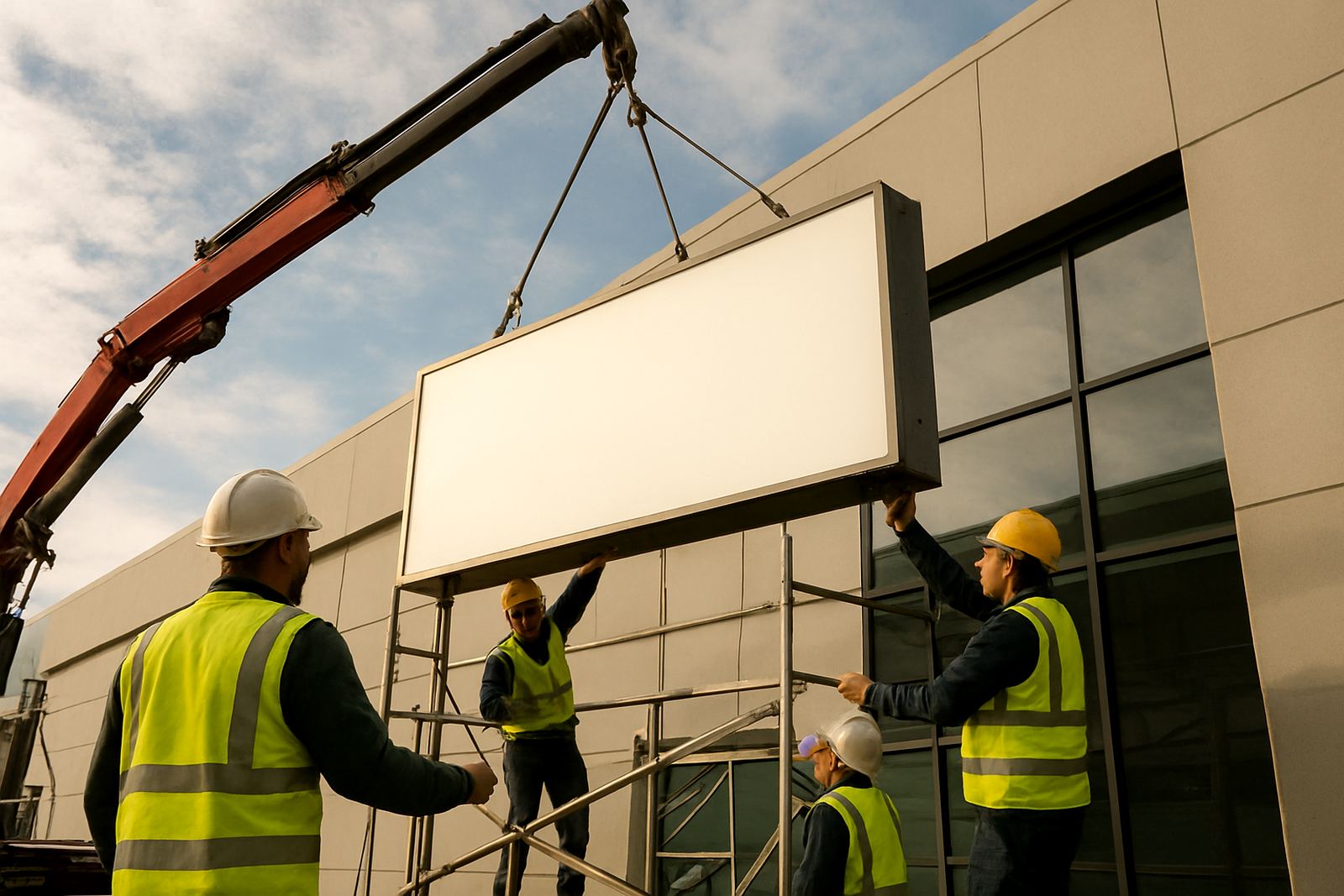
A proper check starts with access planning and a safe approach. Not every sign can be inspected from the ground, and not every roof or façade is safe to step onto after heavy rain. In practice, the crew should decide first whether the sign can be reached by lift, scaffold access, or another controlled method. If the weather is still unsettled, the site may need to be made safe and returned to later.
Once access is sorted, the inspection should look at both the structure and the sign face. That means checking anchor points, brackets, fascia fixings, frames, electrical enclosures and any secondary support that stops the sign from dropping if one part fails. For illuminated signs, the lights, cables and seals should be checked for moisture, corrosion and burnt components. A quick wipe down is not enough if water has already entered the housing.
- Check all fixing points for movement or corrosion
- Inspect faces for cracks, bowing and wind lift
- Test seals around joins, cable entry points and housings
- Look for electrical moisture, tripped circuits and failed lamps
- Confirm the area below is clear and still safe for public use
A Cape Town example: coastal wind, salt and a loose face
Take a sign above a retail unit in Paarden Eiland after a week of rough weather. From street level it may only show a slight buzz in the panel or a small stain on the corner. Up closer, the inspection can reveal that the face has lifted at one edge, the bottom fixings are under strain and salty water has started to seep into the light box. If that is left alone, the next windy spell can tear the panel further or short out the lighting.
The same type of problem shows up around Bellville and Somerset West after strong southerly winds, while in Johannesburg CBD and Sandton the issue is often dust, heat and repeated movement that work loose over time. The lesson is the same: storm checks are not just for signs that have fallen apart. They are for the ones that still look acceptable but are one bad day away from trouble.
For sign makers, that matters because a quick response protects the client relationship. It also keeps the sign maker in control of the job, instead of losing time to an avoidable emergency later on.
When to call for emergency callouts and when a scheduled visit will do
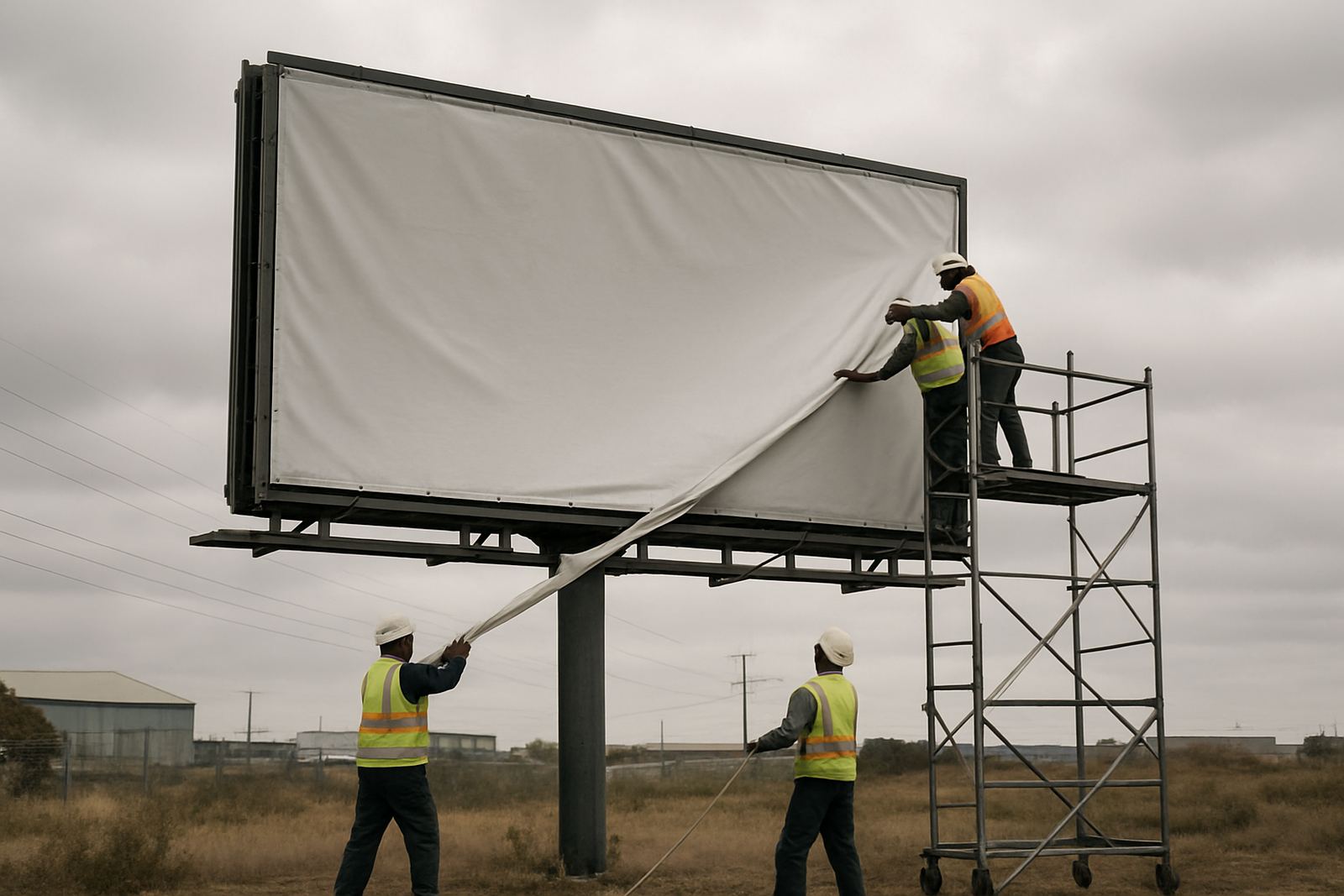
Not every storm-related issue needs an immediate night callout. Some signs can wait for daylight, dry weather and a proper access setup. Others cannot. If a sign is visibly hanging loose, dropping parts, sparking, flooding, or sitting above a busy pavement, it should be treated as urgent. The same applies where a billboard face is flapping or a freestanding sign is leaning after heavy wind.
A practical rule is simple: if the public, staff or vehicles could be hit by something, it needs attention now. If the damage is limited to a sealed light fitting, a damp junction box or a shifted trim with no immediate risk, a planned maintenance visit may be the better option. Good crews help sign makers decide which route is sensible, then carry out the work without overcomplicating it.
- Emergency callout: loose faces, exposed wiring, leaning structures, falling debris
- Scheduled visit: water stains, minor seal failure, tired lamps, non-urgent fixings
- Follow-up visit: recheck after repairs, repainting or weather sealing
How sign makers can reduce repeat storm damage
The cheapest storm repair is the one you do not have to repeat. A good maintenance cycle helps. Regular servicing can pick up worn seals, rusting hardware, tired light fittings and small alignment issues before a storm puts them under pressure. In coastal areas, extra attention to corrosion is worth the effort. In high-traffic business districts, impact damage and vibration from nearby works can be just as damaging as wind.
It also helps to plan for access in advance. If a sign is likely to need inspection after bad weather, it pays to know how it will be reached, what lift or scaffold access is suitable, and whether the site has any municipal or property rules that affect timing. That kind of planning saves time when the weather turns and every hour counts.
- Book maintenance visits before winter and after severe summer storms
- Replace tired fixings and seals before they fail
- Keep access notes for each site and sign type
- Record photos after each inspection for comparison later
Why rigging crews should stay in their lane
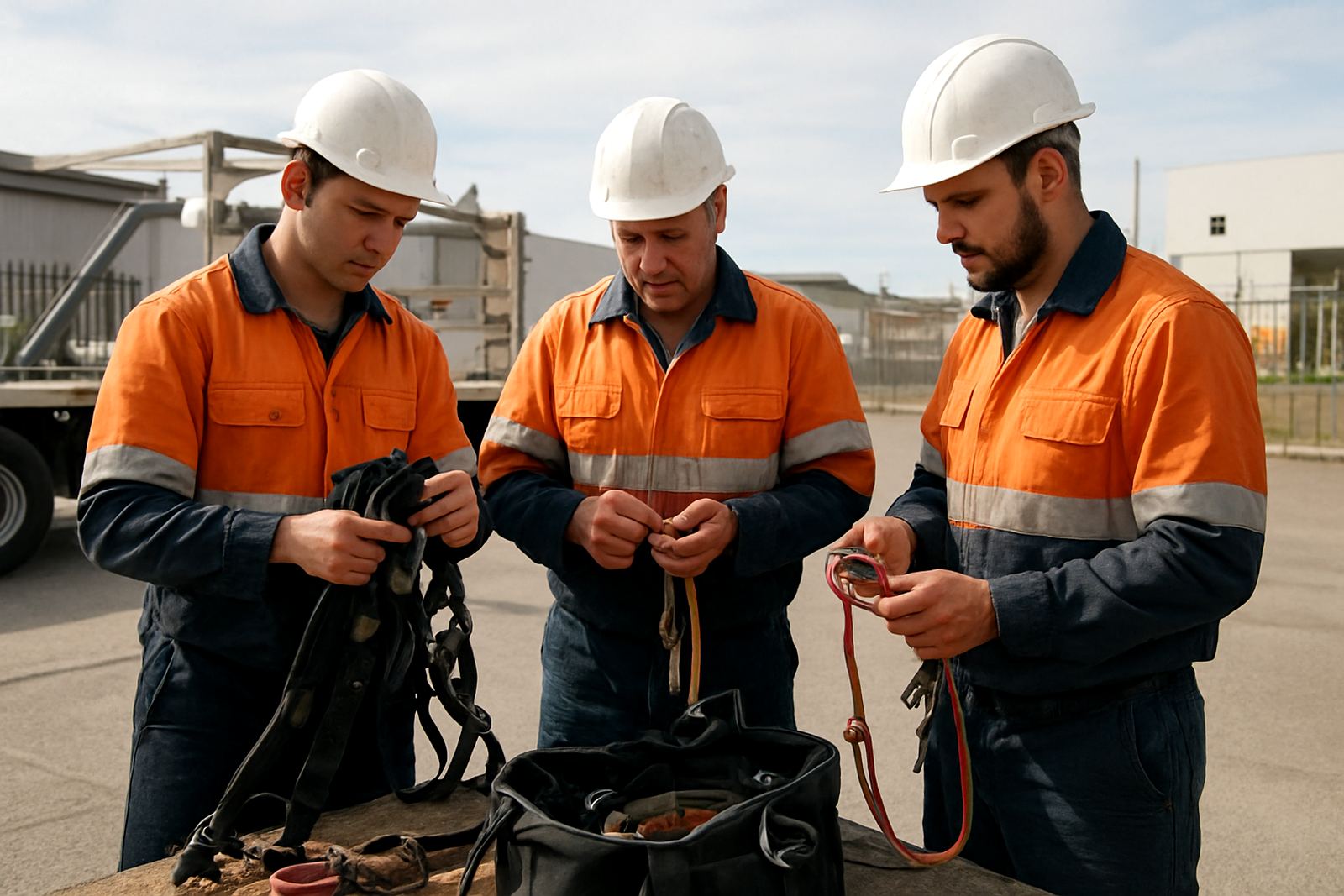
Sign makers need a rigging team that understands the difference between installation, removal, servicing and repair support. They also need a crew that does not try to compete with them on design or fabrication. That keeps the work clean and the relationship straightforward. The riggers handle the access, lifting, safety and physical work; the sign shop stays in control of the client, the look and the product.
At Sign Riggers, the focus is on safe sign rigging and maintenance for sign makers across Cape Town, Johannesburg and surrounding areas including the West and East Rand. The teams are scaffold and first-aid trained, and the work is handled with the sort of discipline needed after a storm when sites are slippery, wind can shift quickly and downtime costs money.
When storm damage is caught early, the repair is usually smaller, safer and easier to schedule. That is why after-storm sign checks should be part of normal maintenance, not an afterthought.