Why maintenance cycles matter for sign owners and sign makers
Most sign problems do not start as dramatic failures. They begin with small things: a loose bracket, a flickering lamp, water inside a housing, rust at a fixing point, or vinyl lifting after weeks of wind and sun. In Cape Town, coastal moisture and salt air can speed up corrosion. In Johannesburg, dust, summer storms and building movement can loosen fixings and expose electrical parts.
That is why sign makers and property managers should treat maintenance as a cycle, not a rescue job. Planned servicing keeps signs working longer and helps avoid the cost of urgent removals, road closures, access equipment on short notice, and damage to the face or frame during a failure. It also helps keep the sign shop out of trouble, because the risk is identified before a client starts asking why the sign went dark.
At Sign Riggers, maintenance work is handled as rigging only, with no overlap into design or fabrication. That keeps the line clear for sign makers who need a crew to install, remove or service a sign while they keep control of the client relationship. It is a practical arrangement, and it works well when sites are spread between Paarden Eiland, Bellville, Somerset West, Paarl, Johannesburg CBD, Sandton, Midrand and the East Rand.
A sensible servicing rhythm for different sign types
Not every sign needs the same inspection interval. A small fascia sign under shelter may only need a light check twice a year, while a tall pylon sign, illuminated billboard or rooftop installation may need quarterly attention. The right cycle depends on access, weather exposure, electrical load, and how much vibration or movement the structure sees.
As a general guide, sign makers can plan servicing around the following pattern:
- Monthly visual checks for high-risk or highly visible illuminated signs.
- Quarterly inspections for exposed signs, tall structures and signs near traffic.
- Six-monthly servicing for standard exterior signs in moderate conditions.
- Annual deep checks for fixings, electrical access points and structural wear.
For coastal sites around Paarden Eiland or the False Bay side, the cycle often needs tightening because corrosion can appear faster than expected. On inland commercial sites in Gauteng, the issue is more often heat, dust and storm damage, especially after a dry spell and then a heavy summer downpour.
What a proper maintenance visit should cover
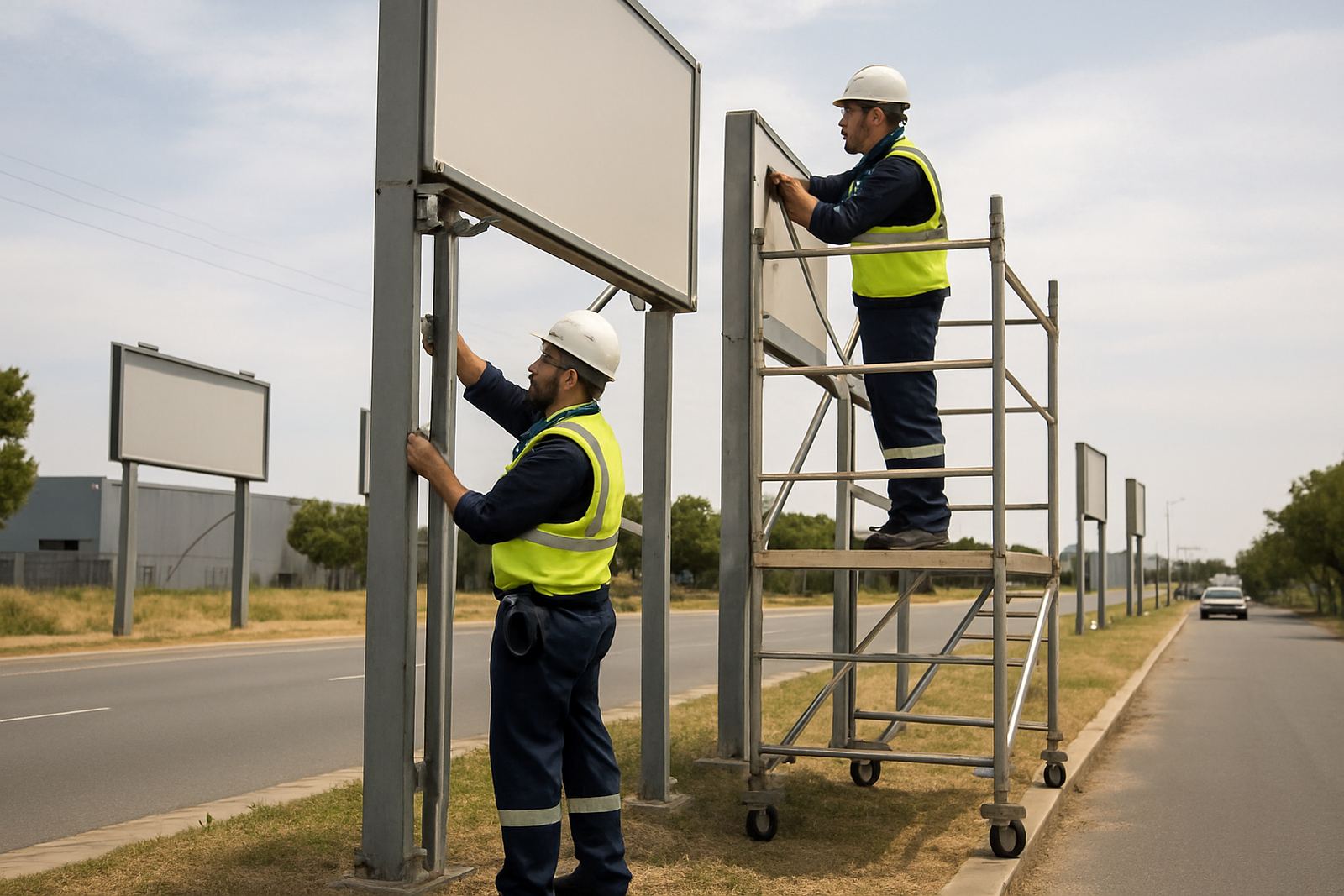
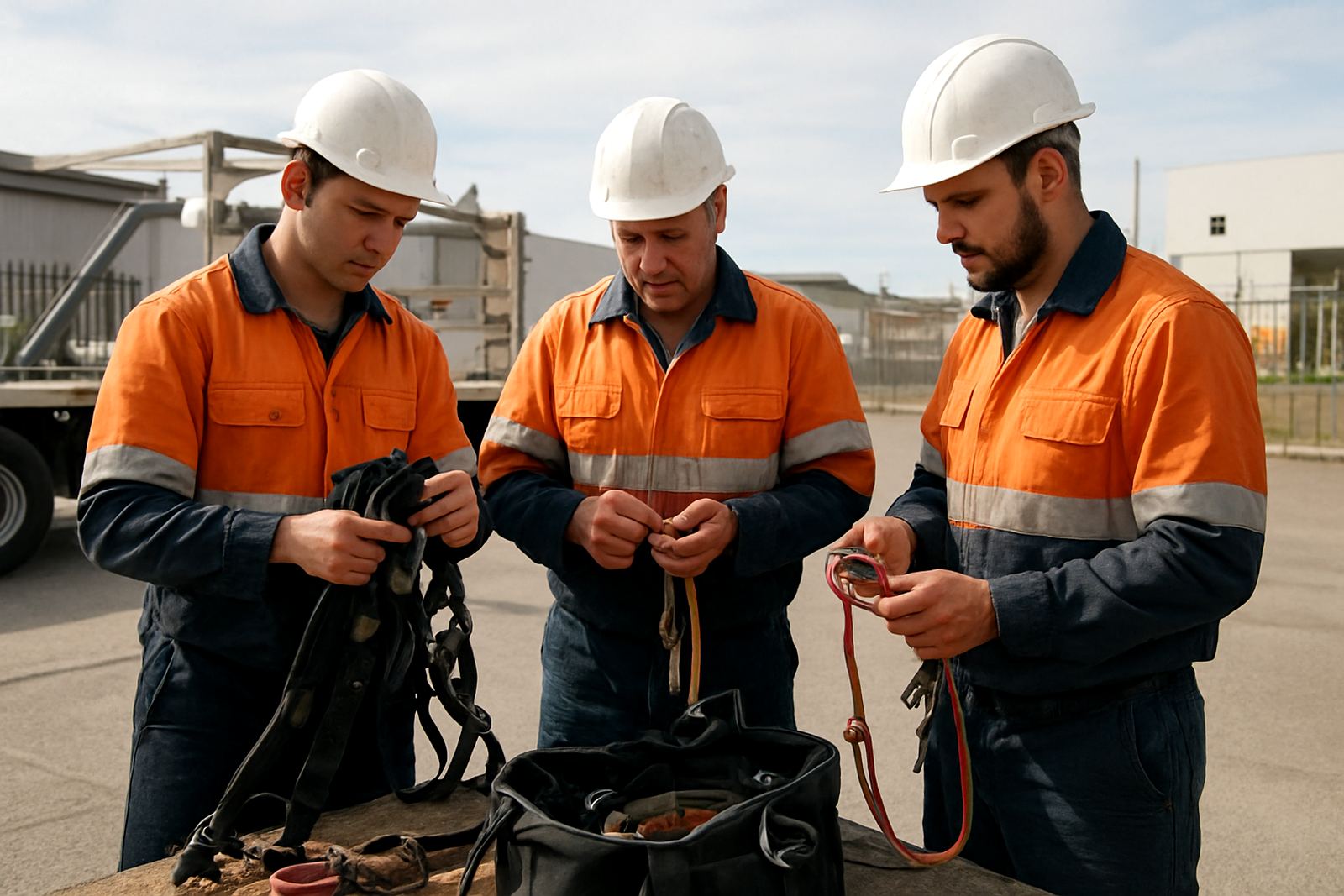
A useful maintenance visit is not just a quick look from the ground. A proper crew checks the parts that usually fail first and records what needs correction before the next visit. The point is to find small defects before they become access problems or a complete strip-out job.
Typical checks include:
- Fixings, brackets and anchor points for looseness or rust.
- Frames, welds and panels for movement, cracks or fatigue.
- Lighting, wiring and housings for water ingress or failed components.
- Faces, vinyl and trims for lifting, fading, punctures or edge damage.
- Access points and surrounding conditions for safe working clearance.
If a sign is over a shopfront in Bellville or mounted above a busy entrance in Sandton, the crew also needs to think about pedestrian control, vehicle movement and how the job fits around trading hours. A good service visit keeps disruption low and avoids repeated access requests later.
How maintenance reduces emergency callouts and cost
Emergency callouts are expensive for a reason. They usually involve short notice planning, after-hours labour, access equipment, and extra safety controls. In some cases the sign has already failed, which means the job changes from servicing to stabilising or removing a dangerous item. That costs more and carries more risk.
Routine servicing spreads the work out. A loose light fitting can be tightened before it fails. A corroded bolt can be replaced before the entire bracket needs attention. A leaking housing can be resealed before the electrical parts are damaged. Small jobs stay small. That is where maintenance cycles save money.
There is also the matter of reputation. If a sign goes dark outside a retail centre in Midrand or a warehouse park in Paarden Eiland, the client sees the site as untidy or neglected. Planned maintenance protects the sign maker's work and gives the customer a better result over time, with fewer surprises and less last-minute pressure.
Local examples from Cape Town and Johannesburg sites
A practical example is a coastal commercial sign in Paarden Eiland. The face looked fine from street level, but a maintenance visit found early rust at the lower bracket and one lamp holder starting to fail. The fix was small and quick, but if it had been left another season the sign could have needed a full access job, parts replacement and a longer shutdown.
In Johannesburg, a rooftop directional sign in the CBD started flickering after a run of load-shedding and stormy weather. The issue was not the sign face, but a combination of loose connections and water entry at one access point. A scheduled inspection caught it before the whole fitting gave trouble. The sign stayed in service, and the client did not need an emergency weekend callout.
These are the kinds of problems that maintenance cycles are meant to catch. They are ordinary, but they matter. A sign that is checked regularly is easier to manage, cheaper to keep in shape and less likely to create a safety issue for the owner or the installer.
Working with sign makers on a clear maintenance plan
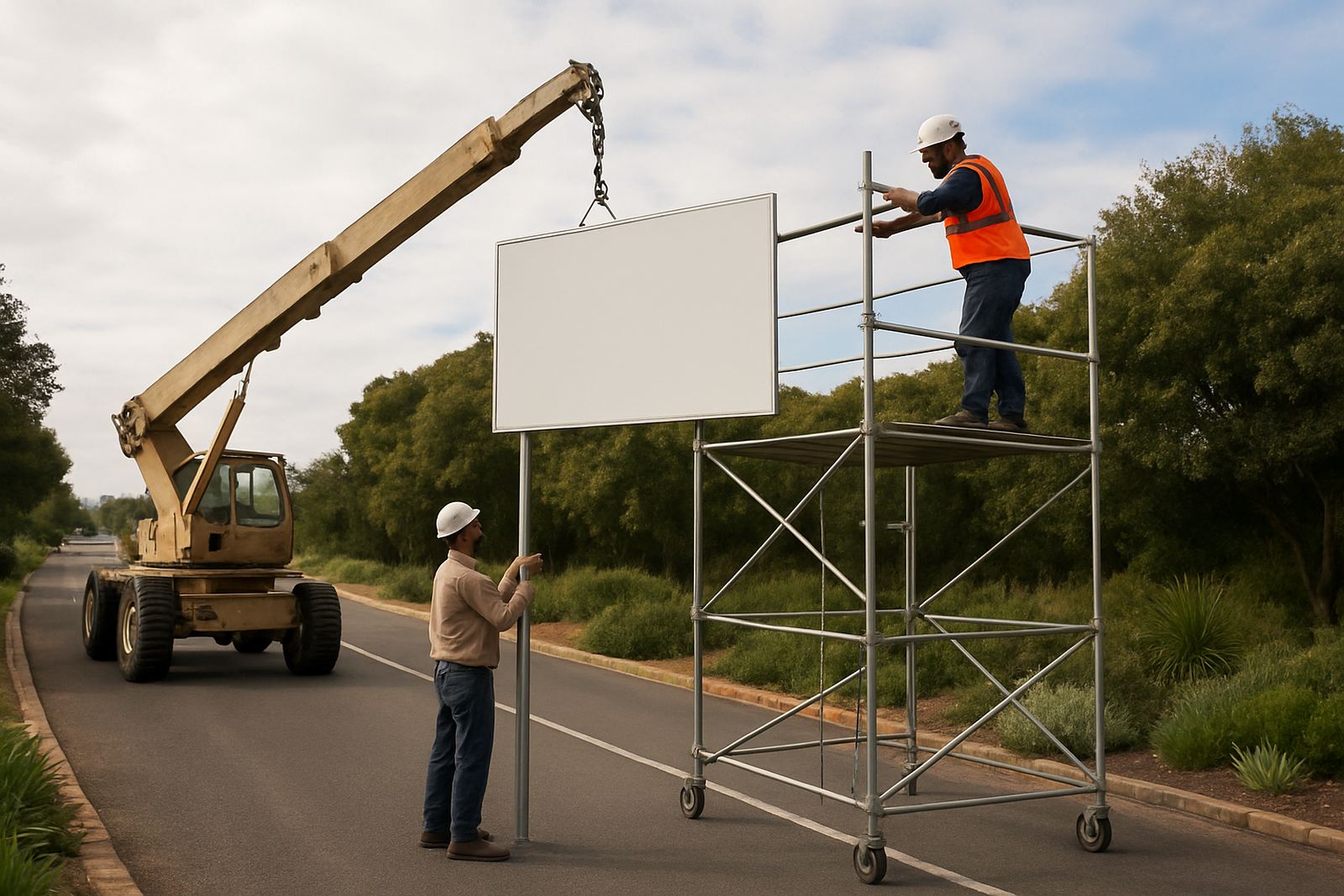
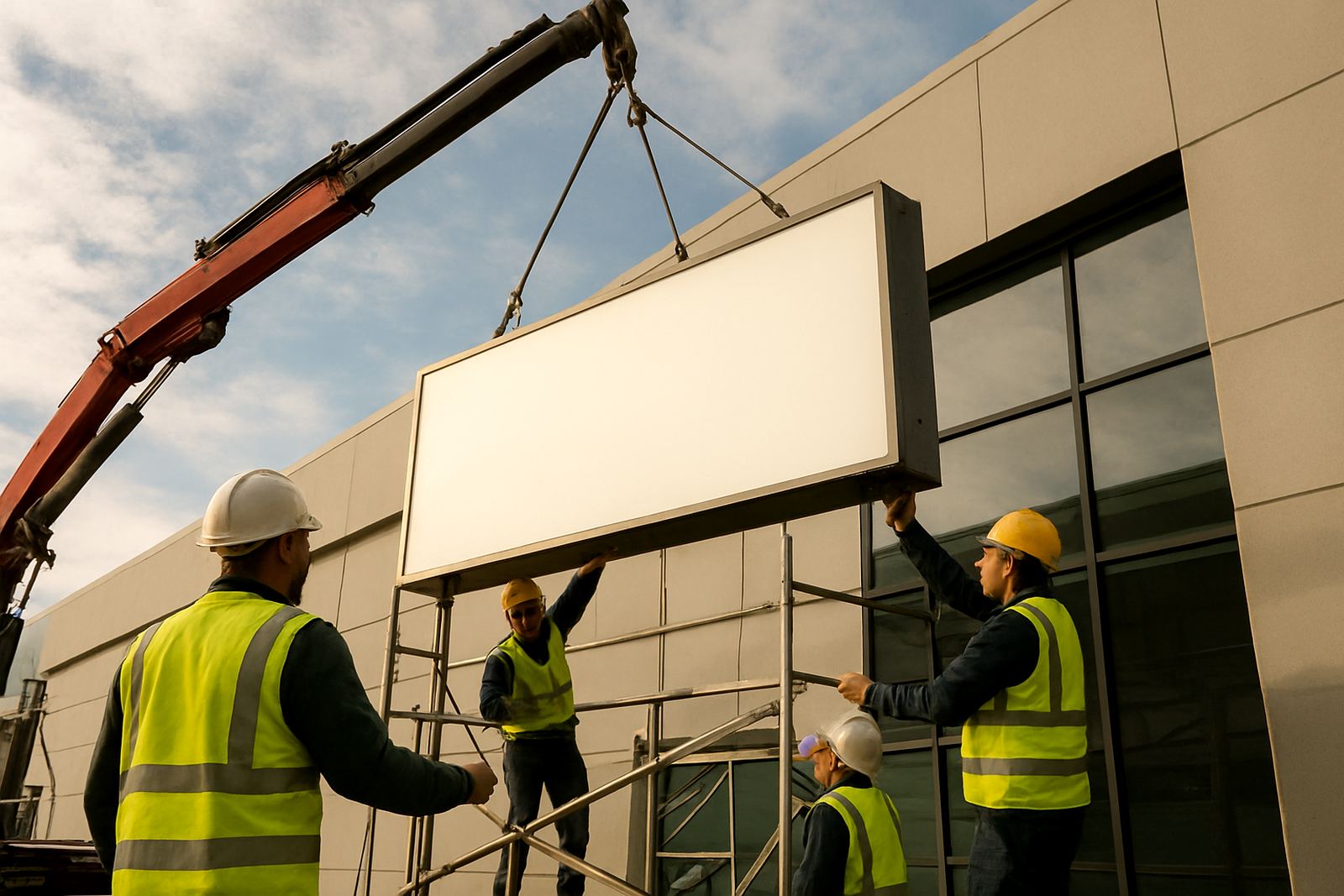
Sign makers often need a crew that can work quietly in the background and leave the customer relationship untouched. That is exactly where Sign Riggers fits in. We handle installation, removal, servicing, lighting access, lift planning, scaffold access, platform work, billboard face changes, emergency callouts, sign relocations and maintenance visits for sign shops across the Western Cape and Gauteng.
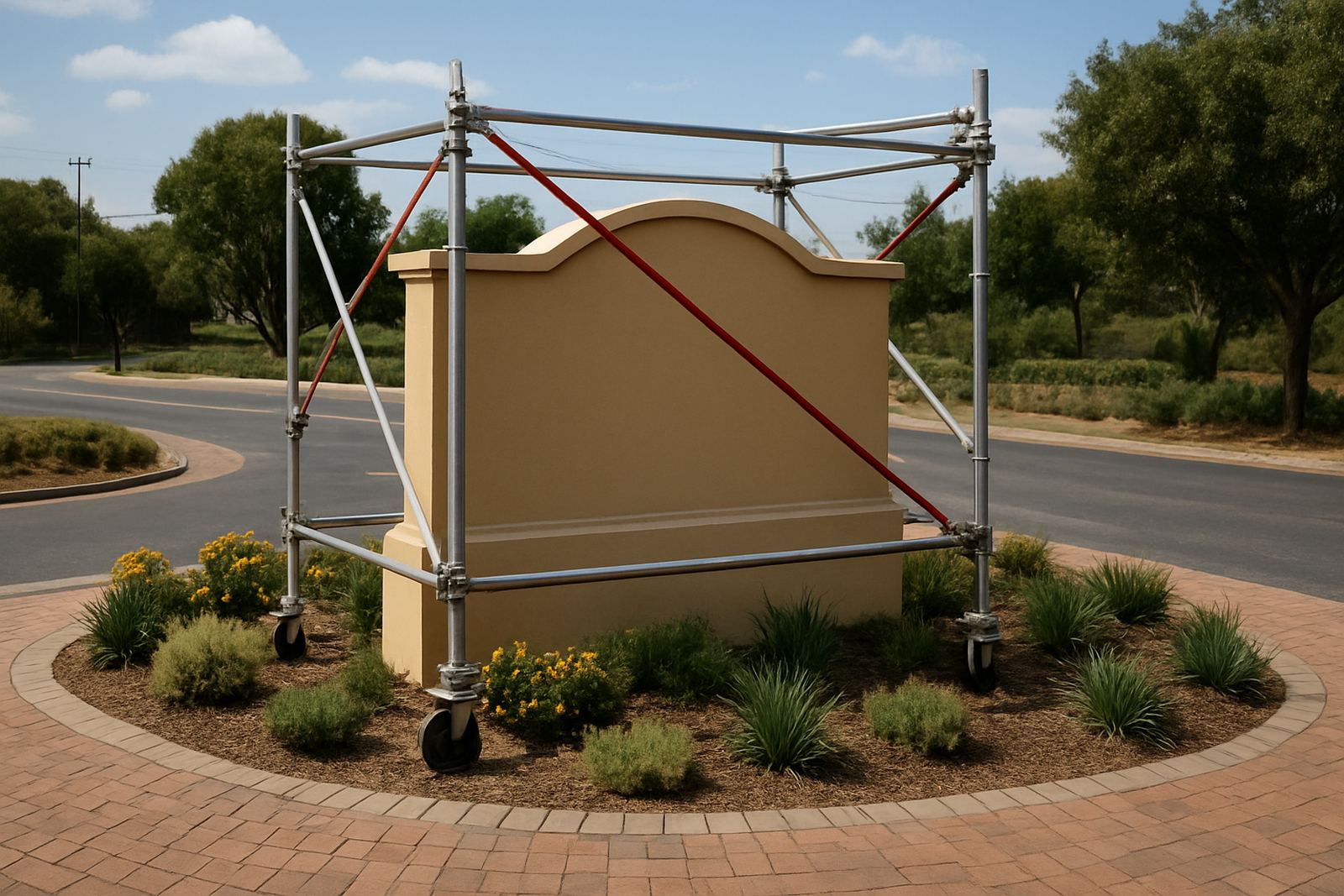
A practical maintenance plan usually starts with a site survey, then a schedule based on risk, access and exposure. The plan should note whether scaffold, a lifting platform, or another access method is needed, and whether the site has working hours, parking limits or municipal rules that affect the job. It should also include who signs off the visit, what gets photographed, and what counts as a priority item.
- Record the sign type, mounting height and access method used.
- Set a review cycle based on weather exposure and traffic risk.
- Keep notes on repeat faults so the same issue is not missed twice.
- Plan for emergency access where a failure would create a safety risk.
That kind of discipline is worth more than people think. It keeps sites in better shape, reduces breakdowns, and gives sign makers a cleaner way to manage long-term service work without stepping into the client-facing role themselves.