Why event branding needs proper rigging, not just a quick fix
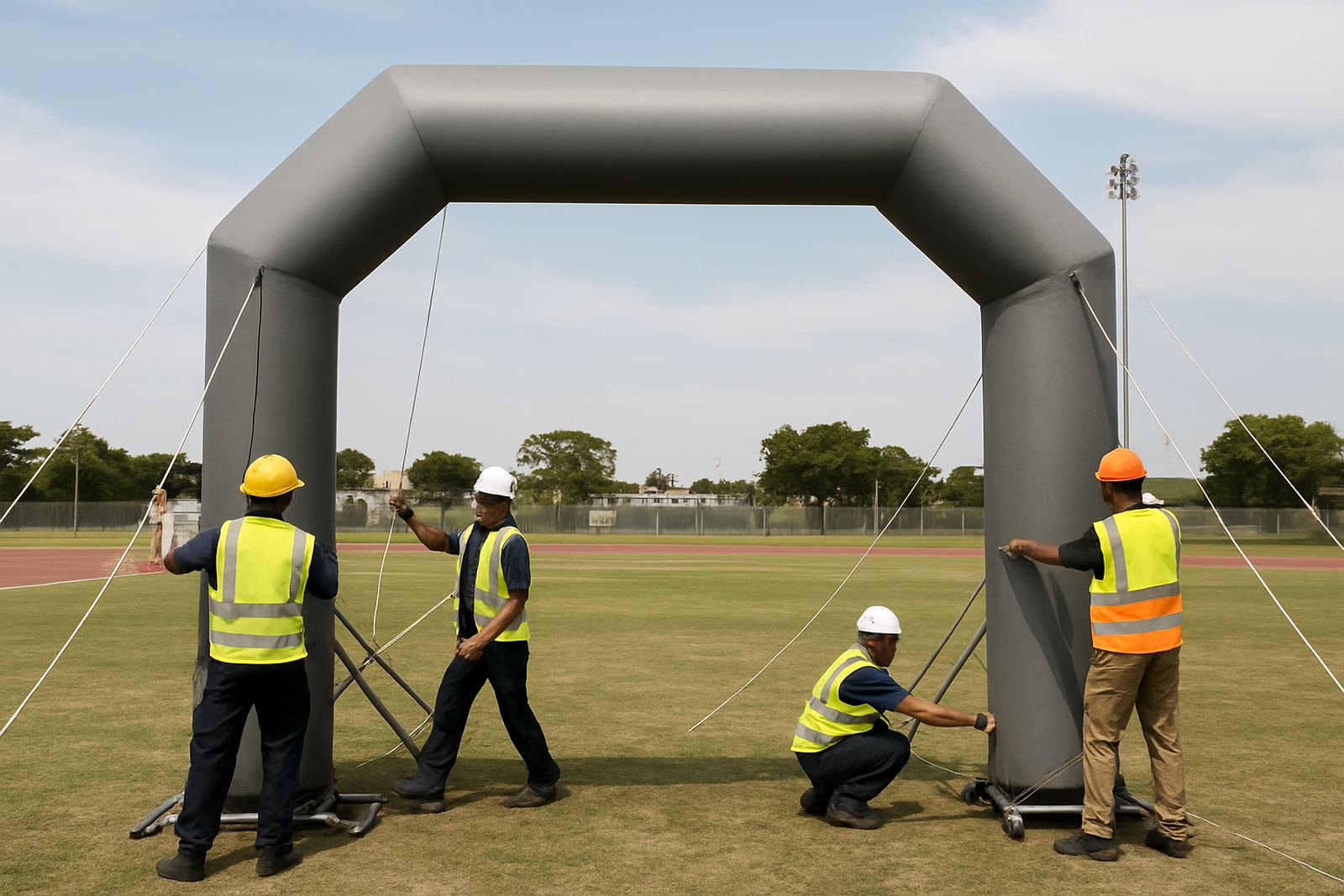
Event branding looks simple from the ground, but the work behind it is usually time sensitive and full of constraints. Banners, hanging signs, temporary frames, stage branding and large printed panels all need to be installed without damaging the venue, blocking access or leaving fixings behind after pack down. If the installation slips, the whole event start can feel disorganised before the doors even open.
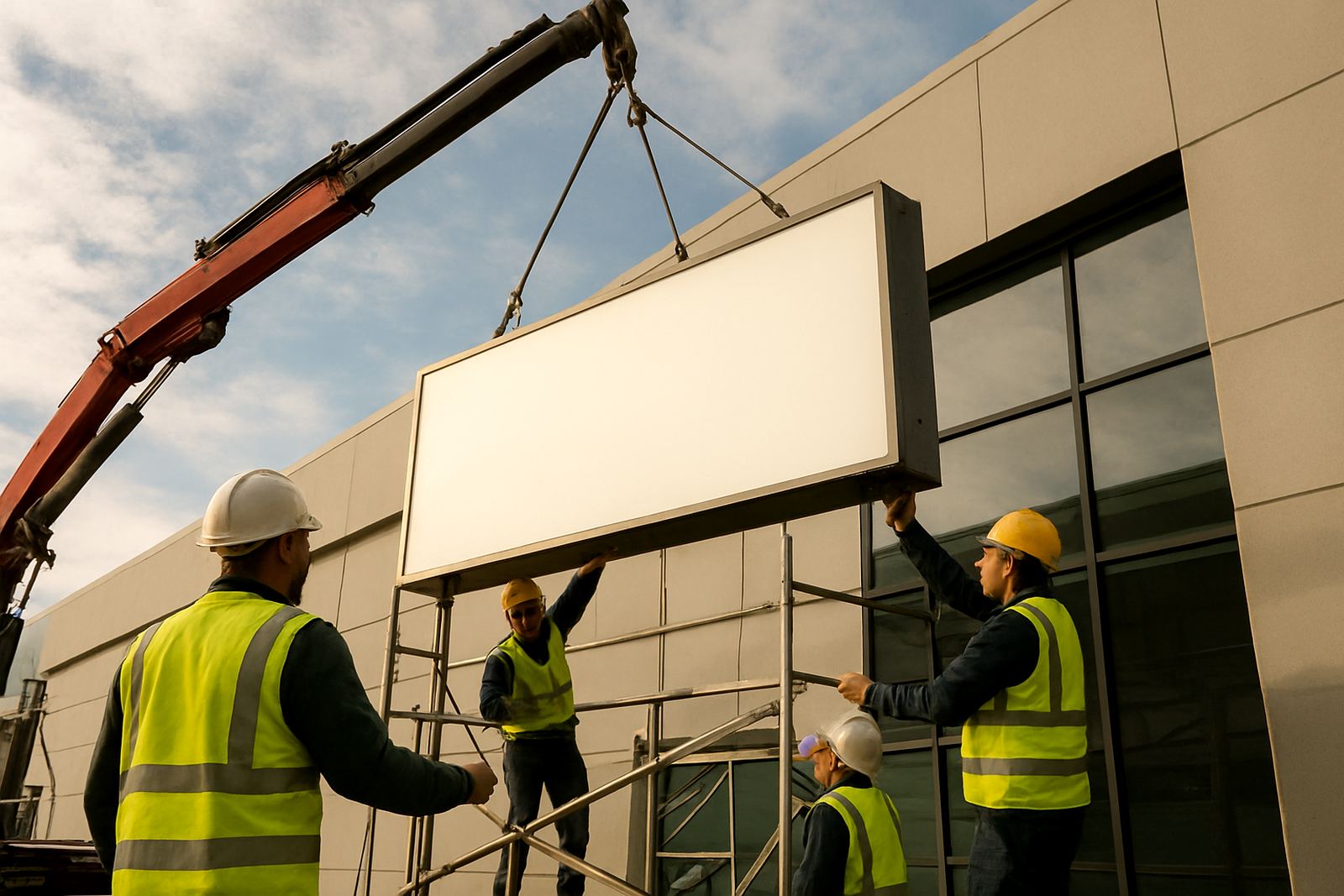
That is why event work needs rigging crews who understand both the sign and the site. A sign maker can handle the print and fabrication, while a rigging team handles the lift, access equipment, safety checks and removal. At Sign Riggers, we keep the job in that lane. We install, service and remove temporary branding for sign shops, event teams and exhibition contractors, without competing with the people who sold the work in the first place.
For a product launch in Sandton or a conference floor in Cape Town, the aim is the same: get the branding up fast, keep it secure, and leave the venue as it was found.
What needs to be checked before the first panel goes up
Good event rigging starts before the crew arrives on site. The survey should confirm ceiling height, fixing points, floor access, loading bay access, wind exposure and any venue rules about working hours or lift use. In places like the Cape Town CBD or Johannesburg CBD, access windows can be tight, so if the planning is off by even an hour the install can run into pedestrian traffic, deliveries or venue handover times.
Temporary branding also needs a look at the surface itself. A clean wall in a controlled hall is different from a hot, dusty, coastal site in Paarden Eiland or a venue entrance in Midrand with strong afternoon wind. Moisture, salt air and uneven surfaces can all affect how a banner sits or how long an adhesive fix lasts.
- Measure the exact panel size, not the artwork size only.
- Check the available lifting route from truck to install point.
- Confirm whether scaffold, platform work or a lift is needed.
- Identify power, lighting and after-hours access if the event runs at night.
- Agree in writing who removes the branding and who makes good after pack down.
Fast installs need disciplined crews and clear roles
When event branding has a same-day deadline, speed only works if the crew is organised. One person cannot be fitting, spotting, checking tools and managing access all at once. A proper rigging team separates the work into clear roles so the install runs safely and the sign maker can stay focused on the creative side.
Our crew structure is built for that. Gareth van der Merwe oversees operations, while Thandi Mokoena coordinates scheduling and site timing. Liam Jacobs leads the rigging crew on the ground, Sibusiso Dlamini handles safety oversight, Ayesha Daniels manages client communication and Pieter Coetzee looks after fleet and access planning. That kind of structure matters when a venue in Bellville needs a banner changed before doors open, or when a Johannesburg event must shift a hanging feature after a last-minute floor plan change.
It also matters because event work often means working outside normal hours. Early mornings, late nights and load-shedding windows can all affect how quickly a team can finish. The job is to keep the work moving without cutting corners.
Safety on temporary branding sites is non-negotiable
Temporary signs can be lighter than permanent signage, but that does not make them safer by default. A suspended banner, overhead frame or elevated face change can still pose a serious risk if the access equipment is wrong or the site is not controlled. That is why first-aid trained and scaffold trained teams are essential on event jobs, especially where public movement is close to the work area.
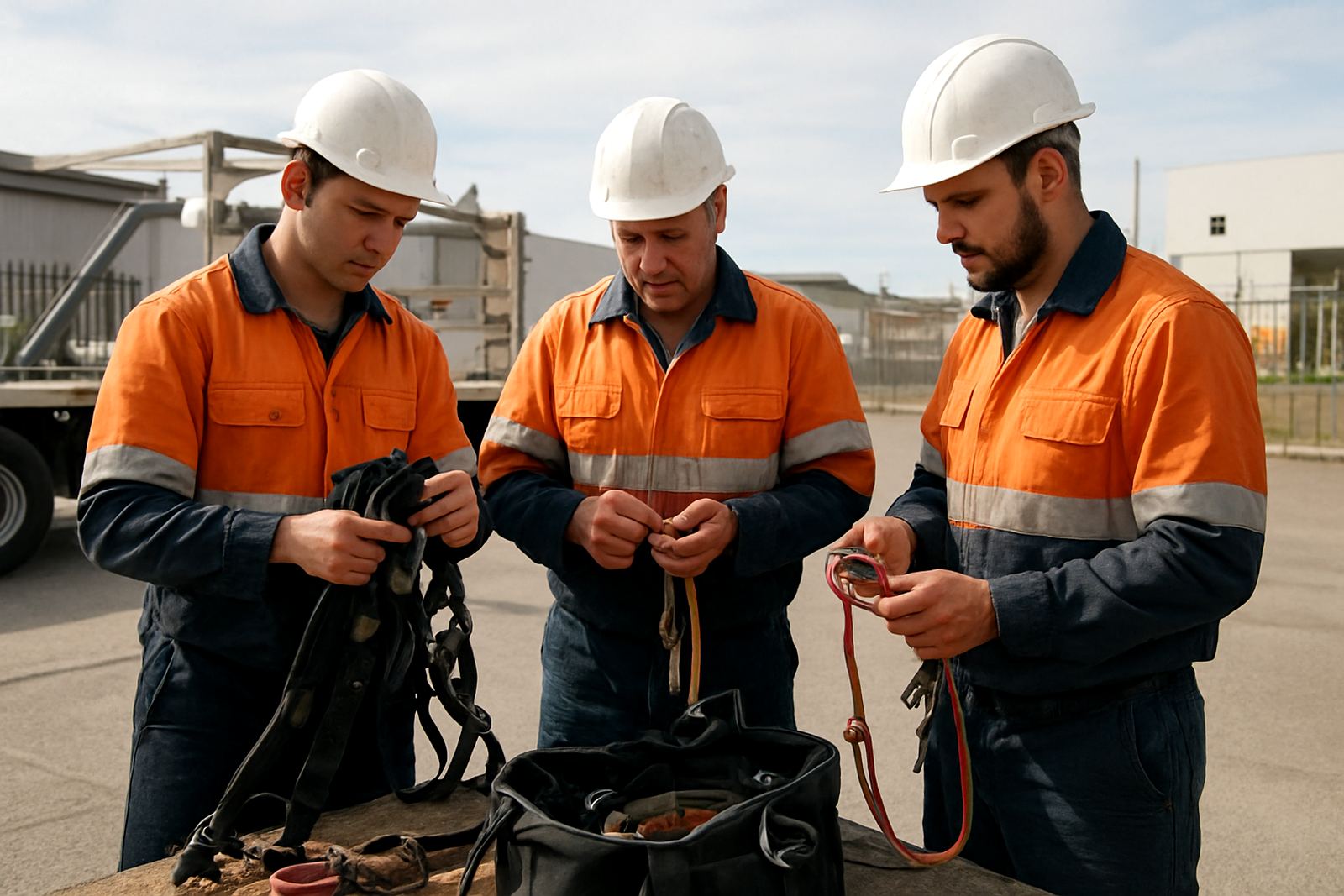
We plan for the real conditions, not ideal ones. That includes exclusion zones, weather checks, correct harness use where needed, and the right platform or scaffold for the height involved. In coastal areas such as Somerset West and Paarden Eiland, wind and salt air can affect temporary fixings quicker than many people expect. In Gauteng, dust and exposed loading areas can create their own problems, particularly on outdoor event sites or mixed-use venues in Sandton and the East Rand.
- Never assume a venue ladder is enough for the job.
- Keep the public clear of the lift and drop zone.
- Use the correct anchors and rated fixings for the load.
- Test lighting access before the event day if the sign is illuminated.
- Plan for emergency callouts if weather or site changes affect the install.
Removal and pack down should leave no mess and no damage
The clean-up is just as important as the installation. Event branding often has to come down quickly after the last session, and the venue will want no residue, no damaged fittings and no loose hardware left behind. A rushed removal can pull paint, bend frames or leave old fixings in place for the next tenant to find.
That is why the removal plan should be part of the original brief. If the sign will be relocated, the fixings must be stored properly and the panels marked for re-use. If it is a one-time install, the site needs a methodical strip-out, with care taken around ceilings, walls, glass and existing services. For venues in Paarl, Midrand or Johannesburg CBD, where turnaround time between events can be short, a clean removal keeps everyone on schedule and avoids complaints from the venue manager.
We also look at the handback detail. If a temporary fascia or banner has left adhesive marks, dust or minor scuffs, those need attention before the site is signed off. A good pack down makes the next job easier, and it protects the sign maker’s reputation too.
A local example: a two-day event with one tight window
Consider a corporate launch in Sandton with hanging foyer banners, a stage backdrop and branded wayfinding at the entrance. The venue only allows work between 05:00 and 08:30 on the event morning, and the ceiling height means a platform is needed for the upper fixing points. At the same time, the client wants the branding removed before 10:00 the next day so the hall can be reset for another function.
In that kind of job, the order of work matters. The crew arrives with the right access equipment, confirms the lift route, checks the fixing points and starts with the highest items first. The lower panels and directional signs follow once the overhead work is secure. After the event, the removal is done in reverse order, with all fixings checked off against the site plan and the area left clear for the venue team.
That is the value of working with a rigging crew that knows event pressure. The print may be temporary, but the schedule, safety and finish still need to be right.
What sign makers should expect from a rigging partner
Sign makers usually want three things from a rigging partner: reliability, clear communication and a clean finish. They need a crew that can work in Cape Town or Johannesburg, turn up with the right access plan, and handle the install without creating extra risk or extra headaches. They also need a team that will not try to take over the sign supply side of the job.
When you brief an event branding rigging team, make sure they can handle the following:
- Site surveys and lift planning before the install date.
- Scaffold access or platform work where height demands it.
- Emergency callouts when a sign shifts, loosens or needs a quick change.
- Lighting access for temporary illuminated elements.
- Relocations and maintenance visits if the branding stays up longer than planned.
Temporary event branding has to move quickly, but it still needs the same care as a permanent job. If the rigging is right, the branding looks sharp on the day and comes down without drama afterwards.