

Start with the exact sign type and what must happen on site
Before a rigging crew can plan the job, they need to know exactly what they are handling. A wall sign, pylon, tray sign, illuminated box sign, billboard face or fascia sign all need different access, lifting and fixing methods. If the brief only says “remove sign” or “install sign”, there is too much room for delay once the team is on site.
Give the crew the sign dimensions, approximate weight, where it sits on the building and whether it is going up, coming down, being serviced or relocated. If there are multiple signs on one site, list them separately. That helps the crew bring the right ladders, scaffold parts, platform access or lift plan for each task instead of guessing on the day.
It also helps to note if the sign is non-lit or illuminated, because that changes how the team plans for electrical isolation and lighting access. A small detail can save an hour of sorting out issues on a roof or wall face, and in rigging that matters.
Give clear site access details, not just the address
An address is only the first step. What the rigging crew really needs is the full access picture. Is the site in a tight Paarden Eiland industrial yard, a retail centre in Sandton, or a roadside position in Bellville with limited stopping space? Can the truck get close to the work area, or is there only street access with a narrow loading bay?
Sign makers should send practical access notes such as gate codes, security procedures, parking limits, delivery times and whether there are height restrictions for the vehicle. If the site has loading docks, overhead cables, or a live trading floor below the work area, say so early. A crew that knows the access constraints can plan the lift and avoid wasted time moving equipment around the property.
- Exact site address and nearest landmark
- Who opens the gate or signs in the crew
- Parking or loading bay restrictions
- Any height limits, boom gate issues, or tight driveways
- Whether the work area is above public access or active trading space
Photos, measurements and fixings save time on the first visit
A few good photos can prevent a lot of back-and-forth. Send front-on images, side views and close-ups of the mounting points, brackets, existing cables and any visible damage. If the sign is already off the wall, include photos of the structure it came from and the condition of the frame or mounting surface.
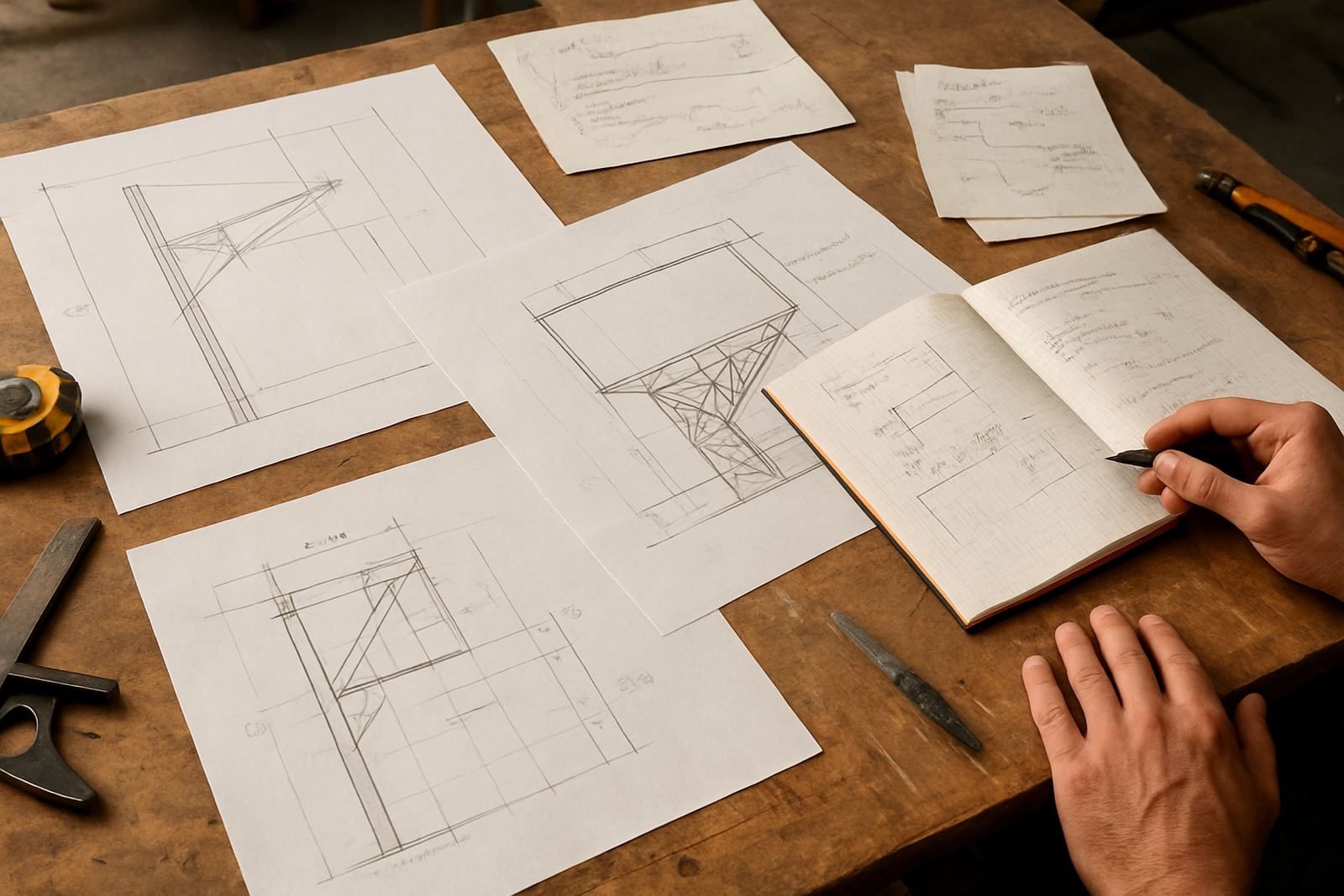
Measurements matter too. Height, width, projection from the wall and the distance to the ground or roof edge all affect access planning. If the sign is being replaced, include the old sign size and the new one so the crew knows whether existing fixing points can be used or whether new anchor points are needed. For coastal sites in Somerset West or around the Cape Town foreshore, note if the structure shows corrosion or salt damage, because that can change the method and the time on site.
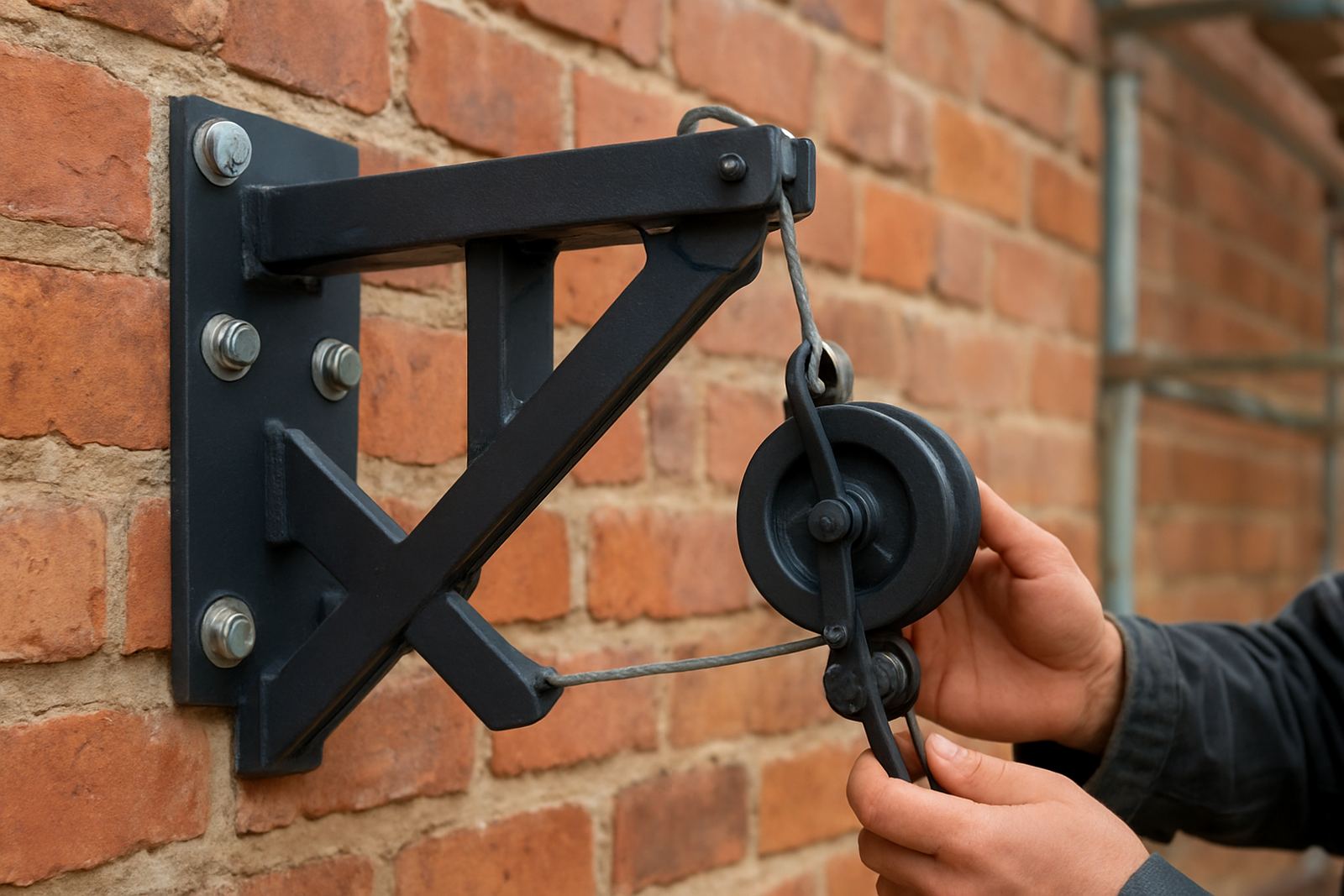
Where possible, tell the crew what type of substrate they are working with. Brick, precast concrete, steel, cladding or glass all need different fixings and care. If the structure is old or patched, let the team know. It is better to arrive prepared than to discover on site that the wall is softer than expected.
Spell out electrical, lighting and isolation needs
Many sign jobs involve more than bolts and brackets. Illuminated signs often need power isolation, safe cable handling and testing before or after the rigging work. If there are transformers, junction boxes, timers or separate feeds, list them in the job brief. That way the crew can plan who needs to isolate the supply and what checks are needed before they touch the sign.
For maintenance visits, note whether the problem is a failed lamp, water ingress, flickering, loose fixing or damage after wind. In Gauteng, summer storms can shake loose older signage. Along the coast, moisture and wind can creep into fittings and fittings rust faster than expected. The more specific the fault, the quicker the crew can bring the right tools and spare parts.
- Is the sign live or already isolated
- Location of switches, breakers or accessible isolators
- Whether the sign is illuminated, backlit or has internal wiring
- Any known fault, water damage or flicker issue
- Who is responsible for electrical shutdown if needed
Safety and compliance information should be shared early
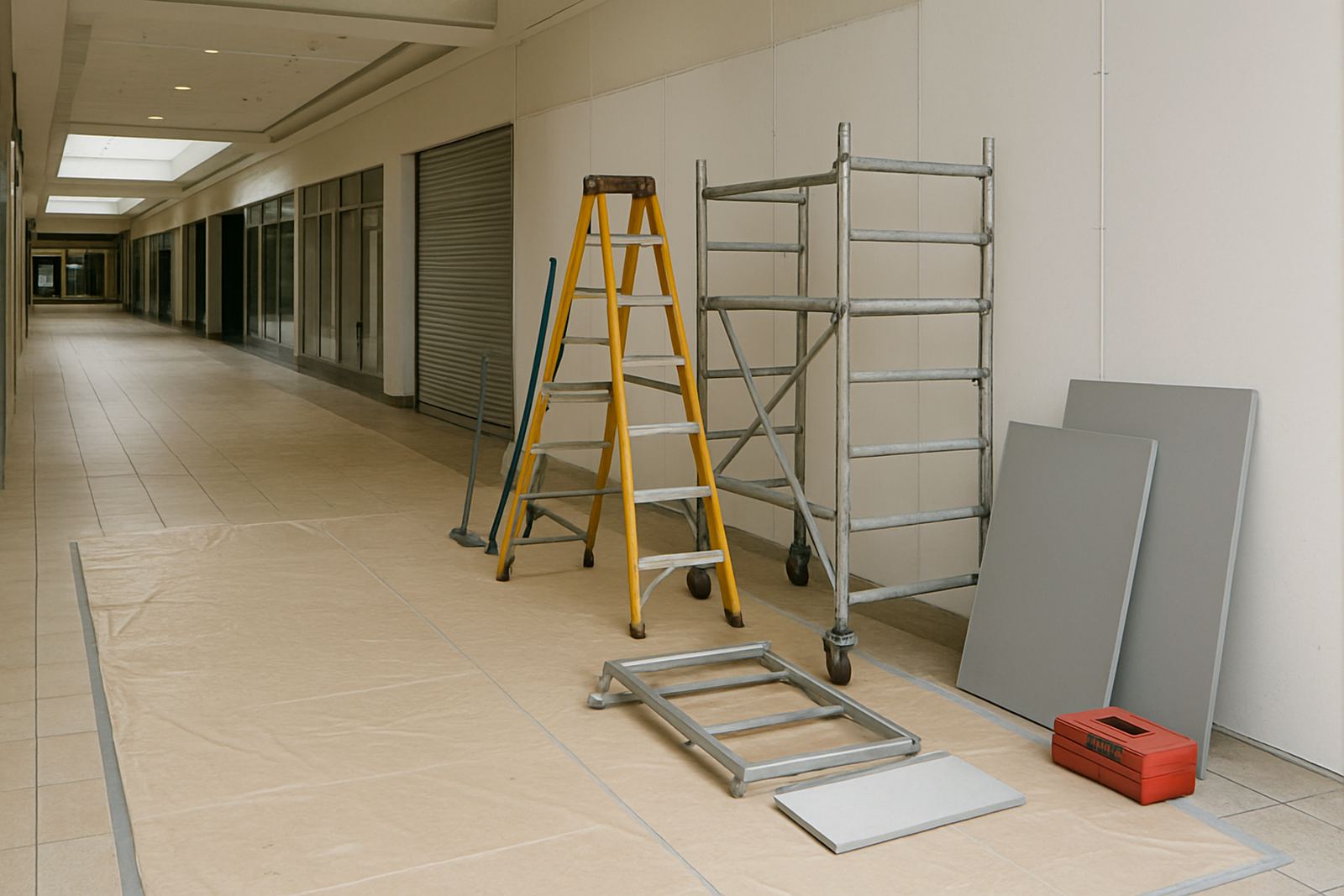
Safe rigging starts with the site risks. If the work is above a pedestrian walkway, in a busy shopping centre, near a loading dock or next to live traffic, say so from the start. The crew may need barricading, a spotter, a lift plan or scaffold access depending on the height and position of the sign.
It also helps to flag any site rules that affect the job. Some properties require induction, PPE checks, working at height paperwork or a specific method statement before work can begin. If there are municipal or landlord restrictions on operating hours, noise, or road-side access, the crew needs that information before the team is sent out. Nobody wants to arrive in Midrand at 7am only to find the site allows access only after trading hours.
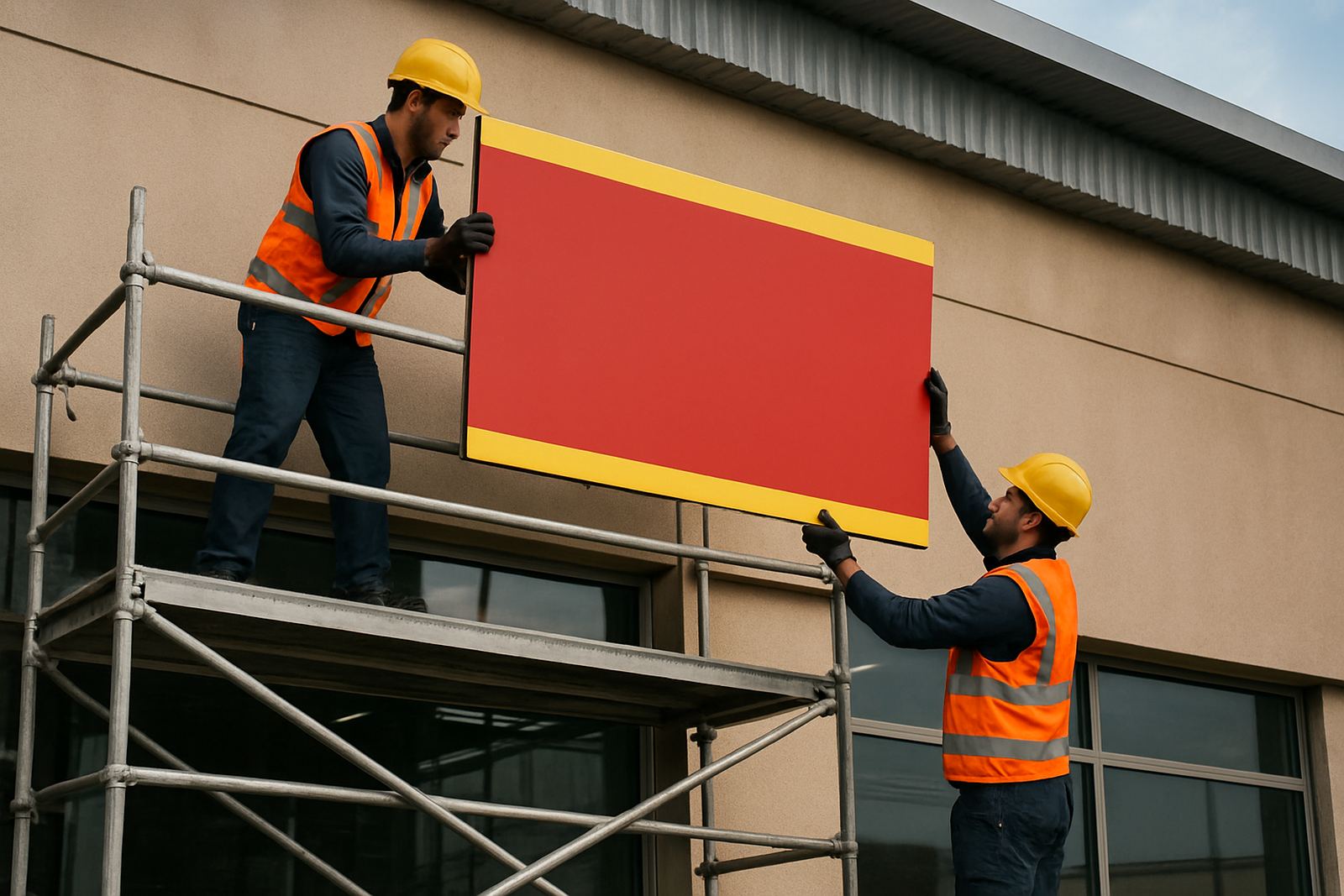
When a sign maker shares the safety picture upfront, the rigging crew can arrive with the right setup and the right people. That includes trained supervisors, first aid awareness and the correct access equipment for the height and task.
Use the job brief to set timing, responsibility and site contact details
The last piece is the practical one: when, who and how long. Give the crew the preferred date, the site window, and whether the job must happen after hours, before opening or over a weekend. If the work is time-sensitive, say so clearly so the team can plan the lift and allocate the right crew.
Also include the name and role of the person on site who can make decisions. A site supervisor, centre manager or building contact is more useful than a general office number on the day. If the sign maker is handling the brief, it should still be clear who signs off changes if the wall condition or access is different from what was expected.
A clean brief means fewer surprises and fewer call-backs. It keeps the sign maker in control of the client relationship, while the rigging crew focuses on the installation, removal or service work.
A local example from a busy Paarden Eiland to Sandton week
Take a typical week for a rigging crew serving sign makers across Cape Town and Johannesburg. On Monday, a fascia sign in Paarden Eiland needs removal before a tenant change. On Tuesday, a new illuminated sign goes up in Bellville with limited parking and a live retail entrance below. By Thursday, the team is in Sandton for a billboard face change, and the brief must already include access times, lift clearance and who can isolate the power.
In each case, the signs themselves are not the problem. The risk comes from missing information. If the sign maker sends the dimensions, photos, access notes and safety details in advance, the crew can load the right access kit, plan the lift and finish the job with less disruption to the client. That is especially important when weather turns, the site is busy, or the sign is high on a building with limited access.
The best handover is simple: exact job details, clear photos, honest site notes and a realistic timeframe. That is what lets a rigging crew arrive ready the first time.