

Why cladding changes the way a sign must be fixed
Cladding is not the same as a solid brick wall or concrete column. A sign fixed to metal or composite panels can look fine from the street, but the real issue is what sits behind the skin. If the sign is hung on the cladding only, the load can work the sheets loose, let water into the wall and create movement in strong wind. That is why every job starts with knowing exactly what the cladding is made of and how it is supported.
On commercial sites we often see a mix of aluminium composite panels, profiled metal sheeting and insulated wall systems. Each one needs a different fixing method. A light directional sign may be fine with a bracketed spread across structural members, while a larger fascia needs proper load transfer back to the frame. If the building has been re-clad or patched over the years, there may be hidden changes that affect the fixing plan.
Finding the structure behind the skin
Before any drill goes in, a site survey should confirm where the real support points are. That can mean checking the original drawings, using a scanner where suitable, and opening a small inspection point if needed. On a warehouse in Paarden Eiland, for example, the outer panels may be only part of the wall system, with the structural steel hidden behind insulation and services. Guessing here is what leads to cracked panel joints and crooked signs later on.
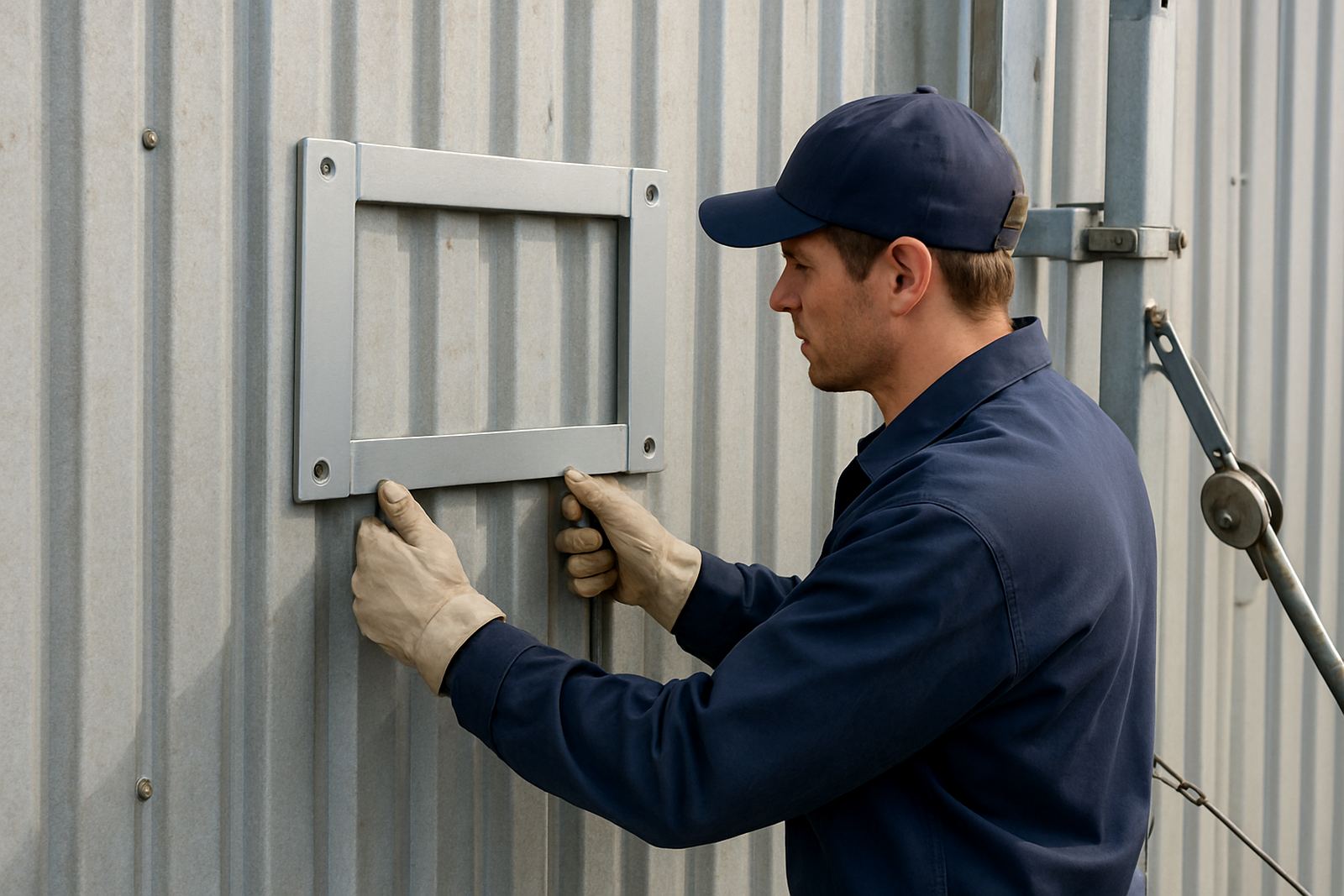
We look for the safest fixing line, the available access method, and what can be done without damaging the weatherproof layer. Sometimes the right answer is to span between structural rails. Sometimes a stand-off frame is better, so the sign never bears directly on the cladding. The decision depends on size, wind load and the condition of the facade, not just on what is quickest on the day.
- Check the cladding type and thickness before quoting the fixing method
- Confirm where structural members sit behind the panels
- Allow for wind load, especially on corners and roof edges
- Plan how every penetration will be sealed afterward
Waterproofing matters as much as the brackets
Every hole through cladding is a potential leak point, and that is where many sign jobs go wrong. Sealant is not a cure-all. If the fixing point is in the wrong place, or the hole is oversized, water will track behind the sheet and show up weeks later as staining, rust or damp inside the wall. In coastal areas like Somerset West and parts of Bellville, salty air and driving rain make this even more important.
The fix is a proper detail, not a patch job. We use sealed fixings, correct washers and suitable isolation between dissimilar metals so the cladding does not corrode around the hardware. If the sign has to be removed later, the old holes should be closed properly too. A neat face can still become a maintenance problem if the weatherproofing was ignored at install time, and then everyone is back on site again.
Wind load, weight and access all affect the choice
Large signs catch wind like a sail, especially on exposed facades in Johannesburg CBD or upper floors in Sandton. A panel sign that seems light in the workshop can behave very differently once it is mounted high on a building with open edges and airflow around the corners. That is why the weight of the sign is only part of the picture. The shape, bracket depth and height above ground matter just as much.
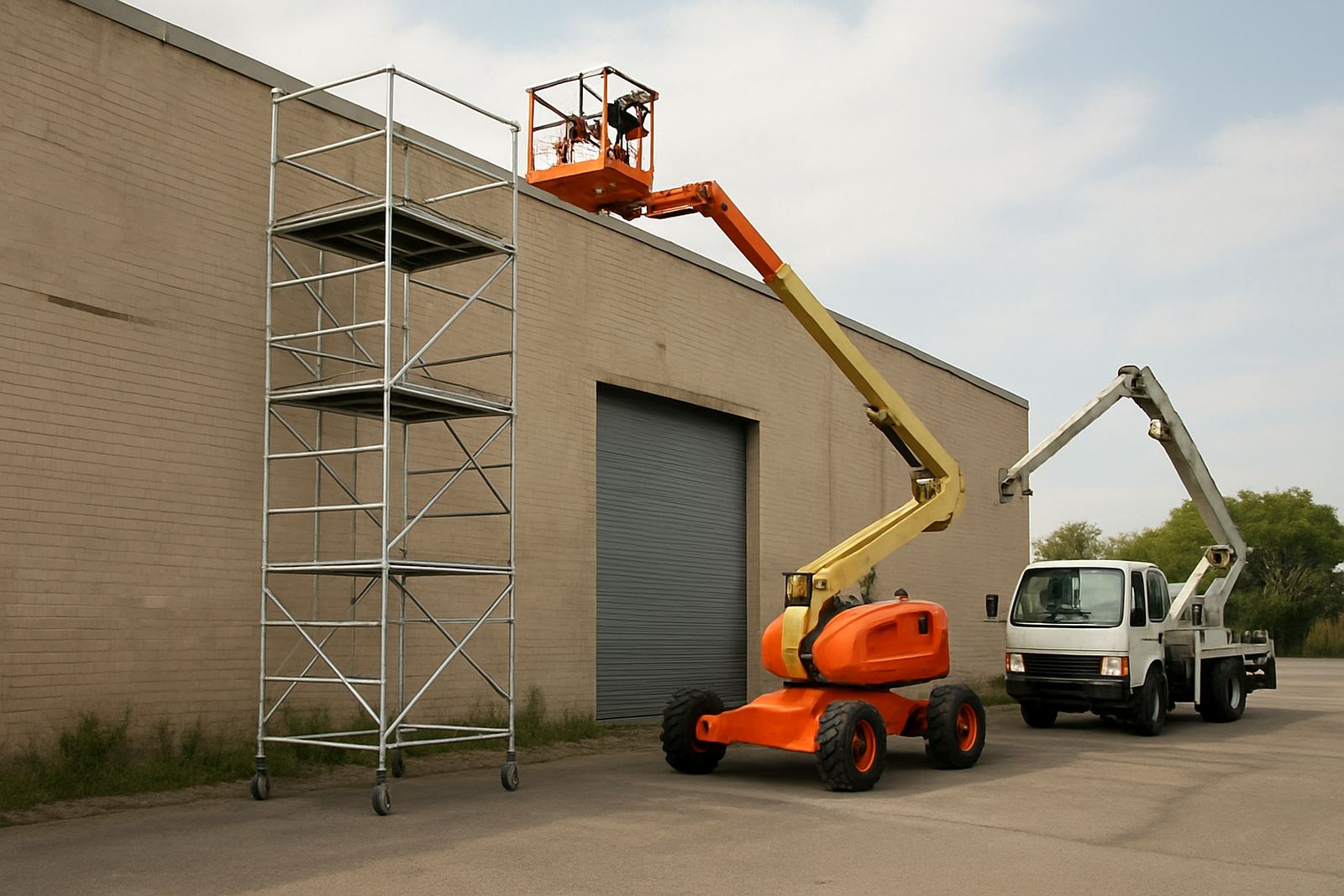
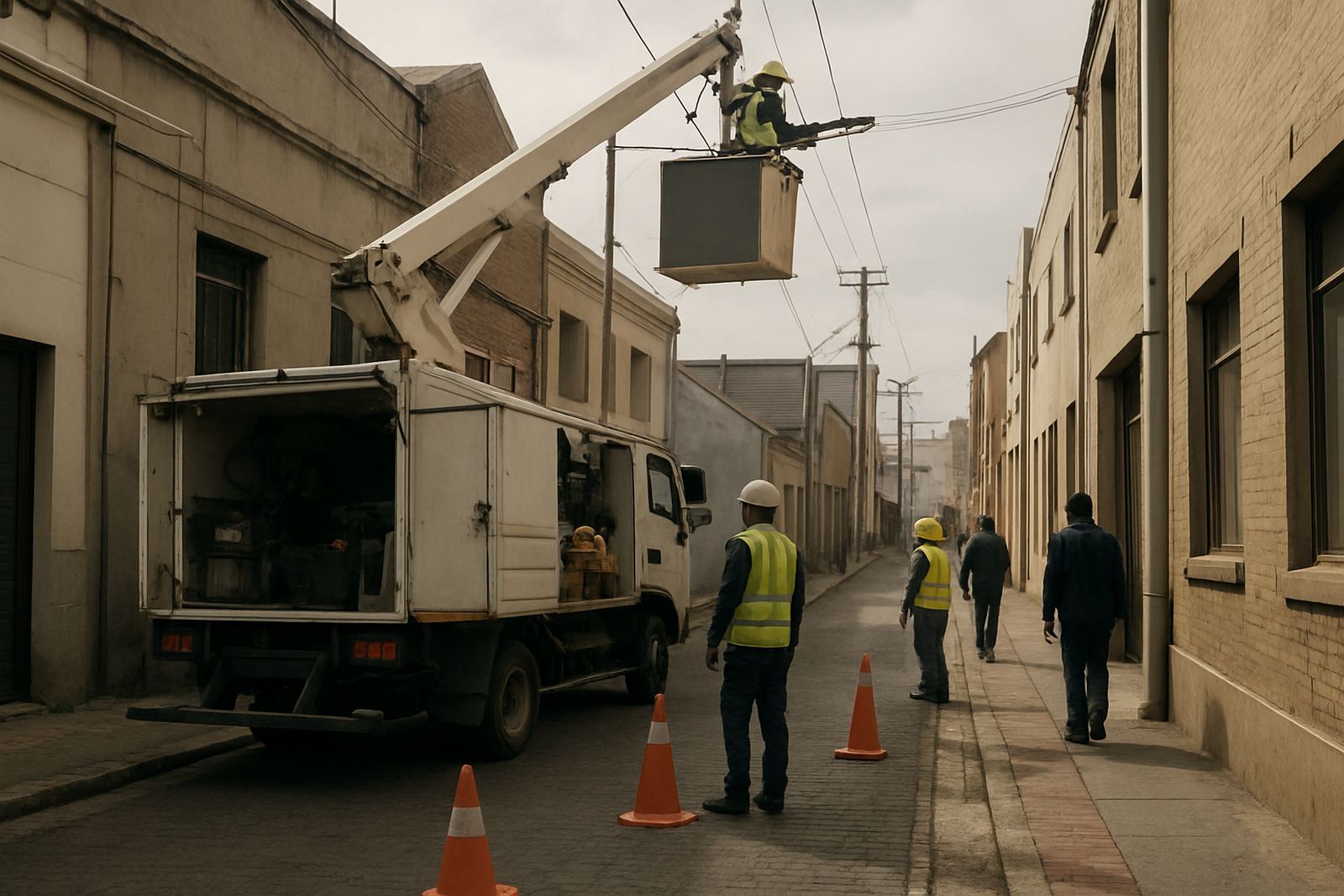
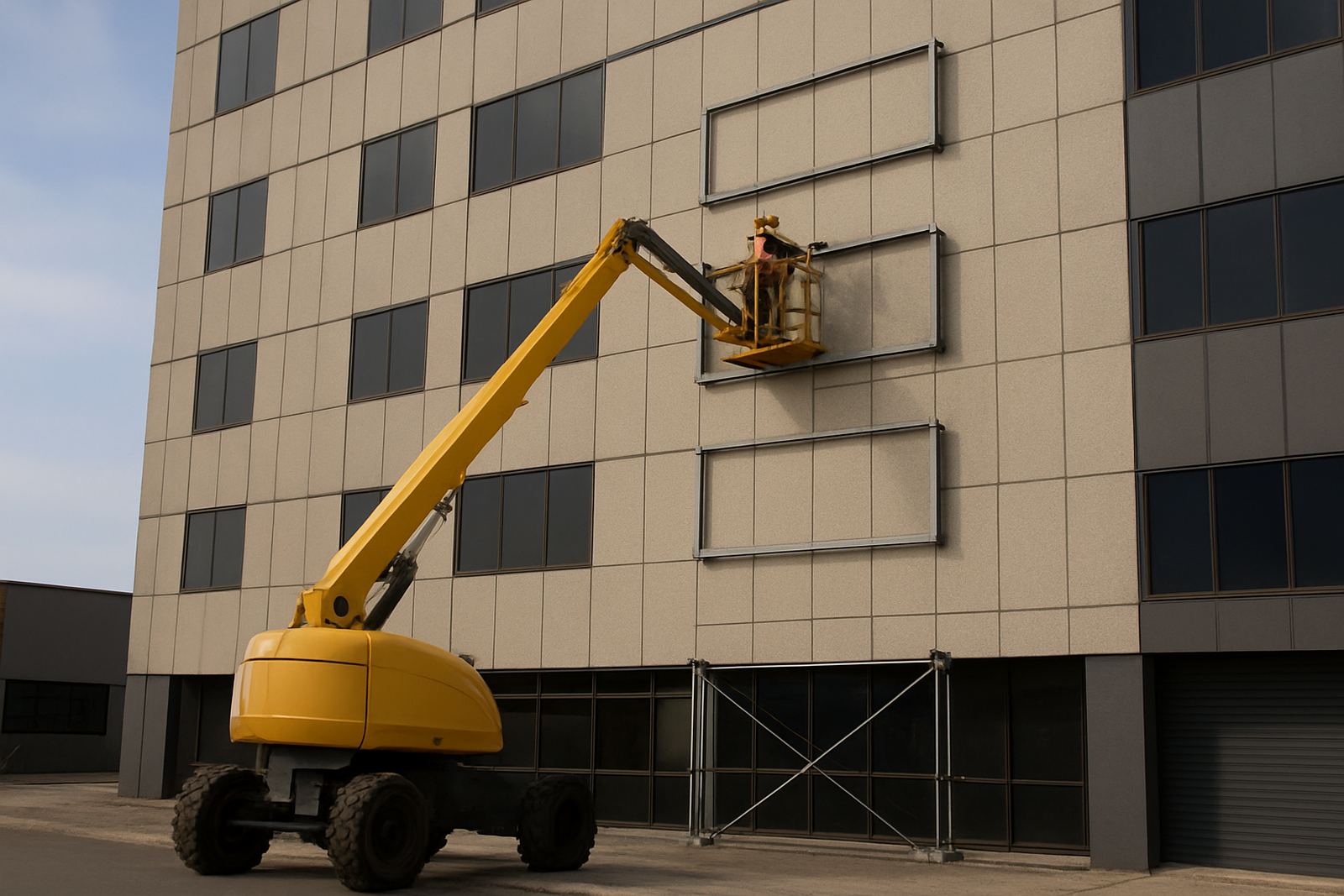
Access also changes the decision. If scaffold, platform work or lift access is needed, the fixing plan must suit the route up the building as well as the wall itself. In some cases a lift plan will show that the safest method is a staged install with temporary support while the final fixings are tightened. A rushed lift with no proper plan can damage the cladding, and it puts the crew at risk too.
- Small fascia signs may need only local support, but still need a proper anchor point
- Heavy illuminated units usually need load spread across several structural members
- Corner sites often need extra allowance for wind pressure and vibration
- Access method can change the order of installation and the hardware used
When to choose standoffs, frames or through-fixings
There is no single method that suits every clad facade. Standoffs can work well when the sign needs to sit off the wall and you have proper structural support behind the cladding. A frame may be the better choice where the wall surface is uneven or the sign is large enough to need its own load-bearing structure. Through-fixings can be right in the correct place, but only when they are sealed and detailed properly.
For sign makers, the useful question is not which method is cheapest, but which method protects the building and the sign over time. If a tenant changes branding later, or the sign has to come off for repairs, a well planned mounting system makes removal cleaner and quicker. That matters in busy centres where landlords want minimum disruption and tenants dont want patch-up marks on the facade.
A local example from the coast to the inland business district
We recently handled a sign change on a retail building with aluminium cladding near the Cape side. The old face had been fixed straight through the panels, and the sealant had already started to fail. Water had found its way behind the sheets, which had left marks around the lower joints. The new install needed a different approach, with the load taken back to the structure, sealed penetrations and a careful removal of the old hardware.
On another job in Midrand, the client wanted a sign moved to a cleaner frontage after a tenant change. The cladding was sound, but the support layout was not where the first team expected it to be. We carried out a site survey, planned the access and adjusted the bracket positions so the sign sat true without forcing the panel. That saved rework and kept the facade intact. It was the safer option, even if it took a bit longer on site.
For sign makers, that kind of detail is what keeps the client happy and the building owner calm. It also avoids the awkward phone call later when a fix starts leaking or the sign begins to move in wind.
What a proper cladding install should include
A sign on cladding should never be treated as a quick drill-and-go job. The best result comes from planning the access, confirming the structure, selecting the right hardware and sealing every point properly. That approach protects the wall, the sign and the people doing the work. It also means the sign shop can hand over a clean installation without competing with the customer they were there to serve.
If you are working on a clad facade in Paarden Eiland, Johannesburg CBD, Sandton or anywhere across the Western Cape and Gauteng, the job starts with the same basics: know the wall, know the weight and know the weather. Get those three right and the rest is much easier.
- Survey the site before install day
- Match the fixing method to the cladding and structure
- Plan safe access and lifting in advance
- Seal all penetrations and check them after installation
- Allow for future removal or servicing without damaging the facade