Why signs are removed before the next phase
Removing an old sign is often the first job on a site, even when the new sign is not going up straight away. A sign shop may need a clear opening for a replacement face, a landlord may want the frontage returned to a plain condition, or a tenant may be moving out and taking their branding with them. In some cases the old sign has failed at fixings or lighting points and needs to come down before it becomes a safety risk.
There is also the practical side. Signage mounted high on a parapet, fascia or pylon can hide water ingress, rust, cracked brackets or damaged cable runs. Once the panel is off, those faults can be inspected and repaired before they spread. On coastal buildings in Cape Town, salt air can leave steel fixings seized and corroded. In Johannesburg, heat and dust can work into housings and make access points harder to open after years in place.
What a proper sign removal job includes
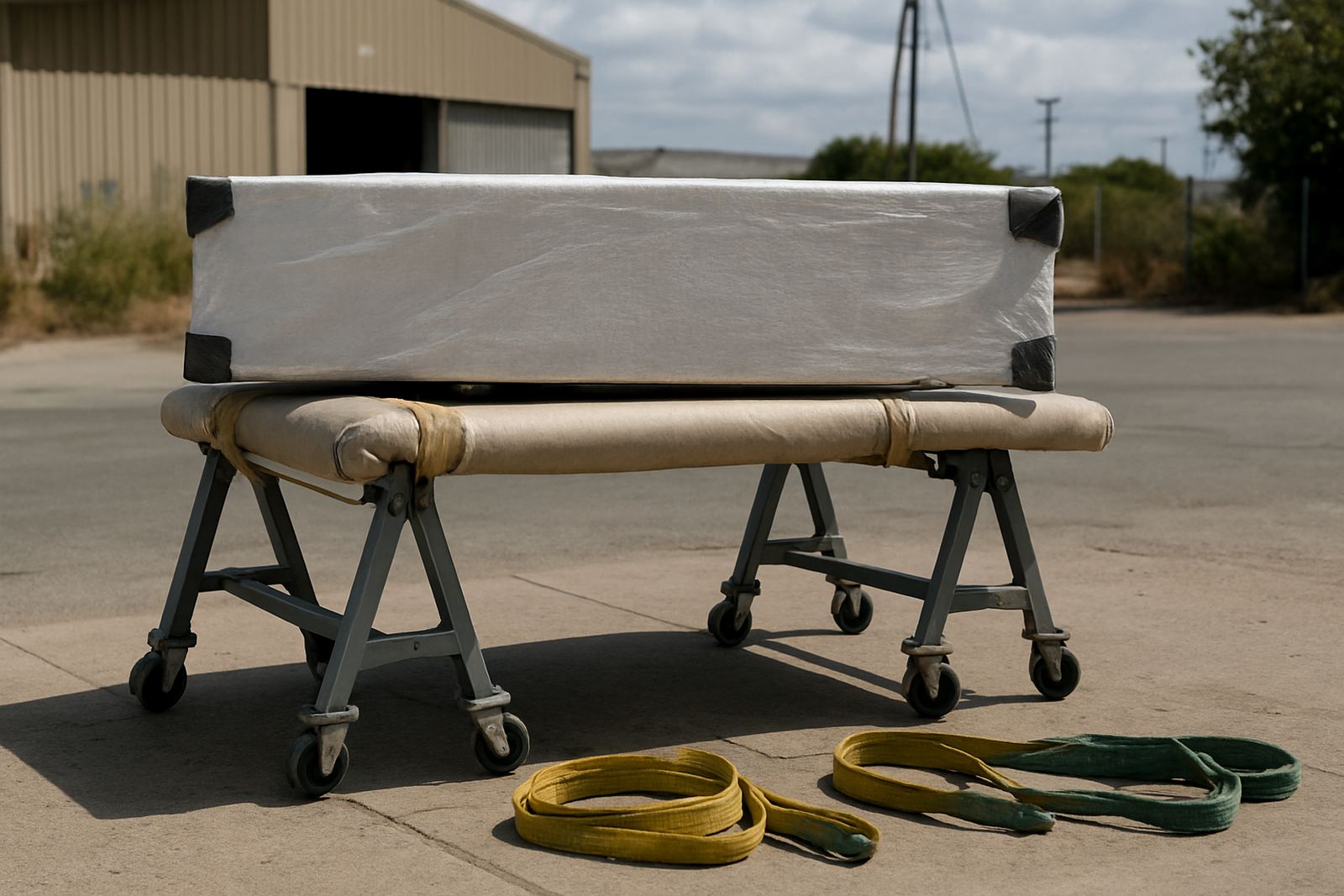
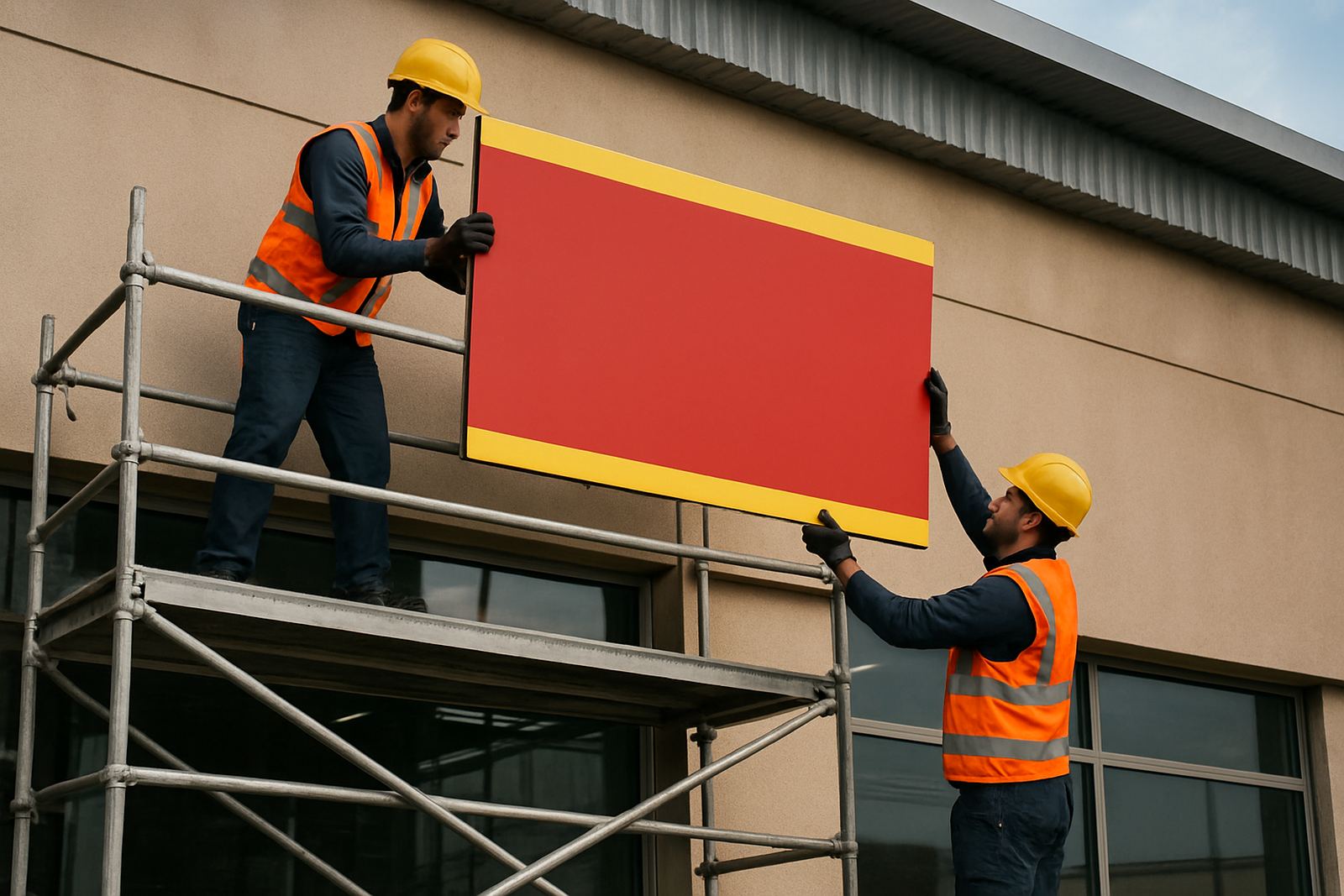
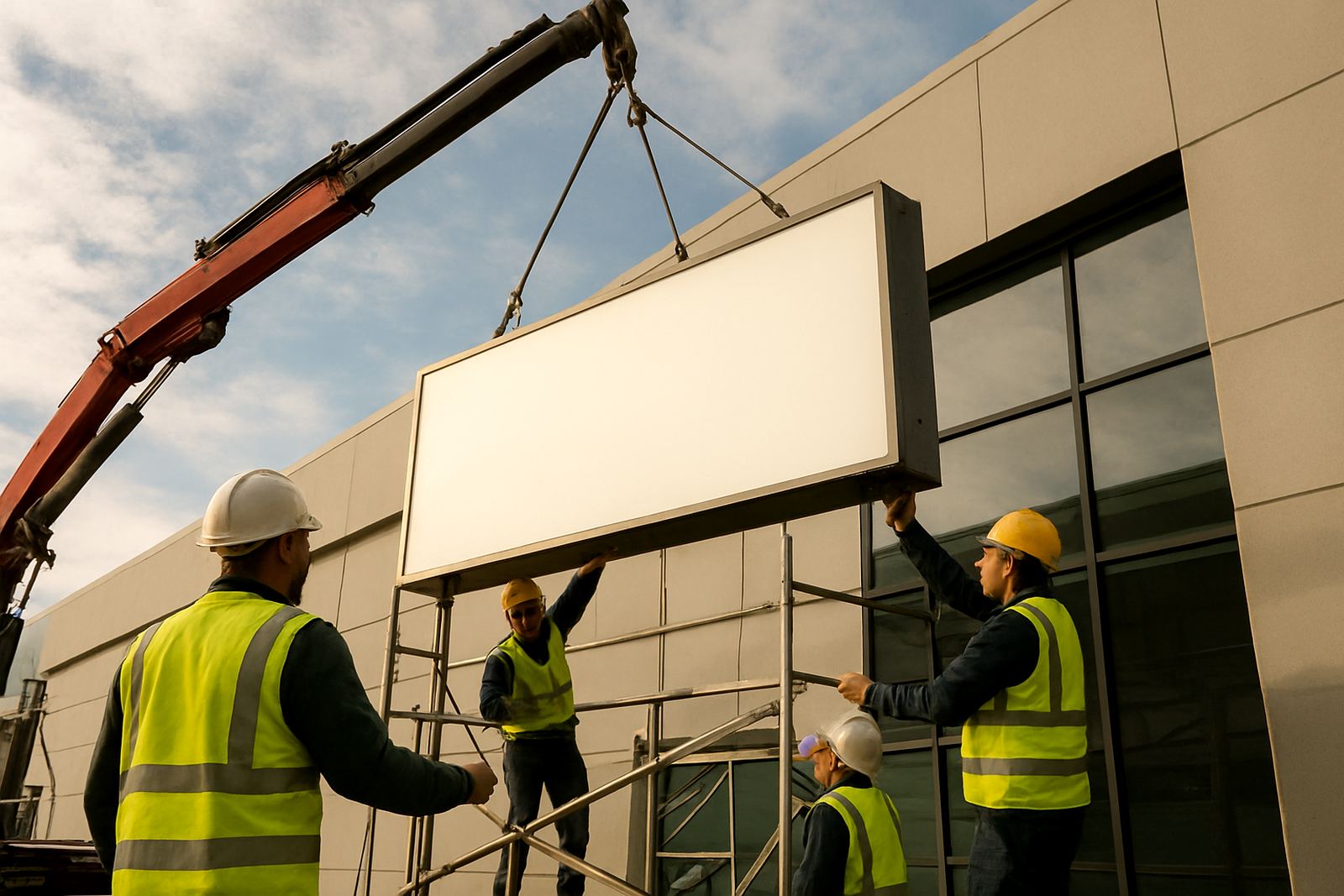
A good removal is not just about getting the sign off the wall. It starts with checking the structure, the access method and the fixings behind the panel. Our crews plan the sequence so the sign comes down in controlled sections, with the right lifting gear and a clear path for lowering materials to ground level. That matters on busy streets in Paarden Eiland, Sandton or Johannesburg CBD where pedestrians, vehicles and neighbouring tenants are all close by.
- Site survey and risk check before work starts
- Isolation of electrical supply where lighting is involved
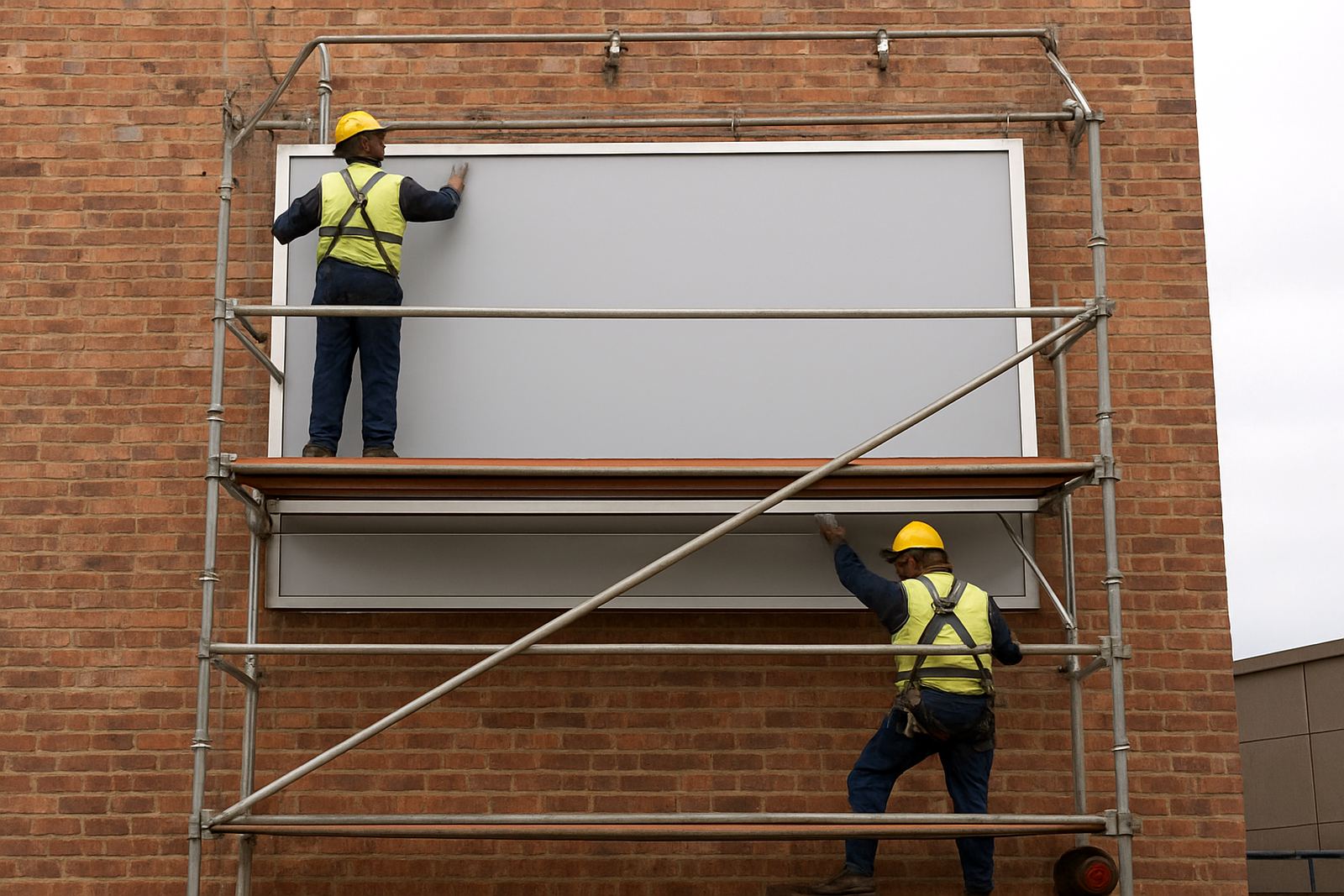
- Selection of scaffold, platform or rope access where suitable
- Removal of faces, skins, letters, frames and brackets in safe order
- Collection of loose fixings and debris from the work area
- Final check that the surface is left ready for repair, repainting or new signage
For sign makers, this means the removal stage does not create extra problems for the next contractor. It also keeps the client from having to deal with half removed fittings, exposed wires or damaged cladding.
When a landlord handover needs more than a quick take-down
End of lease jobs can be straightforward or messy, depending on how long the sign has been in place and what was agreed in the lease. Many landlords want all external branding removed before a handover inspection, including old vinyl, fascia panels, lighting units and any bracketry left behind. If the building owner has rules about reinstatement, those requirements need to be followed carefully or the tenant can face extra charges later.
We often see the same issues on handover jobs: old bolt holes that need sealing, power feeds still live at the wall, and frames that have been painted around over the years. In Somerset West, Paarl and Bellville, older shopfronts can have mixed materials and hidden timber backing, so a light touch is needed to avoid pulling out more than intended. A clean removal helps the next tenant, the landlord and the sign maker all start from the same point.
- Check what must stay and what must go before work begins
- Confirm whether holes need sealing or patching
- Plan for access to upper floors, awnings or narrow laneways
- Remove all branding without damaging the structure underneath
Safety is the part clients do not always see
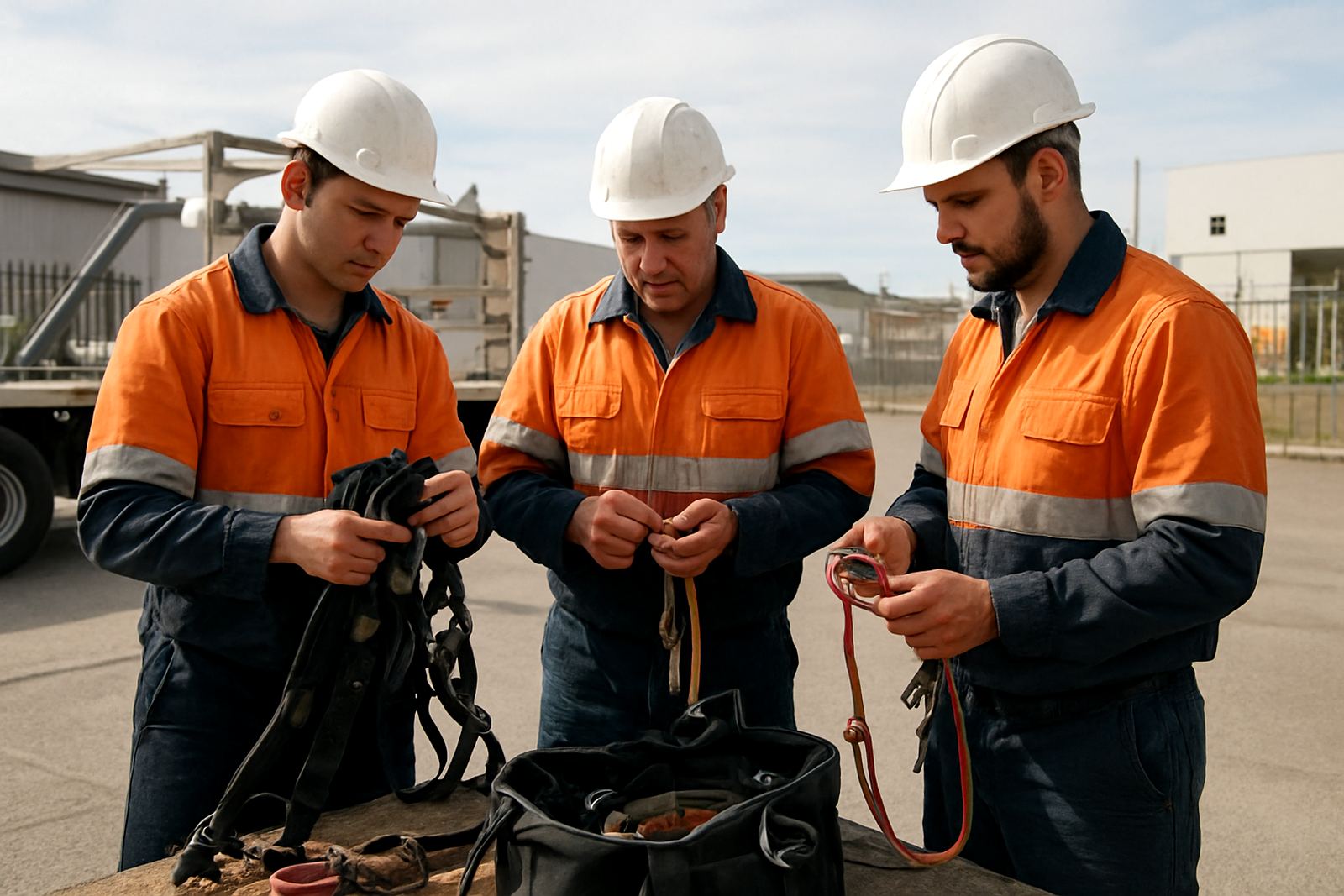
Sign removal can look simple from the street, but the risks are real. Old fixings can fail without warning, weather can change the conditions on a roof and some signs are heavier than they appear once the outer panels are lifted. Our teams are scaffold trained, first-aid trained and used to planning lifts where the public still needs to move past the site. That includes using barriers, exclusion zones and clear communication with building managers.
Where access is tight, we plan the lift before the first bolt is turned. That may mean scaffold access for a fascia sign, a platform for a higher wall sign, or a controlled shutdown of the area below. If a sign has lighting, the wiring must be isolated properly before any metalwork is disturbed. On a windy afternoon in Cape Town, or during peak traffic in Midrand, that planning is what keeps the job on track and the site safe.
Local conditions change how removal is done
The same sign can need a different approach depending on where it is installed. Near the coast, corrosion can lock brackets in place and make old bolts snap instead of turning. In the inland industrial areas of Gauteng, dust and heat can harden sealants and crack plastic covers, so care is needed to stop fragments falling onto parked vehicles or walkways. Load-shedding can also affect a job if powered lifts, lighting isolations or access controls are involved, so our crews plan for that before arriving on site.
A practical example is a retail strip in Paarden Eiland where a sign maker needs an old illuminated box removed before a new face change. The frontage sits over a narrow pavement and the building has foot traffic from several tenants. In that case, we would schedule the removal in daylight, isolate the supply, use a platform for safe reach and lower each section in stages so the neighbouring shopfronts stay open. The job is not about speed alone, it is about leaving the site clean and ready for the next phase.
What sign makers gain from using a rigging-only crew
Sign shops often have their own installers, but removal work can pull staff away from fabrication, client meetings and production deadlines. A rigging-only crew takes over the heavy and high-risk side, which means the sign maker can keep their team on the jobs they are best at. It also avoids conflict with the client relationship, because we are there to support the sign maker, not compete with them.
That approach suits removal work across Cape Town and Johannesburg, especially when a job includes more than one site or has to be completed before a landlord inspection. Our team can handle removals, lift planning, maintenance visits and emergency callouts when a sign becomes unsafe or needs to be taken down quickly. For sign makers with repeat clients in Sandton, Midrand, East Rand or the Cape Town northern suburbs, that support can save a lot of time.
- Less pressure on fabrication teams
- Safer handling of heavy or awkward structures
- Cleaner handover to the next trade on site
- Fewer delays when access or weather complicates the job