

Fast response for loose, damaged or dangerous signs
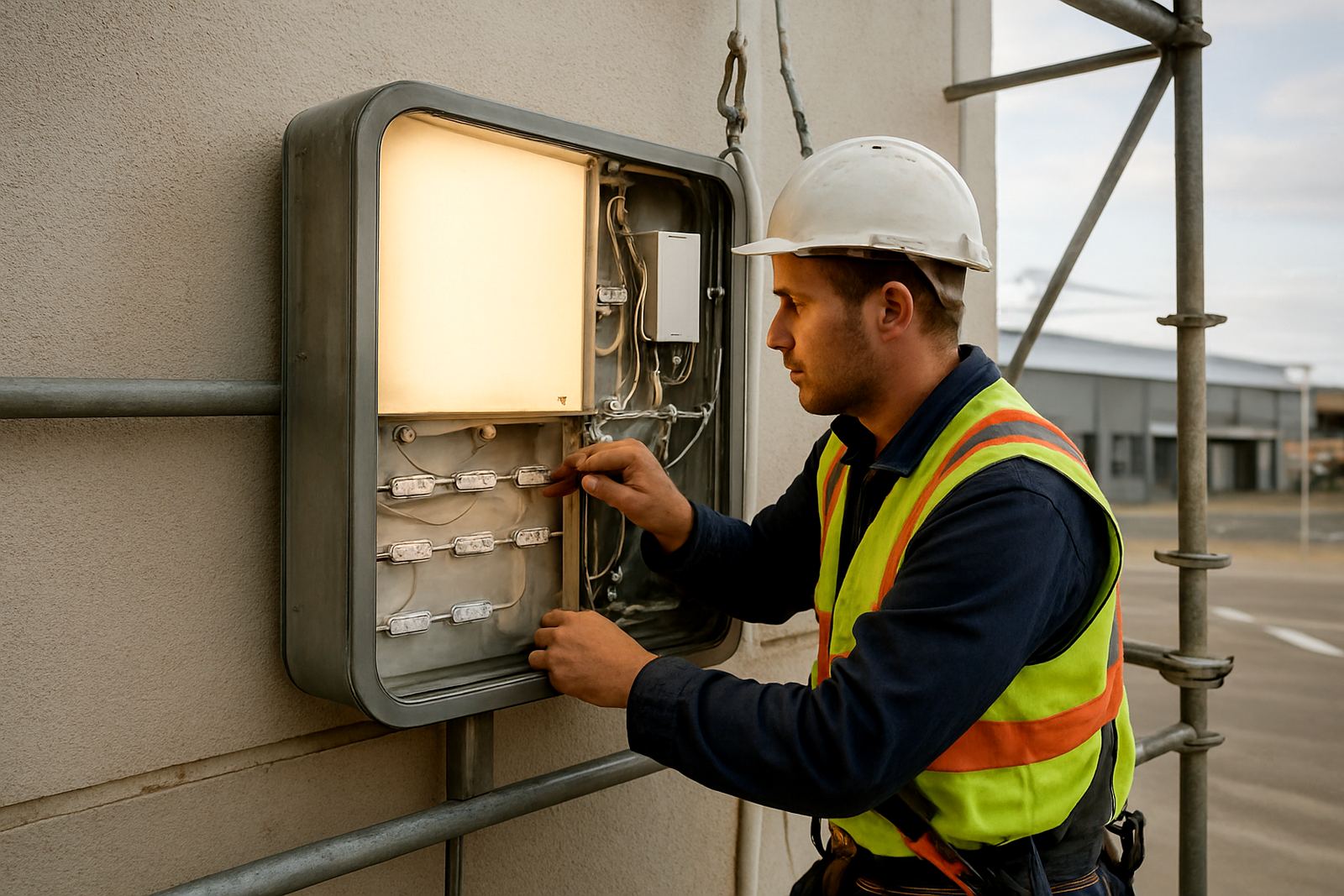
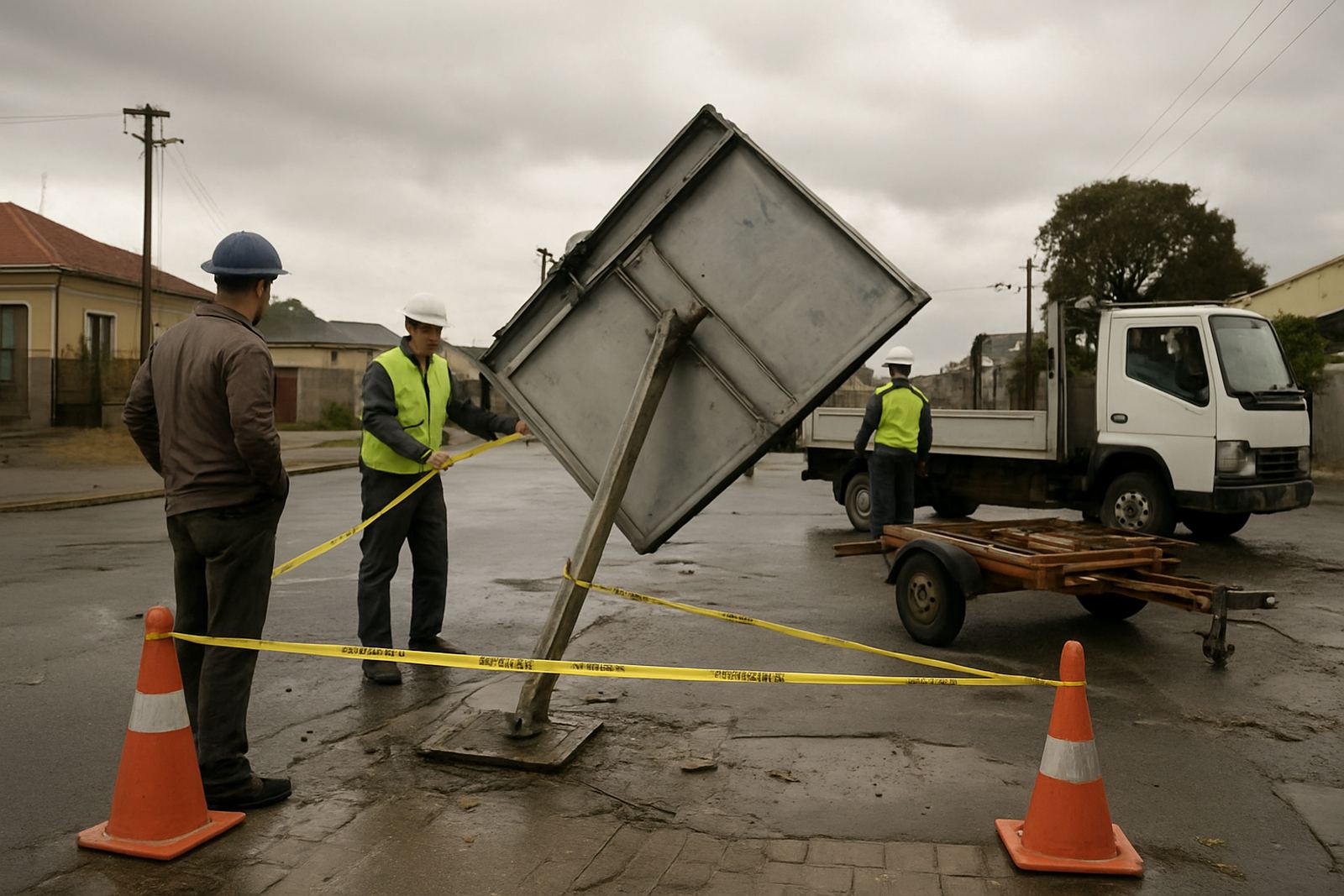
Emergency callouts are for signs that need attention now, not next week. That includes panels working loose after high winds, damaged brackets, failed fixings, broken illuminated fascias, water ingress after heavy rain, and signs that have dropped, shifted or started vibrating on their mounts. We work for sign makers who need a rigging team to attend site, assess the risk and carry out the make-safe work without stepping into the sign shop’s job. It is rigging only, and that keeps everybody clear on who does what.
Our crews operate from Paarden Eiland in Cape Town and Johannesburg, with coverage across the Western Cape and Gauteng. We regularly attend sites in Bellville, Somerset West, Paarl, Johannesburg CBD, Sandton, Midrand and the East Rand. If the sign is on a shopfront, warehouse, forecourt, office block or roadside pylon, we bring the access and safety kit needed to deal with it properly.
What our emergency crew can do on site
Every callout starts with a quick risk check and a practical plan. The aim is to remove the hazard or stabilise the sign so the site can reopen or traffic can pass safely. Depending on the structure and access, we may secure the sign, isolate power, remove loose components, take down a full face or return later for a controlled lift once the weather clears. In some cases the right answer is a temporary make-safe followed by a full removal the same day, or the next safe window.
- Make-safe of loose panels, letters and frames
- Emergency sign removal where fixings or structure have failed
- Isolation of lighting circuits before access work starts
- Temporary securing with straps, clamps or controlled bracing
- Removal of broken components hanging over pavements or parking areas
- Support for storm damage, vehicle impact and water-damaged installations
We bring scaffold trained crews, first-aid trained team members and the access equipment needed for awkward positions. Where required we can work with platform access, scaffold access or lift planning for higher installs. The point is to deal with the hazard efficiently, not to make a drama of it.
How a callout is handled from first contact to safe handover
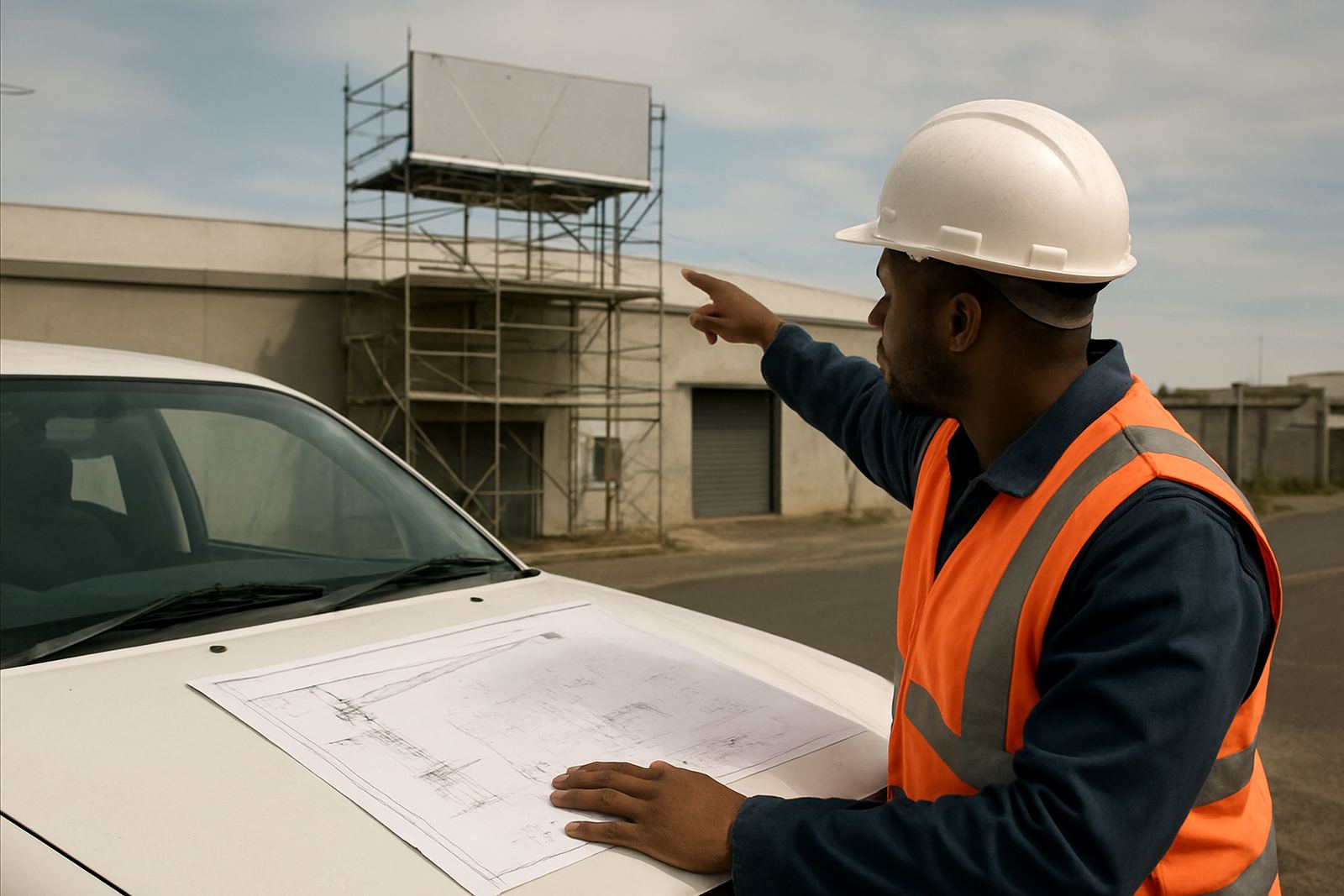
Urgent work needs clear steps. We ask for the sign location, a brief description of the damage, photos if available and any access restrictions such as trading hours, security gates, boom height limits or municipal permits. If the sign is over a public walkway or near live traffic, that affects the method and timing. Once the crew is assigned, we confirm the site plan, arrive with the required tools and manage the job in a sequence that keeps the area controlled.
- Initial triage from the enquiry form and supplied photos
- Risk check, access review and method selection
- Arrival of the crew with ladders, harnesses, tools and vehicle access kit
- Make-safe, removal or securing of the affected sign
- Clear handover notes for the sign maker or property contact
We also keep an eye on local conditions. In Cape Town, wind can change a job quickly, especially along exposed routes and coastal areas. In Johannesburg, afternoon storms and lightning often force a tighter window. The crew will not push on if the conditions are wrong, because a rushed lift on a wet steel frame can turn one problem into two.
Turnaround times, after-hours work and weather holds
Emergency callouts are planned around urgency and safety. Some jobs can be attended the same day if the site is reachable and the risk is manageable. Others need a short wait for weather to ease, a platform to be delivered or a road closure to be cleared. After-hours attendance can be arranged where a sign poses a risk to staff, shoppers, vehicles or pedestrians, especially at busy centres or forecourts that cannot stop trading during the day.
We are honest about turnaround. If a callout is needed in the next hour, we will say what can and cannot be done with the crew currently available. If the job needs a lift truck, scaffold or a second team for larger panels, we will schedule the safest option rather than promise the impossible. A fast response is useful, but a controlled response is better.
Pricing approach for urgent sign work
Emergency callout pricing depends on the site, the time of day, the level of risk and the equipment needed. A small make-safe on a low wall sign is not priced like a lifted removal from a multi-storey facade. We quote on the actual access method, crew size, travel, materials used and whether the job needs after-hours attendance, traffic control or a return visit.
For sign makers, that keeps the cost tied to the work at hand. There are no odd add-ons for the sake of it, but if a site needs extra precautions then those costs are real and must be allowed for. Where possible we also help clients choose the shortest safe route, which can reduce time on site and keep the Rand figure under control.
Planned maintenance that reduces emergency visits
Most urgent callouts happen because a fitting was left too long, a seal gave way or a sign was not checked after a wind event. We can help reduce those late-night jobs with maintenance visits and inspection intervals that suit the site. Busy retail strips, coastal sites and high exposure corners need more frequent checks than sheltered inland premises. As a rule, illuminated signs and larger fascia systems benefit from scheduled inspections every 3 to 6 months, with an extra visit after major storms or any vehicle strike.
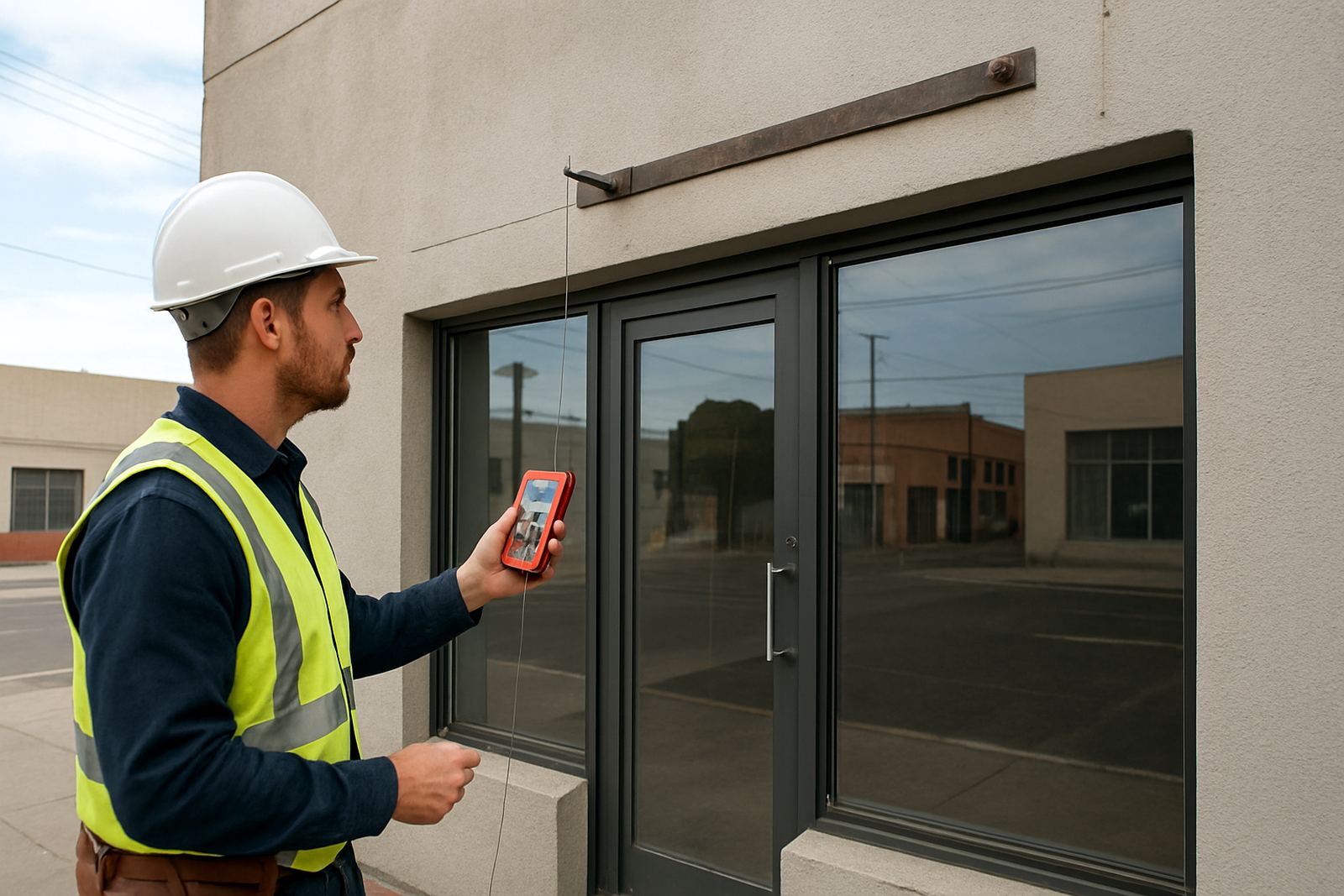
Our maintenance work can include tightening fixings, checking anchors, inspecting access points, confirming cable condition and looking for corrosion around exposed steel. On the coast, salt air shortens the life of fasteners and fixings, so a sign that looks fine from the ground can already have trouble underneath. Catching that early saves money and avoids a midnight callout when the wind picks up.
- Quarterly checks for exposed coastal or high wind sites
- Six-monthly checks for sheltered retail and office installations
- Immediate inspection after storms, impact damage or water ingress
- Review of brackets, anchors, power points and face retention
Why sign makers use a rigging crew instead of sending their own installers
Emergency work is not the place for guesswork. Sign makers often know the artwork, the lighting and the client, but they do not always want their own install team exposed to unstable structures, awkward access or slippery surfaces after rain. That is where our crews fit in. We focus on the rigging side: access, lift planning, removal, servicing and make-safe work. Your team can keep its focus on fabrication and client service while we take the physical risk on site.
Gareth van der Merwe leads the company, with Thandi Mokoena coordinating operations, Liam Jacobs supervising rigging crews, Sibusiso Dlamini on safety, Ayesha Daniels handling client liaison and Pieter Coetzee overseeing fleet and access equipment. The team approach matters when a sign has failed after hours and the site needs a steady, practical response from people who know exactly what they are there to do. No fuss, just safe sign rigging and a proper handover.
Key facts
| Response area | Paarden Eiland, Bellville, Somerset West, Paarl, Johannesburg CBD, Sandton, Midrand and the East Rand |
|---|---|
| Callout types | Loose signs, storm damage, failed fixings, broken faces, lighting hazards and impact damage |
| Access methods | Ladders, scaffold access, platform work, lift planning and controlled removal |
| Crew training | Safety trained, first-aid trained and scaffold trained personnel |
| Typical sign sizes | Small shopfront panels to large fascia and pylon components, subject to access and site risk |
| Maintenance interval | 3 to 6 months for exposed sites, plus storm or impact follow-up checks |