What our site surveys cover
A site survey is the first step when a sign needs to be installed, removed or serviced safely. We look at the actual conditions on site, not just drawings, so the crew knows what equipment is needed and what risks may slow the job down.
For sign makers and fitment teams, this saves time on the day and avoids the common problems that come with a rushed start, like unsuitable fixing points, blocked access or the wrong access platform. We survey commercial buildings, retail parks, factories, office blocks and roadside sites across Cape Town, Johannesburg and surrounding areas.
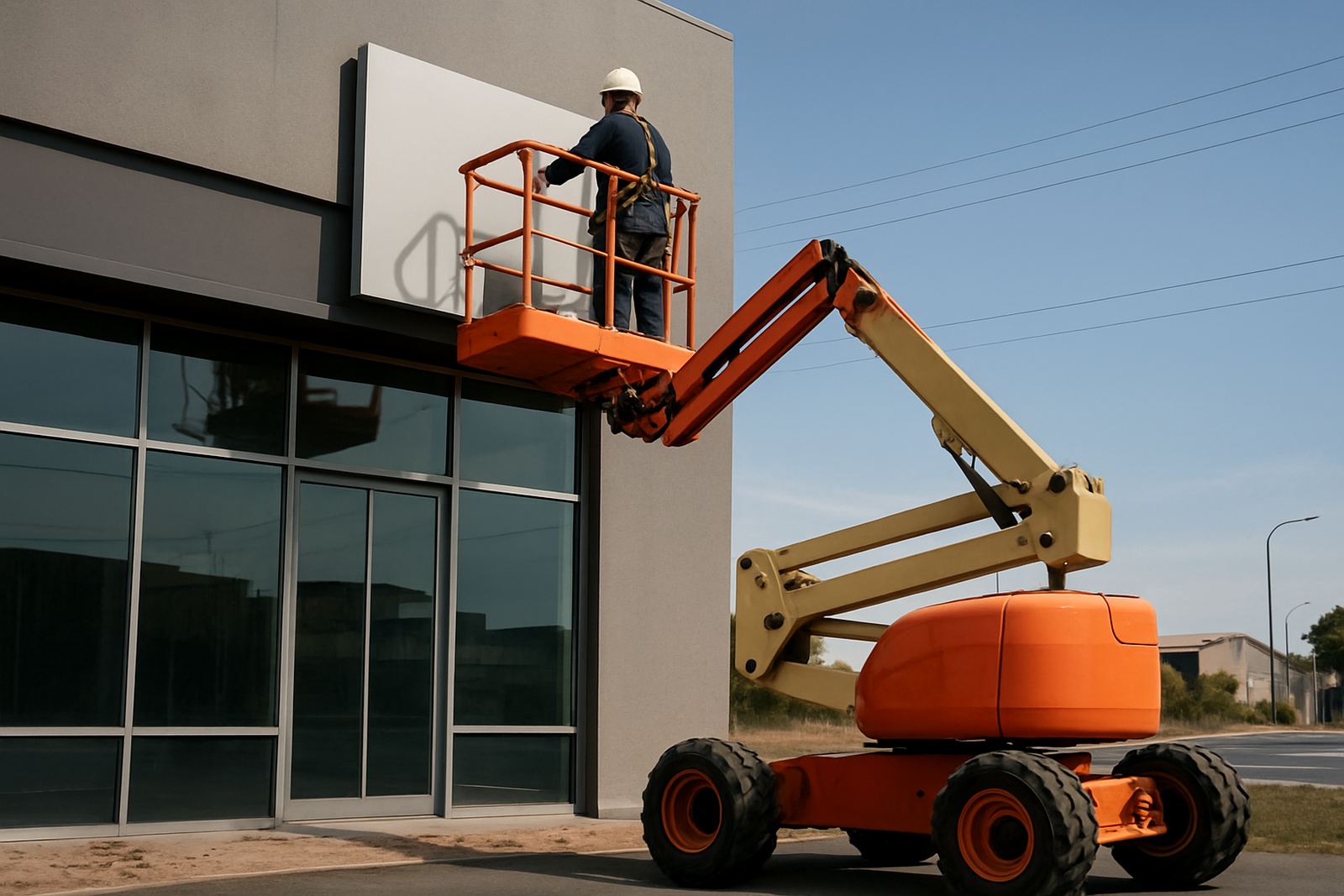
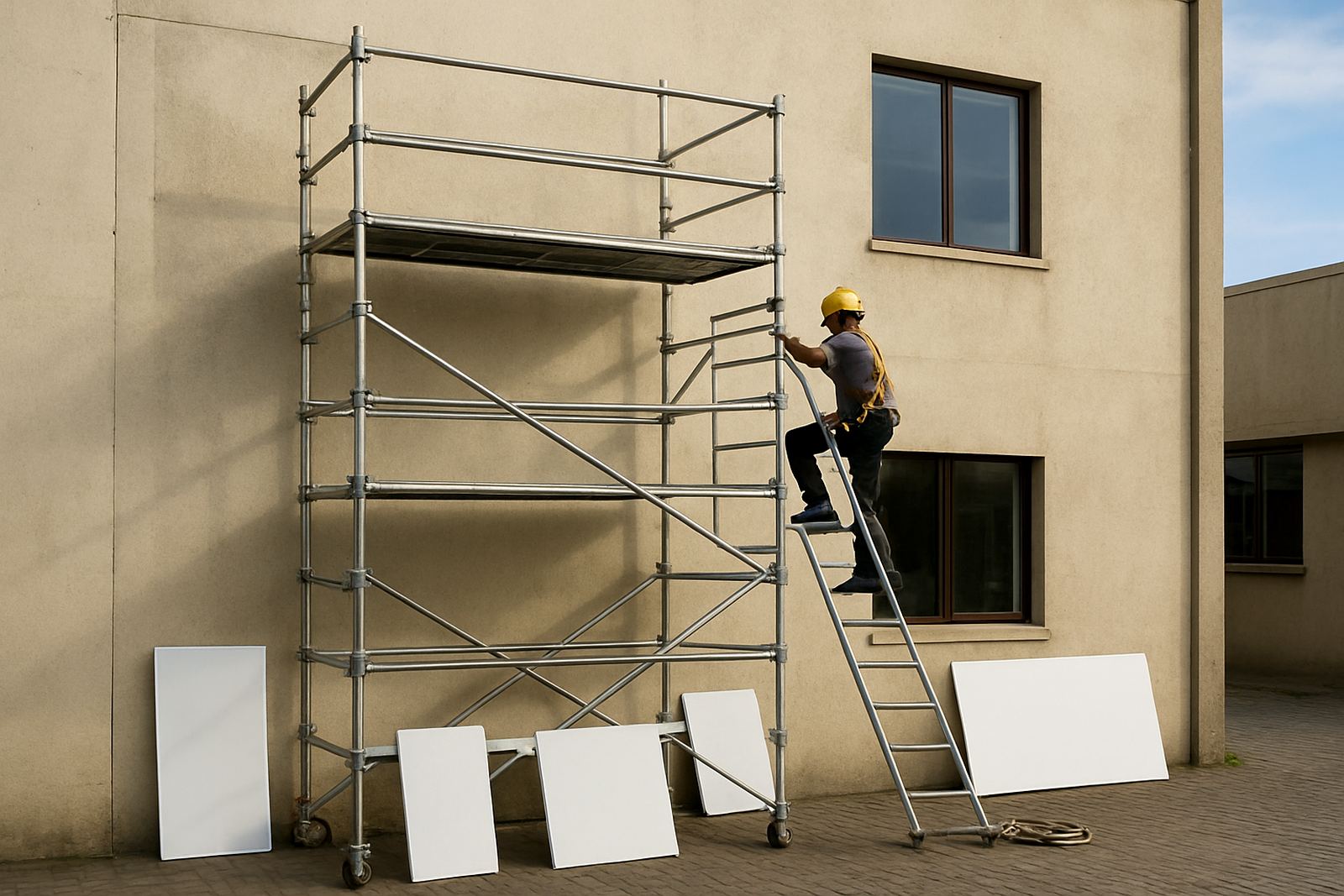
- Access routes for vehicles, ladders, scaffold and platform units
- Height, reach and working position for the sign face or structure
- Wall material, roof condition and fixing points
- Nearby power lines, glass, traffic or pedestrian routes
- Space for lifting gear, cones, barriers and safe offloading
How the survey is done on site
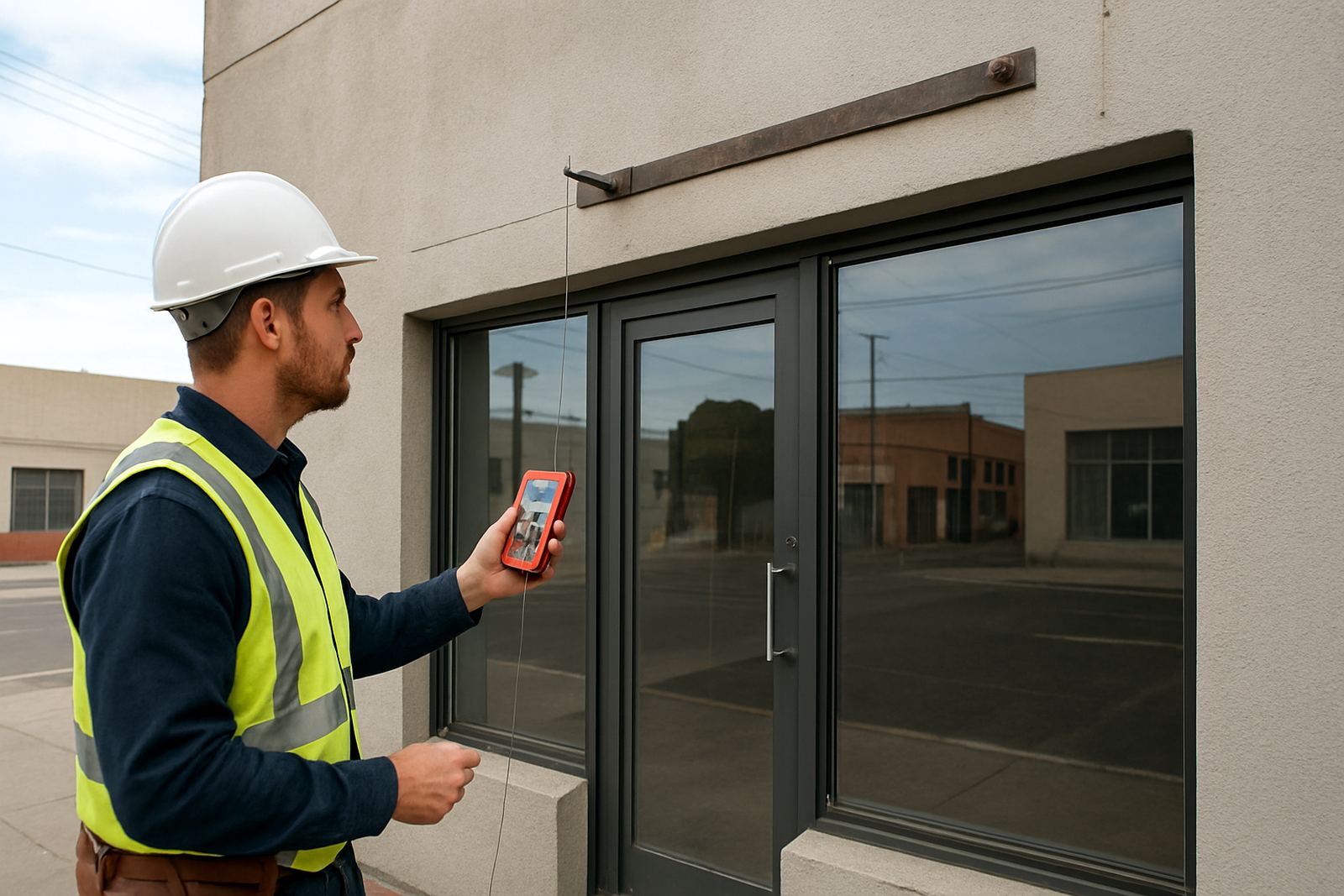
We start with the location, the type of sign and the work required. Then we measure the height, check the mounting surface and note any obstructions. If the job is on a busy street or in a centre with security controls, we make sure the right access arrangements are in place before the crew arrives.
The survey is practical and detailed. We are looking for the details that matter to rigging crews, including load paths, where equipment can be set up and whether the job can be done from a platform, scaffold or with lifting equipment. If the site has limited parking, narrow lanes or overhead clearance issues, we note that too.
- Photographs of the mounting area and access route
- Measurements for height, width and stand-off clearance
- Notes on substrate condition and likely fixing method
- Check of working hours, delivery access and site rules
- Identification of any permits or municipal approvals needed
In many cases, the survey also helps the sign maker answer client questions early, especially where a landlord or centre manager needs proof of safe access before approving the work.
Fixings, access and lifting needs we check
Good sign work depends on the fixing surface as much as the sign itself. We check whether the wall is brick, concrete, cladding, steel or another material, and we look for corrosion, cracking, loose cladding or previous patch repairs. Coastal jobs in Paarden Eiland, Somerset West or other Western Cape areas may also need extra attention where salt air has started to affect fixings and brackets.
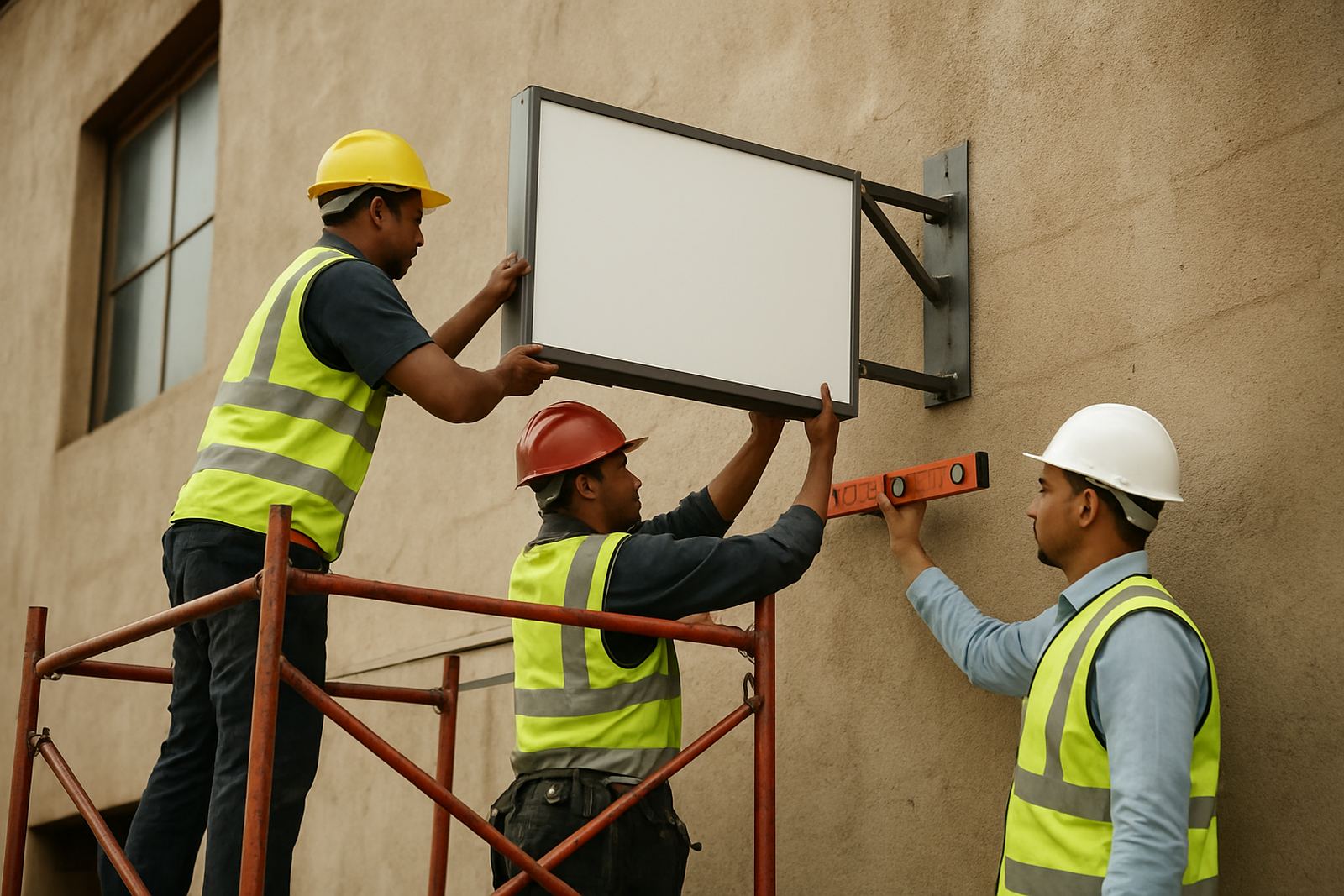
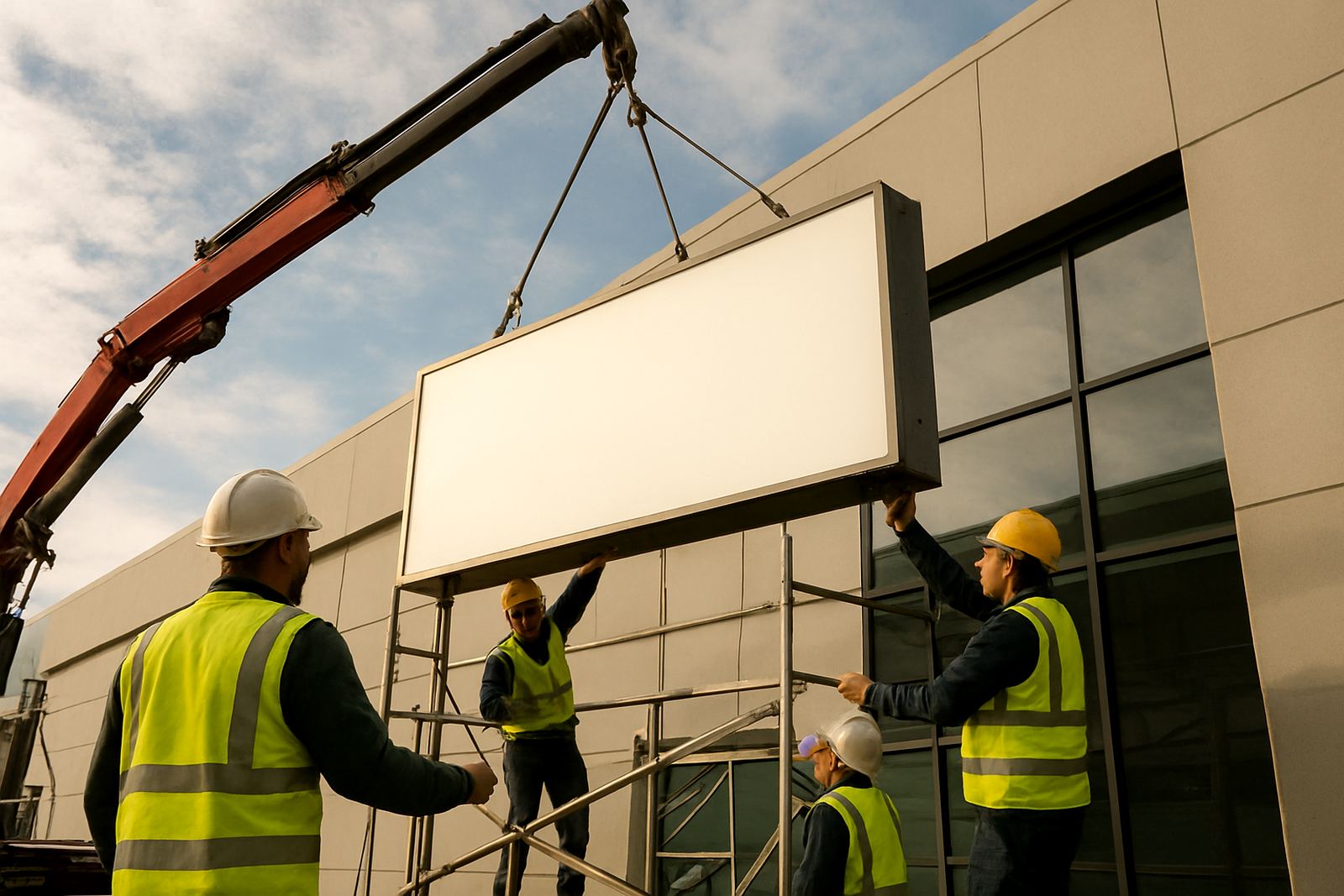
We also assess the lifting side of the job. That includes weight estimates for panels and frames, where lifting points can be used, and whether the area allows a safe drop zone. For heavier work, or jobs above shopfront level, we look at whether scaffold access or a platform is the better option. If the site is in the Johannesburg CBD or Sandton with limited street space, this can make a big difference to timing and access planning.
- Fixing condition and corrosion checks
- Weight and handling estimates for sign components
- Access route width and turning space for equipment
- Safe exclusion area and pedestrian control needs
- Lighting access requirements for illuminated signs
Survey process, reporting and turnaround
Most surveys are arranged once the project details are confirmed by the sign maker or their project team. We aim to turn around standard site surveys quickly, especially for time-sensitive installs, removals or replacement work. When the site is straightforward, a visit can often be arranged within a few working days. More complex jobs, or sites that need access approval from a landlord or body corporate, may take a bit longer.
After the visit, we provide practical findings that can be used to plan the job. That includes access notes, the likely equipment required and any issues that should be allowed for in the quote or programme. If the job needs a second visit for more detailed lift planning or a follow-up check, we will say so clearly. No one wants surprises on the day, especially when the site is active and time is tight.
Our team keeps the process direct and workable, with one point of contact for the sign shop. That helps reduce back and forth and keeps everyone aligned on what is needed before crews mobilise.
How we price site surveys
Survey pricing depends on the site location, access difficulty, travel time and the level of detail required. A simple ground-level check in Bellville will not carry the same cost as a high-access survey in Midrand or a city-centre building with security controls, loading restrictions and permit requirements.
We price surveys by scope rather than guessing from a photo. If the job needs lift planning, scaffold checks, roof access or a return visit after landlord approval, we allow for that in the quote. Where a survey is linked to a larger install or maintenance programme, it may be combined into the overall project cost.
- Local site visits for standard access checks
- Higher rates for complex access, height or travel
- Extra allowance for after-hours or restricted sites
- Quoted separately where specialist lift planning is needed
- Clear scope before any survey work begins
We keep pricing practical, so the sign maker can build an accurate quote for their own client without hidden extras later.
Planned maintenance intervals after the survey
Once a site has been surveyed, we can also recommend maintenance intervals based on exposure, height and usage. Signs near the coast, exposed to wind and salt air, may need a check more often than signs in sheltered inland areas. Busy retail sites may also need more regular inspections because of vibration, weather and physical wear.
A sensible maintenance schedule helps prevent loose fixings, flickering lights, water ingress and panel movement. For many commercial signs, a 6 to 12 month inspection cycle works well, but high-traffic or exposed sites may need shorter intervals. We can also schedule maintenance visits ahead of winter, festive trading or any planned branding change.
- 6 month checks for exposed or high-use sites
- 12 month checks for sheltered low-risk locations
- Additional visits after storms, impact damage or complaints
- Review of fixings, brackets, cable entry points and lighting access
- Update notes for future removals, relocations or face changes
That way the sign stays serviceable and the next job is easier to plan, not harder.
Why sign makers use our survey crews
We work for sign makers, not against them. Our role is rigging, access and site assessment, so the shop that won the client keeps control of the project relationship and the finished sign. That is important when the job involves a landlord, centre management, municipal conditions or a complex install with more than one trade on site.
Sign makers use us because we understand the practical side of installation and servicing across the Western Cape and Gauteng. We know the difference between a quick retail swap and a job that needs scaffold, traffic awareness and careful lift planning. If the site is awkward, we will say so early, and if the job is straightforward, we will keep it moving.
From Paarden Eiland to Sandton, our site surveys give a clear picture before work starts so the crew arrives prepared and the sign goes up with fewer delays, less risk and no guesswork.
Key facts
| Survey coverage | Cape Town, Johannesburg and surrounding commercial areas |
|---|---|
| Typical access checks | Ground level, scaffold, platform work and roof edge access |
| Materials assessed | Brick, concrete, cladding, steel and mixed substrates |
| Weather considerations | Wind exposure, coastal corrosion, rain ingress and heat |
| Report output | Measurements, access notes, lifting needs and site constraints |
| Planning use | Installations, removals, servicing, relocations and face changes |