

Sign installation for supplied units, done to site method
Our sign installation service is for sign makers who need a reliable rigging team on site. We receive the signed off brief, review the access requirements and install the supplied sign to the agreed position, height and fixing method. That includes wall signs, fascia signs, pylons, light boxes, fabricated letters and other external signage where safe access is needed. We do not compete with the sign shop, and we do not take over the client relationship.
Every job starts with the basics: what is being installed, where it goes, how it will be reached, and what the building allows. On commercial sites in Paarden Eiland, Bellville, Somerset West, Paarl, Johannesburg CBD, Sandton, Midrand and the East Rand, we often work around live trading, parking limits, loading bays and municipal by-laws. Coastal humidity in Cape Town can affect fixings and sealants, while inland sites may need extra dust control and early start times. We plan for all that before the crew leaves the yard.
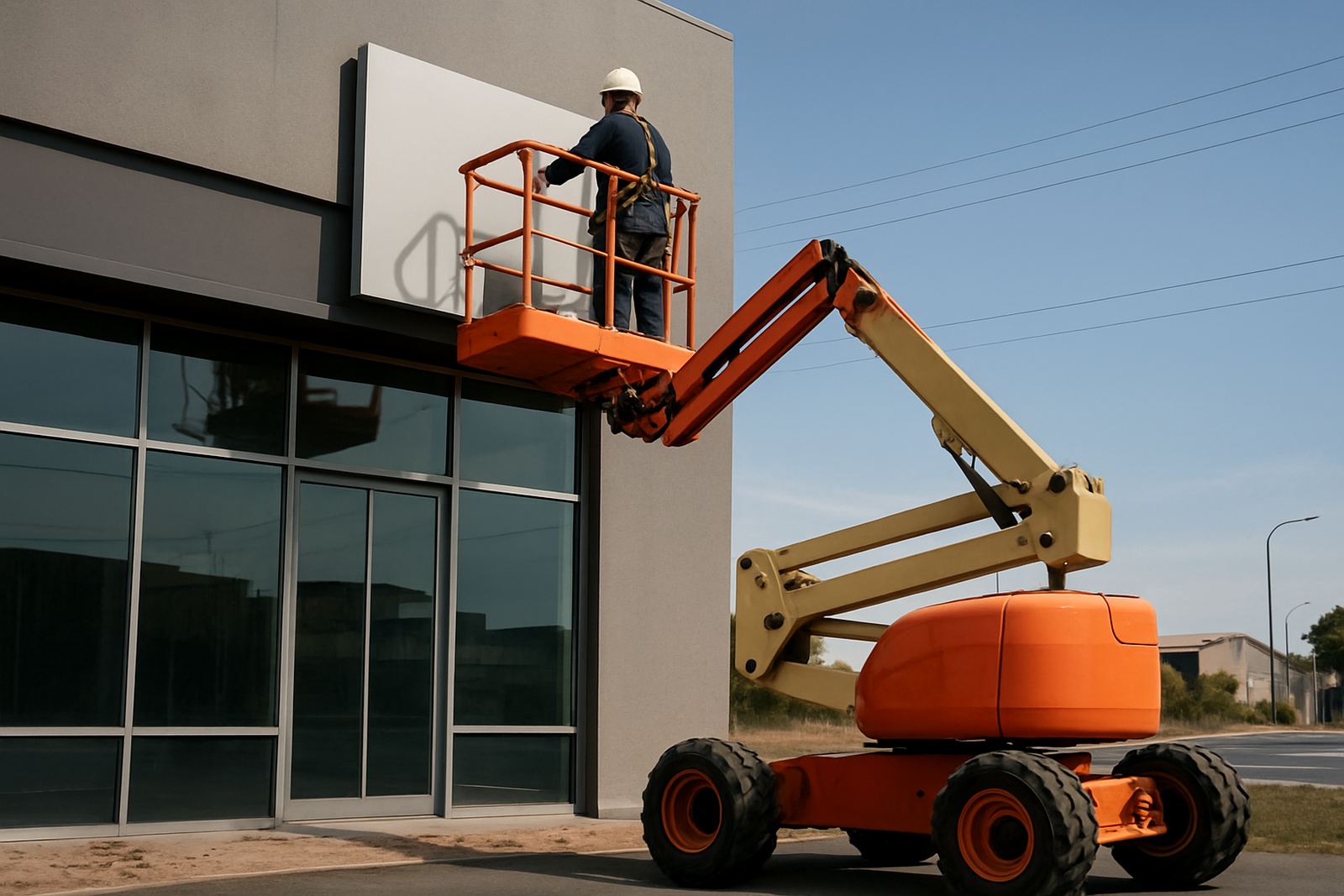
Typical installation sizes range from small fascia panels to multi part sign systems with brackets, support frames and electrical access. If the sign needs a manlift, scaffold, harness work or a coordinated road side setup, we bring the right access method and keep the work area controlled. Our aim is a clean handover with the sign fixed true, level and ready for the sign maker’s final checks.
What is included in a standard installation
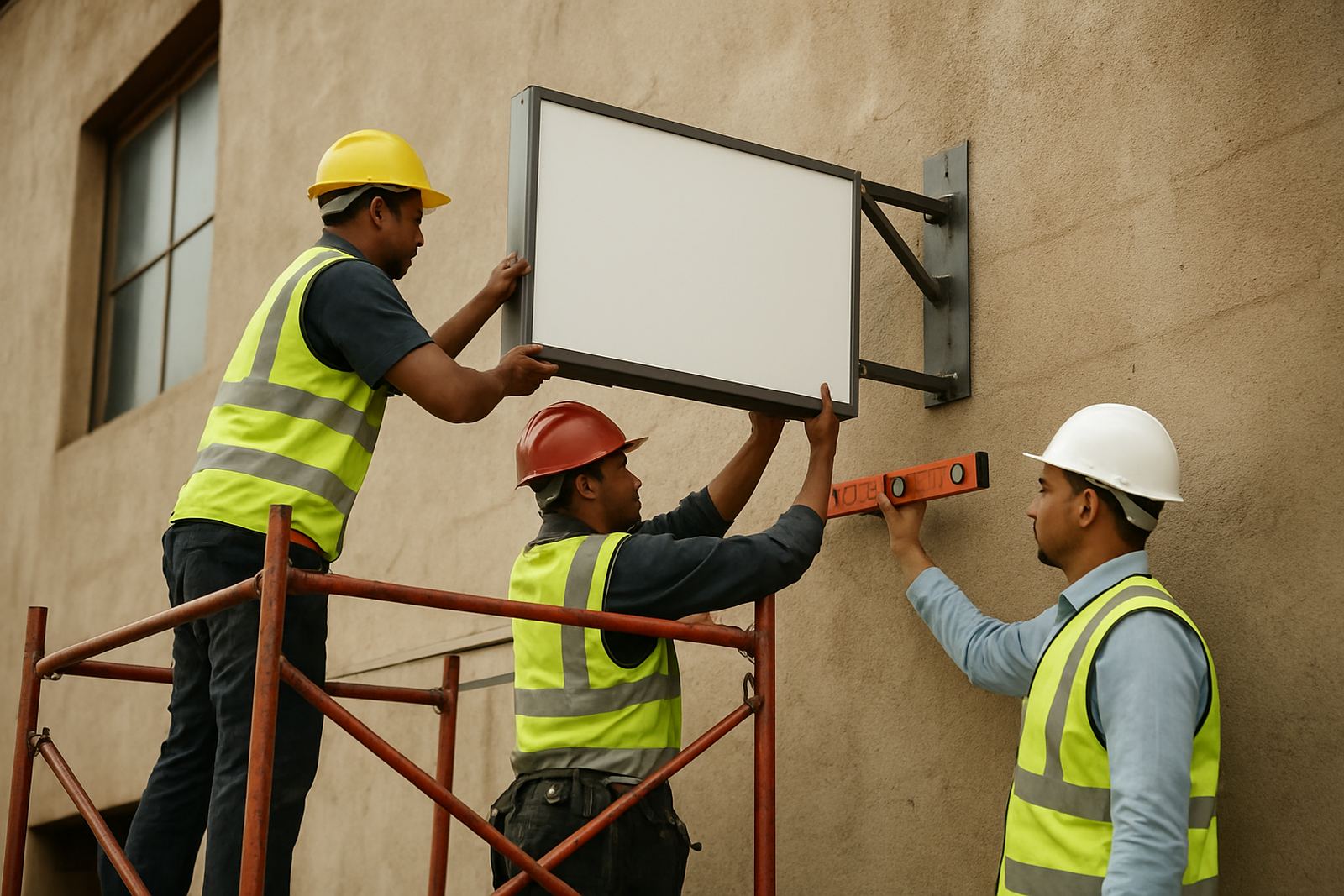
A standard installation includes the labour, rigging supervision and access planning needed to place the sign safely. Where the method allows, we also assist with on site positioning, lifting, fastening, sealing and final alignment. If the sign needs to be removed from packaging or offloaded at street level first, we can handle that as part of the job. We work with supplied hardware where specified, and we can fit generic fixings and mounting items if the scope calls for it.
- Site arrival and access check before any lifting starts
- Review of drawings, sign dimensions and mounting points
- Controlled lifting, placement and alignment
- Basic sealing and making good around fixings where included in scope
- Use of scaffold, platform or lift access when required
- Final safety check and handover to the sign maker or site contact
Some sites need extra care, especially where there are glass fronts, tiled finishes, overhead services, or busy pedestrian walkways. In those cases we isolate the work area, set cones or barriers and use spotters. If the installation is at height, our first aid trained and safety briefed crew work from an approved access plan, not guesswork.
How we run the job from survey to handover
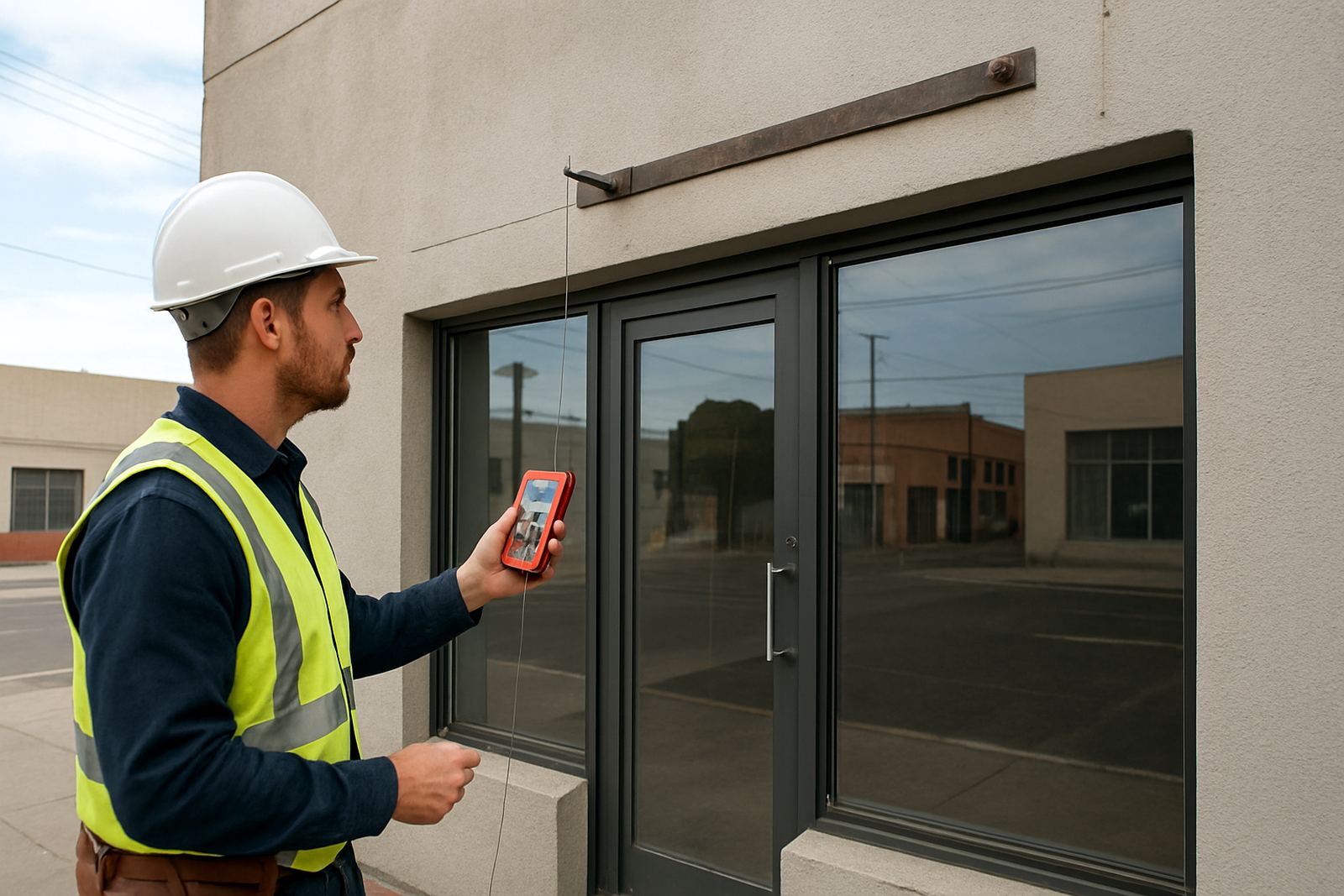
The process is straightforward. First we confirm the sign type, location and access limitations from the enquiry. If needed, we arrange a site survey to measure clearances, check fixing points and look at the safest way to reach the position. For larger signs or awkward rooflines, we prepare a lift plan so the work can be done without stopping halfway or moving equipment twice. That saves time and avoids damage.
On installation day the crew arrives with the agreed access gear, tools and safety equipment. We confirm the work area, check for overhead hazards, and then move the sign into position. Where the fixings are exposed to weather, we make sure the fasteners, washers and seal points are suitable for the environment. On coastal sites, that matters even more because salt air can work its way into poor hardware quickly. We keep the install neat, with cables, covers and visible fixings treated as part of the finish, not an afterthought.
Once the sign is up we complete a final inspection with the client or site contact. If the sign maker wants photos for their file, we supply them. If a small adjustment is needed, we sort it then and there where practical. If the site needs a second visit for after hours access or a lift booked with the landlord, we plan that too. No drama, just proper sequencing.
Turnaround times and access planning
Turnaround depends on the size of the sign, the access method and the site rules. Simple ground floor installs can often be done within a short lead time once the sign is ready and the site is approved. Higher risk work, crane access, road frontage installations or landlord controlled buildings usually need more time for permissions, lift booking and method statements. We prefer to schedule properly rather than promise a rushed slot that turns into delays.
For sign makers, the best results come from early coordination. If we know the sign dimensions, weight, mounting style and delivery date, we can line up the right crew and equipment. If the site is near a busy road, in a shopping centre, or above an entrance, we may need early morning or after hours work to stay within site rules. That is common in Johannesburg CBD and Sandton, and we see the same thing in Cape Town’s retail and industrial areas too.
- Small, low level installs: often within 1 to 3 working days if access is open
- Medium installs with a lift or scaffold: usually allow 3 to 7 working days
- Large or regulated sites: allow extra time for permits, planning and access bookings
If weather is poor, especially strong wind on exposed façades, we may pause or reschedule rather than force a risky lift. That keeps the sign, the building and the crew safe.
Pricing that matches the access, not guesswork
We price sign installation on the work involved, not on a one size fits all rate. A small wall sign at ground level is very different from a sign on a parapet, a billboard face change, or a fascia that needs scaffold and traffic control. The quote is based on the site access, the height, the fixing method, the number of crew members needed and any special planning or after hours timing. Where a site survey is required before quoting, we say so up front.
That approach helps sign makers manage their own margins. You can quote your client with confidence because our scope is clear and consistent. We do not pad a job with random extras. If a site needs a lift, platform hire, scaffold assembly or an additional safety watch, it is reflected in the quote. If the installation is straightforward, the price stays lean. It’s a fair way to work, and it keeps repeat clients coming back.
For regular installers and sign shops with ongoing work across the Western Cape and Gauteng, we can also quote by visit or by project phase, especially where multiple signs are going up on the same site. That helps with rollouts, branch refreshes and phased refurbishments.
Ongoing maintenance after the sign goes up
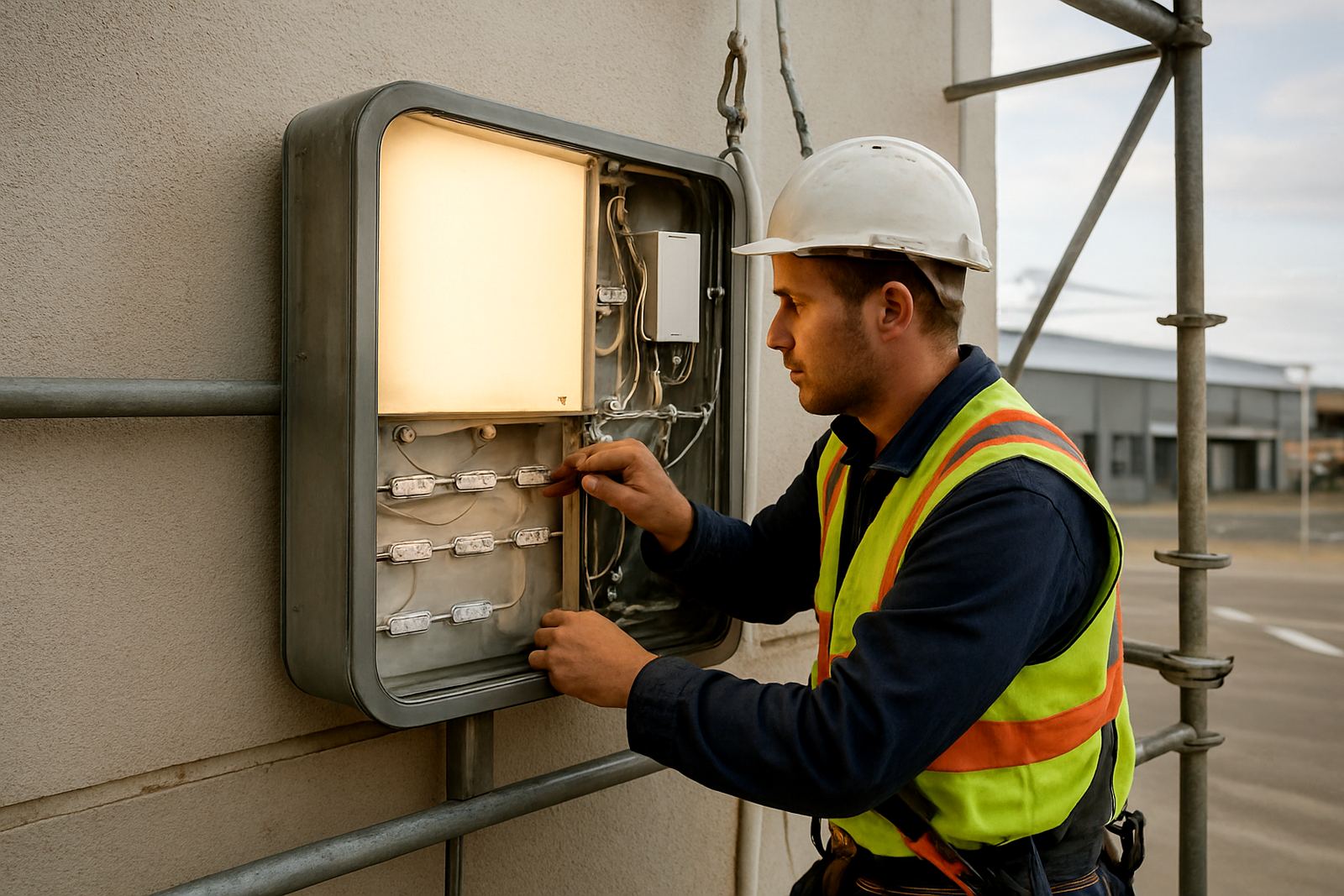
Installation is only the first step. Signs should be checked at regular intervals, especially where weather, vibration or vehicle movement can loosen fixings over time. We recommend maintenance visits at least every 6 to 12 months for exterior signs, and sooner for coastal sites, high wind areas or signs mounted above public walkways. If the sign includes lighting, we can arrange lighting access as part of the service plan so small faults are caught early.
During a maintenance visit we inspect fixings, brackets, brackets again if needed, seals, visible corrosion and general alignment. If a sign has shifted after wind or building movement, we can reset it. If a replacement panel is needed, we can remove and reinstall the new section without disturbing the whole structure. For sign makers with multiple clients, this keeps the installation quality consistent and reduces callouts that arrive too late.
When a sign is damaged, loose or no longer compliant with the site rules, we can also assist with removal and replacement planning. That means one crew, one access method and less back and forth for the client. It is practical work, and that is how we prefer to do it.
Key facts
| Service area | Paarden Eiland, Bellville, Somerset West, Paarl, Johannesburg CBD, Sandton, Midrand and the East Rand |
|---|---|
| Typical sign types | Fascia signs, wall signs, fabricated letters, light boxes, pylons and billboard face components |
| Access methods | Scaffold, platform work, lift access, controlled hand rigging and approved site methods |
| Crew capability | Safety trained, scaffold trained and first aid trained rigging crews |
| Lead time | From quick turnaround on simple installs to scheduled planning for higher access or permit controlled sites |
| Pricing basis | Quoted on height, access, fixings, crew size, timing and site conditions |