

Relocating Signs Without Damaging the Asset
Sign relocations are not the same as a normal removal and reinstall. The panel, frame, brackets, power connections and fixing points all need to be checked before the sign comes down so it can go back up straight, safe and in good working order. We handle relocations for shopfront signs, pylon components, wall signs, fascia signs, illuminated units and billboard faces where the structure remains suitable for reuse.
We work in Paarden Eiland, Bellville, Somerset West, Paarl, Johannesburg CBD, Sandton, Midrand and the East Rand, with crews set up for both tight urban access and larger industrial sites. If the sign is being moved from one store to another, or from a temporary site back into storage, we plan it so the asset arrives ready for reuse, not bent, cracked or full of loose fittings.
- Careful dismantling of sign panels, support frames and cladding sections
- Protection of electrical components, transformers and fittings where they are to be reused
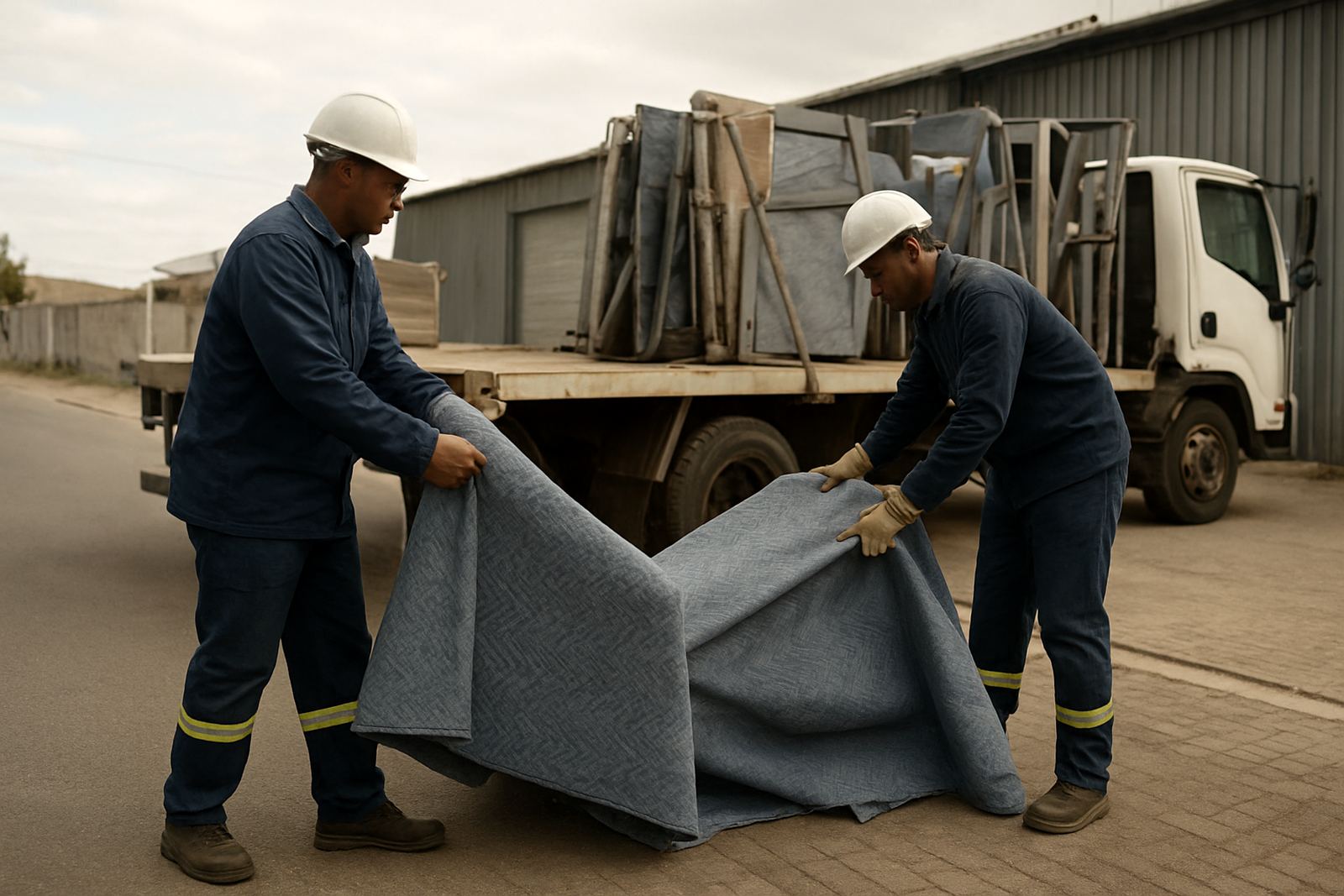
- Transport-ready packing, strapping and load securing
- Reinstallation at the new site with alignment, fixings and final checks
What Is Included in a Sign Relocation
Every relocation starts with a site survey and an assessment of the existing sign. We look at access, fixings, height, wind exposure, wall condition and whether the new location has the same support requirements as the old one. If the sign needs modifications to fit a new facade, we flag that before the move so there are no delays on the day. That saves time and reduces call-backs.
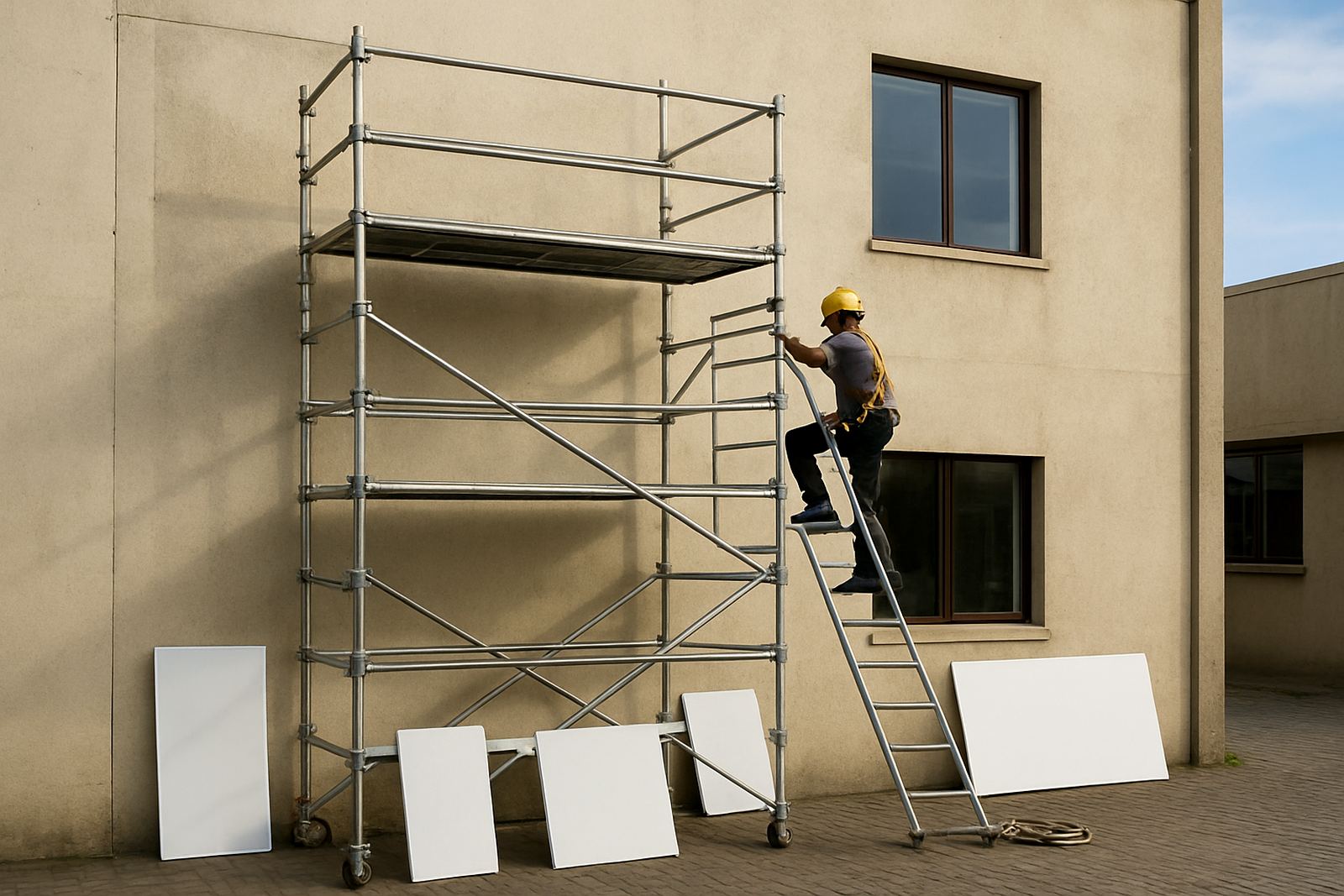
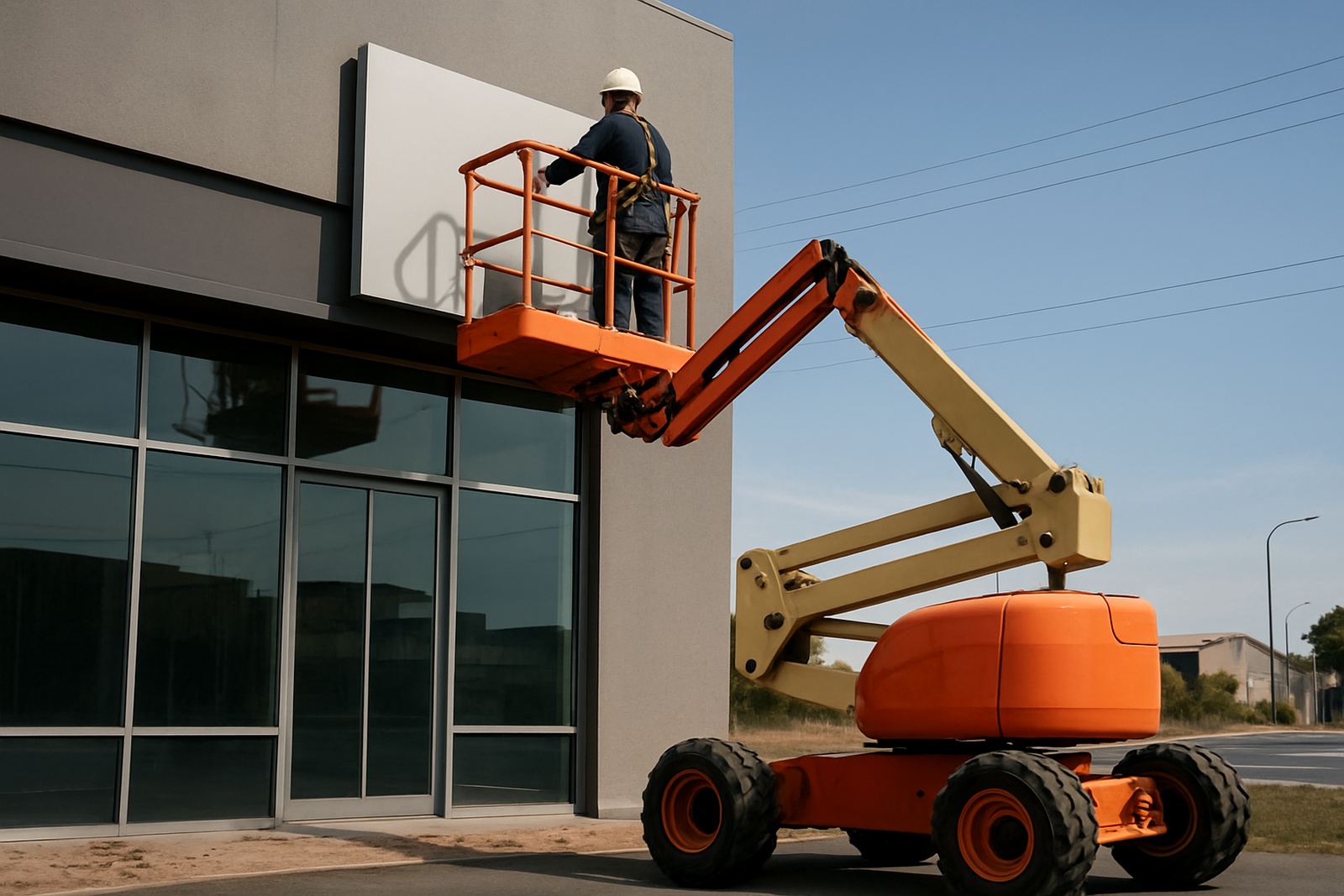
Our relocation service can include labour, access equipment, lift planning, scaffold access, platform work and emergency adjustments if a site handover changes at short notice. We can also arrange maintenance at the same time, which is useful when a sign is going onto a new site and the owner wants a full condition check before it is mounted again.
- Pre-move inspection and lift plan
- Removal from the existing site
- Labelling of parts and fixings for easy reassembly
- Transport coordination between sites or to storage
- Reinstallation, levelling and final safety check
Our Relocation Process From Survey to Sign-Off
We keep the process straightforward. First, our team confirms the sign type, dimensions and access conditions. Then we plan the removal sequence, equipment, labour and timing around business hours, traffic and municipal by-laws where needed. In busy areas like Sandton or the Johannesburg CBD, that can mean early starts or after-hours work. In coastal areas like Paarden Eiland or Somerset West, we also consider wind, salt exposure and corrosion on older fixings.
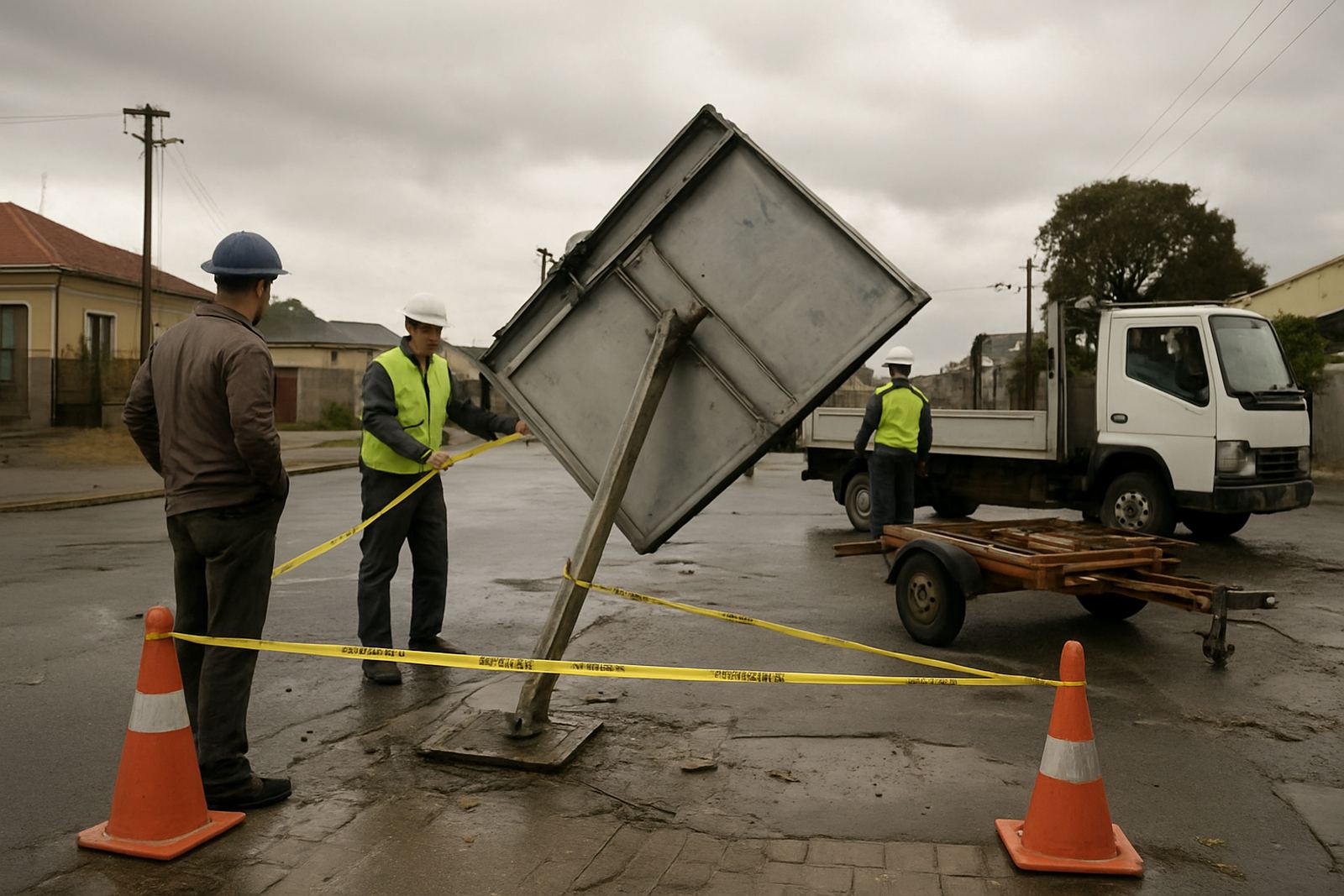
On the day, the crew isolates the work area, removes the sign in a controlled sequence and prepares it for transport. Once it reaches the new site, we check the mounting points, confirm level and plumb, and reconnect or hand over any electrical parts for the sign maker or electrical contractor to complete where required. Safety is not an add-on for us, its built into each step.
- Step 1: survey and measurements
- Step 2: access and lift planning
- Step 3: removal and transport preparation
- Step 4: reinstall and secure
- Step 5: final inspection and client handover
Access, Safety and Site Constraints We Plan For
Relocations often happen at sites with limited access, working tenants nearby, or overhead obstacles such as awnings, glass fronts, cables and road verges. Our teams are scaffold and first-aid trained, and we plan the job around the actual site conditions rather than forcing a standard approach. If the sign must come down from height, we select the safest access method available for that location and that budget.
We also plan for power isolation, loading zones, pedestrian control and the weather. Coastal humidity can affect older fixings and electrical housings, while strong wind can delay panel handling or face changes. If load-shedding affects a lighting sign relocation, we manage the job around safe isolation and testing windows so the crew is not working blind or rushed.
- Risk checks for height, wind, power and public access
- Scaffold, platform or other access method matched to the site
- First-aid trained crews on every relocation job
- Traffic and pedestrian controls where the site requires it
Turnaround Times for Planned Moves and Urgent Changes
Planned relocations are usually booked once the new site is confirmed and measurements are available. Smaller signs can often be scheduled within a short lead time, while larger structures or jobs needing scaffold or after-hours access may need more notice. We do our best to fit site handover dates, landlord timelines and tenant move dates so the sign is not left waiting in storage or installed too early.
For urgent work, we can assist with emergency callouts where a sign has to be made safe before a lease handover or property inspection. In those cases the priority is safety, then controlled removal, then storage or reinstallation as soon as the destination site is ready. If a site changes at the last minute, let us know quickly so we can keep the crew and equipment available.
How We Price Relocations and Maintenance Intervals
Pricing depends on sign size, height, access difficulty, travel between sites, whether the sign needs disassembly, and whether the new site needs extra fixing points or repairs. We quote on the actual scope of work, not a one-size-fits-all rate. That keeps costs fair for sign makers and avoids surprises when the job starts.
For signs that are being relocated as part of a rollout or tenancy change, we can also recommend maintenance intervals. A relocated sign should be checked again after installation, then at regular intervals depending on exposure. In high-wind coastal areas or busy retail centres, that may mean a visit after the first few weeks and then every 6 to 12 months. Older signs, especially illuminated units, may need more frequent checks on fixings, seals and wiring. It’s better to catch a loose bracket early than wait for a failure.
- Quote based on dimensions, access, distance and installation type
- Separate pricing for scaffold, platform work or special lift requirements
- Maintenance visits available after relocation
- Recommended checks after 1 month, then 6 to 12 monthly depending on site conditions
Key facts
| Service area | Cape Town, Johannesburg, Western Cape and Gauteng |
|---|---|
| Crew capability | Rigging only, no sign manufacture or retail competition |
| Access methods | Scaffold access, platform work, lift planning |
| Sign types | Shopfront signs, fascia signs, illuminated signs, billboard faces |
| Typical relocation size | Small panels through to large multi-part sign assemblies |
| Maintenance support | Post-relocation checks, repairs and scheduled visits |