

Start with the structure and the site conditions
Before any face change, check what type of billboard you are dealing with and how the structure is mounted. A freestanding pylon, roadside monopole, cantilever frame or roof sign each needs a different access plan and different control measures. In Cape Town, coastal wind and salt in the air can affect fixings and access gear. In Johannesburg and surrounds, winter dry conditions and afternoon gusts can still make a face change unsafe if the weather turns.
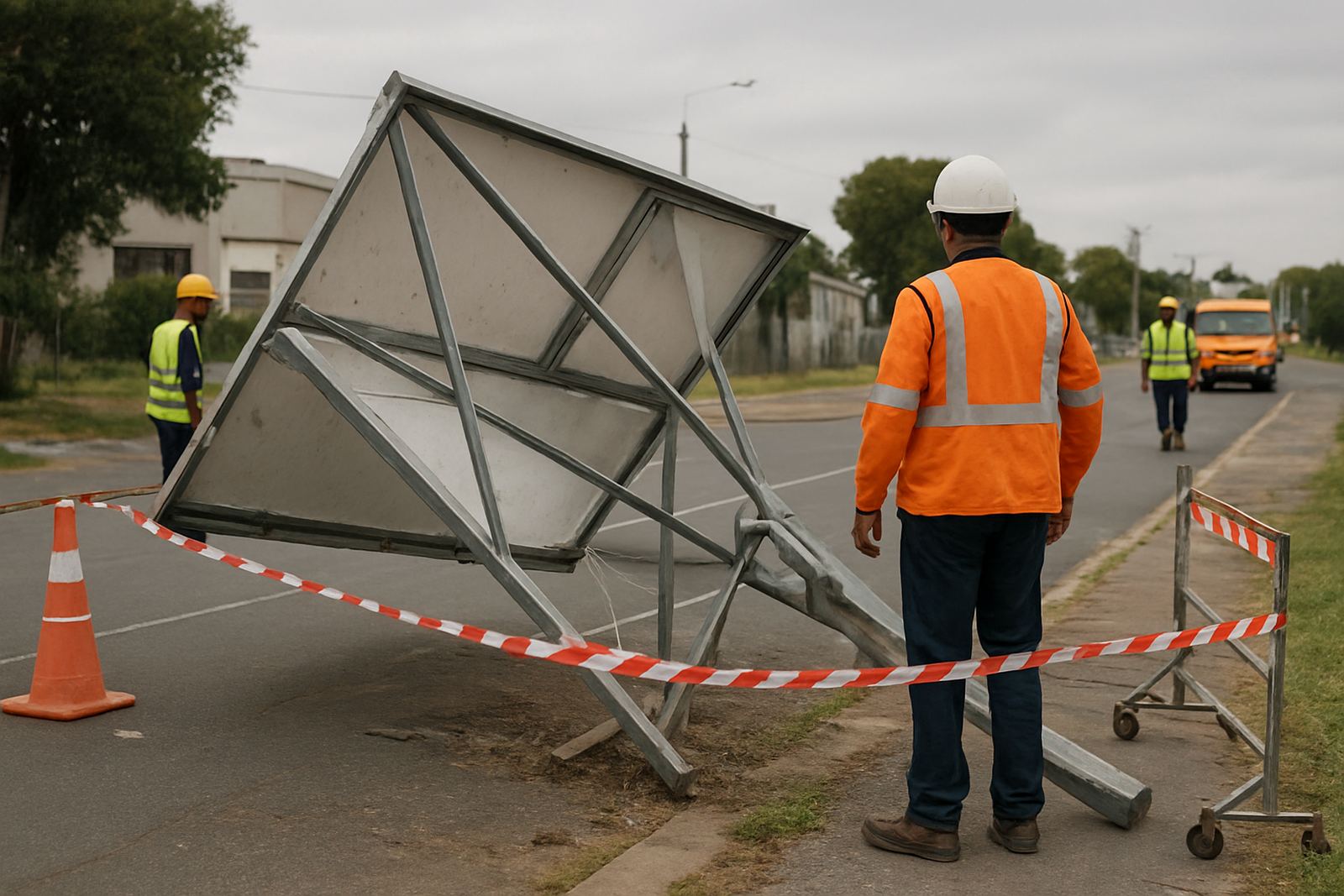
We always start with a site survey or a review of existing drawings, then confirm height, reach, anchor points and traffic exposure. If the board sits near a busy road, power line or pavement, the team needs a clear method for cones, spotters, exclusion zones and if needed a permit from the relevant authority. A quick look from the ground is not enough, because loose trims, damaged brackets and tired cables can show up only once the face is removed.
Plan the lift, the access and the people on site
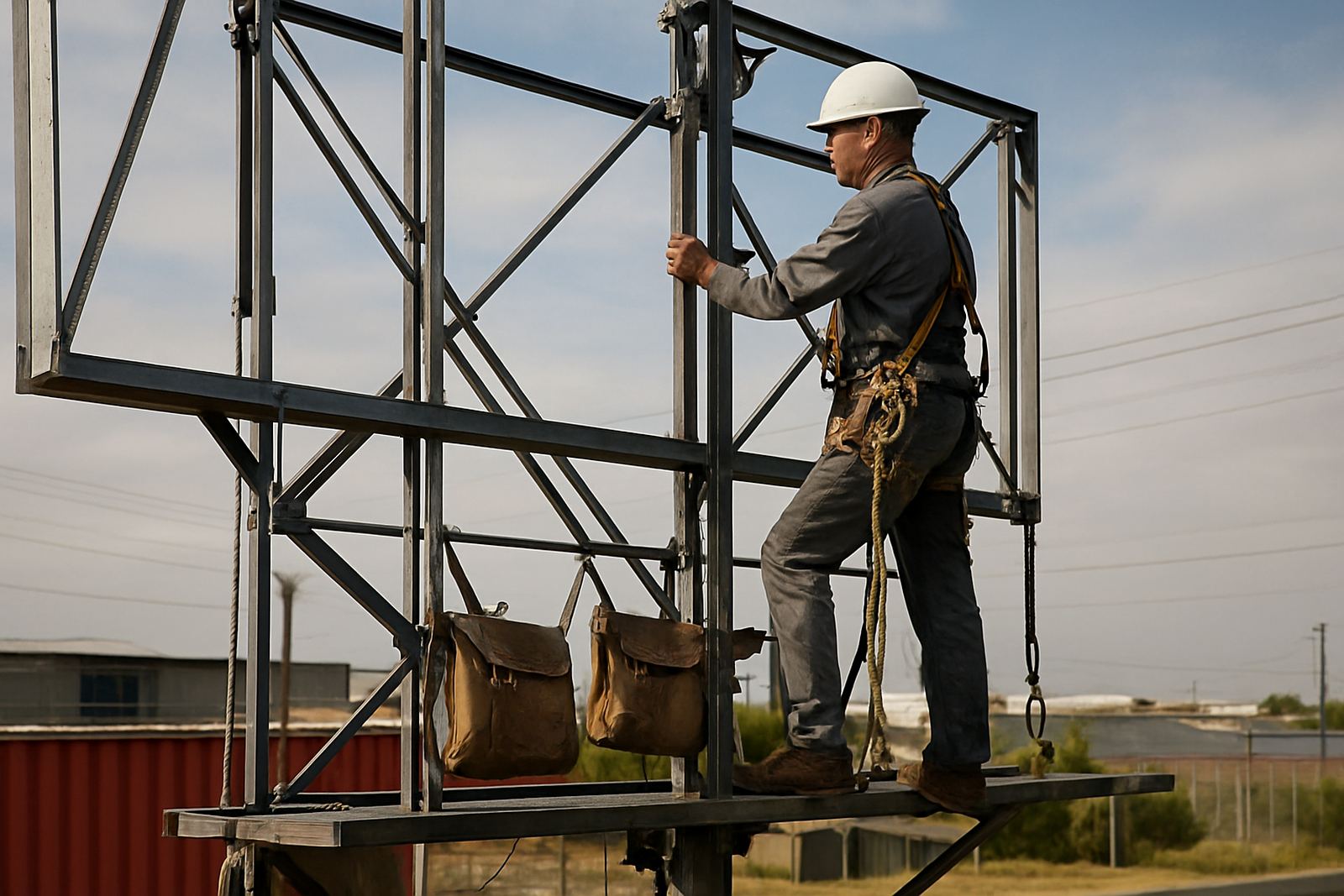
A face change is not only about getting new skin onto the frame. It is about how the crew will reach the sign, how the old face will come down, and how the new one will go up without damage. For larger boards, that can mean scaffold access, platform work or a mobile lift. For tighter sites, it may mean rope assisted positioning or a staged lift with tag lines. The right method depends on the board, the ground conditions and the space around the structure.
We also plan the team roles before arrival. One person should control the lift, one should watch the work area and one should handle tools and fixings. On roadside work, it helps to have a clear traffic watch so the crew can keep eyes on the moving vehicles as well as the sign face. If the change is planned for early morning or after hours, check lighting and access to the site because poor visibility can slow the job and increase risk.
- Confirm access method before the crew leaves base
- Check scaffold, platform or ladder condition and tags
- Set a no-go zone below the billboard face
- Assign one person to communicate with the driver or operator
- Keep spare fixings, hand tools and packing on site
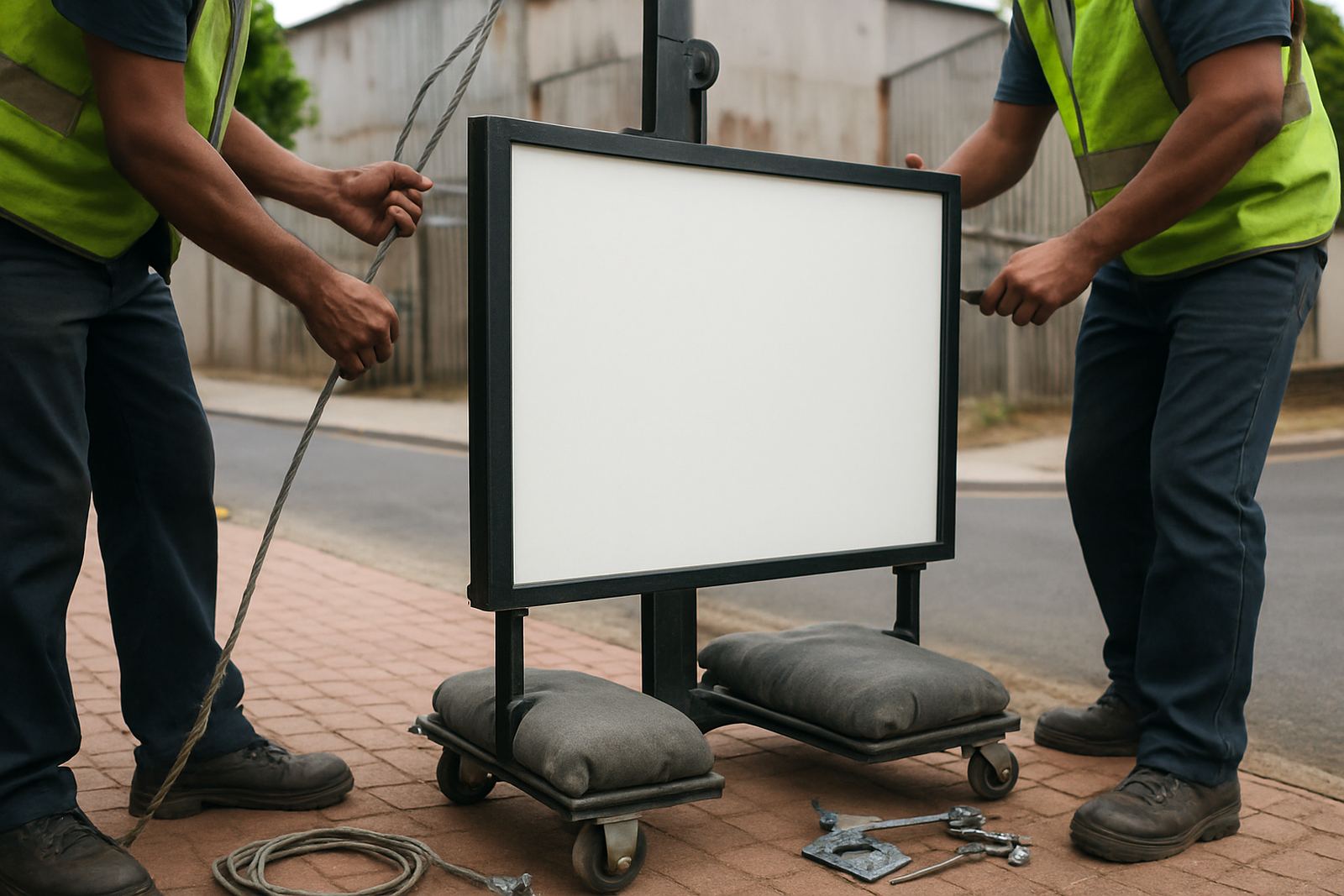
Take down the old face without damaging the frame
Removing the old skin needs patience. If a face has been up for months or years, the fixings may be seized, corroded or hidden under dirt and bird waste. Start by checking for tears, loose edges and any water ingress around the top and sides. On older roadside signs, wind can turn a loose panel into a sail, so the first fasteners must be released in a controlled order, never all at once.
The crew should lower the face in a way that avoids twisting the frame or bending the new material before it is even installed. If the billboard has lighting, the electrical isolation must be confirmed before hands go near the fittings. Any damaged cables, cracked lamp housings or loose conduits should be noted and passed back to the sign maker. A face change is also the right time to look for rust, cracked welds and worn brackets that could affect the next service cycle.
Good crews leave the structure cleaner than they found it. That means removing debris, checking drainage paths and clearing any loose hardware from the catwalk, bracket line or ground area. It sounds simple, but small parts left behind can cause trouble later when a new face is loaded and tensioned.
Install the new billboard skin with correct tension and alignment
New billboard faces need to be handled with care from the moment they leave the vehicle. Sun, dust and rough paving can mark the material before it gets near the frame. Keep the face flat, protected and rolled in the correct direction. Once lifted, align it properly with the frame edges, top rail and side returns so the finished panel sits square and reads clearly from the road.
The fixing pattern should follow the sign maker’s specification and the structure’s size. Over tensioning can distort the face or pull fittings loose, while under tensioning can leave it wrinkled and exposed to wind movement. In coastal areas, extra care is needed around fasteners and edge seals because moisture and salt can shorten service life if the install is rushed. After fitting, check all corners, seams and attachment points again from a distance as well as close up.
- Keep the new face clean and dry before lifting
- Match the fixing pattern to the structure and material
- Check tension evenly across the full width and height
- Inspect corners, seams and lower edges after installation
- Remove packaging, offcuts and loose ties from site
Lighting, electrical safety and after-dark checks
Many billboard changes involve lighting access, especially where the sign is used at night or sits on a busy corridor. Before touching any electrical parts, isolate the supply and confirm it is dead. Do not assume a switch is enough. A proper check should be done by a trained person, with the light fittings and wiring kept clear of sharp edges, moisture and accidental knocks.
Once the face is in place, test the lighting from ground level and from the access point if possible. This helps catch dark spots, flicker or a fitting that was moved during the change. In winter, after-dark work can be affected by fog, cold and shorter daylight hours, so planning the order of tasks is important. If the site is exposed to load-shedding or local supply interruptions, it is best to agree the testing window before the team arrives, so the crew is not left waiting on site.
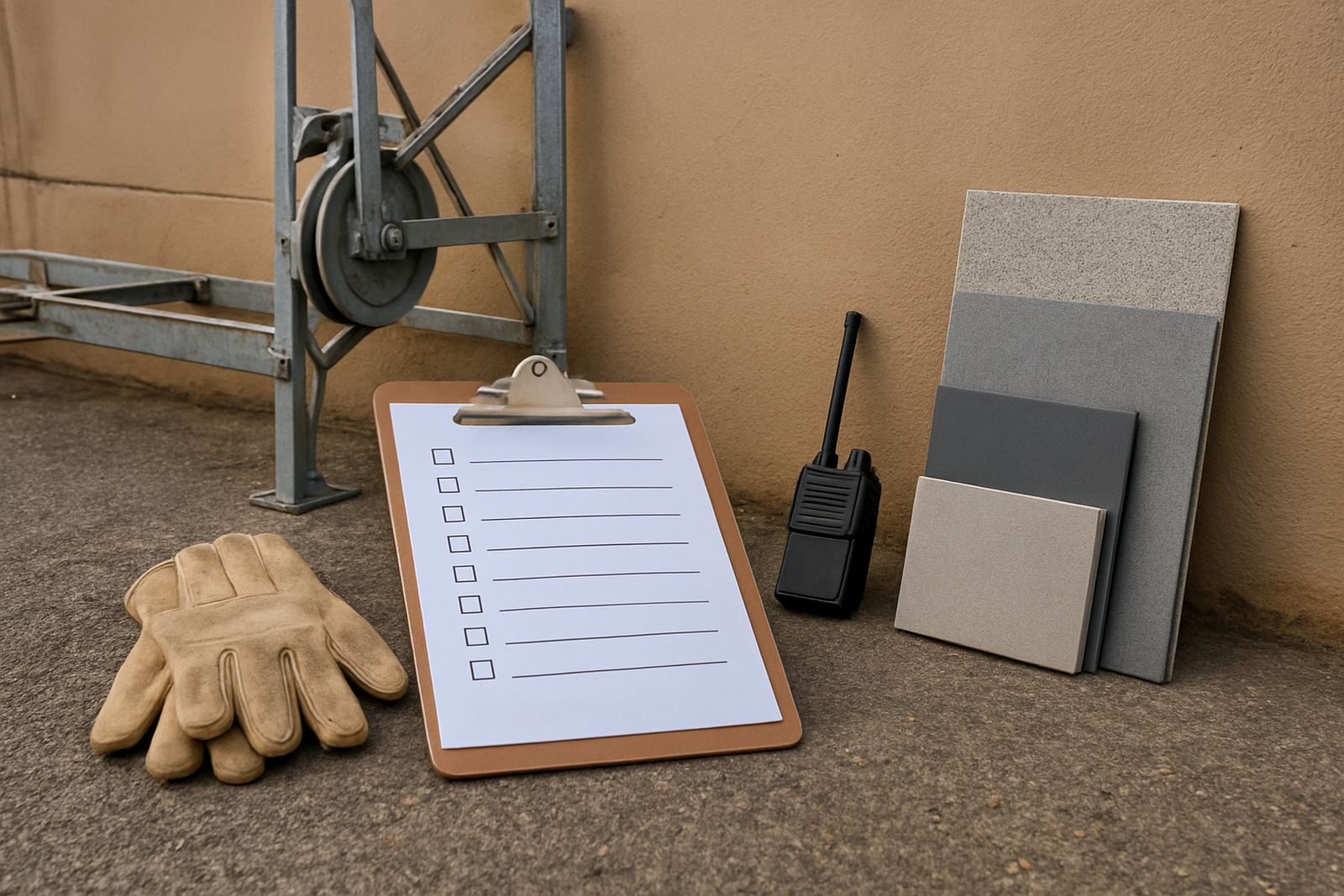
Use a safety checklist before the truck leaves
A good billboard change does not finish when the new face is up. The final checks matter just as much, because they show whether the sign is safe to hand back and whether anything needs follow-up service. A simple checklist also helps the sign maker keep their own client informed without sending a crew back for avoidable fixes.
- All fixings secure and tightened to spec
- Face straight, clean and readable from key viewing points
- No tools, debris or packaging left on the structure or ground
- Lighting checked and isolated points restored correctly
- Access gear removed and site left tidy
- Any defects logged for repair or future maintenance
If the billboard is in a public area, do one final walk around the cordoned space before reopening it. Look for loose cable ties, sharp edges, spilled fixings or anything a pedestrian or driver could notice later. A tidy close-out is part of the service, and it helps protect both the sign maker and the structure owner.
When to call a dedicated rigging crew
Some face changes are straightforward, but others need a crew that works only on rigging and maintenance. If the board is high, damaged, weather exposed or close to traffic, it is better to use a team that understands access planning, scaffold work, lift planning and emergency callouts. That is especially true when the site sits in Paarden Eiland, Bellville, Somerset West, Paarl, Johannesburg CBD, Sandton, Midrand or the East Rand where access times, traffic and local rules can shape the whole job.
Sign Riggers supports sign makers with installation, removal, servicing and billboard face changes across the Western Cape and Gauteng. We do not compete with the sign shop, we back it up. That means your brand team can keep the client relationship while we handle the physical work safely, on time and with the right gear for the site.