1. Make the area safe first
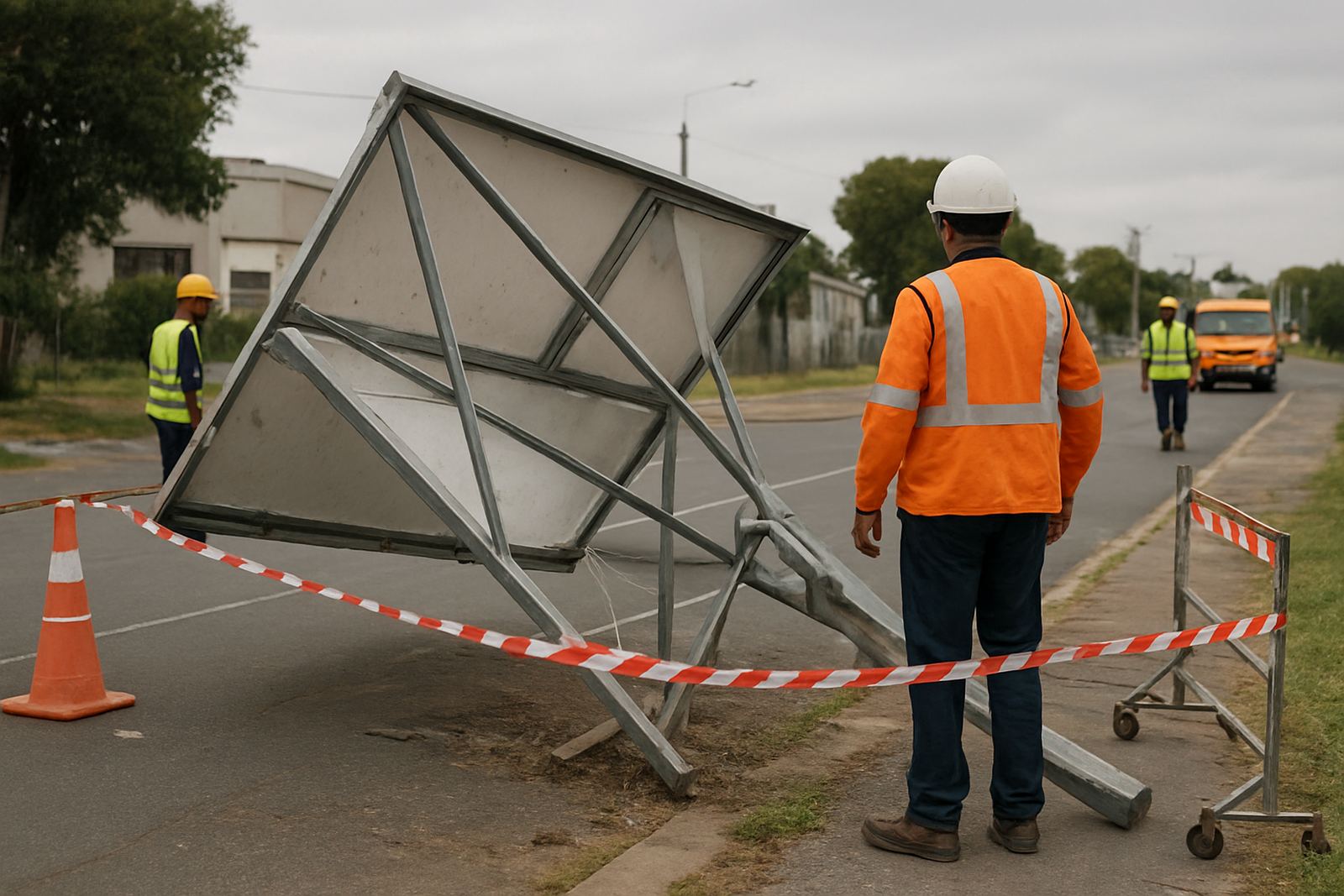
After a storm, do not stand under a sign, canopy or pylon to see what moved. Treat any sign that has taken wind, hail or lightning nearby as unsafe until it is checked. In Cape Town coastal wind can twist fixings and on the Highveld sudden gusts often shift panels that were already under strain.
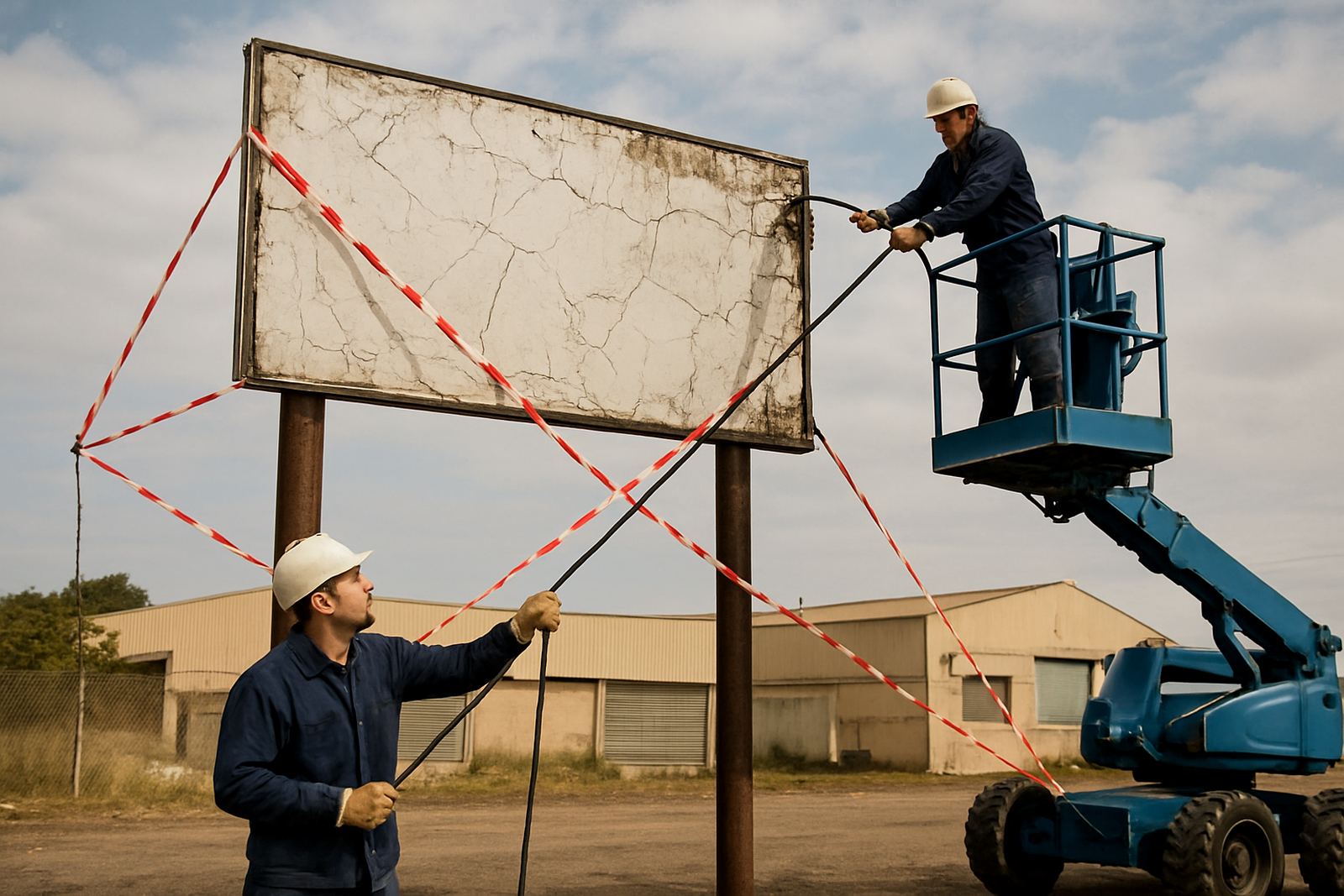
Start by closing off the ground area with cones, tape or barriers if you have them. Keep staff, tenants and the public away from drop zones, driveways and customer entrances. If a sign is hanging loose, sparking or partly detached, switch off power at the correct isolator only if it is safe to reach, and do not climb ladders in wet conditions.
- Keep people clear of the area below the sign
- Do not touch dangling cables or bent metal
- Stop all nearby vehicle movement if debris could fall
- If the sign is on a facade, watch for broken masonry or cracked cladding too
2. Do a ground level inspection before anyone goes up
Walk the site slowly and look from different angles. You are checking for movement, missing fasteners, torn faces, broken light boxes and any sign that is no longer sitting square. A sign can look fine from the street but have cracked welds or loose brackets at the back.
Look at the base, fixings and support steel first. Check whether water has pooled inside an illuminated sign, whether the face has lifted in the corners, and whether there is any fresh rust where the storm may have opened up the coating. For older installs, rain can also reveal hidden fatigue around anchors and joints.
- Photograph all visible damage before anything is moved
- Check for leaning, vibration or a new gap at the wall
- Look for broken glass, cracked acrylic or torn vinyl faces
- Listen for humming, flickering or tripped lighting circuits
If you are unsure whether a sign is sound, do not test it by hand. That is when a rigging team should take over and plan access properly.
3. Switch off power and protect the electrical side
Storm water and sign electrics do not mix. If the sign is illuminated, the first question is whether the circuit can be isolated safely at the source. Water in transformers, drivers, junction boxes or conduits can cause further damage after the weather has passed. On wet sites, hidden power faults are often the part people miss.
Once isolated, keep covers in place where possible and do not open electrical housings unless the area is dry and the person involved is trained for that work. If there is burning smell, repeated tripping or a visible scorch mark, treat the sign as a live fault and get it assessed before re-energising. A quick restart can turn a minor repair into a bigger one.
- Confirm which circuit feeds the sign before cutting power
- Do not restore power to a wet box or exposed cable
- Record any trip times, flicker or power loss before the storm
- Keep the isolator access clear for the inspection crew
4. Decide what can wait and what needs emergency callout
Some damage can be scheduled for a planned visit, but any sign that is loose, hanging, blocking a walkway or at risk of falling needs urgent attention. Emergency callouts are also needed where the sign is above a public pavement, near customer parking or where access is needed to prevent further damage from wind. In Johannesburg CBD and Sandton, building management often requires a quick safety notice before a crew starts work.
Use common sense and remember that a small movement after a storm can get worse with the next gust. If the sign is large, elevated or fixed over a road, do not wait until it fails completely. A controlled removal or temporary make-safe is usually cheaper than replacing panels, brackets and damaged finishes later.
Signs that usually need immediate attention include:
- Partly detached illuminated boxes or lettering
- Billboard faces that have torn, ballooned or folded
- Signs with visible cracked supports or missing anchors
- Loose fascia panels that could lift again in the wind
5. Access planning matters more after bad weather
Storm repairs are not the time to improvise with a tall ladder and a few helpers. Safe access depends on the height of the sign, the surface below, nearby power lines, vehicle movement and whether the wall or structure can take the load of equipment. In Paarden Eiland, Bellville and Somerset West, tight yards and busy loading areas often need careful lift planning. In Midrand and East Rand industrial sites, the issue is often overhead service routes and limited safe parking for equipment.
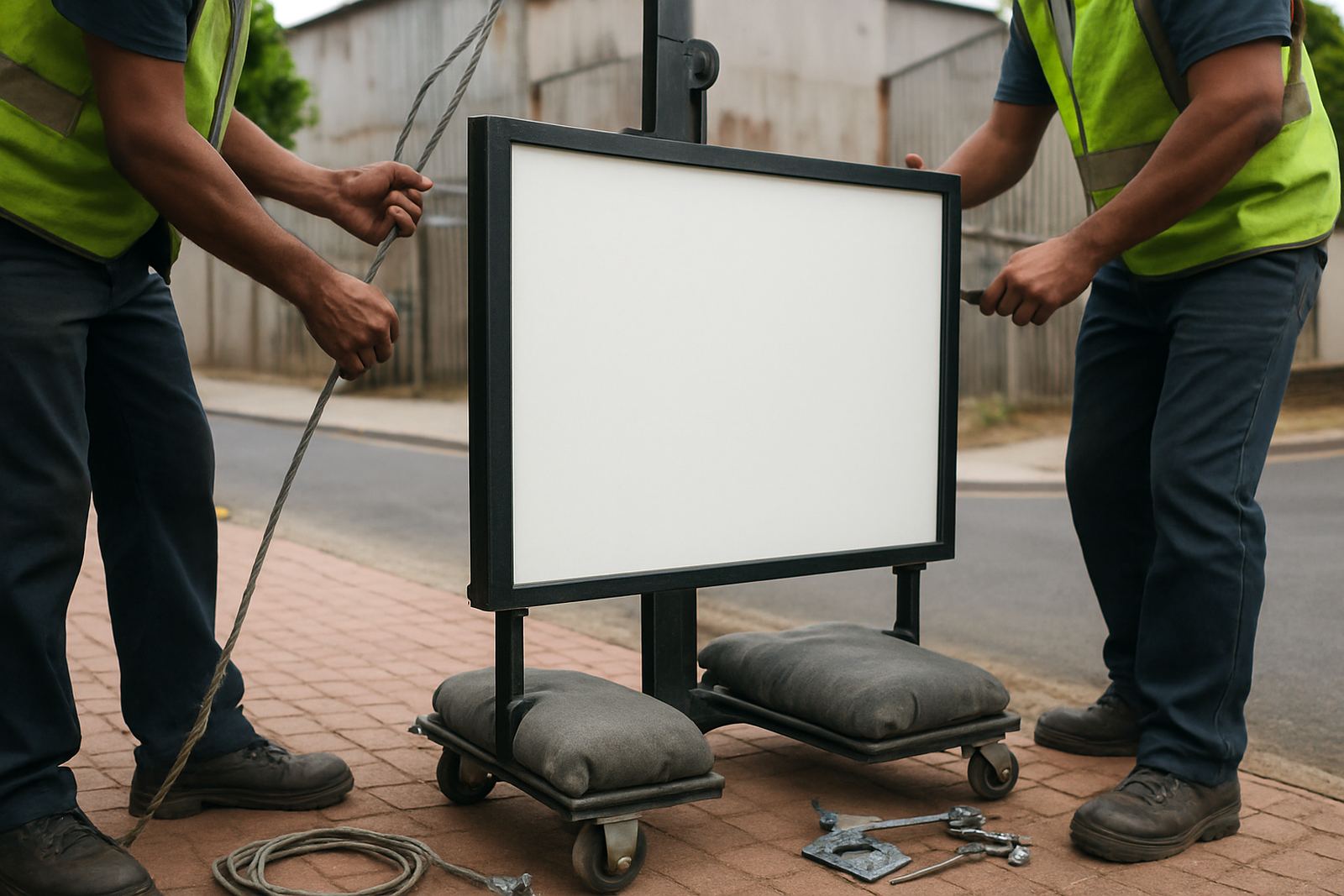
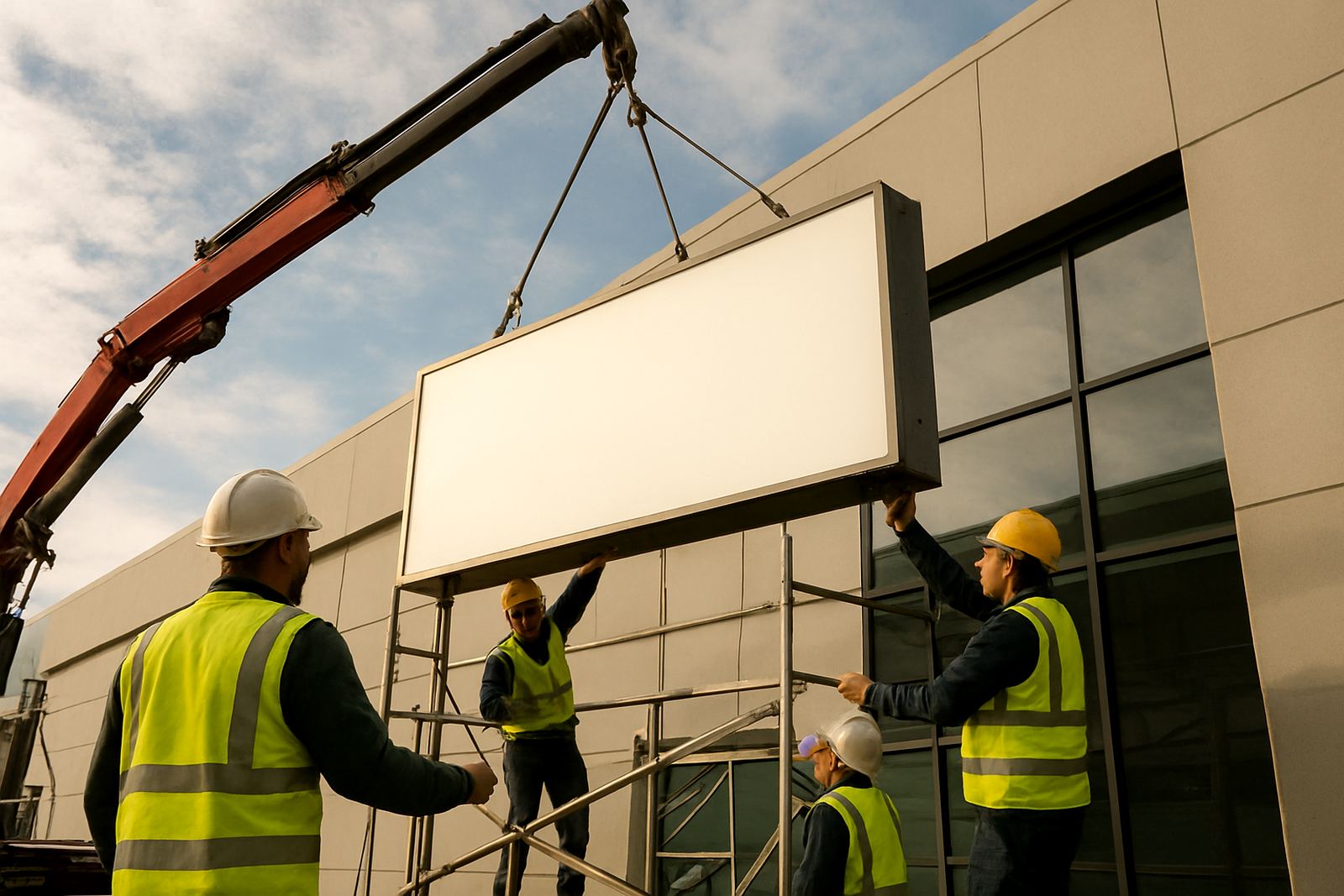
A proper plan should cover scaffold, platform work or another suitable method, plus where the crew will stand, where tools will be tied off and how the sign will be lowered or secured. If the face is to be removed, the team should also plan for wind conditions on the day because a loose panel can act like a sail.
- Check ground conditions for water, mud or soft edges
- Confirm the access method before the crew arrives
- Allow for traffic management if the sign faces a street
- Make sure permits or building approvals are in order where required
6. Keep a simple storm checklist for your site team
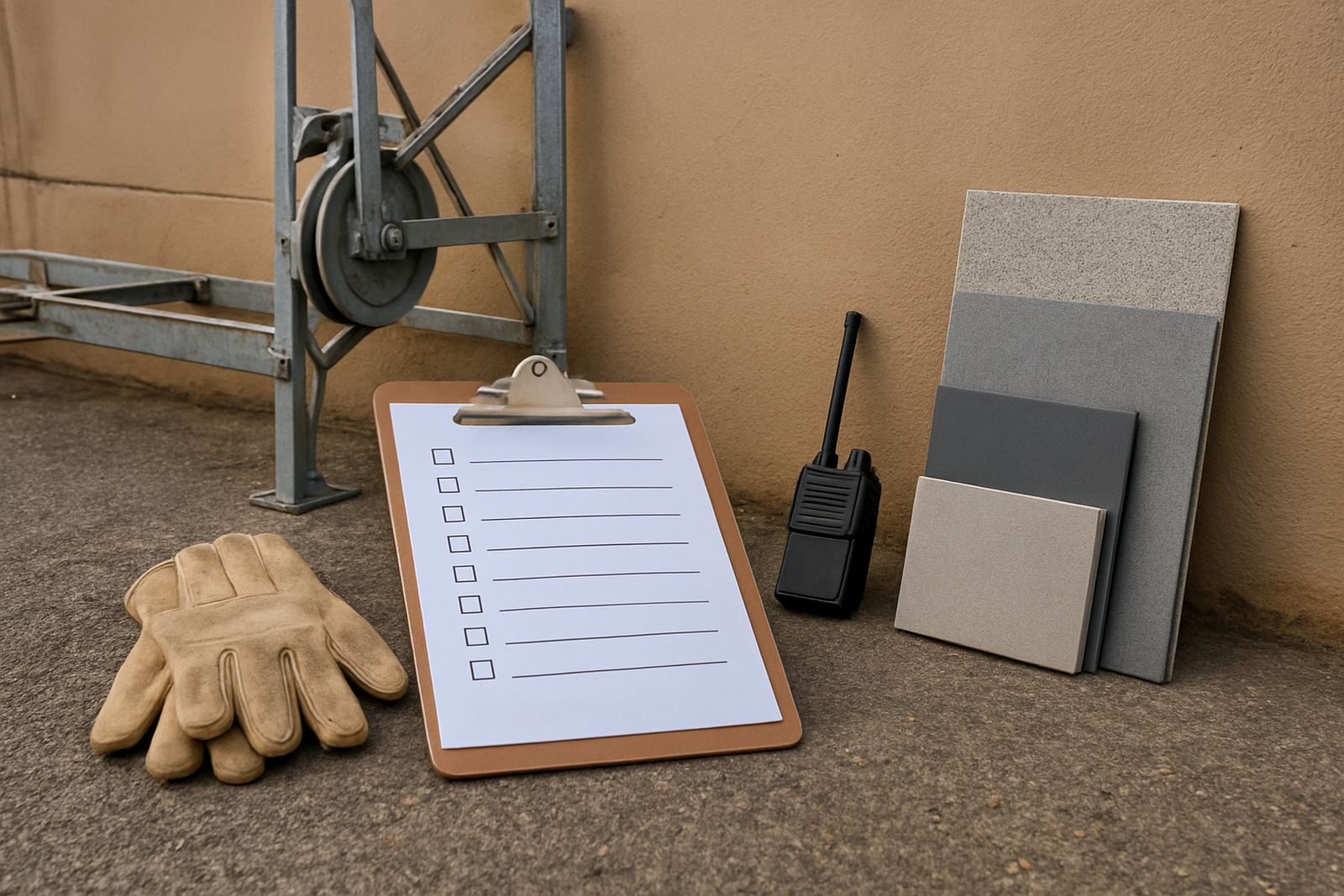
A short checklist helps site managers, property owners and tenants respond in the same way every time. It saves time when load-shedding, rain and a busy trading day all arrive together. Keep the list with your maintenance records and update it after each season if a fix point, cable route or mounting detail changes.
Use this checklist after severe weather:
- Area isolated and people moved clear
- Photo record taken from ground level
- Power isolated where safe to do so
- Loose parts noted and not touched
- Access method confirmed for inspection
- Damage reported to the responsible manager
- Temporary make-safe completed if required
For sign makers who need a rigging crew after a storm, the main goal is to protect the sign, the people around it and the brand behind it. Fast action helps, but safe action comes first.
7. When to bring in a rigging crew
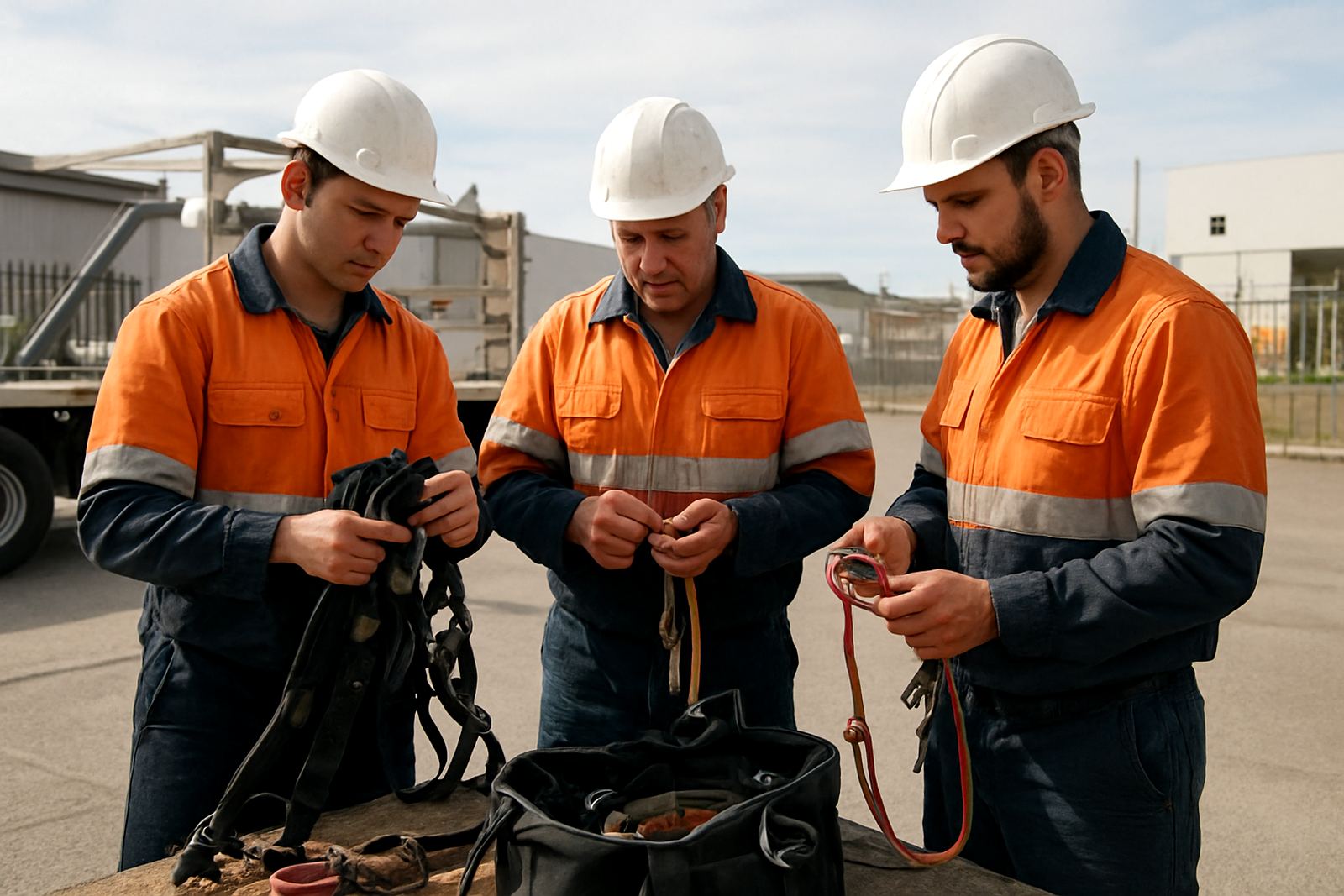
Bring in a rigging crew when the sign is beyond a simple visual check, when you need controlled removal or when the site needs a safe make-good before repairs can start. That includes signs on retail centres, factories, offices, forecourts and large-format billboard structures across the Western Cape and Gauteng. A trained crew can inspect, isolate, remove, relocate or service the sign without competing with the sign shop that owns the client relationship.
At Sign Riggers, our teams work from Paarden Eiland and Johannesburg with safety, scaffold and first-aid training in place. We handle installation, removal, servicing, lighting access, billboard face changes, maintenance visits and emergency callouts. If storm damage has left a sign unsafe, we help make it safe, inspect the fixings and get the site ready for the next step.
When in doubt, do not wait for the weather to give you a second warning.