

1. Start with the road, not the sign
Every roadside job begins with the site. A sign may look simple from the pavement, but the real risks sit in the road reserve, overhead services, foot traffic and live vehicles passing at speed. Before any rigging starts, our teams check where the sign sits in relation to lanes, kerbs, trees, poles, sidewalks, boundaries and nearby access points.
For signs along the N routes, urban arterials, industrial roads and busy municipal streets, the first question is always the same: can the work be done without exposing the public to falling objects, blocked sight lines or sudden lane changes? That answer shapes the method, the access equipment and the time of day. In Cape Town and Johannesburg, a weekday peak hour job is very different to a Sunday morning removal in Paarden Eiland or Sandton.
- Confirm the sign position and height above ground.
- Check vehicle movement, turning paths and pedestrian flow.
- Identify overhead cables, power feeds and nearby structures.
- Note wind exposure, especially on open roads and coastal sites.
2. Use traffic control that suits the site
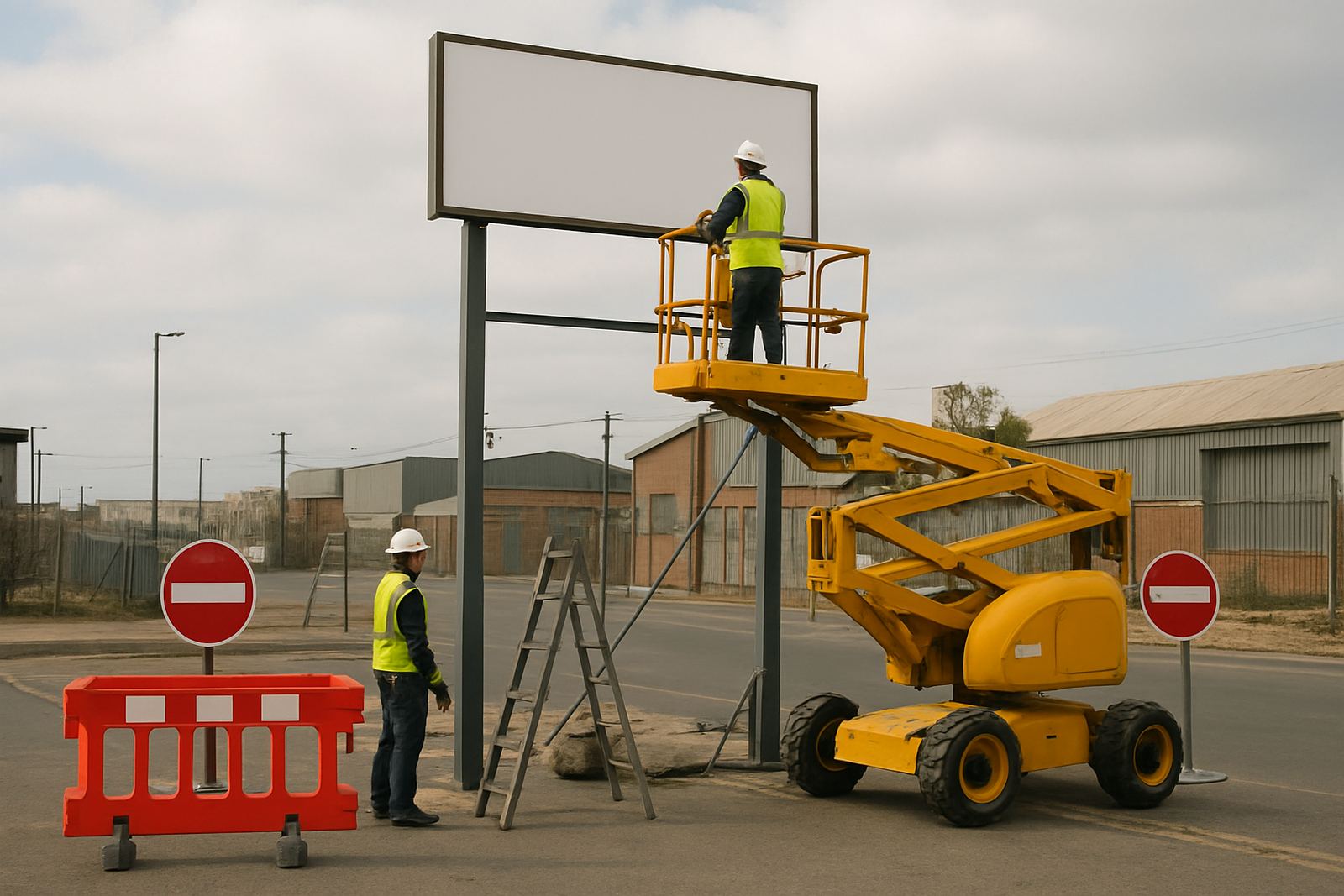
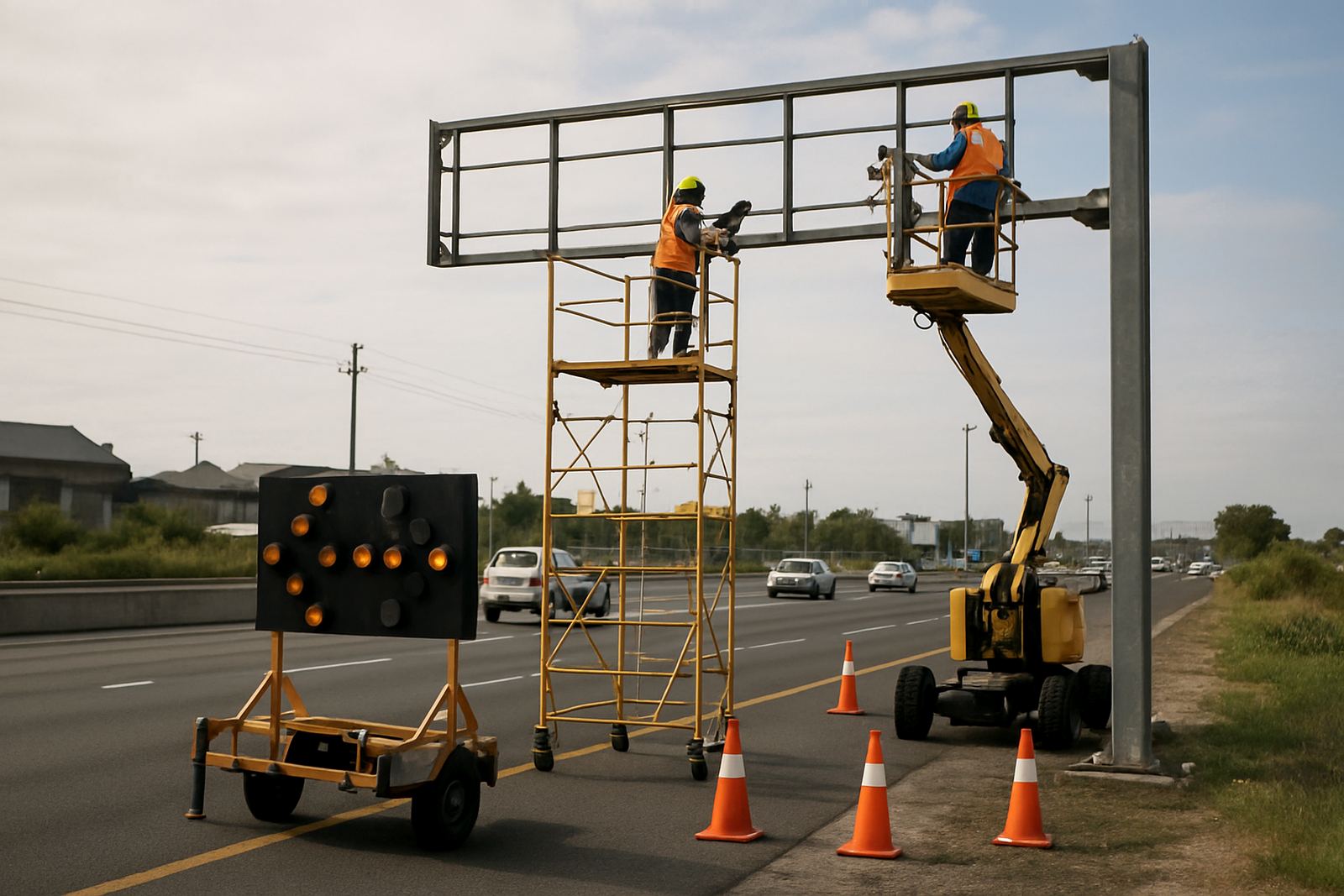
Traffic control should match the size of the job and the road conditions around it. A small fascia sign on a quiet side street may only need a controlled work zone and cones, while a billboard face change beside a main road can need lane protection, warning signage and a trained lookout. The aim is simple: keep workers safe and keep traffic moving without confusion.
We plan the closure area, vehicle positioning and loading sequence before arrival. If the sign is above a live pavement, we look at pedestrian redirection and safe walkways. If the work sits close to a corner or robot, the setup must allow drivers to see what is happening early enough to react. On narrow streets in Bellville, Midrand or the Johannesburg CBD, there is very little room for error.
- Place warning signs far enough in advance for drivers to slow down.
- Use cones, barriers or tape only where they can be seen clearly.
- Keep tools, bolts and removed panels off the traffic side.
- Assign one person to monitor movement around the work zone.
3. Choose access equipment before arrival
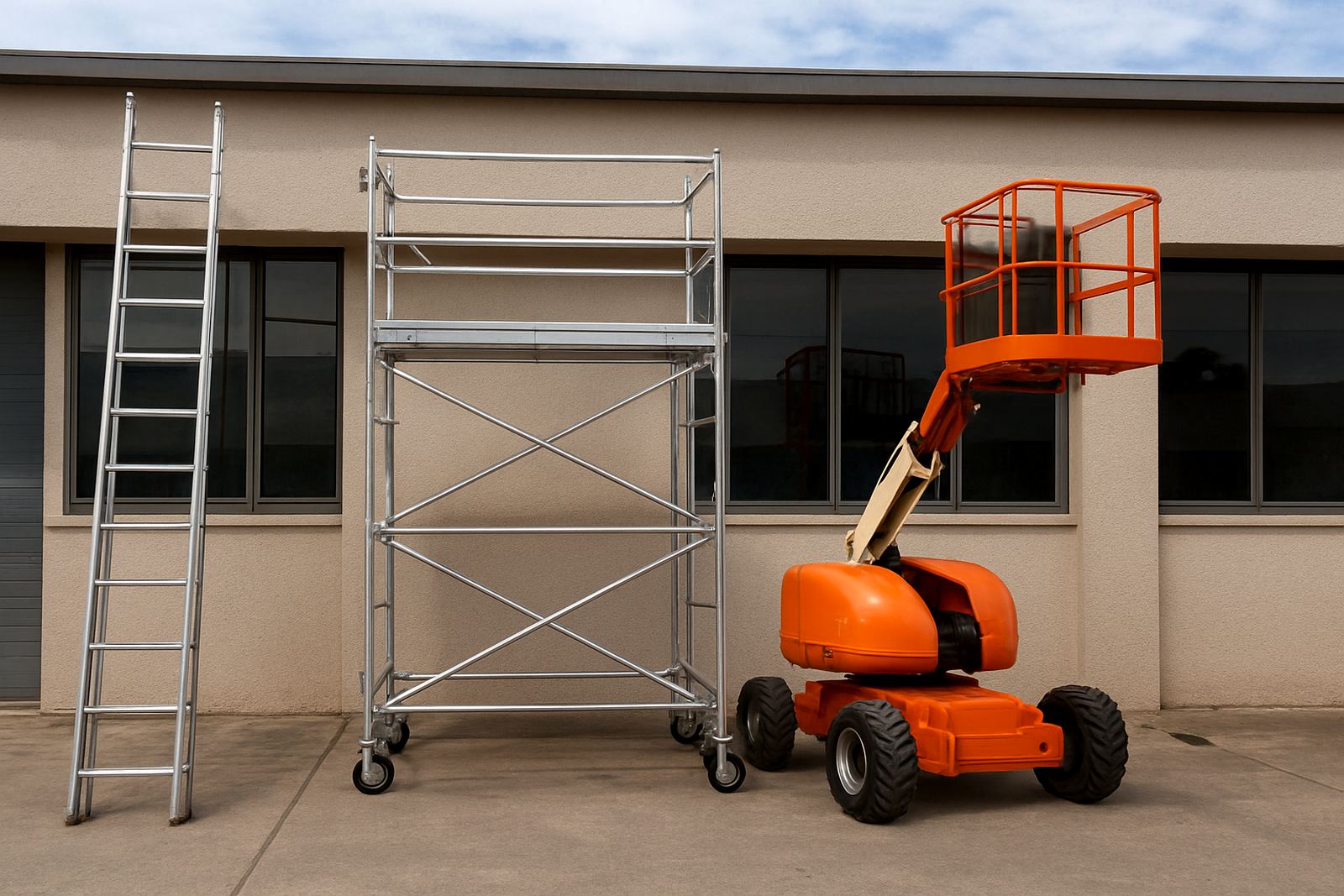
Good roadside work depends on choosing the right access method, not just the nearest available machine. Some signs can be reached with scaffold access and platform work, while others need lifting equipment positioned at a specific angle so the crew can work without overreaching. The method must suit the sign size, ground conditions and the surface where the machine will stand.
On paved retail fronts, mixed-use sites and roadside verges, load-bearing ground can change quickly. Soft shoulders, uneven paving and drainage grates can all create problems. In coastal areas like Paarden Eiland, salt air also affects fittings and fixings, so the team should check for corrosion before touching the structure. If the sign is high, damaged or close to power lines, the access plan should be tightened before anyone leaves the yard.
- Confirm the machine reach and working height.
- Check ground bearing, slope and edge drop-offs.
- Allow space for the vehicle, outriggers and loading area.
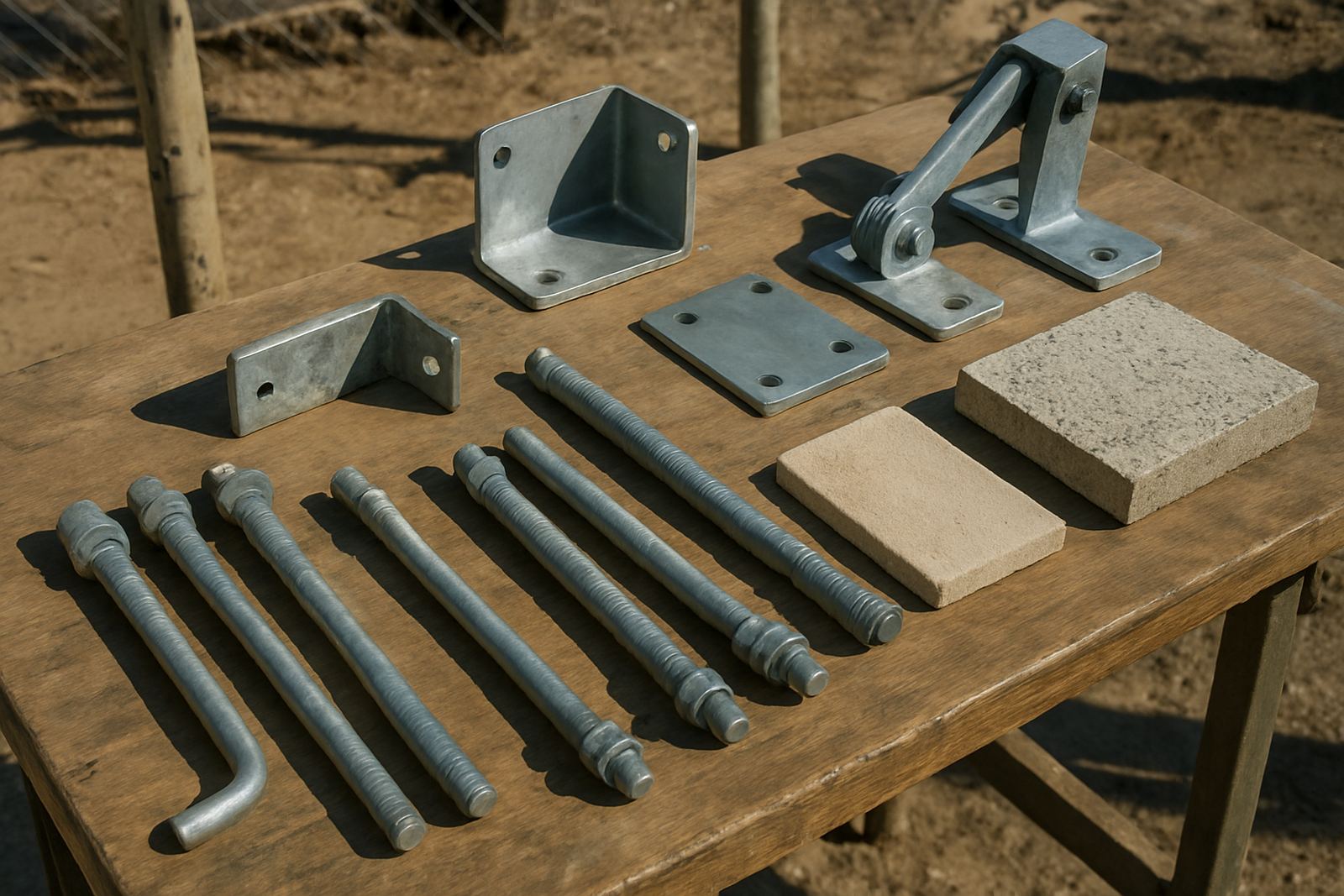
- Inspect anchor points, rails and fixings before use.
4. Follow a safe sequence for installation and removal
Roadside installation and removal should follow a fixed sequence so that no one is guessing while standing on a platform or scaffold. The crew must know who disconnects power, who handles the fasteners, who manages the load and who clears the area below. That is especially important for illuminated signs and older structures where wiring may be brittle or poorly labelled.
For removals, the sign should be made safe before any lifting begins. For installation, the structure must be checked for alignment, fixings and final support before the crew leaves site. If the job includes sign relocations, the receiving site needs its own survey because a good fit at one address does not guarantee a good fit at the next. A short checklist saves a lot of trouble.
- Isolate power where applicable and confirm no live feed remains.
- Remove loose panels, covers or trim before lifting the main unit.
- Use tag lines or controlled handling on large faces and frames.
- Inspect all bolts, brackets and seals after final placement.
5. Protect the public, the building and the sign
Public protection is not a side task, it is part of the work itself. Roadside signs sit where people walk, queue, park and cross roads. That means dropped tools, falling debris and unstable parts must be controlled from the first minute. The building front matters too, because scratched cladding, cracked glass or damaged paint can turn a simple callout into a costly dispute.
We keep exclusion zones clear, use proper lifting points and avoid dragging components over edges or across finished surfaces. When servicing signs, the team checks for loose letters, damaged housings, water ingress, exposed cables and any movement in the mounting points. In Gauteng summer storms or Cape Town winter wind, even a small fault can turn serious quickly.
- Keep the area below the sign clear of staff, pedestrians and parked vehicles.
- Use protective padding where parts could contact the building.
- Check for rust, cracked welds and failing sealant.
- Remove waste, packaging and old fixings before demobilising.
6. Plan for weather, after-hours work and emergency callouts
Roadside sign work often happens outside normal trading hours, and with good reason. Lower traffic volumes make closures easier and reduce risk. But after-hours work brings its own checks: lighting, crew fatigue, access control and communication all need attention. In windy conditions, especially near open coastal routes or elevated sites, a job may need to be delayed rather than pushed through.
Emergency callouts are common after storm damage, vehicle impact or sudden failure of a lit sign. The response must be calm and structured. First make the site safe, then remove the hazard, then sort the permanent repair. If the sign is hanging loose or leaning into the roadway, public safety comes before everything else. That is the only sensible order.
- Watch wind speed and rain before starting elevated work.
- Use task lighting and reflective wear for night jobs.
- Keep contact steps clear for a quick response if conditions change.
- Escalate immediately if the sign threatens the roadway or footpath.
7. Build a repeatable checklist for every roadside job
A repeatable checklist keeps roadside work consistent across Cape Town, Johannesburg and surrounding areas. It also helps sign makers who need a rigging crew they can trust to represent their work properly on site. The best jobs are the ones where the shop, the installer and the client all know what will happen next.
For each visit, the crew should confirm the scope, access method, timing, risks and handover. If the job is a routine maintenance visit, the same discipline still applies. Small issues like a missing fastener, a dim fitting or a slight movement in the frame should be logged before they become bigger faults. That is how signs stay up, safe and presentable for longer.
- Scope confirmed with measurements and site photos.
- Access equipment booked and ground conditions checked.
- Traffic control set, public zone protected and tools accounted for.
- Final inspection completed and the site handed back clean.
When to call a rigging crew
If the sign is above traffic, near power, mounted high or damaged by weather or impact, it should be treated as a controlled rigging job. Sign makers often need support for installations, removals, lighting access, billboard face changes and maintenance visits across Paarden Eiland, Bellville, Somerset West, Paarl, Johannesburg CBD, Sandton, Midrand and the East Rand. A proper rigging crew helps protect the client, the public and the sign itself.
For roadside work, the safe choice is the one that slows the job down a little but keeps everyone protected. That is not extra caution for show, it is standard practice on a live road.