
Start with the visit purpose and service frequency
Every maintenance visit should begin with one simple question: what needs to be checked, cleaned, repaired or reported this time? A clear brief helps the crew arrive with the right tools, access gear and replacement parts, instead of making repeat trips for a loose fitting, failed lamp or corroded bracket.
For recurring work, set the frequency in plain terms. Some signs need monthly checks because they face coastal humidity in Paarden Eiland, Somerset West or along the West Coast. Others only need quarterly servicing, while illuminated signs in Johannesburg CBD or Sandton may need closer attention after storms, dust or load-shedding related faults. If the sign maker has multiple sites, list each location separately so the visit plan is site planed properly and nothing is missed.
Prepare the site notes before the crew leaves base
The best maintenance visits start with a short, practical note pack. Include the exact site address, the sign type, where it is mounted, and whether access is from ground level, roof level or a loading bay. Add any municipal or landlord rules that affect work times, parking, permits, noise limits or lift access.
- Exact site address and nearest landmark
- Sign size, height and mounting type
- Known faults, water ingress or flickering lamps
- Access point, gate codes and security sign-in steps
- Preferred work window and any site restrictions
- Contact person on site for sign-off and questions
Where a sign is above a shopfront or along a busy road, mention pedestrian flow, delivery times and any overhead hazards. In places like Bellville, Midrand or the East Rand, a few minutes saved on arrival can make the whole shift smoother and safer.
Give the crew the right access information
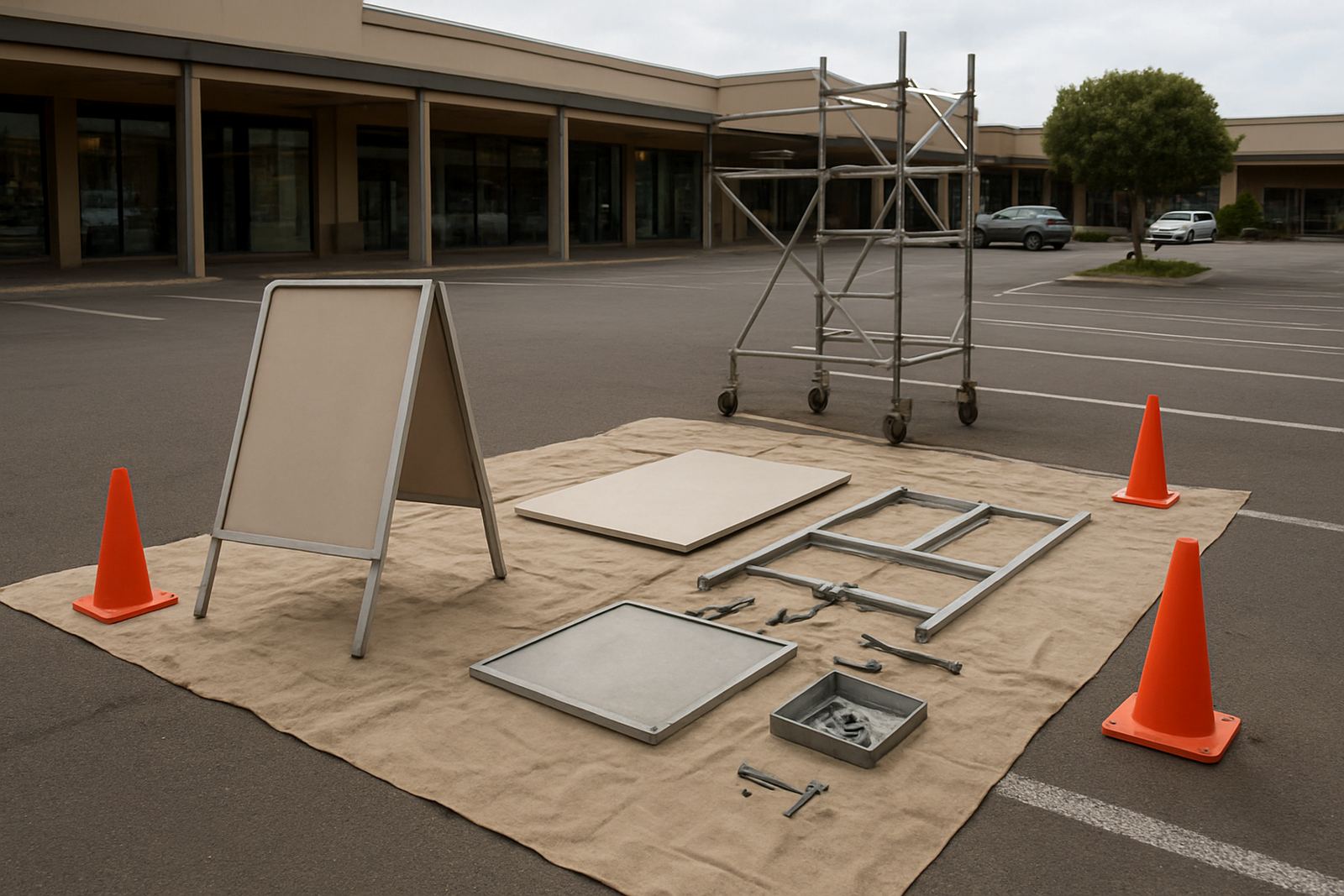
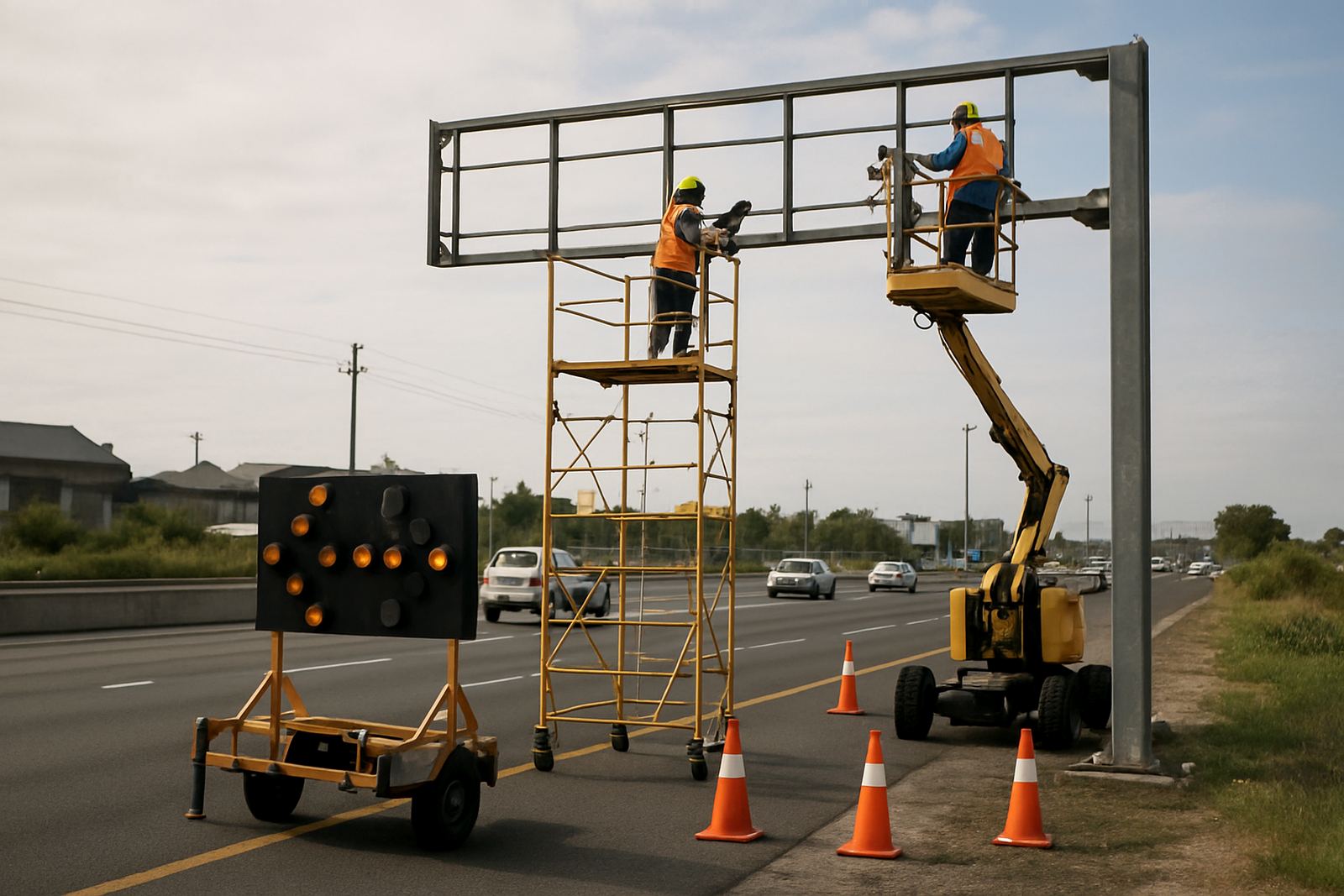
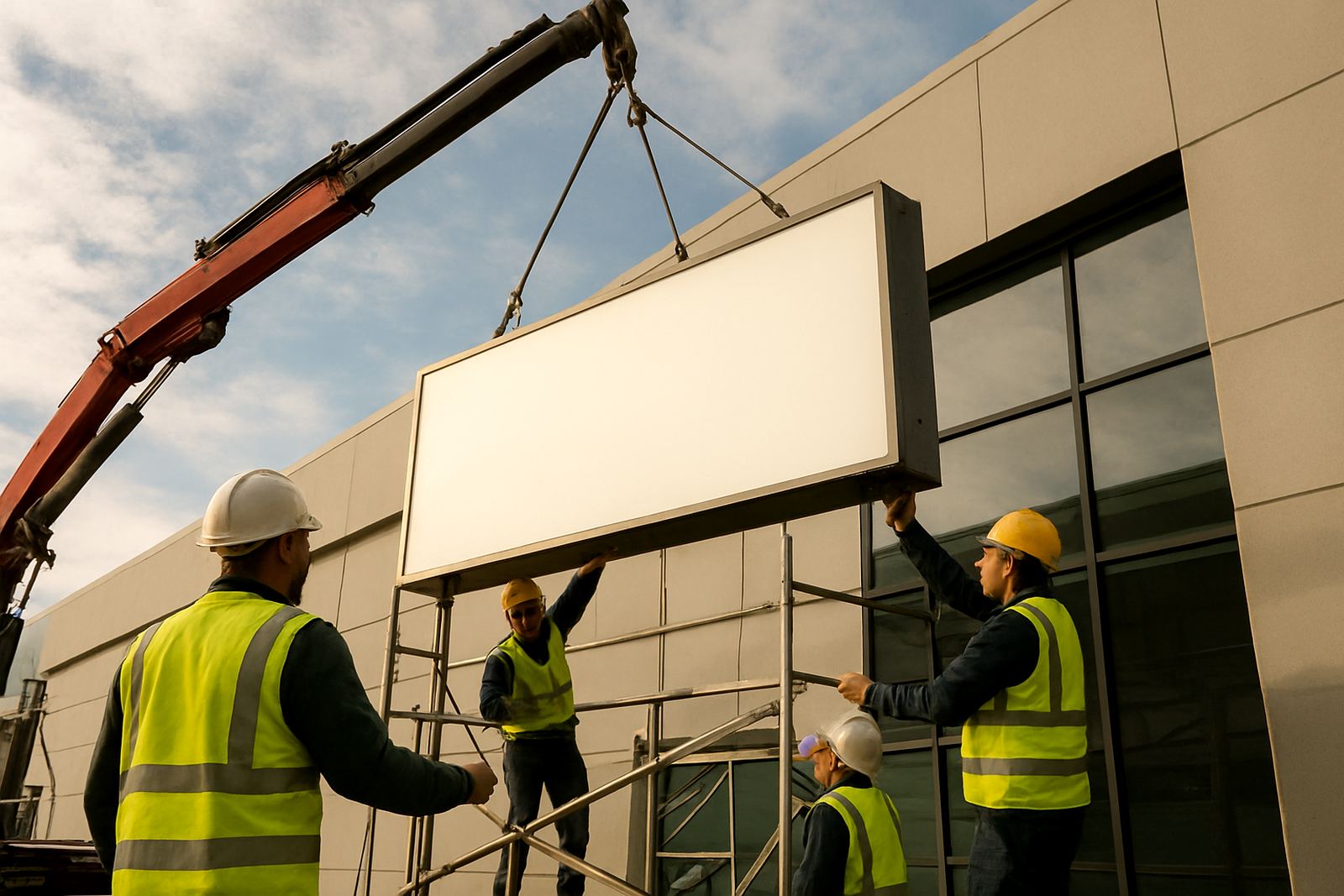
Access planning is where many maintenance jobs slow down. If the sign sits above a canopy, behind an aircon line, or on a facade with no safe ladder point, the crew needs that in advance. Tell them whether scaffold access, platform work or lift planning will be needed, and whether there is enough ground space for setting up safely.
On tighter city sites, note traffic flow, overhead cables, trees, awnings and underground services. A short description is often enough to prevent delay at the gate. If a boom lift or scaffold is required, the site should allow for stable ground, turning space and a clear exclusion zone. That matters just as much in a crowded strip in Johannesburg CBD as it does on a windy corner in Paarden Eiland.
- Measure clearance to the sign face if possible
- Check for soft paving, potholes or uneven ground
- Confirm where a vehicle can park without blocking customers
- Mark any no-go zones, live traffic lanes or glass entrances
List the usual faults so nothing is overlooked
Recurring servicing works best when the common faults are written down before the visit. That allows the crew to test the usual problem points first, instead of finding them one by one on site. It also helps the sign maker track patterns, like repeated water entry on the same edge or fittings loosening after strong wind.
Useful items to flag include damaged panels, faded faces, loose fixings, cracked acrylic, rust on support steel, blown lights, poor cable routing and failed timers or sensors. For illuminated signs, mention whether the problem is total failure or only partial lighting. In some cases a small component is enough to stop the whole sign from working right. A clear list saves time and reduces repeat call-outs.
- Visible damage to the face or frame
- Water staining, condensation or corrosion
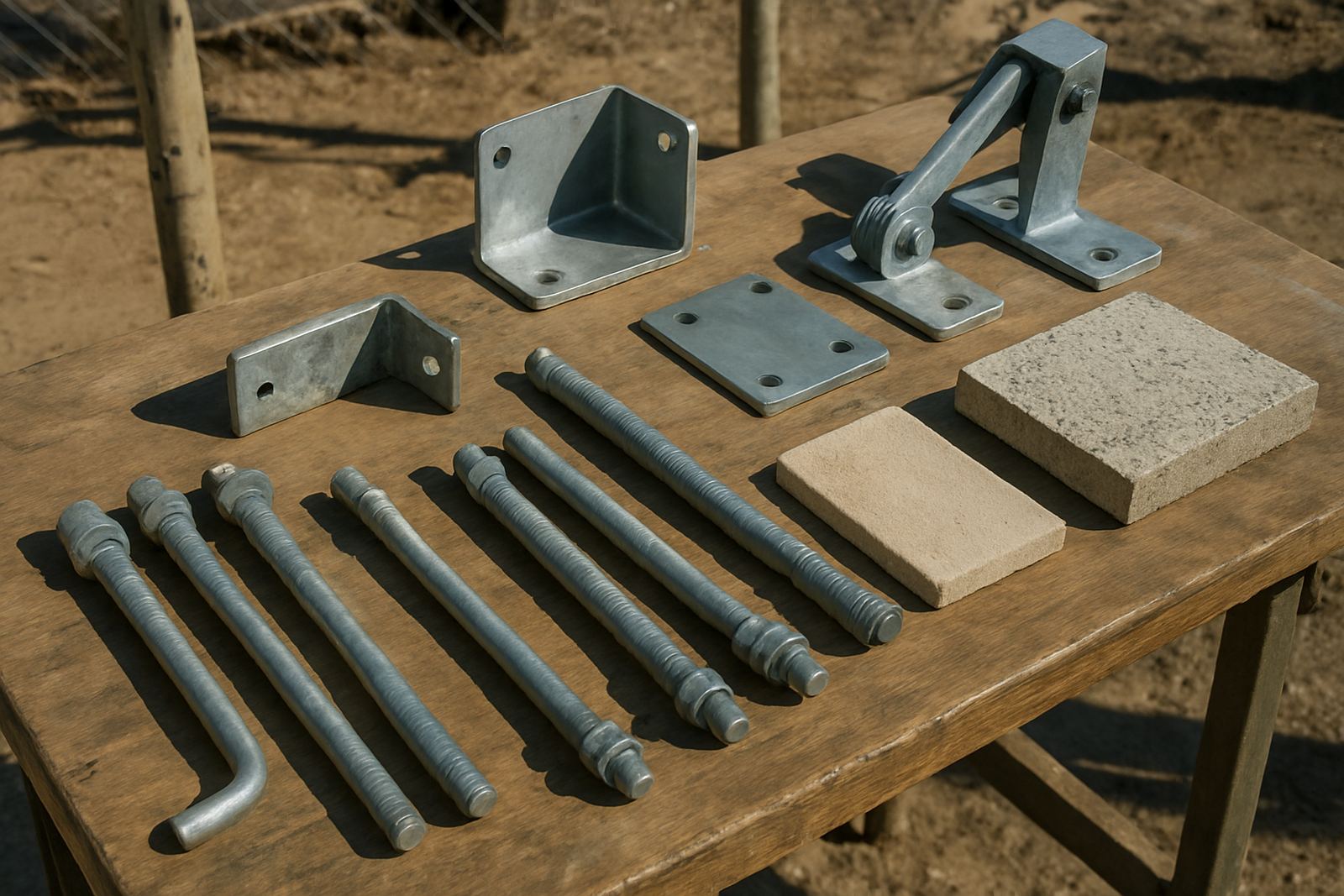
- Loose bolts, brackets or anchor points
- Lighting faults, dark patches or flicker
- Previous repairs that need checking again
Set the safety brief before anyone steps on site
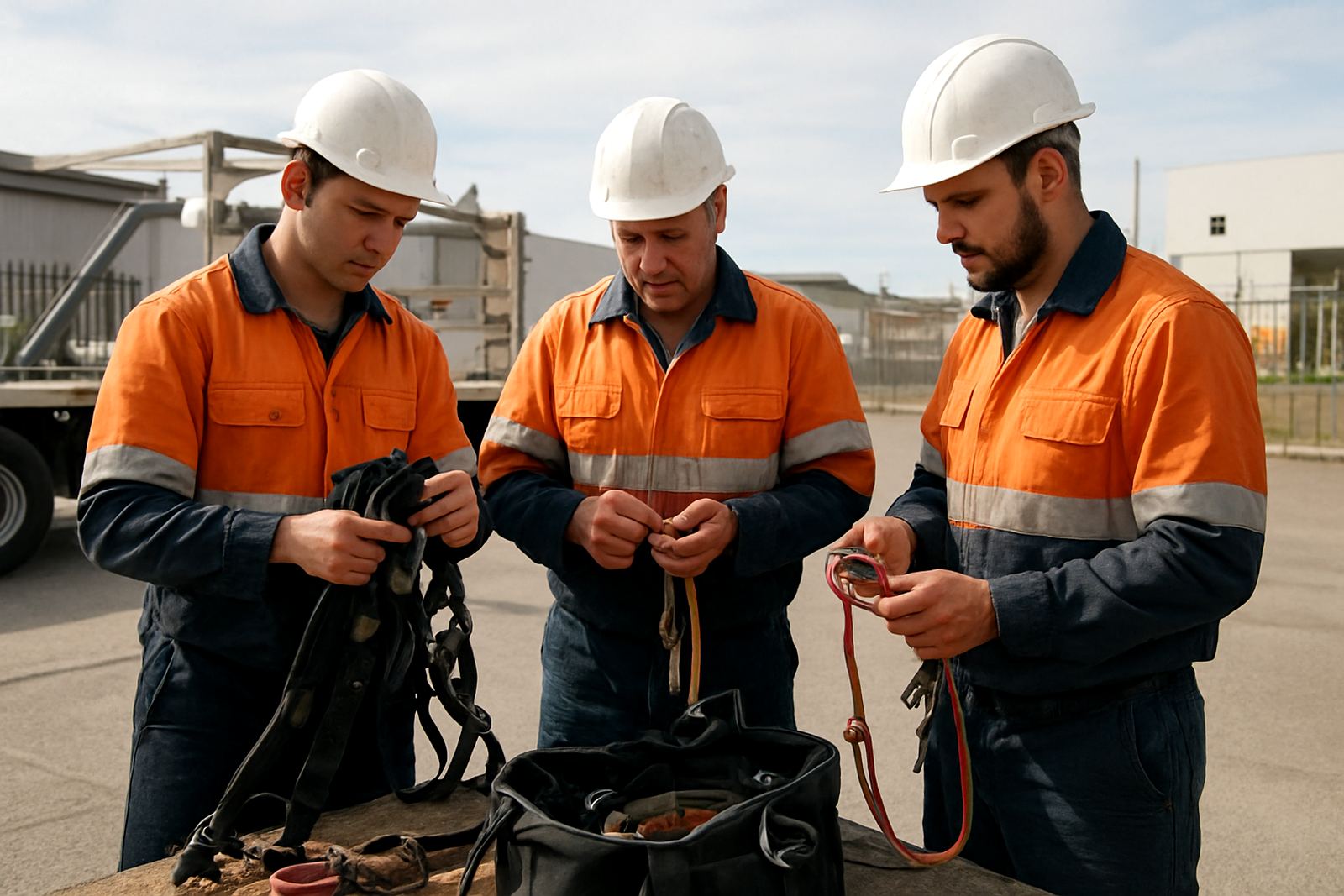
Safe maintenance work starts before the van leaves the depot. The crew needs to know if first-aid support is available on site, where emergency exits are, and whether the area has any special safety rules. If the sign is near a busy entrance or public walkway, the exclusion zone should be agreed in advance so customers and staff are kept clear.
Good safety briefings also cover weather. High winds can stop platform work or scaffold access, especially on exposed buildings in coastal areas. Rain, lightning and poor visibility can all change the plan. If the visit is part of a regular contract, keep a simple record of each callout, the condition found and the action taken. That way the next crew knows exactly what happened last time and what still needs attention.
Include these safety points every time:
- Personal protective equipment required on site
- Traffic control or pedestrian management needs
- Emergency muster point and first-aid contact
- Weather limits for lifts, ladders or roof access
- Any lockout or power isolation steps for illuminated signs
Use a handover format that makes repeat visits easier
A recurring maintenance visit should end with a simple handover. The sign maker or site contact should receive a short note on what was checked, what was repaired and what needs follow-up. If parts are required, list them clearly with sizes and quantities so there is no confusion before the next visit.
Keep the handover format consistent across all branches and sites. That makes it easier to compare recurring problems in Bellville, Paarl, Sandton or Midrand, and it helps identify where a sign may need a stronger fix instead of another temporary repair. A good handover also helps with budgeting, because the sign maker can see which sites need routine servicing and which ones are becoming more costly over time.
For a smooth finish, make sure the crew leaves the site clean, gates closed, and any removed parts accounted for. A neat exit matters as much as a tidy installation, because the next maintenance visit often starts with the record left behind.
Simple briefing checklist for the next maintenance visit
Before each recurring visit, use a short checklist so the crew arrives ready and the sign maker knows what to expect. This is especially useful when the same locations are serviced month after month, or when the site is split between Cape Town and Gauteng.
- Confirm site address, access point and site contact
- State the sign type and the exact fault history
- Confirm the access method required for the job
- Check weather, road conditions and site restrictions
- Prepare any replacement parts, tools and test gear
- Agree the reporting and handover process after the visit
When those points are clear, maintenance visits move quicker, the risk of delay drops, and the sign maker gets a better result from each service round. Small details make the difference, and on a busy site they matter more than most people think.