

What window graphic frames do on a glass frontage
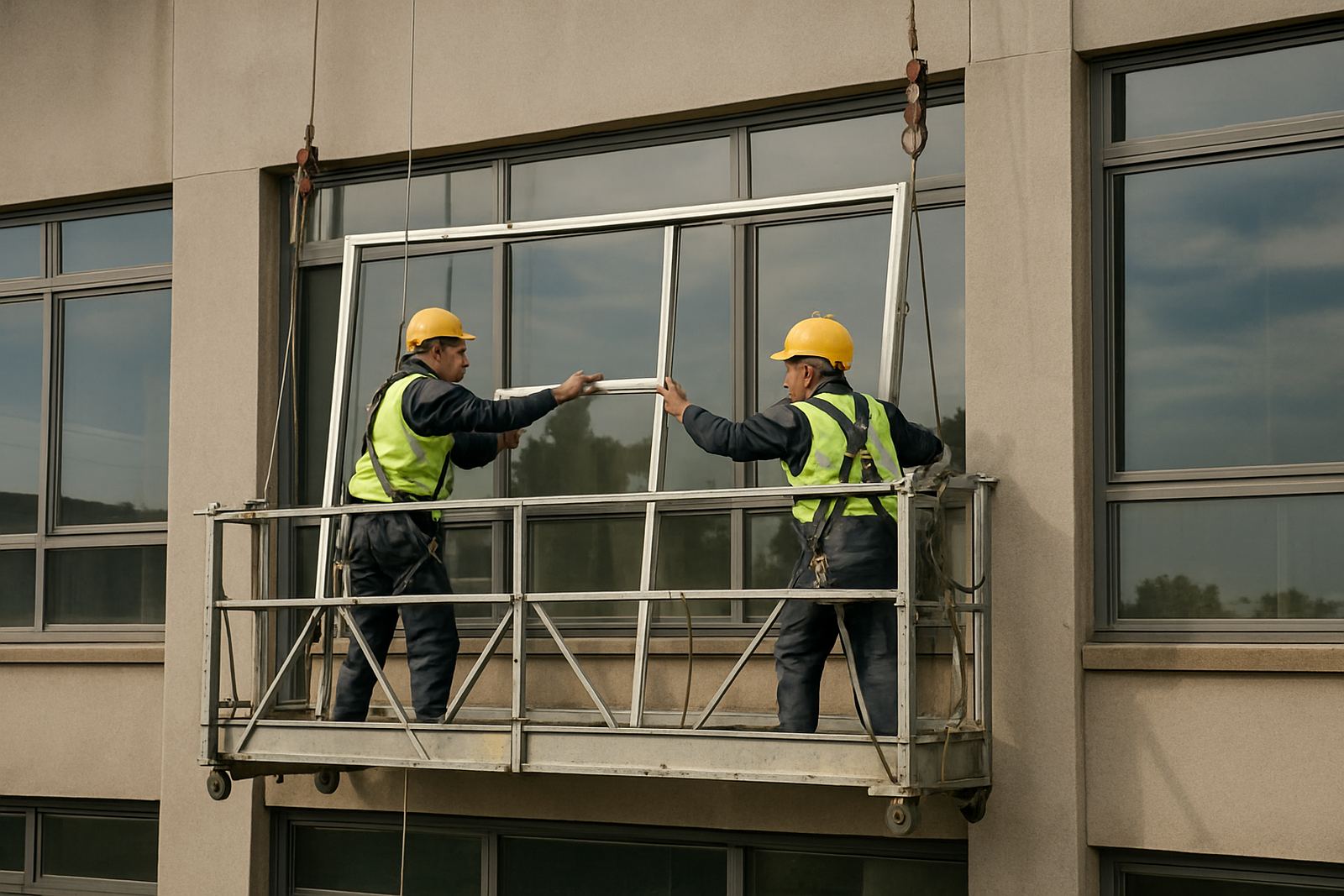
Window graphic frames are a fitted support system used to hold printed window graphics flat and under tension on shopfront glass, office glazing or upper-floor windows. Instead of applying a graphic directly to the glass and hoping it stays neat in sun and wind, the frame gives the sign maker a proper perimeter to work from. That is useful on tall buildings, on wide panes, and on sites where the client wants a clean finish that can be removed and replaced without damaging the glazing.
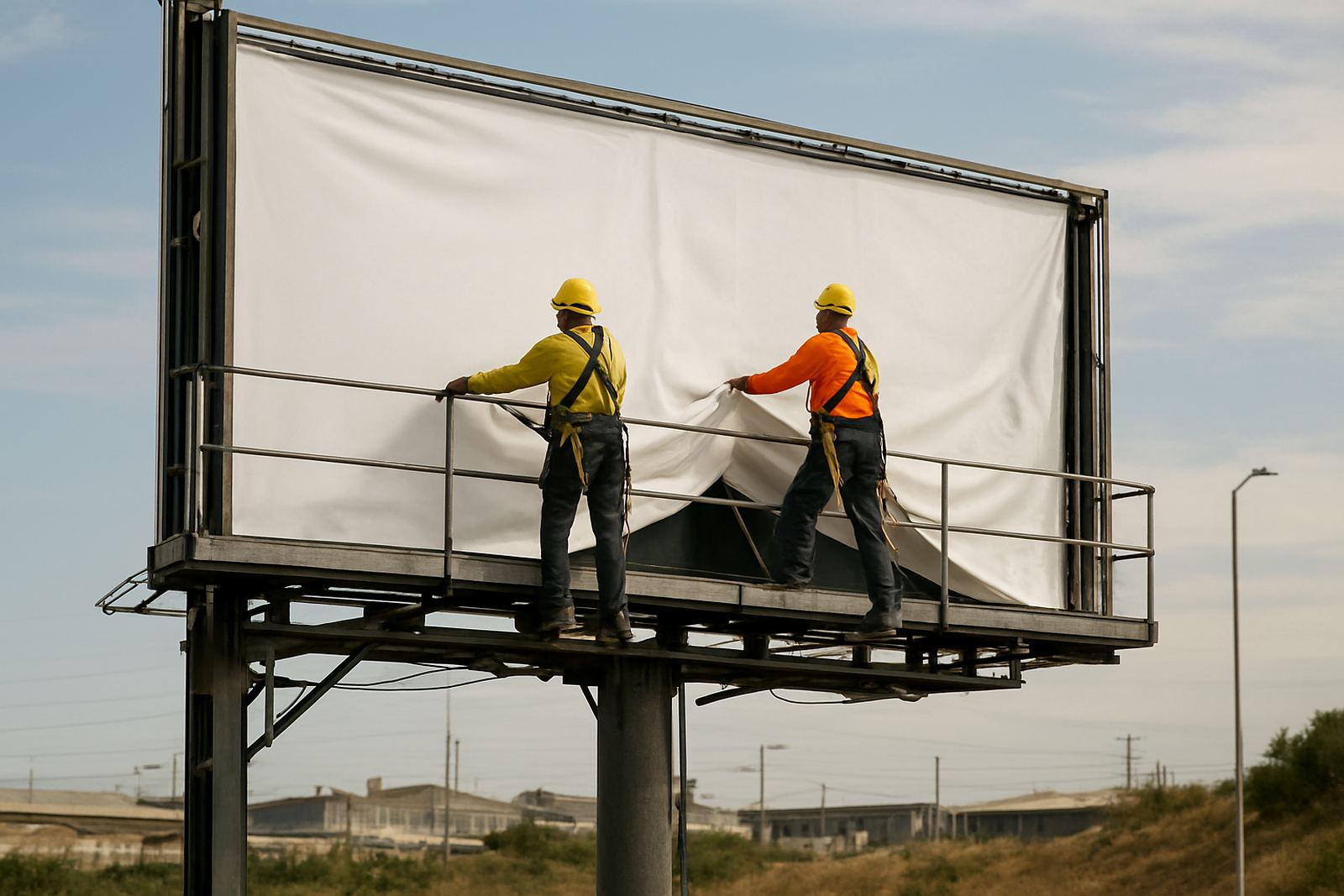
Our crews handle the rigging side only. We install the frame hardware, tension points and access equipment so the sign maker can complete the graphic application. This keeps the job in the right hands and avoids us competing with the sign shops we serve. It also means the work is coordinated properly, which matters when you are dealing with traffic, pedestrians, glass thickness, and site rules from building management or the municipality. On busy streets in Johannesburg CBD or the narrower service lanes around Paarden Eiland, a tidy setup saves time and keeps everyone safer.
Common frame sizes and the options that matter on site
There is no single standard size for window graphic frames. Most jobs are made to the glass opening and the visibility needed from the street, with allowance for fixing points, mullions and any existing fascias. Typical installations can range from small 600 x 900 mm panels to long runs over 3 m wide, and high-level pieces may need split sections if access is tight. The important part is the measured opening, not just the printed graphic size.
We work with frames and tension systems suited to the site conditions, including indoor mall fronts, street-facing shopfronts and upper-floor glazing exposed to wind. In coastal areas such as Cape Town, powder-coated metal and corrosion-resistant fittings are worth specifying because salt air can shorten the life of basic hardware. In Gauteng, heat movement and dusty conditions can affect alignment, so we allow for a little movement and proper edge clearance, otherwise the frame can start to twist over time.
- Frame sizes made to the opening, not a one-size-fits-all cut
- Single-panel or multi-panel layouts for wider glass runs
- Perimeter tension systems for cleaner graphic finish
- Corrosion-resistant fixings for coastal sites
- Access planning for upper floors, atriums and canopies
Where window graphic frames suit best
These frames are best where the client wants a clean promotional display that can be changed often or removed without leaving a mess. They suit retail frontages, banks, car showrooms, office parks, shopping centres, medical suites and commercial buildings with glazed facades. They also work well on temporary campaigns, seasonal promotions and rebranding rollouts where the same glazing is used again and again.
In Paarden Eiland, Bellville and Somerset West we often see retail units that need fast turnaround between tenants. In Sandton, Midrand and the East Rand, site access and building control tend to be the bigger issues, especially where lifts are shared or trading hours are tight. For these locations, a frame system gives sign makers a dependable mounting method and lets our crews plan the lift, access, and loading properly before anybody arrives on site.
- Retail shopfronts and mall entrances
- Office glazing and reception fronts
- Car dealerships and service centres
- Medical and professional suites
- High-level windows needing repeat graphic changes
How our crews install and tension the system
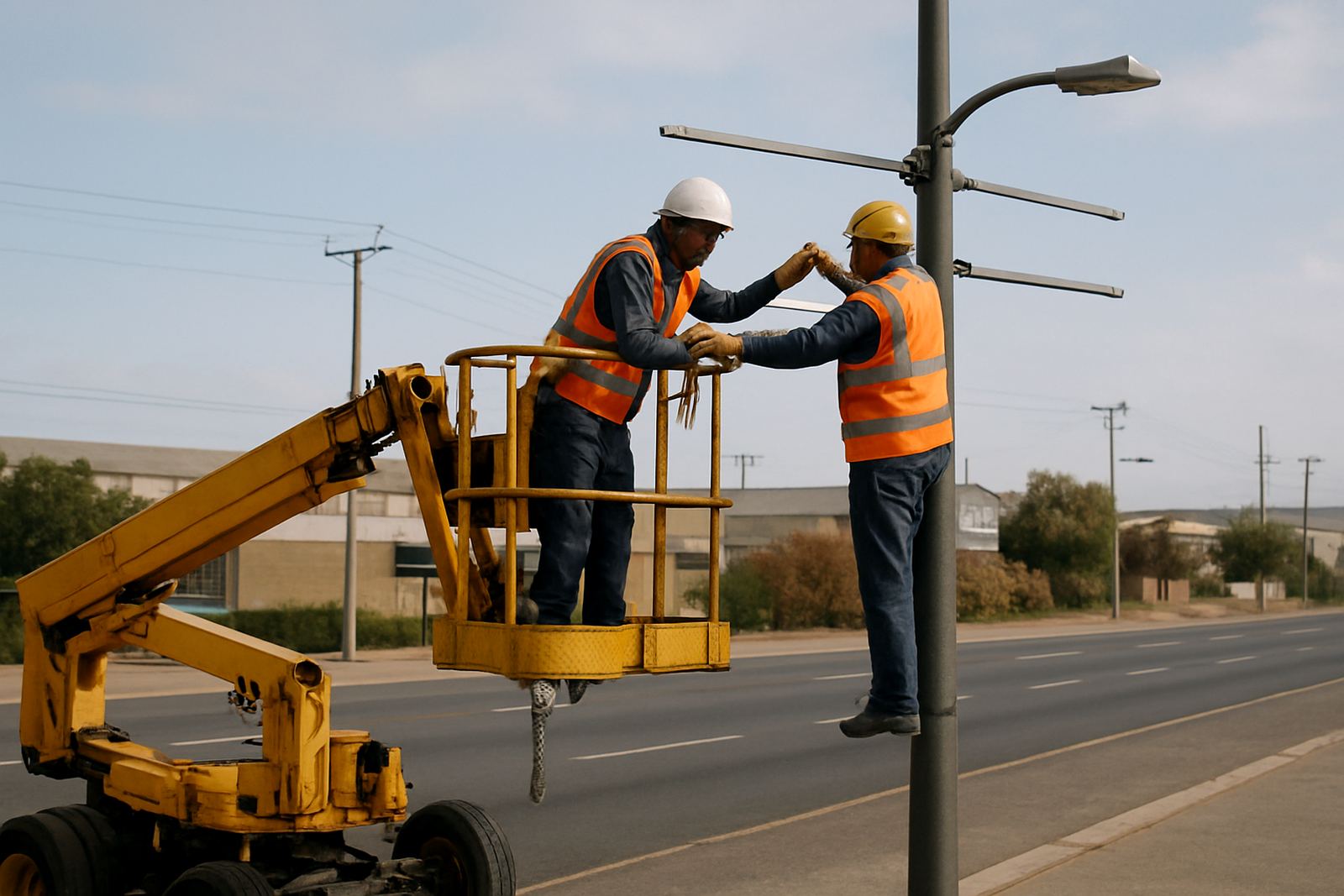
We start with a site survey, measuring the glazing, checking access, and identifying any risks such as overhead lines, uneven paving, security shutters or limited loading space. From there we plan the lift method and the crew needed, whether that is scaffold access, platform work, a vehicle-mounted access unit or a mix of systems. For upper levels, we also check the wind conditions and the time of day, because a small panel on a calm morning can become tricky by lunchtime if the wind picks up.
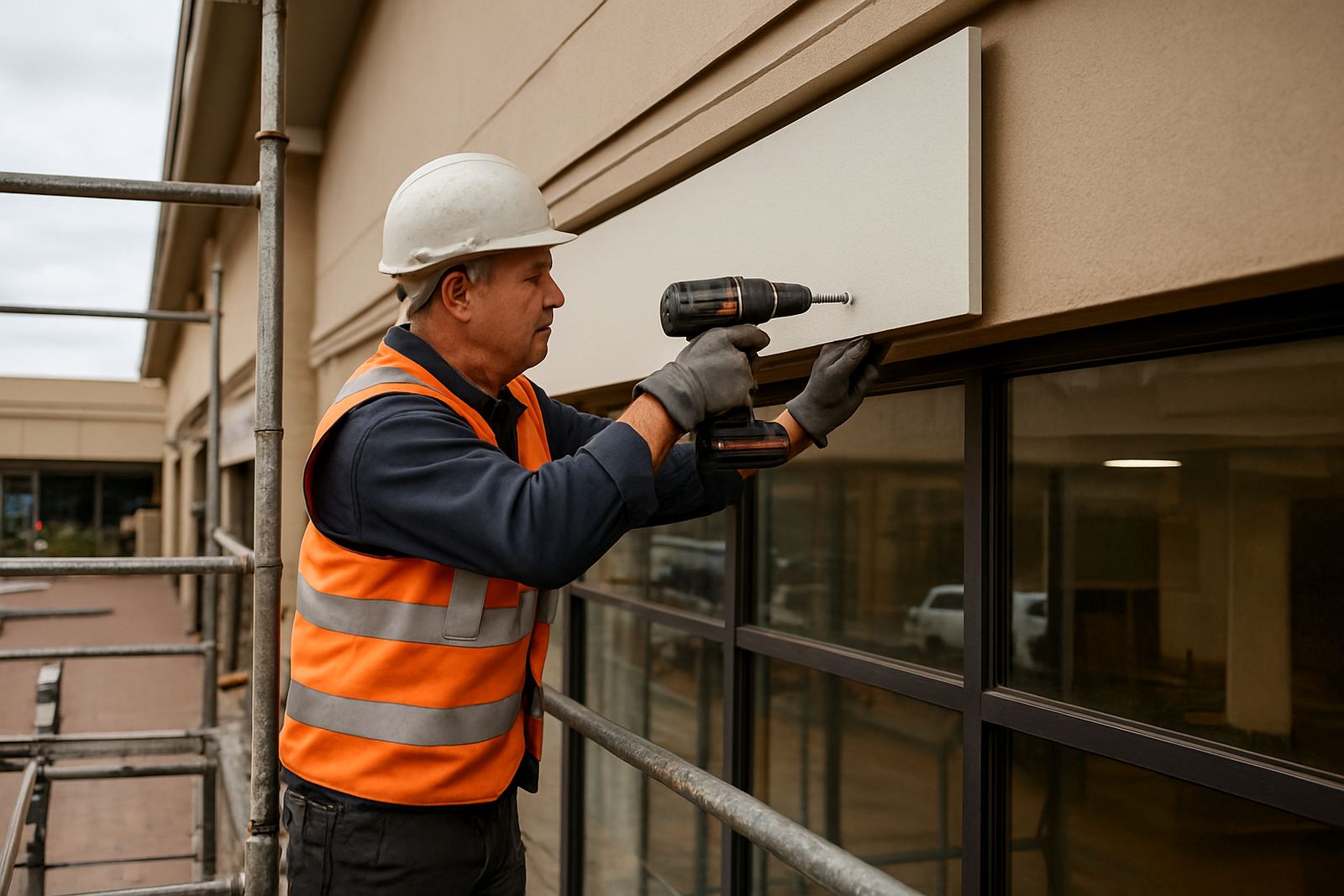
Our installation process includes setting out the frame positions, fixing the hardware to specification and making sure the tension points sit evenly. If the job includes removal or a swap-out, we protect the surrounding finishes and work carefully around existing signage. On some sites the power supply is needed for lighting or illuminated elements around the frame, while other jobs are purely mechanical and need no power at all. Gas is not normally part of a window graphic frame installation unless the site has separate hot works or access equipment requirements, and if that is the case it is planned in advance and never guessed at on the day.
Because we are a rigging crew, our role is to get the hardware in place safely and leave the sign maker with a proper base for the graphic application. It keeps the work neat and reduces the risk of damaged glass, slack tension or poor alignment.
What to check before you place the order
The fastest way to avoid delays is to send the measurements and site details upfront. We need the glazing size, the install height, the type of building frontage and whether there are any obstructions such as rails, canopies, security gates or opening windows. If the frame needs to sit behind existing trim, that should be mentioned early because it affects the exact make-up and fixing method.
It also helps to know whether the frame is for a one-off campaign or a repeat-use system. If the graphic will be changed often, the hardware choice should allow for easier removal and refitting. In coastal towns and humid inland areas, material choice matters too, and stainless or coated fittings can save you from staining later. A small detail left out at quoting stage can cause a delay on site, so the more exact the order the better.
- Clear glass opening size in millimetres
- Installation height from ground level
- Indoor or outdoor exposure
- Coastal, inland or high-dust environment
- Need for repeat graphic changes
- Access restrictions, trading hours or building rules
Care, servicing and when to call us back
Once installed, window graphic frames should be checked after the first few weeks and then at regular maintenance intervals, especially on exposed sites. Look for loose fixings, slight frame movement, damaged tension points and any lifting at the corners of the graphic. On windy facades, even a small amount of movement can become visible and if ignored it tends to get worse.
We also handle servicing when a graphic needs to be removed, replaced or adjusted after a storm, building work or tenant change. If there has been a power interruption and any lighting or access equipment was affected, we can return to assess the site and plan the next visit properly. For sign makers who run multiple sites across the Western Cape or Gauteng, having a crew that understands the hardware, the access and the safety side means fewer call-backs and less wasted time. That matters when jobs are being done between load-shedding windows, mall trading hours and the usual rush on a Monday morning.
Why sign makers bring us in for these jobs
Sign makers use us because we stay in our lane. We install and service the frame and access side, and we do not compete for the graphic supply work. That makes handover cleaner and keeps client relationships where they belong. With crews based in Paarden Eiland and Johannesburg, we can cover Cape Town and surrounding areas as well as Gauteng sites including Johannesburg CBD, Sandton, Midrand and the East Rand.
Our team is used to working with safety procedures, scaffold planning and first-aid trained crews on commercial sites. The right frame can make a window graphic look sharp for months, but only if the measurements, access and fixings are handled properly from the start. That is the part we take care of.
Key facts
| Product type | Window graphic frame hardware and tension system |
|---|---|
| Typical sizes | From 600 x 900 mm to 3 m+ wide, made to site |
| Use case | High-level glazing, shopfronts, offices and mall fronts |
| Access methods | Scaffold, platform work, lift planning or vehicle access |
| Installation needs | Crew, fixings, set-out, and site access approval |
| Power or gas needs | Usually none for the frame itself; lighting or access gear may require power on some sites |