

What an LED retrofit means for an existing sign body
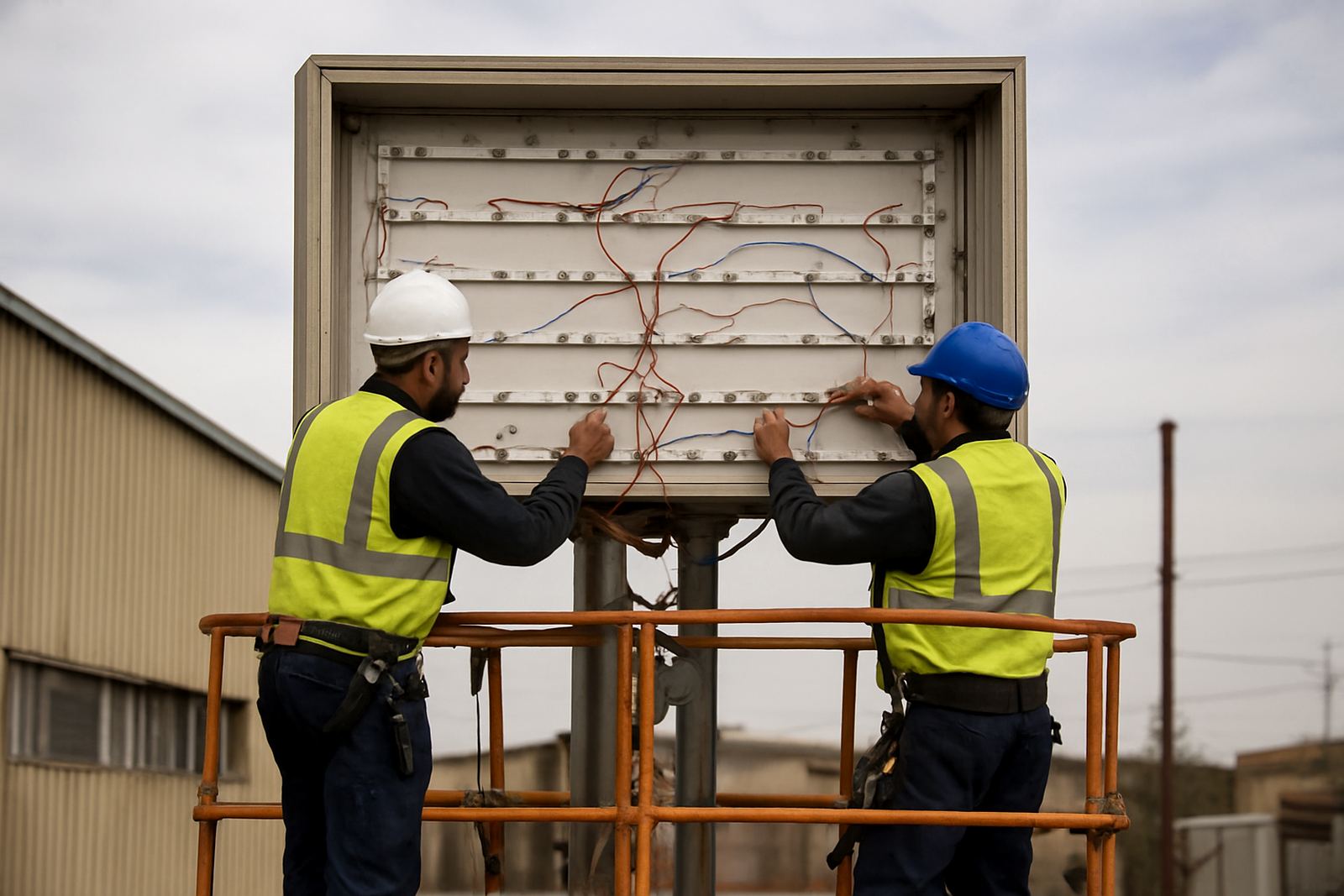
An LED retrofit is the process of opening an existing illuminated sign and replacing older light sources with LED components, while keeping the outer sign body in service. It is commonly used on lightboxes, channel letter sets, pylon faces, fascia signs and internally lit shopfront signs where the cabinet, frame or face is still sound but the lighting has become uneven, costly or difficult to maintain.
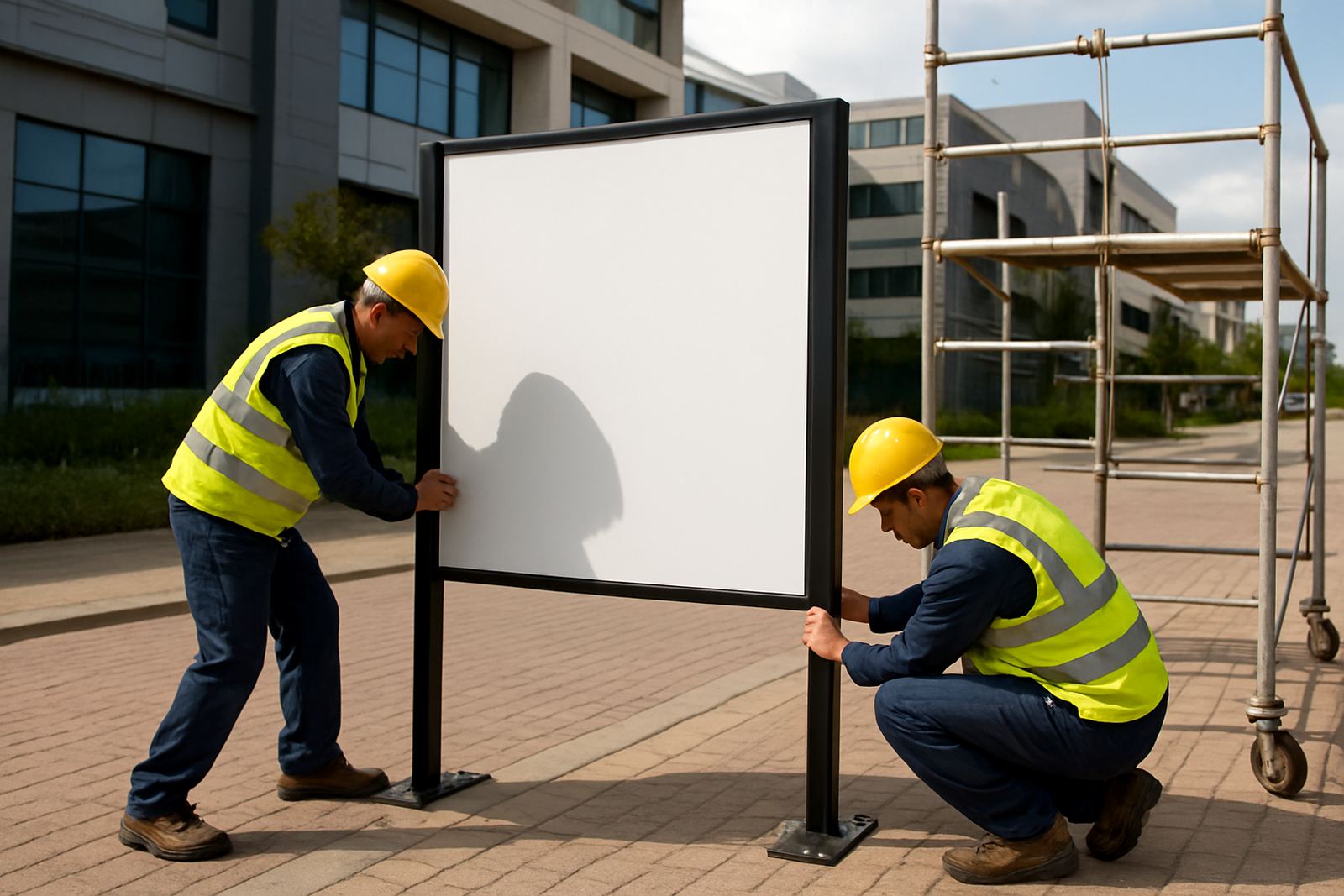
For sign makers, this work often starts with access. We remove or open the sign safely, support any loose panels and hand over the internal space for the electrical or lighting team to complete the changeover. Once the new lighting is in place, we reinstate the sign, check fixings and confirm that the face, trims and seals are seated correctly. That keeps the retrofit tidy and helps avoid water ingress later on.
Sizes, sign types and access options we work with
LED retrofits are not one standard size job. A small wall box above a shop in Bellville needs a different approach from a large roadside pylon in Midrand or a double-sided cabinet in Sandton. We plan access to suit the height, weight and fixing method, then bring the right equipment for the site conditions.
- Small illuminated boxes and fascia signs up to about 3 m wide
- Medium cabinets and lightboxes from 3 m to 8 m wide
- Large panels and pylon faces above 8 m wide, including multi-section faces
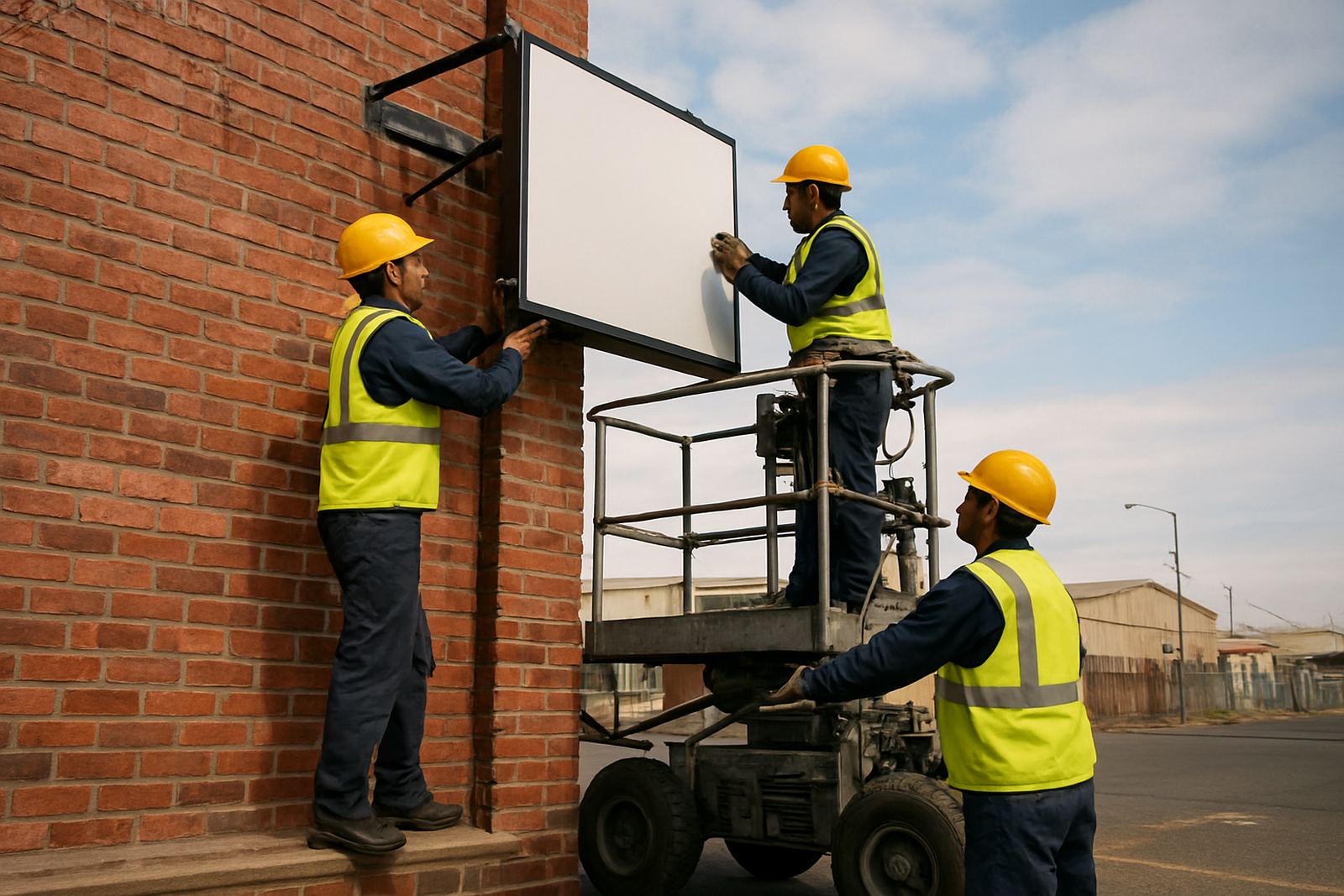
- Channel letters and logos fixed to cladding, brick or metal sheeting
- Signs on single-storey shopfronts, multi-level buildings and yard pylons
- Coastal sites where corrosion and humidity need extra care on fixings and seals
We also arrange scaffold access, platform work and lift planning where the sign position or ground conditions make ladders a bad choice. In Paarden Eiland and other exposed coastal areas, wind loading and salt air can affect the timing and the hardware used. In Johannesburg, height and access are often more about traffic control, overhead obstructions and working around trading hours.
Where LED retrofits suit best
Retrofit work suits signs that still have a solid structure but need better light output, lower running costs or easier future maintenance. Many sign makers use this option when the face is discoloured, the old fittings are failing, or the client wants a simpler system without replacing the whole sign body.
It is a practical choice for retail centres, motor trade sites, warehouses, office parks and industrial yards. It also works well where load-shedding has exposed weak old fittings, or where the sign has been patched up over the years and now needs a proper refresh from the inside out. In some cases the cabinet can stay in place for another few years with a good LED set and fresh seals, which saves the client money and keeps the sign shop's scope tight.
- Older fluorescent or neon-lit signs that need a modern lighting change
- Signs with failed transformers, starters or ageing internal wiring
- Cabinets with a good frame but tired light output
- Sites where access is hard and a full replacement is not needed
- Projects where sign makers want rigging only, not a competing installer
How we handle installation, removal and power isolation
We are a rigging crew, so our role is to make the sign safe to reach, open or remove, then put it back correctly once the retrofit is complete. Before any work starts, we confirm fixing points, isolation requirements and the safest access method. If a sign must come down fully, we remove it in sections where possible and store panels carefully to avoid scratches or cracked corners.
Power isolation is important on every retrofit. The sign maker usually handles the electrical upgrade, but we work with the site team so circuits are isolated, labelled and checked before we touch the sign. On rooftop and high-level work, we also confirm fall protection, ladder tie-offs and exclusion zones below. If the sign sits above a trading entrance, we plan the work around foot traffic and delivery times so the area stays controlled.
- Site survey and lift plan before the first tool comes out
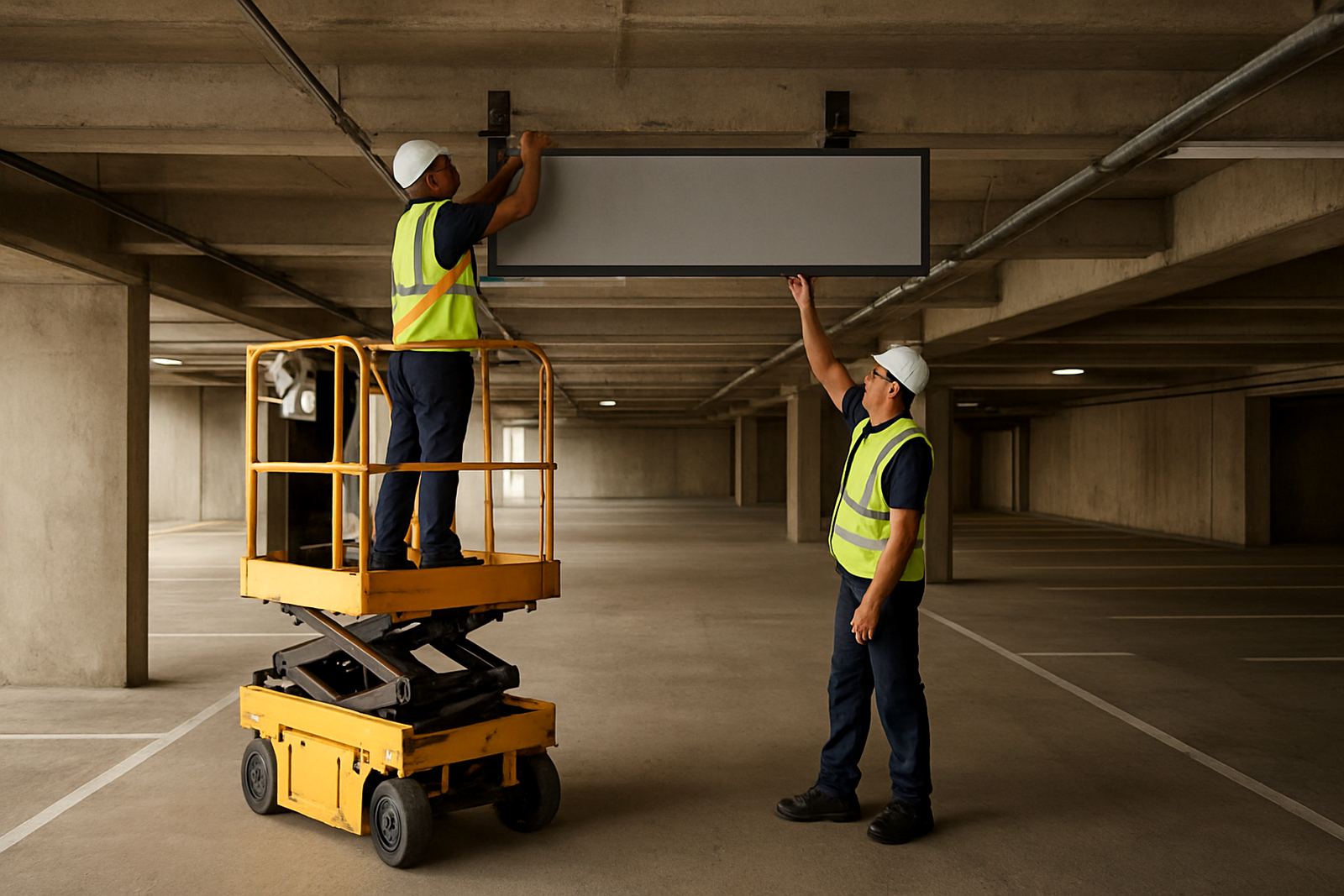
- Safe access using scaffold, platform or suitable lifting equipment
- Removal of old faces, diffusers or access panels where needed
- Support for internal access so lighting crews can complete the retrofit
- Reinstallation, fastener check and final visual inspection
Specs to check before you place an order
Good retrofit planning starts with the right information. The more accurate the brief, the easier it is to choose access equipment and avoid delays on site. We often ask sign makers to confirm the sign size, mounting height and whether the body is being opened in place or removed to the ground.
Please also note whether the sign is on a coastal site, near live traffic, or mounted where there is limited parking for a truck or platform. Those details can affect the method and the timing. If the sign face has been painted over, warped or previously patched, say so upfront. It helps us plan the safest way in and out.
- Overall sign width, height and depth in millimetres
- Mounting height above ground level
- Type of sign body, face material and fixing method
- Whether the sign can be opened in situ or must be removed
- Site conditions such as wind, access limits, traffic or parking restrictions
- Any known electrical issues, water ingress or corroded fasteners
Care, servicing and what to expect after the retrofit
LED fittings last well when the sign body stays dry, the seals remain intact and the access panels are reclosed properly after each visit. We recommend maintenance checks on retrofit signs, especially on coastal routes around the Western Cape where salt and moisture can work into fixings. In Gauteng, dust and vibration can loosen fittings over time, so periodic inspections still matter.
After a retrofit, the sign maker may need us back for a follow-up service visit to check the body, re-open access panels or handle a future face change. If the sign is in a hard-to-reach place, it is worth keeping the same access method on record so the next visit goes quicker. That saves time and keeps the risk down. We also help with emergency callouts where a retrofitted sign has come loose or a face has shifted after wind or water damage.
Our crews work from Paarden Eiland and Johannesburg, covering Bellville, Somerset West, Paarl, Johannesburg CBD, Sandton, Midrand and the East Rand. We support sign makers across the Western Cape and Gauteng with rigging only, so they can keep control of their own client relationships while we handle the height work.
Key facts
| Service type | Rigging support for LED retrofits on existing sign bodies |
|---|---|
| Typical sign sizes | From small fascia boxes to large pylon faces over 8 m wide |
| Access methods | Scaffold, platform work, lift planning and controlled ladder access where suitable |
| Work areas | Paarden Eiland, Cape Town metro, Johannesburg metro and surrounding service routes |
| Safety | Site surveys, trained crews, first-aid ready teams and fall protection planning |
| Best suited for | Sign makers upgrading old illuminated signs without replacing the full structure |