

What pole banners are and how they are fitted
Pole banners are vertical fabric or flexible graphic panels fixed to street poles, precinct lighting columns or similar upright posts. They are usually supplied as a pair of brackets, top and bottom arms, plus a sleeve or clamp detail that keeps the banner in place and controls movement in the wind. For sign makers, this is a neat way to add wayfinding, event branding, seasonal messages or precinct identification without taking up pavement space.
Our crews handle rigging only. That means we install, remove and service the hardware, while the sign shop supplies the artwork and banner material. We work to the site conditions in Paarden Eiland, Bellville, Somerset West, Paarl, Johannesburg CBD, Sandton, Midrand and the East Rand, where pole spacing, traffic flow and access can vary quite a bit.
Typical sizes, bracket styles and banner materials
Most pole banner jobs use a standard vertical format, but the exact size depends on pole diameter, mounting height and wind exposure. Common finished banner sizes are 600 x 1500 mm, 700 x 1800 mm and 800 x 2000 mm, although custom widths and longer panels are often used for municipal or precinct installations. Bracket arms can be fixed or adjustable, and sleeves may be sewn, welded or reinforced depending on the banner material.
- Finished banner size: 600 x 1500 mm, 700 x 1800 mm, 800 x 2000 mm or custom
- Pole diameter: often 76 mm to 114 mm, but larger columns are also seen
- Hardware: aluminium or steel arms, clamps, straps and anti-rotation fittings
- Banner material: mesh, coated fabric or heavy-duty outdoor banner stock
- Finishing: reinforced hems, eyelets, sleeves or pockets
- Orientation: single-sided or double-sided, depending on visibility needs
In stronger wind corridors, especially near the coast, we normally recommend lighter banner media or mesh and proper clearance so the installation does not whip against the pole. That helps the sign last longer and keeps the brackets from working loose.
Where pole banners work best
Pole banners suit streets with regular pedestrian or vehicle movement, precinct entrances, retail routes, campuses and public realm upgrades. They are also useful where wall space is limited, or where a sign maker needs a temporary but tidy format for an event, promotion or local campaign. On shopping streets and business parks, they help create a consistent look along a run of poles without blocking shopfronts or parking.
We often fit them on municipal or privately managed columns where the site owner has approved the mounting point. Before any job, we check access, height, traffic management and whether the pole can carry the load. If the site is in a busy area like Sandton or central Cape Town, we plan around trading hours, pedestrian movement and loading restrictions so the work can be done safely.
- Retail precincts and main roads
- Event routes and seasonal campaigns
- Business parks and industrial estates
- Tourism districts and civic areas
- School, campus and stadium precincts
Installation, access and site planning
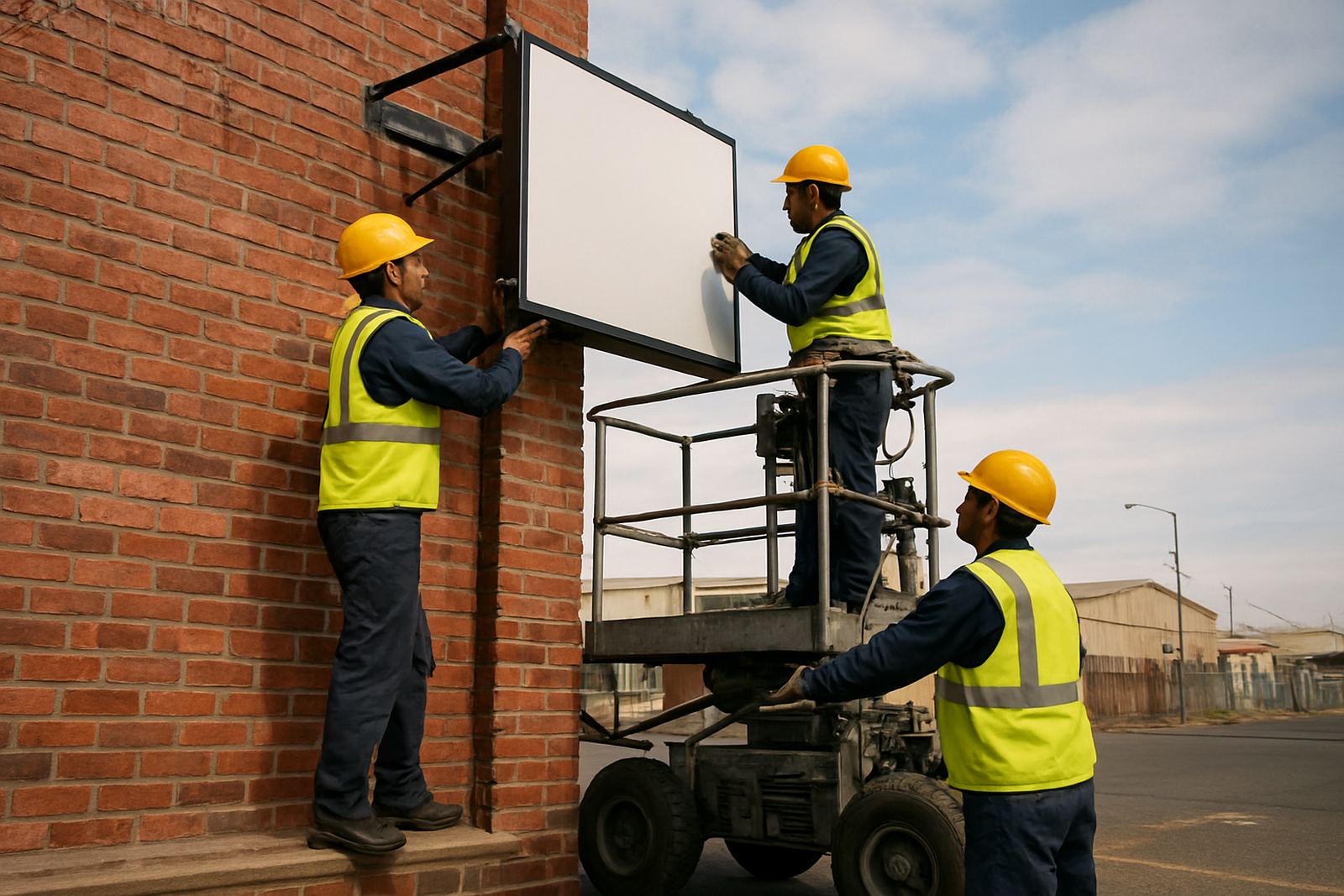
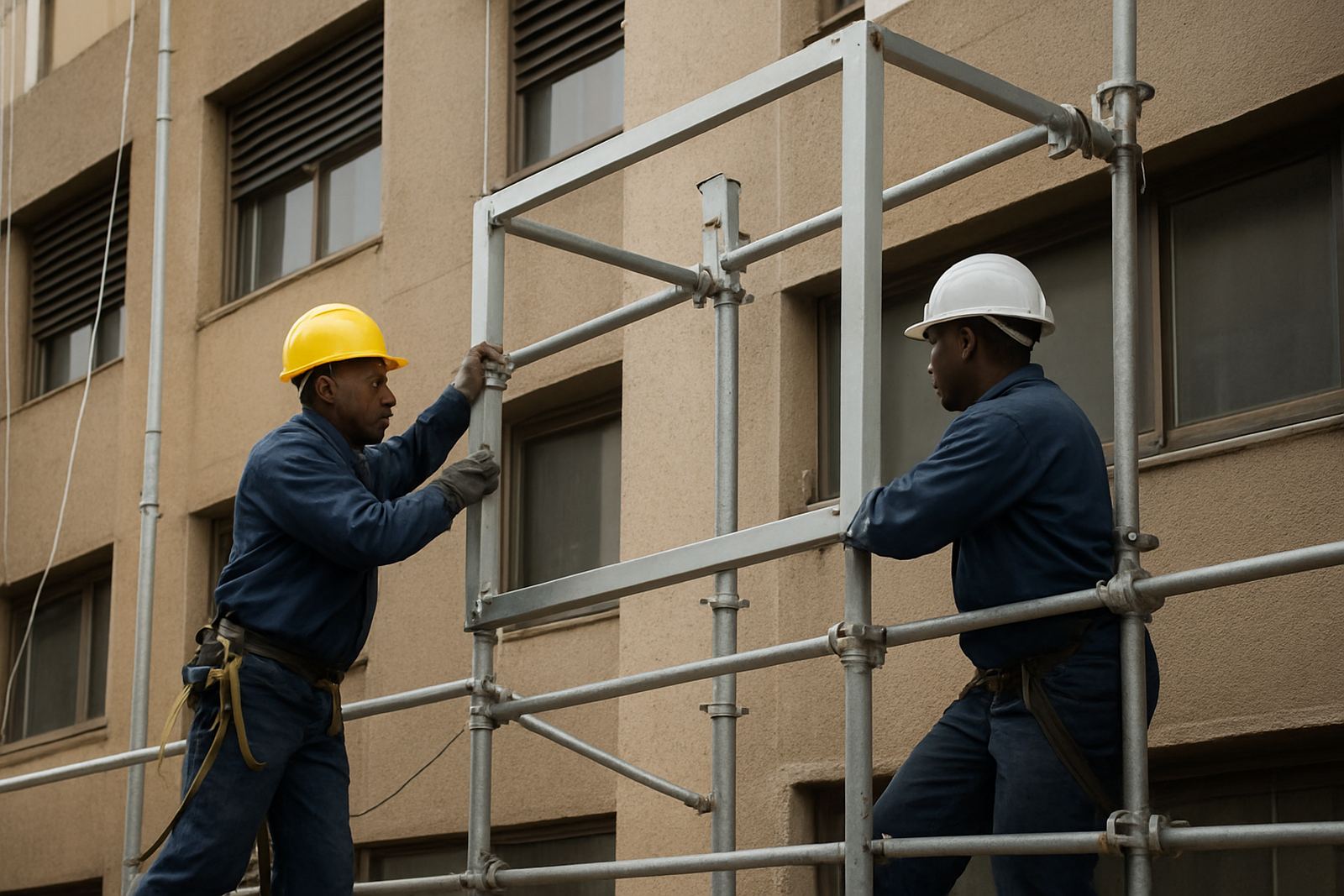
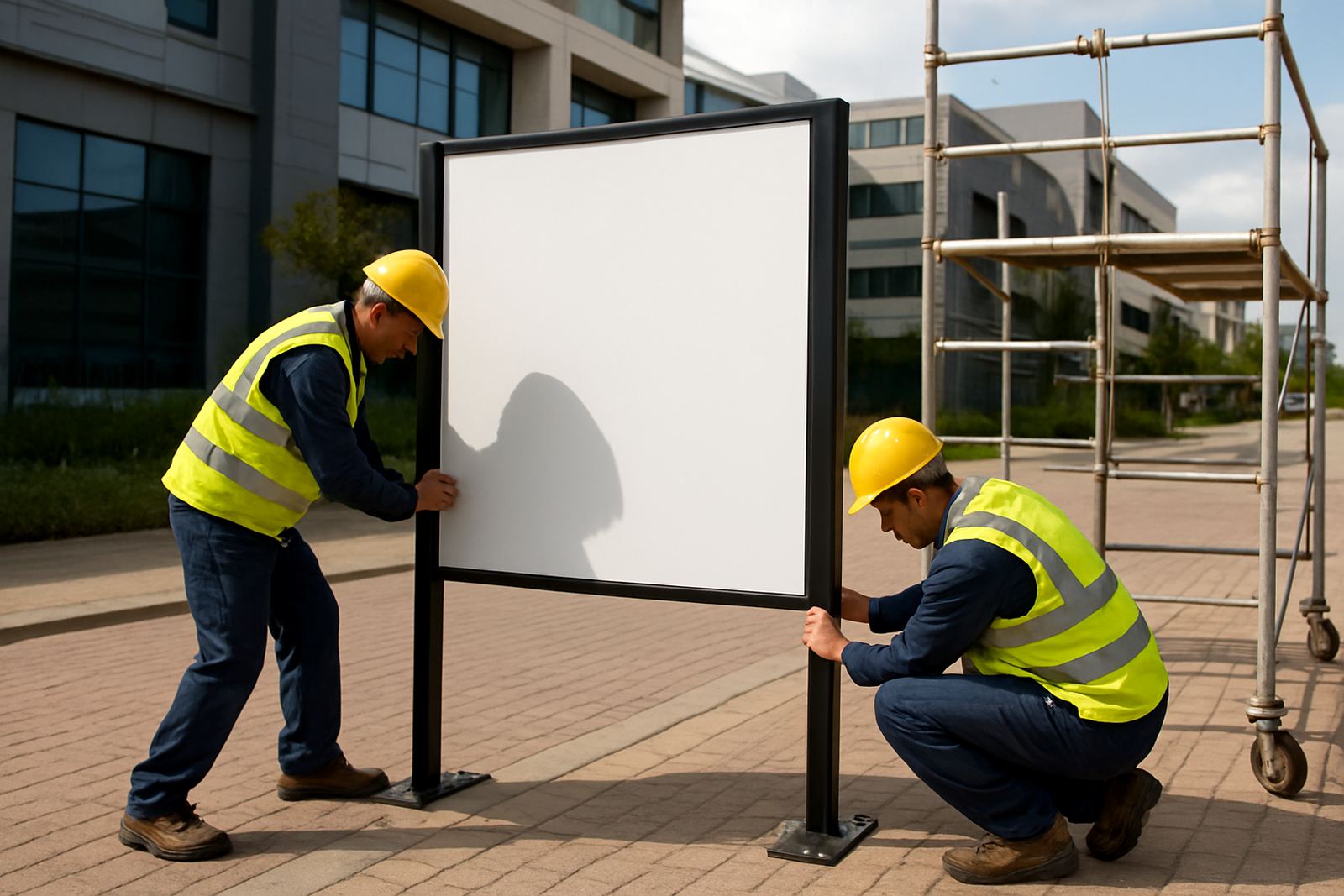
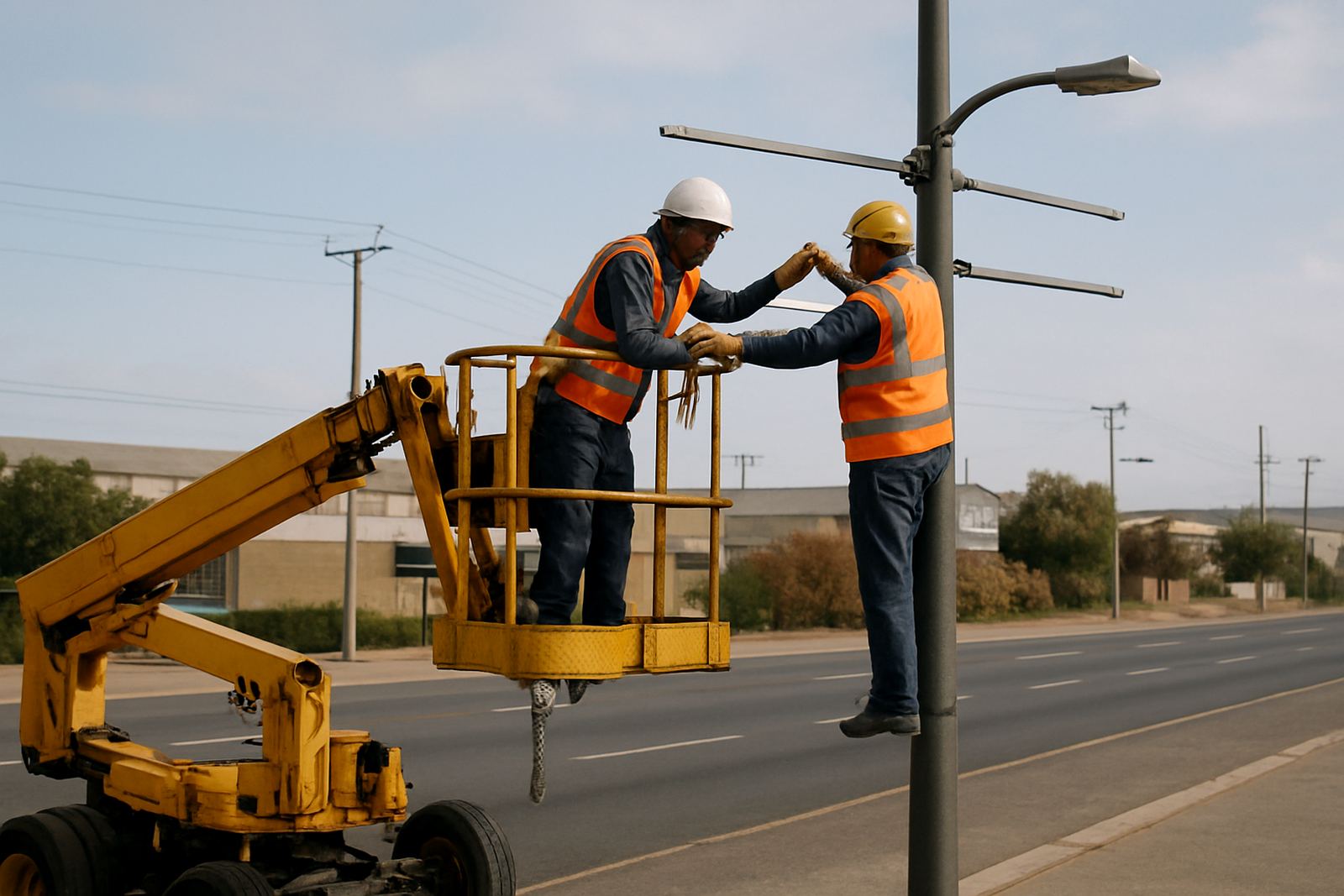
Installation starts with a site survey and a check of the pole condition, fixings, nearby services and working height. Depending on the location, we use ladder access, scaffold, platform work or a planned lift. Where the pole is close to traffic lanes, our team sets out the area and works with the right access method to avoid unnecessary disruption. Some jobs are quick, while others need more time because the pole is high, the verge is uneven, or the route is busy.
Standard pole banner systems do not need power or gas. If the site includes an illuminated column nearby, we simply work around the electrical equipment and keep clear of any live components. Our crews are first-aid trained and safety managed, and we can arrange lift planning when the site demands it. In Cape Town, coastal humidity and salt air can affect fixings over time, so we pay close attention to fastener choice and corrosion signs. In Gauteng, dust and heat mean regular checking is just as important.
- Site survey before fitment
- Traffic and pedestrian control where needed
- Access by ladder, scaffold or platform
- No power or gas required for standard pole banners
- Lift planning available for taller or harder sites
Servicing, removals and weather checks
Pole banners need periodic servicing because wind, UV and traffic movement all put strain on the hardware. A banner that looks fine from the ground can still have worn hems, cracked brackets or loose straps. We carry out maintenance visits, tighten fittings, replace damaged parts and remove banners when campaigns end. For sign makers, this helps avoid callbacks and keeps the client site looking orderly.
If a banner has torn in a storm or a bracket has shifted after a windy spell, an emergency callout may be needed. We can also remove old sets before a new artwork run goes up. On coastal sites, check for surface rust, faded material and salt build-up. On inland sites, look for dust packing around clamps and any movement where the banner sleeve meets the arm.
What to check before ordering pole banners
Good results start with the right details at the ordering stage. The sign shop should confirm the pole type, mounting height, banner size and whether the client wants single or double-sided graphics. It also helps to know whether the poles are owned by a municipality, a precinct body or a private landlord, since approval rules can differ. If the installation is on a busy street, allow enough time for access approval and traffic control.
Before we book the crew, make sure the following information is ready. This avoids rework and helps the brackets match the site properly.
- Pole diameter and height to the fixing point
- Finished banner size and orientation
- Single-sided or double-sided print
- Material choice and expected exposure to wind
- Site address, access times and any permit requirements
- Whether the job is new fitment, removal or replacement
If there are existing banners on site, send us the condition and mounting details too. That helps us plan the right tools and access, and it can save time on the day.
Key facts
| Service area | Cape Town and Johannesburg, including Paarden Eiland, Bellville, Somerset West, Paarl, Johannesburg CBD, Sandton, Midrand and the East Rand |
|---|---|
| Typical banner sizes | 600 x 1500 mm, 700 x 1800 mm, 800 x 2000 mm and custom sizes |
| Mounting types | Bracket arms, clamps, straps, sleeves, pockets and anti-rotation fittings |
| Access methods | Ladder, scaffold, platform work and lift planning |
| Power or gas needs | None for standard pole banner installations |
| Common use cases | Retail precincts, event routes, business parks, tourism areas and municipal streets |
| Service options | Installation, removal, servicing, maintenance visits, emergency callouts and relocations |